
Dog ACL brace vs surgery partial tear should be judged by one practical question: does your dog need conservative support and close monitoring, or has the knee become unstable enough that surgery deserves stronger consideration. A partial tear does not always lead to the same decision path, because age, size, activity level, pain, and daily stability all change what “best option” means. If you want a broader fit-and-support reference before comparing brace and surgery directly, start with this dog knee brace for ACL injury guide.
Das Wichtigste in Kürze
- A brace can make more sense for selected partial tears when the knee still has usable stability and the dog can follow a controlled recovery plan.
- Surgery becomes more relevant when pain, instability, or activity demands make conservative support less reliable.
- The right decision depends on support goals, recovery burden, and repeated reassessment rather than on one rule for every dog.
Understanding Dog Cruciate Ligament Damage
What Is a Partial Tear?
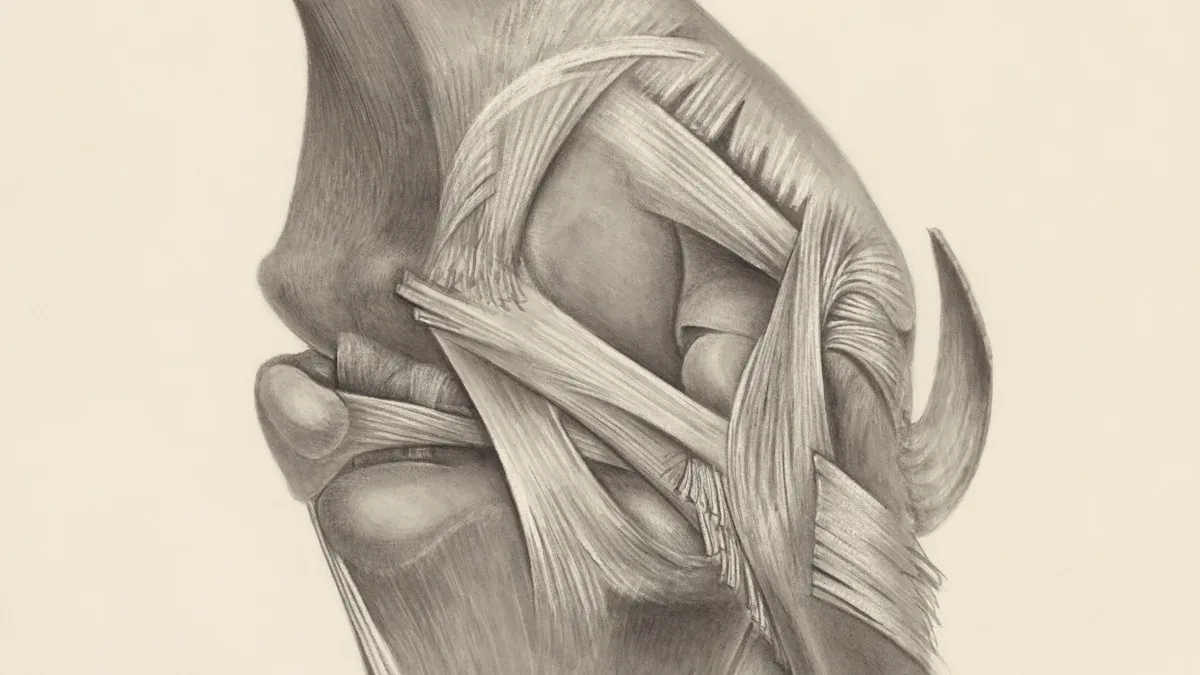
Your veterinarian might talk about a partial tear when your dog hurts its knee. A partial tear means only some fibers in the cranial cruciate ligament are hurt. The ligament still keeps the knee together, but it does not work as well. Dogs with a partial tear may limp a little or feel stiff, especially after playing or resting. The knee does not lose all its strength like with a full tear. But the joint can get hurt more easily if you do not take care of it.
Impact on Knee Stability
A partial tear changes how your dog’s knee moves. The ligament cannot fully control the bones in the joint. This cA partial tear changes how the knee controls motion, but the amount of instability can vary a lot from dog to dog. Some dogs still keep useful weight-bearing and only show mild limping or stiffness. Others begin shifting weight away from the leg, walking more cautiously, or showing clearer knee instability during daily movement.
| What to Watch | What It May Mean |
|---|---|
| Mild limp after rest or activity | The knee still works, but support and activity control may be needed. |
| Shifting weight off the leg | The dog may be protecting a less stable or more painful knee. |
| Repeated slipping, toe-touching, or hesitation | The case may need stronger reassessment instead of simple watch-and-wait. |
| Worsening instability over time | The decision may move closer to surgery rather than brace-only management. |
That is why the question is not just whether the ligament is partially torn. The better question is how much useful stability remains and whether conservative management can realistically protect the knee. For a more support-specific comparison, read dog leg brace ACL tear: partial tear vs full tear.
Dog ACL Brace vs Surgery Partial Tear: When to Compare Options
Signs a Dog Knee Brace May Be Suitable
You might think about using a brace when the knee still has usable daily stability, the dog can still bear weight, and the recovery plan can stay controlled. A brace often makes more sense when the goal is conservative management, activity control, and safer walking rather than immediate mechanical correction. That can be especially relevant when the dog is older, has medical limitations, or the tear is being monitored closely with veterinary guidance.
A brace is usually more realistic when the dog still walks on the leg, the pain is not escalating fast, and you can manage short walks, rest, and follow-up checks consistently. For a more brace-focused decision path, compare this article with non-surgical dog ACL brace options and the dog cruciate ligament brace solution page.
When Surgery Is Considered
SSurgery deserves stronger consideration when pain stays significant, instability becomes harder to control, or conservative support no longer protects the knee well enough for daily life. It is often discussed more seriously for larger dogs, more active dogs, dogs whose knee keeps worsening despite controlled management, or dogs whose long-term movement goals are hard to support with a brace alone.
| Decision Signal | Why It Pushes the Discussion Toward Surgery |
|---|---|
| Pain stays high | Brace-based support may not be doing enough for comfort or function. |
| Instability keeps increasing | The knee may no longer respond well to conservative support alone. |
| Higher activity demands | The dog may need stronger long-term mechanical stability. |
| Conservative plan fails | Rest, rehab, and bracing may no longer match the dog’s real support needs. |
The better framing is not “brace or surgery in every case.” It is whether conservative support is still realistic for this dog’s pain, stability, and recovery goals.
Support Goals with Dog Knee Brace and Surgery
How a Dog Knee Brace Provides Support
You want your dog to walk with less strain and more control, and that is where a knee brace can help. A brace supports the knee externally, reduces excessive motion, and makes it easier to manage activity while the partial tear is being monitored. In the best cases, this can improve comfort, weight-bearing, and day-to-day confidence without forcing a surgical decision too early.
A brace is usually best understood as a support tool rather than a cure. It works best when paired with activity limits, rehab work, weight management, and repeated reassessment. For more brace-selection detail after this section, compare this article with dog knee brace for CCL tear: fit, traction, and safe use.
Surgical Stabilization Explained
Surgery aims to improve knee stability more directly than a brace can. Your veterinarian may discuss options such as LSS, TPLO, or TTA depending on body size, activity demands, knee instability, and long-term movement goals. The key comparison here is not memorizing procedure names. It is understanding that surgery usually asks for more upfront commitment in exchange for stronger mechanical stabilization.
| Path | Main Goal | Main Tradeoff |
|---|---|---|
| Brace-based conservative care | Support the knee and control activity without immediate surgery | Needs close monitoring and may not be enough for every dog |
| Surgical stabilization | Improve mechanical stability more directly | Higher upfront burden, stricter rehab, and longer structured recovery |
Surgery does not remove the need for rehab. It changes the support strategy from external management to a more direct stabilization approach.g a steady knee so they can be active again. Surgery needs careful rehab and follow-up visits.
Expected Outcomes for Each Approach
You want to know what happens after using a knee brace or surgery. Both can help your dog, but the results are nYou want to know what kind of improvement to expect from each path. A brace may improve comfort, activity control, and day-to-day stability, especially when the partial tear is being managed conservatively. Surgery may offer a stronger long-term answer when instability, pain, or activity demands make brace-only support less realistic.
Neither path is “easy.” A brace demands consistent management and realistic activity control. Surgery demands stricter recovery structure and rehab commitment. The better option is the one that matches your dog’s instability level, lifestyle, and your ability to follow through with the plan.
Note: A brace can be a valid part of conservative care for selected partial tears, but it should not be presented as a guaranteed substitute for surgery in every case.
Recovery Demands and Management
Recovery Timeline with a Dog Knee Brace
If you choose brace-based conservative care, the main demand is consistent management. You need daily brace checks, short controlled walks, activity limits, and regular reassessment of pain, gait, and knee stability. Improvement is usually judged by steadier walking, better comfort, and fewer flare-ups rather than by instant return to full activity.
Post-Surgery Recovery Process
If your dog has surgery, the main demand is structured recovery rather than simple rest alone. Recovery usually moves from pain control and strict restriction into gradual rehab and controlled return to activity.
| Recovery Phase | Main Focus |
|---|---|
| Early phase | Pain control, incision care, restricted movement |
| Rehab build-up | Controlled exercise, guided weight-bearing, veterinary follow-up |
| Longer-term return | Gradual increase in activity based on healing progress |
You still need follow-up visits, activity control, and rehabilitation work. Surgery changes the recovery path, but it does not remove the management burden.
Complications and Setbacks
Both paths can have setbacks. A brace may fail because of slipping, rubbing, or poor activity control. Surgery may still involve swelling, slow progress, or rehab setbacks if the recovery plan is not followed closely. Watch for increasing limping, pain, swelling, skin injury, or reduced willingness to use the leg. Those signs usually mean the plan needs reassessment rather than more waiting.
Surgery vs Knee Brace: Key Decision Factors
Choosing between surgery and a knee brace for a dog’s partial acl tear involves several important factors. You need to look at your dog’s injury, age, size, activity, and your ability to manage recovery. Your vet will help you decide which path fits your dog’s needs best. The table below gives you a quick side-by-side view of the main decision points:
| Decision Factor | Brace-Based Conservative Care | Surgery-Focused Path |
|---|---|---|
| Partial tear severity | More realistic when usable stability remains | More relevant when instability is increasing |
| Pain and function | Best when pain and gait can still be managed conservatively | Stronger option when comfort and function keep declining |
| Dog profile | Often more realistic for lower-demand, older, or medically limited dogs | Often stronger for higher-demand, larger, or more active dogs |
| Management burden | Daily brace checks, activity control, repeated monitoring | Higher upfront intervention plus structured rehab |
| Main goal | Support conservative management safely | Address stability more directly |
Severity and Stability Needs
You need to know how much stability remains before choosing a treatment path. If the partial tear still leaves the knee usable and the dog can walk with controlled support, brace-based management may be reasonable. If the knee feels increasingly loose, painful, or unreliable, surgery usually deserves a more serious discussion.
Tip: Always ask your vet to check knee stability. This helps you pick the right support path for your dog’s acl injury.
Age, Size, and Activity Level
Your dog’s age, size, and activity level all change how realistic each option is. Older or medically limited dogs may be better candidates for brace-based conservative care when surgery carries higher burden. Younger, larger, or higher-demand dogs may push the decision more strongly toward surgery if the knee needs greater long-term stability.
Your vet will look at your dog’s breed, weight, and lifestyle. This helps them guide you to the best choice. You can learn more about breed and activity considerations on our knee brace guidance page.
Cost and Management Burden
You need to plan for both cost and management burden. Surgery usually brings a higher upfront medical burden and a stricter rehab structure. Bracing usually costs less upfront, but it shifts more of the long-term daily monitoring, activity control, and fit management onto the owner or clinic. Neither path is low-effort. They simply ask for different kinds of commitment.
For a broader condition-based support path after this section, continue to the ACL support solution page.
Veterinary and Rehab Recommendations
Your Your veterinarian’s advice is the center of the brace-vs-surgery decision. The job of this article is to help structure the conversation, not to replace it. Veterinary follow-up helps determine whether the knee is staying stable enough for conservative care or whether surgery is becoming the stronger path. Rehab planning matters in both cases, because neither brace use nor surgery works well without controlled movement and reassessment.
If you want to compare product-side support after the decision logic is clear, review the dog knee brace category.
Note: Use this article to improve the decision conversation with your vet, not to self-diagnose the correct path.
Limitations and Misconceptions
Myths about Braces and Surgery
You may hear strong opinions about dog ACL brace vs surgery partial tear, but several common myths make the decision harder than it needs to be:
- Myth: A brace fixes every partial tear.
Reality: A brace supports conservative management, but it does not repair the ligament itself. - Myth: Surgery is automatically best for every partial tear.
Reality: Some partial tears can be managed conservatively when stability, pain, and lifestyle factors support that path. - Myth: If a dog improves in a brace, the decision is finished.
Reality: Improvement still needs reassessment because some cases worsen over time. - Myth: Brace use means surgery is off the table forever.
Reality: Bracing may be a management step, a bridge, or a selected long-term path depending on the case.
You should always bring these assumptions back to your vet, because each case changes with time and response to care.
Realistic Expectations for Partial Tears
You should expect steady progress rather than instant resolution. Braces work best when activity is controlled and the knee is reassessed regularly. Surgery may offer a stronger stability path, but it still demands structured recovery, rehab, and follow-up. Neither option removes the need for monitoring.
The best expectation is not “which option is perfect.” It is which option matches your dog’s current knee stability, pain level, and recovery burden more honestly.
Next Steps for Clinics and Owners
Discussing Options with a Vet
You need to talk to your veterinarian before you choose either a brace-based path or surgery for a partial tear. Start by discussing your dog’s pain level, daily activity, body size, age, and how much usable stability the knee still has.
| Key Discussion Point | Warum das wichtig ist |
|---|---|
| Severity of the tear | Helps define whether conservative support is realistic. |
| Knee stability | Shows whether the joint is still manageable without surgery. |
| Weight and activity level | Change how much load the knee must handle daily. |
| Rehab commitment | Both brace care and surgery need follow-through to work well. |
| Owner management capacity | Helps determine whether the plan is realistic in daily life. |
You should ask about both paths instead of assuming one is automatically right. The better decision usually becomes clearer when instability, pain, and management burden are discussed together.
Planning for Follow-Up and Rehab
You must plan for follow-up and rehab no matter which option you choose. Partial tears usually do better when the recovery plan is structured instead of reactive.
- Control pain and swelling according to your veterinarian’s plan.
- Limit activity before the dog overloads the knee again.
- Use gradual, controlled exercise instead of unsupervised return to normal play.
- Reassess gait, stability, and comfort regularly.
- Adjust the plan when progress stalls or the knee worsens.
| Follow-Up Focus | Brace Path | Surgery Path |
|---|---|---|
| Daily management | Brace fit, skin checks, activity control | Incision care, restriction, structured rehab |
| Reassessment goal | Confirm conservative care is still working | Confirm healing and return-to-activity progress |
| Main risk | False improvement without enough stability | Too much activity before recovery is ready |
Clinics and owners should use follow-up to decide whether the current path is still valid, not just to confirm that some improvement happened.tial tear choice.
You have to make big choices when looking at dog ACL brace vs surgery partial tear options. The table below sYou have to make a real decision when comparing dog ACL brace vs surgery partial tear, but the right answer depends on how stable the knee still is and how much recovery burden each path creates for this dog.
| Aspect | Brace-Based Conservative Care | Surgery-Focused Path |
|---|---|---|
| Best fit | Selected partial tears with realistic conservative-management goals | Cases with stronger instability, pain, or activity demands |
| Main value | External support, activity control, and symptom management | More direct stabilization strategy |
| Main burden | Daily monitoring and strict consistency | Higher upfront intervention and structured rehab |
| Decision style | Works best when the case is monitored closely | Works best when stronger stabilization is worth the recovery burden |
For next steps, continue to the dog knee brace for ACL injury guide, the non-surgical dog ACL brace guide, the partial tear vs full tear comparison, the ACL support solution page, or the dog knee brace category depending on whether you still need education, conservative-care logic, condition planning, or product comparison. Data authenticity note: This article is for educational purposes only. It is designed to help readers compare brace-based care and surgery discussion points for partial ACL tears in dogs, not to replace veterinary diagnosis or individualized treatment advice.
Häufig gestellte Fragen
What signs show a dog may benefit from a knee brace for a partial tear?
A brace may be more reasonable when your dog still bears weight, the knee still has usable daily stability, and the case can be managed with controlled activity and follow-up.
How long does a dog need to wear a knee brace for a partial tear?
Many dogs need brace-based support for weeks or longer, but the timeline depends on pain, stability, and veterinary reassessment. Daily brace checks and controlled activity matter more than chasing one fixed timeline.
Is surgery always needed for a dog with a partial ACL tear?
No. Not every dog with a partial tear needs surgery right away. Some cases can be managed conservatively, but the decision depends on knee stability, pain, dog profile, and follow-up response.
Can a dog return to normal activity after using a knee brace?
Some dogs do return to better daily activity with a brace, but that depends on how well the knee responds to conservative management. Improvement should be judged by safer movement and better comfort, not by immediate return to full activity.
Who should decide between a dog ACL brace vs surgery partial tear?
Your veterinarian should decide the medical direction, but this article can help you prepare the right questions about stability, pain, management burden, and recovery goals before that conversation.
