
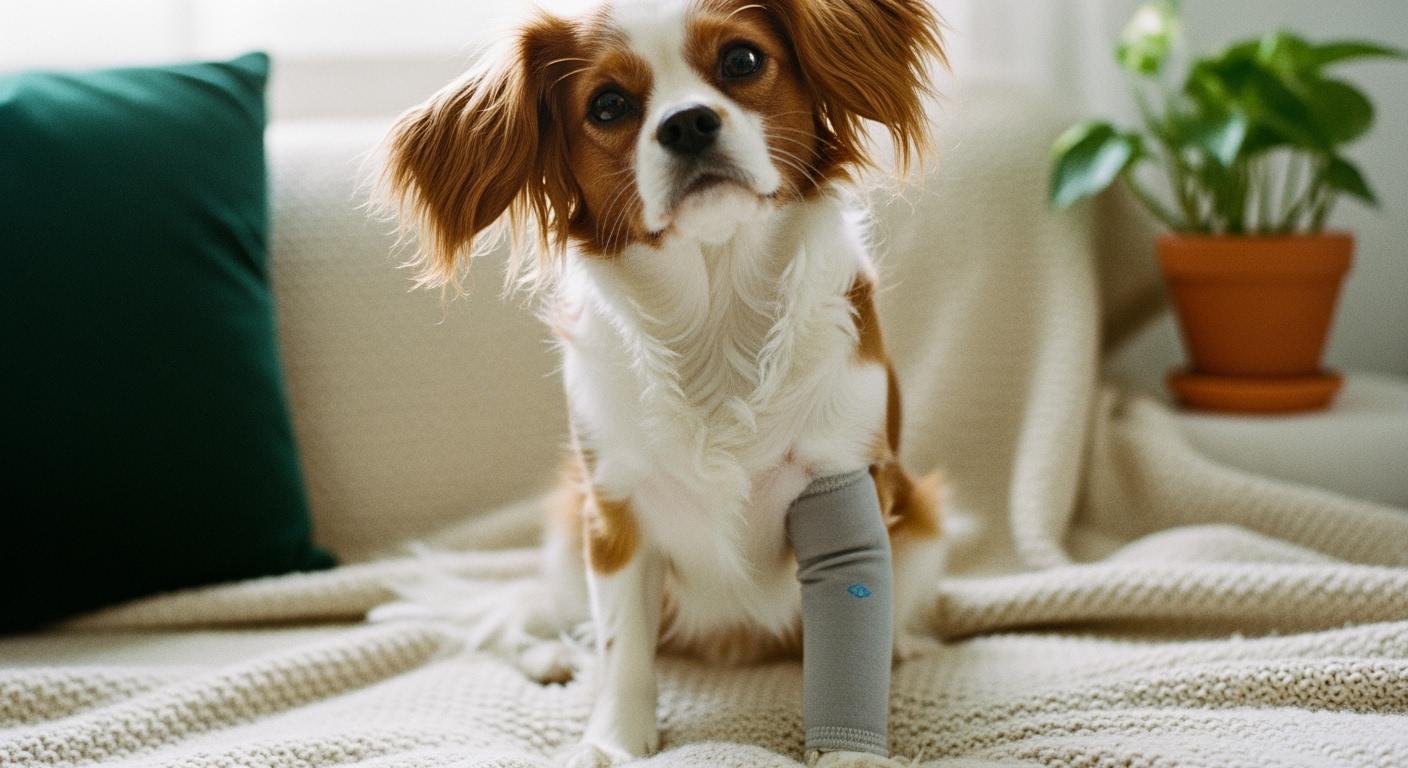
A dog recovery sleeve for small dogs should be judged by three practical questions: does it fit securely, does it cover the wound completely, and does it stay comfortable during daily movement. Small dogs often have lighter frames, faster movement, and more noticeable fit changes when a sleeve is too loose or too bulky. If you want a broader overview of sleeve types, fit, and daily support before comparing recovery options for small dogs, start with this dog leg sleeve guide.
| Decision Area | What to Check for Small Dogs | Warum das wichtig ist |
|---|---|---|
| Fit | Chest, neck, and back length match the sleeve shape | Small dogs can slip out of loose coverage more easily |
| Coverage | The wound stays covered when the dog sits, lies down, and walks | Small body size makes exposed edges more likely if the sleeve shifts |
| Comfort | Soft, breathable fabric and low-bulk closures | Small dogs often show discomfort quickly when the sleeve feels heavy or stiff |
| Daily use | Easy to clean, adjust, and recheck after movement | Recovery sleeves only work when owners can use them consistently |
You make better choices when you treat fit, coverage, and daily tolerance as the real buying criteria instead of starting with size labels alone.
Das Wichtigste in Kürze
- A recovery sleeve for small dogs should fit securely without squeezing or bunching.
- The sleeve should cover the wound fully and stay in place during normal daily movement.
- Soft materials, regular fit checks, and realistic daily-use goals matter just as much as the size chart.
Checking if the Dog Recovery Sleeve Fits Small Dogs
Picking the right dog recovery sleeve for small dogs starts with accurate measuring and a realistic fit check. Small dogs can look “close enough” to a size on paper and still end up with a sleeve that slips, bunches, or leaves the wound exposed during movement. For a broader fit-and-coverage reference, compare this article with the dog sleeve protection guide.
Measuring Chest, Neck, and Back
Getting accurate measurements is very important. Use a soft measuring tape and do these steps:
Measure back length from the base of the neck to the base of the tail. Keep the tape straight along the spine.
Measure chest girth by wrapping the tape around the widest part of the chest, just behind the front legs. This is very important for a good fit.
Measure neck size where a collar would sit. The tape should be snug but not tight.
Tip: Double-check each measurement before choosing a size. Even a small difference can change how securely a sleeve fits on a small dog.
If you want a more detailed measuring and fit-check framework, use this dog sleeve protection fit and coverage guide.
Reading Sizing Charts
After measuring, compare your dog’s numbers to the sizing chart directly. For small dogs, measurements usually matter more than breed names because body proportions can vary even within the same breed. Use weight only as a secondary check, not the main sizing method.
Size | Length (inches) | Weight (lbs) | Suggested Breeds |
|---|---|---|---|
XS | 12.5–14.5 | 8–16 | Toy Poodle, Pug, Yorkshire Terrier |
S | 14.5–20.5 | 18–25 | Beagle, French Bulldog, Shih Tzu |
M | 20.5–25.5 | 30–60 | Husky, Cocker Spaniel, Bulldog |
L | 25.5–30.5 | 65–90 | Labrador, Golden Retriever, German Shepherd |
Always pick the size that matches the measurements best, then confirm the fit during movement. If your dog falls between sizes, choose based on which option gives better coverage and adjustment rather than using breed averages alone.
Fit Problems for Small Breeds
Small breeds like Chihuahuas, Dachshunds, and Pomeranians each have their own fit issues. Chihuahuas need Small breeds often have fit issues because the sleeve has less body area to “settle” onto, which makes slipping and bunching easier to notice. Long-backed dogs, short-bodied dogs, and thick-coated dogs can all fit differently even when the same chest size looks correct on paper. That is why breed examples should guide you only loosely.
- A good fit stops slipping or bunching when the dog walks or curls up to rest.
- The sleeve should cover the wound fully without opening gaps during movement.
- A loose sleeve may shift or twist, while a tight sleeve may limit movement or create pressure.
Note: Always recheck the sleeve after the dog stands, sits, and lies down. Those position changes usually show fit problems faster than static fitting alone.
For more on fit and anti-lick protection during daily recovery, compare this section with the dog sleeve to stop licking for limb wounds and hot spots article.
Assessing Post-Surgery Coverage and Protection
Coverage for Surgical and Wound Areas
You need to make sure the dog recovery sleeve covers the wound or surgery spot. Check the length and shape of You need to make sure the recovery sleeve fully covers the wound or surgical area during real movement, not only during initial fitting. Check the sleeve after the dog stands, sits, lies down, and takes a short walk. Small dogs often change shape more noticeably when they curl up or shift quickly, so coverage has to be checked in all of those positions.
Tip: Check the sleeve after every activity. If you see exposed skin, lifted edges, or sleeve drift, refit it before assuming the coverage is still safe.
Coverage works best when the sleeve matches both the wound location and the dog’s body shape. For broader post-surgery protection planning, continue to the dog recovery sleeve solution page.
Adjusting for Movement and Activity
Small dogs move quickly and change position often, so the sleeve has to stay stable through normal walking, resting, and short supervised activity. The sleeve should not twist, bunch, or lift away from the protected area when the dog changes direction or settles down.
A recovery sleeve should let the dog move normally while still keeping the wound covered. If the sleeve shifts too easily, the problem is usually fit, coverage shape, or weak fastening rather than the dog “not getting used to it.”
It should also reduce licking and scratching without becoming a new source of stress. That is why many owners compare targeted coverage with other recovery barriers before deciding on daily use. If you want that comparison, read anti-lick recovery sleeve vs cone together with this article.
Note: Some dogs need a short break-in period. Start with shorter sessions and increase only when the sleeve stays secure and the dog remains comfortable.
Limitations and Realistic Support Goals
Dog recovery sleeves give support and safety, but you need to have real goals. Vets say there are some good Recovery sleeves can give comfort, coverage, and anti-lick protection, but you need realistic goals. A sleeve can help protect wounds, reduce direct licking, and make daily care easier, but it cannot replace wound assessment, medication, or veterinary follow-up when recovery becomes more complicated.
- Recovery sleeves can support comfort and light protection during daily healing.
- They can reduce licking and scratching when the covered area is on the limb or body zone the sleeve actually protects.
- They work best when fit, coverage, and daily tolerance are checked often.
Dog recovery sleeves work best as part of a full care plan after surgery or injury. They are not a substitute for veterinary care, and they are less effective when the fit is poor, the wound location is wrong for sleeve coverage, or the dog keeps removing the sleeve.
If you need a clearer next step for wound-protection planning, continue to the dog recovery sleeve solution page or compare product families in the dog anti lick collection.
Dog recovery sleeves for small dogs help with healing, wound safety, and daily care. You can find more tips about wound care on our Solution page.
Comfort and Daily Use of Dog Recovery Sleeve
Material and Breathability
You want a recovery sleeve that feels soft, breathable, and light enough for daily wear. Small dogs often show discomfort quickly when a sleeve is too hot, too stiff, or too bulky. Breathable fabric matters because it helps reduce moisture buildup, lowers skin irritation risk, and makes repeated wear easier to tolerate.
Tip: Breathable fabric usually matters most when the dog has thick fur, sensitive skin, or needs repeated wear through the day.
Fastening, Adjustability, and Hygiene
You need a sleeve that is easy to use and can be adjusted. Look for sleeves with straps or closures you can cYou need a sleeve that is easy to adjust, easy to remove for wound checks, and easy to clean between uses. Adjustable closures matter because small dogs often sit between sizes or change shape visibly when the sleeve shifts. Good fasteners should keep the sleeve in place without adding too much bulk or stiffness.
- Adjustable closures help fine-tune fit when the dog is between sizes.
- Easy-on, easy-off design makes wound checks and reapplication faster.
- Washable daily-use design supports better hygiene during recovery.
For more product-level comparison after fit and coverage review, use the dog anti lick collection.
Monitoring Comfort and Tolerance
You should watch your dog for signs of rubbing, swelling, bunching, slipping, or stress during wear. Make sure the sleeve does not pinch, roll, or shift far enough to uncover the wound. If the dog keeps trying to remove the sleeve, reassess the fit and the barrier choice instead of assuming the dog just needs more time.
Note: Early comfort checks usually prevent bigger recovery problems later. Small dogs often show fit problems quickly, which makes daily monitoring even more important.
Common Mistakes and When to Seek Guidance
Fit and Coverage Errors
You may see a few common mistakes when using a dog recovery sleeve for small dogs. These errors affect healing because they reduce protection right when the wound needs steady coverage most.
- A sleeve that is too loose may slip, bunch, or uncover the wound.
- A sleeve that is too tight may create swelling, edge pressure, or movement resistance.
- Coverage gaps may let the dog reach the wound and interrupt healing.
- Failure to recheck the sleeve after movement often leads to unnoticed drift.
Tip: Always check the fit after the dog stands, sits, and lies down. Small posture changes often reveal sleeve problems faster than a static fit check.
When Veterinary Input Is Needed
You should know when to ask for veterinary input because some recovery problems are bigger than sleeve fit alone. Ask for help when:
- You see redness, swelling, sores, or moisture buildup under the sleeve.
- Your dog keeps trying to remove the sleeve or shows clear pain during wear.
- The wound does not improve or starts to look worse.
- You cannot keep the sleeve in place even after careful adjustment.
- You are unsure whether a sleeve is the right recovery barrier for the wound location.
A veterinary professional can help you decide whether the sleeve is enough, whether the wound needs a different protection method, or whether a cone or broader recovery tool would be safer. For a practical at-home use reference, compare this page with dog anti-lick sleeve step-by-step instructions.
Note: A recovery sleeve can support healing, but it does not replace veterinary care, wound treatment, or professional advice when recovery becomes more complicated.
You want to pick the best dog sleeve protection. First, measure your dog’s chest, neck, and back. Check if the You get better results with a dog recovery sleeve for small dogs when you treat fit, coverage, and comfort as daily checks instead of one-time decisions. The sleeve should stay in place, protect the wound fully, and feel tolerable enough for repeat use during recovery.
| Step | Was zu überprüfen ist | Warum das wichtig ist |
|---|---|---|
| Measure and fit | Chest, neck, back, and movement check | Small dogs show fit errors quickly when the sleeve is even slightly off |
| Coverage | Wound stays covered through standing, sitting, and lying down | Recovery sleeves only work when the protected area stays protected |
| Comfort and breathability | Soft, breathable fabric and no edge pressure | Daily tolerance supports better recovery compliance |
| Adjustability and hygiene | Easy to refit, remove, clean, and reapply | Better routines make recovery easier for both dog and caregiver |
For next steps, continue to the dog leg sleeve guide, the dog sleeve protection guide, the dog recovery sleeve solution page, or the dog anti lick collection depending on whether you still need education, condition matching, or product comparison. Data authenticity note: This article is for educational purposes only. It is designed to help readers evaluate recovery sleeve fit, coverage, and comfort for small dogs, not to replace veterinary diagnosis or individualized treatment advice.
Häufig gestellte Fragen
How do you know if a dog recovery sleeve fits your small dog?
A recovery sleeve fits when it covers the wound fully, stays in place during movement, and feels snug without pinching. For small dogs, measuring chest, neck, and back first is usually the safest starting point.
Can dog sleeve protection replace an e-collar?
Sometimes. A recovery sleeve can help stop licking and scratching when the wound is in an area the sleeve can cover well, but some dogs still need an e-collar or a different barrier depending on wound location and behavior.
How often should you check the sleeve during recovery?
You should check the sleeve several times a day, especially after movement, naps, or toileting. Frequent checks help catch slipping, bunching, or rubbing before they turn into bigger problems.
Is dog sleeve protection safe for all small breeds?
Most small breeds can use a recovery sleeve, but body shape, coat thickness, and wound location all affect fit. That is why comfort checks matter more than breed labels alone.
What should you do if your dog dislikes wearing the sleeve?
Start with shorter wear periods, make sure the fit is correct, and use treats or praise to help the dog adapt. If resistance continues, reassess the fit and ask your veterinarian whether a different recovery barrier would be safer.
