
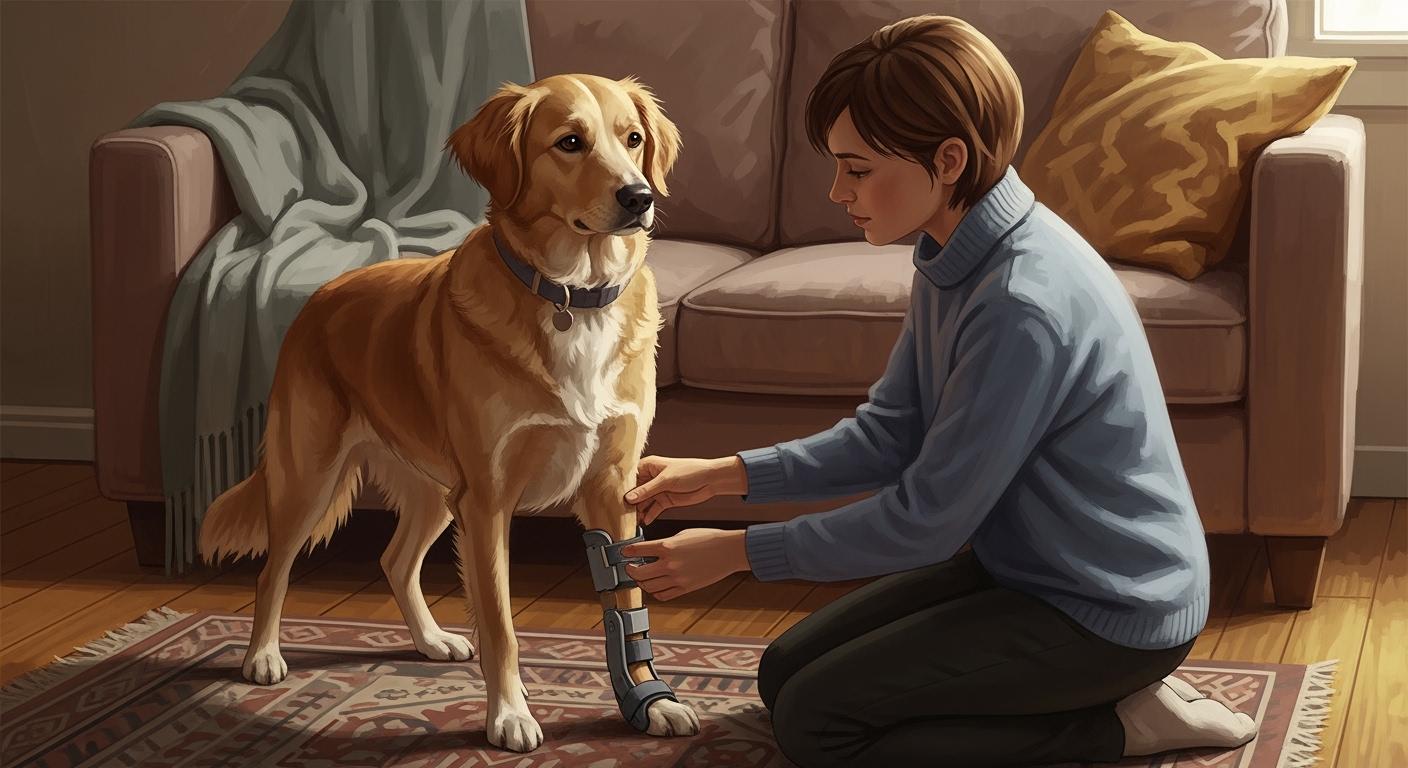
You can fit and monitor a no-knuckling brace for dogs at home using clear steps. Daily checks help protect dogs from paw injuries.
The brace shields your dog’s paws from rough terrain, hot or icy surfaces, sharp objects, chemicals, and allergens.
Dogs gain traction while walking, even in rain or snow.
Regular observation supports comfort and mobility for dogs with knuckling.
Das Wichtigste in Kürze
You should check your dog’s paws every day. Watch for cuts, red spots, or if your dog seems hurt. This helps keep your dog safe.
A no-knuckling brace helps dogs who drag their paws. Make sure the brace fits well but is not too tight. It should let your dog move in a normal way. This stops more injuries from happening.
Talk to your veterinarian if your dog’s knuckling gets worse. Also, call them if your dog seems to be in pain. Getting help early can make things better for your dog.
What Is Knuckling in Dogs and Why Use a Toe-Up Brace
Signs of Knuckling: Paw Flipping and Dragging
Knuckling happens when a dog’s paw top touches the ground. This can make the paw flip or drag. Dogs with knuckling show different signs. Watch for these signs:
Paw bends under while walking
Weakness or trouble moving right
Not wanting to play or move
Walking is shaky and stumbling happens a lot
Paws drag and nails scrape the ground
Knuckling can make paws drag and get hurt. You might hear nails scrape on hard floors. Dogs can lose balance and sway when turning. Some dogs stop being active and do not want walks. These signs often show up in dogs with nerve problems or after they get hurt.
Clinical Sign | Description |
|---|---|
Knuckling | Dog stands or walks on the top of the paw |
Dragging toes | Toenails scrape against the ground |
Wobbliness | Dog appears off balance or sways |
Delayed paw replacement | Paw takes longer to flip back to normal position |
Crossing legs | Limbs may cross during movement |
Muscle loss | Avoiding use of one leg leads to muscle atrophy |
Knuckling as a Symptom, Not a Diagnosis
Knuckling is a sign, not a sickness. It can happen for many reasons. Vets use tests to find out why a dog is knuckling. Some causes are nerve problems, spine injuries, or paw pain. Each cause needs its own treatment.
Ursache | Description |
|---|---|
Neurological Disorders | Damage or compression of nerves in the legs or spine |
Spinal Injuries | Injuries to the spine from trauma or degeneration |
Paw Injuries or Pain | Pain or wounds in the paw that change how your dog walks |
Vets might use X-rays, MRI, CT scans, myelograms, or blood tests to check for problems. Always ask your vet before you start any treatment. A toe-up brace helps support your dog’s paw and keeps it safer, but it does not fix the main problem. You should check your dog’s comfort and movement every day and talk to your vet about what to do.
Causes of Knuckling in Dogs
Dogs can start knuckling for many reasons. You might see your dog’s paw flip under or drag. Knowing why knuckling happens helps you and your vet pick the best rehab plan. Some dogs need extra help during rehab and physical therapy. Always find out the main reason for knuckling before using any brace or device.
Neurologic Conditions and Degenerative Myelopathy [8–14 years]
Problems with nerves are a top cause of knuckling in dogs. Degenerative Myelopathy (DM) often starts in dogs aged [8–14 years]. DM affects the spinal cord and makes the back legs weak. Dogs with DM may start knuckling as the disease gets worse. Most dogs lose the ability to walk in [6–12 months], and some reports say this happens at about [~11 months]. You should check your dog often and change rehab tools as needed. DM does not hurt, but it makes walking tough. Rehab helps dogs stay active and safe for as long as they can.
Other nerve problems, like injuries or spinal cord issues, can also cause knuckling. These problems often need rehab, physical therapy, and support devices together.
Note: Always talk to your vet if you see new or worse knuckling in your dog. Early rehab can help stop injuries.
Injuries and Post-Op Weakness in Dogs
Injuries are another common reason for knuckling in dogs. Dogs may start knuckling after an accident, surgery, or nerve damage. Weakness after surgery can make it hard for dogs to place their paws right. You might see knuckling in dogs healing from bone or nerve surgery. Rehab and physical therapy help dogs get stronger and move better.
Some injuries and problems that cause knuckling are:
Nerve injuries from accidents
Healing after spine surgery
Very weak muscles
Joint or ligament injuries
Check your dog’s paws every day for cuts or sores. Rehab helps dogs move better and lowers the chance of more injury. Always follow your vet’s advice for rehab and therapy. Support devices help during healing, but they do not fix the main problem.
Who Should Use a No-Knuckling Brace for Dogs
Best Candidates: Weight-Bearing Dogs with Toe Drag
You want to help your dog walk safely if you see knuckling. The best candidates for a no-knuckling brace for dogs show toe drag but can still bear weight. Look for signs your dog needs a brace, such as the paw flipping under or nails scraping the ground. Dogs with knuckling often walk with the top of the paw touching the floor. You may notice your dog stumbling or losing balance. Dogs with neurologic conditions or recovering from injury often show these signs.
Veterinarians use clear criteria to decide if a dog should use a brace:
Support: The brace must give enough support without causing muscle loss.
Coverage: A front leg brace should cover half to three-quarters of the leg, allowing movement.
Fit: The brace should fit snugly to prevent sliding or rubbing.
If your dog can walk and the paw drags, you can try a brace. Always check for signs your dog needs a brace before starting.
Tip: Use a walk test. If your dog’s paw pads land first and the device stays in place, you have a good fit.
Not Suitable: Non-Weight-Bearing, Severe Pain, Open Sores
Some dogs should not use a brace. If your dog cannot bear weight, has severe pain, or open sores that get worse, stop and call your vet. Sudden knuckling with swelling or pain means you need help right away. Dogs with these problems need medical care first.
Step-by-Step Guide to Rule Out ‘Don’t Brace First’ Situations:
Describe the symptom pattern. Note when knuckling happens, which limb, and if it occurs indoors or outdoors.
If you see sudden non-weight-bearing, severe pain, rapid swelling, or open sores getting worse, stop and contact your vet.
If your dog bears weight but drags toes, proceed to fit and walk-test.
Table 1: Eligibility Decision Table
Traffic Light | What You See | What to Do Next |
|---|---|---|
🟢 Green | Dog bears weight, paw drags, mild knuckling | Fit brace, monitor, walk-test |
🟡 Yellow | Dog hesitates, mild pain, redness after brace | Pause, adjust fit, consult vet |
🔴 Red | Non-weight-bearing, severe pain, open sores | Stop, seek veterinary care |
Check your dog’s paws every day. Watch for knuckling, toe drag, and other changes. You help your dog stay safe and comfortable when you use the right support.
Choosing the Right Dog Support Brace
Selecting the best dog support brace helps you protect your dog’s paws and improve walking. You need to match the brace to your dog’s needs. Each type of brace works for different problems. You can choose a toe-up strap, a protective boot, or a lift-assist support.
Toe-Up Strap: Purpose and Use
A toe-up strap lifts your dog’s toes and helps prevent paw dragging. You use this dog support brace when your dog shows mild knuckling but still walks and bears weight. The strap keeps the paw in a natural position. You help your dog walk with less risk of scraping the top of the foot. This dog support brace works well for dogs with neurologic weakness or after surgery.
Protective Boot: When to Prioritize Wound Protection
You should use a protective boot if your dog has paw wounds or abrasions. This dog support brace shields the paw from dirt, moisture, and rough surfaces. You keep bandages clean and lower the risk of infection. Dogs with IVDD, arthritis, or hip dysplasia also benefit from extra protection.
Protective boots help dogs heal from injuries and insect bites.
They create a barrier against hazards and support daily activities.
Many boots feature antimicrobial protection and adjustable straps for a secure fit.
Lift-Assist Support: For Hind-End Weakness
Lift-assist supports help dogs with hind-end weakness and knuckling. You use these dog support brace options to guide your dog during walks. Some devices help flex the ankle or bring the hind legs forward. You can see the main types in the table below:
Device Name | Function | Duration of Use |
|---|---|---|
No-Knuckling Sock | Reduces knuckling of the toes. Needs knee strength. | Short-term (few minutes) |
Toe-Up Sling | Allows paw to remain uncovered. | Short-term (few minutes) |
Hindlimb Dorsi-Flex Assist | Helps flex the ankle. Needs prescription. | Up to a few hours |
Biko Resistance Bands | Assists dogs with whole hind leg weakness. | Not specified |
You help your dog stay active and safe by choosing the right dog support brace for their condition.
Fitting a No-Knuckling Brace for Dogs: Step-by-Step
Helping your dog walk safely starts with a proper fit. You want to make sure the no-knuckling brace for dogs supports the paw and keeps it from flipping under. This section gives you a clear, step-by-step guide to fitting and checking the brace at home. You will also learn how to spot problems early and keep your dog comfortable.
Positioning and Tension Checklist
You need to check the position and tension of the brace every time you put it on your dog. A good fit helps prevent knuckling and keeps your dog’s paw safe from scrapes. Use this checklist to guide you:
Place the Brace Correctly
Slide the brace onto your dog’s leg so it sits just above the paw.
Make sure the support lifts the toes up without twisting the paw sideways.
The straps should not pinch or leave gaps.
Check Tension
Fasten the straps so the brace feels snug but not tight.
You should fit one finger between the strap and your dog’s leg.
The brace should not slide down or rotate when your dog moves.
Toe Lift Test
Gently flex your dog’s paw.
The brace should keep the toes from dropping or dragging.
The paw pads should face the ground, not the top of the paw.
Comfort Check
Watch your dog stand and take a few steps.
Your dog should not limp, freeze, or try to chew the brace.
Look for signs of discomfort, like licking or shaking the leg.
Tip: Use the Quick Reference Card to check fit and comfort every time. If you see redness after removing the brace, it should fade within [20–30 minutes]. If redness stays longer, stop using the brace and talk to your vet.
Walk Test: Pass/Fail Criteria
You need to test the brace during a short, supervised walk. This helps you see if the brace prevents knuckling and keeps your dog safe. Use the walk test to decide if the fit is right or if you need to adjust the brace.
Step-by-Step Walk Test
Start with a Short Walk
Let your dog walk on a flat, safe surface for a few minutes.
Watch each step closely.
Check for Pass/Fail Signs
PASS:
Paw pads land first with each step.
Toes do not drag or scrape.
The brace stays in place and does not twist or slide.
FAIL:
Toes still drag or the paw flips under.
The brace rotates, slips, or causes rubbing right away.
Your dog shows new limping or tries to remove the brace.
If You See a FAIL
Stop the walk.
Adjust the brace for better fit or tension.
Repeat the walk test.
If you cannot fix the problem, stop using the brace and call your vet.
Quick Reference: Fit and Comfort Check
Was zu überprüfen ist | What You Want to See | What to Do if Not Right |
|---|---|---|
Paw pads land first | Toes do not drag or flip | Adjust brace, re-test |
Brace stays in place | Re-seat brace, check tension | |
No redness after [20–30 min] | Skin looks normal after brace removal | Pause use, consult vet |
Dog walks comfortably | No limping, licking, or chewing at brace | Remove brace, check for sores |
Table 2: Fit Troubleshooting Table
Problem You See | Most Likely Cause | Fix to Try First / When to Stop and Seek Help |
|---|---|---|
Toes still drag | Not enough toe lift, loose strap | Tighten strap, re-seat brace, re-test walk |
Brace rotates or slips | Incorrect position, loose fit | Re-position brace, adjust tension, check size |
Redness lasts > [20–30 min] | Pressure or rubbing | Stop use, adjust fit, call vet if redness stays |
Dog refuses to walk | Discomfort, poor fit | Remove brace, check for sores, consult vet |
New sores or wounds | Friction or improper fit | Stop use, protect paw, seek veterinary advice |
Note: You should always check your dog’s paw and skin after each use. Knuckling can cause scrapes on the top of the foot. Daily checks help you catch problems early and keep your dog safe.
Step Set B: Fitting and Walk-Test Guide
Place the device so it supports toe lift without twisting the paw.
Run a short walk test. Watch for paw pads landing first and no toe drag.
If you see dragging or twisting, adjust the brace and repeat the test before longer use.
You help your dog most when you fit the brace correctly and check for comfort every day. Proper use of a no-knuckling brace for dogs can reduce paw injuries and help dogs with knuckling walk more safely. Always follow your vet’s advice and use the Quick Reference Card for daily checks.
Safety Checks: Paw and Skin Inspection Routine
Inspect Top of Foot and Nails for Scrapes
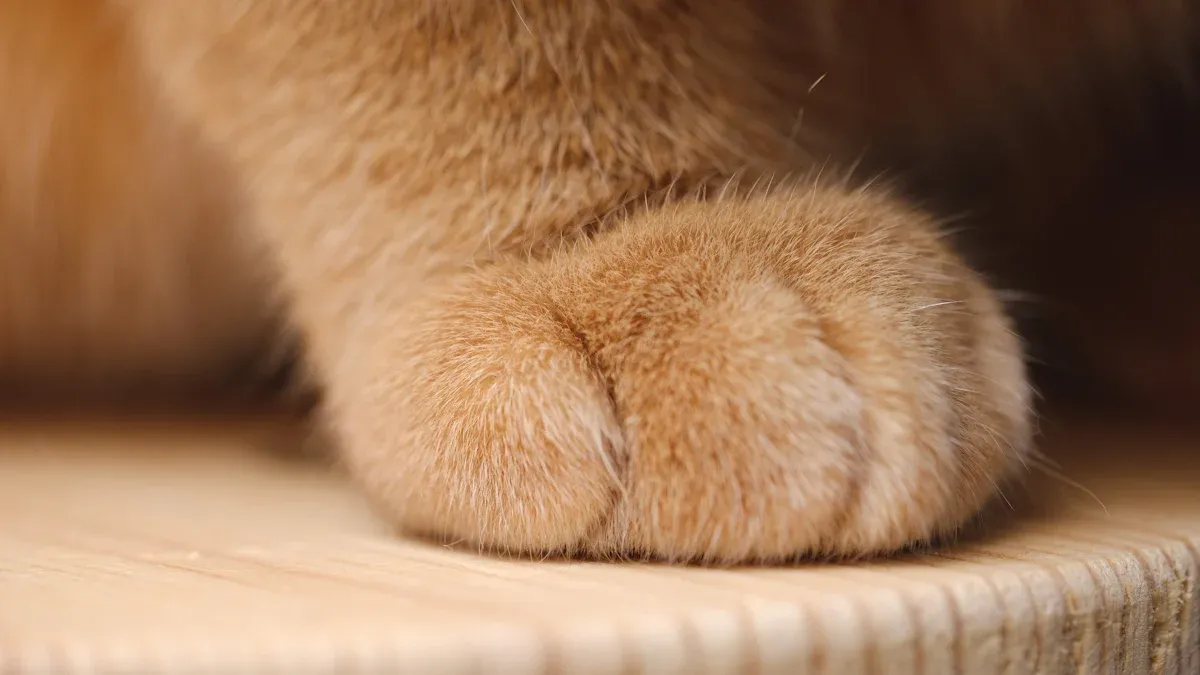
You need to check your dog’s paws every day when using a no-knuckling brace. Dogs with knuckling often scrape the top of the foot or wear down their nails unevenly. Some dogs drag their paws more on certain days, so you must stay alert. Scrapes and broken nails can happen quickly if you do not inspect often. Dogs may not show pain right away, so you must look closely.
Check the top of your dog’s foot before and after walks.
Look for broken nails or uneven nail wear.
Watch for new scrapes or wounds on the paw.
Notice if your dog licks or chews the foot more than usual.
If you see any scrapes, plan for extra paw protection and lick-control. Dogs with wounds need a protective boot or bandage to keep the area clean. You help your dog heal faster and avoid infection by acting early.
Redness Rule: 20–30 Minutes After Removal
You must inspect your dog’s skin where the brace straps touch. Dogs can get redness or pressure marks from the brace. Use the [20–30 minutes] redness rule from the Quick Reference Card. If you see mild redness after removing the brace, it should fade within [20–30 minutes]. If redness stays longer, stop using the brace and talk to your veterinarian.
Step set C: Safe Routine for Paw and Skin Checks
Inspect your dog’s nails and the top of the paw for scraping before and after walks.
Check the skin under the straps and apply the [20–30 minutes] redness rule.
If you find scrapes, add protective paw management and plan for lick-control.
Tip: Daily checks help you catch problems early and keep your dog safe. Dogs rely on you to protect their paws and skin.
Inspection Step | What to Look For | What to Do Next |
|---|---|---|
Top of foot and nails | Scrapes, broken nails | Add protection if needed |
Skin under straps | Redness, swelling | Pause use if redness lasts |
Paw behavior | Licking, chewing | Use lick-control if needed |
You keep your dog comfortable and prevent injury by following these safety checks. Dogs with knuckling need your help every day.
Troubleshooting Common No-Knuckling Brace Issues
Toes Still Dragging: What to Adjust
You may notice your dog’s toes still drag even with a no-knuckling brace. This can happen if the brace does not lift the paw enough or if the straps are too loose. You should check the tension and position of the brace. Tighten the straps so they support the paw without pinching. Make sure the device sits above the paw and does not twist. If your dog knuckling continues more than half the time, you can ask your veterinarian about the Hindlimb Dorsi-Flex Assist. This device helps flex the ankle and protects the toes with a boot. Some dogs respond well to No-Knuckling Training Socks, which encourage lifting and proper paw placement. You help your dog by choosing the right support for their level of knuckling.
Device Rotating or Slipping: Re-Seat and Re-Check
A brace that rotates or slips can cause discomfort and reduce support. You need to re-seat the device and check the fit. Place the brace so it lines up with your dog’s paw and leg. Adjust the straps for a snug fit. Watch your dog walk and see if the brace stays in place. If the device moves, you may need a different size or style. Dogs with knuckling need stable support to prevent paw injuries. You keep your dog safe by checking the brace every time you use it.
Problem | What You See | What You Should Do |
|---|---|---|
Rotating brace | Device twists on leg | Re-seat, adjust tension |
Slipping brace | Device slides down | Check fit, try new size |
New Rubbing or Sores: When to Stop and Change
You must check your dog’s skin every time you use a brace. If you see blisters, sores, or hair loss, stop using the brace right away. Look for redness that does not fade within [20–30 minutes]. Swelling or cold toes may mean poor blood flow. Dogs may show distress or limp if the brace rubs or pinches. You should remove the brace and protect the paw. Consult your veterinarian if you see any skin problems. You help your dog heal and prevent further injury by acting quickly.
Tip: Check your dog’s skin and paw daily. Remove the brace if you see redness, sores, or swelling. Ask your vet for advice if problems continue.
Look for redness that does not fade.
Check for blisters or open sores.
Monitor for swelling or cold toes.
Watch for sudden pain or limping.
Dogs with knuckling need your help to stay safe and comfortable. You make a difference by inspecting paws and adjusting support as needed.
Decision Tools and Dog Support Brace Comparison
Green/Yellow/Red Decision Table: Actions for Owners
You need clear tools to track your dog’s progress with knuckling. Use a simple color-coded table to decide when to keep going, pause, or seek help. Daily checks help you spot changes in your dog’s walking and paw health. If your dog shows new knuckling, sudden pain, or cannot bear weight, contact your veterinarian right away.
Light | What You See | What You Should Do |
|---|---|---|
🟢 Green | Dog walks with paw pads landing first, no knuckling, device stays in place | Continue daily checks and walks |
🟡 Yellow | Dog shows mild knuckling, redness fades in [20–30 minutes], hesitates to walk | Adjust fit, shorten walks, consult your vet if no improvement |
🔴 Red | Dog cannot bear weight, severe pain, open sores, knuckling worsens | Stop use, seek veterinary care immediately |
You can also use tools like GenPup-M to track early mobility changes in dogs. Kinetic gait analysis and kinematic gait analysis help measure how your dog moves and can show if knuckling is getting worse.
Dog Support Brace vs Boot vs Lift-Assist: Comparison Table
Choosing the right gear for dogs with knuckling depends on your dog’s needs. Use this table to compare options and know what to check each day.
Gear Type | Best for | Limits | What to Check Daily | When to Escalate to Vet/Rehab Pro |
|---|---|---|---|---|
No-knuckling toe-up aid | Dogs with mild knuckling who can bear weight | Not for dogs with open sores or severe pain | Paw pad landing, device position, skin redness | Redness > [20–30 minutes], new sores, worsening knuckling |
Protective boot/paw cover | Dogs with paw wounds or scrapes from knuckling | May not prevent knuckling, can trap moisture | Wound healing, boot fit, licking | Infection, swelling, wounds not healing |
Lift-assist support | Dogs with hind-end weakness and knuckling | Needs supervision, not for non-weight-bearing dogs | Stability, comfort, skin under straps | Loss of walking, severe pain, new knuckling |
FAQs: Use, Duration, Safety, Multi-Limb Issues
Q: How long should my dog wear a no-knuckling brace each day?
Start with short walks. Remove the brace after each walk. Check for redness that fades in [20–30 minutes]. Increase time slowly if your dog stays comfortable.
Q: Can dogs with knuckling on both back legs use these aids?
Yes, some dogs need support on both sides. Always check for balance and comfort. Ask your vet for advice if your dog has knuckling in more than one leg.
Q: What if my dog’s knuckling gets worse?
Stop using the brace. Contact your veterinarian. Worsening knuckling can mean new nerve or injury problems.
Q: Is a brace safe for dogs with degenerative myelopathy [8–14 years]?
Yes, if your dog can still bear weight. Always check for sores and follow your vet’s plan. Most dogs lose walking ability in [6–12 months] ([~11 months] on average).
Tip: Daily checks and quick action help keep your dog safe from knuckling injuries.
You can help your dog with knuckling by using a no-knuckling brace for dogs the right way and checking the fit every day.
Do not wait to see if knuckling gets better. Getting help quickly gives your dog a better chance to get well and can stop lasting problems.
Evidence | What It Means |
|---|---|
Daily Monitoring | Look at your dog’s skin and how they walk often. |
Veterinary Consultation | Always talk to your vet if you notice changes. |
You can find ways to make your dog’s life easier and more comfortable.
