
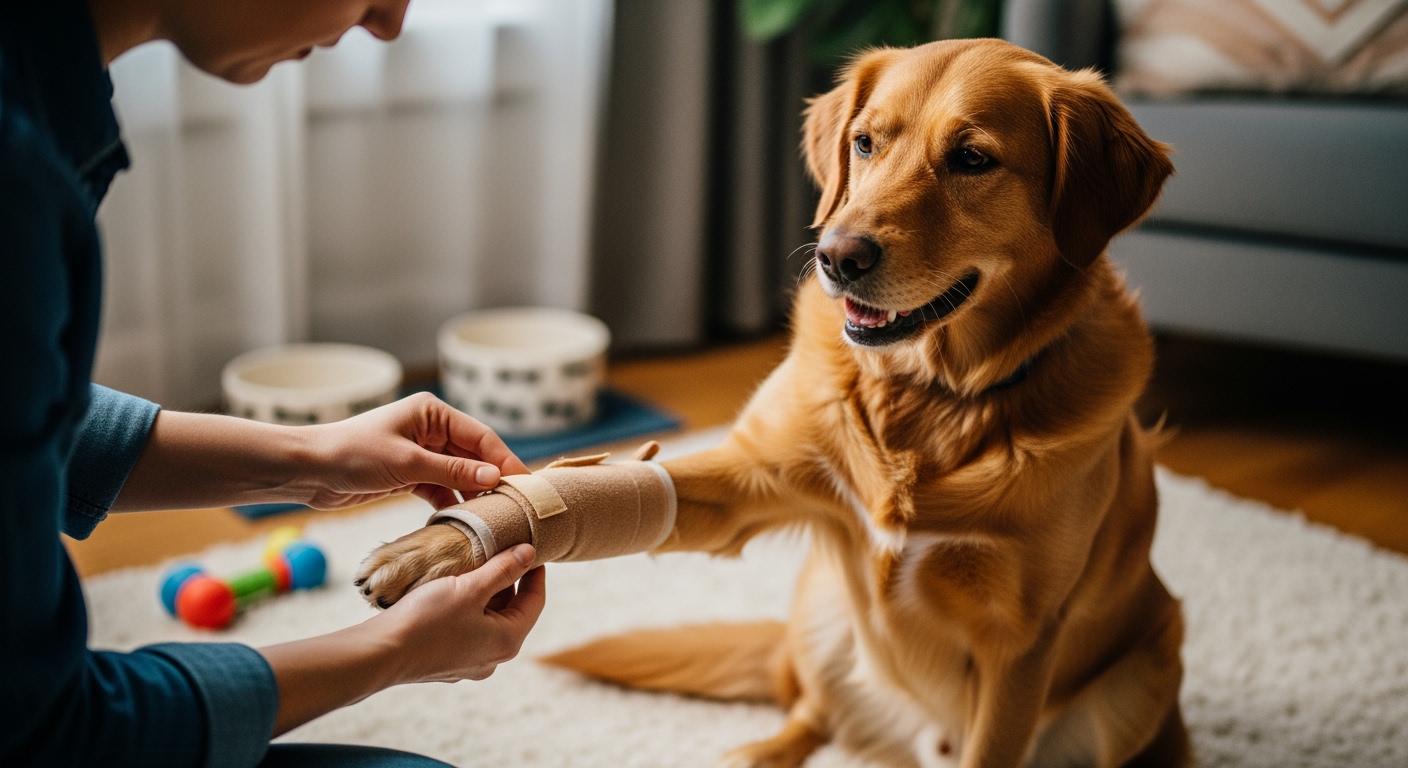
A dog carpal splint is used to support the wrist joint on a dog’s front leg when the carpal area needs more control, protection, or stability than normal movement can provide. This guide is for owners, rehab teams, and buyers who need to understand what a carpal splint does, when it helps, how it differs from a brace, and how to fit and monitor it safely in daily use. If you are deciding between a splint, a broader Solutions page, a related article in the GaitGuard blog, or a support option in the products hub, this page should help you choose the right support path.
Quick Answer: A dog carpal splint is usually most helpful when a dog needs stronger front-wrist support to reduce unwanted carpal motion, protect healing tissues, or improve stability during controlled walking. It is not the same as every wrist brace, and it is not the best fit for every front-leg problem.
- Best for: carpal instability, hyperextension support, post-injury or post-surgical wrist protection
- Not always enough for: broader limb weakness, shoulder/elbow issues, or cases needing a different diagnosis-first path
- Most important factors: support level, fit, walk-test, and daily skin checks
Das Wichtigste in Kürze
- A dog carpal splint is designed to give stronger wrist support and motion control than lighter brace options usually provide.
- It is most useful when the dog needs targeted front-wrist stability during healing, controlled walking, or daily support.
- Correct fit, support level, and daily monitoring matter as much as the splint itself.
- A carpal splint works best as part of a broader care plan that may also include veterinary guidance, rehab work, and activity control.
Dog Carpal Splint Basics
What Is a Dog Carpal Splint?
A dog carpal splint is a front-leg support device that helps control motion at the wrist joint more directly than lighter brace styles usually do. Its main job is to protect the carpal area, reduce unwanted movement, and give more stable support during healing or controlled daily activity. That is why splints are often considered when lighter wrist support is not enough.
Tip: A splint lets your dog move safely while healing and during daily life.
Main Function Warum das wichtig ist Support Helps the front wrist carry load more safely during controlled activity. Protection Helps protect healing tissues from repeat stress or unstable movement. Stability Reduces unwanted motion at the carpal joint. Daily-use control Supports safer walking routines when lighter support is not enough.
When to Use a Carpal Splint
You may need a carpal splint if your dog’s wrist needs more motion control or protection than a lighter brace can provide. Common reasons include carpal hyperextension, carpal instability, post-injury support, and selected post-surgical recovery phases.
- carpal hyperextension or collapse patterns
- joint instability linked to soft-tissue or ligament damage
- healing periods that need stronger front-wrist protection
You should always ask your veterinarian whether a splint is the right support level or whether another front-leg solution would make more sense.
Common Carpal Injuries and Conditions
Many problems can affect the carpal joint in dogs. The most useful way to think about them in a guide page is by support need rather than by diagnosis list alone.
| Problem Type | Why Support May Be Needed |
|---|---|
| Sprains, strains, and soft-tissue injury | The wrist may need protection from repeat stress during healing. |
| Carpal hyperextension or instability | The joint may need stronger control to reduce collapse or overextension. |
| Post-surgical or post-trauma recovery | The wrist may need structured support during controlled movement. |
| Arthritic or chronic painful wrist conditions | The joint may benefit from steadier daily support and load control. |
Watch your dog for limping, swelling, reduced front-leg confidence, or pain around the wrist. Early support selection matters, but the right support type still depends on diagnosis, fit, and daily use goals.
Carpal Splint Wrist Support
How Splints Stabilize the Carpal Joint
A dog carpal splint helps keep the wrist joint steadier during walking and recovery by reducing unwanted motion at the carpal area. The goal is not simply to “hold the leg.” The goal is to improve front-wrist control so healing tissues are better protected and daily movement becomes safer and more repeatable. For broader condition planning, connect this section to the Solutions hub.
Tip: Check the splint often to make sure your dog gets steady support and feels comfortable.
Benefits for Recovery and Mobility
Dog carpal splints help your dog heal and move better. You use a splint after a sprain or fracture to keep the joint steady. The splint also helps dogs with arthritis walk more easily. After surgery, a splint protects the repair and keeps the joint safe. The main benefits are shown in the table below:
| Support Goal | How a Carpal Splint Helps |
|---|---|
| Injury recovery | Helps reduce unstable movement while tissues heal. |
| Daily mobility support | Can improve front-leg confidence during controlled walking. |
| Post-surgical protection | Helps protect the wrist when the recovery plan needs more control. |
| Chronic wrist discomfort | May provide steadier support during selected daily activities. |
Support for Weak or Painful Wrists
You may need a dog carpal splint if your dog has weak, unstable, or painful wrists and the daily movement problem is clearly centered at the carpal joint. Splints are most useful when the dog needs more than soft support and when controlled front-leg stability matters during walking or recovery.
- carpal hyperextension patterns
- carpal joint instability
- selected osteoarthritis or chronic wrist support needs
- soft-tissue recovery that needs stronger wrist control
Use the splint to support safer movement, not to replace the full care plan. The best results come when fit, activity control, and veterinary follow-up all stay aligned.
Types of Carpal and Wrist Braces
Rigid vs. Flexible Splints
You can think about dog carpal splints in two broad support levels: more rigid control and more flexible support. More rigid splints usually matter when the wrist needs stronger motion control. More flexible support matters when comfort and moderate daily assistance are more important than maximum restriction.
| Support Type | Main Strength | Usually Best For |
|---|---|---|
| More rigid splint | Stronger carpal motion control | Higher-instability or more protective recovery needs |
| More flexible support | Easier daily tolerance and lighter support | Milder support needs or lower-control daily use |
Tip: Check the splint often to make sure it fits right and does not hurt your dog.
Carpal Splint vs. Carpal Brace vs. Wrist Brace
There are different tools for front-wrist support, and each one solves a slightly different problem. A carpal splint usually means stronger support with more motion control. A dog carpal brace usually means lighter or more moderate support with more everyday flexibility. A wrist brace is a broader everyday term that may describe either style, depending on how much support it actually provides.
This guide should make that hierarchy clear:
- carpal splint = more control, more protection, more structured support
- carpal brace = lighter or moderate support with more daily movement tolerance
- wrist brace = broad term, not always a precise support-level label
Carpal Hyperextension Dog Brace
A carpal hyperextension brace is one of the most important related support paths because hyperextension is one of the clearest reasons a dog may need stronger front-wrist support. In some dogs, a brace may be enough. In others, a splint-level device may make more sense if the support need is higher or more protective.
- mild to moderate hyperextension patterns
- selected post-surgical support phases
- chronic wrist instability or painful collapse patterns
This is exactly why your carpal splint guide should link naturally to both the blog and the products hub for deeper comparison.
Choosing and Sizing a Dog Carpal Splint
Measuring the Front Leg and Wrist
You need a precise fit for a dog carpal splint because support that is too loose will not control the wrist well and support that is too tight can create pressure or rubbing. Use a soft tape measure and record the wrist circumference, the lower forelimb circumference, and the support length the device needs to cover.
Tip: Measure more than one point, not just the narrowest part of the wrist. Guide pages should help readers choose by full support zone, not by one number alone.
Sizing Guidelines and Fit Checks
Instead of relying on one generic size chart, use these measurement points when comparing a splint:
| Measurement Point | Warum das wichtig ist |
|---|---|
| Wrist circumference | Helps size the main carpal support zone. |
| Lower forelimb circumference | Helps the splint stay stable above and below the wrist. |
| Support length | Helps ensure the splint covers enough area without blocking movement too much. |
| Fit after movement | Confirms that the chosen size still stays aligned during walking. |
Check the fit by making sure the splint applies even support across the wrist and lower forelimb without obvious gaps, pressure ridges, or slide-down. During the first few sessions, inspect the skin after use and adjust early if you see redness, dampness, or uneven pressure. A good fit should improve wrist stability without creating a second problem.
Selecting the Right Splint Type
You should choose a dog carpal splint based on your dog’s injury, activity level, and comfort needs. The table below can help guide your decision:
| Decision Factor | What to Ask |
|---|---|
| Type of wrist problem | Does the dog need lighter support or stronger motion control? |
| Support level | Would a brace be enough, or is splint-level support more appropriate? |
| Fit quality | Can the device stay aligned through daily movement? |
| Daily-use tolerance | Can the dog wear it without rubbing, refusing, or moving worse? |
Consult your veterinarian to confirm the best splint type for your dog’s condition. Integrate the splint into your dog’s daily routine for effective support and recovery.
Fitting a Dog Carpal Splint
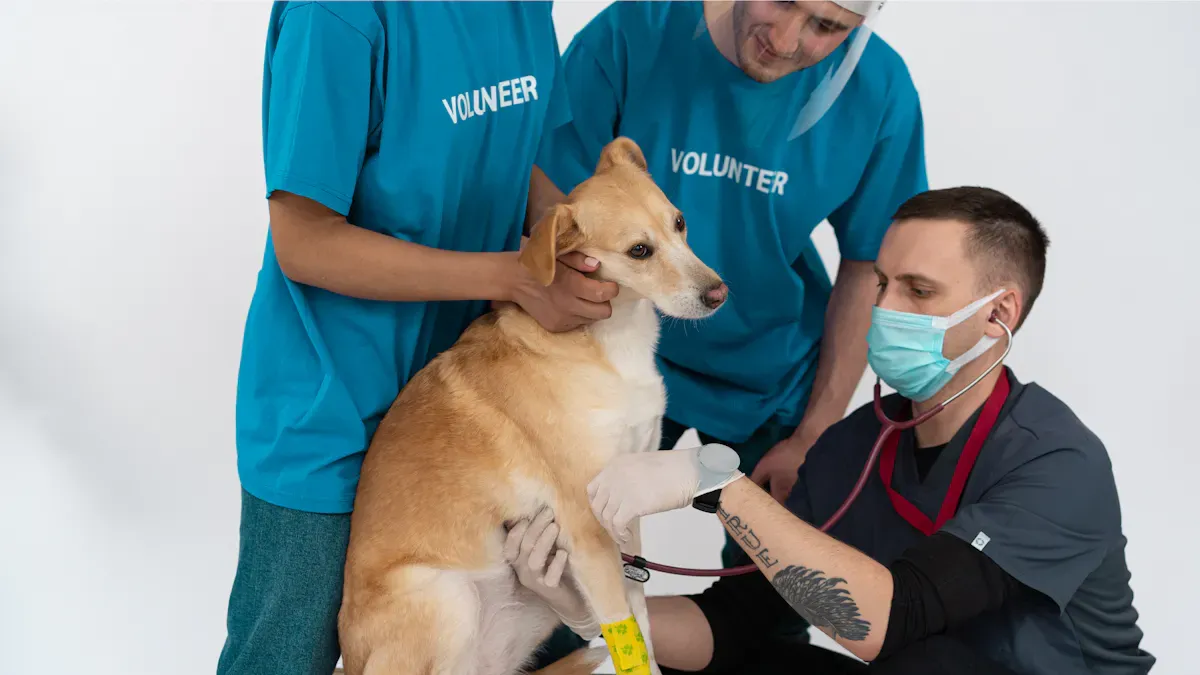
Preparing the Splint and Dog
You need to prepare both the splint and your dog before fitting. Good preparation helps you achieve a safer and more comfortable result.
- make sure the leg is clean and dry before applying the splint
- have the dog stand calmly so you can check natural limb alignment
- place the splint so the support zone centers over the wrist and lower forelimb
Tip: Gather all materials before you start. This includes gloves, padding, tape, elastic gauze, cohesive bandage, a waterproof cover, and the dog carpal splint.
Application Steps
You can use these practical fitting steps for a website guide:
- place the splint so it supports the wrist without twisting the foot or forelimb
- fasten the straps so the splint feels secure but not overly tight
- check that the wrist stays supported above and below the carpal joint
- watch your dog stand and take a few steps before starting a longer session
- recheck the skin after the first short wear period
This guide page should stay focused on safe fitting logic rather than detailed clinical casting protocols.
Note: Always check the fit after each step. The splint should feel secure but not tight.
Adjusting for Comfort and Security
You want your dog to feel comfortable and safe while wearing the splint. Use these adjustment rules:
- choose a splint that matches your dog’s size and wrist support need
- adjust the fit for walking stability, not just for standing still
- watch for slipping, twisting, or pressure points during the first sessions
- give your dog time to adapt instead of forcing long wear too early
- check the skin often and adjust early if irritation appears
The goal is steady support with acceptable daily tolerance. A splint that looks supportive but cannot be worn comfortably is not a successful fit.
Tip: A proper fit helps your dog move safely and recover faster. Always monitor your dog for changes and adjust the splint as needed.
Daily Use and Monitoring
Wear Time and Activity Guidelines
You should introduce the dog carpal splint slowly into your dog’s daily movement routine. Instead of following one fixed timetable for every dog, use a phased break-in approach:
| Phase | Main Goal | Wear Rule |
|---|---|---|
| Early break-in | Confirm fit and tolerance | Use short supervised sessions only |
| Early daily use | Use during controlled activity | Increase only if skin, gait, and alignment stay stable |
| Stable routine | Repeatable support during selected daily activity | Use during active windows, not automatically all day |
Remove the splint at night. This allows the leg to breathe and prevents skin problems. You can use a lightweight neoprene wrap when the splint is off. Limit your dog’s activity during recovery. Avoid running, jumping, or rough play. Short, controlled walks on a leash help prevent further injury. Hydrotherapy may help with healing. Always follow your veterinarian’s advice for exercise and activity.
Skin and Fit Checks
Check the fit every time you put the splint on your dog. The splint should feel secure without digging in, and it should stay aligned above and below the wrist. Watch for these signs of poor fit:
- skin bulging or pressure at strap edges
- splint shifting, rotating, or gapping during walking
- dog resisting, chewing, or moving worse in the device
- redness, swelling, or color change after wear
Inspect your dog’s skin after early sessions and after longer activity periods. If you see repeated rubbing or poor gait quality, adjust the fit or contact your veterinarian before continuing the same routine.r veterinarian. Keep the splint clean and dry. Leash your dog outside to control movement and protect the splint.
When to Remove or Adjust
Remove the dog carpal splint during longer rest periods unless your veterinarian gives a different plan. You should also remove or reassess it if your dog limps more, shows swelling, develops pressure marks, or clearly worsens while wearing it. Check for changes after the first short wear period and again after walking sessions, because many fit problems only appear once the dog is moving.
Tip: Regular checks and careful adjustments help your dog get the best support and comfort every day.
Care and Maintenance
Cleaning and Drying
You need to keep your dog carpal splint clean to protect your dog’s skin and extend the life of the device. Dirt and trapped moisture can cause irritation, odor, and avoidable fit problems.
- clean the splint with mild soap and water as needed
- rinse thoroughly so no soap residue stays on the contact areas
- let the splint air-dry fully before reuse
- avoid putting the splint back on while any part is still damp
Tip: Clean the splint every week or after exposure to mud or moisture. Dry the brace fully before you put it back on your dog.
Inspecting for Wear
You should check the dog carpal splint often to make sure it stays safe and comfortable. Regular inspection helps you catch problems before they turn into gait or skin issues.
- check alignment and strap security frequently
- look for cracks, worn straps, or rough edges
- watch for changes in your dog’s walking quality
- check whether the splint still matches the dog’s current leg shape and activity needs
If you notice any issues, adjust the splint or consult your veterinarian for advice.
Replacement and Refit
Splints wear out over time, and fit needs can change during recovery. Replace or refit the device if you see damage, repeated discomfort, or a change in how the splint sits during walking.
- replace the splint if you see cracks, broken parts, or repeated hardware failure
- refit the support if the dog’s leg shape or recovery phase changes
- choose a different support type if the current splint no longer matches the real need
Keeping the splint clean and checking it often helps you provide the best care for your dog.
Safety and Veterinary Guidance
Warning Signs and When to Seek Help
You must watch your dog when using a dog carpal brace. Check your dog’s paw and wrist every day. Some signs You must watch your dog carefully when using a dog carpal splint. Check the wrist, paw, and lower forelimb every day. Some signs mean you should stop and seek veterinary help:
- pain, obvious discomfort, or brace refusal
- swelling, redness, bleeding, or pressure marks
- worsening limping or refusal to bear weight
- odor, discharge, or other signs of skin infection
If you see these problems, remove the splint and contact your veterinarian. Acting early reduces the risk of bigger setbacks.
Tip: Acting fast when you see warning signs keeps your dog safe and helps recovery.
Combining Splint Use with Other Care
You can help your dog recover better by using a dog carpal splint with the rest of the care plan instead of treating the splint as a stand-alone solution. Most dogs still need activity control, structured walking, and veterinary follow-up. Some also benefit from rehab exercises, traction improvements at home, or other pain-management strategies recommended by the veterinary team.
Note: A dog carpal splint works best when it is matched to diagnosis, fit, activity level, and the broader recovery plan.
Related Guides and Resources
Dog Carpal Brace and Wrist Brace
Use this guide as the top-level starting point, then continue into more specific internal pages when you need lighter support comparisons, wrist-brace education, or front-leg movement support. This helps the page act like a real Pillar rather than an isolated article.
Carpal Hyperextension Dog Brace
If the main issue is carpal hyperextension, readers should be able to move from this Pillar page into a more specific brace comparison path. That makes this page stronger as a guide and keeps the deeper decision-making content in supporting pages.
Fitting and Daily-Use Guides
You can use this internal guide path to continue researching:
- Blog hub for narrower comparison and troubleshooting articles
- Solutions hub for diagnosis-first and condition-first support planning
- Products hub for support options and product-level review
- dog carpal brace guide for lighter front-wrist support comparison
- fitting and safe daily-use guide for broader brace-fit education
This internal structure makes the page more useful for both readers and search engines because it clearly connects Pillar content with supporting blog, solution, and product paths.
You help your dog most when you choose the right level of wrist support, fit the splint carefully, and monitor daily use consistently. A dog carpal splint works best when it improves wrist stability without creating new skin, gait, or tolerance problems. That is why careful measurement, good placement, walk-testing, and regular rechecks all matter.
- careful measurements improve support accuracy
- good placement keeps the wrist support zone aligned
- daily monitoring protects comfort and safety
Use this Pillar page as your starting point, then move into the Solutions hub, the Blog hub, and the Products hub depending on whether you need condition planning, article-level comparison, or product review. Data authenticity note: This guide is for educational purposes only. It is designed to help readers understand dog carpal splint fit, wrist support, and daily use, not to replace veterinary diagnosis or individualized treatment advice.
Simple Daily Carpal Splint Log
| Date | Wear Time | Activity | Gait After Use | Skin Check | Next Step |
|---|---|---|---|---|---|
| Example | 45 min | short walk / rehab / rest | better / same / worse | clear / red / rubbing | hold / adjust / shorten use |
This simple log helps you track whether the splint is improving wrist stability, whether fit changes are needed, and whether your dog is tolerating daily use safely.
Häufig gestellte Fragen
How do you know if your dog needs a carpal splint?
You may need a carpal splint if your dog shows limping, wrist pain, instability, hyperextension, or front-leg movement that needs more support than a lighter brace can provide. Your veterinarian can confirm whether splint-level support is appropriate.
Can your dog wear a carpal splint during daily activities?
Yes, many dogs can wear a carpal splint for walking and controlled daily activity, but the exact use plan depends on diagnosis, fit, and rehab stage. Running, jumping, or rough play should only happen if your veterinarian has cleared that level of activity.
How often should you check the fit of the splint?
Check the fit every time you put the splint on and recheck it after movement. Inspect your dog’s skin regularly for redness, swelling, rubbing, or pressure marks, especially during the first days of use.
What should you do if the splint gets wet?
Remove the splint and dry it completely before reuse. Moisture trapped under the device can cause skin irritation, odor, and poorer daily tolerance.
Is a carpal splint suitable for all dog breeds and sizes?
Many carpal splints are available in different sizes or fit styles, but not every dog needs the same support level. Measure carefully and ask your veterinarian for guidance if your dog has unusual anatomy, more complex wrist instability, or repeated fit problems.
