
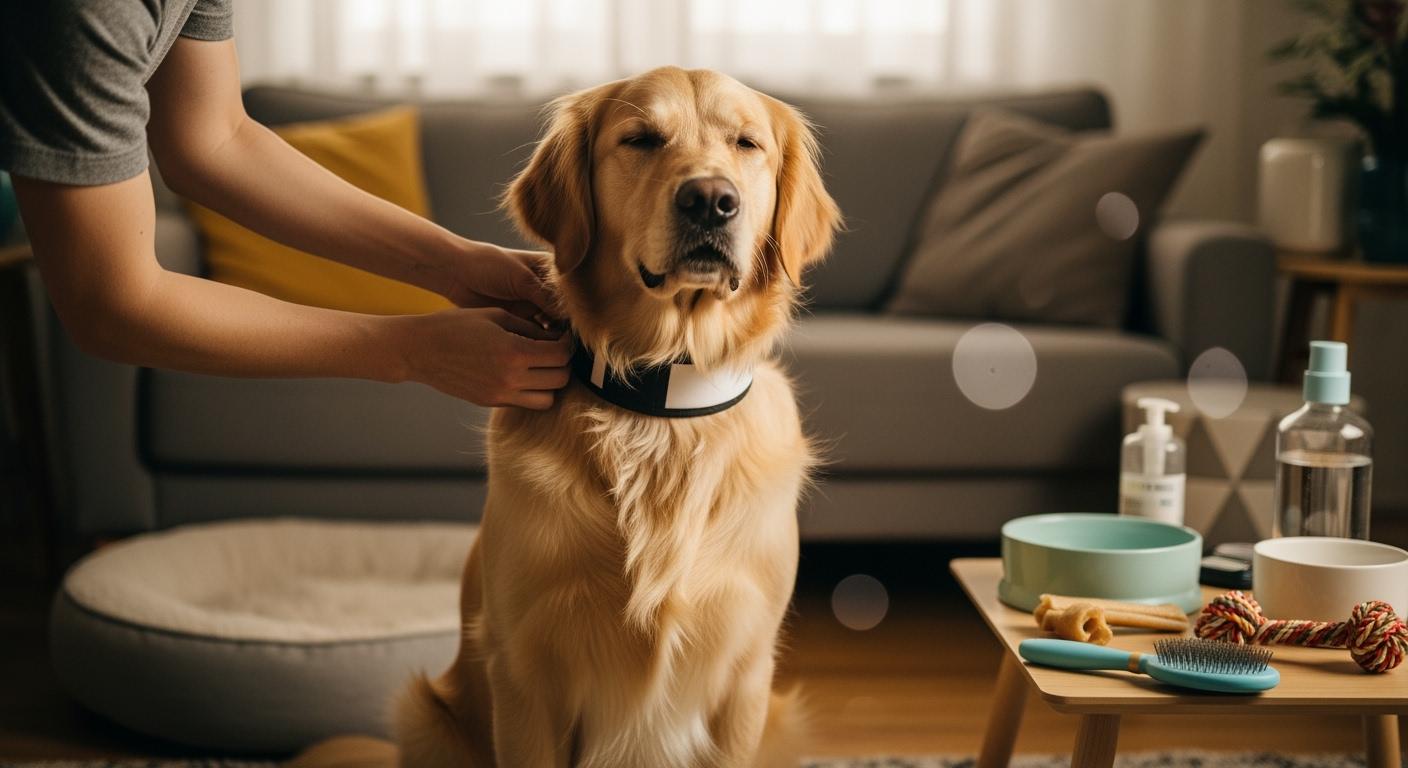
Dog neck support is a broad category of devices used to improve comfort, stability, and safer movement around a dog’s neck and cervical area. This guide is for owners, rehab teams, and buyers who need to understand what dog neck support includes, when it helps, how it differs from a neck brace or recovery collar, and how to choose, fit, and monitor it safely. If you are comparing condition-first support in the Solutions hub, deeper article-level education in the GaitGuard blog, or product-level options in the products hub, this page should work as the top-level starting point.
Quick Answer: Dog neck support is usually most useful when a dog needs cervical comfort, movement control, or safer recovery routines. It is a broader category than a dog neck brace alone, and the right option depends on support goal, fit, and daily-use tolerance.
- Best for: cervical support, neck comfort, controlled recovery, and safer daily movement
- Not always enough for: severe cervical cases that need more structured medical support
- Most important factors: support level, fit, slipping control, and daily skin checks
Das Wichtigste in Kürze
- Dog neck support is a broad support category that can include softer supports, structured neck braces, and support tools used alongside neck-load reduction strategies.
- The right choice depends on whether the dog needs more stability, more comfort, or safer recovery routines.
- Correct fit, support level, and daily-use tolerance matter as much as the device type.
- Dog neck support works best as part of a broader care plan that may include veterinary guidance, rehab work, and activity control.
What Is Dog Neck Support?
Dog neck support is a broad term for devices that help improve comfort, stability, and safer movement around the neck and cervical area. It can include softer supports, more structured neck braces, and support tools used during recovery or mobility care.
That broad definition matters because “dog neck support” is not the same as one single product. Some dogs need gentle daily comfort. Some need more structured cervical control. Some need support mainly during recovery, while others benefit more from harness-based handling that reduces neck load during walks. This is why a Pillar page should define the category first before narrowing into one support type.
Note: Always talk to a vet before you start using neck support for your dog.
Neck support is not just for dogs with injuries. Many animal clinics use it to help dogs move better. Older dogs with weak necks or dogs with long-term problems may need it too. It can also help during therapy to keep movements safe.
Here are the main goals of dog neck support:
- improve cervical comfort
- reduce harmful or excessive neck movement
- support safer recovery after injury or surgery
- make daily life more manageable for neck-sensitive dogs
You should choose the right size, support level, and daily-use plan for each dog. A good fit helps the support work properly and keeps the dog more comfortable. You also need to check the skin and positioning often to make sure the device stays aligned and tolerated.
What Dog Neck Support Is Designed to Help With
Neck stability
Dog neck support helps keep the cervical area steadier when the dog needs more protection during daily movement or recovery. The main goal is to reduce risky motion and help the dog feel more secure during standing, walking, and controlled activity.
Note: Stable neck support can help with dog neck pain from injuries, slipped discs, or breed issues.
More controlled head and neck movement
Dog neck support can help create more controlled head and neck movement by limiting sharp turns, sudden extension, or other motions that may worsen pain or slow recovery. The right support should guide movement more safely without making the dog feel trapped or distressed.
Support during recovery routines
After surgery or injury, dogs often need extra support during recovery routines. In some cases that means structured cervical support. In other cases it means using a recovery collar or e-collar to prevent licking or scratching. These are related but different recovery jobs, and a good guide page should help readers separate them clearly.
Stops your dog from touching wounds or stitches
Keeps injury spots safe while healing
Helps recovery routines for better healing
Comfort as part of broader mobility care
Comfort is an important part of broader mobility care. Dog neck support may lower strain around the cervical area, especially when paired with harness-based handling that reduces leash pressure through the neck. This is why neck support should be viewed as part of a wider daily-care system, not just as one isolated product choice.
Tip: Pick support that fits well and suits your dog’s needs for comfort and movement.
Main Types of Neck Support for Dogs
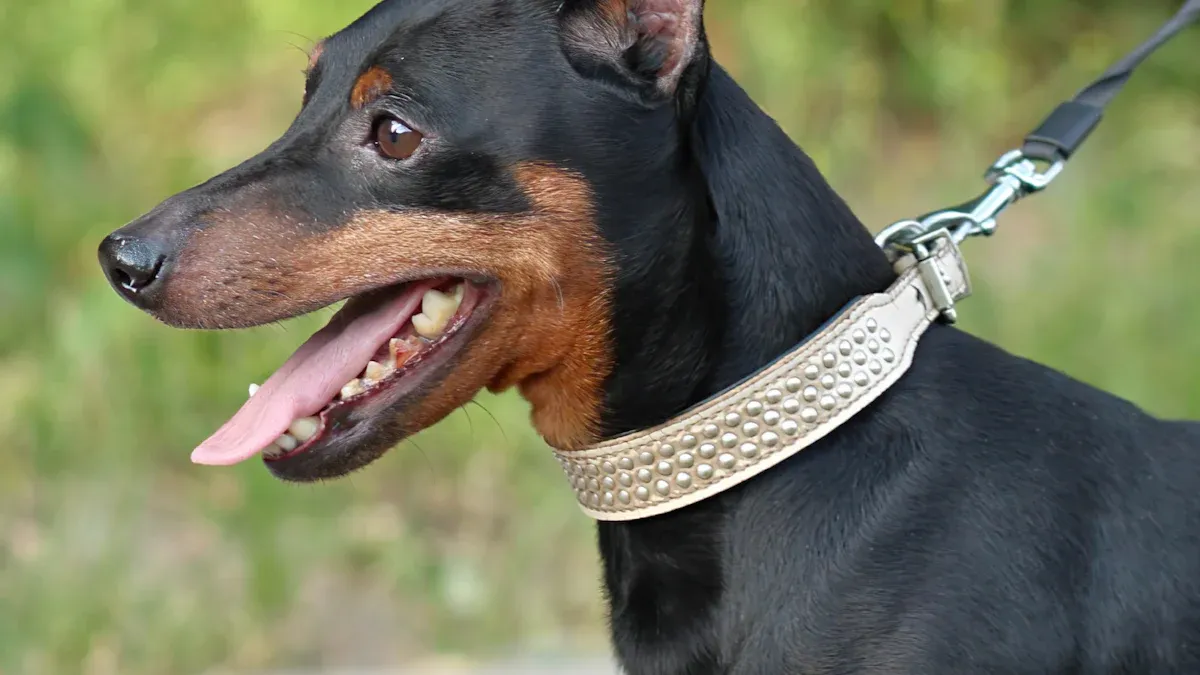
Soft neck-support designs
Soft neck-support designs are usually better for lighter support needs, daily comfort, and gentler recovery routines. They work best when the goal is not maximum restriction, but better comfort and safer controlled use.
| Feature | Warum das wichtig ist |
|---|---|
| Anatomical fit | Helps the support sit more comfortably on different neck shapes. |
| Controlled mobility | Allows calmer daily movement while still reducing risky motion. |
| Breathable materials | Help reduce heat buildup and skin irritation. |
| Secure fastening | Helps the support stay aligned during daily use. |
Soft neck-support designs help lower pain and make dogs feel better. You can use them every day or as part of a bigger plan for movement.
More structured neck braces
A dog neck brace gives more structured cervical support than softer options usually do. It is more appropriate when the dog needs stronger movement control during injury recovery, post-surgical care, or more sensitive cervical cases.
| Support Type | Main Role | Usually Best For |
|---|---|---|
| Soft Neck Support | Comfort-focused support and gentle motion control | Lighter support needs and easier daily wear |
| Structured Neck Brace | Higher-control cervical support | Injury recovery, post-surgical care, and more serious support needs |
| Recovery Collar / E-Collar | Wound protection and behavior blocking | Stopping licking or scratching, not true cervical stabilization |
Pick a dog neck brace when your dog needs strong support. It helps with pain and helps your dog heal after injury.
Adjustable cervical-support styles
Some neck-support plans also include adjustable handling systems that reduce strain through the neck by shifting control to the chest and shoulders. This is especially useful when the dog should avoid neck-loaded walking pressure during daily routines.
- better control without loading the neck directly
- less strain during daily walking and handling
- more practical support for dogs with sensitive cervical areas
- more adaptable fit for different body types
You can use adjustable cervical-support styles for walks, therapy, or to help with pain.
Neck support used alongside harness-based handling
Sometimes the best plan is not “brace only,” but neck support used alongside harness-based handling. This helps reduce leash pressure through the cervical area and makes walks safer for dogs with neck pain, cervical recovery needs, or daily neck sensitivity. Always recheck the fit of both systems so they work together instead of creating new pressure points.
Dog Neck Support vs Dog Neck Brace
When “neck support” is the broader user term
You may hear the term dog neck support used in many situations because it is the broader user term. It can include softer supports, structured neck braces, and related support strategies that reduce strain around the neck. This is the right umbrella term for a Pillar page.
Dog neck support can help with mild pain or weakness.
You can use it for older dogs or those with long-term problems.
It helps with comfort and daily movement.
Tip: Use neck support for general help and comfort, not just for injury or surgery.
When “neck brace” is the more product-focused term
A dog neck brace is the more product-focused term inside the broader neck-support category. You usually choose a neck brace when the dog needs stronger cervical control, more structured recovery support, or more protection against risky neck motion.
Dog neck brace is best for post-surgical care or serious neck pain.
It helps prevent further injury and gives pain relief.
You can use it for cervical spine issues or after an accident.
Why cervical support is often part of the same topic
Cervical support is often part of the same topic because it explains the actual support goal behind many neck-support decisions. Whether the device is softer or more structured, the shared question is how much cervical control the dog needs and how much daily comfort the dog can tolerate safely.
Note: Always check with your veterinary team before choosing a support or brace for your dog. The right choice depends on your dog’s pain, comfort, and recovery needs.
How to Choose the Right Dog Neck Support
Choose by support goal
You need to start by thinking about your dog’s support goal. If the dog needs stronger cervical control during recovery, choose a more structured support path. If the dog mainly needs daily comfort, a softer support may be more appropriate. If leash handling is part of the problem, you may also need harness-based management that reduces neck loading during walks. Always match the support plan to the dog’s condition and activity level.
Pick support for stability if your dog needs help after injury.
Choose designs that spread weight for spinal issues.
Avoid no-pull designs that pinch or restrict movement.
Choose by comfort and adjustability
Comfort matters for every dog. You want a support that does not pinch, choke, or create pressure hot spots. Adjustable closures help refine the fit as the dog changes weight, activity level, or recovery phase. Breathable materials help reduce heat buildup and skin irritation, which makes daily use more realistic.
Tip: Adjustable straps make measuring and adjusting fit easier as your dog grows or changes.
Choose by daily routine needs
Think about your dog’s daily routine. Some dogs only need support during controlled walks or rehab sessions. Others need help during more of the day. Choose a support plan that fits how the dog actually lives, because a device that is too hard to apply, monitor, or clean will be harder to use consistently.
Harnesses help active dogs avoid neck pain.
Collars fit calm dogs or short walks.
Match support to your dog’s daily routine and health.
Choose by ease of fit and monitoring
Proper fit keeps your dog safe and comfortable. The support should feel secure without pressing into the throat or shifting during movement. Watch for coughing, gagging, skin irritation, rubbing, or behavior changes that suggest the fit is wrong. Clean the device often, inspect it for wear, and reassess fit whenever your dog’s body condition or recovery stage changes.
| Fit Check Step | What to Look For |
|---|---|
| Initial fit | Secure support without throat pressure |
| Bewegungsprüfung | No slide-down, rotation, or obvious distress |
| Skin check | No redness, rubbing, or hair loss |
| Ongoing review | Adjust for weight, recovery progress, or daily-use changes |
Note: Measuring and adjusting fit ensures your dog gets the best support and pain relief every day.
How Fit and Positioning Affect Performance
Why accurate sizing matters
You need to pay close attention to fit when you use dog neck support. Accurate sizing helps prevent avoidable pressure, keeps the device aligned, and makes daily use safer. If the support sits wrong or feels too tight, it can create discomfort, stress, or poorer movement quality instead of helping.
How neck support should sit
You must position neck support carefully. The support should sit where it can help stabilize the cervical area without concentrating pressure into the throat or slipping toward the shoulders. Use the device’s exact sizing logic, then recheck the fit once the dog is standing and moving calmly. A support that looks fine at rest can still fail during actual use.
Tip: Move the collar if your dog wears it for long periods. Remove it when your dog is wet to protect the skin.
Common rubbing or pressure issues
You need to watch for signs of rubbing or pressure because they usually mean the fit is wrong or the support type is not working well. Look for:
- red patches or bald spots around the neck
- frequent scratching or pawing at the device
- rubbing against furniture or the floor
- scabs, damp skin, or weepy irritation
- clear pressure marks after removal
- changes in posture, such as a lowered head or stiffer movement
If you see these signs, check the fit and adjust the neck support right away.
When to adjust or reassess fit
You should reassess fit if your dog shows discomfort or tightness. Changes in weight or growth mean you need to check the fit again. Regular checks help prevent irritation or chafing. If you notice pain or injury, adjust the neck support to restore comfort. Always monitor your dog for signs of pain and make changes as needed.
| When to Reassess Fit | What to Look For |
|---|---|
| Signs of discomfort | Scratching, stiffness, distress, or pressure marks |
| Movement changes | Worse gait, guarded posture, or head avoidance |
| Body changes | Weight, muscle, or recovery-stage changes affecting fit |
| Routine review | Regular checks to prevent irritation and slide-down |
Note: Proper fit and positioning help your dog avoid pain and support healthy movement every day.
Common Use Cases for Dog Neck Support
Cervical support during recovery
Dogs often need neck support during recovery from cervical injury, disc-related pain, surgery, or strain. The support helps reduce risky motion and makes daily handling safer. In this use case, support is not just about comfort. It is about protecting recovery progress. For narrower cervical recovery content, send readers to the dog neck brace for cervical support guide.
Support for dogs with cervical disc disease
Neck stabilization for senior dogs with reduced muscle strength
Temporary protection after trauma or sprains
Note: Always check your dog’s comfort and skin while they recover.
Post-surgical stabilization
After surgery, some dogs need more structured neck support to limit risky movement and protect healing tissues. This is usually a higher-control support situation than general daily comfort use. The exact device choice, wear schedule, and activity limits should follow veterinary guidance instead of a generic routine.
Use a neck brace or corset for 3 weeks after surgery
Limit movement with a short leash
Schedule follow-up exams to monitor healing
Support during controlled activity
Neck support is useful when your dog starts controlled activity again. It can help limit sudden neck motion during leash walks, rehab sessions, or guided daily movement. The goal is not unrestricted activity. The goal is safer activity with less cervical strain.
Prevent excessive neck movement during healing
Support gentle activity and therapy
Reduce pain during walks or exercise
Daily comfort support for neck-sensitive dogs
Some dogs need daily comfort support because the neck remains sensitive even outside the most acute recovery phase. In those cases, softer or moderate neck support may help reduce strain and make daily routines feel easier. The fit still needs regular review so comfort support does not turn into chronic pressure or rubbing.
Provide comfort for dogs with arthritis or old injuries
Lower pain for neck-sensitive dogs
Support daily movement and activity
What to Consider Before Daily Use
Short supervised wear sessions
Start with short, supervised sessions when you introduce dog neck support. Watch your dog closely for comfort, movement quality, and tolerance. If the dog seems uneasy, stiff, or distressed, remove the support and reassess the fit before the next session. Gradually increase wear time only if early sessions remain calm and stable.
Skin and comfort monitoring
Check your dog’s skin and comfort every day. Look for redness, swelling, hair loss, warmth, or pressure marks around the neck. These signs often mean the support is rubbing, trapping moisture, or fitted poorly. Daily checks help you catch small problems before they become bigger setbacks.
Tip: Always ensure proper sizing to avoid discomfort or pain. Improperly fitted collars or harnesses can cause issues over time.
Leash and handling safety
Choose the right handling tool for leash walks. In many neck-support cases, harness-based walking is safer because it reduces direct pressure through the cervical area. This is especially important for dogs with neck pain, cervical recovery needs, or poor tolerance for neck-loaded control. Always check that the leash setup works with the neck support instead of twisting or shifting it.
Harnesses distribute pressure evenly for safety.
Collars may worsen pain for some dogs.
Harnesses provide better control for active dogs.
Cleaning and maintenance
Clean your dog’s neck support often to keep it comfortable and safe for daily use. Remove dirt, hair, and moisture after use, wipe the support with mild soap and water when needed, and let it dry completely before the next session. Check regularly for worn closures, rough edges, or damaged sections that could affect fit or skin safety.
Note: Consult with your veterinarian to assess your dog’s unique needs and choose the right support for daily routines.
Related Guides and Next Steps
This page should work as the umbrella entry point for your neck-support topic cluster, then guide readers into more specific internal content depending on whether they need condition planning, article-level comparison, or product-level review.
Dog neck brace guide
Use a dog neck brace guide when you need a deeper comparison of structured cervical support, brace fit, and higher-control recovery paths.
Tip: Use the guide to compare brace designs and find the right fit for your dog’s daily routine.
Cervical dog brace guide
Use a cervical dog brace guide when you want more condition-focused cervical support information, especially for recovery planning and movement control.
Dog neck brace for cervical support guide
Use the dog neck brace for cervical support guide when the support need is narrower and more recovery-focused than this umbrella Pillar page.
How to fit dog neck support safely
Use a dedicated fitting guide when you need more detailed instructions on sizing, alignment, skin checks, and daily monitoring for neck-support devices.
Note: Use these guides to build a strong routine for your dog’s neck health and pain management..
You can continue from this Pillar page into these internal paths:
- Solutions hub for condition-first and support-first planning
- Blog hub for narrower comparison and troubleshooting articles
- Products hub for product-level support review
- dog neck brace for cervical support guide for narrower cervical recovery content
- brace fit, comfort, and safety guide for broader fitting education
Frequently Asked Questions About Dog Neck Support
Is dog neck support the same as a dog neck brace?
No. Dog neck support is the broader category. A dog neck brace is usually the more structured support option inside that category.
Can soft neck support be enough?
Sometimes. Softer support may work for lighter comfort needs or gentler daily use, while some dogs need stronger cervical control.
Should dogs with neck pain walk on a harness?
In many cases, yes. Harness-based walking can reduce direct pressure through the neck and may be a safer handling option for neck-sensitive dogs.
How do I know the fit is wrong?
Common warning signs include slipping, rotation, pressure marks, redness, scratching, distress, or movement that looks worse instead of better.
When should I call the veterinarian?
Call your veterinarian if your dog shows worsening pain, stiffness, weakness, skin injury, or clear intolerance to the current support plan.
Simple Daily Neck Support Log
| Date | Wear Time | Activity | Neck Comfort | Skin Check | Next Step |
|---|---|---|---|---|---|
| Example | 30 min | short walk / rest / recovery care | better / same / worse | clear / red / rubbing | hold / adjust / shorten use |
This simple log helps you track whether the support is improving comfort and stability, whether fit changes are needed, and whether your dog is tolerating daily use safely.
You play a key role in supporting your dog’s comfort, recovery, and safer daily movement. Proper dog neck support works best when you choose the right support level, fit it carefully, and monitor comfort and skin every day. Use this Pillar page as the starting point, then move into the Solutions hub, the Blog hub, and the Products hub depending on whether you need condition planning, article-level comparison, or product-level review. Data authenticity note: This guide is for educational purposes only. It is designed to help readers understand dog neck support types, fit, cervical support, and daily use, not to replace veterinary diagnosis or individualized treatment advice.
