
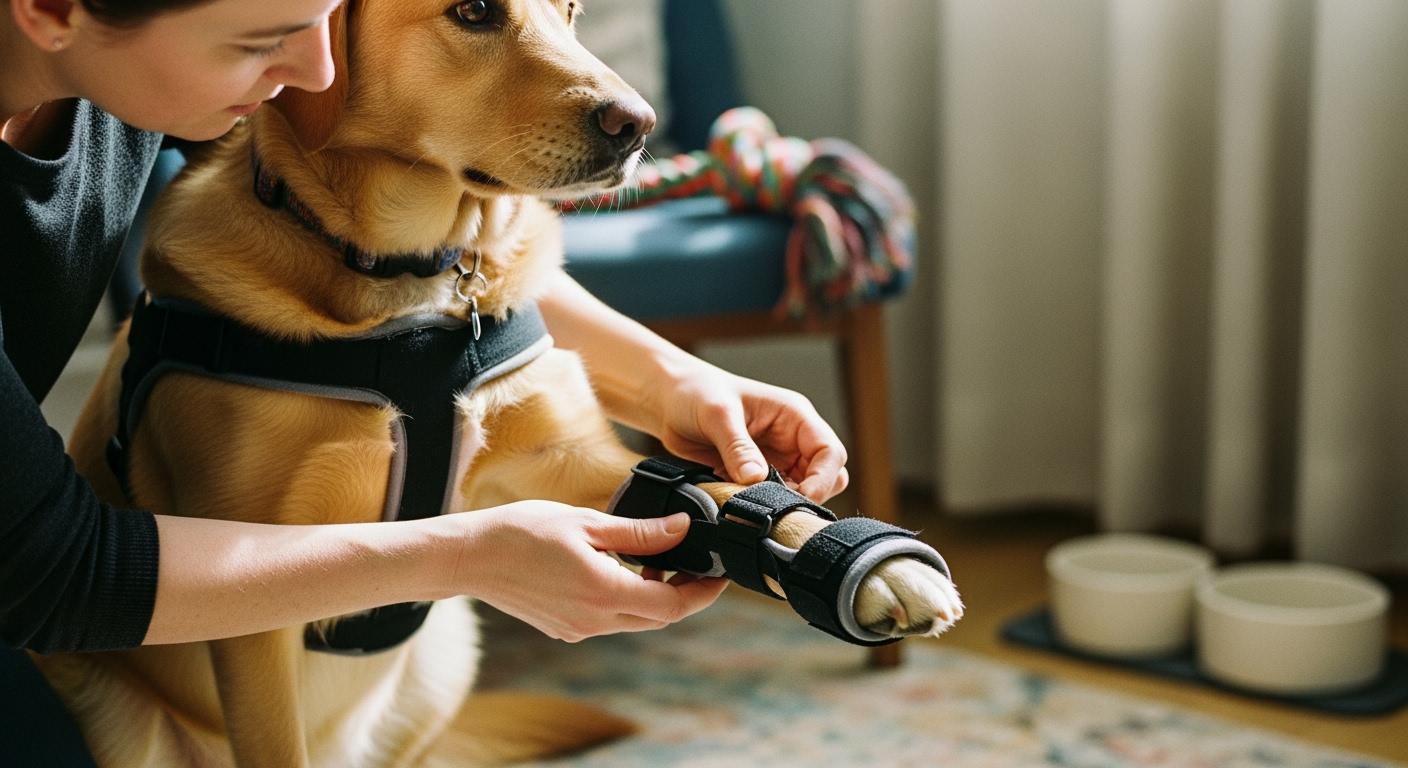
A toe up brace for dogs is used to help improve paw placement when a dog knuckles, drags the paw, or struggles to lift the toes during walking. This guide is for owners, rehab teams, and buyers who need to understand what a toe-up brace does, when it helps, how to fit it, and how to monitor daily use safely. If you are trying to decide between a toe-up brace, a broader dog knuckling support solution, a related article in the GaitGuard blog, or a product option from the products hub, this page should help you choose the right support path.
Quick Answer: A toe up brace for dogs is usually most helpful when a dog can still move the leg forward but needs help lifting the paw and toes into a safer walking position. It is not the same as every no-knuckling device, and it is not the best fit for every cause of paw dragging.
- Best for: paw knuckling, toe dragging, weak paw lift during gait
- Not always enough for: broader limb instability or more complex neurologic cases
- Most important factors: correct fit, tension setting, walk-test, and daily skin checks
Das Wichtigste in Kürze
- A toe up brace for dogs is designed to improve paw placement when a dog knuckles or drags the paw during walking.
- It works best when the dog can still advance the limb but needs help lifting the toes into a safer position.
- Correct fit, tension, and walk-testing matter as much as the brace itself.
- Toe-up support is only one part of a broader knuckling plan, which may also include veterinary diagnosis, rehab, traction changes, and daily monitoring.
Can a Toe Up Brace for Dogs Help With Knuckling?
How Toe-Up Braces Work
You may see your dog drag the paw, flip the foot under, or walk on the top of the toes. This is commonly described as knuckling. A toe up brace for dogs works by adding controlled upward assistance to the paw and toes so the foot can land in a more normal walking position.
The key idea is not “locking” the whole limb. It is helping the dog clear the paw during swing phase and place the foot more safely during contact. That is why toe-up support is often discussed together with broader dog knuckling support solutions, but it should still be understood as one specific support type rather than a catch-all answer for every gait problem.
You may use a toe-up brace during short walks, controlled daily activity, or rehabilitation work when your dog still has enough limb movement to benefit from paw-lift assistance.
Immediate Benefits for Gait and Mobility
You want to see your dog walk more safely and with less paw damage risk. Some dogs show clearer paw placement soon after a toe-up brace is fitted correctly, while others improve more gradually as they adapt to the support and the handling routine.
- Some dogs show better paw clearance during the first walk-test.
- Some improve more slowly over days or weeks as fit and tension are refined.
- The best results usually come when the brace is used together with veterinary guidance, surface traction control, and rehab planning.
A toe-up brace helps most when it reduces paw dragging, improves step consistency, and gives the dog more confidence during controlled movement. It should be judged by gait quality and daily comfort, not by dramatic promises.
Understanding Knuckling and Paw Dragging
What Is Knuckling in Dogs?
Knuckling happens when a dog does not place the paw normally during walking and the top of the paw, toes, or nails may scrape the ground. In simple terms, the limb moves forward but paw placement is not being controlled well enough. That is why dogs with knuckling often need both paw protection and gait-specific support, not just a general brace.
Common Causes and Risk Factors
Knuckling and paw dragging can happen because of different health problems. It is important to know the main causes and risks. This helps you know when your dog might need more support. The table below shows some common causes and risk factors:
| Cause Category | Why It Can Lead to Knuckling |
|---|---|
| Neurologic conditions | They can reduce normal paw-lift control and change how the limb is placed during walking. |
| Peripheral nerve injury | They can weaken toe lift and make paw dragging more likely. |
| Spinal or disc-related problems | They can affect coordination, timing, and weight-bearing. |
| General limb weakness or rehab phase deficits | They can make paw placement less controlled even when the dog still wants to walk. |
Degenerative myelopathy usually starts in older dogs. You may notice your dog slowly losing strength and balance in the back legs. This problem does not hurt, so you might think your dog is just getting old. Other nerve problems, like spinal injuries, can also cause knuckling and paw dragging.
When to Consider a No-Knuckling Brace
You should think about a no-knuckling brace if your dog drags the paw, trips often, or cannot keep the toes in a safer walking position during normal gait. A toe-up brace is one common no-knuckling support path, especially when the dog can still advance the limb but needs more help with paw lift.
Tip: Early support can help reduce paw wear and repeated scraping, but the right brace type still depends on the specific gait problem and diagnosis.
You should ask your veterinarian whether a toe-up brace is enough or whether your dog needs a broader support strategy.
Who Should Use a No-Knuckling Brace for Dogs?
Indications for Toe-Up Support
You might need a no-knuckling brace if your dog drags the paw, flips the paw under, or repeatedly loses safe paw placement during walking. A toe up brace for dogs is usually most useful when the dog still has enough limb movement to benefit from upward paw assistance instead of full rigid lower-limb control.
| When Toe-Up Support Is Often Considered | Why It May Help |
|---|---|
| Paw dragging or toe scuffing | It may improve paw clearance and reduce repeat abrasion. |
| Knuckling during walking | It may improve paw position and make gait safer. |
| Neurologic or nerve-related paw-lift weakness | It may add targeted assistance when the dog still advances the limb. |
| Rehab support after evaluation | It may help structure walking practice when fitted and monitored correctly. |
A no-knuckling brace helps when your dog needs to lift its paw, walk better, or stop injury from dragging. This support lets your dog walk safer and feel more sure.
Contraindications and Precautions
It is important to know when a no-knuckling brace is not a good idea. Some dogs have problems that need special care. The table below lists things to watch out for:
| Precaution | Warum das wichtig ist |
|---|---|
| Poor fit or slipping | The brace may stop helping and start causing rubbing. |
| Skin sensitivity | Daily checks are needed to prevent irritation or sores. |
| Wrong brace type for the gait problem | A toe-up brace is not the best answer for every paw-dragging case. |
| Using the brace without diagnosis | You may miss a broader neurologic or orthopedic issue. |
| Over-reliance without monitoring | The dog may still worsen even if the brace is being worn. |
Check your dog’s skin and comfort every day. If you see red spots or sores, call your vet before using the brace again.
Veterinary Consultation Guidance
Always talk to your vet before picking a no-knuckling brace. The most important question is not just “Which brace?” but “What is causing the knuckling, and what level of support matches that cause?” More individualized fitting can become more valuable when standard options slip, twist, or fail to improve gait quality.
Tip: Ask your veterinarian whether your dog needs toe-up assistance, broader no-knuckling support, or a different rehab path altogether.
Types of Dog Leg Braces for Knuckling
When you look for dog leg braces to address knuckling, you will find several main types. Each design offers unique support for different needs. Understanding these options helps you choose the right brace for your patient or pet.
Toe-Up Brace Designs
Toe-up braces are designed to give upward assistance to the paw and toes. They are usually best when the dog needs help clearing the paw during gait but does not need a larger rigid shell around the whole lower limb.
| Brace Type | Main Job | Usually Best For |
|---|---|---|
| Toe-Up Brace | Helps lift the paw and toes during gait | Dogs that still advance the limb but need better paw clearance |
| Broader No-Knuckling Brace | Supports paw position with a more structured setup | Dogs needing more than simple toe lift assistance |
| Boot-Style Paw Protection | Protects the paw surface from scraping | Dogs needing more paw protection than active toe-up assistance |
You can adjust the brace for a custom fit. This makes it easier to match the support to your dog’s daily activities. For more details, see our dog knuckling brace guide.
No-Knuckling Brace Options
A no-knuckling brace for dogs is a broader category of support. A toe-up brace sits inside that category, but not every no-knuckling device works in the same way. That is why this guide should explain both the overlap and the difference, instead of treating the terms as perfect synonyms.
Boot-Style and Paw Dragging Support Braces
Boot-style supports are more focused on protecting the paw surface from repeat abrasion. They can be useful in selected paw-dragging cases, but they do not always provide the same active toe-lift effect as a toe-up brace. In some dogs, more boot coverage can also add bulk and change gait if ground clearance is already limited.
That is why the choice should follow the main goal: do you need paw protection, toe lift assistance, or a broader no-knuckling setup. For more comparison content, direct readers to the GaitGuard blog and the products hub.
Tip: Match the brace design to the gait problem, not just to the word “knuckling.”
Choosing the Right Toe-Up Brace
Sizing and Fit Essentials
You want your dog’s brace to work well every day. The right fit is the most important part of choosing toe-up support because even a good brace design fails if it slips, twists, or changes gait the wrong way.
- adjustable attachment points that match your dog’s size and limb shape
- secure fastening that stays stable during walking
- soft, low-friction contact materials that reduce skin irritation
- enough adjustability to refine tension instead of over-tightening
More individualized fitting may matter more in long-term or harder-to-fit cases, but even off-the-shelf braces still need daily fit checks. For fit-related education, connect this section to canine rehabilitation brace fit, comfort, and safety.
Comfort and Support Considerations
Comfort helps your dog accept the brace and use it consistently. You should choose a brace that gives enough support to improve paw placement without turning each walk into a tolerance problem.
| Feature | Warum das wichtig ist |
|---|---|
| Lightweight structure | Helps reduce fatigue and awkward gait changes. |
| Adjustable tension | Lets you fine-tune toe lift without over-pulling. |
| Soft contact materials | Reduce rubbing and skin irritation. |
| Breathable design | Helps keep the limb drier and more comfortable. |
| Secure attachment | Keeps the brace working consistently during walking. |
Before each walk, check both support and comfort. A brace that technically lifts the paw but causes rubbing, slipping, or avoidance behavior still needs adjustment.
Matching Brace to Daily Activities
You should match the brace to your dog’s daily routine. Toe-up support usually works best for short controlled walks, daily gait practice, and structured rehab movement when the dog still advances the limb but loses paw lift quality.
Always watch how the dog moves in real use, not just during first fitting. A good toe-up brace should improve walking safety, not simply add another device. For broader walking-stability context, you can also point readers to dog mobility support and walking stability solutions.
Fitting and Positioning a Toe-Up Brace
Preparation and Application Steps
You want your dog’s brace to work well and stay comfortable. Start by placing the support where it can guide paw lift without twisting the foot sideways. The brace should feel secure enough to stay aligned, but not so tight that it pinches, creates heat, or restricts circulation.
- position the brace so the paw-lift line supports upward toe motion
- fasten the straps so the device stays stable without digging into the leg
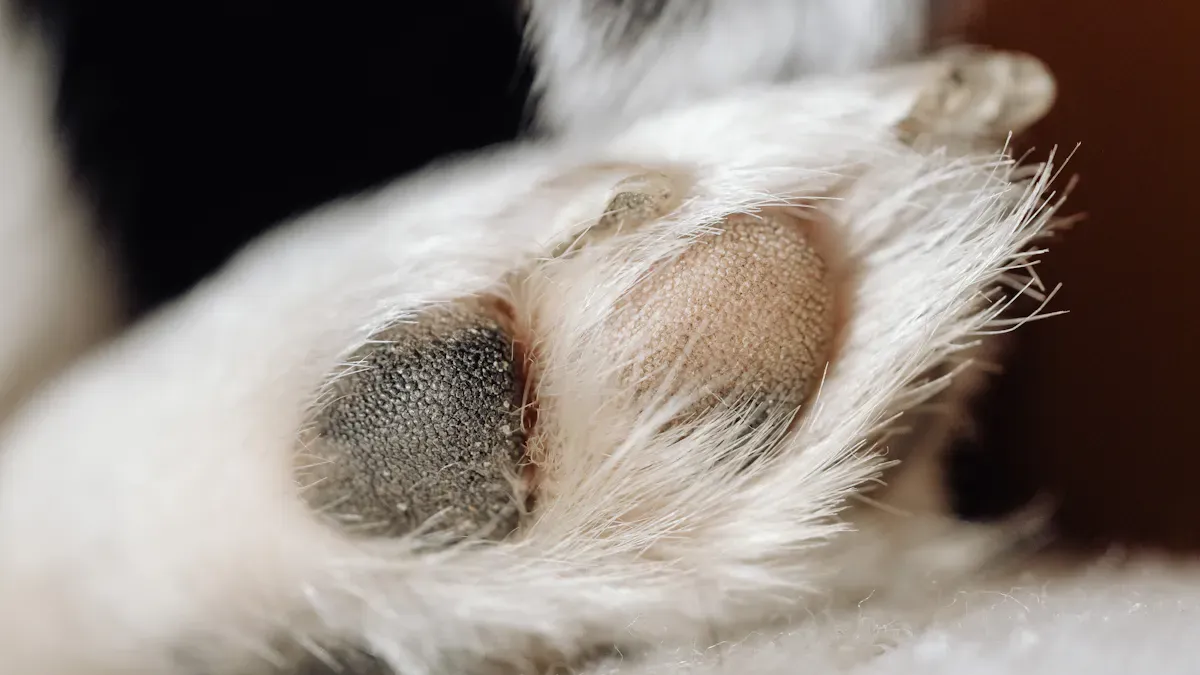
- check that the paw pads still orient normally toward the ground
- do a short movement check before starting a full walk
For a more detailed fit workflow, connect this section to the no-knuckling brace fit and monitoring guide.
Safety and Comfort Checks
You should check the fit and comfort every day. Watch your dog stand, step forward, and turn. The dog should not freeze, over-lift awkwardly, or try to remove the brace. The brace should improve toe position without creating obvious discomfort.
Look for these signs:
- better paw clearance during walking
- no slipping, twisting, or repeated strap movement
- no redness, swelling, or pressure marks after use
Tip: Daily checks help you catch fit problems before they turn into skin problems or brace refusal.
Walk-Test and Monitoring Basics
You should do a walk-test after fitting the brace. Let your dog walk on a flat non-slippery surface and watch for smoother paw clearance, safer placement, and fewer toe scuffs. The brace should stay aligned during the whole test.
Record what you see after each early session. Daily monitoring makes it easier to adjust fit, tension, or walk length before problems build up.
Daily Use and Maintenance
Monitoring Gait and Paw Health
You want your dog to move with comfort and safety each day. When using a toe up brace for dogs, the most important daily questions are: does the paw clear the ground better, does the foot land more safely, and does the dog still look comfortable wearing the brace.
- watch for dragging, toe scuffing, or new limping
- check for redness, swelling, or pressure marks after use
- make sure the brace stays aligned instead of slipping or rotating
Tip: Early signs of discomfort are easier to fix than long-term brace refusal or skin injury.
Cleaning and Care Instructions
You should keep the brace clean for your dog’s health and comfort. Wipe or wash the brace as needed with mild soap and water, rinse it well, and let it air dry fully before reuse. Remove the brace during longer rest periods so the skin can recover and breathe.
- wash straps and contact areas gently
- dry all parts fully before the next walk
- store the brace in a cool, dry place
Troubleshooting Common Issues
You may see some problems during daily use. If the brace slips, rotates, or changes the paw angle the wrong way, stop and adjust before the next full session. If your dog chews at the brace or refuses to walk normally, treat that as a fit or comfort warning sign, not just a behavior problem.
- adjust straps if the brace feels loose or unstable
- reduce walk time if your dog looks more tired or awkward in the brace
- contact your veterinarian if rubbing, worsening gait, or paw injury continues
Note: Regular checks, cleaning, and short walk-tests help you get more consistent support and fewer avoidable problems.
You help dogs walk more safely when you use toe-up and no-knuckling support correctly. The brace must fit well, the walk-test must confirm better paw placement, and daily checks must stay part of the routine. A toe-up brace is most useful when it improves paw clearance, reduces dragging, and supports safer daily mobility without creating new skin or comfort problems.
Tip: Check the brace often, keep notes on gait changes, and ask a veterinary professional for help if progress stalls or problems appear.
- supports safer paw placement
- helps reduce repeated toe dragging
- improves walking confidence in selected dogs
- helps protect the paw from repeated abrasion
- works best when used with monitoring and rehab planning
Simple Daily Toe-Up Brace Log
| Date | Wear Time | Walk Quality | Paw Condition | Skin Check | Next Step |
|---|---|---|---|---|---|
| Example | 20 min | better / same / worse | clear / mild scuff / worse drag | clear / red / rubbing | hold / adjust / shorten walk |
This simple log helps you track whether the brace is improving walking quality, whether fit changes are needed, and whether your dog is tolerating daily use safely.
Häufig gestellte Fragen
How do I know if my dog needs a toe up brace?
You should watch for paw dragging, toe scuffing, knuckling, or repeated loss of normal paw placement during walking. Your veterinarian can help you decide whether a toe-up brace is the right support path for your dog’s specific gait problem.
Can a toe up brace help with hip dysplasia?
A toe-up brace is not chosen primarily by diagnosis label. It is chosen by gait pattern. If the dog has a paw-lift or knuckling problem during walking, toe-up support may help as part of a broader management plan.
Is a toe up brace safe for dogs with knee injuries?
A toe-up brace may be used in dogs that also have other orthopedic or neurologic problems, but the key question is still whether the dog needs help lifting and placing the paw. Always check with your veterinarian before adding new gait support.
How do I clean and care for a toe up brace?
A toe-up brace may be used in dogs that also have other orthopedic or neurologic problems, but the key question is still whether the dog needs help lifting and placing the paw. Always check with your veterinarian before adding new gait support.
Can I use a toe up brace with other supports for hip dysplasia?
Yes, in some cases a toe-up brace can be used alongside other supports, but the combination should follow veterinary guidance. The main goal is to improve walking safety without creating too much bulk, friction, or gait confusion.
Data authenticity note: This guide is for educational purposes only. It is designed to help readers understand toe-up brace use, fit, and daily monitoring for dogs with knuckling or paw-dragging patterns, not to replace veterinary diagnosis or individualized treatment advice.
