
Osteoarthritis affects nearly 15 million dogs in the U.S., with cases rising every year. Many older dogs, especially those over seven, live with joint pain and reduced mobility, so it’s no surprise that more families and clinics are turning to mobility braces as part of multimodal care.
The canine arthritis mobility braces 2025 guidelines are designed to help you choose safe, effective support for your dog. With veterinary oversight and well-designed products from brands like GaitGuard, braces can improve comfort, protect joints, and play a key role in a long-term recovery plan.
Key Takeaways
Osteoarthritis affects many dogs, especially older ones. Recognizing early signs like limping or stiffness can lead to better management.
Braces provide support and stability, helping dogs regain mobility. They should be part of a comprehensive care plan that includes veterinary guidance.
Accurate fitting of braces is crucial. Measure your dog’s leg carefully and adjust straps regularly to ensure comfort and effectiveness.
Regular vet check-ups are essential. They help monitor your dog’s progress and make necessary adjustments to the brace or care plan.
Combine braces with exercise and physical therapy. This holistic approach enhances recovery and improves your dog’s quality of life.
Understanding Canine Arthritis
Causes and Risk Factors
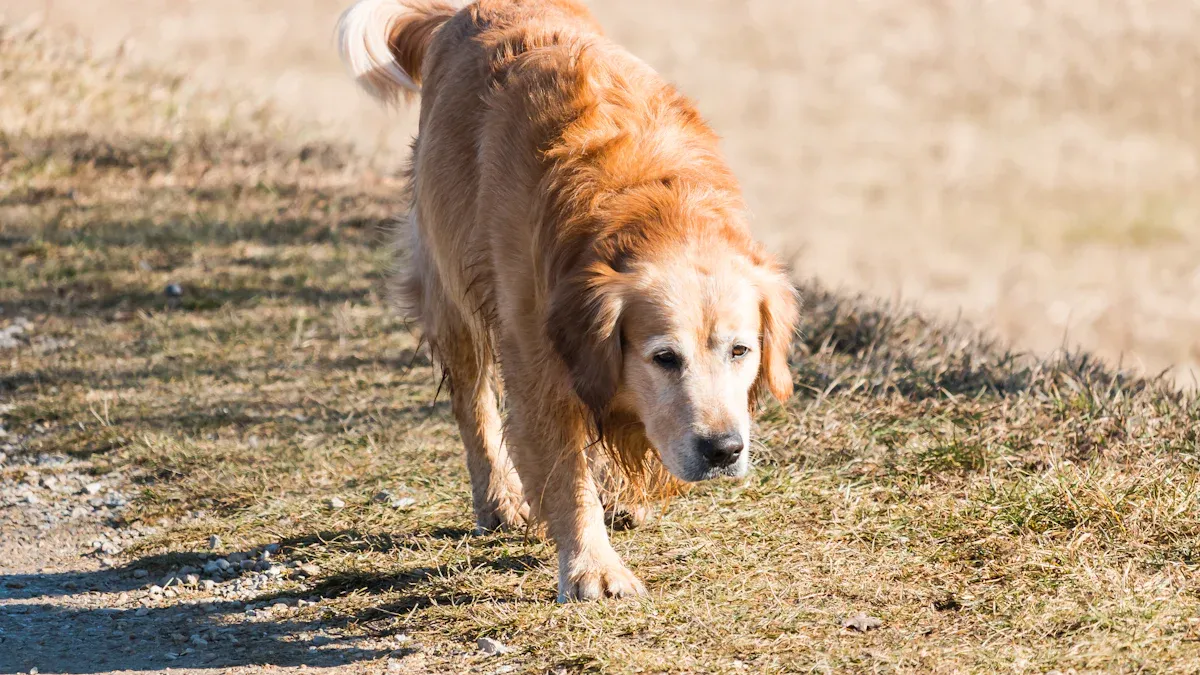
Arthritis in dogs happens when the cartilage in their joints wears down. This leads to inflammation, stiffness, and pain. You may notice your dog slowing down or struggling to move. Several factors increase the risk of arthritis. Some dogs develop joint problems because of genetics or breed. Others face issues due to age or weight. Injuries, ligament ruptures, and developmental conditions like hip dysplasia also play a role.
Common causes and risk factors include:
Developmental conditions such as elbow or hip dysplasia
Ligament rupture
Traumatic injuries
Diet and obesity
Genetics and breed
Age and sex
Environment
Certain breeds have a higher chance of suffering from arthritis. The table below shows which breeds are most at risk and why:
Dog Breed | Risk Factors |
|---|---|
Labrador Retriever | Prone to weight gain, increasing pressure on joints. |
German Shepherd | Genetic predisposition to hip joint dysplasia. |
Golden Retriever | Susceptible to weight gain and hip/elbow diseases. |
Rottweiler | Can develop hip dysplasia and other joint problems. |
Bulldog | Unique body structure leading to hip/elbow dysplasia. |
Pug | Body structure causing joint problems, including osteoarthritis. |
Dachshund | Prone to intervertebral disc disease, leading to osteoarthritis. |
Boxer | Can develop hip dysplasia and other joint issues. |
Saint Bernard | Prone to hip and elbow dysplasia. |
Great Dane | Large breed prone to various joint problems, including osteoarthritis. |
Common Joints Affected
Arthritis often targets the major joints that help your dog move. You may see problems in the hips, knees, elbows, and spine. The most commonly affected joints include:
Hips
Stifles (knees)
Elbows
Shoulders
Tarsus (ankle)
Carpi (wrists)
Older dogs show a higher rate of joint pain in the shoulder, elbow, hip, and knee. Chronic knee pain can make daily activities difficult for your pet.
Signs of Dog Knee Pain and Reduced Mobility
You need to watch for signs that your dog is experiencing dog knee pain or reduced mobility. These signs help you spot arthritis early and seek help. The table below lists common clinical signs and what they mean:
Clinical Sign | Description |
|---|---|
Decreased Activity Levels | Less enthusiasm for play and walks. |
Stiffness | Difficulty moving, especially after resting. |
Limping | Favoring one or more limbs, especially after activity. |
Behavioral Changes | Increased irritability or reluctance to engage in activities. |
Difficulty Climbing Stairs | Struggles with stairs or jumping onto furniture. |
Muscle Atrophy | Wasting of muscles around affected joints. |
Licking or Biting at Joints | Dogs may lick or chew at painful areas. |
Reduced Mobility | Trouble accessing favorite spots or moving around the house. |
If you notice your dog limping, showing stiffness, or avoiding stairs, these may be signs of dog knee pain. Early detection helps you manage arthritis and improve your dog’s quality of life.
Braces for Arthritis: Benefits and Limits
How Braces Improve Mobility and Comfort
Braces for arthritis give your dog extra support and stability. When your dog wears a brace, you help reduce the strain on painful joints. This support can restore mobility and make daily activities easier. Many owners notice their dogs move with more confidence and less hesitation. Braces also help distribute weight more evenly, which can prevent overload on other limbs.
Studies show that braces can improve comfort and function in dogs with knee arthritis. The table below highlights findings from recent research:
Study/Source | Findings |
|---|---|
Rosen et al. (2022) | Dogs with custom knee braces showed better weight-bearing and function over 12 months. |
Carr (2016) | Dogs using knee braces had improved pressure distribution and a more balanced gait after 90 days. |
Muršec et al. (2025) | Two dogs had better gait symmetry and weight distribution after 32 days of bracing. |
You may see your dog enjoy walks again or climb stairs with less effort. Braces can also provide pain relief by limiting abnormal joint movement. Many dogs experience less discomfort and more willingness to play. For some, braces become a key part of a pain relief plan.
What Braces Cannot Do for Canine Arthritis
Braces offer many benefits, but they do not cure arthritis. You should not expect a brace to reverse joint damage or replace veterinary care. Braces cannot stop the progression of arthritis or fix underlying joint disease. Some dogs may not accept wearing a brace, and you may need time and patience to help them adjust.
Peer-reviewed studies have identified several limits to using braces for arthritis in dogs:
Limitation Type | Description |
|---|---|
Skin Complications | Braces may cause abrasions, hair loss, or sores if not fitted or monitored properly. |
Mechanical Device Problems | Some braces may have issues with fit or reliability. |
Patient Non-Acceptance | Not all dogs tolerate wearing a brace. |
Lack of Objective Data | Some studies lack enough data to measure true effectiveness. |
Absence of Control Groups | Research often lacks control groups, making it hard to judge benefits. |
You should always work with your veterinarian to choose and fit a brace. Regular check-ins help you avoid skin problems and ensure the brace works as intended. Remember, braces support your dog’s comfort and mobility, but they work best as part of a full arthritis care plan.
Choosing Braces: 2025 Guidelines
Candidates for Canine Arthritis Mobility Braces
You want to know if your dog is a good candidate for arthritis mobility braces. The 2025 guidelines help you make this decision with your vet. Not every dog with arthritis needs a brace. Some dogs benefit more than others. The table below shows the main criteria for suitable candidates:
Criteria for Suitable Candidates for Arthritis Mobility Braces in Dogs |
|---|
Partial CCL tears or early instability rather than complete rupture. |
Not surgical candidates due to age, concurrent health issues, or owner preference. |
Require temporary support before or after surgery. |
You may also consider a brace if your dog needs extra support during rehabilitation or if surgery is not an option. A well-designed dog leg brace can provide stability and encourage safe movement. Braces work best for chronic joint conditions or gradual recovery programs. Always use braces under veterinary supervision.
Tip: Avoid using braces if your dog has open wounds, uncontrolled pain, or if the brace does not fit well. Poorly fitted braces can cause more harm than good.
Types of Braces: Hip, Knee, Elbow, Hock, Back
You have many options when choosing braces for arthritis. Each type targets a specific joint or condition. The table below outlines the main types and their uses:
Type of Brace | Conditions Addressed |
|---|---|
Hind Leg Braces | Weak ankles, knee issues, ACL or CCL injuries |
Hip Braces | Hip dysplasia, muscle weakness |
Back Braces | Spinal issues, poor posture |
Neck and Shoulder Braces | Orthopedic stabilization, recovery from injuries |
Senior Dog Braces | Arthritis, joint issues in aging dogs |
If your dog has knee arthritis or a cranial cruciate ligament injury, a stifle orthotic or hinged knee brace can help. Hip braces support dogs with hip dysplasia or muscle weakness. Back braces provide stability for spinal problems. Senior dog braces offer gentle support for older pets with multiple joint issues. You should match the brace type to your dog’s specific needs.
Soft vs Semi-Rigid Braces: Comfort and Safety
Most dogs do better in braces that feel comfortable and safe against the skin. In 2025, many experts recommend soft or semi-rigid braces for arthritis, rather than very stiff, bulky devices. Soft braces use padded, breathable materials that reduce pressure points. Semi-rigid braces add gentle support with flexible stays. GaitGuard’s product range uses spiral steel stays that flex in multiple directions, giving support without locking the joint in a rigid position. These stays bend in multiple directions, giving 360° flexibility. This design keeps the brace in contact with your dog’s body, preventing gaps and discomfort.
Soft-edged, padded, and adjustable designs help prevent skin irritation. Adjustable straps let you fine-tune the fit for your dog’s shape. You should avoid braces with hard edges or poor padding. Always check your dog’s skin for redness or sores during use.
Note: The safest and most comfortable dog knee braces combine support with flexibility. Look for breathable fabrics, secure straps, and designs that move with your dog.
Vet and Rehab Recommendations
Veterinary and rehabilitation professionals play a key role in helping you choose the safest and most comfortable dog knee braces. They recommend braces that stabilize the joint but allow natural motion. Hinged knee braces are a top choice for many dogs with arthritis. These braces support the knee while letting it bend and move. Accurate fit and hinge alignment are critical for safety and effectiveness.
Professionals suggest the following features for the safest and most comfortable dog knee braces:
Proper stabilization with natural motion (hinged design when needed)
Accurate fit and hinge alignment
Padding and breathable materials for comfort
Adjustable straps and secure anchoring
Size and weight matched to your dog’s build
GaitGuard’s adjustable designs and spiral steel stays combine support with flexibility, helping the brace move with your dog instead of against them. You should always consult your vet or rehab therapist before choosing a brace. They will help you select the right type and ensure it fits well.
Vet-Backed Solutions: Your veterinary team can guide you to the safest and most comfortable dog knee braces. They will monitor your dog’s progress and adjust the brace as needed.
Choosing the right brace is a team effort. You, your vet, and your rehab therapist work together to support your dog’s comfort and mobility. The right dog leg brace can make a big difference in your dog’s quality of life.
Fitting and Using Braces Safely
Measuring for Comfortable Dog Knee Braces
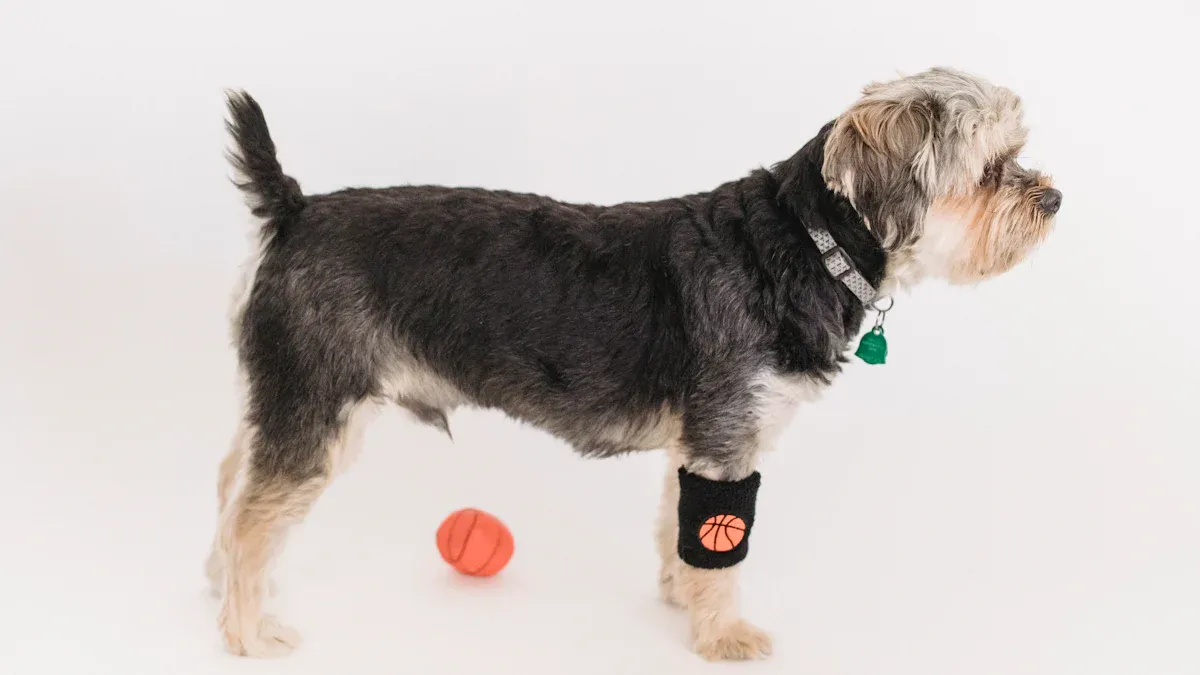
You want your dog to feel secure and supported. Accurate fit is the foundation for comfortable dog knee braces. Start by measuring the injured leg while your dog stands. Use a soft measuring tape, not a stiff ruler. Avoid guessing or rounding numbers. Never measure while your dog sits or lies down. Double-check your measurements for precision.
Dr. Lisa Kramer, DVM and orthopedic specialist, explains: “Bracing is an excellent conservative management tool for many knee issues. Accurate fit ensures the brace works with your dog’s anatomy, not against it.”
Follow these steps for proper fit:
Measure the injured leg. Always use the leg that will wear the brace.
Keep the tape snug against the fur. Do not compress the skin.
Measure twice to confirm accuracy.
Common mistakes to avoid:
Guessing or rounding numbers
Using a stiff ruler
Measuring while your dog is sitting or lying down
Not double-checking measurements
You should consult your veterinarian or rehab therapist if you have doubts about sizing. A professional can help you achieve an accurate fit and recommend comfortable dog knee braces for your pet’s needs.
Adjusting Straps and Break-In Periods
After you select the right brace, you must adjust the straps for comfort and safety. Straps and neoprene cuffs need frequent adjustment, especially during the first week. Hair coat compression, swelling, or stretching of straps can change the fit. Monitor for hair loss from rubbing and report any issues to your vet.
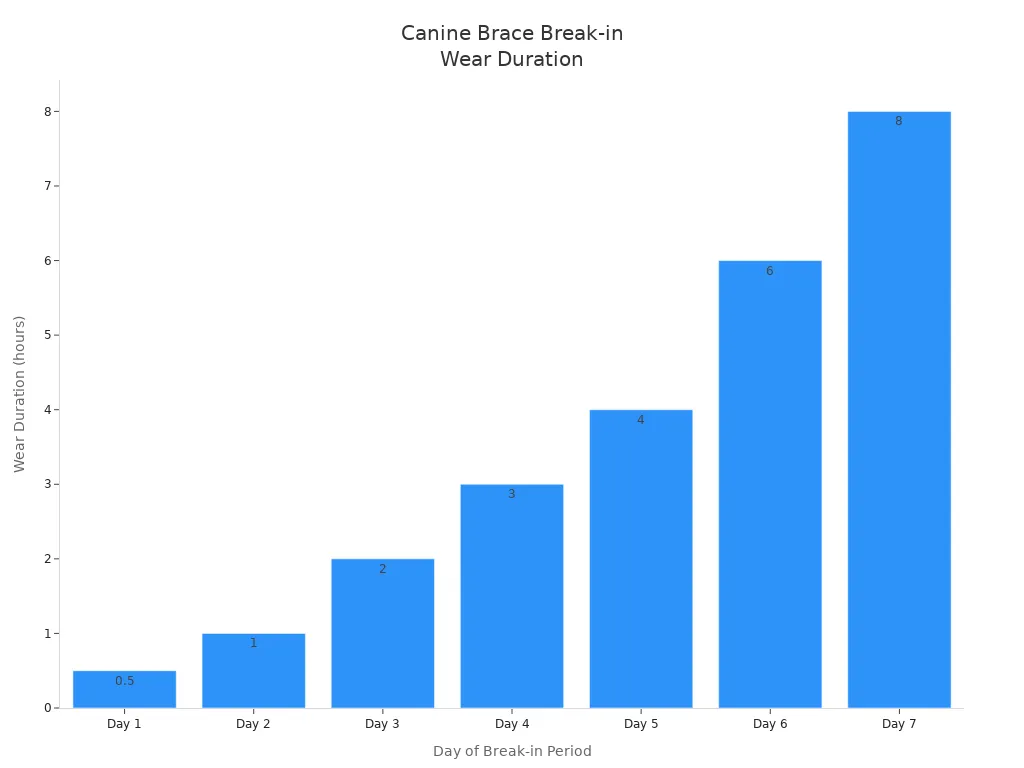
Begin with a gradual break-in period. This helps your dog adapt to wearing comfortable dog knee braces. Use the following schedule:
Day | Duration of Wear | Frequency |
|---|---|---|
1 | 30 mins | 2-3 times a day |
2 | 1 hour | 2-3 times a day |
3 | 2 hours | 2-3 times a day |
4 | 3 hours | 2-3 times a day |
5 | 4 hours | 2 times a day |
6 | 6 hours | 1 time a day |
7 | 8 hours | 1 time a day |
Up to 12 hours | Off at night |
You should adjust straps several times a day. This prevents slippage and discomfort. If you notice redness, swelling, or hair loss, remove the brace and contact your vet. Clean the brace regularly with mild soap and water. Dry it completely before putting it back on your dog.
Tip: Use non-slip flooring and ramps at home to help your dog move safely while wearing comfortable dog knee braces.
Limiting Wear Time and Monitoring Skin
You must limit daily wear time to prevent skin irritation. Most experts recommend 6 to 8 hours of brace use each day. This supports your dog during active periods and stabilizes the knee. Start with 1 to 2 hours per day for the first few days. Gradually increase wear time as your dog adapts.
Remove the brace during rest or sleep. Dogs do not need braces while sleeping. Monitor your dog’s skin for irritation, swelling, or slippage. Check for redness, sores, or changes in gait. If you see any of these signs, remove the brace and consult your vet.
Regularly inspect the brace for dirt or damage. Clean it often to prevent infection. Reassess fit as your dog’s condition changes. Growth, weight loss, or muscle changes may require a new brace or adjustments.
Note: Always consult your vet or rehab specialist if you notice pain, limping, or reluctance to move. These are red flags for removing the brace and reassessing fit.
Using Braces with Harnesses and Lifting Straps
Combining braces with harnesses and lifting straps can improve safety and mobility. Use dog harnesses, slings, or rear-end leashes designed for lifting dogs with arthritis. Support harnesses help during physiotherapy or rehabilitation. They assist in controlled movement and strengthen weak muscles.
Use your legs, not your back, when lifting your dog.
Make sure your dog feels comfortable during the lift.
A harness prevents slipping and increases stability.
A rear-end leash or lifting strap supports your dog’s hindquarters while still allowing them to walk, which reduces pressure on the knee and other joints.
Harnesses make it easier to lift your dog into vehicles or help them walk on ramps. You can combine braces with non-slip flooring and ramps for extra support. Always check that the harness fits well and does not rub against the brace.
Tip: Ask your vet or rehab therapist for recommendations on harnesses and lifting straps. They can help you choose products that work with comfortable dog knee braces.
You should monitor your dog’s mobility and comfort every day. Adjust the brace, harness, and straps as needed. Consult your veterinary team if you notice changes in movement or skin condition. Safe use of braces, harnesses, and supportive tools helps your dog recover with confidence.
Supporting Recovery: 2025 Guidelines
Exercise and Physical Therapy
You play a key role in your dog’s arthritis management. Exercise and physical therapy help maintain muscle strength and joint flexibility. Short walks, about 10–15 minutes, two or three times a day, keep your dog active without overloading the knee. Interactive play, such as tug-of-war or fetch, stimulates both mind and body. Swimming offers a low-impact way to build strength, especially for senior dogs. Agility or obstacle courses suit younger, energetic dogs who need more challenge.
Physical therapy supports recovery and comfort. Massage therapy improves circulation and relieves muscle tension. Passive stretching helps with joint flexibility and muscle recovery. Hydrotherapy, or water-based therapy, builds strength without putting pressure on the knee. A brace can support the area of injury during these activities. You should view the brace as an assistant to the full physical rehab program.
Tip: Work with a veterinarian or canine rehabilitation specialist to create a customized exercise plan. This ensures activities match your dog’s needs and abilities.
Regular Vet Check-Ins
Regular check-ins with your veterinarian are essential for arthritis management. Your vet will monitor your dog’s progress and adjust the care plan as needed. These visits help catch any issues early, such as changes in gait or skin irritation from the brace. Your vet can also recommend changes to exercise routines or physical therapy. Consistent communication with your veterinary team supports safe and effective recovery.
Holistic Care Plans with Braces
A holistic care plan combines braces, exercise, and ongoing management. You should include pain management, weight control, and joint supplements as part of your dog’s daily routine. Use the brace during active periods to support the knee and reduce discomfort. Monitor your dog’s response to each part of the plan. Adjust activities and treatments as your dog’s needs change. This approach gives your dog the best chance for long-term mobility and comfort.
Remember: Recovery is a journey. Stay patient and work closely with your veterinary team for the best results.
Professional Guidance for Clinics and Retailers
Recommending GaitGuard Braces
You want to offer the best support for dogs with arthritis. When you recommend GaitGuard braces, start with a professional assessment. Evaluate the dog’s stance, gait, and joint stability. This helps you select the right brace for each case. Train your staff to fit gear accurately and explain the adjustable features. Use these steps to guide your team:
Assess the dog’s movement and joint health.
Demonstrate proper fitting and adjustment of the brace.
Integrate the brace into the dog’s rehabilitation plan, using it during specific exercises.
Tip: Build arthritis care packages that include GaitGuard braces, anti-licking devices, and lifting straps. This gives owners a complete solution for recovery.
Educating Clients on Brace Safety
You help owners feel confident about using braces. Provide clear educational materials and protocols. Use resources that explain brace benefits, fitting, and maintenance. The table below shows helpful tools for client education:
Resource Title | Description |
|---|---|
Dog Bracing Made Simple | Overview of braces, benefits, and importance of discussing options with vets |
Talking to Your Veterinarian About Knee Braces for Dogs | Guidance for informed conversations with veterinarians |
Lifestyle Modifications for dogs with OA | Details on supportive harnesses and ergonomic designs |
Encourage owners to understand brace options before meeting with their veterinarian. Remind them to prepare questions and respect the expertise of animal care professionals.
Creating Comprehensive Recovery Solutions
You can create arthritis recovery kits for clinics and retail stores. Combine braces and supports with mobility accessories. The table below outlines key product categories:
Product Category | Description |
|---|---|
Braces and Supports | Targeted support for injuries and arthritis |
Lift Harnesses and Slings | Supportive harnesses, slings, and step-in aids that help dogs with balance and walking on stairs or ramps. |
Mobility Accessories | Items like lifting straps that improve daily living and independence |
Train your staff to communicate realistic expectations. Explain that braces support recovery but do not cure arthritis. Encourage regular check-ins with veterinary teams and ongoing monitoring for safe use.
Note: Comprehensive solutions and clear education help owners manage their dog’s arthritis with confidence.
You want the best for your dog’s recovery. The 2025 guidelines highlight four essentials for safe use of braces:
Key Takeaway | Description |
|---|---|
Custom Fit | Accurate measurement ensures comfort and effectiveness. |
Owner Compliance | Daily monitoring and care support long-term success. |
Veterinary Oversight | Regular check-ups prevent complications and improve outcomes. |
Rehabilitation Plan | Combining braces with therapy and weight control boosts mobility. |
Work with your veterinary team to select and fit mobility braces that match your dog’s needs. Brands like GaitGuard offer advanced solutions for safer recovery, but the priority should always be comfort, safety, and long-term mobility for your dog.
FAQ
How do I know if my dog needs arthritis mobility braces?
You should watch for signs like limping, stiffness, or trouble standing up. If your dog struggles with daily movement, talk to your veterinarian. They can help you decide if braces will support your dog’s joints and improve comfort.
Can my dog wear braces all day?
You should not let your dog wear braces all day. Most experts recommend 6 to 8 hours of use during active periods. Remove the brace at night and check your dog’s skin often for any signs of irritation or discomfort.
Are braces safe for older dogs?
Yes, braces can help older dogs with arthritis move more comfortably. Always work with your veterinarian to ensure a proper fit. Regular check-ins help you monitor your dog’s progress and adjust the brace as needed for safety.
How do I clean and care for my dog’s brace?
You should clean the brace with mild soap and water. Let it dry completely before putting it back on your dog. Regular cleaning prevents infection and keeps the brace working well. Always inspect for wear or damage.
Can braces replace surgery for joint problems?
Braces do not replace surgery for severe joint injuries. They provide support for dogs who are not surgical candidates or need extra help during recovery. Always follow your veterinarian’s advice for the best treatment plan.
