
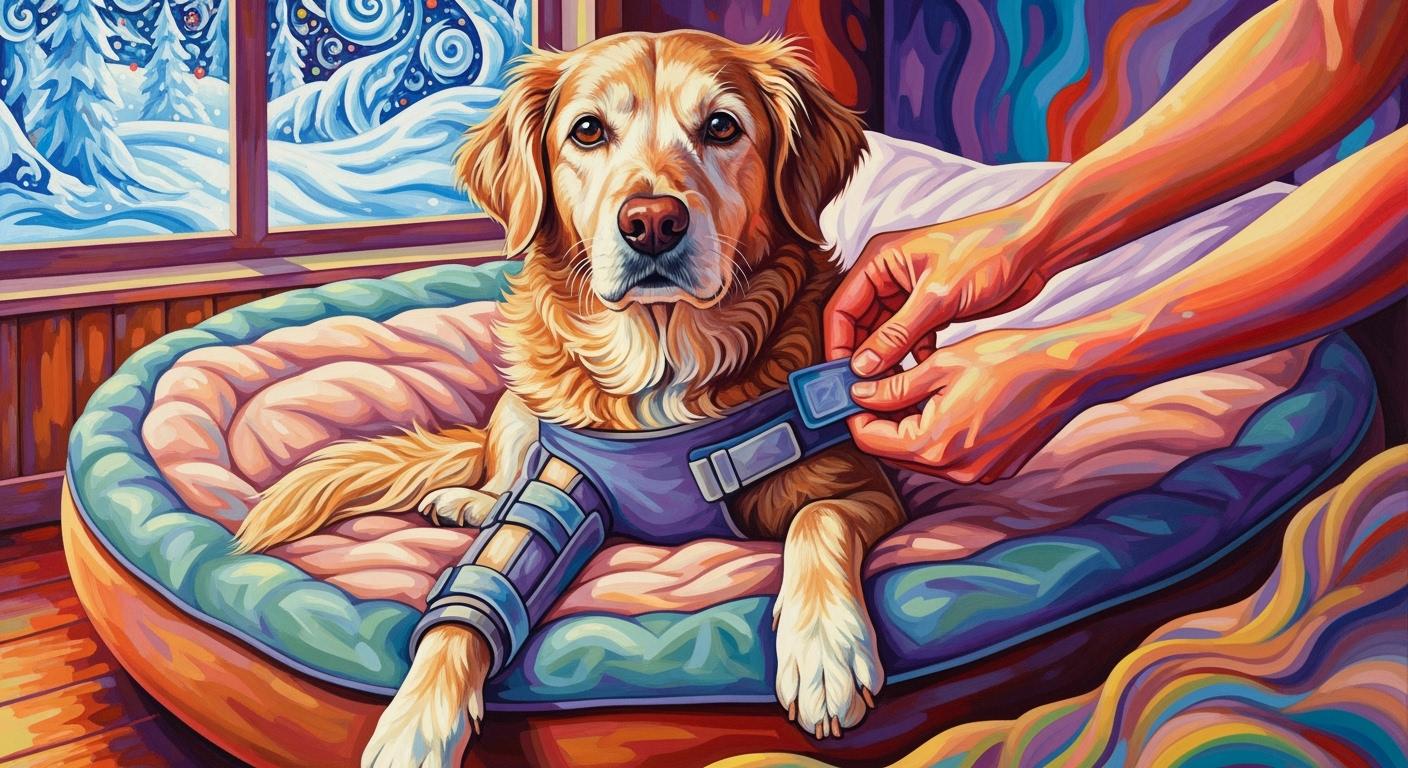
You want your older dog to feel good and safe in winter. Cold weather can make joints stiff, which is especially challenging for senior dogs. It can also make it harder for dogs to move. Dogs with arthritis may act differently when it is cold. The right winter arthritis support harness for senior dogs helps immensely. Use a quick reference card to assist you. Follow the session rules, and don’t hesitate to ask your veterinarian for advice.
Challenge | Description |
|---|---|
Joint Stiffness | Joints get stiffer in cold, mostly in the morning. |
Difficulty Moving | Dogs feel more pain and move less in winter. |
Behavioral Changes | Dogs may act differently because arthritis hurts. |
Key Takeaways
Pick a winter arthritis support harness that fits your older dog well. The right fit helps lower joint pressure and stops skin injuries.
Help your dog stay warm and move during cold months. Use soft beds and easy exercises to help with arthritis pain and help your dog walk better.
Check your dog’s skin and harness fit often, before and after walks. Watch for signs your dog is uncomfortable, and ask your vet if you see problems.
Why Fit and Comfort Matter for Senior Dogs
Cold Weather Effects on Arthritis
Cold weather can make arthritis worse for dogs. Your dog may feel more stiff and sore, especially in the morning. Many owners see their dogs hurt more when it gets colder than 40°F (39.2°F). Keeping your dog warm helps them feel better. Soft beds and a warm home can help with joint pain in winter.
Cold weather makes joints stiffer and more painful.
Dogs feel worse when it gets cold outside.
Warm beds and homes help dogs feel less pain.
Risks of Poor Fit
A harness that does not fit right can hurt your dog. If it is too tight, it can hurt the skin or make it hard to move. If it is too loose, it can slip and make walking unsafe. Always check your dog’s skin when you put on or take off the harness. Redness should go away in 15 minutes. If you see swelling, sores, or a bad smell, stop using the harness and call your vet.
Soft beds help stop skin injuries for dogs that cannot move well.
Support slings help you lift your dog safely.
Rubber mats on the floor help your dog feel safe and comfy.
Mobility Support Benefits
A winter arthritis support harness helps your dog stay steady. The harness takes weight off sore joints and helps your dog move. You can help your dog go up stairs and walk on slippery floors. Mobility socks and ramps help your dog grip and get to places. Dogs with bad arthritis can use wheelchairs to go outside and feel happy.
Harnesses help sore joints and make moving easier.
Ramps and socks help dogs stay steady and not fall.
Wheelchairs help dogs with bad arthritis move around.
Winter Arthritis Support Harness for Senior Dogs: Fit and Walk Routine
A good daily routine helps your dog stay safe and comfortable during winter walks. Use these steps to make sure your winter arthritis support harness for senior dogs fits well and supports your dog’s needs.
Define Daily Mobility Goal
Set a clear goal for your dog’s movement each day. Regular exercise keeps muscles and joints strong. For senior dogs with arthritis, low-impact activities work best. Walking, swimming, or gentle play help your dog stay active without causing pain. Start slow and increase activity as your dog gets stronger.
Keep exercise gentle and steady.
Use short walks or indoor play.
Increase time and distance slowly.
For most dogs, aim for several short walks each day. Begin with 30–60 minutes total, split into 3–5 sessions. If your dog feels good, add about 25% more time every 3–4 days. Always watch for signs of tiredness or pain.
Quick Skin and Body Check
Before and after each session, check your dog’s skin and body. Look at the spots where the harness touches the skin. You want to catch any redness, swelling, or sores early. Redness should fade within 15 minutes after you remove the harness.
Check for pressure sores or hair loss.
Watch for swelling or strong odors.
If you see problems, stop using the harness and call your vet.
Tip: Always check your dog’s skin every time you put on or take off the harness. This helps prevent injuries and keeps your dog comfortable.
Harness Alignment and Comfort
Make sure the harness sits straight and snug on your dog. The straps should feel secure but not tight. You should fit two fingers between the harness and your dog’s body. Adjust the straps if you see slipping or twisting.
Align the harness with your dog’s spine.
Check that the harness does not pinch or rub.
Watch your dog’s walk for any limping or odd steps.
If you notice muscle changes, slipping, or new rubbing, adjust the fit right away. Keep a log of any changes in your dog’s behavior or movement.
Indoor Warm-Up and Traction
Warm up your dog indoors before heading outside. This helps loosen stiff joints and prepares your dog for walking. Use non-slip mats or rugs to prevent slipping on hard floors. Non-slip booties or socks can also help, but some dogs prefer mats.
Let your dog walk around inside for a few minutes.
Use traction aids like ToeGrips if your dog slips on floors.
Make sure your dog feels steady before going outside.
Note: Dogs use their nails for traction, like soccer cleats. On hard floors, they need extra grip to move safely.
Outdoor Safety Plan
Plan your outdoor walks with safety in mind. Check the weather and surface conditions. Avoid icy or slippery areas. Use the winter arthritis support harness for senior dogs to help your dog stay steady. Bring joint supplements if your vet recommends them.
Split walks into shorter sessions, such as 10–15 minutes each.
Take breaks every few minutes so your dog can rest.
Adjust the routine if your dog seems tired or sore.
Mini Winter Walk Safety Checklist:
Check temperature: avoid walks below 20°F (21.2°F) unless cleared by your vet
Inspect harness fit and skin before and after each walk
Use leash and harness for control
Avoid ice, salt, and rough surfaces
Watch for signs of pain or limping
Bring water and treats
Supervise your dog at all times
Always consult your veterinarian for advice on mobility and joint health. Adjust your plan as your dog’s needs change.
Post-Walk Reset
After each walk, remove the harness and check your dog’s skin again. Look for any redness or swelling. Let your dog rest on a soft, warm bed. Clean the harness if it is wet or dirty. Record any changes in your dog’s movement or comfort.
Remove the harness and inspect the skin.
Let your dog rest and recover.
Clean and dry the harness before the next use.
Keep a daily log of your dog’s walks, skin checks, and any changes you notice. This helps you track progress and spot problems early.
Quick Reference Card:
Session length: 30–60 minutes per day, split into 3–5 sessions
Progression: increase by 25% every 3–4 days if no problems
Skin check: every on/off, redness should fade in 15 minutes
Supervise all walks, especially on stairs or slippery floors
Adjust harness fit as needed
By following these steps, you help your dog stay safe, comfortable, and active during the cold months. The right winter arthritis support harness for senior dogs makes a big difference in your dog’s quality of life.
Measuring and Fitting the Harness
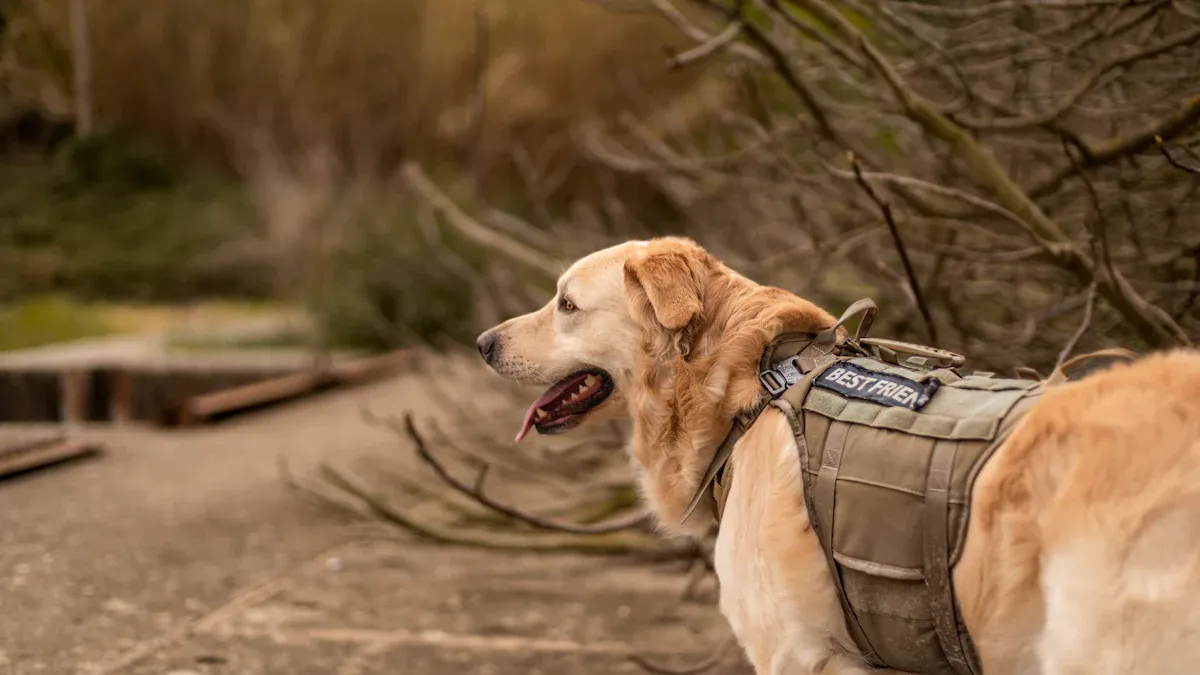
Sizing and Measurement Tips
You want your winter arthritis support harness for senior dogs to fit just right. Start by measuring your dog’s neck just below where the collar sits. Use a soft measuring tape. Next, measure the chest at the widest part, usually behind the front legs. Always check your dog’s weight, as harness sizes often use weight as a guide. For harnesses with handles, measure from the top of your dog’s back to the middle of your hand. Stand as if you are holding the handle to get the right height.
Measure neck below collar spot
Measure chest at widest part behind front legs
Check your dog’s weight for size
Measure handle height from back to your hand
Adjusting Straps
Before you put the harness on, loosen all straps. Place the harness on your dog and buckle each strap. Tighten the straps so you can fit two fingers between the strap and your dog’s body. The harness should sit flat against the chest and back. Make sure there is no twisting or bunching. Let your dog walk around. Watch for slipping or rubbing. Adjust the straps if needed.
Loosen all straps before fitting
Buckle and tighten, leaving space for two fingers
Check for flat fit—no twists or bunches
Let your dog walk and observe movement
Adjust if you see slipping or discomfort
Signs of Good vs Poor Fit
A good fit keeps your dog safe and comfortable. The best dog harness will not pinch, rub, or slip. Your dog should move easily and show no signs of pain. If you see redness, swelling, or hair loss, the harness may be too tight or in the wrong spot. Redness should fade within 15 minutes after removing the harness. Always check high-friction zones like the chest, armpits, and belly.
Quick Fit + Use Checklist:
Goal set and vet clearance confirmed
Neck and chest measured, harness aligned
Straps secure, two-finger check done
First session: 30–60 minutes, 3–5 times/day
Skin checked every on/off; redness fades in 15 minutes
No running or jumping; use non-slip floors
Log any changes in fit or behavior
Winter Harness Features for Senior Dogs
When you choose a winter arthritis support harness for senior dogs, you want to focus on features that keep your dog warm, safe, and comfortable. The right harness can make walks easier and help your dog feel better during cold months.
Insulation and Padding
Look for harnesses with soft padding and insulation. These features protect your dog’s skin from cold air and help prevent rubbing. Thick padding around the chest and belly gives extra comfort, especially for dogs with thin coats or arthritis. Insulation helps keep your dog’s body heat in, which is important when temperatures drop below 40°F (39.2°F).
Moisture Resistance
Winter walks often mean wet conditions. You want a harness made from water-resistant or quick-drying materials. This keeps your dog dry and prevents the harness from staying damp against the skin. Moisture resistance also makes cleaning easier after muddy or snowy walks.
Handles and Adjustability
Choose a harness with sturdy handles. Handles help you lift or steady your dog on stairs or icy paths. Adjustable straps let you fit the harness snugly without squeezing. You should always check that you can fit two fingers under each strap. This helps prevent skin problems and keeps your dog comfortable during 30–60 minute sessions.
Non-Restrictive Fit
A good harness supports your dog but does not limit movement. Look for designs that allow your dog to walk naturally. The harness should not pinch or twist. Non-restrictive fits help your dog stay active and reduce the risk of muscle loss.
Tip: Always check the harness fit before and after walks. Adjust as needed if your dog’s body changes.
Acclimating Senior Dogs to a New Harness
Gradual Introduction
You want your senior dog to feel safe and comfortable in a new harness. Start slow and let your dog get used to the harness in a calm setting. Follow these steps for a smooth introduction:
Check that the harness fits well. You should fit two fingers between the harness and your dog’s body.
Keep your dog relaxed. Let them sniff and see the harness before you put it on.
Use treats and gentle praise. This helps your dog link the harness with good feelings.
Put the harness on for short periods at first. Allow your dog to adjust to the feeling, especially if you need to lift them.
Begin with short sessions of 30–60 minutes, 3–5 times per day. Increase wear time by about 25% every 3–4 days if your dog stays comfortable.
Tip: Always supervise your dog during the first few sessions. Watch how they move and react.
Monitoring for Discomfort
You need to watch for signs that your dog feels uncomfortable or in pain. Senior dogs may not always show pain clearly. Look for these signs:
Stiffness, limping, or favoring one leg
Trouble standing up or lying down
Accidents in the house or odd posture when going potty
Less activity or not wanting to play or use stairs
Changes in mood, such as irritability or shying away
Licking, chewing, or biting at paws or joints
If you see any of these, remove the harness and check your dog’s skin. Redness should fade within 15 minutes. If not, stop using the harness and contact your vet.
When to Consult a Vet
You should talk to your veterinarian if you notice swelling, sores, strong odors, or if your dog seems to get worse with the harness. Always consult your vet before starting a new support device, especially if your dog has other health problems. Regular check-ins help keep your dog safe and comfortable during the cold months.
Walk or Indoor-Only? Decision Table
Use this traffic-light decision table to help you decide if your senior dog with arthritis should walk outside or stay indoors during winter. Always choose the safest option. If you feel unsure, keep your dog indoors.
Condition | Green: Safe to Walk | Yellow: Caution | Red: Indoor-Only |
|---|---|---|---|
Surface | Dry, clear, non-slip | Damp, patchy ice, some salt | Ice, deep snow, heavy salt |
Temperature | 32–50°F (0–132°F) | 20–32°F (–6–32°F) | Below 20°F (21.2°F) |
Dog Stability | Steady, no limping | Slight stiffness, slow steps | Unsteady, frequent slips |
Pain Level | No pain, normal gait | Mild pain, needs support | Limping, refuses to walk |
Skin/Irritation | Skin clear, no redness | Mild redness, fades quickly | Sores, swelling, strong odor |
Caregiver Ability | Confident, can assist | Needs help, unsure footing | Cannot assist, unsafe |
Green: Safe to Walk
You can walk your dog when surfaces are dry and clear, and the temperature stays between 32–50°F (0–132°F). Your dog should walk steadily with no limping or pain. The skin under the harness should look healthy. You should feel confident helping your dog if needed. Walk during the warmest part of the day. Use a well-fitted harness and sweater for extra warmth. Let your dog sniff and explore for mental health.
Yellow: Caution
Use caution if you see damp spots, patchy ice, or the temperature drops to 20–32°F (–6–32°F). Your dog may move slower or show mild stiffness. Keep walks short—about 5–10 minutes per session. Watch for limping or shivering. Avoid busy roads and heavy salt. Dry your dog’s paws and belly after each walk. If your dog seems uncomfortable, return indoors right away.
Red: Indoor-Only
Keep your dog indoors if you see ice, deep snow, or the temperature falls below 20°F (21.2°F). Do not walk if your dog limps, refuses to walk, or has sores or swelling under the harness. If you cannot help your dog safely, choose indoor activities. Use non-slip mats and gentle play to keep your dog active. Always default to indoor routines if you feel unsure.
Tip: Start new routines slowly. Watch your dog for signs of discomfort. If you see any warning signs, stop and call your veterinarian.
Winter Mobility Tools for Senior Dogs: Comparison Table
Choosing the right mobility products helps your senior dog stay active and safe during winter. You can find many options, each with its own strengths. Consumer Reports and product reviews for 2025 highlight several tools that work well for older dogs. Pet strollers also offer support for dogs who need extra help outside.
Tool | Best for | Not ideal when | Key usage tip |
|---|---|---|---|
Support Harness | Dogs needing joint support and stability | Open wounds, severe pain, or swelling | Check fit and skin every session; use for 30–60 minutes, 3–5 times/day |
Rear Sling | Dogs with weak back legs or trouble rising | Dogs with front leg injuries | Lift gently; keep sessions short; avoid stairs without help |
Brace | Dogs recovering from surgery or needing controlled motion | Circulation problems or sores under device | Inspect skin every on/off; increase wear time by 25% every 3–4 days |
Booties/Traction | Dogs slipping on floors or icy surfaces | Dogs who dislike paw coverings | Use non-slip mats indoors; try short sessions to build comfort |
Indoor Routine | Days below 20°F (21.2°F), icy or unsafe outdoors | Dogs needing outdoor potty breaks | Use gentle play, non-slip surfaces, and soft beds for joint comfort |
Tip: Always supervise your dog when using new mobility tools. Watch for changes in movement or skin condition.
You can use this table to compare options and choose what fits your dog’s needs best.
Many dog accessories get high marks for safety and comfort in recent reviews.
Support Harness
You help your dog walk steadily and reduce joint pain with a support harness. Use it for short, supervised sessions. Always check the fit and your dog’s skin.
Rear Sling
You lift your dog’s back end with a rear sling. This tool works well for dogs with weak hind legs. Keep sessions short and avoid stairs unless you can help.
Brace
You use a brace for controlled motion after surgery. Inspect your dog’s skin every time you put the brace on or take it off. Increase wear time slowly.
Booties/Traction
You protect your dog’s paws and prevent slipping with booties or traction aids. Try non-slip mats indoors if your dog dislikes booties.
Indoor Routine
You keep your dog active indoors when outdoor conditions are unsafe. Use gentle play and soft bedding to support joint health.
Senior Dog Calculations: Lifespan and Reassessment
Senior Status Estimate
You need to know when your dog becomes a senior. Most experts use the “last 25% of expected lifespan” rule. This means you look at how long your dog’s breed usually lives. For example, if your dog’s breed lives about 12 years, your dog becomes a senior at 9 years old.
Example Calculation:
Expected lifespan: 12 years
Senior status: 12 years × 0.75 = 9 years
Your dog is a senior at 9 years
For a medium-size dog (about 50 lb or 23 kg), the average lifespan is 11–13 years. So, your dog enters the senior stage between 8.25 and 9.75 years old.
Dog Size | Expected Lifespan | Senior Status Starts At |
|---|---|---|
Small (20 lb) | 14 years | 10.5 years |
Medium (50 lb) | 12 years | 9 years |
Large (80 lb) | 10 years | 7.5 years |
Knowing when your dog is a senior helps you plan for changes in care and support.
Reassessment Planning
You should check your senior dog’s health and mobility every 3–6 months. Regular reassessment helps you spot problems early. This keeps your dog comfortable and protects their quality of life.
Schedule a vet visit every 3–6 months
Review your dog’s weight, skin, and joint health
Update your harness fit and walking routine as needed
Watch for changes in energy, appetite, or movement
Tip: Write down each reassessment date on your calendar. Bring your notes to your vet for the best advice.
If you see new pain, swelling, or sores, contact your veterinarian right away. Early action helps your dog stay happy and active.
Top Winter Mistakes and Prevention
Traction Planning
Many caregivers forget to plan for traction indoors and outdoors. Slippery floors and icy sidewalks increase the risk of falls. You can prevent slips by using non-slip mats, booties, or paw wax. Always check your dog’s nails and keep them trimmed for better grip.
Tip: Let your dog walk on rugs or mats before heading outside. This helps warm up joints and improves stability.
Walking on Ice
Walking your dog on icy surfaces can cause injuries. Avoid ice and deep snow. Choose dry, clear paths for walks. If you must go out, keep sessions short—about 5–10 minutes—and supervise closely.
Stairs Without Support
Senior dogs often struggle with stairs. Lifting without support can strain joints. Use a harness with handles to help your dog up and down stairs. Always supervise and move slowly.
Bad Angle Lifting
Lifting your dog at a bad angle can hurt their back or legs. Use both hands and lift gently with a harness. Keep your dog’s spine straight and avoid twisting.
Harness Left On Too Long
Leaving the harness on for too long can cause skin irritation. Limit wear to 30–60 minutes per session, 3–5 times per day. Check the skin every time you remove the harness.
Not Removing at Night
Some caregivers forget to remove the harness at night. Your dog needs rest without pressure on the skin. Always take off the harness before bedtime.
Ignoring Rubbing Zones
Rubbing can happen under the harness, especially at the chest, armpits, and belly. Check these zones for redness or sores. Adjust the fit if you see any problems.
Wet Harness Left On
A wet harness can chill your dog and cause skin problems. Dry the harness after walks in rain or snow. Use water-resistant materials for winter.
Rushing to Door
Rushing your dog to the door can lead to slips or falls. Let your dog move slowly and use traction aids. Warm up indoors before going outside.
Salt on Paws
Salt on sidewalks can irritate your dog’s paws. Use booties or paw wax for protection. Wipe your dog’s paws after each walk.
Assuming Pain Is Normal Aging
Never assume pain is just part of getting older. Monitor your dog’s movement and behavior. If you see limping, stiffness, or mood changes, consult your veterinarian.
Quick Reference Table: Common Mistakes & Prevention
Mistake | Prevention Tip |
|---|---|
Use mats, booties, trim nails | |
Walking on ice | Choose dry paths, keep walks short |
Stairs without support | Use harness handles, supervise |
Bad lifting | Lift gently, keep spine straight |
Harness too long | Limit wear, check skin often |
Not removing at night | Remove harness before bed |
Rubbing zones ignored | Check and adjust fit regularly |
Wet harness | Dry after walks, use water-resistant |
Rushing to door | Move slowly, warm up indoors |
Salt on paws | Protect with booties, wipe after walk |
Ignoring pain | Monitor and consult your vet |
When to Seek Veterinary Guidance for Senior Dogs
Early Warning Signs
Watch your senior dog closely in cold weather. Arthritis can get worse when it is cold. If the temperature drops below 40°F (39.2°F), be extra careful. Look for signs that your dog is having trouble. Your dog may feel stiff when getting up or after resting. Sometimes, your dog does not want to walk or play. Your dog might walk slowly or get tired fast. Climbing stairs or jumping into the car can be hard. Limping or using one leg more than the other is a warning. Your dog may have trouble getting up from lying down. You may notice less excitement for walks or playtime. Some dogs act grumpy or want to be alone.
Tip: If you see redness, swelling, or sores under the harness, stop right away. If your dog will not walk, call your vet. Acting fast helps stop bigger problems.
Ongoing Support
You can help your senior dog feel better with regular vet visits. Your vet may suggest ways to make moving easier. Ramps and stairs help your dog get around inside and outside. Mobility aids like slings or wheelchairs help dogs with bad joint pain. Your vet may give medicine or joint supplements for pain. Some dogs feel better with acupuncture, massage, or laser therapy. Gentle movement and love every day help your dog stay happy.
Note: Take your dog to the vet every 3–6 months. Check your dog’s weight, joints, and harness fit. Change your routine if your dog needs something different. Regular vet visits help you find problems early and keep your dog comfortable.
You help your senior dog by choosing a harness that fits well and keeps pressure off joints.
Warmth and regular activity reduce arthritis pain in cold weather.
Follow your routine, use checklists, and check your dog’s comfort often.
Talk to your veterinarian every 3–6 months for the best support.
FAQ
How long should my senior dog wear a winter arthritis support harness each day?
You should start with 30–60 minutes per session, 3–5 times daily. Increase total wear time by 25% every 3–4 days if your dog stays comfortable.
What temperature is too cold for my arthritic senior dog to walk outside?
Avoid walks below 20°F (21.2°F) unless your veterinarian says it is safe. Dogs with arthritis feel more pain and stiffness in colder weather.
How often should I check my dog’s skin under the harness?
Check your dog’s skin every time you put on or remove the harness. Redness should fade within 15 minutes. Call your vet if you see swelling or sores.
