
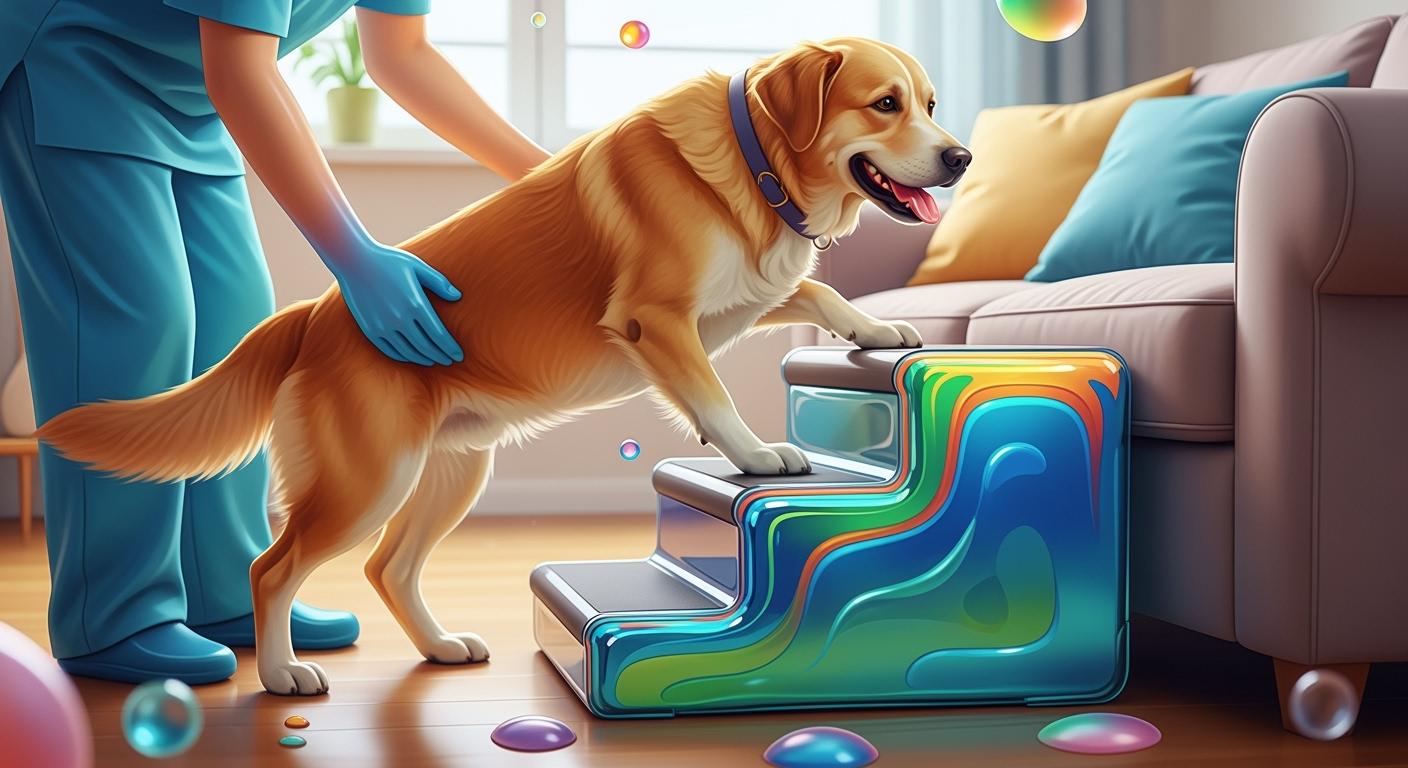
Comfort for a dog with arthritis means less slipping and better dog arthritis mobility support. It also means easier moving and steadier walking, allowing your dog to rest better too. You can help by making small changes at home. Make changes slowly and carefully. If your dog gets much worse, call the vet right away. If your dog cannot stand or gets weak, get help fast.
About 20% of grown dogs get arthritis, and more than 90% of dogs over 5 years old have it.
Changing things at home can help a lot. Better floor grip enhances dog arthritis mobility support and helps dogs move easier.
Use the Quick Reference Card and Comfort Ladder checklist to pick what to do next. For more help, read the post about mobility aids. Always make changes for your dog’s needs and listen to your vet’s advice.
Key Takeaways
Make small changes at home to improve your dog’s comfort. Use non-slip rugs and mats to prevent slipping.
Keep your dog at a healthy weight. A balanced diet and regular exercise help reduce joint pain and improve mobility.
Use ramps and slings to assist your dog with stairs and getting in and out of the car. This reduces strain on their joints.
Monitor your dog’s behavior closely. Look for signs of pain or discomfort and consult your vet if you notice any changes.
Incorporate gentle routines into your dog’s daily life. Short walks and warm-ups help maintain muscle strength and joint flexibility.
What comfort means for an arthritic dog
Pain, weakness, and slipping
If your dog has arthritis, you might see pain and weakness. Your dog may slip more often. Stiffness and limping are common. Your dog might not want to move much. Some dogs get tired fast or avoid stairs and slick floors. You could notice your dog seems sad or does not want to play. Here are some signs to look for:
Signs of Discomfort in Dogs with Arthritis | Description |
|---|---|
Difficulty rising from a lying position | Has trouble getting up because joints hurt. |
Reluctance to jump onto furniture or into the car | Does not want to jump because it hurts. |
Noticeable reduction in playfulness or activity | Plays less and is not as active. |
Stiffness after resting | Gets stiff, especially when it is cold. |
Limping after activity | Limps after playing or walking. |
Licking or chewing at joints | Licks or chews sore joints. |
Mood changes (irritability) | Acts grumpy or upset. |
Avoiding stairs and slippery floors | Stays away from stairs and slick floors. |
Less enthusiasm for walks or play | Does not get excited for walks or play. |
Tiring more quickly | Gets tired faster than before. |
Small changes, big impact
You can help your dog by making small changes at home. Comfort comes from simple things like better traction and safe transfers. Steady, gentle movement helps too. Keep your dog at a healthy weight. Ask your vet about pain relief. Use the Quick Reference Card to help you decide what to do. Treats should be less than 10% of your dog’s food. Try to keep your dog’s Body Condition Score at 4 or 5 out of 9.
Comfort Ladder Checklist:
Add rugs or mats for better grip.
Use ramps or slings to help your dog move.
Make routines gentle, like short walks and warm-ups.
Try raised dishes or orthopedic beds if needed.
Common mistakes to avoid:
Slick floors
Long walks all at once
Too many stairs
Status | What to Do |
|---|---|
🟢 Green | Keep normal routines and check your dog often. |
🟡 Yellow | Change things if your dog has a flare-up. Call the clinic if needed. |
🔴 Red | If your dog collapses or has bad pain, get help fast. |
Small changes like soft beds and ramps can help your dog feel better. These changes make life safer and easier for dogs with arthritis.
Creating a comfortable living space
A comfortable living space helps your dog move safely and rest well. You can make daily life easier by focusing on traction, safe paths, and gentle transitions between rooms and outdoors.
Floor traction and safe paths
Slippery floors can cause falls and stress for dogs with arthritis. You can reduce slipping by adding non-slip rugs, yoga mats, or rubber tiles to your dog’s main walking areas. Place adhesive pads or carpet remnants on slick spots like hallways or near doors. Grippy sock leggings also help some dogs walk with more confidence. Try to create a clear path from your dog’s bed to the feeding station and the door.
Tip: Place rubber-backed runners in busy areas and use anti-slip coatings on hardwood or tile. This simple change can make a big difference in your dog’s comfort and safety.
Home Setup Checklist:
Lay non-slip runners or mats on all main walkways.
Use rug tape to keep mats in place.
Clear clutter from paths to prevent tripping.
Set up a feeding station with raised bowls at a comfortable height.
Make sure your dog has a safe, easy route to the outdoor potty area.
Stairs, beds, and car transfers
Many dogs with arthritis struggle with stairs, beds, and getting in or out of the car. You can help by using ramps with non-slip surfaces and gentle slopes. For stairs, add traction strips or carry small dogs when needed. Place supportive bedding, like memory foam beds, in a warm spot away from drafts. If your dog likes to sleep on furniture, use a ramp or pet stairs to prevent jumping.
Area | Supportive Change |
|---|---|
Stairs | Add non-slip strips, use harness assist |
Beds | Choose orthopedic beds, keep low, use ramps |
Car | Use sturdy, non-slip ramps for entry/exit |
By creating a comfortable living space, you help your dog feel secure and reduce the risk of injury. Small changes in your home setup can support your dog’s mobility every day.
Gentle routines to help a dog with arthritis
Consistent movement and warm-ups
You can help a dog with arthritis by making gentle routines part of each day. Regular movement keeps muscles strong. It also helps joints stay flexible. Begin with a short walk on soft ground, like grass or carpet. Warm up your arthritic dog by walking slowly with a leash before playtime. Swimming or hydrotherapy lets your dog move without pain. These activities build muscle but do not hurt joints. Keep walks short and steady. Do not let your dog run or jump suddenly.
Tip: Use a harness to give extra support during walks. This helps your dog stay balanced and lowers the chance of falling.
Many dogs do well with easy exercises. Passive joint stretches and gentle massage help blood flow. They also make your dog less stiff. Balancing exercises, like standing on a soft mat, help your dog get stronger. These activities help with exercise and weight control. They also lower stress on sore joints.
Daily Routine Template for an Arthritic Dog:
Time of Day | Activity Example |
|---|---|
Morning | Short leash walk, gentle stretching |
Midday | Rest, massage, or swimming session |
Evening | Slow walk, passive joint exercises |
Rest and recovery cues
Rest is just as important as moving. Give your dog a quiet place with a soft bed for naps. Watch for signs your dog is tired, like slowing down or lying down more. Let your dog choose how fast to go. If your arthritic dog seems stiff or sore, give extra rest between activities. Physical therapy and regular breaks help a dog with arthritis feel better and recover.
You help with exercise and weight control by balancing activity and rest. This plan helps stop flare-ups and keeps your dog’s mood steady. Always change routines if your dog looks tired or in pain. If you see sudden changes, call your veterinarian for advice.
Comfort tools: heat and cold therapy
When to use cold or heat
Heat and cold therapy can help dogs with arthritis feel better. These tools help with pain and swelling. Cold therapy is best right after a flare-up or injury. Use ice packs for 15–20 minutes. Do this during the first 48 hours after pain or swelling starts. Heat therapy helps with morning stiffness and long-term pain. Use gentle heat for 15–20 minutes, one or two times each day.
Always wrap ice packs or heating pads in a cloth before using them. Test the temperature on your skin first. This keeps your dog safe from burns or frostbite.
You can use these therapies on shoulders, elbows, hips, knees, and ankles. Heat and cold therapy can lower swelling and help healing. They also help with pain and make muscles and joints move easier. You can use these treatments on one spot, a bigger area, or the whole body, depending on what your dog needs.
Safety checks and stop rules
Safety is very important when using heat or cold therapy. Check your dog’s skin every five minutes during each session. Stop if you see redness, pale spots, or your dog seems upset. Each session should last only 15–20 minutes. Wait at least 30 minutes before using ice again.
Therapy Type | Session Length | Skin Check Interval | Frequency |
|---|---|---|---|
Cold (Ice) | 15–20 min | Every 5 min | Up to every 2 hrs |
Heat | 15–20 min | Every 5 min | 1–2 times daily |
Do not use heat or cold therapy if your dog has an infection, open wounds, cancer, or cannot feel the area. Always follow your veterinarian’s advice for pain management and treatment options. These steps help keep your dog safe and comfortable.
Weight and muscle support for mobility
Body condition and treat habits
Keeping your dog at a healthy weight is one of the best ways to support joint health. Body Condition Score (BCS) helps you see if your dog is underweight, overweight, or just right. Obesity can make arthritis worse and lead to more pain. You can use these tips to help your dog:
Use the 9-point BCS scale. Aim for a score of 4 or 5 out of 9.
Give most calories from regular meals. Treats should be less than 10% of daily calories.
Pick low-calorie treats like baby carrots or green beans.
Avoid table scraps and high-fat snacks.
Once your dog reaches a healthy weight, give treats less often to make them special.
A balanced diet is important for your dog’s overall health and can help manage arthritis. Every pound lost takes pressure off sore joints.
What studies show about BCS and arthritis:
Dogs with a healthy BCS tend to stay more active.
Obesity increases the risk of joint problems.
The link between BCS and pain is complex, but keeping a healthy weight supports well-being.
Tracking progress
You can track your dog’s weight and muscle support with a few simple steps:
Weigh your dog every week.
Use a gram scale to measure food portions.
Try food toys to slow eating and keep your dog busy.
Choose low-calorie treats and avoid extra snacks.
Stay consistent with these habits for long-term results.
Evidence Description | Impact on Joint Health |
|---|---|
Excess weight and obesity are significant factors contributing to joint problems. | They accelerate cartilage breakdown, leading to increased joint discomfort and pain. |
Every pound lost reduces strain on the joints more effectively than any supplement. | This highlights the importance of weight management over other interventions for joint health improvement. |
Simple lifestyle adjustments can dramatically improve a dog’s comfort and quality of life. | These adjustments include low-impact exercises that support joint health without causing additional strain. |
Weekly Weight Loss Tracker Example:
If your dog weighs 50 pounds and your vet recommends losing 1% per week, aim for a 0.5-pound loss each week.
Week 1: 49.5 lbs
Week 2: 49.0 lbs
Week 3: 48.5 lbs
Week 4: 48.0 lbs
Check off each week as you go. Slow, steady weight loss helps protect muscle and supports joint health.
Dog arthritis mobility support tools at home
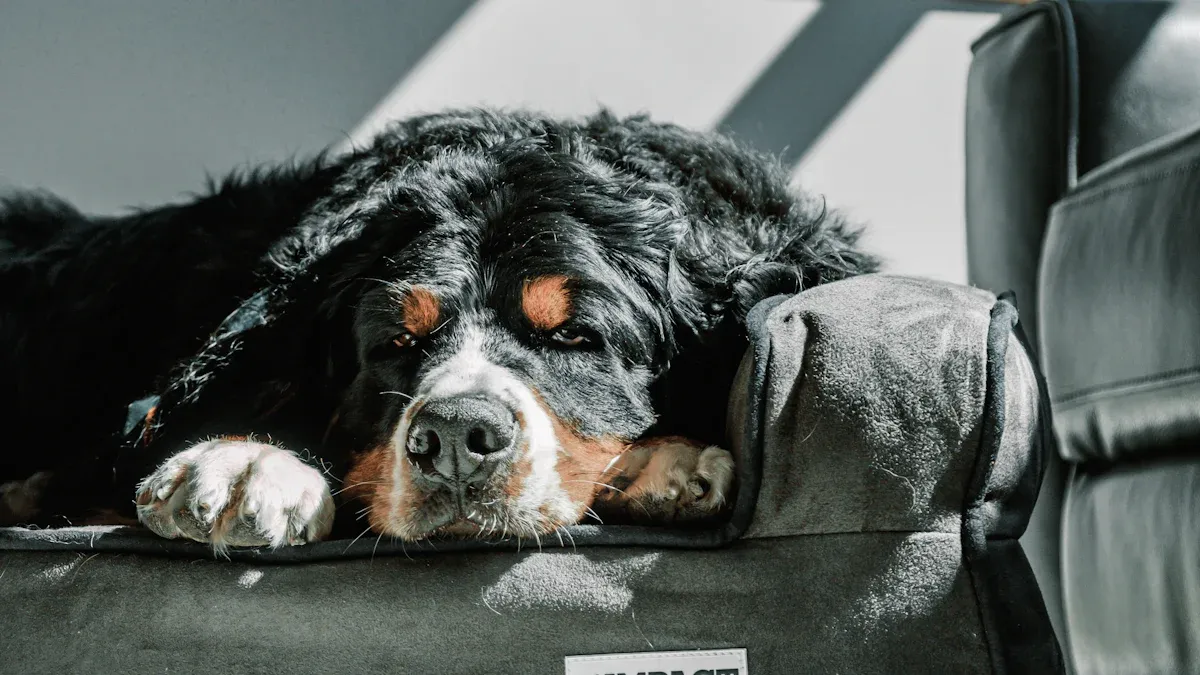
Helping your dog move safely at home can make a big difference in comfort and confidence. You can use several tools to support your dog’s mobility and reduce the risk of slips or falls. Choosing the right aids depends on your dog’s needs, your home setup, and your veterinarian’s advice.
Traction aids and ramps
Many dogs with arthritis struggle on slippery floors or when climbing stairs. You can improve safety and comfort with traction aids and ramps. Non-slip surfaces are essential for both. Place rugs, yoga mats, or rubber tiles in areas where your dog walks most. These simple changes help your dog feel secure and prevent falls.
You can also use traction products like grippy socks or Dr. Buzby’s ToeGrips. Some dogs benefit from these, but results may vary. Always check that any aid fits well and does not cause discomfort.
Ramps and steps help your dog reach beds, couches, or cars without jumping. Choose ramps that are wide, sturdy, and have a gentle incline. Non-slip surfaces on ramps and stairs are crucial for safety. Commercial ramps come in many designs, but you can also build a homemade ramp if it meets these safety features.
Non-slip surfaces on ramps and stairs lower the risk of falls.
Ramps should be wide and gently sloped for easy use.
Rugs and mats in walkways add extra grip.
Some traction aids work better for certain dogs, so watch how your dog responds.
Note: The Home Assessment Tool can help you spot areas in your home that need changes. It encourages you to look for spots where your dog may slip or strain joints.
Slings and full-body support
Sometimes, your dog may need extra help getting up, walking, or going outside. Slings and full-body support harnesses can make these tasks safer for both you and your dog. A rear sling supports your dog’s back end, while a full-body harness gives support to both the front and back legs.
You should use a well-designed sling or harness that spreads pressure evenly. Avoid using a towel as a sling, since it can put too much pressure on your dog’s belly. This can cause bruising or even harm organs if used for long periods. Always follow the instructions for fitting and using these devices. If a harness or brace does not fit right, it can cause skin irritation or discomfort.
Choose slings and harnesses made for dogs with arthritis.
Make sure the device fits well and does not rub or pinch.
Do not use makeshift slings for long walks or long periods.
Watch for signs of discomfort, redness, or skin changes.
Tip: Ask your veterinarian or a rehab specialist to show you how to use these aids safely. They can help you pick the best option for your dog’s needs.
Mobility Support at Home: Quick Reference Table
Tool | Best For | Risk if Misused |
|---|---|---|
Traction aids | Slippery floors, weak grip | May cause tripping if loose |
Ramps/steps | Beds, cars, stairs | Falls if too steep or unstable |
Rear sling | Weak back legs, short transfers | Bruising if pressure not spread evenly |
Full-body support | Severe weakness, full transfers | Skin irritation, discomfort |
You can find more details about choosing and fitting these devices in the companion post on assistive device selection.
Continuous monitoring, such as using smart collars, can help you track your dog’s activity and rest patterns. These tools can alert you to changes that may signal pain or a need for more support. By combining the right dog arthritis mobility support tools with regular checks, you help your dog stay safe and comfortable at home.
When to call the vet
Red flags and sudden changes
You play a key role in spotting changes in your dog’s health. Some signs mean you should contact your veterinarian right away. Dogs with arthritis can show new symptoms that signal a need for urgent care. Watch for these red flags:
Limping or favoring a leg that does not improve
Falling behind on walks or refusing to move
Yelping, growling, or snapping when touched
Swelling or heat around joints
Reluctance to eat or drink
Sudden changes in behavior, such as hiding or acting depressed
Difficulty breathing or collapse
Other warning signs include licking or chewing at joints, shifting weight while standing, and stiffness after rest. If your dog shows any of these, call your veterinarian. Quick action can help prevent setbacks and support the best dog arthritis treatment plan.
If your dog cannot stand, loses control of their legs, or cries out in pain, seek emergency care.
Symptom log for your vet
Keeping a simple symptom log helps your veterinarian understand your dog’s condition. Write down changes you notice each day. This record makes it easier to track progress and spot patterns. Here are some questions to guide your notes:
Is your dog slow to get up in the morning?
Does your dog limp after exercise or walks?
Has your dog stopped jumping onto furniture or into the car?
Do you see licking or biting at joints?
Has your dog gained weight or lost interest in food?
Have you given any pain medication?
Have you noticed changes in mood or activity?
A table can help you organize this information:
Date | Symptom Noticed | Severity (Mild/Moderate/Severe) | Notes |
|---|---|---|---|
6/1/2024 | Limping after walk | Moderate | Lasted 2 hours |
6/2/2024 | Difficulty rising | Mild | Improved with rest |
Share your log during checkups or phone consults. This helps your vet adjust the dog arthritis treatment plan and keep your dog comfortable and safe.
You can make life easier for your arthritic dog by changing things at home. Try these ideas:
Pick a bed that helps your dog feel comfortable.
Put rugs or mats down so your dog does not slip.
Use ramps or stairs to help your dog move around.
Checklists like the Dog Osteoarthritis Pain Checklist and Quick Reference Card help you care for your dog every day. Talk to your veterinarian often. This helps you find problems early and change routines to keep your dog comfortable.
Talking with your vet helps find problems sooner and manage them better.
Knowing what your dog needs and sharing updates helps build trust and gives better care.
FAQ
What is the best way to help my dog avoid slipping at home?
You can place non-slip rugs or yoga mats on floors where your dog walks. Use traction aids like grippy socks if needed. Keep walkways clear of clutter to prevent tripping.
How often should I walk my dog with arthritis?
Short, gentle walks two to three times a day work best for most dogs. Watch your dog for signs of tiredness or pain. Adjust the routine as needed for comfort.
Can I use a towel as a sling to help my dog stand?
You can use a towel for short, gentle support in an emergency. For daily use, choose a sling or harness made for dogs. These spread pressure safely and lower the risk of injury.
When should I call the vet about my dog’s arthritis?
Call your vet if your dog cannot stand, cries out in pain, or shows sudden weakness. Also contact your vet if you see swelling, heat in joints, or changes in appetite or mood.
