
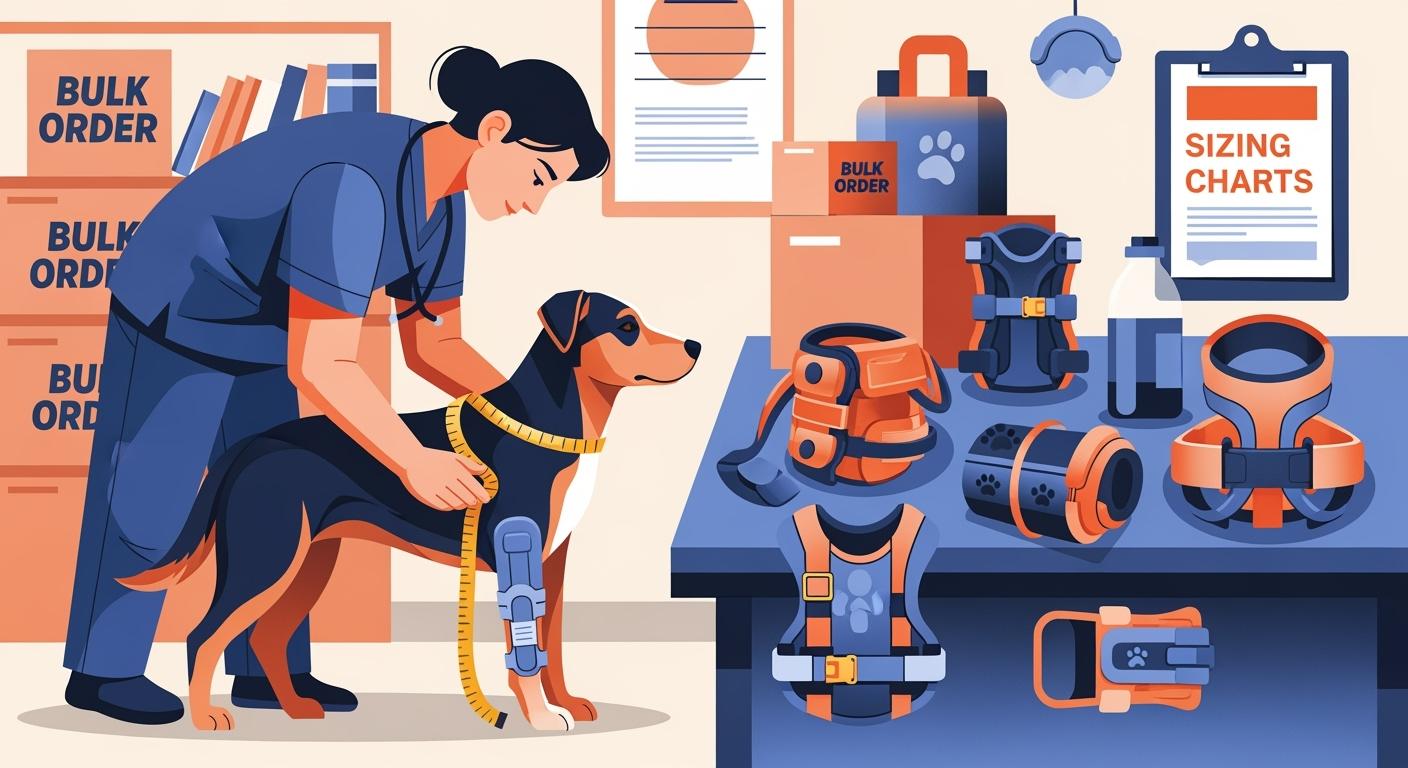
When placing a clinic recovery gear bulk order, you may encounter specific challenges. Ensuring the correct sizing, minimizing returns, and confirming that each brace or suit fits properly are crucial. Selecting reliable suppliers, training your staff effectively, and utilizing standardized discharge kits can help mitigate common issues. These challenges include inadequate delivery and limited supplier options. The table below outlines typical purchasing difficulties faced by clinics:
Challenge | Description |
|---|---|
Individual, Decentralized Buying | When departments order independently, costs increase and consistency suffers. |
Poor Delivery Logistics | Delayed deliveries can disrupt patient care and recovery processes. |
Productivity Losses | Inefficient or disorganized procedures can hinder clinic operations. |
Regulatory Management | Adhering to regulations is essential for safety and legal compliance. |
Supplier Restrictions | A limited selection can negatively impact quality and pricing. |
Poor Procurement Visibility | Lack of transparency in the procurement process can obscure issues with orders and supplies. |
This information is designed to assist clinics in improving their operations and achieving better outcomes. It does not replace professional advice or treatment from a veterinarian.
Key Takeaways
Getting the right measurements is very important for dog braces. Use a soft tape to measure important spots like the chest and thigh. This helps make sure the brace fits well.
Make all discharge kits the same with needed recovery gear and easy instructions. This helps owners take good care of their pets after surgery.
Teach your staff often about how to fit gear and use it. Staff who know what to do make fewer mistakes and help dogs feel better.
Pick suppliers you can trust who check their products well. This makes sure the recovery gear is safe and fits right, so there are fewer returns.
Watch your inventory carefully and set alerts for low amounts. This helps you always have enough recovery gear and keeps you from running out.
Clinic recovery gear bulk order essentials
Key gear categories for clinics
When you get ready to order clinic recovery gear in bulk, you should know the main types of gear. Each type helps dogs in a different way. The table below shows the most common gear you will need for your clinic:
Category | Description |
|---|---|
Includes knee, hock, carpal braces, and splints for joint support and injury recovery. | |
Post-Operative & Recovery Wear | Recovery suits, sleeves, and soft cones to protect surgical sites and prevent licking. |
Lift harnesses, rear slings, and traction aids to help dogs move safely during rehabilitation. |
You might also use supportive harnesses, like full-body lifting devices, for dogs who cannot move well. These types of gear cover most needs in a vet clinic.
When to use braces, suits, and mobility aids
You need to pick the right gear for each situation. Here are some common times when you will use these items:
Use dog braces for joint injuries, like patellar luxation, anterior cruciate ligament rupture, or joint hyperextension. Braces also help older dogs or dogs who cannot have surgery.
Pick post-operative suits and sleeves after surgery to keep wounds safe and stop licking or infection. These are very important for the first 10–14 days after surgery.
Choose mobility aids, such as lift harnesses and slings, for dogs getting better from orthopedic surgery or those with proprioceptive problems. These tools help dogs move safely and stop them from falling.
Tip: Always check the patient’s condition and what procedure they had before you finish your clinic recovery gear bulk order. This makes sure you have the right gear for every case.
You can use this information to make order forms that show the patient’s problem, the gear they need, and the size. This way, you can make buying gear easier and help your patients get better results.
Assessing clinic needs and demand
Collecting patient and procedure data
You should know your clinic’s patients before you order a lot of recovery gear. First, write down what kinds of surgeries your clinic does most. Keep track of surgeries like cruciate ligament repairs, fixing broken bones, and spinal cases. Count how many dogs need post-op protection, joint support, or mobility aids each month.
Make an easy order form for your team to use. Add spaces for things like:
Field | Example Entry |
|---|---|
Patient Weight | 22 kg |
Breed | Labrador Retriever |
Procedure Type | TPLO Surgery |
Gear Needed | |
Estimated Size | Medium |
Tip: Remind your staff to fill out these forms after every surgery. This habit helps you see patterns and plan what to buy next time.
Forecasting order quantities
You can guess how much gear to order by looking at your clinic’s data and using inventory tools. These tools show how much gear you use and warn you when supplies are low or almost expired. You can set up reminders for when you need to order more, so you do not run out of braces or suits.
Inventory software also does boring jobs for you. You save time and make fewer mistakes when the system keeps track of your stock. B2B inventory platforms let you see all your pet gear and help you guess what you will need. You can save money by buying in bulk and always have enough gear for your patients.
Write down how much gear you use each month.
Set reminders for low stock and expiration dates.
Look at old data to find busy times of year.
Change how much you order if you have more surgeries coming up.
Note: Always check your guesses with your clinic team. This step makes sure you order the right amount and do not waste gear.
Remember, these steps help your clinic work better and care for pets. They do not replace advice or medicine from a veterinarian.
Sizing workflow for dog braces
Correct sizing and fit are essential for every clinic recovery gear bulk order. You want each brace to support healing, prevent chafing, and reduce returns. Follow these steps to create a reliable workflow for your clinic.
Measurement points and staff training
Start with a clear assessment. Decide which brace your patient needs. For example, you may choose a dog knee brace for cruciate injuries, a dog hock brace for ankle support, or a dog carpal brace for wrist stabilization. Accurate measurement ensures the brace fits well and supports recovery.
Key measurement points for dog braces:
Chest circumference: Measure around the widest part of the chest, just behind the front legs.
Thigh circumference: Wrap the tape halfway between the knee and groin.
Height: Measure from the base of the rear paw to the top of the hip.
Neck circumference: Place the tape where the collar sits.
Waist circumference: Measure just past the last rib.
Leg measurements: Measure at the elbow and four inches below the elbow for front limb braces.
Thigh length: From the groin to the knee.
Knee length: From the knee to the tibial tuberosity.
Tibia length: From the knee to the back of the hock.
Tip: Always use a soft, flexible measuring tape. Make sure the dog stands in a normal, weight-bearing position. Ask a helper to steady the dog if needed.
Staff training checklist:
Use a flexible cloth tape, not a ruler.
Measure both legs, even if only one brace is needed.
Record the dog’s weight and breed.
Take each measurement twice to confirm accuracy.
Use standardized forms to document results.
Template: Dog Brace Measurement Order Form
Field | Example Entry |
|---|---|
Patient Name | Bella |
Breed | Golden Retriever |
Weight | 28 kg |
Brace Type | Dog Knee Brace |
Chest Circumference | 68 cm |
Thigh Circumference | 38 cm |
Height (Paw to Hip) | 45 cm |
Notes | Left hind limb injury |
Note: Consistent measurement and documentation help reduce errors and returns.
Using manufacturer sizing charts
After you collect measurements, compare them to the manufacturer’s sizing chart. Each type of brace may need different measurements. Always check the chart for the specific brace you plan to order.
Brace Type | Measurements Needed | Common Fit Issue | Quick Fix |
|---|---|---|---|
Dog Knee Brace | Thigh, above hock, thigh-to-hock | Top strap loosens during movement | Recheck tension, adjust straps |
Dog Hock Brace | Above/below hock, brace length | Brace slips or rotates | Add padding, check snugness |
Dog Carpal Brace | Above/below carpus, brace length | Pinching at wrist fold | Loosen slightly, add soft wrap |
Always double-check the sizing chart before placing a clinic recovery gear bulk order. If a measurement falls between sizes, contact your supplier for guidance.
Best practices:
Use the latest sizing chart from your supplier.
Match each measurement to the chart for the correct brace type.
Document the chosen size on the order form.
Save a copy of the measurement sheet for each patient.
In-clinic fit checks and skin safety
Once the brace arrives, perform a trial fitting in the clinic. Check the fit before sending the patient home.
Fit check steps:
Place the brace on the dog as instructed.
Use the two-finger rule: You should fit two fingers between the brace and the dog’s body. The brace should feel snug but not tight.
Watch the dog walk and sit. Adjust straps if the brace slips or pinches.
Look for any signs of rubbing or pressure points.
Skin safety rules:
Check the skin under the brace at least twice a day.
Look for redness, swelling, or hair loss.
Remove the brace if you see any sores or irritation.
Clean and dry the skin before reapplying the brace.
Owner instruction points:
Show owners how to check the fit using the two-finger rule.
Remind them to inspect the skin under the brace every morning and evening.
Advise them to contact the clinic if they notice any problems.
This workflow helps you reduce returns and improve patient comfort. Always remind owners that braces support recovery but do not replace veterinary care.
Template: Owner Instruction Card
Fit the brace so you can slide two fingers underneath.
Check your dog’s skin at least twice a day.
Remove the brace if you see redness or sores.
Call the clinic with any questions.
By following these steps, you help your clinic maintain high standards for every clinic recovery gear bulk order. Accurate sizing, careful fit checks, and clear instructions support better outcomes for your patients.
Supplier evaluation for bulk orders
Picking the right supplier for your clinic recovery gear bulk order is important. This helps you keep high standards and avoid problems later. You want every brace, recovery suit, or mobility aid to be safe and fit well. The gear should also give good support for your patients.
Material safety and quality control
You should always check if your supplier uses strong quality control steps. Making rules for picking products and tracking data keeps supplies safe. Work with your team and practice manager to decide what your patients need. This helps with safety and infection control. Ask suppliers to show proof that their gear meets medical quality rules. You should also check if they follow all laws. Plan regular checks and look at supplier certificates. This makes sure you get safe and good products.
Tip: If you order, store, and use supplies the same way at every clinic, you make fewer mistakes. This keeps your patients safe.
Sizing system and batch consistency
A good supplier will have a clear and easy sizing system. Look for gear made with stretchy fabric and wraps you can adjust. These features help braces and suits fit many dogs. Some suppliers only need a dog’s weight and one neck-to-tail measurement. This makes ordering faster and helps you make fewer mistakes. Batch consistency means every item in your order matches the sizing chart. Each product works the same way, so you can trust the fit.
For more about gear types, see dog braces/orthotics and mobility support gear.
Return, warranty, and support policies
You should check the supplier’s return and warranty rules before you buy. Many suppliers let you return new gear in its box within 30 days. You may need approval for refunds. New gear usually has a manufacturer’s warranty. Used items may have a shorter warranty, like 90 days for parts and labor. Some suppliers give extra cleaning or maintenance warranties. Good support helps you fix problems fast and keeps your clinic working well.
Supplier Vetting Checklist
Criteria | What to Ask Suppliers |
|---|---|
Material Safety | Certifications, compliance with medical standards |
Quality Control | Audit reports, batch testing, recall history |
Sizing System | Sizing chart clarity, adjustable fit, measurement needs |
Batch Consistency | Sample checks, documentation, production tracking |
Return Policy | Return window, condition requirements, refund process |
Warranty & Support | Warranty length, support contacts, maintenance options |
Note: This information helps your clinic buy supplies. It does not replace advice or medicine from a veterinarian.
Standardizing discharge kits
Matching gear to surgery or condition
You can help dogs get better by giving them the right recovery gear for their surgery or health problem. First, look at what surgery the dog had. For example, if a dog had cruciate ligament repair, it will need a knee brace and a dog recovery suit to keep the cut safe. If a dog has a broken bone, it may need a splint and a dog recovery sleeve for more support. Dogs who have trouble walking after back surgery might need a lift harness or rear sling in their discharge kit.
Here is a table you can use to match gear and instructions to different surgeries:
Procedure Type | Recommended Gear | Discharge Instructions Example |
|---|---|---|
Cruciate ligament repair | Knee brace, recovery suit | Limit activity, check brace fit, skin care |
Fracture repair | Splint, recovery sleeve | Bandage care, monitor swelling, rest |
General surgery care | Recovery suit, soft cone | Prevent licking, monitor incision |
Mobility rehab (IVDD, etc.) | Lift harness, traction aids | Support walking, avoid stairs, skin checks |
Bandage care | Recovery sleeve, soft cone | Keep dry, change as directed, watch for odor |
Tip: Use a checklist to make sure every discharge kit has the right gear and printed instructions for the owner.
Owner instructions and education
Simple instructions help owners use recovery gear the right way at home. You should put an easy-to-read instruction card in every discharge kit. This card tells owners how to put on the brace or suit, how to check for skin problems, and when to call the clinic.
Discharge Kit Playbook: Template Owner Instructions
Put the brace or suit on so you can fit two fingers under it.
Look at your dog’s skin under the gear two times a day.
Take off the gear if you see redness, swelling, or sores.
Use the gear just like your veterinarian says.
Call the clinic if you have any questions or worries.
Note: These instructions help your clinic work better and help owners take care of their pets safely. They do not replace advice from a veterinarian.
When you make discharge kits the same for everyone, you make sure all dogs get the right gear and help for a safe and easy recovery.
Reducing returns and handling issues
Identifying fit and comfort problems
You want every dog to feel good and safe in their recovery gear. When you order a clinic recovery gear bulk order, you might see some common problems. Look for these issues when you try the gear on and check later:
Bad fit can make dogs uncomfortable.
Skin can get red or sore.
Sometimes people forget to check the skin after using the gear.
The brace might slip or twist when the dog moves.
Gear should not be used on open wounds.
You need to measure again as the dog gets better.
Do not leave the brace on all night.
Watch for pain or limping.
Clean the brace and the dog’s skin often.
Train your staff to find these problems early. Use a checklist every time you fit the gear. Ask owners if their dog is comfortable at home. If you see any of these signs, fix the problem right away. Remind owners to watch their pets and call your clinic if they see changes.
Tip: Always tell owners to ask questions and give feedback. This helps you make the fit better and lower returns.
Batch tracking and photo documentation
Keeping track of each batch of recovery gear helps you fix problems faster. Give every order a batch number and write it in the patient’s file. Take clear photos of the gear when you first put it on and after any problem. Use these photos to check the fit, look for damage, and see how the skin looks.
Returns-Reduction SOP Template:
Write down the batch number and gear type on the order form.
Take pictures before and after you fit the gear.
Write notes about sizing, fit, skin, or behavior problems.
Say if the problem is from measuring, the product, or how it is used.
Keep all notes and photos for later.
If you need to solve a problem, look at the photos and notes. This helps you know if the problem is from sizing, the product, or how the owner uses it. You can use links in your workflow, like the sizing chart for braces or the care guide for recovery suits.
Exchange and return workflow
You need a simple plan for exchanges and returns. This keeps your clinic neat and helps owners get the right gear fast. Follow these steps:
Step | Description |
|---|---|
1 | Customer gets the recovery gear. |
2 | If the gear is opened or used, it cannot be returned. |
3 | If the size is wrong or there is a problem, the customer should contact support. |
4 | Support team will help fix the problem. |
Tell your team to check the gear before giving it to the owner. If there is a problem, follow these steps. Always write down the problem and keep photos. This plan helps you lower returns and make owners happy with every clinic recovery gear bulk order.
Note: This information helps your clinic work better but does not replace advice from a veterinarian. Always talk to a veterinarian for medical questions.
Operations and compliance tips
Inventory and staff training
You need good inventory management to keep your clinic working well. Using smart methods helps you stop waste and makes sure you always have the recovery gear your patients need. The table below lists some useful ways to manage inventory:
Strategy | Benefit |
|---|---|
First-in-first-out (FIFO) | Uses older stock first so it does not expire. |
Frequent inventory audits | Finds old or unsold items so you can remove them fast. |
Strong relationships with suppliers | Lets you change order amounts when demand goes up or down. |
Inventory management software | Tracks gear and sends alerts about low stock or expiring items. |
Increased inventory visibility through tech | Shows real-time stock levels so you waste less and manage better. |
You should also train your staff often. Staff who know how to measure, fit, and check recovery gear help dogs heal better. Here are some good ways to keep training going:
Give new staff a full onboarding so they learn their jobs.
Teach everyone about new gear and best ways to use it.
Use practice and role-play to help staff make good choices.
Train staff from different jobs together to build teamwork.
Give extra training to staff who help dogs after trauma.
Tip: Training your team often helps them feel sure of themselves and make fewer mistakes when fitting gear or sending dogs home.
E-E-A-T and clinical disclaimers
You want pet owners to trust your clinic. Always share clear and honest facts about recovery gear. Do not promise perfect results. Use words like “supports recovery,” “helps reduce risk,” or “may improve comfort.” This helps owners know what to expect.
Compliance Statement:
The information in this article helps clinics run better and train staff. It does not replace a veterinarian’s advice or prescription. Always ask a veterinarian if a dog feels pain, has skin problems, or other bad reactions.
Remind your team to add these disclaimers to all owner instructions and discharge kits. This keeps your clinic following the rules and helps pet owners stay informed.
You can make your clinic recovery gear bulk order process better by using simple steps. Pick different sizes for your orders so more dogs get a good fit. Ask for samples to see if the gear is comfy and fits right. Watch how well your suppliers do their job to keep gear safe and high quality. Check your discharge kit steps and teach staff how to look for good fit and comfort. The table below shows important actions and why they help:
Step | Benefit |
|---|---|
Order multiple sizes | Better fit, fewer returns |
Request samples | Confirm comfort and sizing |
Monitor suppliers | Ensure quality and safety |
Train staff | Accurate measurement and fit |
Always think about patient safety and following the rules. Keep helping your team and work closely with your suppliers to give the best care.
FAQ
How do you choose the right size for a dog brace in bulk orders?
You measure the dog’s chest, thigh, and leg length. Use the supplier’s sizing chart. Record each measurement on your clinic’s order form.
Tip: Always double-check measurements before placing your order.
What should you include in a discharge kit for post-op recovery?
You add a recovery suit, soft cone, and clear owner instructions.
Example checklist:
Gear for the surgery type
Skin check instructions
Clinic contact information
How often should you check a dog’s skin under a brace?
You check the skin at least twice a day.
Look for redness, swelling, or sores. Remove the brace if you see any problems.
What is the best way to handle returns for recovery gear?
You track each batch number and take photos of the gear on the dog.
Step | Action |
|---|---|
1 | Record batch number |
2 | Take fit photos |
3 | Document issues |
Can recovery gear replace veterinary advice or prescriptions?
No. Recovery gear supports healing but does not replace veterinary care.
Always follow your veterinarian’s instructions for your dog’s health.
