
The Complete Guide to Dog Rehabilitation Braces
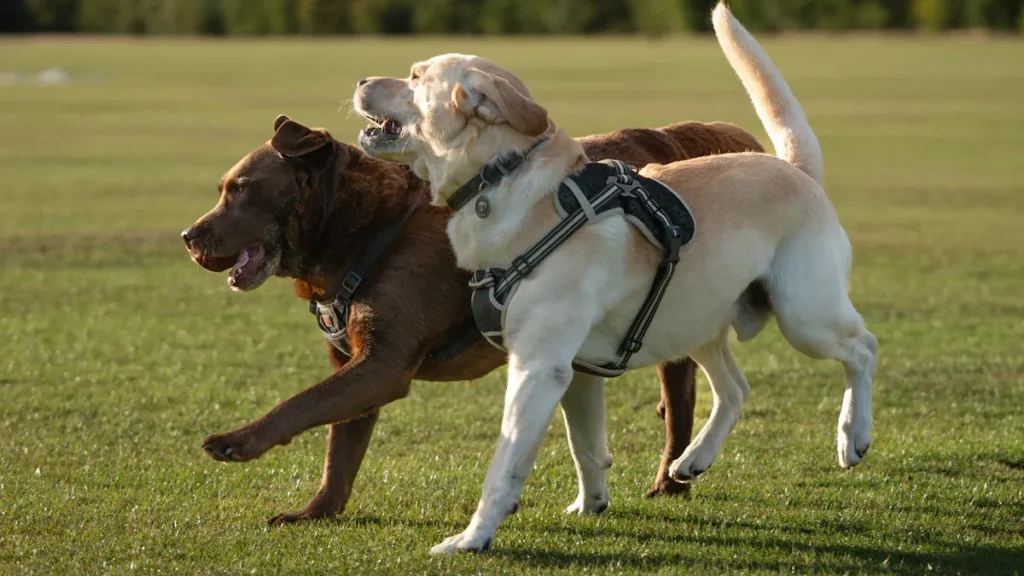
Dog mobility issues can appear suddenly (injury) or gradually (arthritis/weakness). The right rehabilitation brace—when properly chosen and fitted—can support joint stability, protect movement patterns, and complement a conservative recovery plan such as controlled walking and gait training.
Important: This guide is educational and does not replace veterinary diagnosis or treatment.
Quick links:
Key Takeaways
A brace works best when you match the brace type to the affected joint/condition, then confirm fit and comfort.⇒
For many dogs, conservative management may include bracing + controlled exercise + rehab routines (under vet guidance).⇒
Break-in schedules and activity limits matter—rushing can increase rubbing or poor movement compensation.⇒
Toe-up / no-knuckling aids can help protect paws and improve safer stepping for selected gait issues.⇒
Comfort details (like soft-edge binding) can improve compliance by reducing chafing risk.⇒
Table of Contents
1) Understanding Common Canine Mobility Problems
Mobility problems can stem from:
Ligament injuries (often knee/stifle instability)
Patellar tracking issues (luxating patella)
Degenerative joint changes (arthritis)
Hip instability/weakness (including senior back-end weakness patterns)
Lower-limb strain/instability (hock/wrist/tendon issues)
Gait deficits that may benefit from toe-up support (selected cases)
Early signs owners often notice
Limping or “skipping” steps
Hesitation on stairs/jumping
Bunny-hopping gait in hind limbs
Knuckling/paw scuffing or worn nails
Reduced willingness to play or walk
If your dog shows sudden severe pain, cannot bear weight, or symptoms worsen rapidly, consult a veterinarian promptly.
2) Types of Dog Braces (By Body Part)
Knee (Stifle) Braces
Designed to support knee stability and reduce harmful motion patterns during controlled activity. Often discussed for ACL/CCL-related issues.
Hip Support Braces / Wraps
Used in some conservative mobility plans to improve comfort and support movement confidence, especially for chronic conditions and senior dogs.
Hock (Tarsal) Braces
Provide lower-limb stability and can help in certain strains/instability scenarios where limiting excessive motion is helpful.
Toe-Up / No-Knuckling Support
Aims to assist safer stepping, reduce paw drag, and protect paws from abrasion in selected gait cases.
📌 Related reading (from our blog):
Braces for Dogs: Types, Benefits & How to Choose → https://www.gaitguard.com/blog/brace-for-dogs-types-benefits/
3) Knee Support: ACL/CCL and Other Stifle Issues
What is an ACL/CCL injury in dogs?
In dogs, CCL (cranial cruciate ligament) is often discussed similarly to the human ACL. When compromised, the knee may feel unstable, causing limping, swelling, and gait compensation.
Conservative support options (under vet guidance)
Some owners explore non-surgical paths that may include:
Bracing for stability during rehab
Controlled, incremental walking plans
Strength rebuilding and safe movement patterns
Read next:
Top Non-Surgical Dog ACL Brace Options → https://www.gaitguard.com/blog/non-surgical-dog-acl-brace-options-december-2025-guide/
4) Luxating Patella: When Bracing May Help
Luxating patella (kneecap slipping) can cause intermittent skipping/limping and altered gait. Some dogs may benefit from carefully selected support approaches alongside veterinary guidance and structured rehab.
Read next:
Luxating Patella Knee Brace: When It Helps & Vet Advice → https://www.gaitguard.com/blog/luxating-patella-knee-brace-when-to-use-and-vet-advice/
5) Hip Support & Arthritis: Mobility Strategies
Chronic joint discomfort and age-related weakness can reduce mobility and confidence. Many conservative mobility plans focus on:
Comfort support (braces/wraps/harness strategies)
Weight management and safe activity progression
Rehab routines to preserve muscle function
If your dog is a senior and struggles to rise, slips on floors, or tires quickly, consider building a comprehensive plan that combines environmental changes + assisted walking + appropriate support gear.
Related reading:
Senior Dog Mobility Support Harnesses Guide → https://www.gaitguard.com/blog/senior-dog-mobility-support-harnesses-2025-best-guide/
6) Hock (Tarsal) Support: Lower Limb Stability
Lower-joint problems can be overlooked, but they can meaningfully affect mobility. Hock support may be considered for certain instability/strain scenarios when limiting excessive motion helps comfort and safety.
Always confirm whether the issue is orthopedic vs neurological, since support gear has limits.
7) Toe-Up / No-Knuckling Support: Paw Protection & Safer Gait
Toe-up / no-knuckling support can be useful in selected cases where paw drag or knuckling causes:
paw scuffing
worn nails
slips on smooth surfaces
reduced confidence on walks
Read next:
No-Knuckling Brace: Fit & At-Home Monitoring → https://www.gaitguard.com/blog/no-knuckling-brace-for-dogs-fit-monitor-at-home-guide/
8) How to Choose the Right Brace (Practical Checklist)
Use this checklist before you buy:
Step 1 — Identify the primary goal
Stabilize knee movement?
Reduce joint discomfort during activity?
Support safer stepping / reduce paw drag?
Assist a rehab plan (walk plans, gait training)?
Step 2 — Match brace type to body part & condition
Knee/stifle → ACL/CCL, patella-related support discussions
Hip → senior mobility support strategies
Hock → lower limb stability
Toe-up → paw drag/knuckling assistance
Step 3 — Prioritize fit, comfort, and skin safety
A brace can only help if it fits well, stays in place during controlled movement, and doesn’t cause rubbing.
Step 4 — Plan for break-in + activity limits
A gradual break-in schedule + clear activity rules prevents setbacks.
9) Fit Check & Break-In Schedule (What to Monitor)
Fit check (daily)
The brace stays positioned during slow leashed walking
No rubbing on edges or strap points
No swelling, redness, or skin marks that persist
Your dog’s gait is more stable, not more awkward
Break-in schedule (example)
Days 1–3: short supervised sessions, skin checks before/after
Days 4–7: gradual increase during controlled walking only
Week 2+: adjust based on comfort, fit, and vet/rehab guidance
Read next:
Adjustable Dog Knee Brace: Fit, Break-In & Activity Limits → https://www.gaitguard.com/blog/adjustable-dog-knee-brace-fit-break-in-activity-limits/
Comfort design note
Details like soft edge binding can reduce chafing risk and improve compliance.
10) Walk Plans & Gait Training With Braces
Bracing is often paired with structured, controlled walking and gait training basics, because movement quality matters as much as support.
Read next:
Dog Gait Training Support: Walk Plans & Safety Checks → https://www.gaitguard.com/blog/dog-gait-training-support-walk-plans-safety-braces/
Safety reminders
Start slow and increase gradually
Use non-slip surfaces when possible
Stop and reassess if limping worsens or your dog resists movement
11) FAQ
Can my dog wear a brace all day?
Most dogs should not wear a brace 24/7. Many owners use braces during supervised activity and remove them during rest/sleep to let the skin breathe and reduce irritation risk. (Follow your vet’s guidance.)
How do I know if the brace fits properly?
A good brace stays positioned, does not rub, and improves stability during controlled walking. Poor fit often causes slipping, chafing, swelling, or worsening gait.
How long will my dog need to wear a brace?
It depends on condition and plan—some dogs use braces temporarily during rehab; others use them long-term during walks for chronic comfort support.
Can a brace replace surgery for ACL/CCL?
Treatment decisions depend on severity, age, and veterinary assessment. Some owners explore non-surgical options and bracing as part of conservative management plans.
Will my dog accept wearing a brace?
Many dogs adjust with a gradual break-in schedule and positive reinforcement, especially when comfort and fit are correct.
How do I clean and maintain a brace?
Follow your brace’s care instructions. Regular cleaning helps reduce odor and improves comfort.
12) Next Steps
Need help choosing the right support?
Option A: Browse our learning resources → https://www.gaitguard.com/resources/blogs/
Option B: Contact us for sizing / brace inquiries → https://www.gaitguard.com/contact-us/
Option C: Explore our rehab gear solutions → https://www.gaitguard.com/
