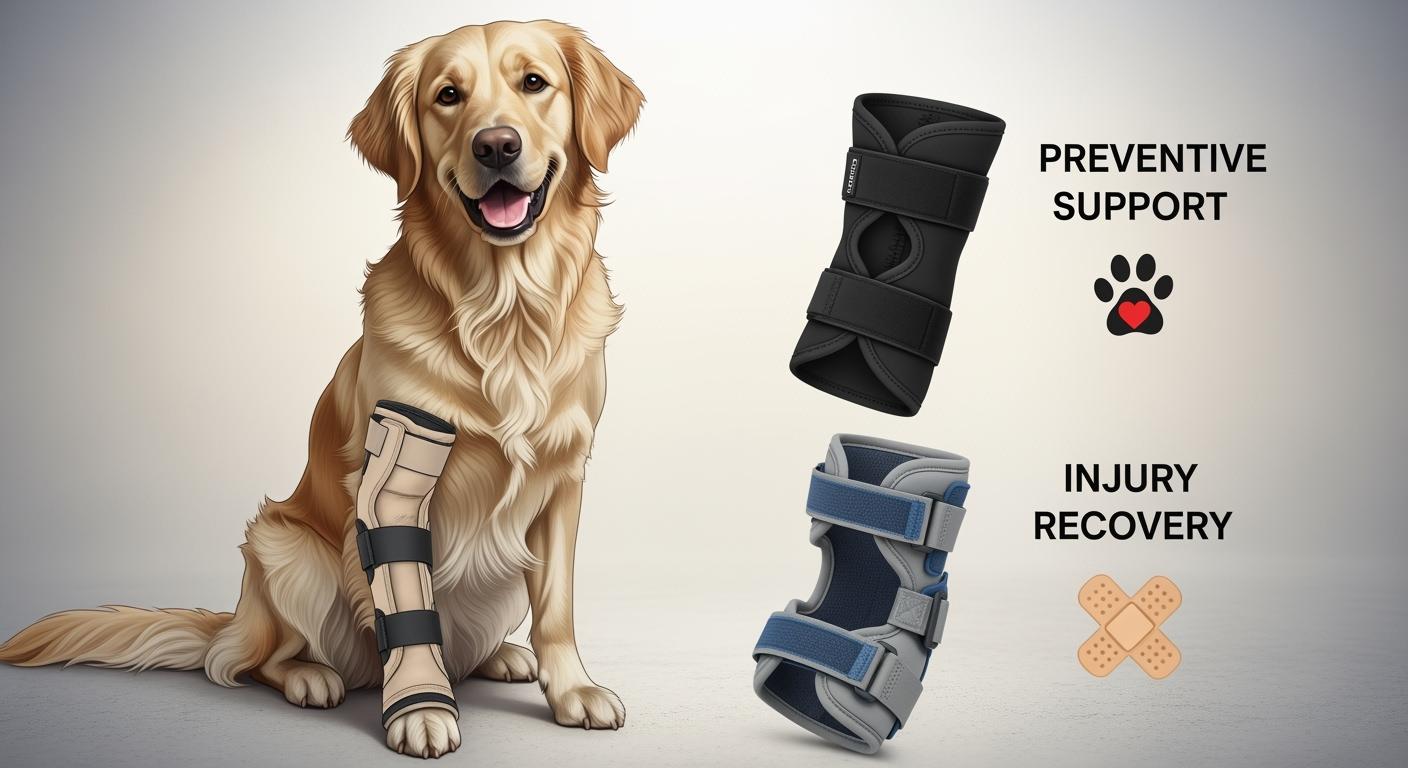
A dog brace is a support device that helps your pet after injuries, surgeries, or mobility problems. By stabilizing the joint and reducing strain, the right brace can make walking more comfortable and help your dog recover more safely. Dog braces keep the joint steady, limit painful motion, and support healing over time. Because every dog is different, always monitor your pet closely and consult your veterinarian for personalized advice. 🐶 Your careful attention plays a big role in your dog’s comfort and long-term health.
GaitGuard’s dog protective gear uses medical-grade materials and adjustable designs to provide targeted support for different parts of the body. A good fit helps your dog move more naturally while the brace limits harmful motion around the injured joint.
When you choose the right brace for your dog, you support their comfort and mobility. Many veterinarians use braces as part of a conservative treatment plan to help reduce pain and improve movement, especially when surgery is not possible or needs to be delayed.
Study | Findings |
|---|---|
2020 Veterinary Surgery | Dogs with braces for dogs moved better and had stronger joints. |
University of Tennessee | Double braces for dogs lowered pain and helped dogs play more, especially with knee pain in dogs. |
Meta-Analysis 2021 | Braces for dogs with therapy made life better, especially for small dogs. |
Key Takeaways
Braces for dogs help support them and ease pain. They help your dog move better and heal after getting hurt. – Picking the right brace is very important. Think about your dog’s size, how active they are, and their health needs. – Always talk to your veterinarian before using a brace. This makes sure it fits well and is good for your dog’s problem. – Let your dog get used to the brace slowly. Use treats and praise to help them feel comfortable. – Check the brace often to make sure it fits right and stays clean. This helps stop skin problems and keeps the brace working well.
What Are Braces for Dogs and How Do They Work?
Purpose and Function
Braces for dogs are special supports. They help dogs move with less pain. These devices protect joints and help healing after injuries. You use them to keep your dog’s joints safe. Braces stop harmful movement and help your dog get better faster. When you pick a brace, your dog can enjoy daily life again.
Dog braces give support to weak or hurt areas. They help your dog walk and play by lowering stress on joints. Braces make it easier for your dog to move. Here are ways braces help your dog:
Pain relief: Braces help your dog feel less pain from injuries. This makes it easier for your dog to stand and walk.
Promote healing: Braces keep joints steady. This helps your dog recover.
Post-surgical support: Braces help your dog heal after surgery. They keep the area still.
Biomechanical support: Braces copy normal leg movement. They lower stress on ligaments.
Weight distribution: Braces spread weight across your dog’s body. This lowers swelling and helps your dog walk.
Preventive measures: Braces protect your dog from getting hurt again.
GaitGuard Dog Protective Gear uses strong medical materials. Their designs can be changed to fit your dog. These features make each brace work better and keep your dog comfy. GaitGuard’s anti-licking products stop your dog from biting wounds. This helps wounds heal faster. Their rehab gear helps your dog’s neck or legs after surgery. It helps your dog get stronger. Soft padding and straps make sure the brace fits well for any dog.
Tip: Always make sure the brace fits right. It should not hurt your dog’s skin. Good materials and smart design keep your dog safe and comfy.
Common Conditions They Help With
Dog braces help with many health problems. They work for dental and joint issues. Some common problems are:
Malocclusion (bad bite)
Lingually displaced canines
Crowded or twisted teeth
Overbite and underbite
Lance teeth
Baby teeth that do not fall out
Dog braces also help with joint and limb problems like:
Knee injuries (torn ligaments)
Arthritis
Hip dysplasia
Sprains and strains
Healing after bone surgery
A dog knee brace or leg brace helps your dog’s joints. It lets your dog move with less pain. Orthopedic braces for dogs help with injuries and long-term problems. They also keep active dogs safe from new injuries.
How well braces work depends on the materials and fit. Medical-grade neoprene and good design matter a lot. GaitGuard makes sure your dog gets strong support. Their braces help with licking and rehab needs.
If your dog has these problems, a good brace can help. It will make your dog more comfortable and able to move. Always ask your vet to pick the best brace for your dog.
Types of Brace for Dogs
Dog braces have different types. Each type helps with certain problems. You can pick the best one for your dog. GaitGuard Dog Protective Gear has many products. They use strong medical materials and can be adjusted. These features help your dog feel good and heal faster.
Dog Knee Brace
A dog knee brace supports the knee joint. You use it for ligament injuries, arthritis, or after surgery. The brace keeps the knee steady and lowers pain. Many vets suggest dog knee braces for torn ligaments or weak joints.
Here are the main types of dog knee braces:
Type of Brace | Description | Ideal For |
|---|---|---|
Single Knee Braces | Give support to one knee. | Partial CCL tears, early arthritis. |
Double Dog Knee Braces | Support both knees and balance weight. | Bilateral injuries, weak joints. |
Hinged Knee Braces | Let the joint move but keep it stable. | Severe injuries, post-surgical recovery. |
A study in 2020 showed dogs with CCL injuries got better with hinged braces. They walked better after 12 weeks. The brace kept the joint steady and stopped bad movement. Many dogs did not need surgery and played again. Another study from Tennessee found double braces helped balance weight. This lowered stress on the healthy leg.
Tip: Adjustable dog knee braces help you change the fit and movement. This helps your dog heal and walk again.
Dog Leg Braces
Dog leg braces support the lower legs, like the hock and ankle. You use them for sprains, strains, arthritis, and after surgery. The brace keeps the joint still to lower pain and swelling. It fits the shape of your dog’s leg and stops too much bending.
Adjustable joints help fit your dog’s needs.
You can change the brace as your dog gets better.
Dog leg braces give support and let your dog move safely.
These braces help your dog walk and feel less pain.
GaitGuard’s rehab products use soft medical materials. The straps can be changed for any dog size. These braces help your dog’s legs heal and stay strong.
Spinal and Hip Braces
Spinal and hip braces help dogs with hip dysplasia, arthritis, or after surgery. A dog hip brace squeezes the area and keeps the joint in place. This lowers pain and keeps the femoral head steady. You use these braces for moving problems, after surgery, or after losing a limb.
Spinal and hip braces are a gentle way to treat hip dysplasia.
They keep the hip joint steady and stop too much movement.
These braces help your dog walk and support the hip.
You can change the brace to fit your dog.
Spinal and hip braces cost less than some other treatments.
GaitGuard’s nursing gear helps dogs heal from neck or hip injuries. The adjustable fit keeps your dog steady and lets them move easily.
Elbow, Carpal, and Tarsal Braces
Elbow, carpal, and tarsal braces help dogs with small or medium injuries in their legs. You use these braces for sprains, strains, arthritis, and old injuries. Good support and fit are very important.
Braces and wraps help carpal and tarsal injuries.
Light wraps work well for small dogs and small injuries.
Custom wraps help active dogs with old injuries.
Rehab therapy should be used with these braces for best results.
GaitGuard’s anti-licking products stop your dog from biting or licking wounds. This helps wounds heal. Their braces use soft pads and straps for comfort and safety.
Note: Always check if your dog’s brace fits well. Good materials and adjustable designs stop skin problems and keep your dog comfy.
There are many dog braces to help your dog heal and stay active. Picking the right brace and using good products like GaitGuard Dog Protective Gear helps your dog stay healthy and happy.
When to Use Braces for Dogs
Preventive Support for Active or Working Dogs
You want your dog to stay safe and active. If your dog likes to run or jump, think about a knee brace. This helps stop dog knee problems before they start. Dogs in sports or on farms use their joints a lot. A knee brace gives more support and helps stop injuries. You can use a dog knee brace during play or training. This keeps your dog’s joints steady. It lowers the chance of sprains or strains. Watch for limping or stiff legs in your dog. Act early to keep your dog healthy.
Tip: A knee brace can help your dog avoid injuries. It helps your dog stay active for a longer time.
Injury Recovery After Sprains, Tears, or Surgery
If your dog has a sprain or tear, a knee brace can help. It also helps after surgery. Studies show custom dog leg braces help 86% of dogs recover. Many dogs heal faster and play again. A 2020 study found hinged braces helped dogs walk better in 12 weeks. The knee brace kept the joint steady and helped recovery. Many dogs did not need surgery. You can use a dog knee brace after an injury or operation. This support lowers pain and swelling. It makes recovery easier for your dog.
Managing Chronic Conditions Like Arthritis or Hip Dysplasia
Long-term problems like arthritis or hip dysplasia make it hard for dogs to move. Braces and other supports help by making joints more stable and lowering pain. You can use a knee brace to help your dog walk and feel better. Experts say to use more than one way to help:
Use braces for support and pain relief.
Add physical therapy and medicine if needed.
Try special clothes that help the hips.
A knee brace can help with dog knee pain. It helps with cruciate ligament problems and daily life. With good support, your dog can move more and hurt less.
Benefits of Using Brace for Dogs
Pain Relief and Joint Stability
You want your dog to feel good and stay active. Braces for dogs help lower pain and keep joints steady. When you use a brace, you help your dog move and protect weak spots. The benefits are:
Braces help joints work better and make it easier for your dog to stand.
They prevent unhealthy or abnormal movement, so ligaments do not get hurt and joints stay safe.
The brace squeezes the area, which lowers swelling and keeps soft parts safe. This helps your dog feel less pain.
Many vets see that a brace that fits well helps dogs walk better and feel more comfortable.
Dog knee braces give strong support. They help your dog walk, run, and play with less pain. Canine knee support also stops new injuries by keeping the joint in place.
Alternative or Supportive Option Alongside Surgery
Sometimes, surgery is not the best choice for your dog. Braces for dogs can help instead of surgery. You can use a brace to help your dog heal or wait before surgery. Many pet owners pick braces to help their dogs without surgery. You can also use a brace after surgery to help healing.
Orthotics, like a Hero Brace, can help when surgery is not possible, says Brumett. The knee orthotic keeps the knee in place so the dog can walk.
Dog knee braces are popular as a way to help without surgery. Pet parents like them to wait before surgery or help after surgery.
Bracing, with weight control and exercise, lowers pain and helps dogs feel better.
Orthotic bracing is a good choice for dogs who do not have surgery. Dogs walk better and feel less pain.
You help your dog heal and stay active, even if surgery is not an option.
Improved Mobility and Quality of Life
Braces for dogs help your dog move better and enjoy life. You see good changes in your dog every day. Dogs with orthopedic braces limp less and have more energy. Owners say their dogs play more and rest better. New studies show hinged braces help dogs walk better and heal without surgery.
Improvement Type | Evidence Description |
|---|---|
Objective gait gains | Dogs stand better on the hurt leg after using a brace. |
Owner-reported benefits | Owners see less limping, more play, and better life. |
Recent trials | Hinged braces help dogs walk better and heal when surgery is not used. |
Dog knee braces also protect other joints. When you help one area, you stop problems in other parts of your dog’s body. You give your dog a better chance to be happy and active.
Limitations and Considerations
Potential Drawbacks and Misuse Risks
Picking a brace for your dog can help, but there are things to watch out for. Braces for dogs have some limits. If you use a brace for dogs without help, problems can happen. Here are some things you should know:
You need to make sure the brace fits well. Watch your dog closely. If the brace does not fit, it can hurt or cause skin trouble.
Braces for dogs might not fix serious injuries. Sometimes, your dog needs more than just a brace.
Your dog may need time to get used to the brace. Some dogs feel weird at first and walk differently.
Dogs with orthotic devices may not play as much as before.
When you take off the brace, your dog might not use the hurt leg as much.
Using orthotics for a long time can cause new problems. The other leg might get hurt.
Tip: Always look for changes in how your dog moves or acts. If you see any problems, call your vet.
Why Veterinary Guidance Is Essential
You should always ask your vet before using a brace for dogs. Your vet helps you pick the right brace for your dog’s injury and activity. The vet checks if your dog feels okay and watches how your dog heals. Getting advice from your vet helps you make good choices. It also stops mistakes that could slow down healing or make things worse.
Which Conditions or Dogs May Not Be Suitable
Not every dog or injury works well with braces for dogs. You should talk to your vet before you start any treatment. Some dogs have health problems that make braces unsafe or not helpful. Sometimes, an orthosis is not the best way to help your dog’s injury. Always ask your vet if a brace is the right choice for your dog.
Dogs with some health problems may not get better with braces.
Some injuries need surgery or other care instead of braces.
Your vet will help you know if a brace is safe and works for your dog.
Note: Always let a professional help you decide about braces for dogs. This keeps your dog safe and helps your dog heal the best way.
How to Choose the Right Brace for Your Dog
Assessing Your Dog’s Needs
You want your dog to have good support. First, look at your dog’s size and age. Think about how much your dog weighs and how active they are. Young dogs that run a lot need strong and flexible braces for dogs. Older dogs with arthritis or hip dysplasia need more stability. Think about what your dog does every day. Does your dog play, run, or jump? Is your dog healing from surgery or living with a long-term problem? These things help you pick the right brace for dogs.
Work with your vet team to help your dog. They know about your dog’s injury or health problem. Vets know how to pick the best dog knee brace for each dog. They look at your dog’s health history and what your dog needs. You get advice about custom-fitted braces or off-the-shelf ones.
Tip: Write down your dog’s symptoms and changes in activity. Share this with your vet to get the best advice.
Fit and Comfort
Fit and comfort are very important for a knee brace. If the brace does not fit, it can hurt your dog. A good brace matches your dog’s body and lets them move. The right fit stops pain and helps your dog heal.
Here is how to measure your dog for a brace:
Use a soft tape to measure.
Measure your dog while they stand up.
The tape should be snug but not too tight.
Write down the size of the limb, joint, and nearby areas.
A brace that fits well lets your dog move easily. It stops rubbing and skin problems. GaitGuard’s braces can be adjusted for comfort. You can change straps and padding as your dog heals or grows.
Note: Always check the brace for signs of pain. Look for red skin, swelling, or changes in how your dog walks.
Custom vs. Off-the-Shelf Options
You can pick a custom dog brace or an off-the-shelf one. Each has good and bad points. Custom braces fit your dog’s needs and body. Off-the-shelf braces are easy to get and cost less.
Feature | Custom Braces | Off-the-Shelf Braces |
|---|---|---|
Fit | Made for your dog | One size for all dogs |
Cost | $900-$1200 | Usually cheaper |
Material Quality | Strong and lasts longer | Not as strong, wears out faster |
Longevity | Lasts a long time | May break sooner |
Waterproof | Yes | No |
Use in Hydrotherapy | Yes | Not listed |
Custom dog braces give a perfect fit and last longer. They are best for dogs with special needs or bad injuries. Off-the-shelf braces are good for quick help and small injuries. They do not last as long but work for short-term use.
GaitGuard has custom braces and adjustable parts. You can pick a brace that fits your dog’s size and problem. Custom braces cost more and take longer to make, but they give better support.
Tip: If your dog has a hard injury or special needs, ask your vet about custom braces.
Consulting Your Veterinarian
Your vet is important when picking a knee brace. Vets look at your dog’s needs and tell you which brace is best. They make sure the brace fits and help you with rehab. You learn how braces work compared to surgery.
Your vet helps you avoid mistakes. They check the brace for fit and comfort. They watch your dog’s progress and change the plan if needed. You get expert tips on using the brace.
Vets look at your dog’s injury and suggest custom braces.
They make sure the brace fits and does not hurt your dog.
Vet advice helps you know what braces can and cannot do.
Note: Always follow your vet’s advice for fitting, wearing, and caring for the brace.
What to Look for in High-Quality Products
Good braces for dogs help your dog heal and feel better. Look for these things when picking a knee brace:
Feature | Benefit |
|---|---|
Proper fitting | Helps your dog move and lowers pain |
Custom-made options | Special support for certain injuries |
Stabilization and support | Helps your dog get better faster |
Hinged braces | Lets the knee move like normal |
Non-invasive management | Delays surgery and helps after surgery |
Pick a brace made from strong medical materials. Adjustable straps and soft pads make it safer and more comfy. Hinged braces help your dog walk better. Custom braces give the best help for tough injuries. GaitGuard uses strong materials and smart designs. You get good support for your dog’s healing.
Tip: Check if the brace is strong, waterproof, and easy to clean. These things make it easier for you and your dog every day.
Choosing the right knee brace means you check fit and comfort, work with your vet, and pick good products. This helps your dog heal, move, and enjoy life again.
Helping Your Dog Adjust to Wearing a Brace
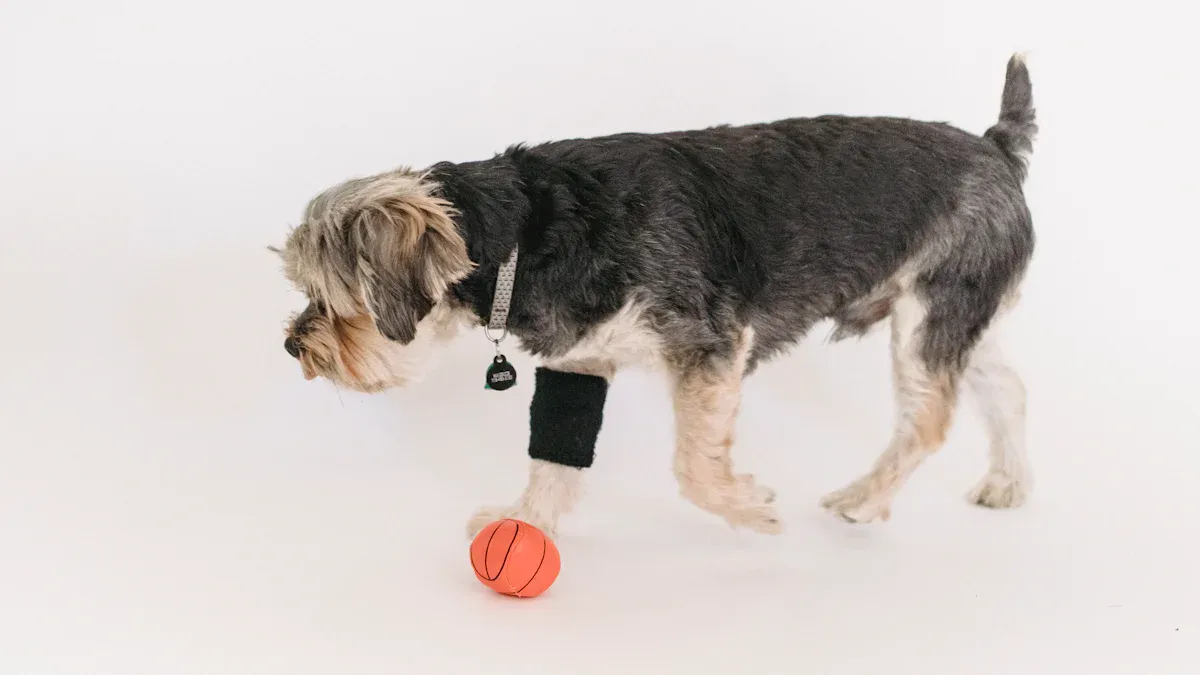
Helping your dog get comfortable with a brace for dogs takes patience and care. You want your dog to feel safe and confident while wearing orthopedic braces for dogs. Many dogs need time to adjust, especially if they use a dog knee brace or dog leg brace for the first time. You can make this process easier by following a few simple steps.
Tips for a Smooth Transition:
Start Slowly:
Put the brace on your dog for short periods. Begin with just a few minutes each day. Watch how your dog reacts. Increase the wear time as your dog gets used to the feeling.Use Positive Reinforcement:
Give treats, praise, or gentle petting when your dog wears the brace. This helps your dog link the brace to good experiences.Check Skin and Gait Regularly:
Look at your dog’s skin under the brace for redness or irritation. Watch your dog walk to see if the brace fits well. Adjust straps if needed.Clean and Maintain the Brace:
Wipe the brace with a damp cloth after each use. Make sure the brace stays dry and free from dirt. Clean padding and straps to prevent skin problems.
Tip: If your dog seems uncomfortable, remove the brace and check for fit. Always ask your veterinarian for advice if you notice changes in your dog’s movement or skin.
How Dogs Adjust to Braces:
Adjustment Strategy | Effectiveness Evidence |
|---|---|
Gradual wear time increase | Dogs show improved stifle mechanics with case-by-case veterinary assessment. |
Positive owner feedback | Owner surveys report better limb mechanics and weight-bearing with braces for dogs. |
Patience and monitoring | Research shows most dogs adapt well, especially with torn CCL and regular check-ups. |
You help your dog enjoy better mobility and comfort with canine joint support. With patience and the right approach, your dog can thrive while using braces for dogs.
Start Slowly and Build Wear Time
When you introduce a brace for dogs, start with short sessions. Put the brace on your dog for five to ten minutes at first. Watch how your dog reacts. If your dog seems comfortable, add a few more minutes each day. This gradual approach helps your dog get used to the new feeling. You want your dog to see the brace as a normal part of daily life. If your dog shows signs of stress, take a break and try again later.
Tip: Consistency matters. Use the brace at the same time each day to build a routine.
Use Positive Reinforcement and Treats
You can help your dog feel good about wearing orthopedic braces for dogs by using positive reinforcement. Give your dog a treat or favorite toy when you put on the brace. Praise your dog with a happy voice. This creates a positive link between the brace and good things. Over time, your dog will look forward to wearing the brace.
Offer treats right after putting on the brace.
Use gentle petting and encouraging words.
Play a short game to distract your dog.
Checking Skin, Fur, and Gait Regularly
Check your dog’s skin and fur under the brace every day. Look for redness, swelling, or hair loss. These signs may mean the brace for dogs needs adjustment. Watch your dog walk and move. If you see limping or changes in gait, consult your veterinarian. A proper fit prevents discomfort and supports healing.
What to Check | Why It Matters |
|---|---|
Skin & Fur | Prevents irritation |
Gait | Ensures proper support |
Cleaning and Maintaining the Brace
Keep the dog knee brace or dog leg brace clean for your dog’s health. Wipe the brace with a damp cloth after each use. Remove dirt and hair from straps and pads. Let the brace dry before the next use. Clean braces for dogs last longer and protect your dog’s skin.
Note: Regular cleaning keeps the brace comfortable and effective for your dog’s recovery.
Expert Insights and Success Stories
Veterinary Perspectives
You want your dog to get good care. Vets see how braces for dogs help every day. Experts say a knee brace that fits well keeps the joint steady. It lowers swelling and helps your dog stand better. This support helps your dog heal and feel good.
“A knee brace that fits well keeps the joint steady. It lowers swelling and helps the dog stand better. This helps healing and comfort,” says Dr. Emily Carter, DVM, a dog bone doctor.
Vet clinics see strong results with braces for dogs. Dogs with CCL injuries and knee braces show big changes in walking and standing after three months. You can trust that orthopedic braces for dogs help many pets move and enjoy life.
Reports from 2022 show dogs with knee injuries walk better after using braces.
Studies and owner surveys show dogs improve with braces for dogs.
Vets say you should work with your vet to pick the right brace for dogs. You help your dog get good support and avoid problems.
Real-Life Recovery Examples
Many dogs get back to active lives with braces for dogs. You can see real changes in how your dog moves and feels.
Lulu, a Golden Retriever, got better from a torn ACL with a double hind leg brace. She walked and trotted again after a few weeks.
Pasha, a Beagle, went from barely walking to running in the yard in six weeks after using a brace.
Max, a Labrador mix, started walking well within weeks after using a brace for a partial CCL tear.
Bella, a Golden Retriever, got better after three weeks of using a hinged knee brace. She walked without a limp.
These stories show braces for dogs help with recovery and give your dog a better life. You can help your dog feel stronger and more sure with the right support.
Picking the right brace for dogs helps your dog heal and stay active. Think about these important things:
Pick the type of brace your dog needs.
Make sure the size and fit are comfortable.
Know what kind of injury your dog has.
Think about how active your dog is.
Look for comfort features in the brace.
Choose a brace that will last a long time.
Talk to your vet before you decide. Good products like GaitGuard Dog Protective Gear give strong support and keep your dog comfy. The table below shows how braces for dogs help your dog feel better:
Benefit | Description |
|---|---|
Support and Stability | Keeps joints in place and lowers strain |
Pain Alleviation | Lessens pain and helps your dog feel better |
Recovery Facilitation | Helps your dog heal and get back to normal |
Injury Prevention | Stops more injuries from happening |
Custom Fit | Gives the best support for your dog |
Durability | Lasts a long time for many uses |
When you pick the right brace and work with your vet, your dog can be happy and active.
FAQ
How do you know if your dog needs a brace for dogs?
You notice limping, stiffness, or trouble standing. Your veterinarian may recommend braces for dogs after an injury or surgery. If your dog has arthritis or joint pain, a dog knee brace or dog leg brace can help with support.
Can your dog wear a brace for dogs all day?
Most dogs can wear orthopedic braces for dogs during waking hours. You should remove the brace at night or for bathing. Always check your dog’s skin and comfort. Ask your veterinarian for the best schedule for your dog.
How do you clean and care for your dog’s brace?
Wipe the brace with a damp cloth after each use. Let it dry before putting it back on your dog. Clean straps and pads regularly. This keeps the dog knee brace or dog leg brace comfortable and safe.
Will a brace for dogs help avoid surgery?
A brace for dogs may help your dog heal and move better. Some dogs avoid surgery with proper canine joint support. Your veterinarian decides if braces for dogs are enough or if surgery is needed.
What makes GaitGuard Dog Protective Gear different?
GaitGuard uses medical-grade materials and adjustable designs. You get comfort, durability, and a custom fit for your dog. Their braces for dogs include anti-licking and rehabilitation options for better healing and protection.
If you are a pet brand, retailer, or veterinary clinic looking for reliable dog braces and rehabilitation gear, Gait Guard can support you with OEM and ODM solutions. Our Rehabilitation Care Series is designed for medium to large dogs, with adjustable, easy-to-clean braces that are suitable for everyday use and long-term recovery.