
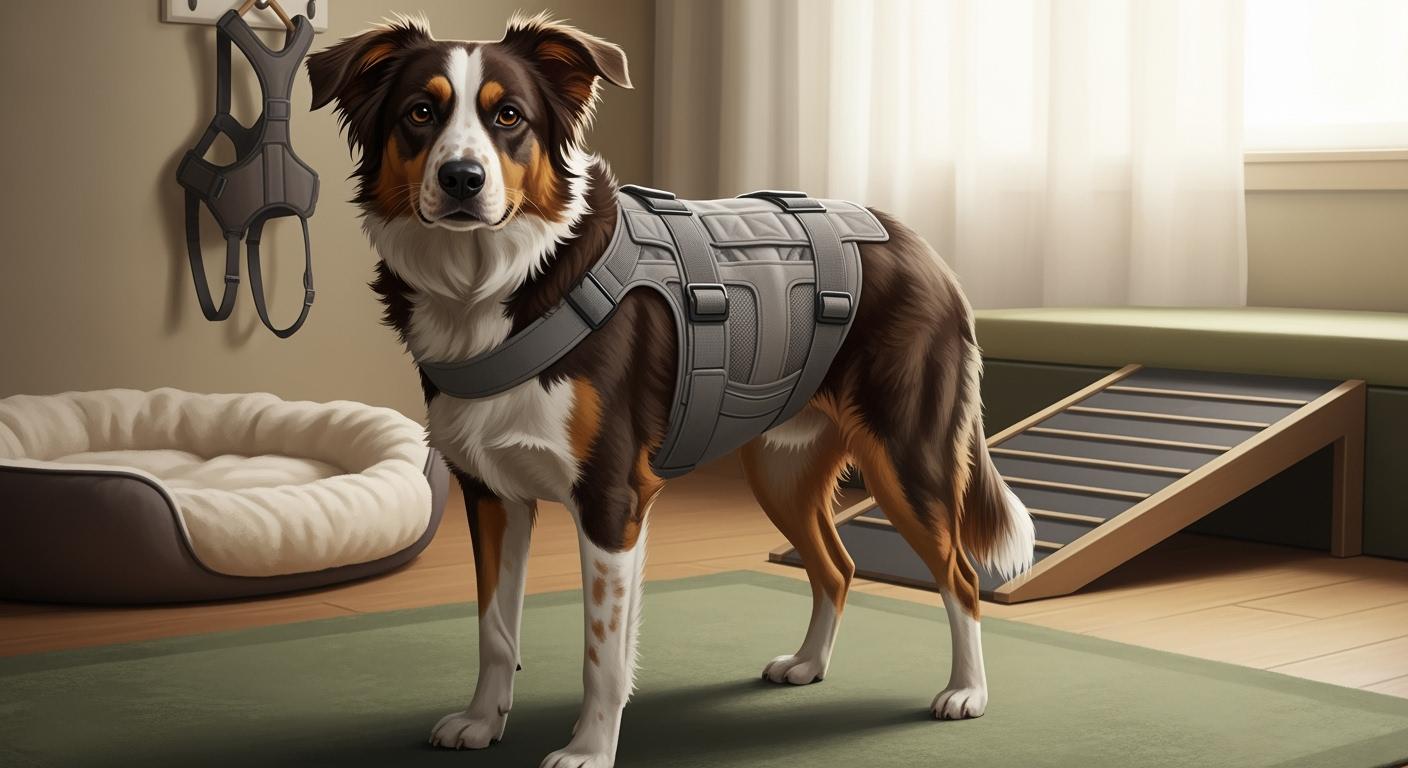
You want your dog to feel comfortable and move without pain. When back problems appear, it can be scary to see your dog struggle to walk, jump, or even lie down. Dog back braces are one tool that can support the spine, reduce discomfort, and make everyday movement safer while your dog heals. Used together with your veterinarian’s advice, a well-fitted back brace can help protect fragile areas and support recovery.
Benefit | Description |
|---|---|
Spinal Support | Gives strength to the spine and nearby muscles |
Pain Relief | Lessens back pain for dogs with IVDD |
Range of Motion Control | Limits movement to help your dog heal |
Pressure Alleviation | Takes pressure off the spine for comfort |
You might worry about your dog’s comfort. Good brands like GaitGuard use strong, safe materials. Their designs can be adjusted to fit your dog well. This helps your dog feel safe and comfortable.
Key Takeaways
Dog back braces give important support to your dog’s spine. They help your dog heal from injuries and lessen pain.
Always talk to your veterinarian before using a dog back brace. This makes sure the brace fits well and is right for your dog.
Using a dog back brace early can stop more injuries. It can also help your dog get better faster, especially after surgery or during rehab.
Pick braces made from good materials to keep your dog comfy and safe. Good materials help the brace work well and help your dog feel secure.
Check the brace often to make sure it fits right and is in good shape. This keeps your dog comfortable and stops skin problems.
Dog Back Braces for Recovery
How Dog Back Braces Help Support Healing
If your dog hurts their back, you want to help them heal fast. Dog back braces are important for this. These braces give support to your dog’s spine and muscles. They help your dog feel better and keep the back safe from more harm.
Dog back braces help in many ways:
Give support above and below the hurt spot
Help with your dog’s back pain
Keep the spine steady to stop quick moves
Let you limit how much your dog moves
Take pressure off the spine
When you use a dog back brace, you stop the back from moving too much. This keeps your dog from getting hurt again. It also gives the body time to heal. The brace helps the muscles near the spine. This can lower pain and help your dog walk or stand. The brace gives gentle pressure. This can make your dog feel safe and less scared to move.
Dog braces do not fix problems like IVDD or arthritis. But they do give comfort and protect your dog. They help your dog get better by making daily life safer and less painful. Your dog may move better and seem happier with the right brace.
Tip: Always check if the dog back brace fits well. A good fit gives the right support and does not hurt your dog.
Dog back braces also help with pain. They keep the spine steady and lower stress on hurt spots. This can help your dog feel better while healing. You may see your dog move more and feel happier at home.
Signs Your Dog May Need Back Support
You should use a dog back brace if your dog has back pain or a spine problem. Some reasons to use a brace are:
Back pain or stiff back
Weak or paralyzed legs
Curved back or odd posture
Trouble walking or standing
Not wanting to play, run, or jump
Shaking or shivering
Stiff neck
Crying when picked up
Trouble peeing
If your dog had surgery or got hurt, a dog back brace can protect the healing spot. It can also help dogs with IVDD, arthritis, or weak backs from age. Sometimes, your vet may say to use a brace to stop more injury or help with therapy.
If you see any of these signs, talk to your vet. Your vet can do tests like X-rays or check nerves to find the problem. Only a vet can say if a dog back brace is right for your dog.
Dog back braces are not the same as dog leg braces. Dog leg braces help the joints in the legs. Dog back braces help the spine and back muscles. Both can help your dog heal, but they do different things.
Note: Never use a dog back brace without your vet’s advice. Your dog needs the right test and fit to stay safe and heal.
Dog back braces can be an important part of your dog’s recovery plan.They give the support your dog needs to heal and move again. With the right brace and your vet’s help, your dog can feel good and enjoy life.
Common Dog Back Problems Back Braces Can Help With
IVDD and Spinal Issues
Many dogs struggle with back problems that affect how they move and feel. Intervertebral disc disease (IVDD) is the most common cause of back pain in dogs. You often see IVDD in chondrodystrophic breeds like Dachshunds, Beagles, and Corgis. Dogs with IVDD may have trouble walking, show signs of pain, or even lose control of their legs. Canine degenerative lumbosacral stenosis (DLSS) also affects many medium- to large-breed dogs, especially German shepherds and working dogs.
Dog back braces give your dog’s spine the support it needs. These braces stabilize the area, limit movement, and reduce pressure on damaged discs. When you use a brace, you help your dog heal and move with less pain. You also protect your dog from further injury by keeping the back steady.
If your dog has IVDD or another spinal issue, a brace can help control movement and make daily life safer.
Arthritis and Degeneration
Arthritis and spinal degeneration can make your dog stiff and sore. Older dogs often develop these problems, which can lead to pain and less activity. When your dog moves less, muscles can get weaker, making recovery harder.
Dog braces help by providing support and stabilization. They limit movement in the spine, which reduces pressure on sore spots. This support helps your dog stay mobile and comfortable. By keeping your dog moving, you help prevent muscle loss and keep your dog happier.
Injuries and Post-Surgery Recovery
Dogs can hurt their backs from accidents, falls, or rough play. Surgery for spinal problems is also common. After an injury or surgery, your dog needs extra support to heal well.
A dog back brace protects the healing area and limits movement. This helps prevent new injuries and gives your dog confidence to move again. Dog leg braces can also help if your dog has joint problems in the legs. Together, these supports make recovery smoother and safer for your dog.
Always talk to your vet before using any brace. The right fit and type of support make a big difference in your dog’s comfort and healing.
Types of Dog Back Braces and Related Supports
Dog Back Braces vs. Dog Leg Braces
You may wonder about the difference between dog back braces and dog leg braces. Dog back braces give support to your dog’s spine and back muscles. You use them when your dog has problems like IVDD, arthritis, or after back surgery. Dog leg braces help your dog’s joints in the legs. These braces work well for knee, ankle, or hip injuries. Each type of brace has a special job. You choose the right one based on where your dog needs help.
Tip: Always ask your vet which type of brace your dog needs for the best recovery.
Rigid and Flexible Braces
You can find two main types of dog braces for the back: rigid and flexible. Each type has its own strengths and weaknesses. The table below shows how they compare:
Type of Brace | Advantages | Disadvantages |
|---|---|---|
Flexible | Allows for natural movement; Helps prevent muscle atrophy | May not provide enough stability for severe conditions |
Rigid | Provides more stability | Can cause issues if not fitted properly; May impair normal motion if hinge does not align correctly |
You might pick a flexible brace if your dog needs to move more freely. A rigid brace works better for serious injuries that need strong support. Your vet can help you decide which is best for your dog.
Custom and Adjustable Options
When you look at types of dog braces, you will see both custom and adjustable options:
Custom braces fit your dog’s body perfectly. They give the best comfort and support. These braces work well for long-term or severe problems. They last longer and do not need to be replaced often.
Adjustable braces give you a quick solution. You can change the fit as your dog heals or if swelling changes. These braces work for many dogs and are easy to use.
GaitGuard’s Dog Protective Gear offers high-quality, adjustable support. You can trust this gear to help your dog recover and stay comfortable.
Choosing the Right Dog Back Brace
Vet Consultation
You want your dog to be healthy and happy. Before picking a dog back brace, talk to your vet. The vet will check your dog’s health and see if a brace is needed. They look at your dog’s age and breed. They also check for joint problems. Your vet might do tests to find out why your dog hurts or feels weak. This step helps you avoid mistakes. It gives your dog the best chance to get better.
Criteria | Description |
|---|---|
Proper Support | The brace keeps your dog’s spine steady and stops too much movement. This helps healing. |
Consideration of Breed | Each breed has a different body shape. This changes what kind of support your dog needs. |
Comfort and Fit | The brace should fit well. It should not hurt your dog. Your dog should move easily with support. |
Tip: Always ask your vet about signs that show your dog needs a leg brace or back brace. This helps you pick the right support for your dog.
Fit and Adjustability
You want your dog to feel safe and comfy. A good fit is very important for dog braces. Measure your dog’s back and body with care. The brace should be snug but not too tight. Your dog should move without pain. Start by letting your dog wear the brace for a short time. Give treats and praise to help your dog get used to it. If you see rubbing or pain, check the fit again. Adjustable braces are good because you can change the fit as your dog heals. GaitGuard’s Dog Protective Gear has adjustable choices for comfort and support.
Check where the brace supports your dog’s spine.
Make sure the brace helps the whole spine and nearby muscles.
Think about your dog’s breed and special needs.
Support Level and Materials
You want a brace that helps your dog heal and stay active. Look for strong, comfy, and breathable materials. Good materials help lower pain and support your dog’s back as they heal. Some braces use neoprene or polyester. These materials stop twisting and give comfort. GaitGuard uses medical-grade materials for safety and strength. You might need a custom brace for special cases, like after leg surgery or with bad joint problems. The right brace helps your dog heal, lowers pain, and makes your dog feel better.
Product | Material Composition | Impact on Support and Safety |
|---|---|---|
Flexible neoprene back brace | Neoprene/Polyester | Designed to reduce rubbing and twisting and provide supportive comfort. |
Adjustable hock brace with polyester and polypropylene | 100% Polyester, 100% Polypropylene | Helps with healing and support for many problems. |
Note: Using a leg brace, dog knee brace, dog ankle brace, dog wrist brace, or dog elbow brace can help after leg surgery or with joint problems. Dog leg braces can help your dog move better and feel less pain.
Dog Back Brace Benefits and Limitations
Stability and Mobility
Dog back braces help your dog move and keep balance. When your dog wears a brace, it keeps the spine and muscles steady. This makes walking, standing, and playing easier for your dog. The brace helps your dog stay active while getting better. This stops muscles from getting weak. Some ways a brace helps are:
Gives support and keeps the spine steady
Lets your dog move safely every day
Stops muscles from getting weak by helping movement
Fits your dog in a safe and secure way
Pain Relief and Comfort
You want your dog to hurt less and feel better. Dog braces hold up the spine and muscles to help with pain. The brace keeps the hurt area from moving too much. This makes your dog feel less sore and keeps the back safe. Many vets say braces are good for dogs with spine problems. Braces help lower pain and make your dog feel safe. Your dog can heal better when pain is managed.
Preventing Further Injury
A back brace does more than help with pain. It also keeps your dog from getting hurt again. The brace stops quick or unsafe moves and keeps the spine steady. This is very important after surgery or during rehab. If your dog has joint problems, you can use a leg brace or dog elbow brace too. These supports work together to keep your dog safe and healthy.
When a Back Brace Is Not Enough
Dog back braces help many dogs, but they do not fix every problem fast. Some dogs need more time to get better. Others may need medicine or physical therapy too. You should talk to your vet if your dog does not get better. Braces help your dog live better, but they work best with other treatments.
Safe Use and Care of Dog Back Braces
Fitting and Monitoring
You want your dog to feel comfortable and safe when wearing a back brace. Start by following your vet’s instructions for fitting the brace. Make sure the brace sits snugly but does not pinch or rub your dog’s skin. Check the straps and closures each time you put the brace on. Watch your dog walk, sit, and lie down. If you see any redness, swelling, or signs of pain, remove the brace and contact your vet.
Tip: Check your dog’s skin under the brace every day. Early signs of rubbing or sores help you prevent bigger problems.
Keep a simple log to track how your dog moves and acts while wearing the brace. This helps you notice changes in comfort or mobility.
Cleaning and Maintenance
Clean the dog back brace often to keep it fresh and safe. Dirt and sweat can build up and cause skin problems. Most braces have care instructions on the label. Use mild soap and warm water to clean the brace. Let it air dry before putting it back on your dog.
Remove hair and dirt after each use.
Wash the brace weekly or as needed.
Check for broken parts or loose stitching.
A clean brace helps your dog heal and keeps their skin healthy.
When to Replace a Dog Back Brace
Dog back braces wear out over time. You should replace the brace if you see cracks, tears, or worn-out straps. If your dog grows or gains weight, the brace may no longer fit well. A poor fit can lower the overall quality of life for your dog. Always check the brace after rough play or long walks.
If your dog’s needs change, such as after surgery or when using a leg brace, ask your vet if you need a new type of support. The right brace keeps your dog safe and helps them recover faster.
When to Use a Dog Back Brace
Early Support and Preventing Worse Injury
You want your dog to stay safe and heal quickly. Using a dog back brace early can help protect your dog from more serious problems. If your dog shows signs of back pain, weakness, or trouble walking, you should act fast. Early support gives your dog’s spine stability and helps prevent further injury. You may notice your dog hesitating to jump or climb stairs. These signs mean your dog needs extra help.
Dog back braces work well for dogs with mild injuries or those at risk for spinal issues. You can use a brace to limit sudden movements and keep your dog comfortable. This support helps your dog feel secure and reduces stress on the back. You also help your dog avoid muscle loss by keeping them active in a safe way.
Tip: Early use of a dog back brace can make recovery easier and faster for your dog.
Here are some situations when early support is important:
Your dog has a history of back problems.
Your dog is recovering from a minor injury.
Your dog is a breed prone to spinal issues.
Your dog shows stiffness or reluctance to move.
Post-Surgery and Long-Term Conditions
After surgery, your dog needs extra care. A dog back brace gives your dog the support needed during healing. You help your dog avoid sudden movements that could harm the surgical site. The brace keeps your dog’s spine steady and helps with pain control. You can also use a brace for long-term conditions like arthritis or IVDD.
Senior dogs often need more support as they age. Their muscles and joints get weaker, and they may struggle with daily activities. A dog back brace helps improve mobility and lets your dog enjoy walks and playtime. You give your dog comfort and confidence to move safely.
Condition | Benefit of Dog Back Brace |
|---|---|
Post-surgery recovery | Protects surgical site, aids healing |
Chronic arthritis | Reduces pain, supports movement |
IVDD or spinal issues | Stabilizes spine, prevents injury |
Aging and weakness | Improves mobility, boosts confidence |
Note: Always talk to your veterinarian before starting any new support for your dog. The right brace and guidance help your dog heal and stay active.
Dog back braces give your dog support and comfort during recovery. You help your dog move better and feel less pain with the right brace. Always talk to your veterinarian before choosing a brace. Pick a high-quality, well-fitted product for the best results.
You make a big difference in your dog’s life when you choose the right orthopedic support. Your care helps your dog heal and enjoy every day.
Dog back braces improve mobility
They protect your dog from further injury
Your dog feels safer and happier
FAQ
How do I know if my dog needs a back brace?
You should watch for signs like back pain, trouble walking, or changes in posture. Your veterinarian can help you decide if a dog back brace is right for your dog.
Can my dog wear a back brace all day?
You should let your dog wear the brace during active times or as your vet suggests. Remove the brace for rest and sleep. This helps prevent skin problems and keeps your dog comfortable.
Will a dog back brace cure my dog’s back problem?
A dog back brace supports healing and helps with pain. It does not cure the problem. You should use it with other treatments your vet recommends, like medicine or physical therapy.
How do I clean and care for my dog’s back brace?
You should clean the brace with mild soap and water. Let it air dry before using it again. Check for damage often. Clean braces help your dog stay healthy and comfortable.
Should I consult a canine rehab specialist for my dog’s recovery?
You can ask a canine rehab specialist for advice on exercises and recovery plans. They help you use the dog back brace correctly and improve your dog’s mobility.
Tip: Always follow your veterinarian’s advice when using a back brace for dogs.
