
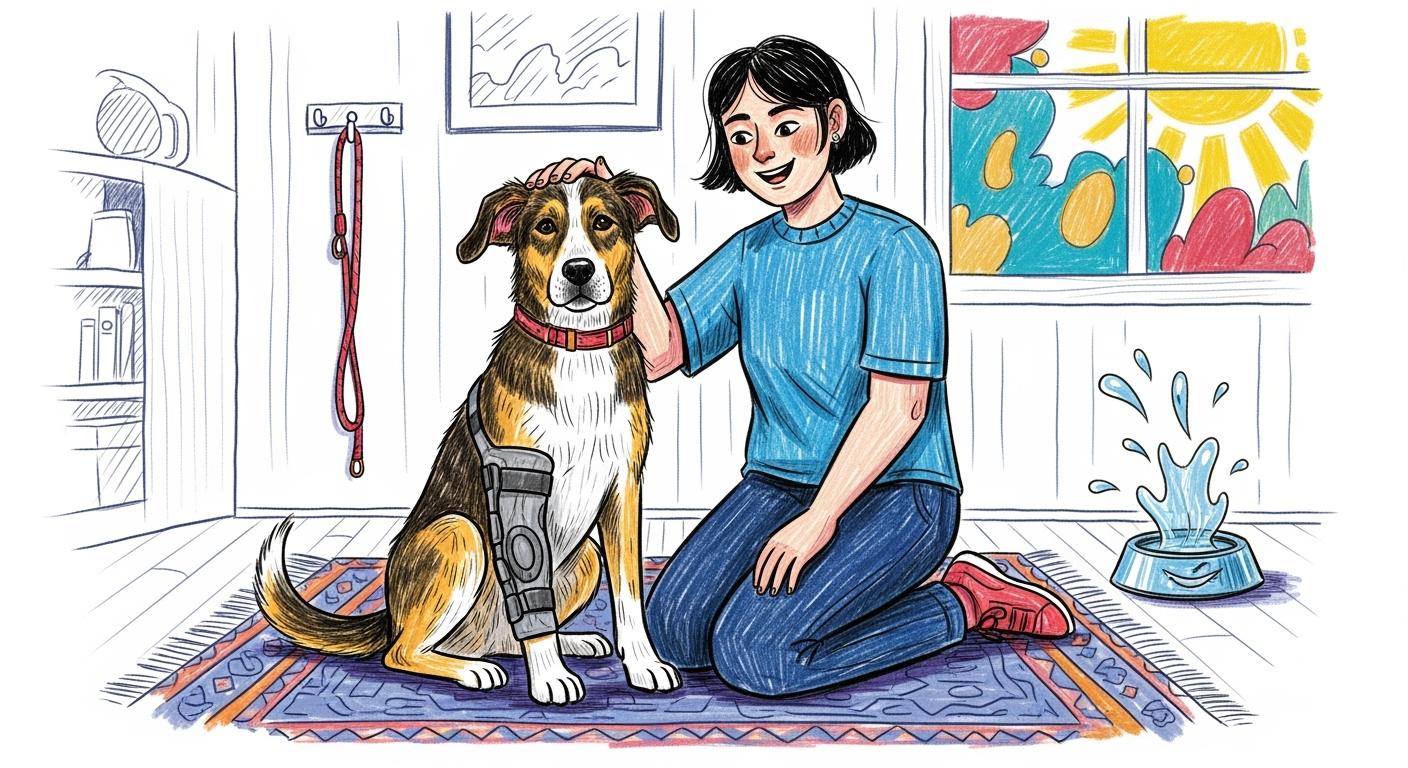
You might wonder whether a dog knee brace for a torn ACL can really help. Dogs can tear their ACL while playing, jumping, or twisting, and the risk is higher in certain breeds, overweight dogs, and very active dogs.A knee brace supports the knee and helps lower pain by keeping your dog’s knee steady. You can use a brace for small tears, new injuries, older dogs, or dogs that cannot get surgery. Brands like GaitGuard care about comfort and quality for your dog’s healing.
Key Takeaways
A dog knee brace helps dogs with torn ACLs. It lets them walk easier and feel less pain.
Custom-made braces fit better than regular ones and provide more targeted support, helping many dogs move more comfortably during recovery.
A knee brace keeps the knee steady. It spreads weight between both legs. This can stop more injuries.
Talk to your vet about the best plan. Your vet can say if a brace or surgery is better for your dog.
Use a brace and watch your dog’s weight. Follow exercise rules to help your dog get better and feel happier.
ACL Tear in Dogs
Common Causes
An ACL tear, also called a CCL tear, happens when the ligament in your dog’s knee gets damaged. This ligament helps keep the knee stable. Dogs can get a tear from sudden trauma, like a fall or accident. Age and activity can wear down the ligament over time. High jumps and twisting movements put extra stress on the knee. Exhausting activities, such as long runs or bike rides, also increase the risk.
Common causes include:
Sudden twists or turns during play
Jumping from high places
Accidents, such as falls or car crashes
Ligament wear from aging or repeated activity
Overexertion during exercise
Signs and Symptoms
You may notice your dog acting differently if they have an ACL tear. Watch for these signs:
Limping or not bearing weight on one back leg
Trouble standing up or climbing stairs
A stiff or awkward gait
Swelling around the knee
“Toe-touching” posture when standing still
Why ACL Tears Happen
Dogs often tear their ACL because their knees face a lot of stress. Active dogs, especially those who run, jump, or twist, have a higher chance of injury. The ligament can weaken with age or repeated use. Sometimes, even a small movement can cause a tear if the ligament is already worn down. Partial tears mean the ligament is damaged but not fully broken. Complete tears mean the ligament is fully torn, which leads to more severe symptoms.
Risk Factors
-Breeds, Age, Weight, Activity Level
Some dogs have a higher risk of ACL injuries.Larger breeds and older dogs are at higher risk. Dogs that weigh over 20 kg may be more likely to develop ACL injuries. Some research also suggests that neutered males and females can have increased odds.
Breed | Predisposition to ACL Injuries |
|---|---|
Labrador Retrievers | High |
Golden Retrievers | High |
Staffordshire Terriers | High |
Rottweilers | High |
Other high-risk breeds include:
Bichon Frise
West Highland White Terrier
Dogs aged 6 to 9 years have increased odds of ACL injuries. If your dog is active or overweight, you should watch for signs and consider options like a dog knee brace for torn ACL to help support their recovery.
Dog Knee Brace for Torn ACL
How the Brace Works
A dog knee brace helps keep your dog’s knee steady after an ACL tear. You use a dog ACL brace to hold the knee in the right place. This stops the knee from moving in ways it should not. It helps your dog walk with less pain. The brace takes pressure off the torn ligament and helps the muscles near the knee.
Custom-made plastic braces give strong support for a torn ACL.
Fabric braces can stretch and may not stop the “cranial drawer” motion, which makes the knee unstable.
A good fit lets your dog move easily and keeps them comfortable.
When you pick a dog knee brace for torn ACL, you help your dog stand better and feel less pain. The brace works like a splint. It keeps the knee still and stops more damage.
Support and Mobility
You want your dog to be active and feel good. A dog ACL brace supports the hurt leg and helps your dog walk, stand, and play. The brace keeps the knee steady, so your dog can move with less pain. You might see your dog feel braver and use the leg more.
Vets say custom braces made from strong materials help dogs move better than fabric braces. Brands like GaitGuard use medical-grade materials for the best support. You can trust a dog knee brace to help your dog do normal things again.
Preventing Further Injury
A dog ACL brace does more than just hold the knee. It helps stop new injuries by keeping the joint steady. Dogs with ACL tears often put more weight on the other leg. This can hurt the healthy leg too. Using a dog knee brace for torn ACL can spread your dog’s weight and protect both legs.
Some veterinary reports describe how dogs responded to using a dog ACL brace:
Findings | Description |
|---|---|
Limb Function Improvement | Dogs with hinged braces moved their legs much better. |
Joint Stabilization | The brace stopped bad movement and kept the joint steady. |
Avoidance of Surgery | Many dogs did not need surgery and could play again. |
Weight Balance | Double braces helped spread weight and took stress off the good leg. |
Contralateral Injury Rates | Double braces lowered the chance of hurting the other knee. |
Pain and Activity Levels | Most dogs had less pain and played more. |
Quality of Life Improvement | Braces, weight control, and therapy made dogs feel better and hurt less. |
You can use a dog ACL brace to help your dog heal and stay active. The brace keeps the knee safe and lowers the risk of new problems.
When a Knee Brace Is Most Helpful
You might wonder when to use a dog knee brace for torn ACL. Vets say braces work best in some cases:
Your dog has a small ACL tear.
Your dog is old and cannot have surgery.
Your dog has a little knee trouble and needs more support.
Surgery is not possible because of health or money.
A dog ACL brace is not always the first choice for every dog. Surgery may work better for very bad injuries. You should talk to your vet before you pick a knee brace for your dog. If your dog cannot have surgery, a dog knee brace can help them feel better.
A good fit and strong materials are important. Braces made just for your dog, like GaitGuard, last longer and give better support than ones you buy in a store. Here is a quick chart:
Feature | Custom Braces | Off-the-Shelf Braces |
|---|---|---|
Fit | Made for your dog | One size for all dogs |
Material Quality | Strong and tough | Wears out faster |
Longevity | Lasts a long time | May break sooner |
You help your dog heal and stay active when you pick a good dog ACL brace. Always ask your vet to find the best choice for your dog.
Benefits and Limits
Pain Relief and Stability
A dog knee brace for a torn ACL can make your dog feel better. The brace holds the knee steady and helps lower pain. This makes walking easier for your dog. Many owners see their dogs move more and act braver with a brace.
In one clinical report, limb function in the injured leg improved after dogs wore a brace. Another study suggested that bracing can help stabilize an ACL-deficient knee during weight-bearing.
“Stifle joint movement improved after using the brace… A brace may help keep a CrCL-deficient dog knee steady.”
You might notice your dog puts more weight on the sore leg. Your dog may limp less when wearing the brace. The brace does not fix the ligament, but it helps your dog do daily things with less pain.
“85% of people in both groups (TPLO surgery and stifle bracing) said they would pick the same treatment again.”
When Braces Help Most
A dog knee brace for a torn ACL works best in some cases. The brace helps most when your dog needs support but cannot have surgery or is healing from a small injury.
Custom plastic braces give strong support and stop bad knee moves.
Big or heavy dogs who had surgeries like lateral suture or extracapsular repair need extra help while healing.
Dogs who cannot have surgery because of age, health, or money can use a brace to heal.
If your dog has a small tear or mild knee trouble, a brace can help them stay active and comfy. The brace keeps the knee steady and helps stop new injuries.
When Braces Are NOT Recommended
A dog knee brace for a torn ACL is not right for every dog. Some dogs need other care or surgery instead. Do not use a brace if your dog has:
A full ligament tear with very loose knee
Signs of nerve problems or brain issues
Bad pain that does not get better with rest or medicine
Big swelling or infection in the knee
If your dog cannot walk or stand, or if the knee feels very loose, you should call your vet right away. Braces do not take the place of surgery for dogs with big injuries or hard joint problems.
Common Misunderstandings About Knee Braces
Many owners wonder what a dog knee brace for a torn ACL can and cannot do. Here are some things people get wrong:
Some dogs using a brace may still have activity limits compared with dogs that recover fully after surgery.
The brace only helps while your dog wears it. When you take it off, your dog may limp or not use the leg.
Some dogs need to wear the brace for a long time to keep the knee steady.
A brace does not stop all future injuries. Dogs can still hurt the other knee or get arthritis later.
Dogs with meniscal injuries (cartilage damage) may not get as much help from a brace.
A dog knee brace for a torn ACL gives support and comfort, but it does not fix the injury. Always talk to your vet to see if a brace is right for your dog. Your vet can help you pick the best care and check your dog’s progress.
Braces vs. Surgery and Other Options
Conservative Management
There are a few ways to help your dog with an ACL tear. Conservative management means you do not use surgery. You can use a dog knee brace for torn ACL, crate rest, pain medicine, and help your dog lose weight. This way works well for small dogs, older dogs, or dogs with health problems.
Crate rest and less moving around
Pain medicine
Weight loss and better food
Physical therapy
Studies say conservative management can lower the chance of getting hurt again. It can also help dogs feel better and live happier lives. Both surgery and conservative care can help many dogs return to a more normal life, but no treatment is completely risk-free. You should talk to your vet to find the best plan for your dog.
Surgery vs. Brace: Which Dogs Benefit Most?
You might ask if surgery or a brace is better for your dog. Surgery helps medium or big dogs who are active and need a strong knee. Vets often pick TPLO or TTA surgery for these dogs. Small dogs or dogs with health issues may do better with a dog knee brace for torn ACL. Braces give support and comfort if surgery is not safe.
Tip: Always ask your vet which choice is best for your dog’s size, age, and health.
Treatment Type | Best For | Main Benefit |
|---|---|---|
Surgery | Large, active dogs | Greater stability |
Brace | Small, senior, sick dogs | Less risk, comfort |
Physical Therapy and Strength Training
Physical therapy helps your dog get stronger and move better. You can use exercises, massage, and swimming to build muscle and help the joints. Strength training works with both braces and surgery.
Evidence Type | Description |
|---|---|
Study Result | Dogs with torn ACLs who finished a 12-week rehab program had a 60% success rate with non-surgical care. |
Comparison | Surgery plus rehab had even better results. |
Weight Loss | All dogs lost about 10% of their weight in the first 12 weeks. |
You help your dog heal faster when you use a dog knee brace for torn ACL with physical therapy and weight loss. Your dog can move better and enjoy life again.
Choosing and Using a Knee Brace
Sizing and Fit
Choosing the right size and fit for a knee brace is critical. A well-fitted brace is more comfortable and provides safer, more effective support for an ACL injury. The brace should match your dog’s needs and how active they are. Here are the main things to think about:
Type of brace: Some braces are best for small ACL injuries. Others help after surgery.
Size and fit: Measure your dog’s leg with care. Use the size chart to pick the right one. A good fit stops the brace from slipping and hurting your dog.
Type of injury: Find out if your dog has a partial or full ACL tear. This helps you pick the right brace.
Activity level: Dogs that play a lot need stronger braces. These braces protect the ACL and joints.
Comfort: Look for padding and straps you can adjust. These make the brace fit better and feel nicer.
Durability: Pick braces that last a long time. They should give strong ACL support.
A trusted brand like GaitGuard makes custom braces. They use medical-grade materials. This means your dog’s knee braces will give the best support.
Materials and Safety
The material of knee braces changes how safe, comfy, and strong they are. Here is a quick chart:
Material Type | Safety Impact | Comfort Impact | Durability Impact |
|---|---|---|---|
Carbon Fiber | High strength and support | Lightweight, enhances mobility | Excellent, withstands wear and tear |
Specialized Plastics | Safe, non-toxic materials | Flexible, conforms to dog’s shape | Good, designed for longevity |
Advanced Composites | Strong, reliable support | Comfortable fit for extended wear | Very good, durable construction |
Light knee braces help your dog move more easily. Soft and airy materials keep the skin and joints safe. A good design and fit stop pinching and pain.
Support Level Differences
-Soft, Hinged, Rigid Braces
There are different types of knee braces for ACL injuries:
Soft braces: Give gentle support and comfort. They are good for small ACL strains or early healing.
Hinged braces: Give more support for medium ACL tears. Hinges let the knee move but keep it safe.
Rigid braces: Give the most support for bad ACL injuries or after surgery. These braces stop the knee from moving too much.
Your vet can help you pick the right support for your dog’s ACL injury and how much they move.
Step-by-Step Use at Home
Using knee braces at home helps your dog heal from an ACL injury. Here are the steps:
Ask your vet when and how long to use the brace.
Let your dog sniff and see the brace first.
Put the brace on. Make sure it is snug but not too tight.
Check the skin under the brace two times a day. Look for red spots, rubbing, or sores.
Change the fit if you see swelling, limping, or pain.
Keep the fur under the straps clean and short.
Take the brace off if your dog chews it or seems hurt.
Change how long your dog wears the brace as they heal. Follow your vet’s advice.
Tip: Watch for signs like more limping, swelling, or your dog not wanting to use stairs. These signs mean you may need to fix the fit or give your dog a break from the brace.
Picking good knee braces like GaitGuard can help your dog’s ACL heal. The right fit, material, and support keep your dog comfy and moving.
A dog knee brace can provide valuable support for dogs coping with a torn ACL, especially when surgery is not the immediate choice. You help dogs by choosing the right brace, especially if surgery is not possible. Custom-made braces offer comfort and stability for dogs with partial tears or those who cannot have surgery. Always talk to your vet to find the best plan for your dogs.
Custom braces fit dogs better and help them heal.
Dogs that cannot have surgery need extra support.
Veterinary advice guides you to the safest choice.
You can also help dogs by managing their weight, using pain medicine, and following exercise limits. Early support helps dogs move better and lowers knee strain. With care and patience, you give your dogs the best chance for a happy, active life.
FAQ
What is a cruciate ligament injury in dogs?
A cruciate ligament injury means your dog hurt a ligament in the knee. This injury can make your dog limp and feel pain. You might see your dog not use the leg much. Getting help early can make recovery easier.
How does a dog knee brace help with a torn cruciate ligament?
A dog knee brace gives support to the knee after a torn cruciate ligament. The brace keeps the knee steady and safe. This support helps your dog walk better and start healing. It can also help lower pain while your dog gets better.
When should you use a knee brace for a torn cruciate ligament?
You should use a knee brace if your dog has a partly torn cruciate ligament or cannot have surgery. The brace helps your dog heal and get stronger. It works best for older dogs or dogs with other health problems.
Can a dog knee brace replace surgery for a torn cruciate ligament?
A dog knee brace does not fix a torn cruciate ligament. It helps your dog heal and move better. Some dogs still need surgery to get all the way better. Always talk to your vet before you pick a brace.
How do you care for your dog during recovery from a torn cruciate ligament?
You can help your dog by:
Using a knee brace for support
Stopping your dog from running and jumping
Doing what your vet says
Starting easy rehab exercises
Watching for pain or swelling
These steps help your dog heal and stop more injuries.
