
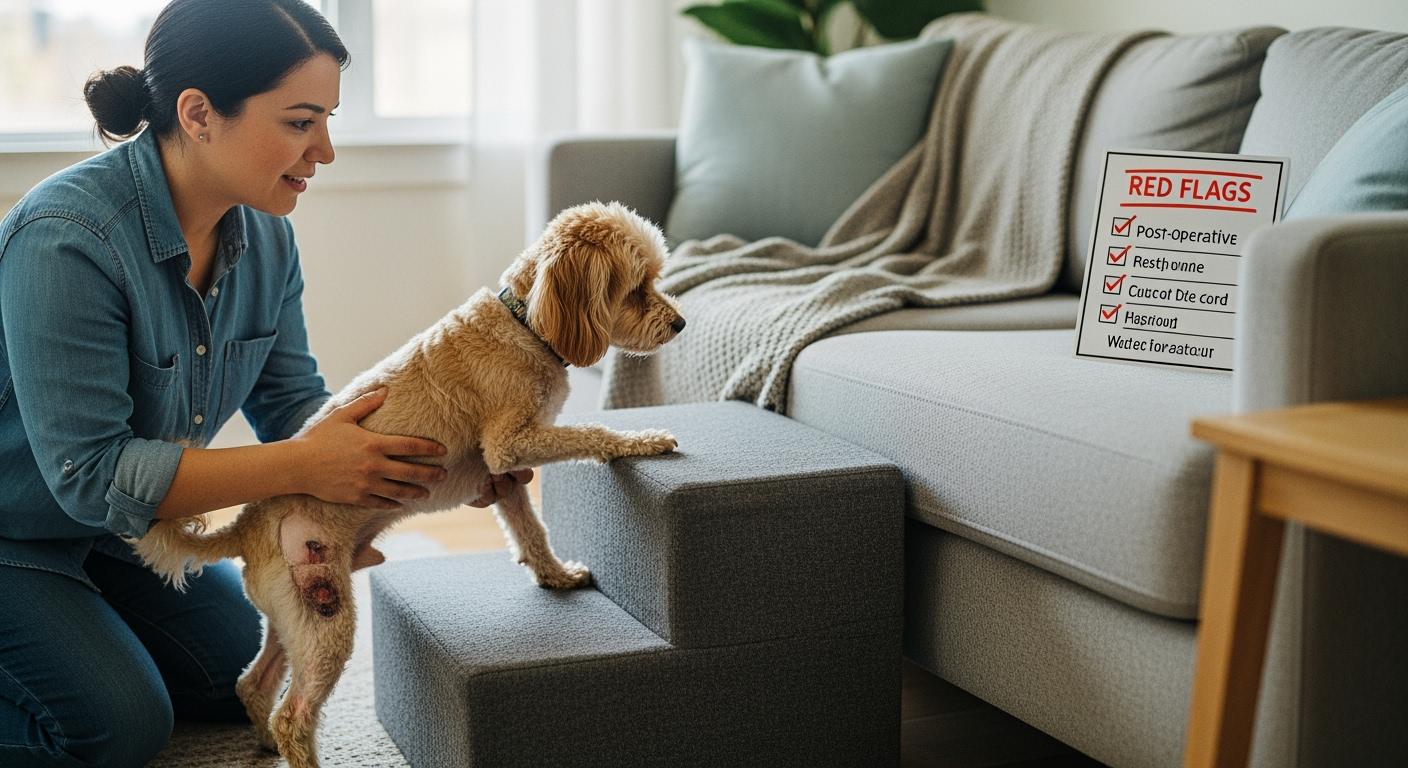
You want your dog to recover well after surgery. You might be concerned about your dog using stairs after surgery while healing. Each dog and surgery is unique. Your vet team provides post-op instructions for a reason. These guidelines help keep your dog safe. Look at this table to understand why limiting activity, including the use of dog stairs after surgery, is crucial:
Source | Advice |
|---|---|
VCA Hospitals | Limiting activity is very important, including less stair use to prevent complications. |
My Veterinary Surgeon | Do not allow your dog to use stairs alone after orthopedic surgery. Block the stairs. |
Animal Medical | Keep activity low, and avoid stairs to prevent issues. |
Always tailor your care to your dog’s specific surgery type. Be vigilant for warning signs so you can assist quickly if your dog has difficulty with dog stairs after surgery.
Key Takeaways
Keep your dog off stairs after surgery to avoid problems. Always do what your vet tells you.
Look for signs like limping or swelling. If you see these, stop using stairs and call your vet right away.
Use things like harnesses or slings to help your dog on stairs. These tools help stop slips and injuries.
Make the area safe by blocking stairs with gates. Put non-slip mats down. This helps your dog stay safe while healing.
Be patient and give your dog time to get better. If you rush, your dog may take longer to heal.
Quick Reference Card: dog stairs after surgery
You want your dog to stay safe while healing. This card shows when your dog can use stairs after surgery. Always do what your surgeon says. These tips help, but do not replace your vet’s plan.
Choosing your dog’s surgery type
You should know what surgery your dog had. The surgery type changes how you handle stairs. Some surgeries that affect stair safety are:
Orthopedic procedures for bone fractures, torn ligaments, or joint problems
Cruciate ligament repairs, like ACL surgery in people
Hip surgeries, such as fixing hip dysplasia or getting a new hip
Soft-tissue surgeries, like spay, neuter, or belly operations
Spinal or neurologic surgeries
Timeline for safe stair use
Check this table for stair safety rules by surgery type. Your vet’s plan is always most important.
Surgery Type | Quiet Period (No Stairs) | Supervised Stairs Allowed | Regular Stairs Allowed |
|---|---|---|---|
Soft-tissue | 10–14 days | After quiet period | When cleared by vet |
Orthopedic | 8–12 weeks | Only with support/supervision | When cleared by vet |
Spinal/Neurologic | 6–8 weeks | Only if specialist approves | When cleared by vet |
“Most dogs can start using stairs 6–8 weeks after surgery. You must watch them closely and get your vet’s okay. If your dog uses stairs too soon, it can hurt the healing joint and slow down recovery.”
When to call the vet
Watch your dog carefully after surgery. Call your vet if you notice:
Sudden limping or not wanting to use a leg
New weakness or trouble getting up
The incision opens, drains, or smells bad
Swelling that gets worse fast
Anything else that seems wrong to you
You are important in your dog’s healing. Keeping your dog off stairs and listening to your vet helps avoid problems with dog stairs after surgery.
Why dog stairs after surgery are risky
You want your dog to heal well after surgery. Stairs can make recovery harder for your pet. Dogs often struggle with movement after surgery. Their muscles feel weak, and their balance is not steady. Stairs add extra challenges that can slow down healing or cause new problems.
Slips and sudden movements
Dogs may slip or move too quickly on stairs. These slips can strain the healing leg or even damage a surgical implant. You might notice your dog trying to rush up or down, especially if excited or nervous. Sudden movements can cause pain or swelling. Many dogs lose traction on slick steps, which increases the risk of falling. You should block access to stairs during recovery to prevent these accidents.
Stairs can be hazardous for dogs post-surgery due to limited movement and potential for slipping.
Limited and unsteady movement increases the risk of straining the healing leg or damaging the implant.
It is crucial to block access to stairs to prevent complications during recovery.
Tip: Place non-slip mats near stairways and use gates to keep your dog safe.
Going down vs going up stairs
Going down stairs is usually harder for dogs after surgery. Your dog must control their weight and balance more when stepping down. This action puts extra stress on healing joints and muscles. Going up stairs also challenges your dog, but most dogs find it easier than going down. Both directions can cause problems if your dog is not ready. You should always supervise your dog on stairs and use a harness or sling for support.
Dogs need time to regain strength and confidence. You help your dog by keeping them off stairs until your vet says it is safe. Watching for signs of pain or trouble on stairs protects your pet during recovery. Dog stairs after surgery require careful planning and close attention.
Surgery-type timeline table
You want to know when your dog can use stairs. The time depends on the surgery your dog had. Each surgery has its own rules for activity and stairs. The table below shows the main differences.
Surgery Type | Quiet Period (No Stairs) | Supervised Stairs Allowed | Regular Stairs Allowed | Special Notes |
|---|---|---|---|---|
Soft-tissue | 10–14 days | After quiet period | When cleared by vet | Carry small dogs if possible |
Orthopedic | 6–8 weeks | Only with support/supervision | When cleared by vet | Use sling or harness for stability |
Spinal/Neurologic | 6–8 weeks | Only if specialist approves | When cleared by vet | Strict confinement often required |
Tip: Use this table to help plan your dog’s recovery. Always do what your vet says first.
Soft-tissue surgery recovery
Soft-tissue surgeries include spay, neuter, or belly operations. Your dog needs a quiet time for 10–14 days. Keep your dog in a small area and limit movement. Do not let your dog use stairs during this time. This helps protect the incision and helps healing. Carry your dog if it is small. After the quiet time, you can let your dog use stairs with supervision if your vet says it is okay.
Orthopedic surgery recovery
Orthopedic surgeries, like TPLO or fixing broken bones, need strict stair rules for 6–8 weeks or more. Every step can twist healing bones. Keep your dog on one floor if you can. If you cannot, ask your vet for help. Use a sling or harness when your dog must use stairs. Watch your dog every time it uses stairs to stop slips and injuries.
Spinal/neurologic surgery recovery
Spinal or neurologic surgeries need extra care. Your dog may need 6–8 weeks of strict rest. Do not let your dog use stairs unless your specialist says it is safe. If stairs cannot be avoided, use a harness or sling and help your dog each step. Keeping your dog away from stairs stops accidents and helps recovery.
Dog stairs after surgery need good planning. Use the timeline table to help make choices and keep your dog safe.
Step-by-step guide: helping your dog on stairs
You want to keep your dog safe after surgery. This step-by-step guide helps you set up your home, use the right tools to assist, and manage each trip on the stairs. Always follow your vet’s advice and check Table 1 for timelines by surgery type.
Preparing the environment
Start by making your home as safe as possible. Dogs need a calm, controlled space during recovery. You can reduce stair risks with these steps:
Block off stairs with a baby or pet gate. This keeps your dog from using stairs when you are not watching.
Place non-slip stair treads on hardwood or slippery steps. These treads help your dog get better traction and prevent slips.
Set up a recovery area on one level of your home. Keep your dog’s bed, food, and water close by.
Use recovery wear, like a surgical suit or cone, to protect the incision. Make sure it fits well and does not cause tripping.
Keep toys and clutter away from stairways. Clear paths help your dog move safely.
Plan for bathroom breaks. If your dog must use stairs to go outside, prepare to lift your dog or use a supportive harness.
Tip: Poorly fitted gates or harnesses can cause accidents. Always check the fit and never rely on tools to assist without supervision.
Using harnesses, slings, and traction aids
You can use special equipment to help your dog on stairs. These tools to assist give extra support and reduce the chance of falls. Choose the right supportive harness or sling for your dog’s size and needs. Table 3 compares stairs with other options, like ramps and carrying.
Harness Type | Description | Recommended Use |
|---|---|---|
Dog Lift Harness | Supports mobility and dignity without over-lifting. | Ideal for stairs and slick surfaces. |
Ginger Lead | High-quality sling that provides gentle support. | For navigating stairs post-surgery. |
Help ‘Em Up Harness | Ergonomically designed two-piece harness with handles for lifting. | For extended wear and mobility support. |
Use a sling as a safety net for gentle support.
Make sure the harness allows for easy potty breaks.
Place straps correctly for comfort and safety.
For dogs over 40 pounds, plan for two people to lift your dog safely.
Use a support harness on slick floors and stairs.
Note: Over-confidence in equipment can lead to mistakes. Always watch your dog closely, even with the best harness.
Leash control and pacing
You must control your dog’s movement on stairs. Use a short leash, about six feet, to guide your dog and prevent sudden actions. A well-fitted harness gives you better control without pulling on your dog’s neck or back.
Keep walks brief, around three to five minutes, and choose stable ground like grass.
Avoid distractions, such as other pets or loud noises, that might make your dog rush.
Use a rear-end support sling if your dog has trouble with balance.
Limit bathroom breaks to short, calm, and supervised times.
Never let your dog jump on or off furniture or climb stairs alone after surgery.
Micro-scenario: My dog has to go down stairs to potty
You live in a home where your dog must use stairs to reach the yard. You block the stairs with a gate when you are not there. When it is time for a bathroom break, you put on a supportive harness and attach a short leash. You stand beside your dog, hold the harness handle, and guide each step. You move slowly, watching for slips. If your dog hesitates or looks unsteady, you lift your dog with proper lifting technique or ask for help. After the bathroom break, you return the dog to the recovery area and block the stairs again.
Safety reminder: If your dog slips, bunny-hops, or seems more painful the next day, stop using stairs and call your vet. Table 1 and the red/yellow/green triage table can help you decide when to pause stair use.
By following this step-by-step guide, you help your dog recover safely. Always use the right tools to assist, supervise every stair trip, and adjust your plan if your dog struggles.
Safer alternatives to stairs
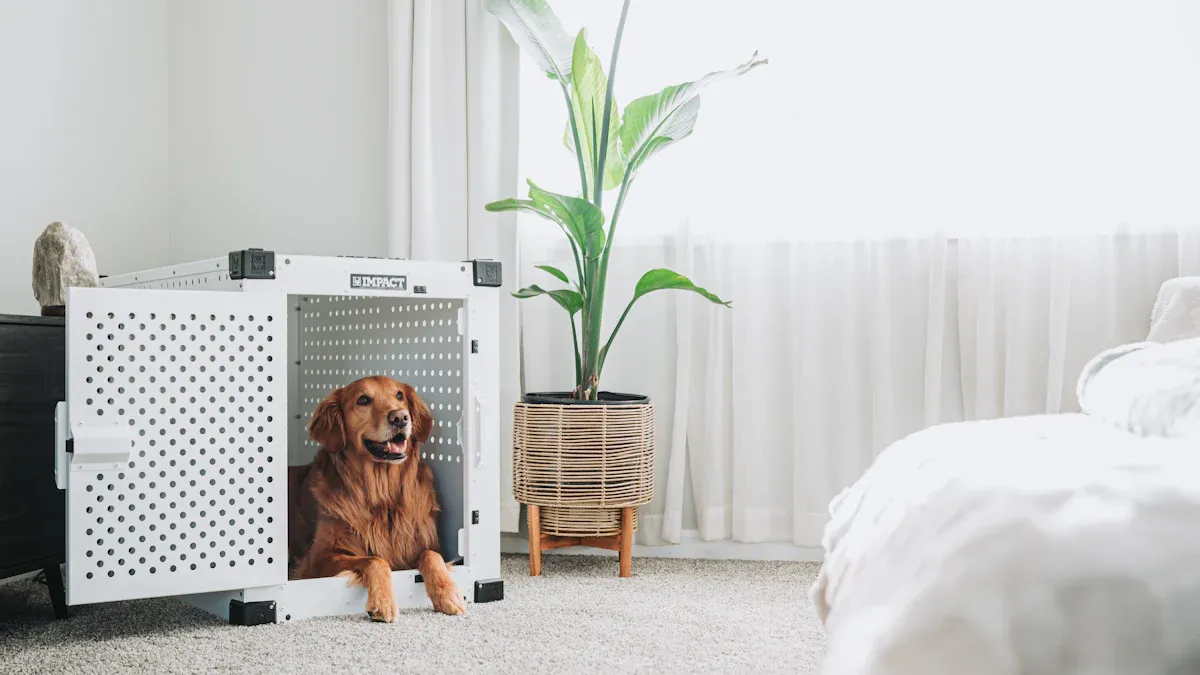
You want your dog to recover safely after surgery. Stairs can be risky, but you have several safer options. These alternatives help protect your dog’s joints and prevent falls.
Ramps and blocking access
Dog ramps offer a gentle incline that makes it easier for your dog to move between levels. Ramps reduce strain on joints and help dogs with arthritis or injuries. Many ramps include railings, which prevent your dog from falling off the side. You can use ramps for beds, couches, or cars. Ramps let your dog move at their own pace and avoid the impact of stairs.
Tip: Block access to stairs with gates or barriers. This keeps your dog from trying to use stairs when you are not watching.
Ramps eliminate the impact that comes with climbing stairs.
Dogs with poor balance or orthopedic issues often do better with ramps.
Ramps allow pets to access areas without needing to be lifted.
Carrying vs sling support
You may need to carry your dog if it is small or cannot walk safely. Carrying reduces the risk of slips but can strain your back. For larger dogs, use a sling or harness. These tools support your dog’s weight and help guide movement. Sling support works well for dogs with weak legs or poor balance.
Carrying is best for small dogs or those who cannot walk.
Sling or harness support helps larger dogs move safely.
Always use proper lifting technique to avoid injury to yourself and your pet.
Comparison table: stairs vs alternatives
Below is a table comparing stairs, ramps, carrying, and sling/harness support. This helps you choose the safest option for your dog’s recovery.
Option | Best for | Risks | How to make it safer |
|---|---|---|---|
Stairs | Healthy, strong dogs | Slips, joint strain, falls | Supervise, use harness, add treads |
Ramp | Dogs with mobility issues | Falling off, improper incline | Use railings, gentle slope, supervise |
Carrying | Small or immobile dogs | Owner injury, dropping dog | Use proper technique, ask for help |
Sling/Harness | Large dogs, weak legs | Poor fit, discomfort, slips | Choose correct size, supervise |
Safety reminder: Choose the option that matches your dog’s needs and always supervise during recovery.
Home setup checklist for recovery
Creating a safe home environment helps your dog heal after surgery. You can use this checklist to prepare each area and reduce the risk of accidents.
Gates and barriers
Baby gates and barriers keep your dog away from stairs and unsafe areas. Place gates at the top and bottom of staircases. This prevents your dog from slipping or falling when you are not watching. Gates work well for dogs who feel weak or unsteady after surgery. You can also use barriers to block off rooms with slippery floors or clutter. By limiting your dog’s access, you lower the chance of injury.
Tip: Always check that gates are secure and tall enough so your dog cannot jump over them.
Non-slip surfaces
Slippery floors can cause your dog to lose balance. Add non-slip mats or rugs in areas where your dog walks. Place these mats near stairs, in hallways, and around your dog’s bed. Non-slip surfaces help your dog stand up and move without sliding. Pet ramps with gentle slopes also reduce strain on your dog’s joints. These tools are especially helpful for dogs with mobility problems or those at risk for back injuries.
Sleep and potty area planning
Set up your dog’s recovery space on the main level of your home. Choose a quiet spot with soft bedding and familiar toys. Keep food and water bowls close by. Make sure your dog does not need to use stairs to reach the potty area. If possible, create an indoor potty spot with pads or grass patches. Block off stairs so your dog cannot use them alone. Pick the shortest and easiest route outside for bathroom breaks.
Prepare a cozy recovery space with bedding and supplies.
Remove clutter and secure cords to prevent trips.
Plan your schedule to focus on your dog’s needs during recovery.
Regularly check your dog’s comfort and watch for any signs of pain or trouble moving.
Red flags and triage table
You want to keep your dog safe during recovery. Watching for warning signs helps you act quickly if something goes wrong. Some problems need you to stop stair use and call your vet right away. Others may only need closer supervision or a change in your routine.
Signs to stop stairs and call the vet
You must know when to stop letting your dog use stairs. Some signs mean you should call your vet as soon as possible. These signs show that your dog may have a serious problem after surgery.
Your dog suddenly limps or refuses to use a leg.
You see new weakness or trouble getting up.
The incision opens, drains, or smells bad.
Swelling gets worse quickly.
Your dog shows new pain, cries out, or seems distressed.
You notice any change that makes you think something is wrong.
If you see any of these signs, block access to stairs and contact your vet. Quick action can prevent bigger problems.
Dogs should not climb stairs or jump onto furniture during recovery. These actions put too much pressure on the surgical site. Even one wrong jump can disrupt healing and cause bleeding or tearing.
Red/yellow/green triage table
You can use the triage table below to decide what to do if you notice changes in your dog’s movement or behavior. This table helps you make safety-first decisions about stair use after surgery.
What you see | What it may mean | What to do now |
|---|---|---|
Walking normally, no pain | Recovery is on track | Continue supervised stairs if cleared |
Hesitation, mild stiffness | Needs more rest or support | Use harness, slow pace, monitor closely |
Slipping, bunny-hopping, limping | Possible strain or pain | Stop stairs, call vet if worsens |
Refusing stairs, sudden lameness | Serious complication | Block stairs, call vet immediately |
Infection or wound problem | Block stairs, call vet immediately | |
Next-day worsening after stairs | Overexertion or injury | Stop stairs, call vet for advice |
Use this table to guide your decisions. If you move from green to yellow or red, act quickly to protect your dog.
Next-day worsening signals
You must watch your dog closely after any stair use. Sometimes problems do not show up right away. Next-day worsening is a key signal that your dog may need help.
Your dog seems more painful or stiff the day after using stairs.
You notice swelling, redness, or heat near the incision.
Your dog moves less or avoids walking.
You see new limping or bunny-hopping.
Your dog refuses food or seems tired.
If you see these signals, stop stair use and call your vet. You help your dog heal by acting early. Dog pain management is important during recovery. Always follow your vet’s advice and keep your dog comfortable.
Safety tip: Progress should look easier each day, not harder. If you see setbacks, pause stair use and get help.
You play a key role in your dog’s recovery. Use the triage table to guide your choices. Watch for red flags and next-day changes. Quick action keeps your dog safe and supports healing after surgery.
FAQs
Short safety-first answers
You may have many questions about helping your dog recover after surgery. Here are clear answers to the most common concerns about stairs and activity.
How long should I wait before letting my dog exercise after surgery?
You should wait until your vet says it is safe. Most dogs need at least two weeks of rest, but your vet will give you the best advice for your dog’s surgery.What signs show my dog is overexerting during recovery?
Watch for limping, whining, not wanting to move, or swelling near the surgery site. These signs mean your dog may need more rest.Why do I need to restrict my dog’s activity after surgery?
Limiting activity helps prevent problems like torn stitches or pain. It also lowers the risk of infection and helps your dog heal well.Can my dog use stairs at all after surgery?
Most dogs should not use stairs alone during recovery. Always block stairs with gates. Carry small dogs if you can. Use a harness or sling for larger dogs.What is the safest way to help my dog on stairs if needed?
Use a support harness or sling for bigger dogs. Move slowly and keep your dog close to you. Never rush stair use.When should I call the vet about stair use?
Call your vet if your dog suddenly limps, refuses to use a leg, or if you see swelling, drainage, or changes in behavior.
Here is a quick table to help you remember stair safety tips:
Recommendation | Details |
|---|---|
Stairs Are Off-Limits | Block all stairways with baby gates. |
Carry Small Dogs | Carry your dog if possible to prevent strain. |
Use Support for Large Dogs | Use a sling or harness to help bigger dogs safely. |
Tip: Always follow your vet’s instructions for the safest recovery.
You want to help your dog recover and keep them safe after surgery. Follow these steps to make stairs safer:
Add non-slip stair treads to hardwood stairs.
Use a support harness if your dog struggles with stairs.
You can help your dog recover by watching for red flags and making your home comfortable.
Check the surgical site every day for infection.
Choose a quiet room with soft bedding.
Limit movement and avoid jumping.
Give pain medication as your vet instructs.
Always follow your surgeon’s discharge plan and call your vet if you notice problems. You give your dog the best chance to heal by staying alert and adjusting your care as needed.
