
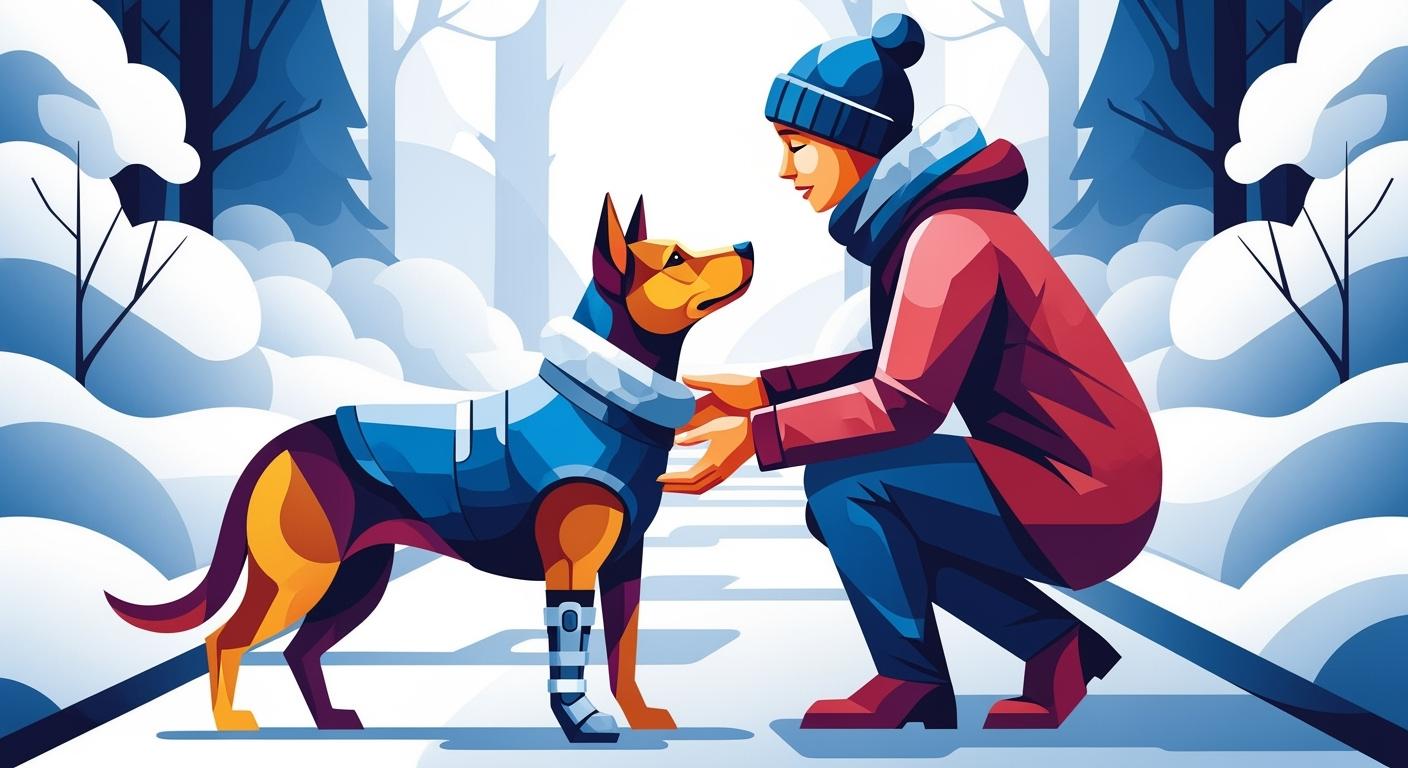
Groomers and veterinarians are warning about friction sores and matting showing up under winter sweaters and jackets. Hot spots and pressure wounds can develop when clothing or braces are too tight, rub in the wrong place, or stay on for too long. Early signs to watch for include whining, shivering, or a dog that suddenly refuses to play while wearing winter gear. Always check your dog’s skin and paws for irritation after walks, rinse off salt or chemicals, and use protective gear like booties or paw balm to keep paws soft and safe.
Key Takeaways
Choose winter jackets that fit snugly but not too tight. A good fit prevents friction sores and allows your dog to move freely.
Inspect your dog’s skin and joints regularly. Look for signs of irritation like redness or swelling after walks to catch problems early.
Use breathable, soft materials for jackets and braces. This helps keep your dog comfortable and reduces the risk of skin issues.
Layer winter gear wisely. Start with a non-chafing brace, add a base layer, and finish with a well-fitting jacket to keep your dog warm and safe.
Always check your dog’s gear before and after walks. Ensure everything fits well and is in good condition to prevent injuries.
Can Dog Winter Jacket Injuries Happen?
Common Skin and Joint Injuries in Dogs
You may think a jacket keeps your dog safe in cold weather. Sometimes, jackets can cause problems if you do not choose the right one. Dogs can get friction sores where the jacket rubs against their skin. These sores often appear under the arms, around the neck, or near the belly. Matting happens when fur gets tangled under the jacket. This can lead to hot spots, which are painful, red patches on your dog’s skin. Pressure wounds may develop if the jacket is too tight or if your dog wears it for too long.
Joint injuries can also occur. If your dog wears a jacket that restricts movement, it may strain its legs or shoulders. Some dogs need protective braces for support. If you use braces under a jacket, make sure they do not press too hard or rub against the skin. Dogs with arthritis or recovering from surgery need extra care. Always check for signs of discomfort, such as licking, whining, or limping.
Tip: Inspect your dog’s skin and joints after each walk. Look for redness, swelling, or bald spots. Early action helps prevent minor rubbing from turning into more serious winter jacket–related injuries.
Why Fit, Fabrics, and Seams Matter
Choosing the right winter dog jacket means paying attention to fit, fabrics, and seams. A good fit allows your dog to move freely. The jacket should not be too tight or too loose. Soft, breathable fabrics help prevent overheating and skin irritation. Seams should be smooth and flat. Rough seams can rub and cause sores.
Here is a simple table to help you check your dog’s jacket:
Feature | What to Look For |
|---|---|
Fit | Snug but not tight |
Fabric | Soft, breathable, washable |
Seams | Flat, smooth, no rough edges |
You keep your dog safe by choosing winter dog safety gear that fits well and feels comfortable. Always check the jacket and any protective braces for dogs before each use.
Mistakes with Dog Winter Gear
Tight Jackets and Rough Seams
You want your dog to stay warm, but a jacket that fits too tightly can cause problems. Tight clothing rubs against the skin and may lead to redness or soreness, especially where your dog moves the most. Rough seams can make things worse. These seams often sit over bony points like shoulders or elbows. When your dog walks or runs, the friction can irritate sensitive skin. Moisture from sweat or dirt trapped under the jacket softens the skin, making it easier for irritation to develop. Always check the inside of your dog’s winter jacket for smooth seams and soft materials. If you notice any redness or your dog starts licking or scratching, take off the jacket and inspect the area.
Tip: Choose winter dog safety gear made from soft, breathable fabrics. Look for jackets with flat seams and adjustable straps to avoid pressure points.
Wet Fur, Salt, and Layering Issues
Winter walks can leave your dog’s fur wet from snow or rain. Wet fur under a jacket creates a damp environment that can lead to skin problems. Road salt and chemicals used to melt ice can stick to your dog’s paws and fur. These substances irritate the skin and may cause salt poisoning if your dog licks its paws. After each walk, wipe your dog’s paws and check for any signs of irritation. Layering too many clothes can also cause overheating. Watch for signs like panting or warm ears. Use only the layers your dog needs to stay comfortable.
Common mistakes pet owners make with winter gear:
Overdressing pets with too many layers
Choosing rough or non-breathable materials
Skipping paw protection
Ignoring proper fit
Overlooking Braces and Harnesses Under Jackets
Protective braces for dogs help support joints and aid recovery, but they need to fit well under winter dog jackets. If you put a jacket over a brace or harness without checking the fit, it may twist or press into your dog’s skin. This can lead to discomfort or even injury. Make sure braces and harnesses sit flat and do not bunch up under the jacket. Adjust straps so nothing pinches or rubs. Leaving gear on for too long can also cause problems. Take off jackets, braces, and harnesses when your dog comes inside to let the skin breathe.
Note: Winter jacket injuries often happen when jackets, braces, and harnesses don’t fit well together, so always check each layer. Always check your dog’s comfort and adjust layers as needed.
Dog Winter Jacket Injuries & Protective Braces: What to Know
Fashion vs Function in Winter Dog Gear
When you shop for winter dog jackets, you see many choices. Some jackets look cool with bright colors and fun designs. These stylish jackets might look nice, but they may not protect your dog well. Dogs do not care about how a jacket looks. They only notice if it is warm, safe, and comfortable.
Good winter dog safety gear keeps your dog healthy and cozy. These jackets use soft, weatherproof materials to keep your dog dry and warm. They have smooth seams and straps you can adjust. This helps stop rubbing and sore spots. The right gear reduces the risk of winter jacket–related injuries and keeps your dog more comfortable. It also lets your dog move easily and play outside.
Here are some main differences between fashion and function in dog gear:
Fashion gear looks nice but can cause skin problems or discomfort.
Functional gear uses special materials and designs to protect from cold and rubbing.
How the jacket fits is more important than its color or pattern.
Dogs need gear that keeps them safe and happy during outdoor fun.
You help your dog stay healthy by picking gear that works well, not just looks good. Always check what the jacket is made of and how it is built before buying.
Choosing Non-Chafing Protective Braces
Protective braces for dogs can help prevent rubbing and pressure points when they are fitted and used correctly with winter gear.You want braces that support joints but do not hurt the skin. Non-chafing dog braces have special parts to keep your dog comfy, even on long walks.
Look for these things when picking a brace:
Feature | Description |
|---|---|
Soft Edge Binding | Stops chafing and makes wearing the brace more comfortable. |
Hypoallergenic Materials | Lowers the chance of allergies or skin problems for sensitive dogs. |
Adjustable Features | Lets you change the fit so it matches your dog’s shape. |
Lycra Stretch | Makes the brace move better and helps stop rubbing. |
Flat-Lock/Overlock Stitching | Keeps the brace smooth and flat, so there are no sore spots. |
Durability | The brace lasts a long time and stays strong. |
Abrasion Resistance | Stops the brace from wearing out and causing skin problems. |
GaitGuard makes braces for dogs that meet these needs. Their braces have soft edges, wide straps, and fit the dog’s body well. You can adjust them for a good fit, which helps stop rubbing and pressure sores. GaitGuard braces also work well with winter dog jackets, so your dog stays safe and comfy.
Some braces have anti-lick sleeves, neoprene wraps, or extra lifting straps. Anti-lick sleeves keep wounds safe from dirt and bites. They also help calm nervous dogs and lower infection risk. Neoprene wraps give gentle support and warmth. Extra lifting straps help you guide your dog on walks or during recovery. These features make healing easier and help your dog stay active.
Research in canine rehabilitation suggests that well-fitted braces can improve comfort and mobility for some dogs, especially when combined with physical therapy, but they do not cure the underlying joint disease.
Breathable, Supportive Jackets That Work With Braces
You need a winter dog jacket that fits over protective braces for dogs. The jacket should not bunch up or press too hard on the brace. Breathable, supportive jackets help lower the chance of skin problems when worn over braces. They let air flow and keep your dog’s skin dry.
Jackets made from strong, high-quality materials work best. These jackets help control your dog’s body heat and protect against chill. They may also help reduce the risk of arthritis flare-ups and cold-related problems such as frostbite. Jackets with reflective parts help keep your dog safe during dark walks.
Here is a table showing why good materials and fit matter:
Benefit | Description |
|---|---|
Temperature Regulation | Keeps your dog’s body heat steady and stops hypothermia. |
Health Protection | Lowers the chance of cold sickness, arthritis pain, and frostbite. |
Enhanced Comfort | Makes walks and playtime more fun and healthy. |
Safety Features | Reflective parts help cars and people see your dog in the dark. |
When you put a jacket over a brace, check that nothing pinches or rubs. Adjust the straps on both the jacket and the brace. GaitGuard braces use soft, flexible materials that work well with winter dog jackets. This design helps keep your dog safer and more comfortable in cold weather.
Tip: Always check your dog’s gear before and after walks. Look for red skin, swelling, or signs your dog is uncomfortable. Replace any gear that is worn out or does not fit right.
By picking the right jackets and non-chafing dog braces, you help stop dog winter jacket injuries & protective braces problems. Your dog can enjoy winter fun safely and comfortably.
How to Keep Your Dog Safe with Layers
Layering Braces, Base Layers, and Jackets
Layering winter dog safety gear helps protect your dog from cold and injury. Start with a non-chafing dog brace if your dog needs joint support. Place a thin, breathable shirt or base layer over the brace. This base layer adds comfort and insulation. Next, add a winter dog jacket that fits well and does not restrict movement. Always check that the jacket covers the neck and belly but allows freedom for your dog to walk and play.
Here is a simple order for layering:
Put on protective braces for dogs first.
Add a soft base layer or shirt.
Finish with a warm, insulated winter dog jacket.
Layering Strategy | Description |
|---|---|
Warm coats or sweaters | Use snug jackets for short-haired or small dogs to keep them warm. |
Paw protection | Apply pet-safe paw balm or wax before walks to shield paws from cold and salt. |
Hydration | Make sure your dog has fresh water and break up ice in bowls. |
Warm, dry shelter | Give your dog a heated or insulated shelter for outdoor time. |
Preventing Rubbing and Pressure Points
You want to keep your dog comfortable. Check armpits, groin, hips, and hocks for signs of rubbing or pressure. Look for redness, swelling, or hair loss. Choose winter dog jackets with adjustable straps and smooth seams. Layer a thin shirt under the jacket to reduce friction. Waterproof and breathable fabrics help prevent sweat and skin problems. Introduce new gear slowly so your dog feels relaxed.
Start slow and let your dog get used to each layer.
Monitor for overheating, especially in mild weather.
Use adjustable features to get the best fit.
Protect paws with booties or paw wax.
Tip: Always inspect your dog’s skin after walks. Remove gear if you see any irritation.
How Long Dogs Should Wear Winter Gear
Limit the time your dog wears winter gear. Remove jackets and braces when your dog comes inside. This lets the skin dry and prevents moisture buildup. Most dogs should wear winter dog safety gear only during outdoor activities. If your dog has special needs, ask your vet about safe wear times. Regular breaks help keep your dog safe and comfortable.
Remember, you can keep your dog safe by checking gear fit, layering correctly, and watching for early signs of discomfort.
Pro Tips for Groomers and Vets
Assessing Coat Length and High-Risk Areas
You help your dog stay safe in winter by checking coat length and problem spots. Good coat maintenance keeps your dog warm and prevents skin issues. Brush your dog often to improve airflow and avoid matting. Do not trim the coat too short, as this reduces insulation. Pay close attention to paws. Check for cracks or irritation and use protective wax if needed. Trim long hair between toes to stop ice from building up. Clean paws after every walk to remove salt and chemicals.
Trimming Patterns for Braces and Jackets
You can make winter dog safety gear more comfortable by trimming fur around straps and joints. Cut hair near the armpits, belly, and legs where jackets or protective braces for dogs touch the skin. This helps prevent matting and rubbing. Use blunt-tipped scissors for safety. Keep fur short but not shaved. If your dog wears non-chafing dog braces, check that the brace fits well and does not press on trimmed areas. GaitGuard braces offer adjustable support and work well with winter dog jackets. These custom braces use high-quality materials and are designed to help dogs with injuries move more comfortably while they heal.
Educating Pet Owners on Winter Dog Safety Gear
You play a key role in teaching pet owners about safe winter gear. Show owners how to check their dog for signs of discomfort, such as shivering or reluctance to walk. Recommend boots and coats for breeds with less body fat or fur. Advise keeping outdoor time short in very cold weather and adjusting the length of walks based on the dog’s age, breed, and health. Remind owners to provide unfrozen water and warm shelter. Encourage regular checks of winter dog jackets and protective braces for dogs. Suggest consulting a veterinarian for the best fit and type of gear, especially for dogs in recovery or with special needs.
Tip: Always review competition rules for braces and gear before events. Some contests have strict guidelines on what dogs can wear.
You can help your dog stay safe in winter by picking jackets and braces that fit right and match the weather. Make sure the seams are smooth. Choose materials that block water and wind. Look for jackets with reflective strips. Add layers if your dog needs them. After each walk, check your dog’s skin for any problems. Before going outside, remember this checklist:
Reflective collar or harness
LED collar lights
Insulated, windproof jacket
Waterproof booties or paw wax
Reflective leash
Extra batteries for lights
Microfiber towels for cleaning paws
Ask your vet if you are not sure about winter dog safety gear.
FAQ
How do you know if your dog’s winter jacket fits correctly?
Check if you can slide two fingers between the jacket and your dog’s body. The jacket should not restrict movement. Look for signs of discomfort, such as scratching or biting at the jacket. Adjust straps for a snug, comfortable fit.
Can protective braces for dogs be worn under winter dog jackets?
Yes, you can layer non-chafing dog braces under winter dog jackets. Make sure both items fit well and do not cause rubbing. Choose breathable materials for each layer. Inspect your dog’s skin after walks to prevent irritation.
What should you do if your dog develops a sore from winter gear?
Remove all winter dog safety gear right away. Clean the sore with warm water. Let your dog’s skin breathe. Contact your veterinarian for advice. Use protective braces for dogs again only after your veterinarian confirms the skin has healed enough.
How often should you check your dog’s winter gear for wear and tear?
Inspect winter dog jackets and protective braces for dogs before every walk. Look for frayed seams, broken straps, or worn fabric. Replace gear that shows damage. Regular checks help keep your dog safe and comfortable.
Are there special winter dog safety gear recommendations for puppies or senior dogs?
Puppies and senior dogs need extra warmth and support. Choose insulated winter dog jackets and non-chafing dog braces. Use soft, adjustable gear. Limit outdoor time in cold weather. Ask your veterinarian for personalized advice.
