
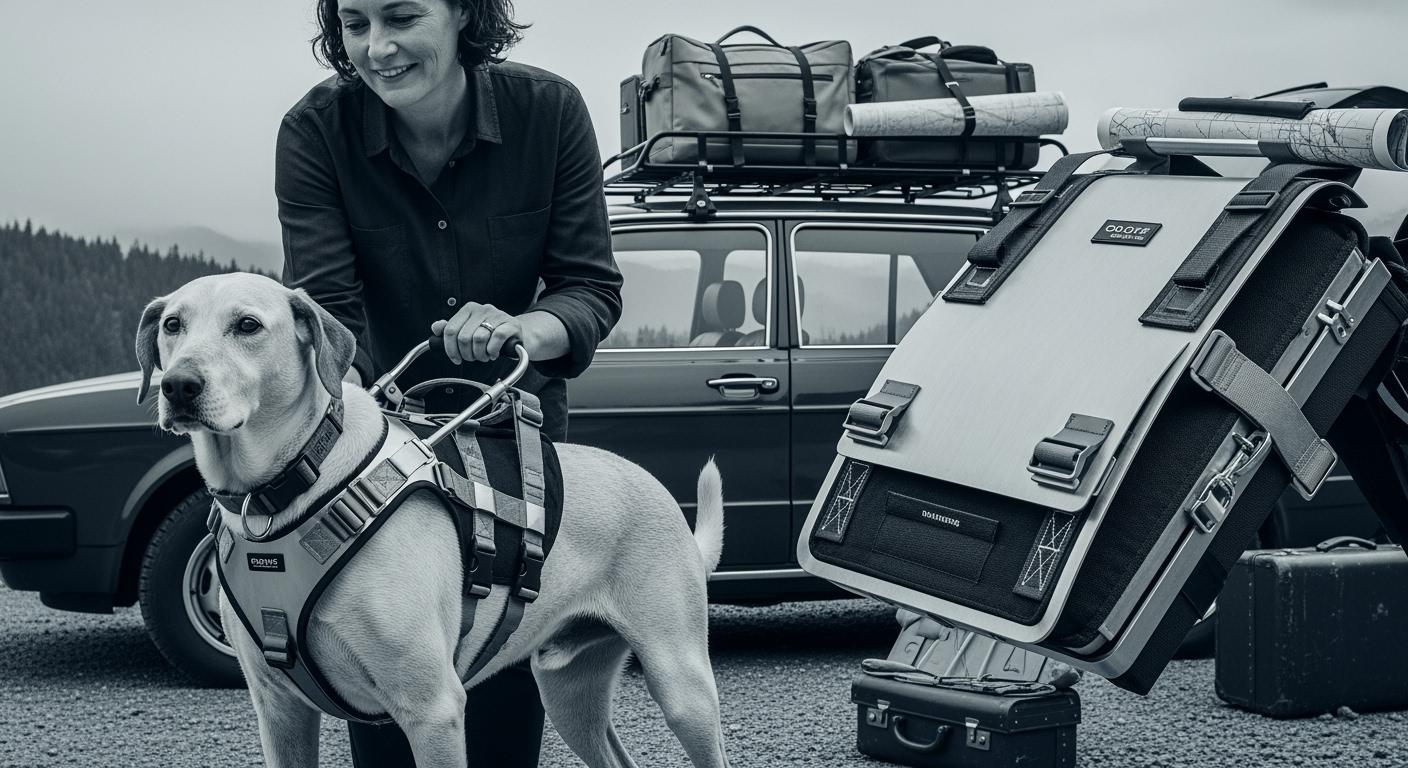
Traveling with dogs can be challenging, especially if your dog is older or has trouble walking. Busy airports, loud hotels, and unfamiliar places can make your dog feel nervous or unsteady. A holiday travel dog support harness helps you keep your dog safer and more comfortable. Choosing a well-designed harness, such as those from GaitGuard, shows that you care about both safety and comfort. With the right gear, every trip can feel easier for you and your best friend.
Key Takeaways
A holiday travel dog support harness helps senior dogs stay safer and more comfortable, making trips easier for both pets and owners.
Pick a harness that fits your dog well. Look for padding and straps you can adjust. This helps stop pain and keeps your dog safe when you travel.
Support harnesses help dogs move more securely in busy or slippery places and can reduce the risk of slips and falls.
Ask your veterinarian to help you choose the best harness, especially if your dog has health problems such as arthritis, hip dysplasia, or IVDD.
Try the harness at home before your trip. This helps your dog get used to it and feel brave in new places.
Why a Holiday Travel Dog Support Harness Matters
Senior Dog Mobility Challenges on the Road
Traveling with older dogs can be tough. As dogs get older, their bodies change. You might see your dog move slower or have trouble with easy things. Long car rides can make these problems worse. Senior dogs often have:
Limited mobility. Your dog may find it hard to stand or walk after sitting. Taking breaks helps them stretch and go to the bathroom.
Chronic pain. Older dogs can feel sore, especially with arthritis or joint pain. Soft beds and stopping often can help them feel better.
Health considerations. Airlines sometimes ask for health papers for older dogs. Direct flights are best because they are less stressful.
Many older dogs have arthritis, hip dysplasia, or IVDD. These problems make walking on slippery floors or climbing stairs hard. Your dog might slip or hesitate, which can cause injuries. Busy places and changes in routine can make them more stressed. A holiday travel dog support harness gives you more control and helps your dog feel safe. You can guide them through busy spots and help them up stairs or into cars.
Tip: Always check if your dog is comfortable while traveling. If you see pain or stiffness, help them gently and take breaks.
Holiday Travel Stressors for Dogs
Holidays are fun but can be stressful for dogs. New places, loud sounds, and crowds can upset your pet. Older dogs need routine and things to stay the same. When you travel, your dog faces:
Anxiety from noise and crowds. Holidays have fireworks, music, and lots of people. Many dogs bark, hide, or act nervous.
Sensitivity to loud sounds. Older dogs can get more scared by sudden noises.
Difficulty adapting to new places. Seniors have a harder time getting used to new spots.
Increased need for routine. Older dogs like their schedules. Changes can make them feel unsafe.
As dogs age, they often become more easily overwhelmed by new places and changes to their routine.
When your dog feels anxious, they might not want to walk or try to run away from crowds. A harness helps you keep control and calms your dog. You can guide them gently and keep them close. This support lowers their stress and helps them enjoy the holidays.
How Support Harnesses Help During Trips
A holiday travel dog support harness can make trips much easier. It adds stability, control, and confidence for both you and your dog. Research in canine rehabilitation shows that lift harnesses help senior dogs move more comfortably and may reduce fatigue, especially for dogs with osteoarthritis or recovering after surgery.
Source | Findings |
|---|---|
Millis & Levine’s Canine Rehabilitation and Physical Therapy (Elsevier, 2nd ed., 2014) | Lift harnesses help older dogs move better and get tired less. They are good for arthritis and after surgery. |
Canine Arthritis Management (CAM) | Good harnesses lower strain on weak joints and help dogs feel confident and independent. |
Lift harnesses help your dog balance and stop falls. They let your dog exercise safely, even with weak legs. You can help your dog walk on slippery floors, climb stairs, or get in and out of cars. The harness gives gentle support and helps your dog feel braver.
Gives stability for dogs with trouble moving, stopping falls.
Lets dogs with weak legs exercise safely.
Helps stop total immobility, which can make health worse.
Offers gentle support, helping senior dogs feel balanced and confident.
Support harnesses also make day-to-day travel handling safer. They help you steady your dog during sudden stops or bumps and reduce the risk of slips or loss of balance. Handles on the harness make lifting your dog easier, so you don’t strain your own back. This extra control helps you manage your dog’s movement more safely throughout the trip.
Note: Using a holiday travel dog support harness lets you enjoy your holiday more. You know your dog is safe and comfy. Your dog feels secure, and you feel calm.
Who Needs a Support Harness for Travel
Senior and Recovering Dogs
You want your dog to enjoy holiday travel, even if they are older or healing from surgery. Senior dogs often move slowly and need extra help with steps or getting in and out of cars. Dogs recovering from surgery or injury need support to stay safe and avoid falls. A harness for small dogs or large breeds gives you control and helps your dog feel secure. GaitGuard’s auxiliary lifting strap lets you gently lift your dog when they need extra help. Rehabilitation braces from GaitGuard can add stability for dogs who are healing from injury or surgery. You can guide your dog through busy places and keep them close.
Tip: If your dog has trouble standing or walking, use a harness for small dogs or seniors to help them move with confidence.
Dogs with Arthritis, Hip Problems, or IVDD
Many dogs suffer from arthritis, hip dysplasia, or spinal issues like IVDD. These conditions make walking painful and hard. You may notice your dog limping or hesitating on slippery floors. A harness for small dogs or bigger breeds supports weak joints and helps your dog walk without pain. GaitGuard’s rehabilitation braces provide additional support for dogs with joint or spine problems. With this extra help, you can support your dog on stairs or uneven ground so they can stay more active and secure during travel.
Common reasons dogs need a support harness:
Senior dogs with arthritis or hip dysplasia
Dogs recovering from surgery
Dogs with neurological or mobility disorders
Temporary injuries or weakness
Dogs in physiotherapy
Small Breeds and Anxious Pets in Crowds
Small dogs and anxious pets often feel scared in busy places. Crowds, loud noises, and new environments can make your dog nervous. A harness for small dogs keeps your pet close and prevents them from slipping away. You can lift your dog over obstacles or guide them through crowds. GaitGuard’s auxiliary lifting strap works well for small breeds who need extra help. Your dog feels safe and you feel calm knowing you have control.
Note: Always check your dog’s comfort. A harness for small dogs or anxious pets helps you protect them in busy holiday spots.
Types of Dog Harnesses for Holiday Travel
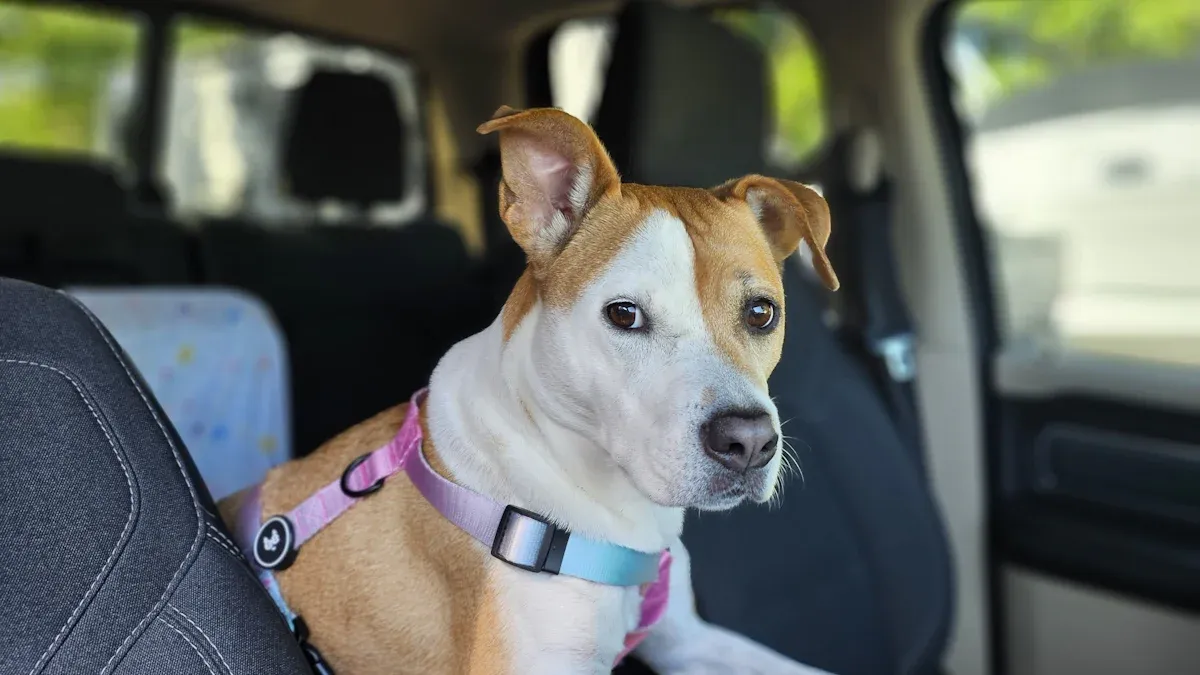
When you travel with your older dog, you should know about harness types. Everyday walking harnesses help you control your dog on walks. Support harnesses give extra help to dogs who have trouble moving. These are very useful when traveling.
Full-Body and Rear-Lift Support Harnesses
Support harnesses come in different styles. Full-body harnesses support your dog’s whole body. They help dogs with weak joints or muscles. Handles let you lift your dog safely. This keeps you from hurting your back. Rear-lift harnesses help the back legs. They are good for dogs with hip problems or paralysis. You can use them for dogs after surgery. They also help dogs climb stairs or get into cars.
Full-body harnesses help dogs with many joint problems.
Rear-lift harnesses help dogs with weak or paralyzed back legs.
Both types have adjustable sizes for a good fit.
Extra padding keeps your dog comfortable while traveling.
Key Features: Handles, Padding, Adjustability
When picking a harness, look for features that keep your dog safe and comfy. The best harnesses have:
Feature | Importance |
|---|---|
Safety Features | Reflective strips and strong buckles keep your dog safe and easy to see. |
Comfort and Padding | Soft padding stops rubbing and protects your dog’s skin. |
Easy to Put On and Take Off | Simple designs make it easy to help your dog, even if they have trouble moving. |
Adjustable Straps | Adjustable straps help you get the best fit for your dog. |
Handle Placement and Support | Lift-assist handles help you support your dog in tough spots. |
Breathable Materials | Lightweight, breathable materials keep your dog cool and comfortable. |
These features make travel safer and easier for you and your dog.
GaitGuard’s Innovative Support Harness Solutions
GaitGuard designs support harnesses that focus on comfort and quality. Their lifting strap helps you lift your dog gently when extra assistance is needed. GaitGuard’s rehabilitation braces provide additional support for dogs with joint or spinal issues, and anti-licking braces help protect wounds during healing. All GaitGuard harnesses use medical-grade materials and adjustable designs so you can find a good fit for your dog. These solutions help you care for your dog during holiday trips and in everyday life.
Using Harnesses in Holiday Travel Situations
Car Rides and Transfers
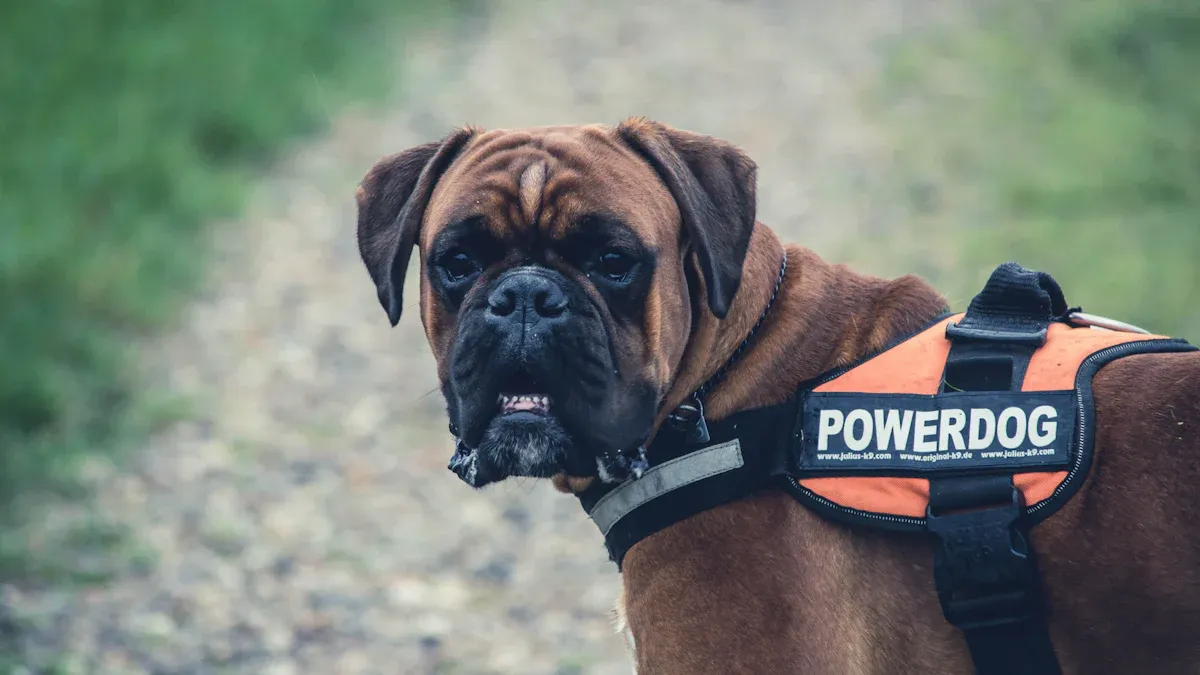
You want your dog to feel safe and comfortable during car rides. Using a dog harness helps you lift your dog in and out of the car without straining their joints. Many owners find that harnesses with adjustable straps make transfers smoother. You can support your dog as they step up or down, which lowers the risk of falls. Handles on the harness give you control and help you guide your dog over curbs or into the back seat. One pet owner shared that their harness made yard time and stairs much safer for their senior dog. Another said their dog could walk slowly on flat surfaces but needed help on wooden floors. The harness kept their dog independent and confident. You can use harnesses to prevent pulling and make car rides less stressful for both you and your dog.
Tip: Always check the harness fit before each trip. Make sure the straps are snug but not tight. Lift your dog gently and support their chest and hips.
Navigating Slippery or Crowded Spaces
Holiday travel often means icy sidewalks or busy streets. Senior dogs may slip or feel nervous in crowds. Harnesses help you keep control and stop pulling behavior. You can guide your dog over slick surfaces and help them avoid falls. Before your trip, consult your veterinarian if your dog has arthritis or other health issues. Make sure your dog feels comfortable during walks. Plan for extra rest breaks since older dogs tire easily. Use harnesses with padded handles for better grip and comfort. Training your dog to walk with a harness before your trip can make travel easier.
Consult your veterinarian before the trip.
Make sure your dog is comfortable during the trip.
Plan for extra rest and breaks.
Airports, Hotels, and Family Visits
Busy airports and hotels can overwhelm senior dogs. Harnesses help you guide your dog through crowds and keep them close. You can lift your dog over obstacles or stairs. In family homes, harnesses help your dog move safely on unfamiliar floors. Training your dog to use a harness before travel helps them adjust faster. Use harnesses to stop pulling and keep your dog calm in new places. Handles give you control in tight spaces and help you support your dog during busy holiday events.
Note: Practice using the harness at home before your trip. This helps your dog feel confident and makes travel smoother for both of you.
Safety Tips for Dog Harnesses
Proper Fit and Adjustment
Getting the proper fit for harnesses is key to pet safety. You want your dogs to feel comfortable and secure. Start by measuring your dog’s girth and neck. Choose harnesses with adjustable straps so you can change the fit as needed. Always check that two fingers fit between the harness and your dog’s skin. This helps prevent chafing and keeps your dog safe. Look for harnesses with features like soft padding and easy-to-adjust buckles. Regularly check the fit, especially if your dog gains or loses weight. Examine your dog’s skin and fur for signs of rubbing or irritation. Adjust the harness if you see any problems. Pick the right harness for your dog’s size and activity. Some harnesses are safer for pulling or training, while others work better for travel.
Measure your dog’s girth and neck for sizing.
Use adjustable straps for a snug fit.
Check for rubbing or irritation.
Make sure two fingers fit under the harness.
Choose harnesses with comfort features.
Tip: Introduce harnesses slowly. Let your dogs wear them for short periods during training before your trip.
Avoiding Overload and Injury
You want to keep your dogs safe when lifting or guiding them. Never lift more weight than you can handle. Use harnesses with sturdy handles for better control. Always support your dog’s chest and hips when lifting. Avoid sudden movements that can cause injury. Harnesses are safer than collars for dogs with mobility issues. They spread weight evenly and reduce strain. If your dog shows signs of pain or discomfort, stop and check the harness fit. Take breaks during travel to let your dogs rest. Pair harnesses with other pet safety gear for extra protection.
Use harnesses with strong handles.
Support your dog’s body when lifting.
Avoid lifting more than you can handle.
Take breaks for your dogs to rest.
Check for signs of pain or discomfort.
Harnesses vs. Other Travel Gear (Crates, Seat Belts)
Harnesses offer flexibility and control for senior dogs during travel. Crates provide the highest protection but can be bulky. Seat belts and dog safety seats work well for smaller dogs. Support harnesses are not a crash-tested restraint, but they are safer and more comfortable for frequent stops and bathroom breaks. You can use harnesses with crates or car restraints for extra pet safety. Always install travel gear properly for maximum safety.
Restraint Type | Best For | Weight Limit | Protection Level |
|---|---|---|---|
Dog Crates | Large dogs, anxious pets | 80+ lbs | Highest |
Dog Safety Seats | Small to medium dogs | Under 30 lbs | Moderate |
Harnesses | All sizes, frequent stops | Up to 100 lbs | Variable |
Note: Harnesses are safer for dogs who need help walking or frequent breaks. Use harnesses with other travel gear for the best pet safety.
Choosing the Right Holiday Travel Dog Support Harness
Selecting the right harness for your dog can make holiday travel safer and more enjoyable. You want your dog to feel secure and comfortable, especially if they have mobility issues. A good harness supports your dog’s body, helps you guide them, and keeps them visible in busy or dark places. Here’s how you can make the best choice for your dog.
Fit, Comfort, and Reflective Details
You need to focus on fit when choosing harnesses for your dog. A proper fit keeps your dog safe and prevents rubbing or slipping. Start by measuring your dog’s chest and neck with a soft tape measure. Wrap the tape around the widest part of the chest, just behind the front legs. Write down the number. Measure the neck where a collar would sit. Use these numbers to pick the right size harness. Most harnesses come with a size chart. Always check the chart before you buy.
Try the harness on your dog before your trip. Adjust the straps so the harness fits snug but not tight. You should fit two fingers between the harness and your dog’s body. This helps your dog move freely and keeps them comfortable. Watch your dog walk and sit with the harness on. Look for signs of rubbing or pinching. If you see any, adjust the straps or try a different size.
Comfort matters for long trips. Look for harnesses with soft padding. Padding protects your dog’s skin and makes the harness easier to wear for hours. Some harnesses use breathable materials to keep your dog cool. GaitGuard uses medical-grade materials in their harnesses. This means your dog gets both safety and comfort during travel.
Reflective details are important for holiday travel. Many trips happen early in the morning or late at night. Harnesses with reflective strips help drivers and other people see your dog. This keeps your dog safe during walks in low light. Some harnesses also have bright colors or patterns for extra visibility.
Here’s a quick look at key features to check:
Feature | Description |
|---|---|
Reflective Strips | Make your dog easy to see at night or in busy places. |
Adjustable Fit | Lets you change the harness as your dog’s body changes. |
Durable Material | Stands up to travel, weather, and daily use. |
Customization Options | Lets you add your dog’s name or your phone number for safety. |
Stylish Design | Gives you choices in color and style, so your dog looks good and feels good. |
Tip: Always check the harness fit before each trip. Dogs can gain or lose weight, so adjust the straps as needed.
Compatibility with Winter Gear and Other Supports
Holiday travel often means cold weather. Many dogs wear winter coats or sweaters to stay warm. You need to make sure the harness fits well over or under these layers. Bulky clothing can make the harness loose. This can cause the harness to move around or not support your dog’s body. Always put the harness on your dog without bulky gear first. Check the fit. Then try it with your dog’s coat or sweater. Adjust the straps so the harness stays snug.
If your dog uses other supports, like a back brace or leg brace, test the harness with these on. Some harnesses work better with extra gear. GaitGuard’s harnesses use adjustable straps and medical-grade materials. This helps you get a good fit, even with winter gear or braces. You want the harness to touch your dog’s body, not just the coat. This gives the best support and keeps your dog safe.
Here are some tips for using harnesses with winter gear or other supports:
Put the harness on first, then add the coat if possible.
If the coat is very thick, adjust the harness straps for a snug fit.
Check that the harness does not slip or twist when your dog moves.
Make sure the harness does not press on any sore spots or braces.
Watch your dog walk and sit to see if the harness stays in place.
Note: The American Academy of Pediatrics says bulky gear can make harnesses less safe. Always check the fit with all gear on your dog.
Consulting Your Veterinarian
You want your dog to stay healthy and happy during holiday travel. If your dog has arthritis, IVDD, or other medical problems, talk to your veterinarian before you buy a harness. Your vet can help you pick the right harness for your dog’s needs. Some dogs need harnesses with extra support for the back or hips. Others need soft straps to protect their skin.
Veterinarians recommend harnesses for dogs with mobility issues. Harnesses help you lift and guide your dog without hurting their neck or back. For dogs with arthritis or after surgery, harnesses can make walking and standing easier. Your vet can show you how to use the harness safely. They can also check the fit and comfort for your dog.
Here’s a checklist for working with your vet:
Ask your vet which harness style is best for your dog’s condition.
Make sure the harness fits snugly but lets your dog move their legs.
Choose harnesses with soft straps and padding for comfort.
Pick a harness that is easy to put on and take off.
Check for adjustability so you can change the fit as your dog’s needs change.
GaitGuard’s commitment to quality means you get harnesses made with medical-grade materials. This gives you peace of mind. You know your dog is getting the best support for their health.
Callout: Always work with your veterinarian if your dog has special needs. The right harness can make travel safer and more comfortable for both of you.
A holiday travel dog support harness helps you keep your senior dog safe and comfortable. Many pet owners say harnesses make walking easier and reduce pain. You can lift your dog gently and guide them through busy places. Here are some things pet owners have shared:
Their dogs walk better and feel more confident.
Harnesses protect dogs with hip problems and help owners avoid back pain.
Surgeons recommend harnesses to reduce pain after surgery.
Harnesses make it easy to help dogs stand and move.
By choosing a well-fitted support harness from GaitGuard, you can give your dog the extra help they need to move safely and confidently. With the right gear and a good plan, holiday travel can be more enjoyable for both you and your best friend.
FAQ
How do I know if my senior dog needs a support harness for holiday travel?
You should watch for signs like trouble standing, walking, or climbing stairs. If your dog seems tired or struggles with movement, a holiday travel dog support harness can help keep them safe and comfortable.
Can my dog wear a harness with a winter coat or medical brace?
Yes, you can use most harnesses with winter gear or braces. Adjust the straps for a snug fit. Make sure the harness touches your dog’s body and does not slip or twist when your dog moves.
How do I choose the right size harness for my dog?
Measure your dog’s chest and neck with a soft tape measure. Check the harness size chart before you buy. You should fit two fingers between the harness and your dog’s body for comfort.
Is it safe to lift my dog with a support harness?
You can lift your dog safely with a harness that has sturdy handles. Always support your dog’s chest and hips. Lift gently and avoid sudden movements to prevent injury.
How do I help my dog get used to a new harness before traveling?
Let your dog wear the harness at home for short periods. Give treats and praise. Practice walking and lifting with the harness. This helps your dog feel confident and ready for holiday travel.
