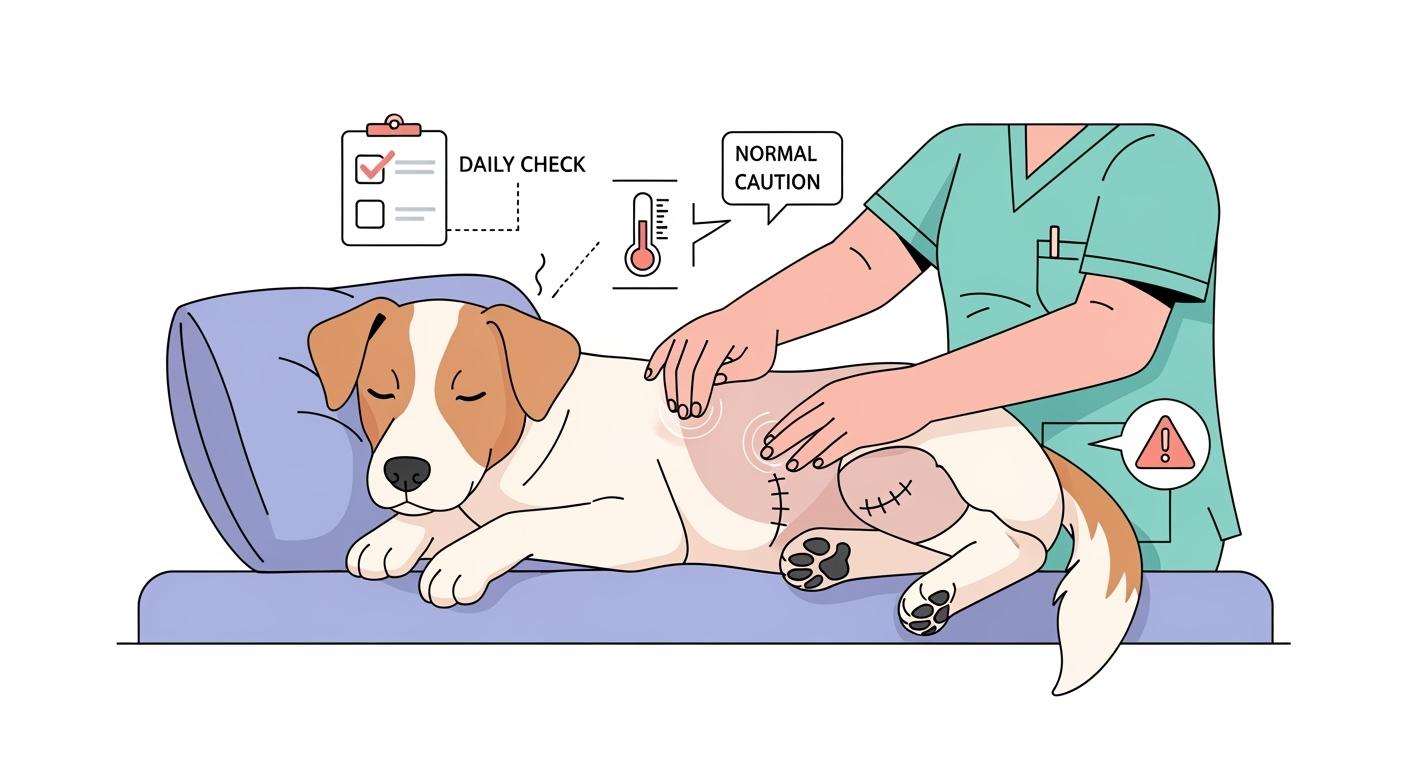
You may wonder, is post-op dog swelling normal or not? Many pet owners ask this question after surgery. You should know that post-op dog swelling normal or not depends on what you see in the first few days. Mild swelling and redness often appear near the incision and usually last 2–3 days. You must check your dog’s incision daily to decide if post-op dog swelling normal or not for your pet. If you notice changes that make you question if post-op dog swelling normal or not, call your vet. Always follow your veterinarian’s instructions, as they know your dog’s needs best. If you are unsure if post-op dog swelling normal or not, it is always safer to ask your vet.
Key Takeaways
A little swelling and redness near your dog’s incision is normal for the first 2 or 3 days after surgery. Check every day to see if anything changes.
Take a photo of your dog’s incision each day. This helps you spot any problems early.
If the swelling gets worse or does not get better after three days, call your veterinarian for help. Acting fast can stop bigger problems.
Keep your dog calm and do not let them run or jump for 1 or 2 weeks after surgery. This helps lower swelling and helps your dog heal.
Look for warning signs like redness that spreads, liquid coming out, or a lot of pain. These could mean infection or other problems that need help right away.
Why post-op dog swelling happens
Inflammation and healing basics
You may notice swelling around your dog’s incision after surgery. This swelling is a normal part of the healing process. Your dog’s body reacts to surgery by starting inflammation. Inflammation helps protect the area and begins tissue repair. When this happens, your dog’s immune system sends white blood cells to the site. These cells fight germs and clean up damaged tissue. The body also releases special proteins called cytokines. These proteins help control the healing process but can cause swelling and redness.
Note: Swelling does not always mean infection. Most swelling comes from the body’s natural response to surgery.
Some common causes of swelling in dogs after surgery include:
Vasculitis (inflammation of blood vessels)
Lymphatic or venous obstruction (blockage of fluid flow)
Low blood protein levels (hypoalbuminemia)
Bruising timeline after surgery
Bruising often appears near the incision. You may see bruising get worse in the first 24 hours. This can look dramatic, but it is usually normal. Over the next few days, bruising should start to fade. The color may change from red to purple or even yellow as it heals. Bruising may spread a little before it gets better. You should see improvement each day.
Bruising may look worse before it looks better.
Color changes are normal during healing.
Importance of rest and leash control
Rest is very important for your dog’s recovery. Too much movement can make swelling worse and slow down healing. You should keep your dog in a small, safe space for the first 24–48 hours. Use a short leash for bathroom breaks only. Do not let your dog run, jump, or climb stairs. Restricting activity for 1–2 weeks helps prevent strain on the incision and reduces swelling.
Tip: Leash walks and crate rest support healing and lower the risk of problems.
You can help your dog heal by following these steps and watching for changes each day.
Normal swelling in the first 72 hours
Improvement trend to watch
You should expect to see normal swelling near your dog’s incision during the first 72 hours after surgery. This swelling usually appears as a firm, slightly raised area under the skin. It may look puffy or bulging, but it should not move deep inside the body when you gently press on it. You might notice that the swelling grows a little in the first couple of days. This is common and part of the healing process.
You can use the following table to understand the typical improvement timeline for normal swelling:
Duration | Description |
|---|---|
3–5 days | Mild swelling or bruising is expected, peaking early and then gradually fading. |
You should see the swelling start to improve after the first two or three days. Each day, the area should look less puffy and the redness should fade. If the swelling stays the same or gets worse after day three, you need to contact your veterinarian.
Tip: Take a photo of the incision each day from the same angle. This helps you track changes and spot any problems early.
Mild swelling on different coat colors
Normal swelling can look different depending on your dog’s coat color and skin tone. On light-colored dogs, you may see more redness or bruising around the incision. On dark-colored dogs, swelling may look like a shadow or a raised area without much color change. You should always feel gently around the incision to check for firmness and warmth, not just rely on what you see.
On white or tan dogs, normal swelling may show as pink or red skin.
On black or brown dogs, you may notice swelling by touch more than by sight.
Bruising can look dramatic but often fades as healing continues.
If you are unsure about what you see, compare both sides of your dog’s body. Normal swelling should stay close to the incision and not spread far.
What not to put on the incision
You want to keep the incision clean and dry. Do not put any ointments, creams, or sprays on the incision unless your veterinarian tells you to. Some substances can cause irritation or slow healing. For example, povidone-iodine can irritate the skin and cause other problems, especially in dogs with certain health issues. Surgical adhesive should not be used if there is an infection or a deep wound.
Here is a quick reference table for substances to avoid:
Substance | Why to Avoid |
|---|---|
Povidone-iodine | Can cause irritation, absorption into the body, and other health problems. |
Hydrogen peroxide | Can damage healthy tissue and delay healing. |
Alcohol | Can dry out the skin and cause pain. |
Human ointments | Not made for dogs and may be harmful. |
Surgical adhesive | Not for infected or deep wounds. |
Safety Note: Never use tight wraps or bandages unless your vet says it is safe. These can make swelling worse.
You should always follow your veterinarian’s instructions for caring for the incision. If you have questions about what is safe, call your clinic before trying anything new.
Abnormal swelling and warning signs
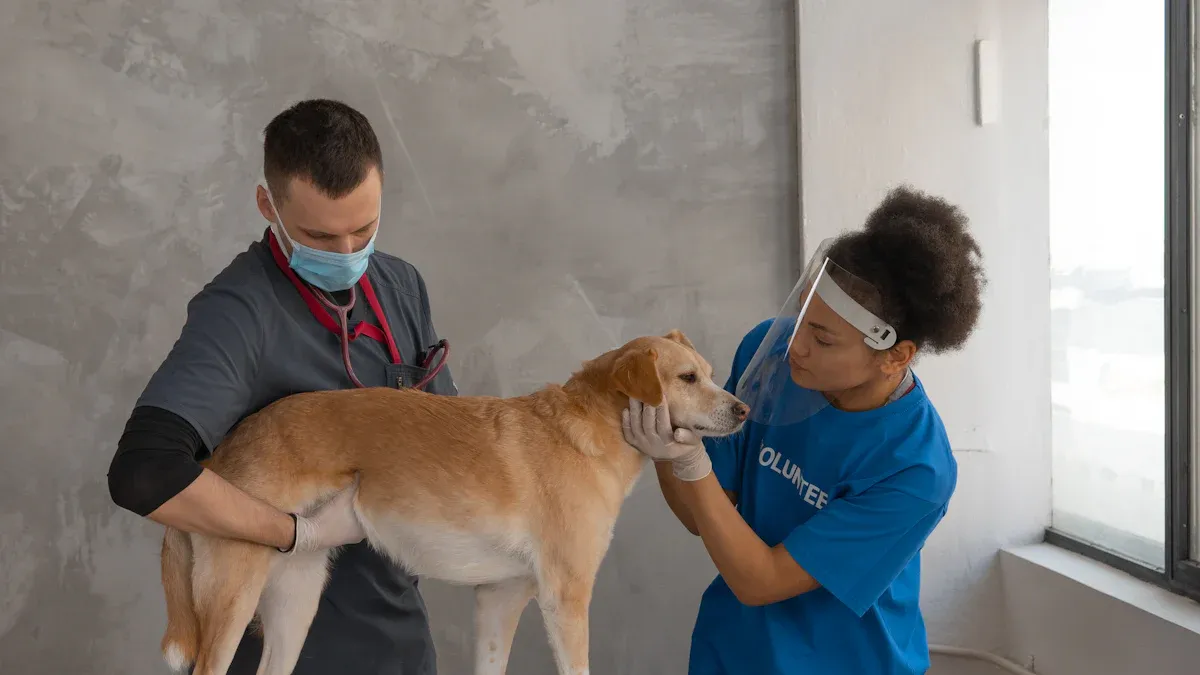
It is important to spot abnormal swelling after surgery. Most swelling should get better every day. Sometimes, problems can happen. You need to check your dog’s incision two times a day. Look for any changes in how it looks or feels. Abnormal swelling means the area looks worse or feels different. Your dog may act uncomfortable or in pain. You should know what is normal healing and what needs a vet’s help.
When bruising is expected vs abnormal
Bruising near the incision is common. It can look scary but usually fades in a few days. Normal bruising does not spread far from the surgery spot. Abnormal swelling can come with bruising that gets worse or spreads fast. It may also show other symptoms. Watch for these signs:
Bruising that spreads far from the incision
Bruising with pale, gray, or blue gums
Weakness or trouble standing
Trouble breathing or collapse
Severe tiredness or your dog refusing to move, eat, or drink
Bleeding or pus from the incision
Vomiting, diarrhea, or fever that does not get better
Call your veterinarian right away if you see any of these. These signs can mean abnormal swelling or a serious problem.
Here is a table to help you compare normal and abnormal swelling:
Clinical Sign | Normal Swelling | Abnormal Swelling |
|---|---|---|
Bruising | Mild, fades in a few days | Spreads, gets worse, or comes with other symptoms |
Odor | No strong smell | Strong or foul odor |
Color | Pink or red, fades with time | Redness, yellow or green discharge |
Pain | Mild discomfort | Excessive pain, whining, licking |
Temperature | Warm to touch | Hot to touch |
Swelling | Gradually decreases | Rapid swelling, hardness, or lump |
Heat, pain, and expanding redness
Gently feel the area around the incision. Warm skin is normal for a few days. Skin that feels hot can mean abnormal swelling or infection. Redness that spreads away from the incision is a warning sign. Your dog may whine, lick, or not want to move if in pain. If you notice these changes, call your vet.
Heat, pain, and spreading redness can be early signs of infection.
If these symptoms get worse or last more than three days, they may show abnormal swelling.
Watch if your dog acts more painful or stops using the limb.
Trust your instincts. If your dog seems much more uncomfortable or the area looks worse, contact your veterinarian.
Discharge, odor, and other red flags
Check for any discharge from the incision. Clear fluid or a little blood can be normal right after surgery. Abnormal swelling often has yellow, green, or thick discharge. A bad smell is another warning sign. These can mean infection and need quick help.
Here is a table of discharge and odor types to watch for:
Type of Discharge/Odor | Description |
|---|---|
Yellow or green pus | Possible infection, call your vet immediately |
Foul odor | May mean infection or other complication, needs prompt evaluation |
Other warning signs include:
Incision edges opening up
Continuous bleeding
Heavy or fast-growing swelling
No urination for more than 24 hours
Sudden collapse or extreme stiffness
Severe vomiting or diarrhea
If you see any of these, contact your veterinarian right away. These are serious warning signs and can mean too much swelling or infection.
Tip: Swelling should get better after three days. If abnormal swelling shows up or your dog seems worse, do not wait—call your vet for advice.
Lump or seroma after week 1
7–10 day swelling pattern
You may notice a new lump or swelling near your dog’s incision about 7 to 10 days after surgery. This often surprises many pet owners. Most swelling should decrease after the first few days. If you see a new lump after the first week, you should pay close attention. This lump may feel soft and move under the skin. It usually does not cause pain. Many times, this is a seroma, which is a pocket of clear fluid.
Here is a simple table to help you understand the swelling pattern:
Time Period | Swelling Description |
|---|---|
0–3 days | Mild swelling and bruising expected |
7–10 days | New lump or seroma may appear |
A seroma is not rare. It forms when fluid collects in the space left by surgery. If you notice a new lump after day 7, contact your veterinarian for advice.
Fluid pockets from activity
Seromas often develop when a dog becomes too active during recovery. Activity can irritate the surgical area and cause fluid to build up. The body tries to fill the empty space left by surgery. Running, jumping, or rough play can make this worse.
Rest and limited activity help prevent seromas.
Too much movement stresses the incision site.
Always follow your veterinarian’s instructions for post-op care.
If your dog has a new lump and has been active, let your vet know. Do not try to drain or treat the lump at home.
Vet options for seroma
Your veterinarian will decide the best way to treat a seroma. Some seromas go away on their own. Others may need treatment. Here is a table of common options:
Treatment Type | Description |
|---|---|
Non-invasive | Many seromas resolve naturally. Cold compresses may help reduce swelling. |
Invasive | The vet may drain the seroma in the clinic if needed. |
Medication | Antibiotics may be used if there are signs of infection. |
Tip: Always call your vet if you see a new lump after the first week. Early advice helps prevent problems and keeps your dog safe.
Measure and track swelling at home
You play a key role in your dog’s recovery. You can measure and track swelling at home to spot changes early. This helps you monitor the incision and share clear updates with your veterinarian.
Photo method with scale
You can use your phone to take a photo of the incision twice a day. Always use the same angle and distance. Place a small object, like a coin or a ruler, next to the incision for size reference. This gives you a clear record of how the swelling changes over time.
Tip: Good lighting helps you see color changes and swelling more clearly.
Tape measure method
You can also use a soft tape measure to check the size of the swelling. Wrap the tape gently around the widest part of the swollen area. Write down the measurement in centimeters. Try to measure at the same spot each time. This method works well if you want numbers to compare from day to day.
Do not pull the tape tight.
Record the measurement right after you check.
Simple trend log template
You should keep a simple log to track changes. This helps you monitor the incision and notice trends. Here is an easy template you can use:
Date/Time | Swelling Size (cm) | Photo Taken | Notes (color, heat, discharge) |
|---|---|---|---|
Fill in the table every morning and evening. Write down anything new you see or feel. Consistent tracking helps you spot problems early and gives your vet helpful information.
If you see swelling increase or new symptoms appear, call your veterinarian for advice.
Quick reference card and timeline panel
Normal vs not normal timeline
You want to know if your dog’s swelling is healing right. Use this table to compare normal and abnormal swelling timelines:
Characteristic | Normal Swelling | Abnormal Swelling |
|---|---|---|
Duration | Resolves in 2–4 days | Lasts longer than a week |
Appearance | Mild, tender, near incision | Redness, heat, pus, or spreads |
Firmness | Some firmness, soft edges | Hardness, lump, or growing |
Discomfort | Minor, manageable | Significant, dog cries or limps |
Action | Gets better with rest | Needs vet consultation |
Check swelling two times each day. Swelling should look better after the first few days.
Red/Yellow/Green triage table
You can use this triage table for your daily checks:
What you see | What it may mean | What to do now |
|---|---|---|
Mild swelling, fading color | Normal healing | Track with photo or tape |
Swelling same or worse | Possible complication | Call your vet for advice |
Redness, heat, discharge | Infection or abnormal | Contact vet immediately |
Sudden pain, collapse | Emergency | Seek urgent care |
Step-by-step daily check flow:
Look at the incision for swelling, color, and discharge.
Gently touch the area for heat or firmness.
Take a photo or measure with tape.
Write down changes in a log.
If swelling gets worse or new symptoms show up, call your vet.
Tracking table example:
Day | Morning size/photo note | Evening size/photo note | Better/Same/Worse |
|---|---|---|---|
1 | 4 cm, mild pink | 4 cm, same | Same |
2 | 3.5 cm, less pink | 3 cm, fading | Better |
Mini-calculation example:
If you measure 4 cm on day 1 and 3 cm on day 2, swelling is getting better. If the size goes up, call your vet.
Emergency signs to watch
Watch for these emergency symptoms:
Vomiting or diarrhea that will not stop
Hard, swollen belly
Trouble breathing or blue gums
Sudden collapse or seizures
Deep wounds or broken bones
Crying or acting mean when touched
Temperature thresholds:
Temperature Threshold | Details |
|---|---|
Above 104°F | Seek urgent veterinary care |
Below 99°F | Seek urgent veterinary care |
Normal range | 100.2–103.8°F |
If you see any emergency signs or strange temperature, get help right away.
Post-operative care routines to reduce swelling
You can help your dog heal by following safe routines after surgery. These steps lower the chance of extra swelling and help your dog feel better.
Leash-only walks and slip prevention
Take your dog outside on a short leash for bathroom breaks. Do not let your dog play or go for long walks. Using a leash helps your dog move safely and keeps weight off the surgery spot. Put rugs or mats on slippery floors so your dog does not fall. Non-slip paw grips can help older dogs or dogs with weak legs. Always check that these grips fit well and do not hurt the skin. If you see redness or your dog seems sore, stop using them and call your vet.
Tip: If your dog has trouble standing, use a sling or harness for support. Make sure it fits well and does not rub the skin.
Calm enrichment activities
It is important to keep your dog calm after surgery. Give your dog treats that last a long time, like frozen kongs or marrow bones. Puzzle toys and scent games keep your dog’s mind busy without too much movement. You can also play training games like “101 Things To Do With a Box.” Make a daily routine so your dog knows what to expect. This helps lower stress and control swelling. Plan quiet times between short play sessions.
Do not let your dog run or play rough.
Pick calm games that do not bother the incision.
Lick-prevention near incision
Stopping your dog from licking is very important after surgery. Use an Elizabethan collar (e-collar) for the first week or so. You can pick a hard, soft, or blow-up collar. Recovery suits or shirts can also protect some wounds. Always check that collars and suits fit right and do not hurt the skin. If you see redness or your dog looks uncomfortable, take off the gear and call your vet.
Gear Type | Purpose | Caution |
|---|---|---|
E-collar | Stops licking or chewing | Check fit and skin every day |
Recovery suit | Covers the incision | Watch for heat or rubbing |
Sling/harness | Helps your dog move | Stop if skin gets red or sore |
Non-slip aids | Stops slipping | Remove if your dog is sore or red |
Note: Keep the incision clean and dry. Do not bathe your dog until the wound is healed.
FAQ
Is swelling normal after day 3?
Mild swelling often improves after the first three days. If swelling stays the same or gets worse, you should:
Monitor the area for changes in redness, swelling, or discharge.
Contact your veterinary team if you see these symptoms.
You can use a warm compress for 10 minutes, three to four times daily, if your vet approves.
If a soft lump forms or swelling does not go away, your vet may need to check for a seroma.
A lump appeared near the incision—what now?
A lump near the incision can be normal or need attention. Here is what you should do:
Inspect the incision gently for heat, redness, or oozing.
Take a picture or video of the lump to track changes.
Monitor the size, texture, and color of the lump.
Watch for changes in your dog’s behavior, such as tiredness or not eating.
Contact your veterinarian if the lump is red, leaking, or painful.
A small, firm lump can be part of healing. A soft lump may be a seroma. Always check with your vet if you are unsure.
When is bruising too much?
Use this table to know when bruising is a concern:
Clinical Indicator | What It Means |
|---|---|
Bruising gets worse over time | Not resolving as expected |
Excessive blood oozing | Possible bleeding |
Pale gums | May signal internal bleeding |
Deep purple or black bruising | Not typical, may need attention |
Swollen abdomen | Possible internal bleeding |
Lethargy or rapid heart rate | Signs of distress |
Excessive warmth or pain | Possible infection or inflammation |
If you see these signs, call your vet right away.
How do I know if my dog is in pain from swelling?
Watch for these signs of pain:
Less appetite or not wanting to move
Panting, whining, or making noise
Hiding, being clingy, or acting aggressive
Guarding or licking the surgery site
You help your dog by keeping the recovery space calm and checking for infection. If you notice these signs, contact your vet.
Can I use ice or heat on the swelling?
Ask your vet before using ice or heat. Warm compresses may help with swelling if your vet says it is safe. Place a warm, damp cloth on the area for 10 minutes, three to four times a day. Do not use ice packs unless your vet recommends it.
What if my dog keeps licking the incision?
Licking can slow healing and cause infection. Use an e-collar or recovery suit to stop licking. Check the fit daily to prevent rubbing or sores. If your dog still tries to lick, ask your vet for more options.
You can help your dog heal by checking the incision every day. Watch for changes and use your log to track swelling. You need to distinguish normal and abnormal swelling to keep your dog safe. If you see warning signs or feel unsure, call your veterinarian. Most swelling gets better with rest and care.
Remember, your attention and quick action make a big difference in your dog’s recovery.