
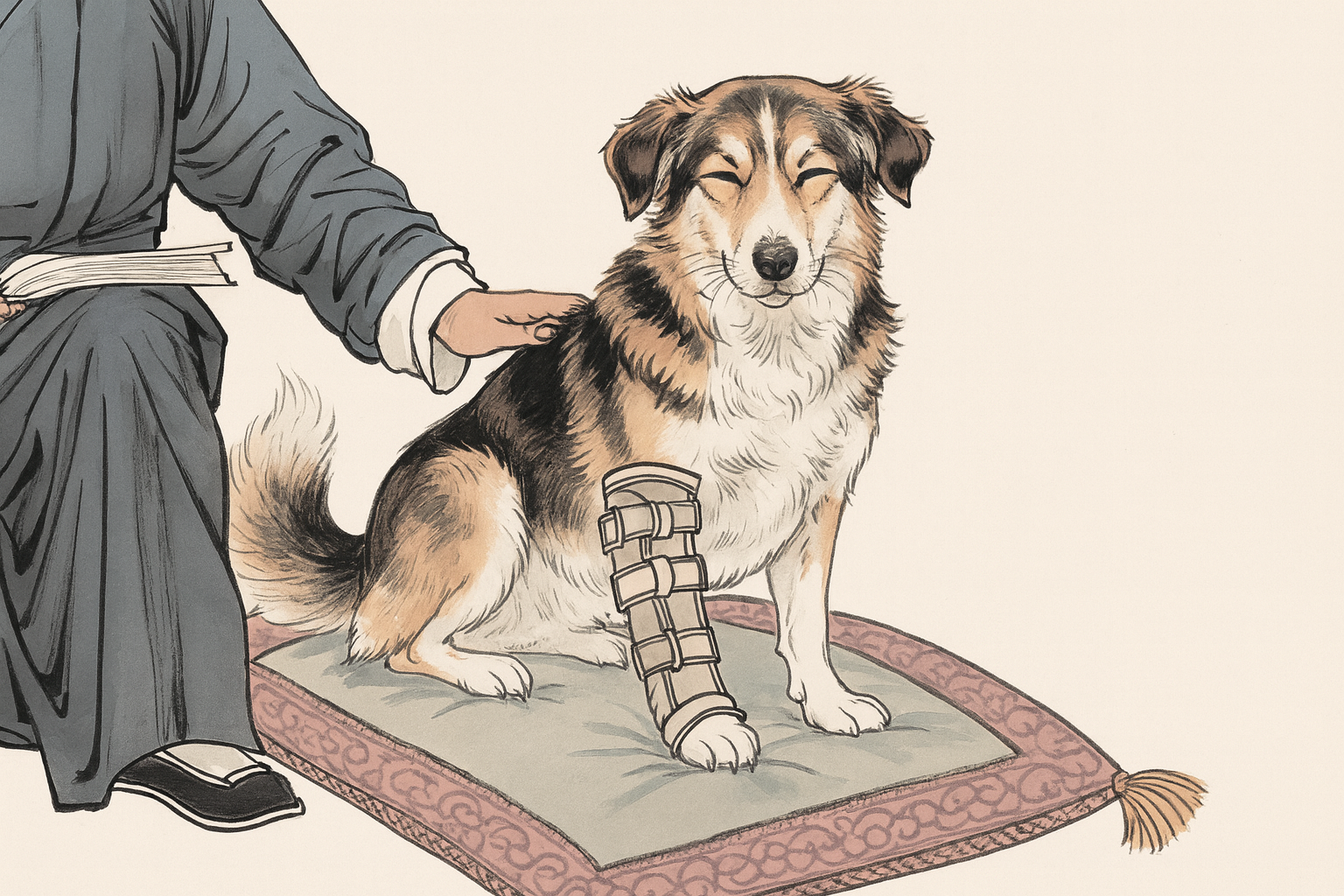
You should consider a dog leg brace for injury recovery when your dog needs extra support to heal after a leg injury. Timely use of a brace can help your dog reduce pain and improve movement, especially if surgery is not an option. Some clinical reports suggest that many dogs using a brace experience less lameness and better mobility. Always talk to your veterinarian before using any brace. Remember, a dog leg brace acts as a support tool and does not cure injuries.
A brace helps stabilize your dog’s leg.
It can prevent further injury during recovery.
Veterinary advice ensures safe and effective use.
Key Takeaways
A dog leg brace provides essential support for recovery from leg injuries, helping to reduce pain and improve mobility.
Consult your veterinarian before using a brace to ensure it is appropriate for your dog’s specific injury and needs.
Braces are most effective for mild to moderate injuries, chronic joint issues, and post-surgery recovery, offering stability and protection.
Monitor your dog’s comfort and skin condition daily while using a brace to prevent complications and ensure proper healing.
Choosing the right type of brace and ensuring a proper fit can significantly enhance your dog’s recovery experience.
Common Leg Injuries in Dogs
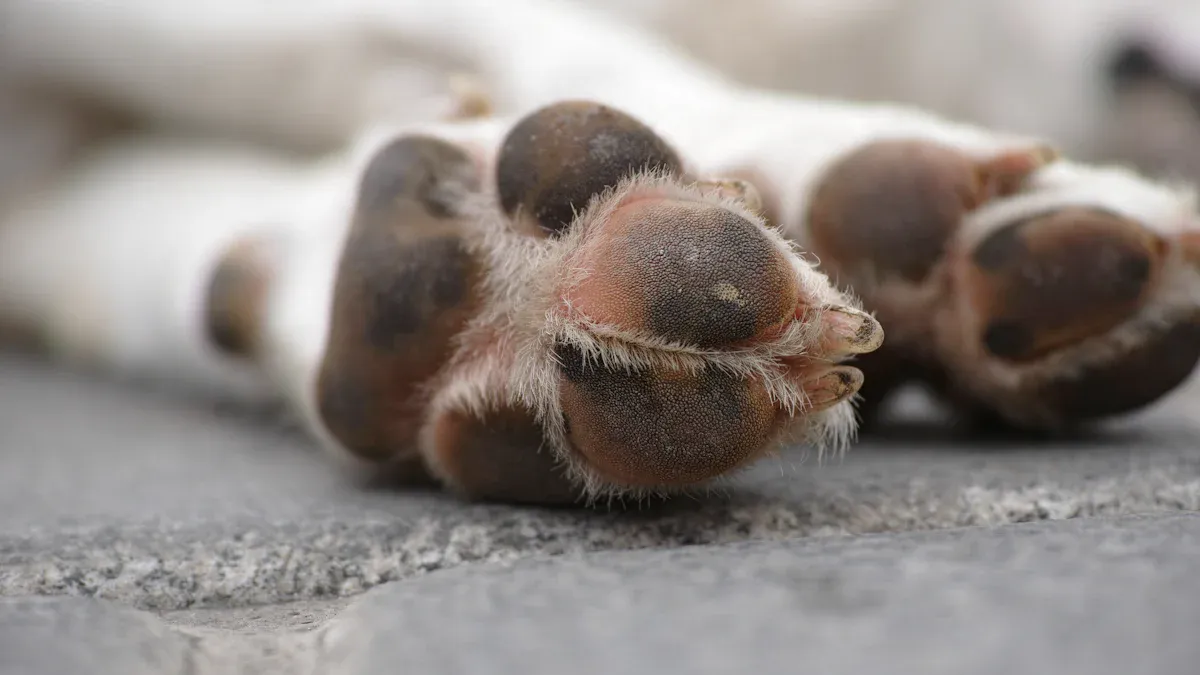
Dogs can experience a range of leg injuries that affect their ability to walk, run, or play. Recognizing these injuries early helps you provide the right support and improve your dog’s recovery. Here are some of the most frequent leg injuries you might encounter:
Sprains and Ligament Tears
Sprains and ligament tears, such as ACL or CCL injuries, are common in active dogs. You might notice your dog limping or refusing to put weight on the injured leg. Breeds like Labradors often face these issues. Specialty braces can help older dogs or those with health conditions that make surgery risky. A brace stabilizes the joint and supports the body’s natural healing process.
Signs include sudden limping, swelling, or pain.
Braces offer support during recovery and help prevent further injury.
Fractures and Post-Surgery
Fractures can happen from accidents or falls. These injuries cause intense pain and make it hard for your dog to move. After surgery, a brace can provide extra support and protect the healing leg. Some veterinary reports describe improved knee function in dogs that used a brace after an ACL injury. Many pet owners report smoother recovery when their dogs use a brace during rehab.
Chronic Joint Issues
Chronic joint problems, like arthritis or luxating patella, can limit your dog’s movement over time. Smaller breeds, such as Chihuahuas, often develop luxating patella.
Dog leg braces can help manage chronic joint issues like arthritis by providing support, improving mobility, and reducing discomfort. They serve as a non-surgical solution that stabilizes the joint, limits unwanted movement, and helps prevent further injury, allowing dogs to remain active while healing.
Overuse and Soft-Tissue Injuries
Overuse or soft-tissue injuries, such as mild strains or early-stage medial patellar luxation, may not cause constant pain but can affect your dog’s comfort. Braces work well for dogs with mild symptoms, helping manage discomfort and supporting the leg during daily activities. Early support can prevent these injuries from getting worse.
If your dog shows signs of a leg injury, timely use of a brace can make a big difference in their recovery and long-term mobility.
Dog Leg Braces: How They Work
Stabilization and Alignment
Dog leg braces help your dog recover from injuries by keeping the leg steady and aligned. When your dog tears a ligament, such as the ACL, the tibia can slip forward under the femur. This movement causes pain and instability. Braces apply gentle, opposing forces to stop this motion. You give your dog a chance to use the leg with confidence. Modern braces use durable plastic that fits snugly and limits unwanted movement. Older fabric braces often stretch and do not provide enough support.
Pain Relief and Mobility
You want your dog to feel comfortable while healing. Dog leg braces provide gentle pressure to the joint, which can help reduce swelling and pain. Your dog can rest the injured leg but still move around the house or yard. This support helps maintain muscle strength and overall mobility during recovery.
Tip: Braces work well for dogs with knee injuries, arthritis, or weak legs. You can use them after surgery or for chronic joint pain.
Function | Description |
|---|---|
Steadying the leg | Keeps the leg steady and limits movements that might cause injury |
Reducing swelling | Provides gentle pressure to help reduce swelling and pain |
Allowing movement | Lets your dog rest while still being able to move |
Preventing Further Injury
Dog leg braces protect your dog from making the injury worse. Custom-made plastic braces offer high support and limit harmful movements. Fabric braces tend to stretch and do not prevent further injury as well. You help your dog avoid new problems and support safe healing.
Custom plastic braces support dogs with torn ACLs.
They enhance stability and prevent further injury.
When a Dog Leg Brace Is Most Helpful
You find dog leg braces most useful in these situations:
ACL injuries with joint instability
Carpal hypertension or abnormal carpal movements
Medial shoulder instability
Achilles tendon rupture
Cranial cruciate ligament disease
Some veterinary research describes how braces designed for these conditions can mimic more natural movement and provide targeted support. You help your dog recover more comfortably and protect long-term joint health.
Benefits and Limits of Dog Leg Braces
Recovery Support
Dog leg braces offer valuable support when your dog faces an injured leg. You help your dog by providing extra stability, which reduces strain on healing tissues. Braces can improve your dog’s confidence and mobility, making daily activities easier during recovery. Many owners notice that their dogs move more comfortably and seem less painful when using a brace.
Here is a table showing the benefits of dog leg braces for different conditions:
Condition/Benefit | Description |
|---|---|
Hip Dysplasia | Supports hips and reduces stress |
Arthritis | Manages pain and improves movement |
Ligament Injuries | Stabilizes injured legs and aids healing |
Post-Surgical Support | Protects surgical sites and promotes recovery |
Weakness or Instability | Helps older dogs or those with muscle weakness |
Improved Stability | Lowers risk of falls and further injury |
Pain Reduction | Eases discomfort by stabilizing joints |
Enhanced Mobility | Lets dogs move and play more easily |
When Braces Help Most
You find braces most helpful for mild to moderate injuries, chronic joint problems, and post-surgery care. Braces work well for dogs who cannot have surgery or need extra support while healing. You may also use a brace for older dogs with weak legs or those recovering from ligament injuries.
Extra stability for injured legs
Protection for healing tissues
Improved confidence and movement
Orthopedic braces can support the knee joint and promote healing when fitted properly and used with veterinary guidance. Physical therapy and hydrotherapy also help, but braces provide direct leg support for dogs not eligible for surgery.
Limitations and Risks
Dog leg braces do not repair torn ligaments or bones by themselves. You should not use a brace as a substitute for surgery when your dog needs surgical treatment. Some dogs may develop skin complications, such as abrasions or sores, especially in the first few months. Mechanical problems can occur, requiring repairs. Occasionally, dogs resist wearing the brace and continue to rely on three legs.
Complication Type | Description |
|---|---|
Skin Complications | Abrasions, hair loss, or sores |
Mechanical Device Problems | Repairs needed, device may be unusable temporarily |
Patient Non-Acceptance | Dog may refuse to use the brace |
Common Misunderstandings About Leg Braces
You may hear that braces cure all injuries, but this is not true. Braces support recovery and protect healing tissues, but they do not fix broken bones or torn ligaments. You should always consult your veterinarian before using a brace. Braces work best as part of a complete recovery plan, not as a stand-alone solution.
Tip: Always check your dog’s skin and comfort daily when using a brace. Early support and proper rest help protect long-term mobility.
When to Use a Dog Leg Brace for Injury Recovery
Indications for Bracing
You may wonder when a dog leg brace for injury recovery is the right choice for your pet. You should look for clear signs a dog may need a leg brace, such as limping, favoring one leg, or struggling to stand after activity. Bracing can help your dog heal and regain strength, especially when surgery is not possible or when your dog needs extra support during rehabilitation.
Here are the most common scenarios where a dog leg brace for injury recovery is appropriate:
Post-surgery recovery: You can use a brace to stabilize the joint or spine after surgery. This helps protect surgical repairs and allows your dog to bear weight safely.
Partial tears and sprains: If your dog has a mild ligament tear or sprain, a brace supports the injured leg and prevents further damage.
Chronic pain or joint conditions: Dogs with arthritis, luxating patella, or chronic instability benefit from extra support. A brace can reduce pain and improve mobility.
Neurologic and mobility support: Some dogs need help maintaining posture or balance. Braces can aid in gait training and hydrotherapy.
Dogs unable to undergo surgery: Older dogs or those with health risks may not be candidates for surgery. A brace offers a non-invasive way to support recovery.
You can review the table below for clinical guidelines on indications for bracing:
Indication | Description |
|---|---|
Post-surgery recovery | Stabilizes the joint or spine, protects surgical repairs, allows controlled weight-bearing. |
Injury and chronic conditions | Supports soft-tissue injuries, chronic joint diseases, and general instability. |
Neurologic and mobility support | Helps maintain posture, reduces falls, and aids in gait training and hydrotherapy. |
Tip: If you notice your dog limping or avoiding activity, consult your veterinarian to discuss whether a dog leg brace for injury recovery is suitable.
When Not to Use a Brace
You should not use a dog leg brace for injury recovery in every situation. Some conditions require different treatment or may worsen with bracing. Always check for contraindications before choosing a brace for your dog.
Here are situations where bracing is not recommended:
Severe fractures without stabilization
Open wounds or skin abrasions on the leg
Uncontrolled pain or swelling
Neurological problems that affect movement
Dogs with aggressive behavior or those who cannot tolerate wearing a device
Allergies to brace materials
The table below outlines common contraindications:
Contraindication Type | Description |
|---|---|
Aggressive Behavior | Patients that are challenging to handle due to aggressive personality. |
Inability to Tolerate Device | Some dogs cannot tolerate having anything on their body. |
Severe Skin Problems | Conditions like open wounds or skin abrasions prevent the use of braces. |
Contact Allergies | Allergies to materials used in the orthosis can be a significant issue. |
Note: If your dog has a severe fracture, open wound, or cannot tolerate a brace, seek veterinary care before considering any device.
Veterinary Guidance
You should always involve your veterinarian when deciding to use a dog leg brace for injury recovery. Professional guidance ensures your dog receives the right support and avoids complications. Your veterinarian will assess your dog’s injury, recommend the best brace type, and help you fit it correctly.
Veterinary guidance covers several important factors:
Support Level: Your veterinarian will choose a brace that provides enough support. Too much support can cause muscle wasting, while too little may not stabilize the joint.
Coverage: The brace should cover 1/2 to 3/4 of your dog’s leg. This allows proper support without restricting movement.
Fit: A well-fitted brace prevents sliding and rubbing. Your veterinarian will ensure the brace conforms closely to your dog’s leg for optimal recovery.
Callout: Regular checkups with your veterinarian help monitor your dog’s progress and adjust the brace as needed. This protects your dog’s comfort and can support a smoother recovery.
You play a key role in your dog’s healing journey. By recognizing signs a dog may need a leg brace, understanding when bracing is appropriate, and seeking veterinary advice, you give your dog the best chance for a safe and successful recovery.
Choosing the Right Dog Leg Brace
When you start choosing a dog leg brace, you want to make sure you select the best option for your pet’s specific needs. The right brace can make a big difference in your dog’s comfort and recovery. You need to consider the type of injury, the fit, and the features that will help your dog heal.
Brace Types and Fit
Dog leg braces come in several styles. Each type supports a different part of the leg and addresses specific injuries. You should know which brace matches your dog’s condition.
-knee, hock, wrist, full-leg
Knee Braces: These help dogs with ACL or CCL injuries. They stabilize the knee and reduce pain during movement.
Hock Braces: You use these for injuries to the lower back leg, such as Achilles tendon problems or arthritis in the hock joint.
Wrist Braces: These support the front leg, especially for carpal injuries or strains.
Full-Leg Braces: These provide support along the entire leg. You may need this type for complex injuries or post-surgery recovery.
Tip: Always measure your dog’s leg carefully before buying a brace. A proper fit ensures comfort and prevents further injury.
The effectiveness of a brace depends on matching the type to your dog’s injury. Hinged braces work well for ligament tears, while soft compression braces help with mild pain. Adjustable straps and breathable materials improve fit and comfort. You want your dog to move naturally while getting the support they need.
Off-the-Shelf vs. Custom
You can choose between off-the-shelf and custom dog leg braces. Each option has benefits and drawbacks.
Veterinary technicians say custom braces offer personalized fitting and support. These braces work best for dogs with unique anatomy or severe injuries. Off-the-shelf braces are convenient and cost-effective for minor injuries, but they may not fit every dog perfectly.
Feature | Custom Braces | Off-the-Shelf Braces |
|---|---|---|
Fit | Tailored to your dog | Generic fit for all sizes |
Cost | Higher ($900-$1200) | Lower, more affordable |
Material Quality | Durable, long-lasting | Less durable |
Longevity | Longer lifespan | Shorter lifespan |
Waterproof | Yes | No |
Hydrotherapy Use | Yes | Not specified |
Custom Braces: You get a perfect fit and longer-lasting support. These are ideal for dogs with special needs or severe injuries.
Off-the-Shelf Braces: You find these easy to use and more affordable. They work well for mild injuries but may wear out faster.
Note: Both types require proper fitting and regular monitoring. You should not use a brace as a substitute for surgery in severe cases.
What to Look For in a Quality Leg Brace
When choosing a dog leg brace, you want to focus on features that support healing and comfort. The right brace helps your dog recover faster and stay active.
Feature | Description |
|---|---|
Injury or Condition | Different injuries need different levels of support and stabilization. |
Size and Fit | A well-fitting brace is crucial. Poor fit can worsen your dog’s injury. |
Comfort and Material | Breathable, cushioned materials help your dog stay comfortable during recovery. |
Durability and Maintenance | Braces must be tough and easy to clean for active dogs. |
Custom Fit | Tailored devices provide optimal support and comfort. |
Stability | External stabilization improves mobility and quality of life. |
Rehabilitation Support | The brace should help your dog adapt and regain movement with professional guidance. |
Follow-Up Care | Regular checkups and adjustments keep your dog comfortable and safe. |
Arthritis Management | A good brace helps manage pain and mobility for chronic joint issues. |
-e.g., GaitGuard Features
GaitGuard offers a range of dog leg braces and protective gear designed for recovery and comfort. You benefit from medical-grade materials that are soft, breathable, and durable. Adjustable straps allow you to fit the brace perfectly to your dog’s leg, reducing the risk of rubbing or slipping.
Anti-licking devices: These prevent your dog from biting or licking the injured area, which helps protect wounds so they can heal properly.
Rehabilitation nursing gear: You use these for neck injuries or post-surgery care. They provide stability and pain relief.
Auxiliary lifting strap: This tool helps you support your dog’s movement during walks or training, making outings safer and easier.
GaitGuard’s vertically integrated business model ensures strict quality control. You get products that meet high standards for veterinary clinics and rehabilitation centers. The adjustable fit and medical-grade materials provide comfort for dogs of all sizes.
Callout: When choosing a dog leg brace, look for adjustability, comfort, and support. GaitGuard’s products offer these features, helping your dog recover with confidence.
You play a key role in your dog’s recovery. By choosing a dog leg brace with the right fit, support level, and quality materials, you help your dog heal and regain mobility. Always consult your veterinarian for guidance and regular checkups.
Using a Dog Leg Brace During Recovery
Introducing the Brace
You want your dog to feel comfortable with a new leg brace. Start by letting your dog sniff and inspect the brace before you put it on. Gently place the brace on your dog’s leg for a few minutes while offering treats or praise. Repeat this step daily until your dog seems relaxed. When your dog accepts the brace, secure it according to the instructions. Make sure the brace fits snugly but does not pinch or rub the skin.
Step-by-step guide:
Let your dog explore the brace.
Place the brace on the leg for short periods.
Gradually increase wear time as your dog adjusts.
Watch your dog’s reaction and comfort level.
Secure the brace properly each time.
Tip: If your dog shows signs of stress or discomfort, remove the brace and try again later.
Daily Use and Monitoring
You need to supervise your dog while wearing the brace to ensure safety. Begin with short wear times, such as 2 to 3 hours during active periods. Give your dog breaks, especially when resting or napping. Avoid continuous wear for long periods, like 8 to 12 hours, to prevent skin irritation. Adjust the wearing time based on your dog’s energy and activity level.
Daily monitoring checklist:
Check your dog’s skin for redness, swelling, or sores.
Inspect the fur under the brace for matting or hair loss.
Watch your dog’s gait for limping or changes in movement.
Make sure the brace stays in place and does not slip.
Remove the brace if you notice heat, swelling, or worsened limping.
Safety note: Contact your veterinarian if you see any signs of pain, sores, or discomfort.
Common Mistakes to Avoid
Many owners make simple mistakes when using a dog leg brace. You can prevent problems by following these tips:
Do not leave the brace on for too long without breaks.
Avoid using the brace if your dog has open wounds or severe swelling.
Do not ignore changes in your dog’s movement or behavior.
Make sure the brace fits correctly every time.
Do not skip daily skin and fur checks.
Mistake | How to Avoid |
|---|---|
Wearing too long | Give regular breaks |
Poor fit | Adjust straps and check placement |
Ignoring discomfort | Monitor skin and movement daily |
Using with open wounds | Wait until skin heals |
Remember: Your attention helps your dog recover safely and comfortably.
You want the best for your dog during recovery. Using a dog leg brace at the right time can support your dog’s recovery, help them move with less pain, and regain confidence. Early support and proper rest reduce strain on injured legs and protect long-term mobility. Studies show early mobilization benefits healing, while veterinarians help ensure the brace fits well and recommend extra treatments. High-quality braces like GaitGuard give dogs tailored support, letting them walk and play with less discomfort. Always talk to your veterinarian before starting any brace so you can choose the safest and most effective support for your dog.
Early mobilization improves healing and prevents complications.
Proper fitting and guidance from your veterinarian lead to better outcomes.
Quality braces support dogs of all ages and activity levels.
Breed | ACL Injury Prevalence |
|---|---|
Higher reported risk of ACL injury | 5.79% |
Lower reported risk of ACL injury | 0.5% |
Give your dog the support they need for a happier, more active life.
FAQ
How do I know if my dog needs a leg brace?
You should watch for signs like limping, favoring one leg, or trouble standing after activity. If your dog shows pain or instability, your veterinarian may recommend a dog leg brace to support recovery. Always ask your veterinarian for advice.
Can a dog leg brace replace surgery?
A dog leg brace supports healing and improves mobility. It does not replace surgery for severe injuries. You should use a canine rehab brace for mild to moderate injuries or post-surgery recovery, following your vet’s guidance.
How long should my dog wear a leg brace each day?
You should start with short periods, such as 2–3 hours during active times. Increase wear time gradually. Remove the brace during rest. Monitor your dog’s skin and comfort daily for best results.
Is a custom brace better than an off-the-shelf brace?
Custom braces fit your dog’s leg perfectly and offer more support for complex injuries. Off-the-shelf braces work well for mild injuries and cost less. Your veterinarian can help you choose the right leg support for dogs.
What should I do if my dog resists wearing the brace?
You can introduce the brace slowly. Let your dog sniff and inspect it. Use treats and praise to encourage acceptance. If your dog shows stress, remove the brace and try again later. Patience helps your dog adjust.
