
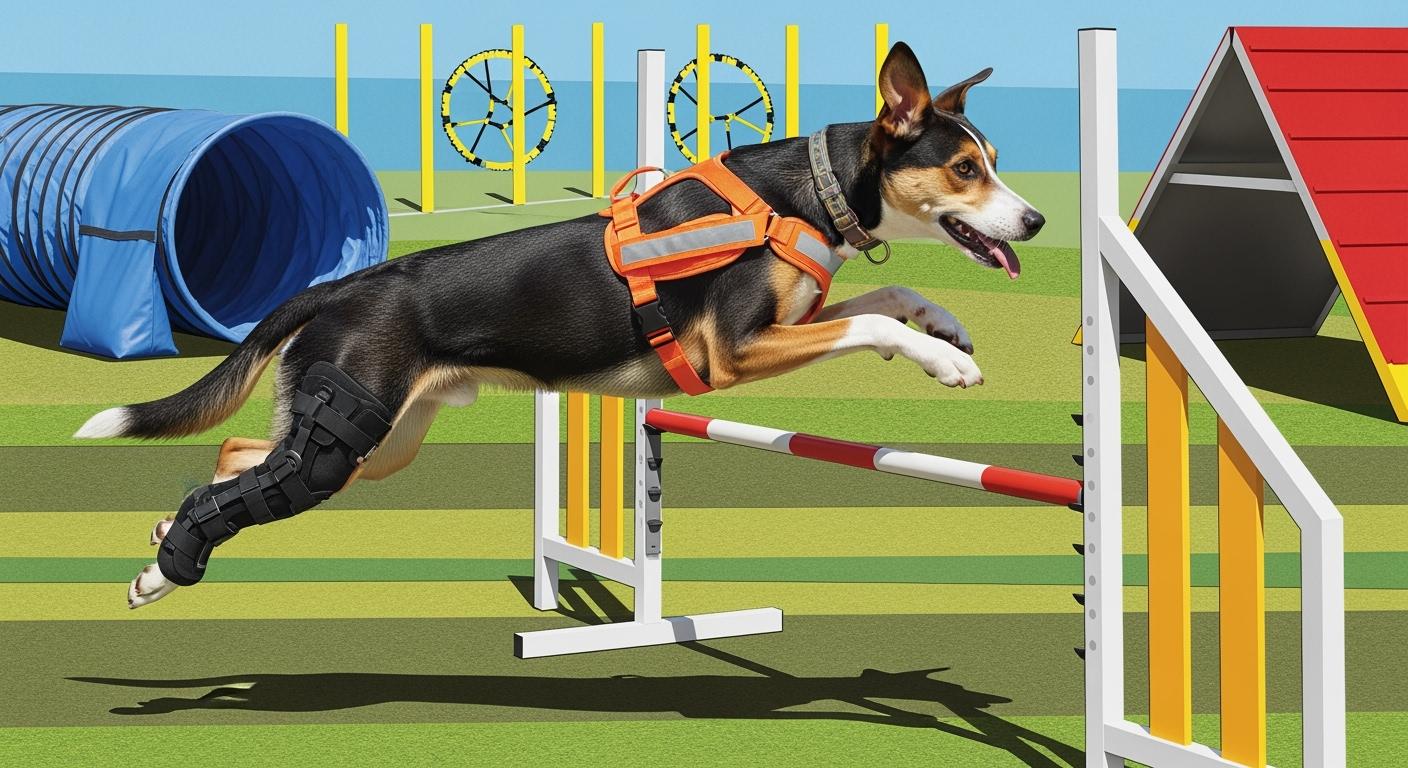
You want your dog to stay safe and comfortable while enjoying agility sports. Injury prevention is just as important as training and speed. Braces and support harnesses for canine agility dogs play a vital role in keeping active dogs healthy. Each year, around 27% of sport dogs experience lower limb injuries and about 7% face upper limb issues. You can reduce these risks by using braces for canine sports injuries and joint support for agility dogs. Support harnesses for active dogs add stability and help with controlled movement. Combined with smart training, regular rest, hill runs, and swimming, these tools help your dog build strength and endurance. Prevention works better than treatment and helps your dog thrive.
Key Takeaways
Braces and support harnesses are essential for preventing injuries in active dogs participating in agility sports.
Regular conditioning and strength training improve your dog’s endurance and reduce the risk of injuries.
Always include warm-up and cool-down routines in your dog’s training to enhance muscle flexibility and recovery.
Monitor your dog’s movement and behavior closely to catch any signs of discomfort or potential injuries early.
Choose safe training surfaces to minimize the risk of slips and strains during agility practice.
Consult your veterinarian for personalized advice on the best braces and harnesses for your dog’s specific needs.
Invest in high-quality, medical-grade gear to ensure durability and effective support for your dog’s joints.
Cross-training with low-impact activities like swimming can help maintain your dog’s fitness and prevent overuse injuries.
Canine Agility and Injury Risks
What Is Canine Agility and Dog Sports?
You and your dog may enjoy canine agility, a fast-paced activity that tests speed, coordination, and teamwork. In agility, your dog navigates a timed obstacle course that includes jumps, tunnels, weave poles, and contact equipment. Many owners choose agility because it builds confidence and strengthens the bond between you and your pet. Other dog sports, such as flyball and dock diving, also challenge dogs physically and mentally. These sports require quick reflexes, sharp turns, and explosive movements. Agility and flyball are high-impact sports, and both show similar rates of sporting dog injuries. Breed, experience, and course design can influence how often dogs get hurt.
Common Movements and Physical Demands
Agility sports demand a wide range of movements from your dog. Your dog must sprint, leap over hurdles, weave through poles, and climb ramps. Each movement places stress on different parts of the body. Quick take-offs and landings require strong muscles and flexible joints. Sudden stops and sharp turns test your dog’s balance and coordination. The shoulder and iliopsoas muscle often work hardest during these activities. You may notice that Border Collies and other athletic breeds excel in agility, but they also face higher risks of sporting dog injuries. Both agility and flyball involve repeated jumping and sprinting, which can lead to muscle strains and joint problems. Environmental factors, such as slippery surfaces or uneven ground, can increase the risk of injury.
Tip: You can help your dog by choosing safe training surfaces and monitoring their movement during practice.
Why Injuries Happen in Agility Dogs
Sporting dog injuries occur for several reasons. Fast speeds and sudden changes in direction can strain muscles and ligaments. Injury rates in agility dogs range from 32% to 42%. The most common injuries affect the shoulder, paws, and pelvic limbs. Stifle injuries make up 10% to 13% of all cases, and over 75% of these are severe. Muscle strains and tendon injuries cause 53% of lameness cases, with the shoulder, back, and neck as frequent sites. Dogs may slip on the dog walk or overuse their bodies during weave pole runs, leading to back strains or torn ligaments. Arthritis in the toes or carpal joints can develop over time. Biomechanical factors also play a role. Your dog’s take-off and landing speeds change depending on hurdle spacing and skill level. Neck, lumbar spine, and shoulder angles shift during jumps, which can affect long-term health. Dogs often adapt their jumping patterns to the course, but these changes may increase the risk of sporting dog injuries.
You can reduce injury risk by combining good training habits with simple canine agility sports injury prevention strategies. Braces for canine sports injuries and joint support for agility dogs help protect vulnerable areas, while support harnesses for active dogs add stability and control during movement. Always consult your veterinarian for guidance on injury prevention and recovery.
Typical Injuries in Agility Dogs
Muscle Strains and Sprains
You may notice your dog limping or slowing down after a training session. Muscle strains and sprains are among the most common sports injuries in agility dogs. These injuries often happen when your dog sprints, jumps, or makes sharp turns. Veterinary studies show that muscle strain was reported in 42.0% of agility dogs surveyed. You might see swelling, tenderness, or reluctance to move. Border Collies and other athletic breeds experience these injuries more often due to their high activity levels. Most handlers seek veterinary care for over 80% of injuries, which highlights the importance of early detection. Using braces for canine sports injuries and joint support for agility dogs can help reduce the risk of muscle strains. You should always include warm-up routines and rest days in your dog’s training plan.
Tip: If your dog shows signs of pain or stiffness, stop activity and consult your veterinarian. Early intervention can prevent long-term problems.
Joint and Ligament Injuries
Agility dogs put a lot of stress on their joints and ligaments. Quick changes in direction and repeated jumping can lead to common sports injuries such as stifle injuries and ligament tears. The table below shows how prevalent these injuries are among competitive agility dogs:
Injury Type | Prevalence Rate |
|---|---|
Overall Injury Rate | Up to 42% |
Stifle Injuries | Up to 13% |
Severe Stifle Injuries | Over 75% |
Most injuries occur during agility training, especially in the forelimb, shoulder, and scapular region. The shoulder is the most common injury location, accounting for 30.1% of cases. The iliopsoas muscle is the second most affected area at 19.4%. These injuries can prevent your dog from participating in agility for over a week. Support harnesses for active dogs and braces for canine sports injuries provide stability and help protect vulnerable joints. You should monitor your dog’s movement and adjust training intensity to prevent overuse.
Back, Hip, and Spine Issues
Back, hip, and spine problems can develop from repeated jumping and twisting. These injuries may cause your dog to arch its back, change posture, or show reluctance to rise or walk. You might notice vocalizations of pain, weakness, or a wobbly gait. Some dogs experience difficulty urinating or increased pacing behavior. Common sports injuries in this category include muscle strains, pinched nerves, and conditions like Intervertebral Disk Disease (IVDD). Spondylosis can develop in older dogs, causing pain and limited mobility. Braces and joint support for agility dogs can help manage these issues and support recovery. You should watch for any changes in your dog’s behavior and seek veterinary advice if symptoms appear.
Note: Early recognition and intervention are key to canine agility sports injury prevention. Combining good training habits with the right support gear can keep your dog active and healthy.
Paw and Wrist Problems from Jumps and Turns
You may notice your dog landing hard after a jump or twisting sharply during an agility run. These movements put a lot of stress on your dog’s paws and wrists. The repeated impact from jumping and the torque from quick turns can lead to a range of sporting dog injuries. You want to keep your dog safe, so it helps to understand how these problems develop.
Many agility dogs experience pain or swelling in their paws and wrists. You might see your dog licking its feet, limping, or hesitating before obstacles. These signs often point to an injury that needs attention. The paws absorb shock every time your dog lands, while the wrists stabilize the body during turns and sprints. Over time, this stress can cause arthritis in the wrist joints. Dogs that train too often or do not get enough rest are more likely to develop soft tissue injuries. These injuries can be hard to spot because they may not show up right away.
Here are some common ways jumps and sharp turns can lead to paw and wrist problems:
Jumps and sharp turns can cause wrist arthritis from repeated impact.
Over-training increases the risk of soft tissue injuries that are difficult to diagnose.
Improper handling and fatigue can make your dog use compensatory movements, which raises the risk of sporting dog injuries.
You can help prevent these issues by using canine agility sports injury prevention strategies. Always include warm-up and cool-down routines in your training sessions. Choose surfaces that provide good traction and cushion your dog’s landings. Watch for signs of discomfort, such as licking or limping, and adjust your dog’s activity level if needed.
Braces for canine sports injuries and joint support for agility dogs offer extra protection for vulnerable paws and wrists. You can use support harnesses for active dogs to control movement and reduce strain during training or competition. These tools work best when combined with good training habits and regular veterinary checkups. If you notice any changes in your dog’s gait or behavior, consult your veterinarian right away.
Tip: Rotate training activities and give your dog rest days to lower the risk of paw and wrist injury. Early intervention and the right support gear can keep your dog active and happy in the agility ring.
Prevention Strategies for Agility Dogs
Conditioning and Strength Training for Sport Dogs
You want your dog to stay strong, agile, and injury-free in sports. Regular conditioning is essential for prevention. If you restrict activity, your dog can lose endurance quickly. Strength training should match the demands of agility sports. You can use uphill exercise, body weights, and sport-specific drills to build muscle. The overload principle helps improve fitness, but you must apply it carefully to avoid injury. Endurance training boosts cardiovascular health and muscle strength, which lowers the risk of sports injuries. Balance and proprioception exercises help your dog control movement and reduce strain on tendons. These routines make your dog more resilient and ready for the challenges of agility. Support gear, such as braces for canine sports injuries and joint support for agility dogs, can protect vulnerable areas during training. You should combine conditioning with support harnesses for active dogs to maximize prevention.
Warm-Up and Cool-Down Routines
Proper warm-up and cool-down practices are vital for sports injury prevention. Warm-up routines prepare your dog’s muscles for activity. You increase core body temperature, heart rate, and blood flow, which improves oxygen and energy delivery. Warm-up also enhances muscle flexibility and lowers the risk of injuries. Research in humans shows a 50% reduction in injuries with specific warm-up exercises. You can apply these insights to your dog’s routine. After exercise, cool-down routines help flush out metabolites and prevent soreness. A light jog followed by a slow walk for 10 to 15 minutes works well for cool-down. These steps support quicker recovery and reduce the chance of sports injuries. Support gear, such as braces and harnesses, can help maintain stability during warm-up and cool-down, especially if your dog has a history of injury.
Rest, Recovery, and Training Load Management
Rest and recovery are crucial for prevention in agility sports. Dogs need longer breaks than humans after intense activity. You should include rest days between training and competition. Gains in strength and flexibility happen during rest, not during workouts. Your dog’s recovery needs depend on age, physical condition, and experience. It is wise to take one month off once or twice a year from sport-specific training. During this time, keep your dog active with alternative activities. Support gear, such as joint support for agility dogs and braces for canine sports injuries, can aid recovery and protect against overuse injuries. You should monitor your dog’s behavior and adjust training loads as needed. Prevention works best when you combine rest, conditioning, proper warm-up and cool-down practices, and support harnesses for active dogs.
Tip: Prevention is a team effort. You, your veterinarian, and the right support gear can help your dog stay healthy and active in sports.
Choosing Safe Surfaces and Training Environments
You want your dog to train and compete in a safe environment. The surface your dog runs on can make a big difference in injury risk. Some surfaces absorb shock better than others, while some may cause your dog to slip or strain muscles. You should always check the training area before each session.
The type of substrate affects both performance and safety. Take a look at this comparison:
Substrate Type | Injury Perception (%) | Performance Impact |
|---|---|---|
Rubber Mat | 32.0 | Decreased |
Natural Grass | N/A | N/A |
Artificial Turf | N/A | N/A |
Dirt | N/A | N/A |
Sand | N/A | N/A |
Rubber mats have a higher perceived injury rate. Many handlers report that rubber mats feel slippery, especially as they age or if not cleaned well. Slippery surfaces can cause your dog to lose traction, increasing the risk of falls and muscle strains. Stiffer surfaces, such as old mats or hard-packed dirt, absorb less energy. This means more force travels through your dog’s legs and joints, which can lead to injuries over time.
Natural grass and artificial turf often provide better traction and shock absorption. You should look for surfaces that cushion your dog’s landings and allow for safe turns. Well-maintained grass or turf can help reduce the risk of paw and wrist injuries. Dirt and sand may work for some dogs, but you need to watch for uneven spots or holes that could trip your dog.
Tip: Walk the course before training. Check for wet patches, loose debris, or uneven ground. You can prevent many injuries by making small adjustments to the environment.
You should also consider the overall training setting. Good lighting helps your dog see obstacles clearly. Fencing keeps distractions out and prevents your dog from running off. Temperature matters too. Hot surfaces can burn paws, while cold or icy ground increases the risk of slips.
Braces for canine sports injuries and joint support for agility dogs add another layer of protection. You can use support harnesses for active dogs when training on new or less familiar surfaces. These tools help stabilize joints and control movement, especially if your dog has a history of injury. Combine safe surfaces with the right gear and regular veterinary guidance for the best results.
You play a key role in canine agility sports injury prevention. By choosing safe surfaces and creating a supportive environment, you help your dog stay healthy and confident. Always monitor your dog’s comfort and adjust the training area as needed. Small changes can make a big difference in your dog’s performance and long-term well-being.
How Braces and Support Harnesses Help Prevent Sports Injuries
How Braces Support Joints and Help Prevent Injury
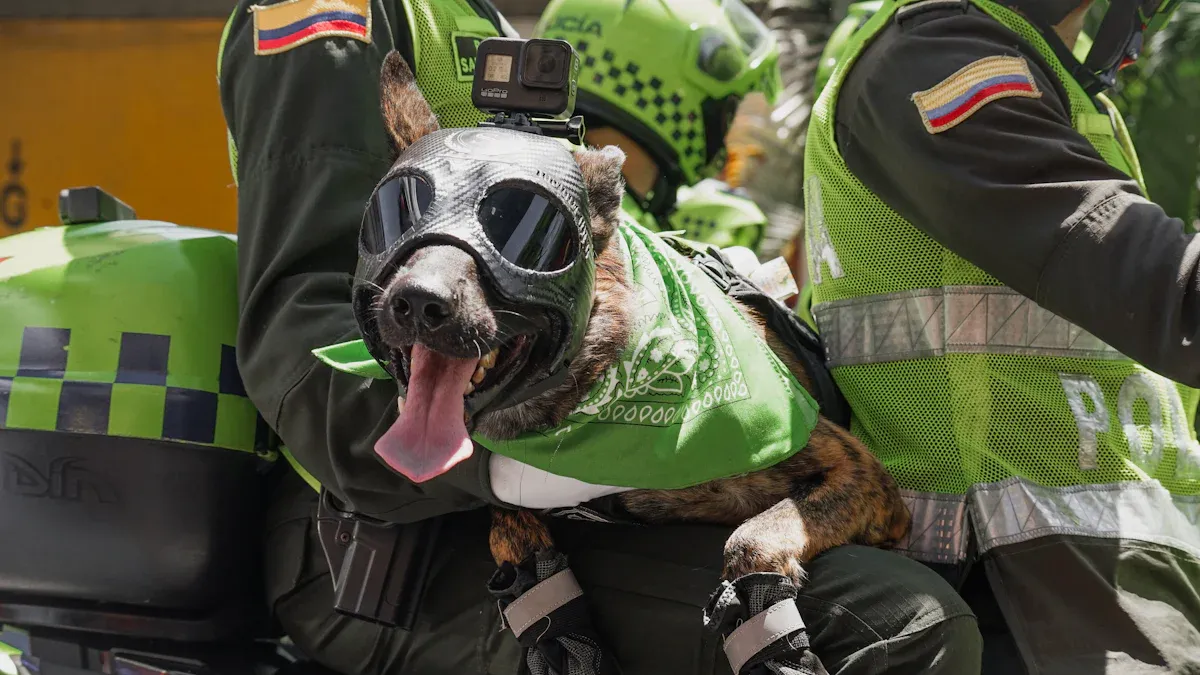
You want your dog to stay active and safe during sports. Braces play a key role in preventing sports injuries by stabilizing joints and supporting muscles. When your dog runs, jumps, or twists, the joints absorb a lot of force. Braces help distribute this force evenly, reducing the risk of injury. You can use a brace to protect your dog’s knees, wrists, or back during agility training. The right brace enhances mobility and reduces pain, especially during high-impact activities. Selecting the correct type of brace for your dog’s condition ensures tailored support and better results.
Take a look at how braces help in preventing sports injuries:
Evidence Description | Key Benefit |
|---|---|
Dog knee braces can prevent injuries, especially in high-impact sports. | Injury prevention |
They enhance mobility and reduce pain during activities like running and jumping. | Improved mobility and pain reduction |
The effectiveness of a brace depends on selecting the right type for the dog’s condition. | Tailored support for specific injuries |
Braces for canine sports injuries work best when you combine them with joint support for agility dogs and regular veterinary guidance. You should always check the fit and comfort of the brace before each session.
Types of Braces for Agility Dogs
You have several options when choosing braces for your sport dog. Each type targets a specific area and provides unique benefits. The most commonly recommended braces for agility dogs include knee and hock braces, carpal and wrist braces, and shoulder and back braces.
Knee and Hock Braces
Knee and hock braces help stabilize the lower limbs during sports. You can use these braces to support your dog’s knees and hocks, which are prone to injury from jumping and sprinting. A knee brace should provide the right amount of support. Too much support can lead to muscle wasting, while too little may not stabilize the joint adequately. The brace must fit closely to your dog’s leg to support healing structures and reduce the risk of sliding or causing abrasions. You should choose a brace that extends between half to three-quarters of the way up the limb. This length determines the level of support provided.
GaitGuard offers knee and hock braces made from medical-grade materials. These braces feature adjustable designs for a secure fit and anti-licking properties to prevent your dog from biting or licking the injured area. You can rely on these braces to keep your dog comfortable and active during sports.
Carpal and Wrist Braces
Carpal and wrist braces protect your dog’s front legs during agility runs. These braces stabilize the carpal joints and wrists, which absorb shock during landings and turns. You should select a form-fitting brace that supports the wrist without restricting movement. A good carpal brace reduces the risk of arthritis and soft tissue injuries from repeated impact. GaitGuard’s carpal and wrist braces use medical-grade materials and adjustable straps to ensure a snug fit. The anti-licking feature helps your dog heal faster by preventing irritation.
Shoulder and Back Braces
Shoulder and back braces provide support for the upper body, especially during twisting and turning movements. You can use these braces to protect your dog’s shoulders and spine from strain. A shoulder brace helps stabilize the joint and reduces the risk of injury during sports. Back braces support the lumbar region and help prevent muscle strains. GaitGuard’s shoulder and back braces offer adjustable designs and medical-grade materials for maximum comfort and effectiveness. These braces work well for dogs recovering from injury or those with a history of back problems.
Support Harnesses for Stability and Controlled Movement
Support harnesses play a vital role in preventing sports injuries. You can use harnesses to stabilize your dog’s body and control movement during training or competition. Supportive harnesses distribute weight safely, reducing stress on your dog’s back and joints. The harness keeps your dog balanced while walking or standing, which lowers the risk of falls and sudden imbalance. You maintain a secure connection with your dog, improving trust and teamwork.
Here is how harnesses help with stability and controlled movement:
Functional Benefit | Description |
|---|---|
Balance and support during walking or standing | Distributes weight safely without pulling on the dog’s back. |
Safe posture for both handler and dog | Prevents bending, twisting, or sudden imbalance. |
Secure connection | Keeps handler and dog coordinated, improving trust and teamwork. |
Reduced fall risk | The handle’s stable grip offers dependable contact when navigating uneven terrain, curbs, or tight spaces. |
You can use a service dog harness or specialized support harnesses for active dogs. GaitGuard designs harnesses with adjustable straps and medical-grade materials for comfort and durability. These harnesses help you guide your dog safely through agility courses and everyday activities.
Braces and harnesses work best when you combine them with good training habits and regular veterinary checkups. You should monitor your dog’s movement and adjust the gear as needed. By using braces and harnesses, you give your dog the best chance to stay healthy and active in sports.
When to Use Braces and Support Harnesses for Prevention
You want to protect your dog before injuries happen, not just after. Knowing when to use braces and support harnesses for prevention can make a big difference in your dog’s agility career. You should consider several factors to decide if your dog needs extra support.
First, always talk to your veterinarian or a canine rehabilitation specialist. These professionals can assess your dog’s movement, joint health, and risk factors. They may recommend a brace and mobility support harness for dogs with previous injuries, joint instability, or certain medical conditions like hypermobility spectrum disorder. Sometimes, braces and harnesses are used for short periods, such as during intense training or after a minor strain. In other cases, your dog may need long-term or situational support, especially if they have chronic joint issues.
You should also look at your dog’s sport and position. For example, dogs that jump or twist often may need motion-limiting braces to prevent extreme movements. Some braces limit shoulder abduction or extension, which helps protect overhead athletes. Other braces provide direct or indirect stabilizing force, which suits dogs with different needs. The table below shows common types of braces and their uses:
Brace Type | Description | Athlete Type |
|---|---|---|
Type A | Motion-limiting braces that prevent extreme shoulder abduction, extension, and external rotation. | Overhead athletes |
Type B | Braces that prevent instability through an indirect stabilizing force. | Varies |
Type C | Braces that utilize a direct stabilizing force. | Varies |
You should choose an individualized approach. Not every dog needs the same level of support. Overhead athletes, like dogs that leap high or twist in the air, need full range of motion. Motion-limiting braces may not suit them. Dogs that do more contact work or have a history of instability may benefit from more restrictive braces.
When selecting a support harness, check for compliance with safety standards. Full body harnesses should meet international safety standards, such as ANSI Z359 and OSHA regulations. These standards ensure the harness is reliable and effective for injury prevention. Brands like GaitGuard design their products with medical-grade materials, adjustable straps, and anti-licking features. These qualities help you find the right fit for your dog’s size and activity level.
Here are some signs that your dog may benefit from braces or support harnesses for prevention:
Your dog has a history of joint injuries or instability.
You notice mild limping, stiffness, or reluctance to jump.
Your dog participates in high-impact sports or intense training.
Your veterinarian recommends extra support for specific joints.
Your dog has a medical condition that affects joint stability.
Tip: Use braces and support harnesses as part of a complete prevention plan. Combine them with proper conditioning, safe training surfaces, and regular veterinary checkups. This approach gives your dog the best chance to stay healthy and active in canine agility sports.
You play a key role in canine agility sports injury prevention. By choosing the right time and type of support, you help your dog move confidently and safely. Always monitor your dog’s comfort and adjust the gear as needed. Prevention works best when you combine high-quality products, like those from GaitGuard, with good training habits and professional advice.
Recovery and Rehabilitation Support for Agility Dogs
Using Braces for Recovery After an Injury
You want your dog to recover quickly and safely after an injury. Braces often play a role in treating sports injuries, especially during the early stages of recovery. Many owners believe that braces provide stability and help with muscle strength. However, studies show that braces do not significantly improve muscle strength or speed up recovery outcomes. You may not see a big difference in your dog’s confidence or movement just from using a brace. Instead, you should focus on a complete treatment plan. This plan includes rest, gradual exercise, and regular check-ins with your veterinarian. Braces for canine sports injuries can still help protect healing joints and prevent further injury during the recovery process. Always use braces as part of a broader approach to treating sports injuries, not as the only solution.
Tip: Combine braces with gentle exercises and veterinary guidance for the best recovery results.
Lift and Assist Harnesses for Dogs in Rehab
Lift and assist harnesses make a big difference in rehabilitation. These harnesses help you support your dog’s weight and movement during treatment and recovery. You can use them to help your dog stand, walk, or climb stairs without putting extra stress on injured areas. GaitGuard’s lift-aid devices and auxiliary lifting straps offer adjustable designs and medical-grade materials for comfort and safety. These features help you manage your dog’s mobility during rehabilitation and physical therapy.
Here is a comparison of popular lift and assist harnesses:
Harness Name | Description |
|---|---|
GaitGuard Lift-Aid | Adjustable, medical-grade, anti-licking, supports all sizes, easy to use for treating sports injuries |
Help’EmUp Harness | Lifts from under sternum and pelvis, avoids joint and spine pressure, recommended by professionals |
NeoAlly 5-in-1 | Full body support, ideal for lifting and carrying, helps with treating sports injuries |
The Help’EmUp harness lifts from under the sternum and pelvis, which avoids pressure on joints and spine.
Many professionals recommend these harnesses for full-body mobility support during rehabilitation.
You should choose a harness that fits your dog’s size and needs. GaitGuard’s products stand out for their adjustability and anti-licking features, which help with both immediate first aid and long-term recovery.
Support Solutions for Senior or Previously Injured Sport Dogs
Senior dogs and those with a history of injury need extra care during recovery and treatment. You can use several support solutions to help your dog regain strength and confidence. Strengthening exercises stabilize joints and prevent future injury. Laser therapy reduces inflammation and speeds up healing, making it a valuable tool for treating sports injuries. Tuning forks can help address fascial restrictions, improving your dog’s mobility and comfort during rehabilitation. Home modifications, such as ramps and non-slip surfaces, make movement safer and easier. Education through online resources empowers you to take an active role in your dog’s recovery and treatment.
You should always provide immediate first aid after an injury. Follow up with a treatment plan that includes rest, rehabilitation, and a gradual return to activity. Support harnesses for active dogs, like those from GaitGuard, help you manage your dog’s movement and prevent re-injury. These tools, combined with veterinary advice, give your dog the best chance for a full recovery.
Note: Treating sports injuries in senior or previously injured dogs requires patience and a team approach. Use braces, harnesses, and home modifications together for the best results.
Choosing the Right Braces and Harnesses
Fit and Sizing for Different Breeds and Body Types
You want your dog’s brace or harness to fit perfectly. Dogs come in many shapes and sizes, so you must measure your dog carefully before choosing any gear. A proper fit helps prevent rubbing, slipping, or discomfort during sports. If the brace is too tight, it can restrict movement. If it is too loose, it may not provide enough joint support for agility dogs. Always check the manufacturer’s sizing chart and follow their instructions for measuring your dog’s limbs, chest, and back. Adjustable designs, like those from GaitGuard, make it easier to get a secure fit for both small breeds and large athletic dogs. You should also consider your dog’s body type. Lean, muscular dogs may need different support than stocky or senior dogs. A well-fitted brace or harness keeps your dog comfortable and active in sports.
Tip: Recheck the fit regularly, especially if your dog’s weight or muscle mass changes during training.
Materials, Design, and Level of Support
The materials and design of braces and harnesses play a big role in your dog’s comfort and safety. You want gear that is lightweight, durable, and easy to clean. Many braces use neoprene for flexibility and support. Reinforced straps add strength, while breathable fabrics help prevent skin irritation. Some braces feature ultra-lightweight and waterproof materials, so your dog can play and swim without worry. Veterinary-owned and prosthetist-designed products, such as those made in the USA, often provide maximum effectiveness for sports dogs.
Here is a table showing important features to look for:
Feature | Description |
|---|---|
Ultra-Lightweight & Waterproof | Allows for full activity, including playing and swimming. |
No Restrictive Harness | Secures using a simple under-sleeve system, allowing natural limb movement. |
Durable Components | Urethane joints and plastic shell are guaranteed for the dog’s life. |
Made in the USA | Veterinary-Owned and Prosthetist-Designed for maximum effectiveness. |
You should choose braces and harnesses that match your dog’s activity level and sports needs. Breathable fabrics and reinforced straps keep your dog comfortable during long training sessions. The right design allows natural movement while providing enough support to prevent injuries.
Neoprene offers flexibility and support.
Reinforced straps enhance durability.
Breathable fabrics ensure comfort and prevent skin irritation.
Choosing the right brace or harness means thinking about your dog’s specific needs and the demands of sports. High-quality materials contribute to both support and comfort.
Quality, Durability, and When to Invest in Medical-Grade Gear
You want your dog’s gear to last through many sports seasons. Quality and durability matter when you choose braces for canine sports injuries or support harnesses for active dogs. Medical-grade gear, like that from GaitGuard, uses advanced materials and precise construction. These products stand up to repeated use and tough conditions. Investing in medical-grade gear is important if your dog competes in sports regularly or has a history of joint problems.
Wearable technology in medical-grade gear can track your dog’s agility movements. This helps you monitor performance and detect signs of fatigue early. You can make better decisions about training and recovery with this data.
Benefit | Description |
|---|---|
Improved Tracking | Wearable technology can monitor agility movements, helping to track performance effectively. |
Early Detection of Fatigue | The technology aids in identifying signs of fatigue or overuse, preventing potential injuries. |
Informed Decision-Making | Data from the sensors allows handlers to make better decisions regarding training and recovery. |
You should invest in medical-grade gear when your dog needs extra protection, competes at a high level, or recovers from injury. Quality braces and harnesses provide reliable support and peace of mind for both you and your dog.
Note: Always consult your veterinarian or a canine rehab professional before choosing new gear. Their advice helps you select the best products for your dog’s sports needs.
Veterinary and Professional Guidance in Product Selection
You want the best protection for your sport dog. Choosing the right braces and support harnesses for active dogs starts with expert advice. Veterinarians and canine rehabilitation professionals play a key role in this process. They assess your dog’s unique needs and recommend gear that fits properly and supports recovery.
You should schedule a consultation with a veterinary rehabilitation specialist before buying any brace or harness. The specialist examines your dog’s movement, joint health, and injury history. They look for conditions such as hip dysplasia, elbow dysplasia, shoulder instability, joint hyperextension, patellar luxation, anterior cruciate ligament rupture, proprioceptive defects, and intervertebral disc herniation. Each condition requires a different type of support. The professional helps you choose the most suitable product for your dog’s specific requirements.
Tip: A professional fitting ensures the brace or harness does not rub, slip, or restrict movement. This keeps your dog comfortable and safe during training.
Here is a simple process to follow:
Consult with a veterinary rehabilitation professional.
Determine the most appropriate harness or brace for your pet’s needs.
Get guidance on proper fitting and usage.
Monitor your dog’s comfort and adjust the gear as needed.
You should ask your veterinarian about brands that offer medical-grade materials and adjustable designs. Products from GaitGuard provide these features, making them a reliable choice for canine agility sports injury prevention. Adjustable straps allow you to fine-tune the fit for different breeds and body types. Medical-grade materials help prevent skin irritation and ensure long-lasting support.
A professional can also teach you how to use braces and harnesses in combination with good training habits. You learn how to incorporate joint support for agility dogs into warm-up routines, rest days, and recovery plans. This approach reduces the risk of sporting dog injuries and helps your dog stay active.
Professional Guidance Benefits | Description |
|---|---|
Tailored recommendations | Gear matches your dog’s condition and size |
Proper fitting | Prevents discomfort and improves safety |
Ongoing support | Adjustments as your dog’s needs change |
Education | Learn best practices for injury prevention |
You play an important role in your dog’s health. By working with veterinary professionals, you make informed choices about braces for canine sports injuries and support harnesses for active dogs. This teamwork gives your dog the best chance to thrive in agility sports.
Safe Use and Monitoring
Proper Fitting, Adjustment, and First Use
You want your dog’s brace or harness to fit perfectly from the start. Begin with a thorough evaluation of your dog’s health and activity level. Accurate measurements are essential. Use a flexible tape to measure your dog’s limbs, chest, and back. Follow the manufacturer’s sizing chart closely.
Here is a step-by-step fitting process you can follow:
Position the brace or harness on your dog, making sure it aligns with the midsection.
Secure the chest strap so it distributes forces evenly.
Untangle and adjust the shoulder straps so they sit vertically.
Snugly fit the leg straps to prevent sliding.
Adjust sub-pelvic straps to avoid slippage.
Double-check all measurements and make sure straps are adjusted evenly. Use padding to reduce friction and increase comfort. Straps should lie flat against your dog’s body to minimize slippage. Regularly evaluate the fit, especially if your dog’s activity level or environment changes. Provide training on fitting procedures if you are new to using braces or harnesses.
Tip: Consider your dog’s age and activity level when choosing a brace or harness. Puppies and senior dogs may need extra padding or adjustments.
Wearing Time, Skin Checks, and Preventing Irritation
Managing wearing time and skin health is crucial for canine agility sports injury prevention. You should check your dog’s skin every day for signs of irritation or sore spots. Remove the brace or harness during rest or sleep to let the skin breathe.
Here is a table with best practices for skin care and wearing time:
Strategy | Description |
|---|---|
Proper Fit | Make sure the brace is not too tight or too loose to prevent skin marks and sore spots. |
Keep Skin Clean and Dry | Wash your dog’s skin with a gentle cleanser and pat dry to reduce irritation. |
Use a Soft Barrier | Use moisture-wicking sleeves or breathable liners to minimize friction. |
Moisturize | Apply a lightweight lotion after removing the brace to maintain skin health. |
Take Breaks if Possible | Remove the brace periodically to allow the skin to breathe and check for irritation. |
Check and Rotate Contact Points | Adjust strap positions to distribute pressure evenly and prevent hot spots. |
Stay Aware of Seasonal Changes | Change care routines based on weather conditions to maintain skin resilience. |
Note: Rotate contact points and adjust straps regularly. This helps prevent hot spots and keeps your dog comfortable.
Monitoring Movement, Gait, and Overall Comfort
You need to monitor your dog’s movement and comfort every day. Watch how your dog walks, runs, and rests while wearing braces or support harnesses for active dogs. Look for changes in gait, such as limping or stiffness. Remove the brace during sleep or long rest periods. Check for skin irritation and make adjustments as needed.
Observe your dog’s mobility and comfort daily.
Adjust the brace or harness if you notice any discomfort or changes in movement.
Schedule regular veterinary check-ups to manage joint health and ensure the brace is not causing problems.
Regular monitoring helps you catch issues early and maintain joint support for agility dogs. You give your dog the best chance to stay active and healthy by combining good training habits, proper gear, and veterinary guidance.
When to Stop, Change, or Replace Braces and Harnesses
You want your dog to stay safe and comfortable during every agility session. Knowing when to stop, change, or replace braces and support harnesses is a key part of canine agility sports injury prevention. Well-maintained gear provides reliable joint support for agility dogs, but worn or ill-fitting equipment can cause new problems.
Signs You Should Stop Using a Brace or Harness
Your dog shows new signs of discomfort, such as limping, licking, or biting at the gear.
You notice redness, swelling, or sores under the brace or harness.
The brace or harness slips out of place or cannot be adjusted to fit securely.
Your dog’s movement looks stiffer or more awkward than usual.
Tip: If you see any of these signs, remove the gear right away and consult your veterinarian. Early action helps prevent further injury.
When to Change or Adjust Gear
Dogs grow, lose weight, or gain muscle over time. You need to check the fit of braces for canine sports injuries and support harnesses for active dogs regularly. Adjust the straps if you notice any looseness or tightness. Sometimes, you may need a different size or style as your dog’s needs change.
Situation | What to Do |
|---|---|
Puppy outgrows current brace | Move to a larger size |
Dog loses or gains weight | Re-measure and adjust fit |
Change in activity level | Reassess support needs |
New injury or diagnosis | Consult your vet for new gear |
When to Replace Braces and Harnesses
Even high-quality products wear out with time and use. You should replace gear if you see:
Frayed straps or broken buckles
Cracks or tears in the material
Loss of elasticity or support
Persistent odor or stains that do not wash out
Support harnesses for active dogs and braces for canine sports injuries work best when they are in good condition. Old or damaged gear can fail when your dog needs it most.
Note: Always keep a spare brace or harness on hand, especially if your dog competes or trains often.
Work with Your Veterinary Team
Your veterinarian or canine rehab specialist can help you decide when to stop, change, or replace gear. They can check your dog’s fit and comfort during regular visits. Combining professional advice with good training habits and quality gear gives your dog the best chance to stay healthy and active.
By staying alert to changes and acting quickly, you protect your dog’s well-being and support long-term success in agility sports.
When to Seek Professional Help
Recognizing Signs That Need Veterinary Assessment
You want your dog to stay healthy and active in agility sports. Sometimes, you notice changes that signal a need for veterinary assessment. Watch for signs such as persistent limping, swelling, or sudden reluctance to jump or run. If your dog shows pain when you touch a joint or muscle, seek help right away. Unusual licking or biting at a limb may indicate an injury. You should also pay attention to changes in gait, balance, or posture. Dogs that hesitate on obstacles or avoid certain movements may need professional evaluation.
Tip: Early detection helps prevent minor problems from becoming serious. If you see any warning signs, contact your veterinarian for guidance.
Rehabilitation Plans and Professional Fitting
You play a key role in your dog’s recovery and long-term health. After an injury, your veterinarian or canine rehab specialist creates a rehabilitation plan tailored to your dog’s needs. This plan often includes rest, controlled exercise, and gradual return to activity. Braces for canine sports injuries and joint support for agility dogs help protect healing tissues during rehab. Support harnesses for active dogs provide stability and assist with movement.
Professional fitting ensures that braces and harnesses work effectively. Experts measure your dog and adjust the gear for comfort and support. A proper fit prevents rubbing, slipping, and further injury. You should follow the rehab plan closely and ask questions if you have concerns.
Step | What You Should Do |
|---|---|
Veterinary Exam | Schedule a check-up |
Rehab Plan | Follow instructions carefully |
Gear Fitting | Get professional measurements |
Progress Checks | Monitor recovery and adjust as needed |
Ongoing Support from Vets and Canine Rehab Specialists
You benefit from ongoing support throughout your dog’s agility career. Regular check-ups help track progress and catch new issues early. Vets and rehab specialists teach you how to use braces, joint support, and support harnesses for active dogs correctly. They answer questions and update your dog’s care plan as needed.
You should keep a record of your dog’s activity, performance, and any changes in movement. Share this information with your veterinary team. Working together, you ensure the best possible outcome for your dog. Canine agility sports injury prevention works best when you combine high-quality gear, good training habits, and expert advice.
Note: Building a strong partnership with your veterinary team supports your dog’s health and happiness in agility sports.
Additional Tips for Injury Prevention
Cross-Training and Conditioning Outside the Agility Ring
You can help your dog stay strong and flexible by adding cross-training to your routine. Activities like swimming, hiking, and fetch build muscle and improve endurance. These exercises use different muscle groups than agility, which lowers the risk of overuse injuries. You can rotate activities each week to keep your dog engaged and motivated. Cross-training also helps your dog recover from intense sports sessions. Many handlers use balance exercises and core strengthening to improve stability. You can combine these routines with joint support for agility dogs and support harnesses for active dogs. This approach gives your dog a well-rounded fitness plan and helps prevent injuries.
Tip: Try swimming for low-impact conditioning. Water supports your dog’s body and reduces stress on joints.
Nutrition, Body Weight, and Joint Health
You play a key role in your dog’s nutrition and weight management. A balanced diet keeps your dog’s muscles strong and joints healthy. You should choose high-quality food with the right mix of protein, fat, and vitamins. Maintaining a healthy weight reduces strain on your dog’s joints during sports. Extra weight increases the risk of injuries and slows recovery. You can ask your veterinarian about supplements that promote joint health, such as glucosamine or omega-3 fatty acids. These nutrients help protect cartilage and support mobility. You should monitor your dog’s body condition regularly and adjust food portions as needed.
Nutrient | Benefit |
|---|---|
Protein | Builds muscle strength |
Omega-3 Fatty Acids | Reduces inflammation |
Glucosamine | Supports joint health |
Note: Always consult your veterinarian before adding new supplements to your dog’s diet.
Regular Health Checks and Performance Monitoring
You should schedule regular health checks for your dog, especially if they participate in sports. Routine exams help catch problems early and keep your dog in top condition. Your veterinarian can assess joint health, muscle strength, and overall fitness. You can track your dog’s performance by keeping a simple log of training sessions, rest days, and any signs of discomfort. Watch for changes in gait, energy level, or enthusiasm. Early detection allows you to adjust training and use braces for canine sports injuries or support harnesses for active dogs when needed. You can work with your veterinary team to create a personalized injury prevention plan.
Tip: Use a notebook or app to record your dog’s activity and health. Share this information with your veterinarian for better guidance.
You can combine these tips with canine agility sports injury prevention strategies. Cross-training, good nutrition, and regular monitoring work together with braces and harnesses to keep your dog healthy and active.
You play a vital role in canine agility sports injury prevention. Combine smart training habits with braces for canine sports injuries and support harnesses for active dogs to protect vulnerable joints. High-quality, medical-grade gear from trusted brands such as GaitGuard helps during both prevention and recovery, so your dog can stay confident in the ring and comfortable at home.
Work closely with your veterinarian for guidance, and invest in the best joint support for agility dogs to keep your canine athlete healthy, active, and ready for every challenge.
FAQ
How do I know if my dog needs a brace or support harness?
You should watch for signs like limping, stiffness, or reluctance to jump. If your dog has a history of joint injuries or participates in agility sports, consult your veterinarian for advice on braces for canine sports injuries.
Can my dog wear a brace during agility training?
Yes, your dog can wear a brace during training. Braces for canine sports injuries provide joint support for agility dogs and help prevent strain. Always check the fit and comfort before each session.
How do I choose the right size brace or harness?
Measure your dog’s limbs, chest, and back using a flexible tape. Compare these measurements to the manufacturer’s sizing chart. Adjustable designs, like those from GaitGuard, help you achieve a secure fit for support harnesses for active dogs.
Will a brace or harness restrict my dog’s movement?
Quality braces and support harnesses for active dogs allow natural movement while providing stability. You should monitor your dog’s gait and comfort. If you notice any restriction, adjust the fit or consult your veterinarian.
How often should I check my dog’s brace or harness for wear?
Inspect the brace or harness weekly for signs of fraying, cracks, or loss of support. Replace gear if you see damage. Regular checks help maintain joint support for agility dogs and prevent new injuries.
Can I use a brace or harness for injury prevention and recovery?
You can use braces for canine sports injuries both for prevention and recovery. Support harnesses for active dogs assist with stability during rehabilitation. Combine these tools with good training habits and veterinary guidance.
What should I do if my dog shows discomfort while wearing a brace?
Remove the brace or harness immediately. Check for skin irritation or swelling. Contact your veterinarian for advice. Early action helps prevent further injury and ensures proper joint support for agility dogs.
Are medical-grade braces and harnesses worth the investment?
Medical-grade gear, such as GaitGuard products, offers durability, comfort, and effective support. You should invest in high-quality braces for canine sports injuries if your dog competes regularly or has a history of joint problems.
