
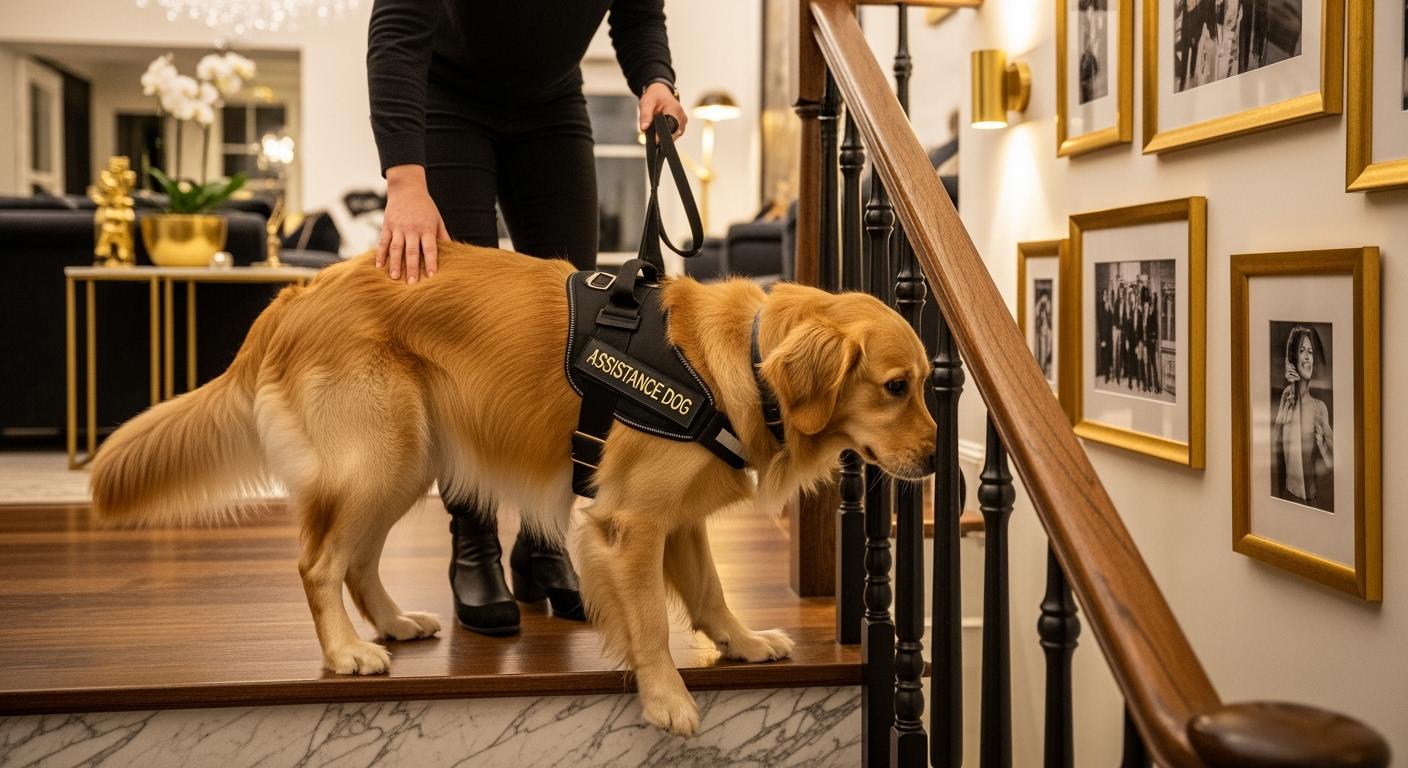
Choosing a dog stairs assistance harness starts with understanding your dog’s needs. You must match your pet’s size, health, and mobility to a harness that gives the right support and fit. Always follow your vet’s restrictions. Use the harness as a tool for safe, supervised stair trips, especially for senior dogs or pets in recovery. Every pet is unique. Consider your home’s layout and your dog’s comfort before making a choice.
Key Takeaways
Pick a harness that matches your dog’s size and health. Ask your vet to help you choose the right one.
Use a lifting harness to help your dog go up and down stairs. This is important after surgery or when your dog is healing.
Always watch your dog on the stairs. Go slowly and use a short leash to keep control.
Check if the harness fits well by using the two-finger test. This helps stop discomfort and skin problems.
Think about ramps if your dog has big trouble moving. Ramps can make it easier and let your dog move alone.
What a dog stairs assistance harness does
A dog stairs assistance harness lets your pet go up and down stairs safely. This tool gives your dog extra help and control. Some dogs need this after surgery or when they have trouble balancing. Always ask your vet before you use any lifting harness.
How support harnesses improve balance
A support harness helps your dog stay steady on stairs. It lets you guide your pet and keep them safe. Studies show that dogs do better on stairs with a lifting harness. The table below explains how a support harness helps with balance and movement:
Evidence Type | Findings |
|---|---|
Mobility Dog Impact | Dogs help with balance and walking, making stairs easier. |
Kinematic Changes | Joint angles get better when using a lifting harness. |
Performance Improvement | Dogs do better on stair tests with a lifting harness. |
Support vs. strength training
A lifting harness helps your dog use stairs. It does not take the place of strength training or therapy. You use a support harness to help your dog move without hurting weak muscles or joints. This tool lets your pet exercise in a safe way. It can stop more health problems from happening. Some benefits of dog harnesses are:
Giving stability to dogs who have trouble moving
Helping dogs with partial paralysis exercise safely
Stopping health from getting worse by letting dogs use stairs safely
Helping dogs heal from injuries without working too hard
Supporting dogs in therapy when climbing stairs
When a harness isn’t enough
Sometimes, a lifting harness cannot fix every problem. If your dog has bad arthritis, stairs can hurt or make swelling worse. Old dogs with stiff joints may find stairs too hard, even with a harness. In these cases, talk to your vet about safer ways to help. You might need to use ramps or carry your pet instead. Always look for signs of pain or trouble and stop if your dog has a hard time.
When to use or avoid stairs with a harness
Vet recovery rules for stairs
You should always follow your vet’s or surgeon’s written restrictions before letting your dog use stairs, even with a harness. Most dogs need complete rest for the first 10 to 14 days after surgery. During this time, keep your dog in a small, safe space and block access to stairs. After about two weeks, your vet may allow limited, supervised stair use. Many recovery plans suggest keeping dogs off stairs for the first two weeks, then allowing short, supported trips only when necessary. For orthopedic surgeries, activity restriction often lasts up to eight weeks. Always supervise your dog and use a harness or sling for extra support.
Tip: If you cannot avoid stairs in your home, ask your vet for advice on safe alternatives.
Common vet stair rules:
No stairs for the first 10–14 days after surgery.
Limited, supervised stair use may begin after two weeks.
Full stair access often returns after about eight weeks, based on your vet’s checkup.
Safe stair pacing: one step at a time
When your dog is ready to try stairs, move slowly and use a harness or sling for support. Keep your dog on a short, 6-foot leash. Stand close behind your dog to help them feel secure. Let your dog take one step at a time and pause between each step. Watch your dog’s body language for signs of stress or hesitation. Practice patience and give your dog time to build confidence. Regular, calm practice helps your dog learn safe stair habits.
Safe stair pacing checklist:
Use a harness or sling for support.
Keep the leash short and steady.
Pause after each step.
Watch for signs of discomfort or fear.
When ramps or carrying are safer
Some dogs with severe mobility issues or breeds prone to back injuries do better with ramps instead of stairs. Ramps offer a gentle slope that reduces impact on joints and helps prevent injury. Ramps also let your dog move more independently. Carrying your dog may seem easier, but it can be risky for both you and your pet, especially with larger dogs or those with back problems. Experts recommend ramps for dogs who struggle with stairs or need extra protection during recovery.
Note: Always choose the safest option for your dog’s health and comfort. If you are unsure, ask your vet for guidance.
How to choose the right harness for stairs
Choosing the right dog stairs assistance harness can make stair trips safer for your pet. You need to match the harness to your dog’s body, health, and mobility. Always check with your vet before you start using a lifting harness. Your vet’s advice should guide every step.
Rear-lift vs. full-body lifting harness
You will find two main types of dog harnesses for stair support: rear-lift and full-body lifting harnesses. A rear-lift harness supports your dog’s back legs. This option works well for pets with hind-end weakness or those recovering from surgery like TPLO. A full-body lifting harness supports both the front and back of your dog. This type helps dogs with whole-body instability, neurological problems, or severe arthritis.
Here is a quick look at the pros and cons:
Pros of Full-Body Harnesses | Cons of Full-Body Harnesses |
|---|---|
Flexibility: Allows mobility with help | Needs constant human support |
Adjustable support: Use only as needed | May not give enough support for severe cases |
Good for short-term use |
You should choose the right harness based on where your dog needs support. If your pet only has weak back legs, a rear-lift harness may be enough. If your dog struggles to balance or has trouble in both front and back legs, a full-body lifting harness gives better control.
Key features: handles, padding, adjustability
When you pick a harness for your dog, look for features that make stair trips safer and more comfortable. Handles should feel sturdy and easy to grip. Adjustable handles let you change the length for your height and your dog’s size. Dual support—handles at both the chest and hip—gives you better control and helps keep your pet’s body straight.
Padding matters for comfort. Soft, wide straps prevent rubbing and pressure spots. Adjustable straps help you get the right sizing. A good fit means you can slide two fingers under the straps, but the harness will not twist or slip. Many types of dog harnesses used by rehab professionals have these features.
Here is a table showing how these features help:
Feature | Benefit |
|---|---|
Adjustable Handles | Easy lifting and better control |
Dual Support | Extra help on stairs and slippery floors |
Secure Fit | Less risk of slipping out |
Padding | More comfort, less skin irritation |
Adjustable Straps | Better sizing for every dog |
Tip: Always check your dog’s skin after using a lifting harness. Adjust the fit if you see any redness or rubbing.
Comparison table: support harness types
You will see many types of dog harnesses in stores and online. Each one fits a different need. Use this table to compare the main options:
Harness Type | Best For | Key Benefits |
|---|---|---|
Full Body Support Harness | Whole-body weakness, severe arthritis, paralysis | Balanced support, helps with standing and stairs, spreads lifting pressure evenly |
Hind Leg Support Harness | Hind-leg weakness, hip dysplasia, post-surgery rehab | Targets hips and rear, ideal for recovery, makes bathroom breaks easier |
Everyday Vest Harness | Mild issues, front-leg weakness, amputees | Dual use for walking and support, stylish, comfortable, lightweight |
Decision Table: Which Harness Fits Which Situation
Option | Best for | Watch-outs | Fit/Usage Tip |
|---|---|---|---|
Rear Sling | Hind-leg weakness, post-op | Armpit rub, belly pressure | Two-finger check, keep body straight |
Full-Body Harness | Whole-body instability, neuro | Twisting risk, more straps | One step at a time, adjust handles |
Carry | Small dogs, short stairs | Caregiver back strain, spine risk | Keep spine level, avoid incisions |
Ramp | High-slip stairs, severe issues | Needs space, training for use | Block stairs when not in use |
To choose the right harness, think about your dog’s size, age, and health. Senior dogs often need more support. Dogs with mobility issues may need a full-body lifting harness. Small dogs are sometimes easier to carry, but you must keep their spine level. Always check the sizing chart for each harness. Dog harness sizing can change between brands.
When you try a new harness for your dog, do a fit check. Make sure the harness is adjustable. Check the straps for comfort and security. Watch your pet closely the first few times you use the harness. Stop and call your vet if you see any pain, panic, or new weakness.
Safety Reminder: Never rush stair trips. Always follow your vet’s written restrictions. Use the harness as a tool, not a cure. Your pet’s comfort and safety come first.
How to measure a dog for a harness and fit checks
Two-finger fit test and common rub points
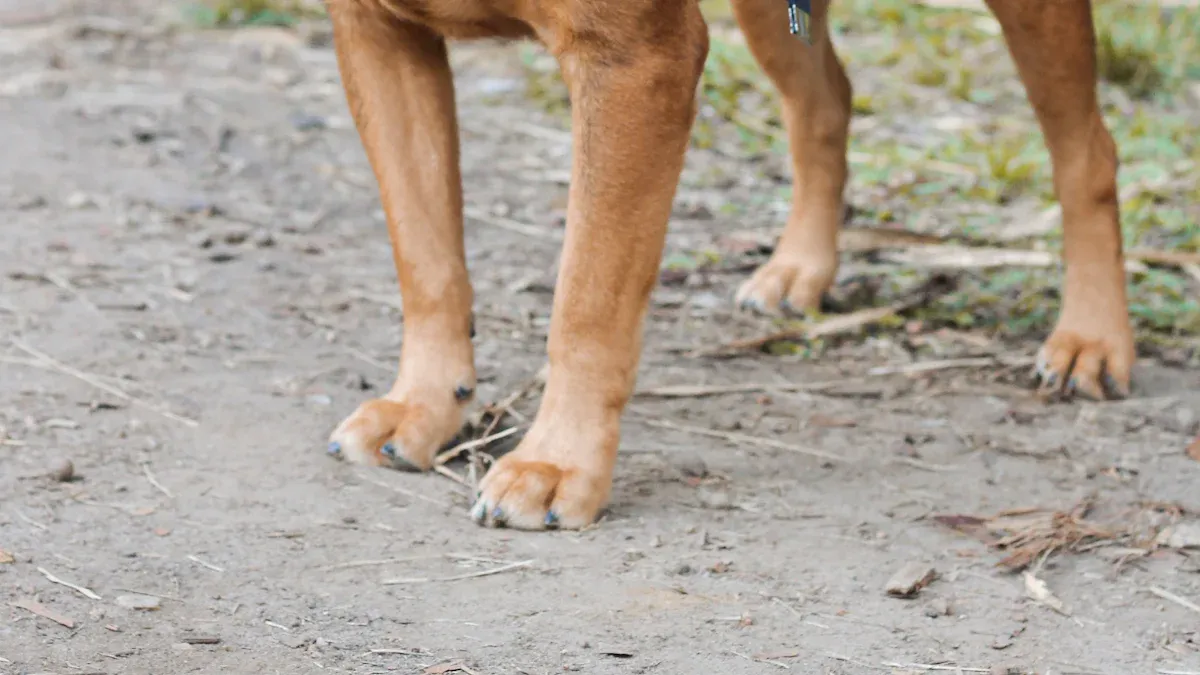
You want your pet’s harness to fit snugly but never too tight. The best way to check is the two-finger fit test. Slide two fingers between the harness and your dog’s body. If your fingers fit easily, the harness is secure but not restrictive. If you cannot fit two fingers, the harness is too tight. If you can fit more than two, it may be too loose and unsafe. Pay close attention to common rub points. These include the armpits, belly, groin, shoulders, and chest. Rubbing in these areas can cause discomfort or even sores, especially if your pet moves a lot on stairs.
Preventing irritation and pressure spots
Proper dog harness sizing helps prevent skin problems. A harness that is too tight or loose can cause friction, leading to red spots or fur loss. Watch for signs of irritation under the legs or around the chest. Adjustable straps help you get the right fit and avoid pressure on sensitive skin. Always check your pet’s skin after each use, especially if your dog has short fur or sensitive areas. If you see redness or swelling, adjust the harness or try a different size. Never ignore signs of discomfort. Always follow your vet’s advice for safe use.
Printable checklist: stair setup and fit check
Use this checklist every time you prepare for a stair trip:
Measure your dog’s chest at the widest point for accurate sizing.
Check your dog’s weight and compare it to the dog harness size chart.
Adjust all straps for a snug, comfortable fit.
Perform the two-finger fit test at every strap.
Inspect common rub zones: armpits, belly, groin, shoulders, and chest.
Make sure the harness stays in place as your pet moves.
Confirm all buckles and adjustable points are secure.
After the trip, check your pet’s skin for redness or irritation.
Keep the stairs dry and well-lit for safety.
📝 Always use the right dog harness sizing and adjustable features for your pet’s comfort. If you have questions about how to measure a dog for a harness, ask your vet for help.
Safe stair trips: step-by-step guide
Assisting up stairs with a support harness
Helping your pet go up stairs with a lifting harness requires patience and preparation. Start by making sure the harness fits well. You should be able to slide two fingers between the harness and your pet’s body. Keep your pet calm before you begin. Use treats and gentle praise to help your pet feel comfortable with the lifting harness. Let your pet get used to the feeling of being lifted before you try the stairs.
Follow these steps for safe stair climbing:
Check that the harness is snug and secure.
Attach a 6-foot leash for safety and control.
Stand close behind your pet, holding the harness handle.
Guide your pet to take one step at a time. Pause after each step.
Watch your pet’s body language. Stop if you see signs of stress or pain.
Tip: Always keep the stairs dry and well-lit. Never rush your pet.
Assisting down stairs: extra slip risk
Going down stairs can be riskier for your pet. The chance of slipping increases. Use the lifting harness to support your pet’s weight as they step down. Stay beside or slightly behind your pet. Hold the harness handle firmly. Keep your pet’s body straight and avoid twisting. Move slowly, letting your pet pause on each step.
If your pet hesitates or slips, stop right away. Reassess the situation. Sometimes, reducing stair trips or adding traction mats helps. For pets with more weakness, switch to a full-body support harness or consider a ramp.
Handler position and cueing
Your position matters for your pet’s safety. Stand close enough to support your pet but do not block their movement. Use clear, calm cues like “step” or “easy.” Keep the leash short but loose enough for comfort. Always supervise stair trips.
Mini Scenario:
You have a large dog who walks well on flat ground but slips on stairs. You notice your pet struggles even with a lifting harness. You decide to limit stair use, add non-slip mats, and try a full-body support harness for better balance. If slipping continues, you talk to your vet about using a ramp instead.
Always follow your vet’s written restrictions. Stop stair trips if your pet shows pain, panic, or new weakness.
Troubleshooting and red flags
Slipping, freezing, or harness refusal
Sometimes your dog slips or stops on the stairs. Your pet might not want to wear the lifting harness. These problems can mean the harness does not fit right. Your dog may feel scared or unsafe. Always check the harness before each stair trip. Use the two-finger test to see if it fits well. Look for spots where the harness rubs or pinches. If your dog hesitates, let them rest. Do not force your dog to use the stairs. Watch your dog every time they use the stairs. Keep the leash short for safety. If you trust the harness too much, you might make mistakes. Stay alert and pay attention.
Here is a table showing common problems and what they mean:
Issue/Red Flag | Description |
|---|---|
Poor fitting harness | Can cause accidents; always check the fit |
Over-confidence in equipment | Can lead to mistakes; supervision is essential |
Signs of discomfort | If the dog slips or shows pain, stop use and consult a vet |
Next-day worsening | Indicates potential issues; monitor closely after use |
Signs to call the vet
Call your vet if you see these signs when helping your dog with stairs:
Your dog keeps hesitating or seems stiff on stairs.
Your dog suddenly does not want to use stairs. This could mean pain or a health problem.
Your dog starts limping, shaking, or falls down.
Your dog licks their incision or you see redness.
Your dog drags their paws or knuckles.
Take a video if you notice any of these signs. Write down when the problem started. Note which step or movement caused it. This helps your vet know what is happening.
Red/yellow/green decision table
Use this table to help you decide what to do if your dog has trouble on the stairs:
What you observe | What to do now | How soon to seek help |
|---|---|---|
Slip or sudden sit | Stop stairs, shorten leash | Today |
Shaking or new limp | Add rear support, call vet | Today |
Incision licking | Stop stairs, check incision | Urgent |
Knuckling/dragging | Switch to ramp, call vet | Urgent |
Freezing/refusal | Rest, try again later | Today |
🛑 Always follow your vet’s rules. If your dog has sudden pain, falls, or gets weaker, stop using the stairs and call your vet right away.
You can help your pet stay safe on stairs by choosing a dog stairs assistance harness that matches their needs. Always prioritize comfort and fit. Look for a harness that supports your pet’s weak legs and gives balance. Use the harness during rehab and daily routines. Lightweight, easy-to-use designs make handling simpler. Keep the included checklist handy for each stair trip.
Quick Checklist for Safe Stair Trips:
Measure your pet before buying a harness
Check harness fit with the two-finger test
Inspect for rubbing or pressure spots
Use a 6-foot leash for control
Keep stairs dry and well-lit
Support your pet’s body straight
Pause on each step
Watch for pain or hesitation
Block stairs when unsupervised
Review your vet’s restrictions
If your pet struggles, call your vet. Share a video, note when the problem started, which direction is harder, and any swelling, heat, or pain you see.
FAQ
How do I know if my pet needs a stairs assistance harness?
You should watch for signs like slipping, hesitation, or weakness on stairs. If your pet struggles or has had surgery, ask your vet if a harness is right. Always follow your vet’s advice for your pet’s safety.
Can I leave the harness on my pet all day?
No, you should remove the harness when your pet is not using the stairs. Leaving it on too long can cause rubbing or skin irritation. Always check your pet’s skin after each use and adjust as needed.
What if my pet refuses to use the harness?
Some pets need time to adjust. Let your pet sniff and wear the harness for short periods. Use treats and praise. If your pet still refuses, stop and talk to your vet for guidance.
How do I clean my pet’s harness?
Most harnesses can be hand-washed with mild soap and water. Rinse well and let it air dry. Always check the harness for wear or damage before putting it back on your pet.
Is a harness safe for every pet?
Not every pet should use a harness on stairs. Pets with severe pain, open wounds, or certain medical conditions may need other options. Always ask your vet before using a harness for your pet.
