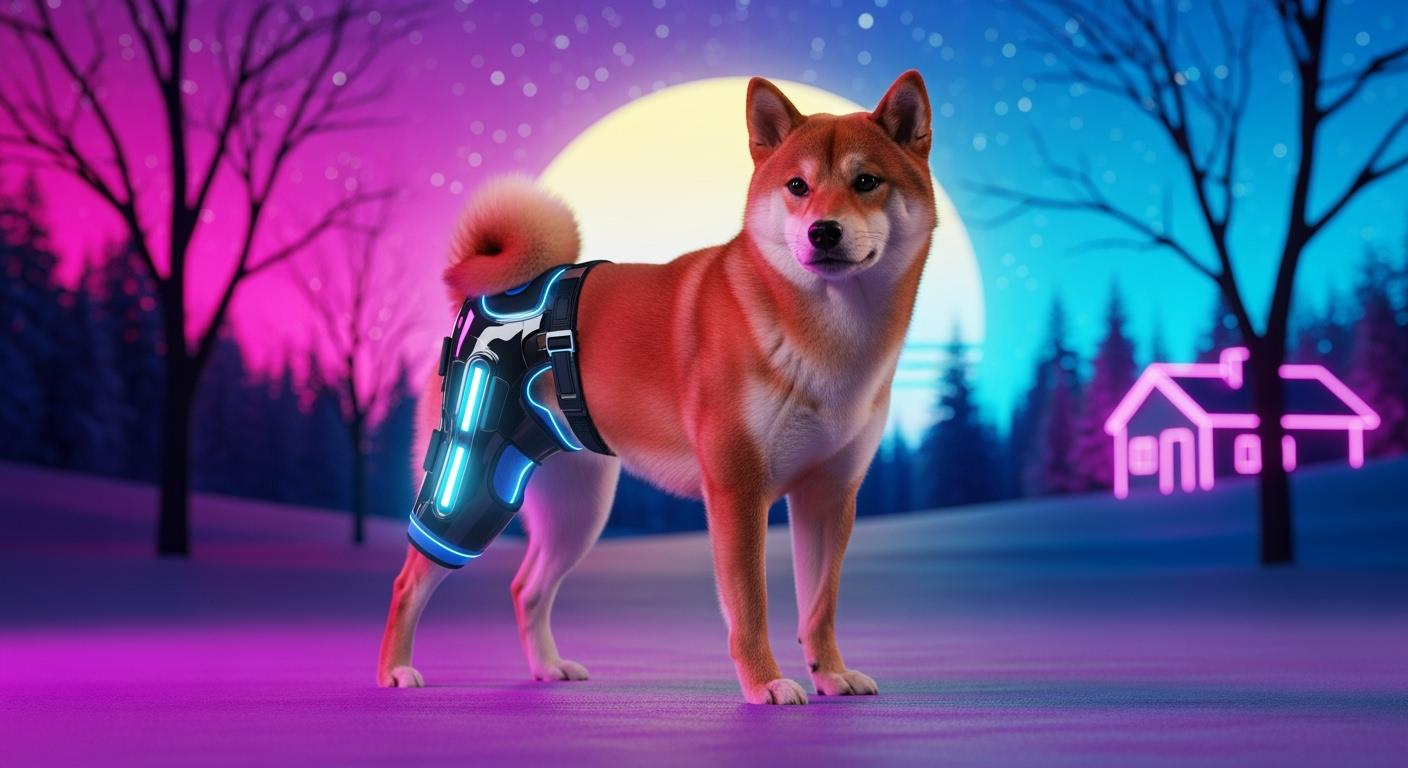
Winter brings snow, ice, and slippery floors that make your dog’s movements less stable. These conditions increase the risk of ACL knee injuries, especially for large or active dogs. A custom dog hip brace for acl injury prevention winter 2025 offers support and helps stabilize your dog’s joint. Braces work by limiting risky movement and reducing knee pain in dogs. You can protect your pet’s mobility by using braces and taking proactive steps before the cold sets in.
Snow and ice create unsafe walking surfaces
Braces help reduce joint strain and support healthy movement
Key Takeaways
Winter conditions like snow and ice increase the risk of ACL injuries in dogs. Use a well-fitted hip support brace to provide extra stability.
Active dogs are more prone to injuries during winter. Limit high-impact activities and consider braces to reduce strain on their joints.
Older dogs and certain breeds are at higher risk for ACL injuries. A hip brace can help improve their mobility and comfort during cold months.
Proper fitting of braces is crucial for effectiveness. Consult your veterinarian to ensure the right fit and usage for your dog.
Regularly check your dog’s skin and fur for irritation from braces. Remove them at night to keep your dog comfortable and healthy.
Winter Risks for ACL and Cruciate Ligament Injuries
Snow, Ice, and Slippery Floors
Winter creates many hazards for your dog’s joints. Snow and ice make sidewalks, driveways, and even indoor floors slippery. When your dog walks or runs on these surfaces, it can easily lose its footing. Slips and sudden turns often cause twisting motions in the hind legs. These movements put extra stress on the knee and hip joints, raising the risk of ACL and cruciate ligament injuries. Dogs struggle to grip icy surfaces, which increases the chance of a fall or awkward pivot. If your dog has had a previous injury, the risk becomes even higher.
Tip: Wipe your dog’s paws after walks to remove ice and snow, and use rugs or mats indoors for better traction.
Active Dogs and Increased Strain
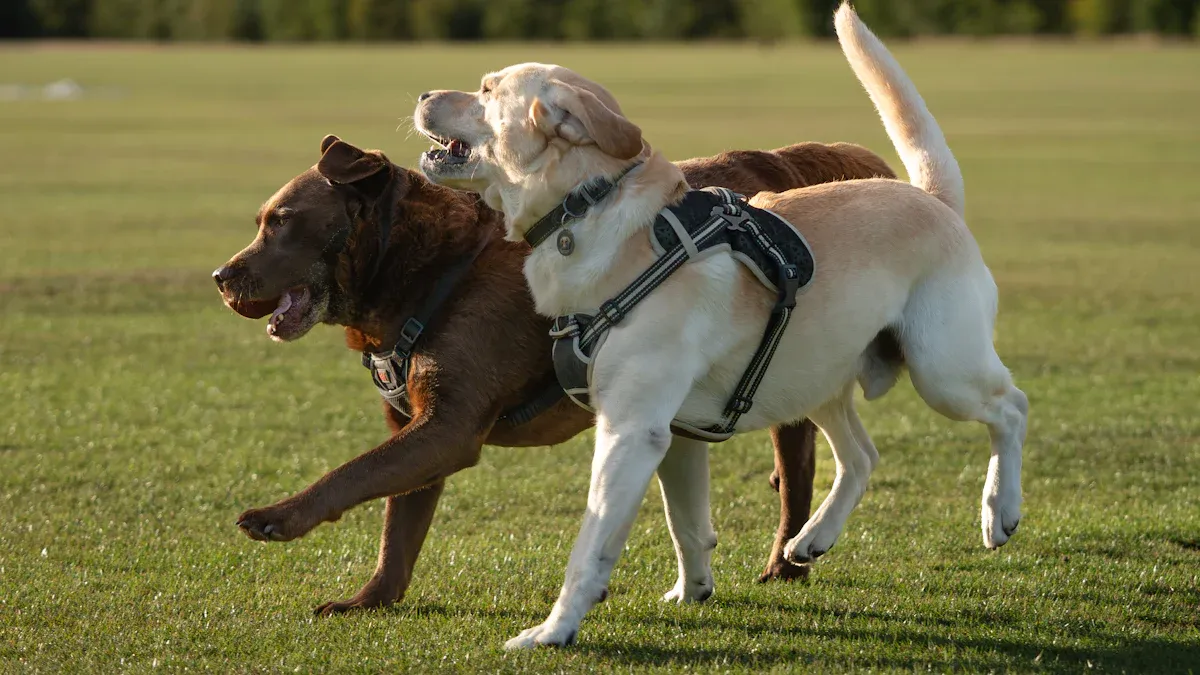
Active dogs love to play, run, and jump, even in cold weather. However, winter conditions can make these activities more dangerous. When your dog makes a sudden turn or jumps on a slick surface, it may twist its knee or hip. This can lead to a partial or full tear of the ligament. While regular exercise helps keep your dog’s muscles strong, certain high-impact activities, like flyball, can increase the risk of injury during winter. Maintaining core strength and using a custom dog hip brace for winter ACL injury prevention can help support your dog’s joints and reduce strain.
Slipping on ice during play
Sudden changes in direction
Jumping or landing awkwardly
Vulnerable Breeds and Seniors
Some dogs face a higher risk of ACL injuries in winter. Large breeds, overweight dogs, and seniors often have weaker joints or less muscle mass. Genetics and age-related changes can also make ligaments more fragile. The table below highlights breeds with higher risk:
Dog Breed | Risk for ACL Injuries | Average Age for ACL Injuries |
|---|---|---|
Rottweiler | High | 7 years |
Bichon Frise | Moderate | 7 years |
If your dog is older, overweight, or belongs to a vulnerable breed, consider using a hip support brace for dogs. This non-surgical ACL support can help prevent injuries and keep your dog active all winter.
Understanding ACL and Dog Knee Braces
What Is an ACL Tear?
An ACL tear is a common injury in dogs, especially during winter. The ACL, or anterior cruciate ligament, stabilizes your dog’s knee joint. When your dog suffers a torn ACL, you may notice sudden limping, pain, or a change in how they walk. Early signs often include stiffness, a shorter stride, or shifts in posture. You might see your dog favoring one leg or struggling to rise after resting. These symptoms can signal joint discomfort and should prompt a visit to your veterinarian for a proper diagnosis.
Function of ACL in Dogs | Impact of Injury |
|---|---|
Provides stability to the knee joint | Leads to impaired mobility and pain |
Prevents excessive anterior tibial translation | Significantly affects a dog’s ability to move normally |
Prevents internal tibial rotation | |
Prevents hyperextension |
Note: Only a veterinarian can diagnose acl tears or other joint injuries. They may use physical exams and X-rays to confirm the problem.
Cruciate Ligament Injuries Explained
Cruciate ligament injuries affect the knee joint and can cause both acute and chronic pain. You may see your dog limping suddenly or using a “toe-touching” gait. Chronic injuries often lead to muscle loss and difficulty rising. Common symptoms include:
Sudden pain and limping that may improve after a few days
Gradual pain and limping from osteoarthritis
Decreased muscle mass over the affected knee
Swelling or thickening around the joint
Veterinarians use several tests to diagnose these injuries, such as the cranial drawer test, tibial compression test, and X-rays. Early detection improves your dog’s chances for recovery.
How Hip and Knee Braces Work Together
Dog knee braces and hip braces play a key role in supporting your dog’s joints. Dog knee braces stabilize the knee and limit harmful movement. Hip braces add support to the hips and lower back, which helps reduce strain on the knees. When you use both types of braces, you give your dog better overall joint stability. This combination can help prevent further injury, especially in large breeds or active dogs. Braces also help manage pain and support healing after an injury. You should always consult your veterinarian before starting any brace therapy for your dog.
Dog knee braces: Stabilize the knee, reduce pain, and support healing
Hip braces: Support the hips, improve posture, and reduce knee strain
Combined use: Offers large breed joint support and non-surgical ACL support
A custom dog hip brace for winter ACL injury prevention can make a big difference in your dog’s comfort and mobility.
How Hip Braces Prevent ACL Injuries
Custom Dog Hip Brace for ACL Injury Prevention Winter 2025
You want your dog to stay active and safe during winter. A custom dog hip brace for ACL injury prevention in winter gives your pet extra support when icy surfaces make walking less stable. These braces wrap around the upper hind leg and hip, helping align your dog’s body and reduce the risk of injury. You can use custom dog knee brace and custom dog leg braces together for better protection. Dog knee braces focus on the knee, while hip braces stabilize the hip and lower back. This combination supports your dog’s movement and helps prevent further damage.
Tip: Ask your veterinarian about custom orthotics for dogs if your pet has a history of joint injuries or knee pain in dogs.
Stabilizing Hips and Supporting Joints
Braces work by providing stabilization to the hip and knee. When you fit a custom dog hip brace for acl injury prevention winter 2025, you help your dog maintain proper alignment. The brace keeps the hip steady, which reduces rotational strain and tibial thrust at the knee. You can see the difference in your dog’s posture and gait. Braces support the joint and help distribute weight evenly. This reduces pressure on the ligaments and lowers the chance of an acl tear.
Stabilizes the hip and upper hind leg
Improves alignment and posture
Reduces rotational strain at the knee
Supports overall mobility
Braces offer conservative, non-invasive support.They do not replace surgery when needed, but they help manage symptoms and prevent further injury. You should always consult your vet before choosing braces or orthotics.
Neoprene Panels and Secure Fit
Custom dog hip braces use neoprene panels to wrap snugly around your dog’s upper hind leg. This design provides gentle compression around the joint. Compression helps reduce swelling and promotes healing, which is essential for pain alleviation and joint stability. You can adjust the brace for a secure fit, making sure it stays in place during walks or play. Neoprene also offers warmth, which is important during cold winter months.
Feature | Benefit for Dogs |
|---|---|
Neoprene panels | Compression, pain relief, stability |
Adjustable straps | Secure fit, easy to use |
Soft lining | Comfort, prevents chafing |
Dog knee braces and custom dog knee brace designs often include similar materials for added comfort and support. You can use these braces for conservative management of knee pain in dogs and to help maintain muscle mass.
Reducing Tibial Thrust and Strain
A custom dog hip brace for acl injury prevention winter 2025 helps reduce tibial thrust and strain at the knee. Tibial thrust happens when the tibia moves forward during walking or running. This movement puts stress on the acl and can lead to injury. Braces limit this motion by stabilizing the hip and knee together. You can use custom dog leg braces and dog knee braces to control movement and protect the ligaments.
Note: Braces provide non-invasive support and joint stabilization. They help your dog stay active and comfortable, but they do not cure severe injuries. Always follow your vet’s advice for conservative or surgical treatment.
Custom orthotics for dogs, including hip support brace for dogs and dog acl brace, offer large breed joint support and non-surgical acl support. You can help your dog enjoy winter activities with less risk of injury.
Which Dogs Benefit Most
Large Breeds and Active Dogs
You may notice that large breeds and active dogs face a higher risk of ACL injuries during winter. Their size and energy put extra pressure on the hips and knees, especially when running or playing on slippery surfaces. Dog knee braces and hip braces offer large breed joint support, helping stabilize movement and reduce strain. If your dog enjoys sports or works outdoors, braces can provide conservative protection and help prevent knee pain in dogs. You give your dog a better chance to stay active and safe with the right support.
Breeds like Rottweilers, Labradors, German Shepherds, and Golden Retrievers often benefit from extra joint support, especially in winter.
Sport and working dogs need extra stability for winter activities.
Braces help manage joint stress and support healthy movement.
Seniors and Dogs with Hip Dysplasia
Older dogs and those with hip dysplasia often struggle with mobility and pain. You can use custom hip braces to improve comfort and stability for your senior pet. These braces gently lift and steady the hips, making walking and standing easier. The table below shows how braces help seniors and dogs with hip dysplasia:
Benefit | Description |
|---|---|
Fit and Comfort | Stabilizes the hip joint and supports the rear legs for easier movement. |
Pain Relief | Compression reduces swelling and discomfort, leading to smoother strides and less limping. |
Stability | Extra support helps maintain balance and avoid falls. |
Improved Mobility | Encourages exploration and interaction by making movement easier. |
Healing Support | Holds hips steady and aids healing for dogs with hip dysplasia. |
Enhanced Quality of Life | Many owners report happier, more engaged dogs after using a brace. |
Overweight and Previously Injured Dogs
Overweight dogs and those with previous injuries often need extra support to manage knee pain in dogs and regain mobility. Dog knee braces and hip braces provide conservative care for these pets. You help your dog move more comfortably and reduce the risk of further injury. Proper fitting and adjustment are important for effectiveness.
Braces support conditions like arthritis, hip dysplasia, and mobility issues.
Overweight dogs benefit from joint stabilization and pain management.
Dogs with past ACL injuries can use braces for non-surgical ACL support.
Tip: Always consult your veterinarian to choose the best brace and ensure a proper fit for your dog.
Winter 2025 Brace Features and Fitting Tips
Soft Edging, Anti-Slip, and Insulation
When you choose a custom dog hip brace for winter ACL injury prevention, look for soft edging and padded panels. These features prevent chafing and keep your dog comfortable during long walks. Wide straps help distribute pressure evenly, while an anti-slip design keeps the brace in place on icy or snowy surfaces. Insulation is essential for cold weather. It helps maintain warmth around the hip and joint, which supports healing and comfort. Many braces, like those from GaitGuard, work well with winter jackets and harnesses, so your dog stays protected outdoors.
Soft, padded edges for comfort
Wide, adjustable straps for stability
Anti-slip materials for secure fit
Insulated panels for warmth
Moisture Resistance and Comfort
Winter brings snow and slush, so moisture resistance matters. Choose braces made with water-repellent neoprene or similar materials. This keeps your dog’s skin dry and reduces the risk of irritation. A breathable lining adds comfort and prevents overheating indoors. You want your dog to feel at ease whether playing outside or resting at home.
Tip: Always dry the brace after outdoor use to prevent moisture buildup.
Fitting, Customization, and Safe Use
Proper fit ensures the brace works as intended. Follow these steps for accurate measurement and customization:
Measure around your dog’s hips, just in front of the hind legs, leaving space for one finger under the tape.
Measure around the upper thigh, halfway between the hip and knee.
If your brace design requires it, measure the length from the top of the hip to just above the knee.
A gradual break-in period helps your dog adjust to the new support. Start with short wear times and increase as your dog gets used to the brace.
Monitoring Skin and Fur
Check your dog’s skin and fur daily. Remove the brace at night to let the skin breathe. Take it off when your dog is crated or left alone. This routine helps prevent irritation and keeps your dog healthy.
Recommendation | Description |
|---|---|
Remove at night | Take the brace off at night so your dog’s skin can breathe. |
Remove when crating | Also remove the brace if your dog is crated or left unattended. |
Dog knee braces and hip braces offer reliable support for large breed joint health. With the right fit and care, you help your dog stay active and comfortable all winter.
Advice for Pet Professionals
Recommending Hip Braces and Winter Safety Gear
You play a key role in keeping dogs safe during winter. When you work as a vet, rehab therapist, groomer, or retailer, you can recommend custom dog hip braces for winter ACL injury prevention. You help pet owners choose the right hip support brace for dogs. Explain how braces stabilize joints and reduce injury risk in winter. You can also suggest winter safety gear, such as non-slip boots, insulated jackets, and traction mats for home use.
Pair custom dog hip braces with winter gear for full protection.
Offer product bundles that include braces, boots, and jackets.
Show pet owners how braces provide large breed joint support and non-surgical ACL support.
Tip: Demonstrate brace fitting and adjustment during appointments or grooming sessions. You help owners feel confident using these products.
Educating Clients on Prevention
You educate clients about winter risks and joint health. You explain how snow, ice, and slippery floors increase the chance of ACL injuries. You teach pet owners to watch for early signs of knee pain in dogs, such as limping or changes in gait. You encourage regular checkups and proactive steps, like using a hip support brace for dogs before problems start.
Prevention Strategy | How You Can Help Clients |
|---|---|
Early detection | Teach owners to spot warning signs |
Show fitting and care techniques | |
Winter safety gear | Recommend boots, mats, and jackets |
Exercise modification | Advise on safe winter activities |
You build trust by sharing practical advice and demonstrating products. You help pet owners keep their dogs active, comfortable, and safe all winter.
A custom dog hip brace for ACL injury prevention in winter 2025 helps protect your dog’s joints and supports safe movement on slippery surfaces. You give your pet the best chance for comfort and mobility by taking proactive steps. Always consult your veterinarian before choosing a hip support brace for dogs.
Proper fitting ensures large breed joint support and non-surgical ACL support.
Vets guide you on safe use and monitor your dog’s comfort for better outcomes.
Keep your dog active, safe, and happy this winter with the right support.
FAQ
How does a custom dog hip brace help with winter ACL injury prevention?
A custom dog hip brace stabilizes your dog’s hips and knees. You reduce joint strain and support healthy movement on slippery winter surfaces. This support lowers the risk of ACL injuries, especially for large breeds and active dogs.
Can my dog wear a hip support brace all day?
You should let your dog wear the hip support brace during activity or walks. Remove it at night and when your dog rests. This routine helps prevent skin irritation and keeps your dog comfortable.
Which dogs need large breed joint support in winter?
Large breeds, seniors, overweight dogs, and those with previous injuries benefit most. You give these dogs extra stability and non-surgical ACL support during icy or snowy months.
How do I know if the brace fits correctly?
Check for a snug, comfortable fit. The brace should not slip or cause chafing. You should see improved movement and posture. Always follow your veterinarian’s fitting instructions for best results.
Is a custom dog hip brace a replacement for surgery?
A custom dog hip brace offers non-surgical ACL support and helps manage pain. You should use it for prevention or recovery. It does not replace surgery for severe injuries. Always consult your veterinarian for treatment advice.