
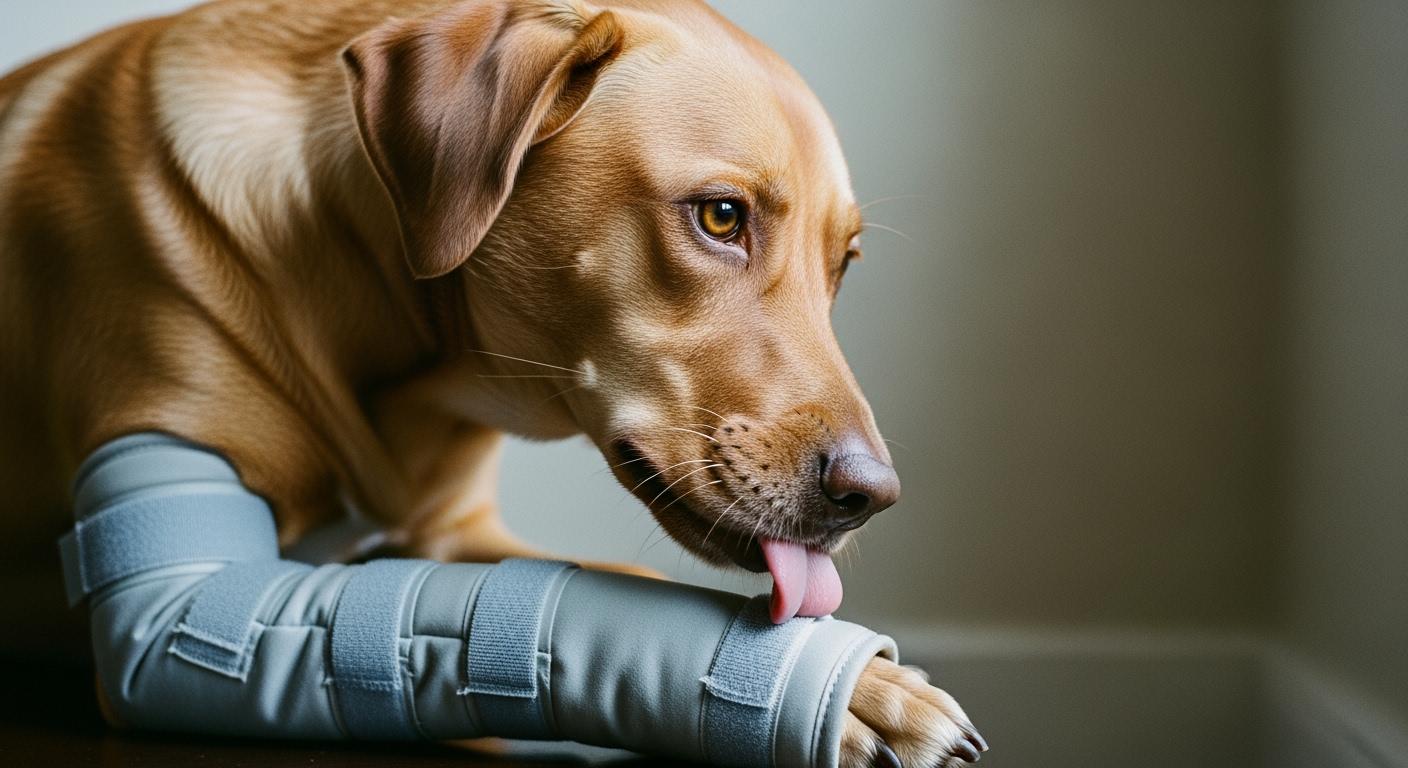
You might see your dog still trying to reach the wound even with the lick sleeve for dogs front leg in place. Your dog may chew the fabric or show the area when moving. Dogs lick wounds to feel better or stop pain, similar to how people rub sore spots for relief. Sometimes, the lick sleeve for dogs front leg can make your dog feel itchy or worried, which can lead to increased licking. Watch your dog closely for the first 30-60 minutes while using the sleeve. Keep checking for problems over the next 24-72 hours. If your dog keeps licking or you see signs of infection, talk to your veterinarian. This helps your dog stop licking and heal safely.
Das Wichtigste in Kürze
Watch your dog closely for 30 to 60 minutes after you put on the lick sleeve. See if the sleeve slips or if your dog looks uncomfortable.
Check the sleeve two times a day to make sure it fits well and is clean. Make sure the sleeve covers the wound and there are no open spots.
If your dog still licks or chews the sleeve, talk to your veterinarian about other things you can try.
Keep another sleeve ready so you can protect the wound while you clean the first one. This stops the wound from being uncovered.
Always do what your veterinarian says for wound care and using the sleeve. This keeps your dog safe and comfortable.
How a Lick Sleeve for Dogs Front Leg Works
Coverage During Movement
You want your dog to stay comfortable and protected, even when moving around the house or yard. A lick sleeve for the front leg covers the target area and helps block licking during daily activities. Dogs often jump, run, or lie down quickly. The sleeve should stay in place during these movements to keep the wound safe. You should use the sleeve whenever your dog rests or moves on hard surfaces, as these moments can increase the risk of trauma. Continuous protection is important because dogs can surprise you with sudden bursts of energy.
The sleeve offers targeted protection for leg injuries.
It allows your dog to move more freely than some other anti-lick devices.
You can put it on and take it off easily, which helps with wound care.
Sleeve as a Barrier, Not a Restraint
You need to remember that a lick sleeve acts as a barrier, not a restraint. It does not stop all movement or prevent every attempt to reach the wound. The sleeve works best for injuries on the limb, not for wounds on the body, neck, or head. Some dogs may chew the fabric or try to slip the sleeve off, especially if they feel itchy or stressed. You must check the sleeve often to make sure it stays clean and fits well. If your dog chews through the sleeve or it slips off, the wound may become exposed.
The sleeve does not replace wound care, infection control, or your veterinarian’s advice.
Regular checks help you spot problems like chewing, damp fabric, or exposed areas.
Forelimb Flexibility Challenges
The front leg bends at the elbow and wrist, which makes it hard for any anti-lick devices to stay in place all the time. When your dog flexes the leg, the sleeve can bunch up, slide, or twist. You should watch for signs like rubbing, slipping, or the sleeve moving away from the wound. If you see these problems, adjust the sleeve or ask your veterinarian about other options. Not every dog or injury is a good fit for a sleeve. Always follow your veterinarian’s instructions before using any anti-lick devices.
Tip: Keep at least two sleeves on hand. This lets you wash one while your dog wears the other, keeping the area clean and protected.
Why Dogs Keep Licking Their Wounds with a Sleeve
Dogs often find ways to keep licking their wounds, even when you use a lick sleeve for the front leg. You may notice your dog still tries to reach the injured area. This section explains the main reasons why licking continues and what you should watch for.
Sleeve Slipping or Sliding
Sleeves can slip or slide down the leg during normal movement. Dogs bend their elbows and wrists, which causes the fabric to shift. When the sleeve moves, the wound may become exposed. You should check the sleeve position often, especially after your dog runs, jumps, or lies down. If the sleeve slides, your dog can start licking their wounds again. For example, a dog with a hot spot near the elbow may have the area covered while standing, but the sleeve shifts during play, allowing access to the wound. This is a coverage-path problem, not a cleaning issue.
Tip: Watch for bunching or twisting at the elbow. Adjust the sleeve if you see gaps or exposed skin.
Reaching Around Edges
Some dogs learn to reach around the edges of the sleeve. They use their tongue or teeth to get to the wound. The sleeve acts as a barrier, but it does not block every attempt. You should look for signs that your dog is licking their wounds near the sleeve’s edge. If you see damp fur or saliva marks, your dog may have found a way to reach the target area. Dogs with long tongues or flexible joints can sometimes bypass the sleeve.
Check for exposed skin at the top or bottom of the sleeve.
Make sure the sleeve fits snugly but does not cause rubbing.
Chewing or Wet Fabric
Chewing on the sleeve can damage the fabric. When your dog chews, holes may appear, and the sleeve loses its protective function. Wet fabric from licking or chewing can also weaken the barrier. If the sleeve becomes damp, your dog may continue licking their wounds through the damaged area. Chewing can significantly reduce the effectiveness of the lick sleeve in protecting the front leg. You should inspect the sleeve for tooth marks, holes, or wet spots. Replace the sleeve if you see damage.
Note: Always keep a backup sleeve ready. Clean and dry sleeves help maintain protection.
Pain, Itch, or Stress Factors
Dogs lick their wounds because they feel pain, itch, or stress. The sleeve may not stop these feelings. If your dog feels uncomfortable, they may try harder to reach the wound. Anxiety or boredom can increase licking behavior. You should observe your dog for signs of discomfort, such as whining, pawing at the sleeve, or repeated licking attempts. If the wound looks worse or your dog seems distressed, contact your veterinarian.
Veterinary instructions always come first. If licking persists, ask your veterinarian about safer alternatives.
Front-Leg Lick Sleeve Use-Failure Table
What Happens | Why It May Happen | Was zu überprüfen ist | Safer Next Steps |
|---|---|---|---|
Sleeve slips or slides | Elbow or wrist movement shifts fabric | Sleeve position, exposed area | Adjust fit, consult vet |
Edge access | Flexible joints, long tongue | Damp fur, saliva marks | Check coverage, adjust sleeve |
Chewing or wet fabric | Dog chews or licks sleeve | Holes, tooth marks, wet spots | Replace sleeve, backup ready |
Rubbing or bunching | Sleeve bunches at elbow | Red skin, sleeve folds | Stop use if rubbing, consult vet |
Paw or toe access | Sleeve does not cover paw area | Exposed toes, licking focus | Ask vet about foot protection |
You need to check the sleeve often and follow your veterinarian’s advice. Licking their wounds may persist if the sleeve slips, edges become exposed, or your dog chews through the fabric. Pain, itch, or stress can also drive licking behavior. You must act quickly if you see signs of harm or repeated licking.
Checking Sleeve Fit and Effectiveness
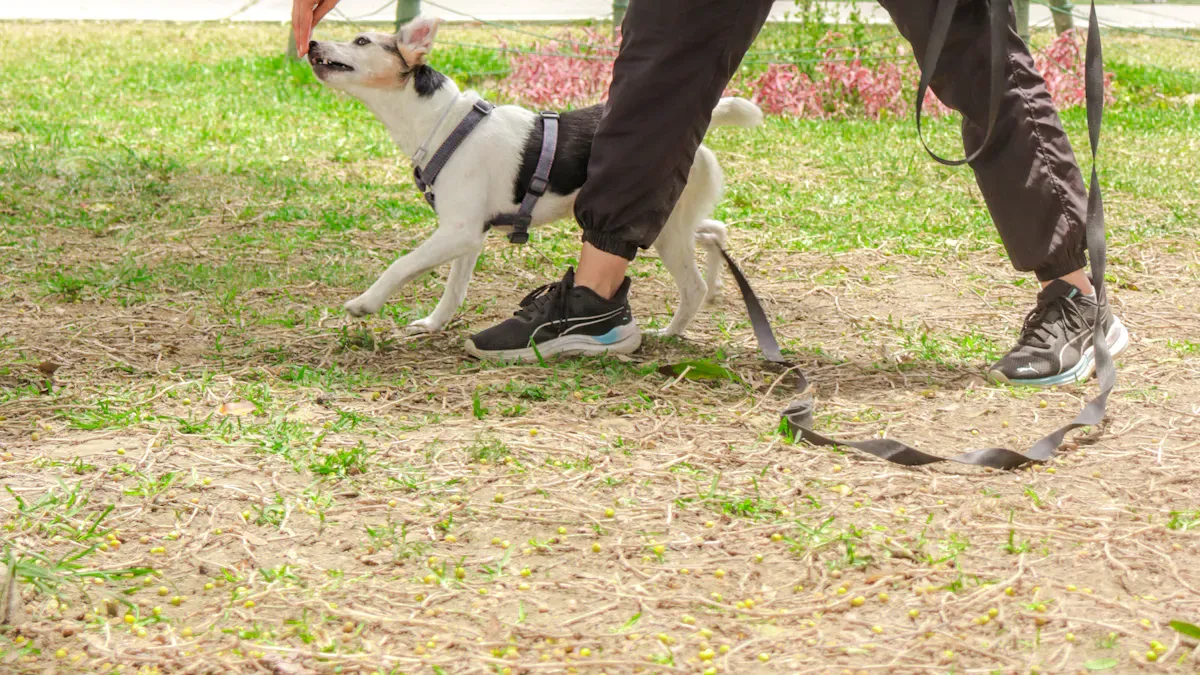
First Supervised Wear (30-60 Minutes)
Start by identifying the exact area your dog tries to lick. Apply the sleeve so it covers the wound completely. Watch your dog closely for the first 30-60 minutes. Observe how your dog moves, sits, and lies down. Check if the sleeve stays in place during these movements. Look for signs like slipping, twisting, bunching, or rubbing. Notice if your dog tries to chew or reach around the edges. If you see dampness, heat, or exposed skin, adjust the sleeve right away.
Tip: Keep your hands clean before and after handling the sleeve or wound. This helps prevent infection.
Twice Daily Checks
Check the sleeve and your dog’s skin at least twice each day. Do this before bedtime, after walks, and after the sleeve gets wet. Make sure the sleeve still covers the wound without gaps. Look for redness, swelling, or pressure marks. Inspect for chewing damage or damp fabric. Always have a clean backup sleeve ready so you can switch if needed.
Check fit after every cleaning.
Look for rubbing or pressure signs.
Recheck after activity or if the sleeve gets wet.
Signs of Harm or Failure
Watch for warning signs that mean you should stop using the sleeve:
Excessive licking or chewing
Foul or unusual odor
Discharge or pus
Hair loss near the wound
Delayed healing or worsening
Red streaks from the wound
Limping or low energy
If you see any of these, remove the sleeve and contact your veterinarian.
Decision Table: Continue, Adjust, or Stop
Use this table to guide your next steps:
Signal Level | What You See | Action |
|---|---|---|
🟢 Green | Skin dry, normal color, sleeve fits well, dog moves comfortably, injury protected | Continue routine checks |
🟡 Yellow | Mild redness, slight swelling, sleeve slipping, licking or chewing, injury zone damp | Adjust fit, monitor closely, consult vet if signs persist |
🔴 Red | Deep marks, heat, discharge, foul odor, bleeding, limping, repeated removal, open injury | Stop use immediately, contact veterinarian |
Always follow your veterinarian’s instructions. If your dog can still reach the wound or shows red-level signs, stop using the sleeve and ask about safer alternatives.
When to Switch from a Lick Sleeve for Dogs Front Leg
Persistent Licking or Chewing
Watch your dog closely after you put on the lick sleeve for dogs front leg. If your dog licks a lot or keeps chewing, the sleeve might not work well. Some dogs can take off or break the sleeve, especially after surgery. If your dog keeps trying to get to the wound, check if the sleeve fits right and covers the area. If chewing does not stop or the sleeve moves, stop using it and ask your veterinarian for safer choices.
If your dog keeps taking off the sleeve, do not make the straps tighter without help. Always look for skin showing or wet fabric.
Signs of Infection or Discomfort
Look for signs that show the lick sleeve for dogs front leg is not working anymore. These signs are:
Pus near the wound
Bad smell from the spot
More redness or heat around the cut
Too much licking of the spot
Your dog seems to be in pain
If you see any of these, take off the sleeve and call your veterinarian. Swelling, heat, pus, bleeding, or limping also mean you should stop using the sleeve. Always do what your veterinarian says first.
Alternative Tools: Cone, Suit, Bandage
Sometimes you need to use something else to keep your dog’s wound safe. Your veterinarian might tell you to use a cone, a body suit, or a bandage wrap. Each one protects and feels different. The table below shows how these tools compare:
Tool | Effectiveness for Leg Injuries | Comfort Level | Mobility | Suitability for Other Injuries |
|---|---|---|---|---|
Lick Sleeve | High | High | Moderate | Limited to leg injuries |
Bandage Wraps | Moderate | High | High | Suitable for body/limb wounds |
Body Suits | Moderate | High | High | Best for body wounds |
Pick the tool that works best for your dog and where the injury is. Always listen to your veterinarian. Clinics, brands, and sellers must use sleeves only for the right cases. If the lick sleeve for dogs front leg does not cover the wound or your dog keeps licking, use another tool to protect the wound better.
You should watch your dog and check the sleeve often. This helps keep the wound safe. The sleeve does not work for every dog. Some dogs can pull it off or chew on it. So, it may not always be the best choice. If your dog keeps licking or you see any harm, act fast. Call your veterinarian right away.
Make sure the sleeve fits and covers the wound.
Watch if your dog licks or chews the sleeve.
Pick soft materials so your dog can move easily.
Benefit | Description |
|---|---|
Targeted Protection | Soft padding covers the elbow area for comfort. |
Superior Material and Comfort | Breathable fabric helps stop skin from getting sore. |
Simplicity and Practicality | It is easy to use and clean, so you can check wounds often. |
Personalized Management Plan | Special protection helps stop more injury and helps healing. |
Always do what your veterinarian says. Good protection and expert help keep your dog safe while healing.
Häufig gestellte Fragen
How often should you check your dog’s wounds with a lick sleeve?
You should check your dog’s wounds at least twice daily. Look for redness, swelling, or dampness. Make sure the sleeve covers the wounds and stays dry. If you see any changes in the wounds, contact your veterinarian right away.
Can a lick sleeve prevent all licking of wounds?
A lick sleeve helps block access to wounds, but it cannot stop every attempt. Some dogs may still reach their wounds by chewing, slipping the sleeve, or licking around the edges. Always watch your dog and follow your veterinarian’s advice for wounds.
What should you do if the sleeve gets wet or dirty from wounds?
Remove the sleeve if it gets wet or dirty from wounds. Clean and dry the sleeve before using it again. Wet fabric can let your dog reach the wounds. Always keep a backup sleeve ready to protect wounds during cleaning.
When should you stop using a lick sleeve for wounds?
Stop using the sleeve if you see swelling, heat, odor, discharge, or bleeding from wounds. If your dog keeps licking or chewing, or if wounds look worse, remove the sleeve. Call your veterinarian for new instructions about wounds.
Are there other tools for protecting wounds besides a lick sleeve?
Yes, you can use cones, body suits, or bandages for wounds. Each tool works differently for wounds. Ask your veterinarian which tool is safest for your dog’s wounds. Always use the tool that keeps wounds covered and clean.
