
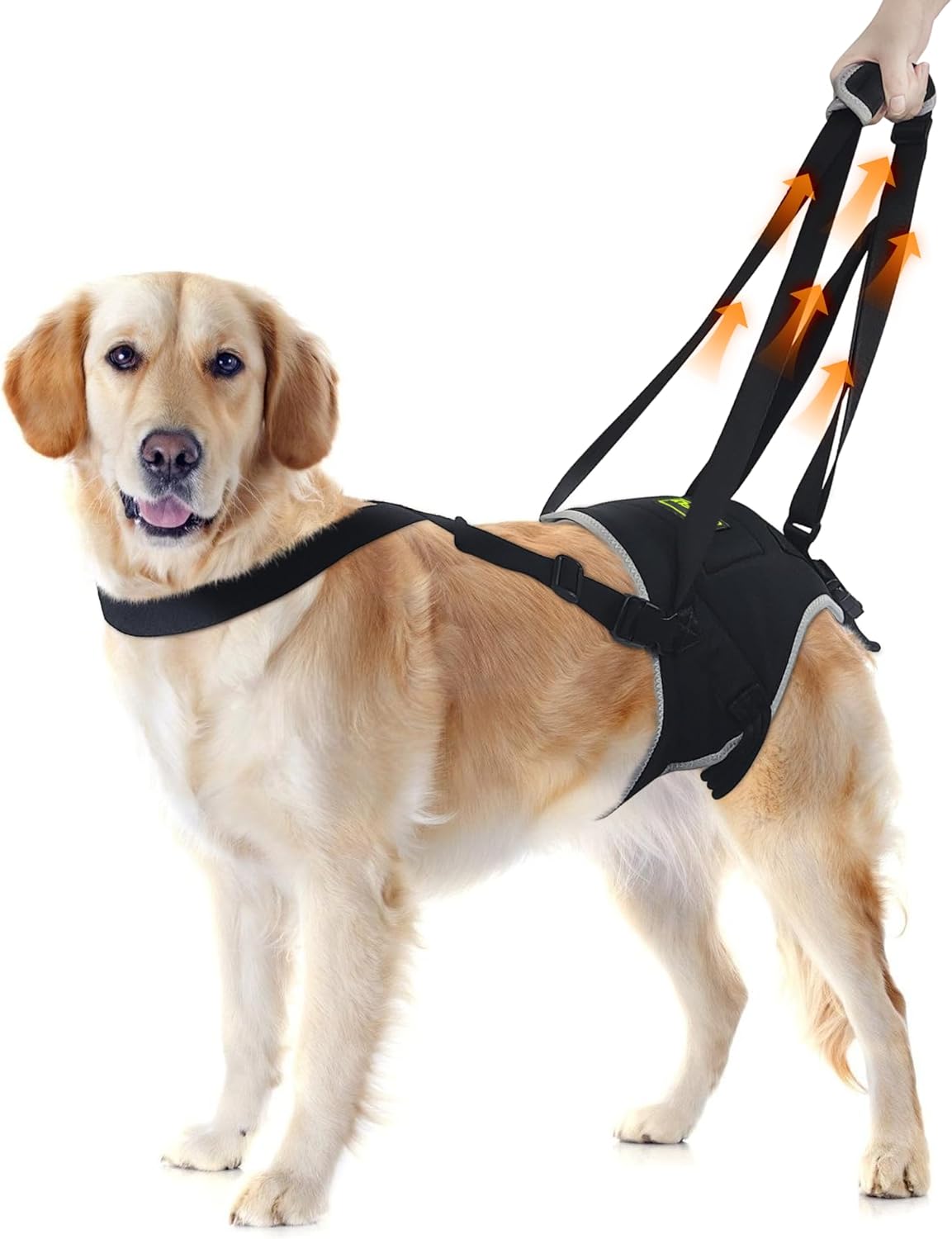
Dog braces help dogs heal faster after getting hurt. Braces keep joints steady and lower pain. This helps dogs move with less trouble. Studies show dogs with joint injuries often walk better with a brace. Many dogs do not need surgery when they use a brace. Most dogs go back to normal play and feel less pain.
Study | Findings |
|---|---|
2020 Study in Veterinary Surgery | Dogs with CCL injuries got better limb use and steadier joints with hinged braces. Many did not need surgery and could play like before. |
University of Tennessee Clinical Trial (2018) | Double braces helped the healthy leg by lowering strain and pain. Dogs moved more and felt better. |
Meta-Analysis on Conservative Management (2021) | Bracing with weight control and physical therapy cut pain and made life better, mostly for small and medium dogs. |
Key Takeaways
Dog braces keep joints steady, lower pain, and help dogs heal faster after getting hurt. – A brace can stop the need for surgery in many cases, so dogs can get back to normal things sooner. – The brace must fit well and feel good; always look for skin problems and fix the brace if needed. – Ask your veterinarian to help pick the best brace for your dog’s injury and needs. – Braces help dogs get better and also stop new injuries by giving support when they move.
How Dog Braces Aid Recovery
Stabilization and Joint Support
You want your dog to get better fast after getting hurt. A dog brace keeps the hurt joint steady. This helps stop the joint from moving too much. It protects the healing parts inside. Using a brace helps your dog avoid more harm. It gives the body time to fix itself.
Here is how braces help with different problems:
Condition | Benefit of Dog Braces |
|---|---|
Luxating Patella | Holds the kneecap in place. This lowers knee trouble and limping. |
Arthritis and Joint Degeneration | Squeezes the knee gently. This helps with pain, swelling, and stiffness. |
Trauma or Acute Injury | Keeps the joint steady. This stops more ligament damage from sudden accidents. |
Post-Injury Support | Helps healing by keeping the joint stable and safe. |
Prophylactic Use | Good for sporty dogs. It lowers the chance of getting hurt during hard play. |
Pain Management for Arthritis | Makes pain and stiffness less. This helps dogs do daily things more easily. |
Custom braces and double braces are very helpful. A custom brace fits your dog’s leg just right. Double braces support both legs and spread weight better. Many owners say their dogs walk easier and hurt less with these braces. You help your dog heal and move with more confidence.
Pain Relief and Controlled Movement
Pain makes healing slow and keeps your dog from moving much. A dog brace lowers pain by holding the joint in the right spot. Soft squeezing from the brace helps blood flow and cuts down swelling. You may see your dog stand straighter and walk better in a week or two.
Braces let your dog move safely. Your dog can walk and play without getting hurt again. This is important for dogs with a torn ccl. The brace keeps the joint steady while scar tissue grows. This stops muscle loss and keeps your dog comfy.
Benefit | Description |
|---|---|
Stabilization of joints | Neoprene braces keep the stifle steady. This lowers pain and helps balance weight. |
Pain reduction | They help cut pain when healing from CCL or ACL injuries. |
Controlled movement | Let your dog move safely while scar tissue forms. This stops more injury. |
Faster mobility restoration | Studies show dogs with good braces heal faster and lose less muscle. |
Improved comfort | Dogs feel better when braces are used with therapy and weight care. |
You help your dog stay active and happy while healing. Braces make life easier and safer for your pet.
Healing Without Surgery
Some dogs cannot have surgery because they are old or sick. You can use a dog brace to help your dog heal without an operation. Many owners see good results with braces only. Success rates for healing without surgery are between 33% and 63% over months. Most owners say their dogs limp less or not at all after using a brace. Some dogs may get skin irritation.
Braces are a safe way to help healing. You give your dog a chance to get better naturally. Most dogs have less pain and move better after using a brace. You help your dog go back to normal life without surgery risks.
Braces without surgery often help dogs walk better and hurt less.
Double braces give extra support. This lowers the chance of falling or getting hurt again.
Owners say their dogs move easier and feel better with braces.
Tip: Always look at your dog’s skin when using a brace. Change the fit if you see red spots or sores.
You can trust a dog brace to help your dog heal, whether you pick surgery or not.
Dog Brace Injury Support
CCL and ACL Tears
Your dog may limp or have trouble walking after an accident. Many active or big dogs tear their ccl or acl. These injuries hurt and make moving hard. A dog brace keeps the knee steady. It stops the joint from moving too much. This helps scar tissue grow. Sometimes, a brace means your dog does not need surgery.
Vet studies show hinged braces help dogs walk better. Many dogs with torn ccl can play again. Double braces protect the healthy leg. This lowers pain and stops new injuries. The right brace helps your dog heal faster.
Type of Injury | Description |
|---|---|
Luxating Patella | Kneecap moves out of place. This causes limping and weak knees. |
Torn CCL or ACL | Ligament tears from accidents or too much use. This leads to pain and swelling. |
Trauma or Acute Injury | Sudden accidents hurt ligaments or joints. |
Tip: If your dog limps, drags a foot, or moves slow after play, look for a torn ccl. Using a brace early helps your dog heal faster.
Arthritis and Joint Instability
Older dogs or dogs with old injuries can get arthritis or weak joints. You may see your dog move slow, limp, or act like it hurts to walk. These signs mean your dog needs more help. A dog brace keeps the joint steady. It helps control movement. This lowers pain and stops more injury.
Braces help with arthritis. They hold the joint in place. This stops bad movement and helps your dog feel better. Your dog can walk and play more. Some dogs wear braces when active to stop new injuries. Custom braces fit your dog’s leg best. They help with long-term problems.
Benefit | Description |
|---|---|
Joint Support | Keeps the joint steady and stops painful movement. |
Pain Reduction | Makes pain less and helps safe movement while healing. |
Improved Mobility | Helps your dog move and play again. |
Conditions Treated | Good for torn ccl, arthritis, and weak knees. |
Long-term Use | Some dogs wear braces when playing or walking. |
Limping or walking funny
Pain when moving
Trouble with balance or moving fast
Dragging a foot
Slow to stand up
Note: Braces for arthritis or weak joints can help your dog skip surgery and live better.
Post-Surgery and Preventing Further Injury
After surgery, your dog needs extra help to heal and stay safe. A dog brace gives support and lowers pain. It helps your dog heal faster and stops problems. Braces keep the knee steady. They stop too much movement that can hurt healing.
“Dog knee braces help mild or medium knee injuries. They give support, lower pain, and help healing. They also stop more problems.”
Double braces help both legs. This keeps your dog safe and stops hurting the other leg. Braces also lower swelling and make moving easier.
Dog knee braces keep the knee safe and stop new injuries.
They help lower swelling and pain.
Double braces protect the other leg from getting hurt.
You help your dog heal with the right brace. Many dogs play and do daily things sooner. You give your dog a safe way to get better and avoid problems.
Dog Brace Recovery Benefits
Faster Healing
You want your dog to heal quickly after an injury. Using a dog brace can speed up this process. Braces keep the joint steady, which helps the body repair itself. Many studies show that dogs with braces heal faster than those without. For example:
Dogs using custom-fitted stifle orthotics showed a 5.1% improvement in weight-bearing on the injured leg.
Dogs with knee braces for CCL injuries saw a 62% improvement in mobility within just six weeks.
These numbers show that braces help your dog put more weight on the hurt leg and move better sooner. You give your dog a better chance to recover without waiting too long.
Improved Mobility
A brace does more than just help with healing. It also lets your dog move with less pain. Many owners notice their dogs walk, run, and play more after getting a brace. Here are some results from recent studies:
88% of dogs fitted with stifle orthoses had mild or no lameness, according to their owners.
About 85% of owners said their dogs walked better after using a brace.
Many dogs improved their gait and weight-bearing within 6 to 12 weeks of wearing a custom or hinged brace.
When your dog moves better, you see more tail wags and happy walks. Braces help your dog get back to daily life faster.
Lower Risk of Additional Injury
Braces do more than help with the first injury. They also protect your dog from getting hurt again. The benefits of dog leg braces include joint support, less strain on ligaments, and better weight distribution. Braces stabilize the joint, reduce swelling, and ease pain from problems like a torn ACL or luxating patella. Many owners and vets say braces help avoid surgery and keep dogs safe during recovery.
Braces manage knee pain and support healing.
They lower the chance of new injuries by keeping joints steady.
Owners often see positive results when using braces as a safe, non-surgical option.
You help your dog stay active and safe by choosing the right brace.
Using Dog Leg Braces
Proper Fit and Adjustment
You want your dog to feel comfortable and safe when using dog leg braces. A good fit helps your dog heal faster and prevents new problems. Always check that the brace fits snugly but does not pinch or rub. Make sure the brace supports the injured area and is easy to put on and take off. High-quality materials last longer and keep your dog comfortable.
Veterinarians suggest these steps for the best fit:
Ensure the brace feels snug and comfortable.
Check that it supports the injured joint.
Adjust the straps so the brace stays in place but does not cause pain.
Choose braces that are easy to remove and clean.
Ask your vet if your dog needs a custom brace for better support.
Tip: Measure your dog’s leg carefully before buying a brace. A poor fit can cause sores or sliding.
Wear Time and Transitioning Braces
Dog leg braces help after injuries or surgery. Some dogs use them instead of surgery. Start by letting your dog wear the brace for short periods. Add about 30 minutes each day as your dog gets used to it. Watch for any redness or irritation on the skin.
By the end of two weeks, your dog may start to put more weight on the injured leg. Always follow your vet’s plan for recovery. Avoid letting your dog run or jump too soon. As your dog heals, your vet may suggest switching from a stiff brace to a lighter one. This helps your dog move more naturally while still getting support.
Gradually increase brace wear time.
Monitor your dog’s comfort every day.
Transition to lighter braces as healing improves.
Monitoring Comfort and Safety
You need to check your dog’s comfort and safety every day when using dog leg braces. Look for these signs to make sure the brace fits well:
Signs to Watch | What to Check For |
|---|---|
Paw fits comfortably | No pinching or squeezing of toes and paw |
Straps are snug, not tight | Brace stays in place without causing pain |
Leg fits well in the brace | No cramping or looseness |
Brace follows leg’s natural bend | Matches your dog’s leg shape |
No swelling or irritation | Skin looks healthy, no redness or sores |
Brace stays in place | No shifting or gapping during movement |
Keep the brace clean and dry. Limit your dog’s activity and use a leash outside. Check for skin problems or rubbing every day. Have a vet help with fitting if you are unsure.
Common mistakes include using the wrong size, making the brace too tight, or choosing a brace that is too stiff. Always ask your vet for advice to avoid these problems.
Dog leg braces work best when you follow these steps. You help your dog heal, stay safe, and return to normal activities.
Choosing the Right Dog Brace
Key Factors to Consider
You want your dog to get better fast. First, look at what kind of injury your dog has. Each injury needs a different kind of support. Measure your dog’s leg with care. If the brace does not fit, it can make things worse. Pick a brace made with soft and airy material. This keeps your dog comfy and helps healing.
Factor | Description |
|---|---|
Injury or Condition | Each injury needs its own kind of support. |
Size and Fit | Good measurements help keep your dog safe and healing. |
Comfort and Material | Soft and airy materials help your dog feel better. |
Custom braces match your dog’s leg shape. Store-bought braces cost less and help with small sprains. Custom braces cost more but give better help for tough injuries. Think about how active your dog is and how long they need the brace.
A brace does not replace a vet’s checkup.
Consulting Your Veterinarian
Your vet helps you pick the best brace. They look at your dog’s size, age, and how much they move. They check for other health issues and choose the right brace. Vets measure your dog’s leg and make sure the brace fits well. They show you how to put on and fix the brace.
Vets warn that big dogs with full CCL tears may need surgery. Braces work best if surgery is not an option. Your vet will help you through recovery and check how your dog is doing.
Quality and Material
Pick a brace made from strong but light stuff. Carbon fiber and special mixes give good support without being heavy. Some plastics last long and help your dog move well. Neoprene does not last as long and is not good for long use.
Material Type | Benefits |
|---|---|
Carbon Fiber | Strong and light, helps healing. |
Specialized Plastics | Lasts long and is easy for your dog to wear. |
Advanced Composites | Good for active dogs and lasts a long time. |
Neoprene | Not as strong, not good for healing. |
Good braces last longer and keep your dog happy. Pick braces that are easy to wash and approved by vets. Some braces have special parts like Achilles relief or patellar bars. These parts protect joints and stop new injuries.
You help your dog by picking a brace that fits well and is made well.
Dog braces help your dog heal faster. They keep joints steady and lower pain. Your dog can move better and feel more comfortable while healing. Studies show braces help older dogs with weak joints. Braces help your dog hold weight and walk easier. You should talk to your vet before picking a brace.
Ask a rehab expert for help.
Talk to trusted orthopedic experts for advice.
With good support, your dog can get back to being active.
FAQ
How do I know if my dog needs a brace?
You notice limping, trouble standing, or pain after activity. Your vet can check for joint injuries or arthritis. Braces help dogs with weak knees, torn ligaments, or old injuries.
Can my dog wear a brace all day?
You should let your dog wear the brace for short periods at first. Increase wear time slowly. Most dogs wear braces during walks or play. Remove the brace at night or when resting.
Will a brace cure my dog’s injury?
A brace supports healing and reduces pain. It does not cure the injury alone. You help your dog heal faster with rest, therapy, and vet care. Some dogs avoid surgery with braces.
How do I clean my dog’s brace?
Use mild soap and warm water. Wipe the brace with a soft cloth. Let it dry before putting it back on your dog. Clean the brace often to prevent skin problems.
What if the brace causes redness or sores?
Stop using the brace if you see redness or sores. Check the fit and adjust straps. Contact your vet for advice. You may need a different size or style.
