
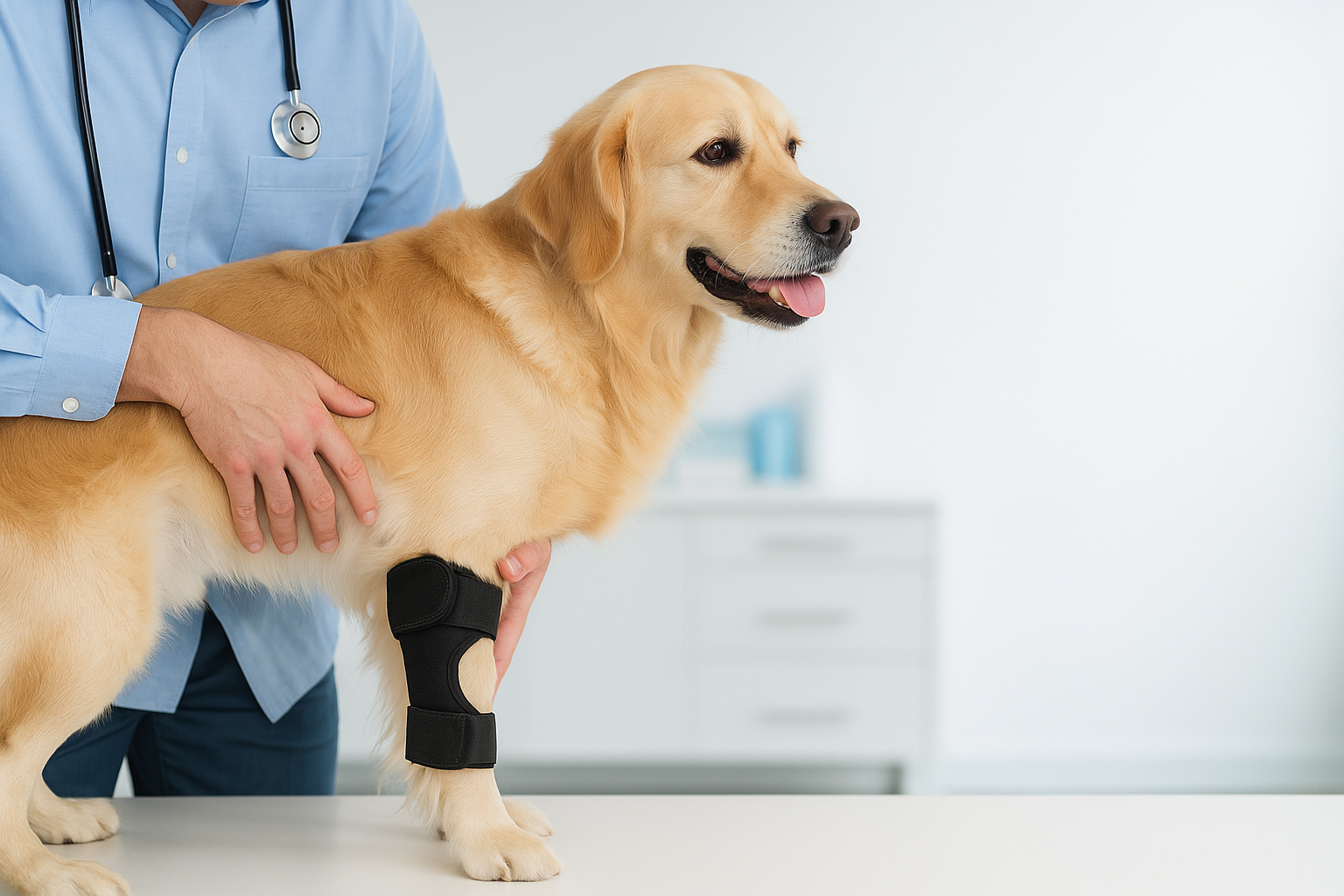
A dog brace helps your pet by giving support for injuries, surgeries, or trouble moving. You can help your dog walk better and feel less pain with the right support. Dog braces keep joints steady, lower pain, and help your dog heal. Each dog is different, so watch your pet and ask a veterinarian for help. 🐶 Your care and time really help your dog’s comfort and health.
Key Takeaways
Dog braces help with injuries and lessen pain. They make it easier for your dog to walk.
Picking the right brace is very important. Ask your veterinarian to find the best brace for your dog’s injury.
Braces can help your dog heal quicker. They also stop more injuries and let your dog play again.
Choose braces made with breathable materials. Make sure they have straps you can adjust for comfort and fit.
Check the brace often and keep it clean. This helps it work well and helps your dog get better.
What Is a Dog Brace and How Does it Work?
Purpose and Function
A dog brace gives extra help when your pet’s joints or legs are weak. You use a brace to keep an injured spot steady and lower pain. It helps your dog move easier. Braces copy how the body moves and hold joints in place. They spread your dog’s weight over the leg, so there is less pressure on ligaments. This also helps stop swelling.
Tip: Using a brace early can stop bad movement and help healing. This makes it easier for your dog to get better.
Dog braces have many good effects:
They give weak or hurt joints more support.
They help spread weight, so walking hurts less.
They let your dog heal without surgery.
They keep your dog from getting hurt again, even if your dog is very active.
Braces also help your dog move the right way. This helps the body make strong scar tissue. That is important for your dog to move well after getting hurt.
Common Uses
You might need a brace if your dog limps or seems to hurt. Braces help with many problems, like joint injuries or long-term pain. Here are some common reasons to use a brace:
Angular limb deformity
Carpal hyperextension
Elbow dysplasia
Partial ligament tears
Luxating patella
Arthritis
Hip dysplasia
A dog brace can also help your dog heal after surgery or an injury like an ACL tear. For example, a stifle brace holds the knee, lowers pain, and lets your dog move while healing. The right brace helps your dog put weight on the leg and heal faster.
Benefit | Description |
|---|---|
Targeted Support | Gives help right where your dog needs it most. |
Pain and Inflammation Reduction | Stops too much movement to lower pain and swelling. |
Improved Weight-Bearing | Makes walking easier and helps your dog limp less. |
Faster Recovery | Helps your dog heal faster and get back to normal. |
Dog braces stop bad movement, keep joints steady, and help your dog stand straight. You help your dog stay active and healthy for a long time.
Types of Dog Braces for Different Conditions
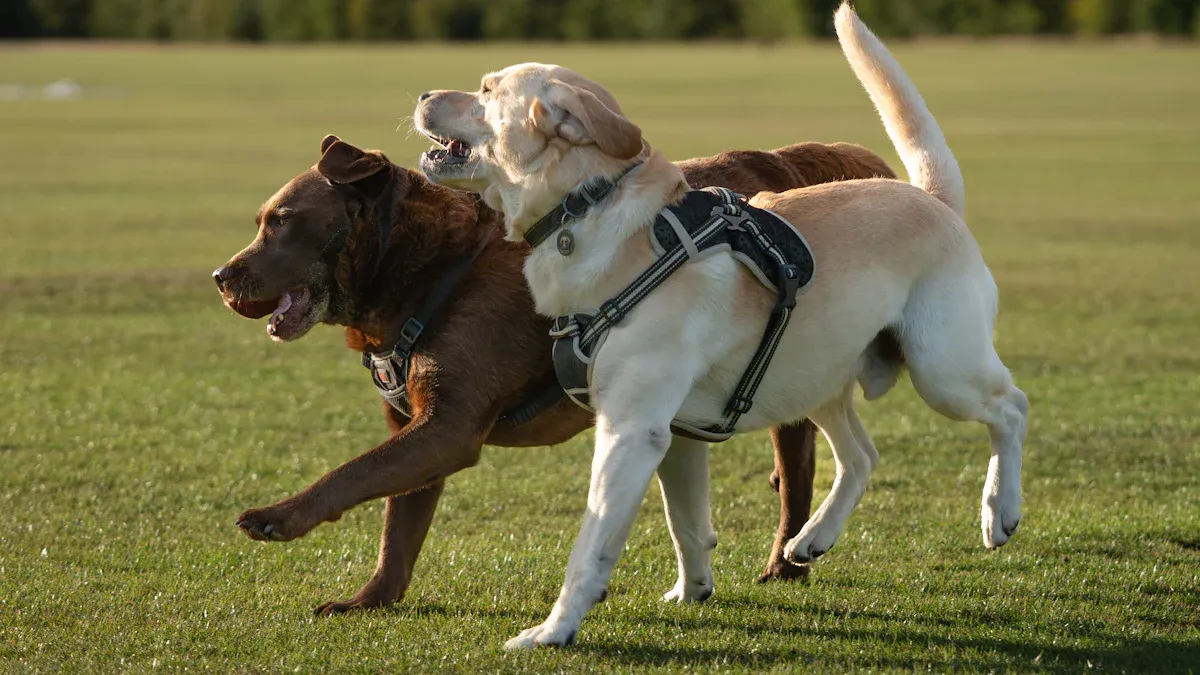
You need to know about different dog braces. Each brace helps a certain body part or injury. Pick the brace that fits your dog’s needs. Some brands, like Gait Guard’s Rehabilitation Care Series, have braces for the head, back, legs, and neck. These choices help with many problems and recovery goals.
Dog Leg Braces
Dog leg braces give support to weak or hurt legs. There are many kinds for different joints and problems:
Elbow brace
Knee brace
Carpal splint or brace
Tarsal splint or brace
Hip brace
Cervical brace or spinal support
Dog leg braces help with joint injuries, arthritis, or after surgery. Elbow braces help dogs with elbow problems. Knee braces help dogs with ACL injuries. Carpal splints help the lower front leg. Hock splints help the back leg. Gait Guard’s Rehab-leg gives support for both front and back legs.
Note: Pick the brace that matches your dog’s injury and joint. Always use the right brace for your dog’s problem.
Dog splints help your dog heal. They keep the leg steady and stop more injury. The right brace helps your dog walk better and with less pain.
Canine Knee Support
Canine knee support is important for dogs with ligament injuries. Dog knee braces help the knee joint. Your dog feels less pain and moves better with these braces. Studies show the pressure in the hurt leg gets better after using a knee brace. Dogs can put more weight on the leg, and owners see better activity.
The pressure index in the hurt leg went up from 13.4% to 15.5% after using the brace.
There was a 5.1% increase in pressure index with the brace.
All owners saw their dogs do daily things better.
Dog knee braces help your dog heal faster. They lower pain and help your dog move more easily. Gait Guard’s Rehabilitation Care Series has knee braces for medium and large dogs. These are good for after surgery or for knee problems.
“Studies show dog knee braces help the knee joint. They lower pain and help dogs move better. Dogs with these braces feel less pain and move more, so they heal faster.”
Do not use knee braces that do not fit your dog. Always pick a brace made for your dog’s size and injury.
Elbow and Carpal Braces
Elbow and carpal braces help the front legs, especially the elbow and wrist. These braces help dogs with elbow dysplasia, carpal hyperextension, or injuries from too much use. Dog splints for these joints keep the joint steady and lower pain.
Pain relief: Supports the joint and lowers pain when moving.
Better movement: Helps your dog feel confident and active.
Stops more injury: Protects the joint from extra stress.
Gait Guard’s Rehabilitation Care Series has elbow and carpal braces. These braces can be adjusted and are easy to clean. You help your dog stay active and stop new injuries by using the right brace for the front leg.
Hip and Spinal Braces
Hip and spinal braces help dogs with hip dysplasia, arthritis, or spine injuries. These braces keep the hip and spine steady, lower pain, and stop more injury. Your dog may move easier and get tired less.
Braces help the hurt limbs, lower pain, and stop more injury.
They help healing and keep the body steady, especially after surgery.
Hip braces help with arthritis, hip pain, and lower back problems.
Spinal braces help the spine and lower pressure in hurt spots. They help with problems like intervertebral disc disease and paralysis.
Gentle pressure from these braces helps your dog move better and know where their body is.
Gait Guard’s Rehabilitation Care Series has hip and back braces, like the Rehab-hip and Rehab-back. These help your dog move and feel better while healing.
Tip: Always pick the right brace for your dog’s injury or problem. The right brace can help your dog heal and feel better.
Here is a table that shows the main types of dog leg braces and what they do:
Brace Type | Target Area | Common Uses |
|---|---|---|
Elbow Brace | Front leg (elbow) | Elbow dysplasia, instability |
Knee Brace | Hind leg (knee) | ACL injuries, ligament tears |
Carpal Splint | Front leg (wrist) | Carpal hyperextension, sprains |
Tarsal Splint | Hind leg (ankle) | Hock injuries, instability |
Hip Brace | Hip | Hip dysplasia, arthritis |
Spinal Brace | Spine/Back | IVDD, paralysis, back injuries |
Pick the right brace for your dog’s injury. The best choice helps your dog heal and move better. Gait Guard’s Rehabilitation Care Series has special braces for every part of your dog’s body. This makes it easy to find the best one.
Benefits of Dog Braces for Recovery and Mobility

Pain Relief and Comfort
You want your dog to feel good and not hurt. Dog knee braces help lower pain and make your dog more comfortable. When you use a brace, it keeps the knee steady and supports the leg. Many dogs with knee pain feel better and do more each day.
“Not every CCL injury needs surgery. Using a good brace early can help a lot with small tears.” — Dr. James Cook, Veterinary Orthopedic Surgeon
A study in 2020 showed dogs with hinged braces got better at using their legs in 12 weeks. The braces kept the joint steady and stopped bad movement. Many dogs did not need surgery and could play again.
“Braces are a good choice for dogs who do not have surgery. Dogs walked better and had less pain with braces.” — Dr. Sarah Levine, DVM, Orthopedic Specialist
Support and Stability
Dog knee braces give the leg strong support. They keep the leg steady and let it move safely. This is important after surgery or for dogs with arthritis or knee pain.
Braces let the leg move in a safe way and help muscles get stronger.
They keep the spine and leg moving the right way.
Braces help your dog learn to walk right again.
Dog knee braces can lower pain, help your dog stand better, and let the leg move more. The right brace helps your dog heal without surgery.
Improved Mobility
You want your dog to walk and play easily. Dog knee braces help your dog move by supporting the leg and lowering pain. Many owners see their dogs walk better and play more with a brace.
Evidence Type | Findings |
|---|---|
Clinical Study | Dogs with CCL problems walked better and stood stronger. |
Owner Surveys | Owners think braces work well for their dogs. |
General Insight | Braces help many dogs but talk to a vet before skipping surgery. |
Dog knee braces help your dog move and enjoy life again.
Recovery and Injury Prevention
Dog knee braces help your dog heal faster and stop new injuries. You protect your dog’s leg by using a brace that helps healing and keeps the joint steady.
Custom knee braces help your dog heal and stop more injuries.
They support the knee while the leg gets better and help your dog move.
Braces keep the bones in place and lower stress on the joint.
The best things about dog leg braces are better life, strong support, and helping your dog stay active. You help your dog have a happy and healthy future.
Key Features of a High-Quality Dog Brace
Materials and Padding
You want your dog to feel safe and comfy. Good dog braces use soft materials to protect skin and joints. Breathable neoprene lets air in and keeps your dog dry. Padding is put in the right spots to stop sore spots. Braces spread weight out so there is no pinching. Strong and washable materials make it easy to clean the brace.
Breathable neoprene keeps your dog’s skin dry.
Padding helps protect soft spots.
Washable fabric makes cleaning simple.
Fit, Adjustability, and Size Range
A good fit helps your dog heal faster. Custom braces match your dog’s body for the best support. Straps that adjust let you change the fit as your dog grows. The brace should lift and help muscles the right way. Many braces come in many sizes for all dog breeds. Small dogs may need special braces for knee problems.
Custom fit helps your dog get better.
Adjustable straps let you change the fit.
Many sizes work for all kinds of dogs.
Design and Support Level
The way a brace is made changes how it works. Some braces have metal springs for more strength. Others have straps you can adjust or are made to bend. You can look at different brands and see what each one offers in the table below:
Brand | Design Features | Pros | Cons |
|---|---|---|---|
NeoAlly Canine Leg Support | Metal springs, breathable neoprene | Strong, can be used many ways | Not many color choices |
PetCare Pro Leg Braces | Adjustable straps, sturdy build | Can change fit, lasts long | Takes time to get used to |
K9 Supportive Solutions | Full support, strong | Good for active dogs | Costs more |
OrthoPaws Elite Leg Braces | Custom fit, vet-recommended | Fits well, works great | Very expensive |
CanineFlex Advanced Braces | Bends easily, easy to use | Simple, people like it | May not fit every dog |
Durability and Ease of Cleaning
You want a brace that will last and stay clean. Strong braces do not break easily, even with daily use. Easy-to-clean braces help keep your dog healthy.
Strong braces last a long time.
Easy cleaning keeps your dog safe.
When to Consider Custom or Vet-Grade Braces
Sometimes, regular braces are not enough. You may need a custom or vet-grade brace for special needs. Custom braces with hinges help dogs who need extra support. Good design makes sure your dog feels good and can move. For custom stifle braces, a mold of your dog’s leg is needed.
Tip: Ask your vet if your dog needs a custom brace for better healing.
How to Choose the Right Dog Brace for Your Pet
Assessing Your Dog’s Needs
You need to know your dog’s problem before buying a brace. Each injury or movement issue needs its own kind of help. Here are some steps to help you pick the best brace:
Find out what is wrong. Look for limping, swelling, or trouble standing. Knowing the problem helps you choose the right brace.
Measure your dog’s leg with a tape measure. Pick a brace with straps you can adjust for a good fit.
See if the brace has hinges. Hinged braces let your dog move the knee more naturally.
Read what other pet owners say. Their stories can help you find good products.
Ask your veterinarian for advice. A vet can help you pick the best brace for your dog.
Tip: Always talk to your veterinarian when checking your dog’s needs. Their help makes sure your dog gets the best care.
Fit and Comfort
Fit and comfort are just as important as the brace type. Your dog should wear the brace without pain. If the brace fits badly, it can rub or pinch. This can make your dog not want to move.
Ask your veterinarian about your dog’s needs.
Make sure the brace fits well but does not squeeze. It should feel snug but not tight.
Think about how active your dog is. Active dogs need braces that stay on during play.
Pick braces made from soft, comfy materials. Padding and fabric that lets air in help stop skin problems.
Look for straps you can adjust. These help you change the fit as your dog heals or grows.
Thigh straps should sit above the knee bend. Straps should not be too high or low and should not pinch.
Note: Gait Guard’s Rehabilitation Care Series has braces that are padded, adjustable, and easy to clean. These features help your dog stay safe and comfy while healing.
Matching Brace to Injury
The right brace depends on your dog’s injury. You need to match the brace to the problem for the best help.
Ask your veterinarian for a checkup. They know which brace is best for your dog.
Pick a brace that fits your dog’s size and injury. The right fit gives better support.
Know what kind of injury your dog has. Bad injuries may need stiff braces. Small strains may only need soft ones.
Find out the exact injury. This helps you pick the best brace.
Make sure the brace fits well for good support. A good fit helps your dog heal faster.
If your dog needs to move the joint, look for a hinged brace.
Read reviews to see how other dogs did with the brace.
Callout: For knee injuries, picking the right knee brace is very important. Hinged braces and straps that adjust help your dog move and feel better.
Consulting a Veterinarian
Veterinarians are very important when picking and fitting dog braces. You should always ask them for help before you buy.
Vets use forms to measure your dog and pick the right brace. They make sure the brace is made just for your dog. After you get the brace, the vet will fit it and show you how to use it. This makes sure your dog is comfy and safe.
Vets know a lot about knee braces and how to help dogs. They try different things to help your dog feel better. Their knowledge helps you choose from many brace options.
Tip: Always ask your veterinarian before you buy a brace. Their advice helps you pick the best one for your dog’s health.
Comparing Reputable Brands and Features
When you buy a dog brace, look at good brands and what they offer. Here is a table that shows top brands and what makes them special:
Brand | Unique Features | Pros and Cons |
|---|---|---|
K9 Supportive Solutions | Helps with many leg problems. | Strong, good reviews. Costs a bit more. |
OrthoPaws Elite | Custom braces for the best support. | Vet-recommended, works well. Can be expensive. |
CanineFlex Advanced | Braces made to bend and move easily. | Easy to use, good reviews. May not fit every dog. |
NeoAlly Canine Leg Support | New design, lets air in, three uses in one. | Great support, new ideas. N/A. |
Gait Guard Rehabilitation Care Series | Supports head, back, legs, and neck. Adjustable, stable, easy to clean. | Good for stores, easy to get, fits many dogs. |
Look for things like straps you can adjust, easy cleaning, and strong support. Gait Guard’s Rehabilitation Care Series is good for targeted help and easy use. These braces help medium and large dogs heal from injuries and surgeries.
Reminder: Always make sure the brace fits well, feels comfy, and ask your vet for help. The right brace helps your dog heal, move, and be happy again.
Common Concerns About Dog Braces
Effectiveness
You might wonder if dog braces really help. Many vets say braces work for ccl injuries and canine cruciate ligament injuries. Studies show braces help dogs walk better and feel less pain. How well a brace works depends on the fit and the injury type. Braces support joints and help dogs heal without surgery. Some dogs cannot have surgery, so braces are a good choice. Braces often help dogs get back to normal and stop more injuries.
Tip: Always ask your vet which brace is best for your dog. A good fit makes your dog feel better and helps healing.
Cost Considerations
Dog braces can cost a lot of money. Most braces cost between $2,000 and $5,000. You usually pay most of this yourself, but some pet insurance may help. The price changes based on how long your dog needs the brace, your dog’s size, and the problem being treated.
Cost Range | Influencing Factors |
|---|---|
$2,000 – $5,000 | How long your dog needs the brace |
How big your dog is | |
What problem the brace is for |
You should think about these costs before getting a brace for ccl injuries. Ask your vet or the store about payment plans and insurance.
When a Brace Is Needed
You may not know when your dog needs a brace. Watch for these signs:
Limping or using one leg less
Swelling or puffy joints
Trouble getting up or sitting down
Not wanting to play or move much
Whining or making noise from pain
Losing muscle in the sore leg
If you see any of these, your dog may need help to heal. Braces keep joints steady and help dogs move, especially with ccl injuries and canine cruciate ligament injuries.
Care and Maintenance
You want your dog’s brace to last and stay safe. Follow these steps to care for it:
Wash the brace with mild soap and water.
Dry it all the way before putting it back on.
Check for broken straps or buckles.
Fix small problems fast or get a new brace if needed.
Keep the brace in a cool, dry place away from sharp things.
Taking care of the brace keeps your dog comfy and the brace working well. Good care makes the brace last longer and protects your money.
You help your dog heal by picking the right brace. Research shows braces can help dogs skip surgery. Many dogs go back to their normal activities. The table below shows good results from studies:
Study | Findings |
|---|---|
2020 Veterinary Surgery | Dogs used their legs better and did not need surgery. |
2018 University of Tennessee | Two braces helped balance weight and lowered pain. |
2021 Meta-Analysis | Braces with therapy made life better for dogs. |
Talk to your vet to find the best brace. Good braces help your dog heal and stay active.
FAQ
How do you know if your dog needs a brace?
You should watch for limping, swelling, or trouble standing. If your dog avoids play or shows pain, a brace may help. Ask your veterinarian for a full check before you choose any support.
Can your dog wear a brace all day?
You can let your dog wear a brace during activity or walks. Remove the brace at night or when your dog rests. Always check for skin irritation and follow your veterinarian’s advice.
How do you clean a dog brace?
You should use mild soap and water. Let the brace air dry before you put it back on your dog. Regular cleaning keeps the brace safe and comfortable.
Are dog braces safe for puppies?
Dog braces can help puppies with injuries or joint problems. You must ask your veterinarian before using any brace. Puppies grow fast, so you need to check the fit often.
What makes Gait Guard’s Rehabilitation Care Series different?
Gait Guard’s Rehabilitation Care Series offers targeted support for head, back, legs, and neck. You get adjustable, stable, and easy-to-clean braces designed for medium-to-large dogs. These products help your dog recover and stay active.
