
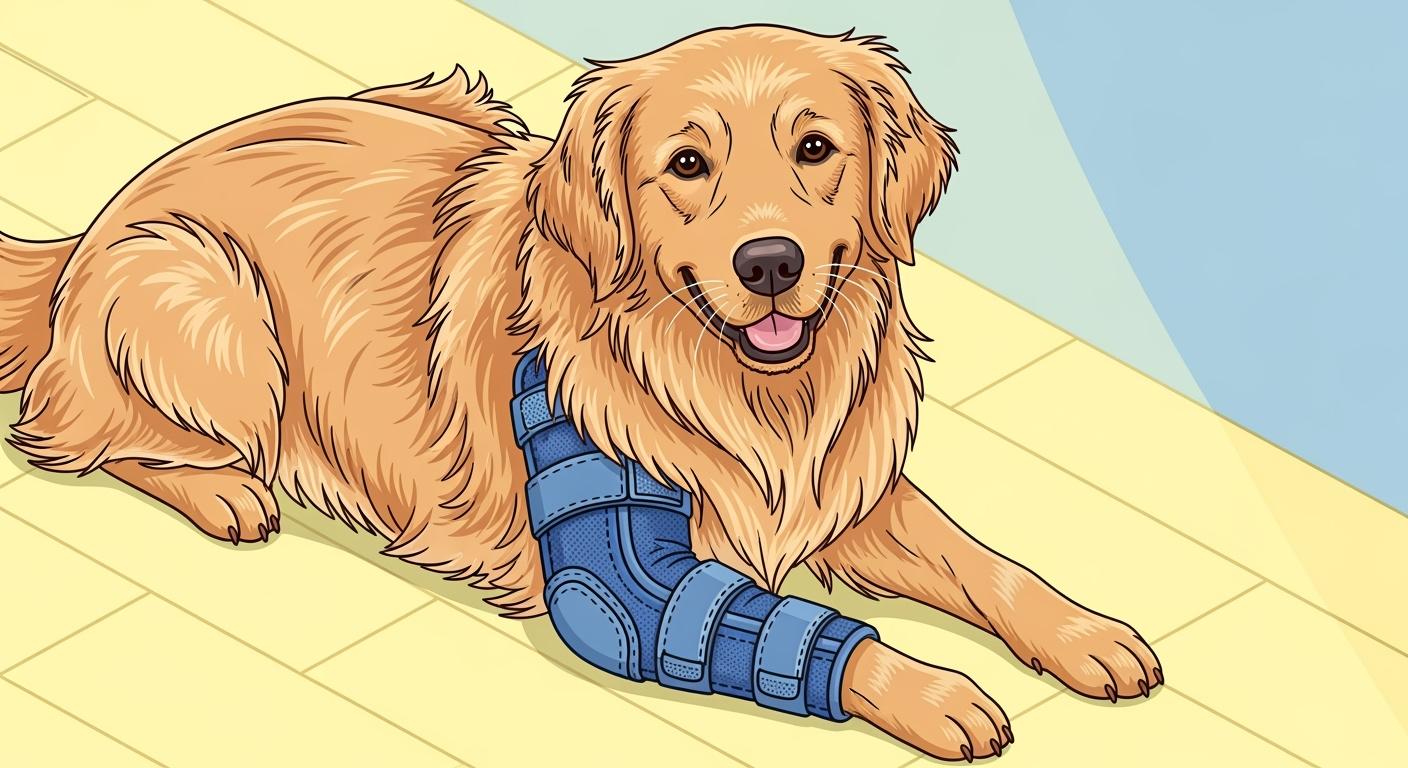
A dog elbow brace helps your dog’s joint stay strong. It can lower pain and help your dog walk or play. This is good for dogs with arthritis or elbow dysplasia. Many dogs have elbow problems as they get older. Some breeds have more elbow problems than others. Dogs that run and play a lot can also have joint issues.
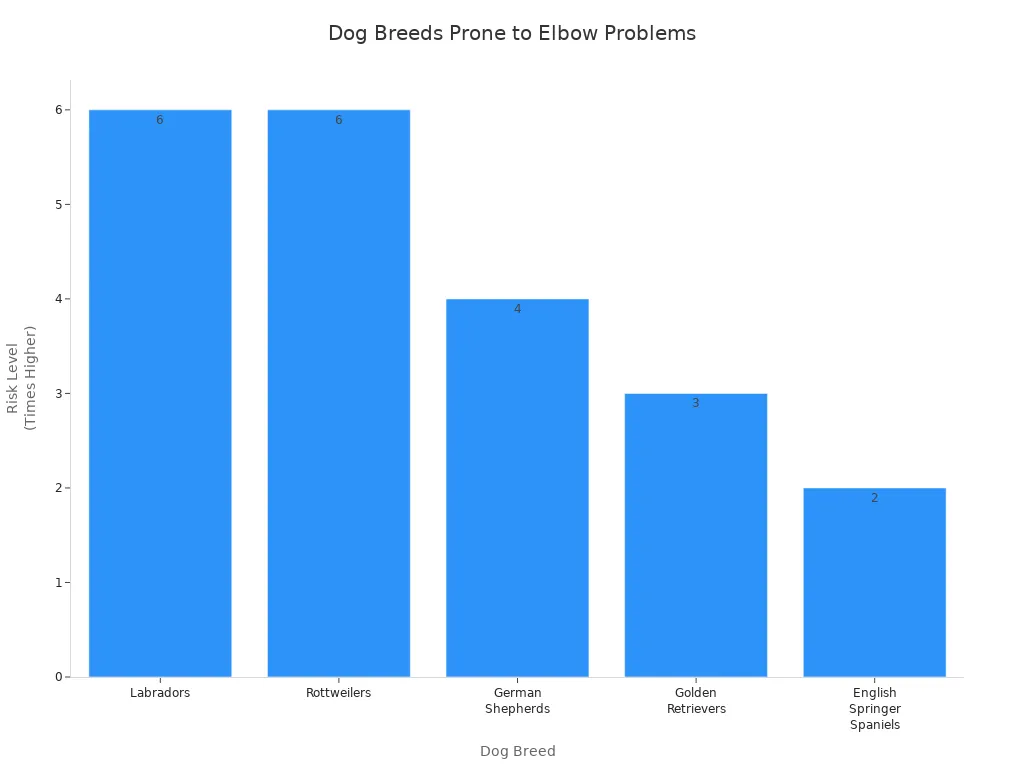
You might see these problems in Labradors, Rottweilers, or German Shepherds. A dog elbow brace helps your pet but does not fix joint disease. You should talk to your veterinarian for the best help for your dog.
Key Takeaways
A dog elbow brace helps dogs with arthritis or elbow dysplasia. It gives support and comfort. It helps dogs move with less pain.
Talk to your veterinarian before using a brace. This makes sure it fits right. It should be part of a full care plan.
Check your dog’s skin under the brace often. Look for any redness or pain. This helps make sure the brace fits well.
There are different kinds of braces. Some are soft wraps. Some are custom made. You can pick what your dog needs.
A brace can help your dog feel better. It lets them walk and play with less pain. This can make their life happier.
Common Elbow Problems in Dogs
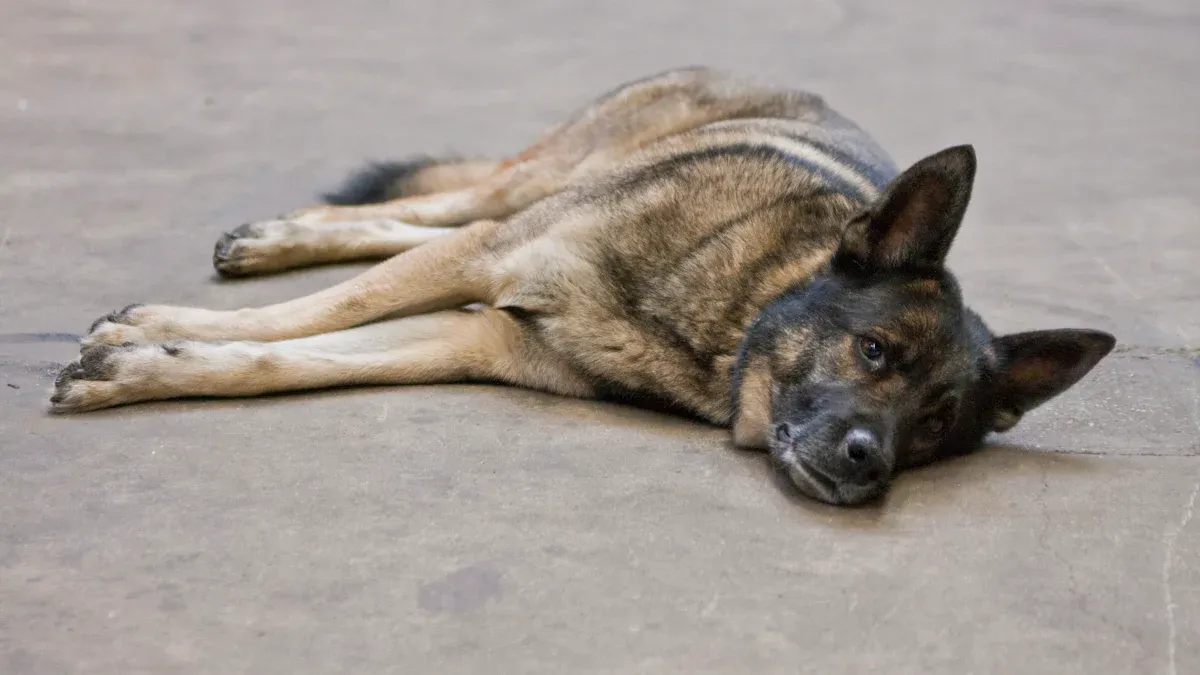
Your dog’s elbow joint works like a hinge. It lets the front leg bend and move. This joint holds a lot of weight. Active or big dogs use it even more. Labradors, German Shepherds, and Rottweilers often get elbow problems. Their genes and size put extra stress on their joints.
You may see these signs:
Limping or trouble walking
Stiffness after sleeping
Swelling or a bump on the elbow
Not wanting to run or play
Licking or biting the elbow
A dog elbow brace can help support your dog’s joint. You should talk to your vet before you use one.
Elbow Dysplasia and Developmental Issues
Elbow dysplasia means the elbow joint does not grow right. These problems show up in young dogs. Dogs between 5 and 12 months old are most at risk. Big breeds like Labradors, Golden Retrievers, Rottweilers, Bernese Mountain Dogs, and German Shepherds get it more often.
Disease Condition | Description |
|---|---|
Medial Coronoid Disease | Cracks or small pieces break off in the joint. This causes pain and hurts the cartilage. |
Osteochondritis Dissecans | Cartilage does not form right. Loose flaps cause pain in the joint. |
Elbow Incongruity | Bones do not match up. This can cause more joint problems. |
Ununited Anconeal Process | A bone piece does not attach. The joint becomes unstable. |
Humeral Intercondylar Fissure | A crack in the bone. Some breeds get this more often. |
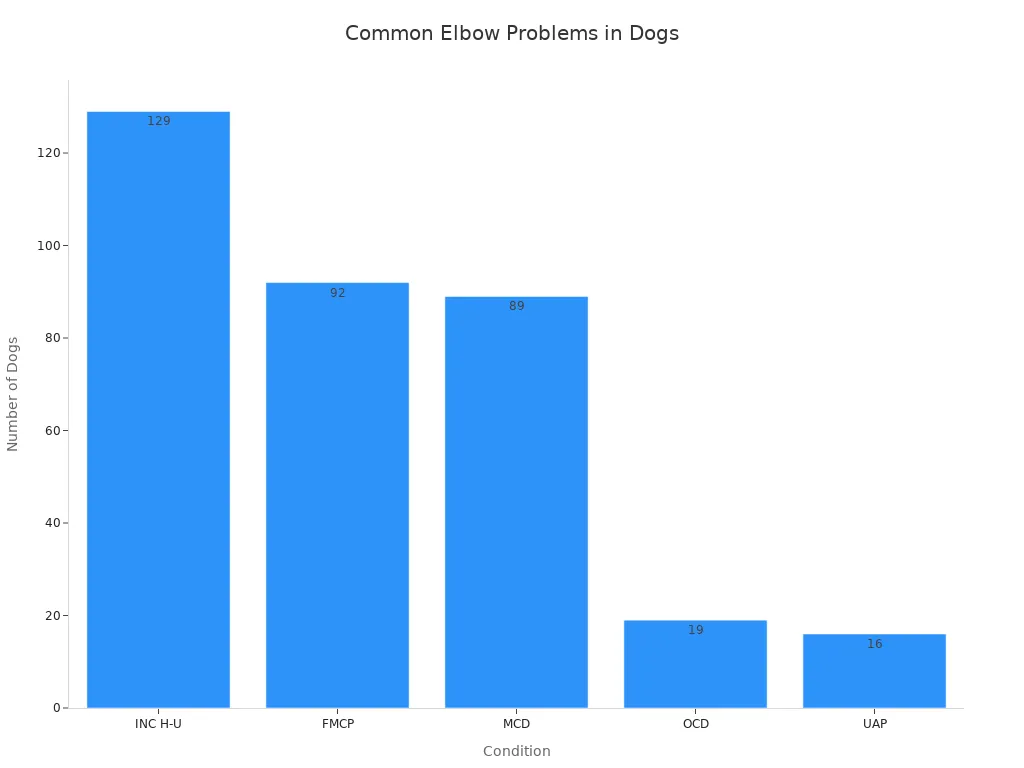
These problems can cause pain and swelling. Arthritis can also happen. Your dog may limp or move slower.
Elbow Arthritis in Adult and Senior Dogs
Arthritis is common in older dogs. The elbow joint is often affected. More than half of senior dogs have elbow arthritis.
Joint | Prevalence (%) |
|---|---|
Elbow | 57.4 |
Shoulder | 39.2 |
Hip | 35.9 |
Stifle | 36.4 |
Arthritis causes pain and stiffness. Your dog may not move as much. Getting up or walking can be hard. A dog elbow brace gives support and comfort. It does not cure arthritis.
Other Conditions: Hygromas, OCD, Strains, and Post-Surgery Recovery
Other elbow problems include:
Hygromas: Soft lumps filled with fluid. They come from lying on hard floors.
Osteochondritis Dissecans (OCD): Cartilage gets damaged. This causes pain and limping, mostly in young dogs.
Strains and Sprains: Injuries from running or jumping.
Post-Surgery Recovery: Dogs need extra help after elbow surgery.
These problems can make walking or playing hard. Always ask your vet for the best care. A dog elbow brace can help your dog feel better and stay steady while healing.
What Is a Dog Elbow Brace?
A dog elbow brace is a special device. It helps your dog move with less pain. You use it to protect the elbow joint. Dogs with arthritis or elbow dysplasia need this support. The brace wraps around the elbow and keeps it steady. This makes walking and playing easier for your dog.
How Dog Elbow Braces Work
Dog elbow braces give gentle pressure to the joint. They help keep the joint stable. The brace stops painful movements. It cushions the bony parts of the elbow. This lowers stress on the joint. It protects the skin and soft tissue from more injury. Your dog may limp less with a brace. Your dog may look more comfortable too.
Dog elbow braces hold the joint steady and lower pain. They help your dog move better. The brace supports weak tendons and ligaments. This is important for dogs with arthritis or elbow dysplasia. It also helps after surgery. The brace stops the elbow from twisting in painful ways. Your dog can still walk and bend the leg normally.
Every brace uses waterproof, medical-grade materials. These are easy to clean and strong for daily use, rehab, and outdoor play.
You should always ask your veterinarian before using a brace. The brace does not cure joint disease. It can help your dog feel better.
Here is a quick look at how a dog elbow brace helps your dog:
Feature | Description |
|---|---|
Purpose | Helps dogs move and feel less pain with joint problems. |
Design Features | Has different hinge choices for the right support. |
Joint Support | Stops twisting but lets normal movement happen. |
Conditions Treated | Good for arthritis, joint disease, and joint instability. |
Common Types of Elbow Braces and Supports
There are many kinds of elbow braces for dogs. Some braces are soft and bend easily. Others have metal springs for more support. Many braces have straps you can adjust. Some braces are custom-made for special needs.
Most braces focus on comfort and keeping the joint steady. They help with elbow dysplasia, arthritis, and shoulder problems. Some braces, like GaitGuard, use medical-grade materials. They have designs you can adjust. You can find a brace that fits your dog’s size and shape.
Here are some common types of dog elbow braces:
Soft wrap-around braces for light support
Braces with metal stays or springs for more stability
Custom elbow support for special joint shapes or tough cases
Anti-licking and rehab gear for wound care and healing
Braces with lifting straps to help guide your dog on walks
Custom elbow braces give your dog extra stability. This helps your dog do normal things with less pain. Adjustable braces make it easy to get a good fit.
Non-Surgical Support as Part of a Treatment Plan
A dog elbow brace is a support tool. It does not cure joint problems. You use it with other treatments for joint health. Your vet may suggest a brace with weight control, gentle exercise, or medicine.
Elbow braces give important help:
Benefit | Description |
|---|---|
Support | Gives strong help to the sore leg. |
Pain Reduction | Lowers pain from joint problems. |
Injury Prevention | Stops more injury to the joint. |
Stability | Makes the joint steadier. |
Healing Promotion | Helps the joint heal faster. |
Conditions Benefited | Good for hip/elbow/shoulder dysplasia, joint hyperextension, and more. |
You may use a brace for arthritis, elbow dysplasia, or after surgery. The brace helps your dog stay active and heal. GaitGuard and other brands make braces that are adjustable and comfy. Always talk to your vet before using a new brace. This helps you get the best fit and safest plan.
Tip: Check your dog’s skin under the brace every day. Make sure the brace fits well and does not rub or cause sores.
A dog elbow brace can help your dog feel better and move more. With the right support, your dog can enjoy walks, play, and daily life with less pain.
Benefits of Using an Elbow Brace
If your dog has elbow pain, you want to help. A dog elbow brace can make your pet feel better. This brace helps your dog move easier. It protects the joint and stops more injury. Always ask your veterinarian before you try new gear.
Pain Relief and Comfort for Some Dogs
Your dog may limp or not want to walk. An elbow brace can lower pain and swelling. The brace keeps the joint steady. This helps sore spots feel less stress. Your dog can rest better and may look less upset.
Many braces use soft, safe materials. These cushion the elbow and protect the skin. Some braces, like GaitGuard, have anti-licking parts. These stop your dog from licking or biting wounds. This helps healing and keeps the area clean.
Here are ways special features help your dog:
Feature | How It Helps Comfort and Healing |
|---|---|
Anti-licking protection | Stops dogs from licking wounds, which helps healing. |
Auxiliary lifting straps | Hold the brace in place, keep the joint steady, and lower pain. |
Tip: Check your dog’s skin under the brace every day. Make sure the brace fits well and does not rub or cause sores.
Joint Stability and Protection During Movement
Dogs with joint problems need more support. An elbow brace keeps the joint from moving in painful ways. This helps your dog walk, run, or play with less risk. The brace stops bad movement and protects the joint.
You can use an elbow brace to:
Keep the joint steady and stop painful motion.
Limit bad movement and lower the chance of more injury.
Support the elbow during walks, play, or rehab.
Help prevent arthritis by keeping the joint stable.
Custom braces give extra help. They let your dog move normally but stop the joint from bending too far. This helps your dog stay active and safe.
Support for Walks, Daily Activities, and Rehab
Your dog wants to walk and play. An elbow brace can help your dog do these things with less pain. Many owners see their dogs move better with a brace. The support lets your dog join family fun again.
You may notice these good changes:
Easier movement during walks and play.
More confidence in daily life.
Better rehab or recovery after surgery.
GaitGuard’s braces have lifting straps. These help you guide your dog on walks or training. The straps make outings safer and more comfy for you and your pet.
Here are ways an elbow brace helps your dog every day:
Protects elbow hygromas or calluses from pressure.
Supports healing after surgery or injury.
Makes rehab exercises safer and easier.
Note: A dog elbow brace is a support tool. It does not cure arthritis or dysplasia. Always use it with your veterinarian’s advice.
Limitations and Risks of Elbow Braces
What Elbow Braces Can and Cannot Do
A dog elbow brace can help your dog feel better. It can make moving easier for your pet. But it does not cure arthritis or elbow dysplasia. The brace cannot fix joint problems or remove arthritis. You might see less pain and better movement. But the disease can still get worse.
Braces give support and may help some symptoms. They do not cure the real problem. Braces cannot stop arthritis from getting worse. Surgery might slow arthritis down. But surgery is not a perfect fix.
Braces do not cure elbow dysplasia or arthritis.
They cannot stop arthritis from getting worse.
Surgery is not a perfect fix and may cost a lot.
If your dog’s disease is very bad, a brace may not help enough. Always talk to your vet about the best plan for your dog.
Importance of Proper Fit and Skin Checks
You need to make sure the brace fits your dog well. If the brace does not fit, it can rub and cause sores. It may also cause swelling. Check your dog’s skin every day. Look for redness, swelling, or signs your dog is uncomfortable.
Always check your dog’s skin when using a brace.
Watch for swelling, redness, or limping.
If you see these signs, take off the brace and call your vet.
A good fit keeps your dog safe and comfy. Adjust the brace as your dog moves or heals.
When Braces May Not Be Enough and Other Treatment Is Needed
Sometimes, your dog needs more than a brace. If your dog has sudden bad limping, swelling, fever, open wounds, or more pain, get help fast. Do not use only a brace in these cases.
Condition | Description |
|---|---|
Osteochondrosis Dissecans (OCD) | May need surgery; bracing helps with pain for a short time. |
Elbow Dysplasia | Arthritis in the elbow; bracing lowers strain and pressure. |
Degenerative Joint Disease | Can cause many joint problems; bracing supports the joint. |
Chronic Joint Instability | Needs help to stop bad movement and pain. |
Elbow Luxation | Bracing keeps the joint in place and lowers pain. |
Triceps Tendon Avulsion | Bracing after surgery helps healing and keeps the joint steady. |
Hygroma on Elbow | Bracing stops swelling from lying on hard floors. |
A dog elbow brace works best with other care. Your vet may suggest medicine, surgery, or rehab with the brace. Always follow your vet’s advice to help your dog stay healthy.
Choosing the Right Dog Elbow Brace
Selecting the right dog elbow brace can make a big difference in your pet’s comfort and recovery. You want a brace that fits well, feels comfortable, and gives the right support. Always use a brace as part of a plan from your veterinarian.
Key Features to Look For (fit, padding, adjustability)
When you shop for a brace, look for these important features:
Feature | Description |
|---|---|
Stability and Compression | Gives steady pressure to support the joint and reduce swelling. |
Breathable Fabrics | Keeps skin cool and helps prevent irritation. |
Adjustability | Lets you change the fit for your dog’s size and shape. |
Durability | Stays strong with daily use and movement. |
Ease of Cleaning | Easy to wash after walks or play. |
GaitGuard’s dog protective gear uses medical-grade materials and adjustable straps. This helps you get a snug, comfortable fit for your dog. Good padding protects the skin, and secure straps keep the brace in place without being too tight.
Tip: Choose the correct size, check for soft padding, and make sure straps hold the brace steady but do not pinch.
Working With a Vet or Rehab Professional
Your veterinarian or rehab specialist plays a key role in choosing and fitting a brace. They will:
Watch how your dog stands and walks.
Check which joints hurt or feel weak.
Measure your dog’s leg for the best fit.
Help you pick the right type and size of brace.
You should use the brace during gentle walks or rehab exercises. Your vet may adjust the brace as your dog gets stronger. Regular checkups help track progress and keep your dog safe.
Fitting, Monitoring, and Adjusting Over Time
Start with short wear times and slowly increase as your dog gets used to the brace. Always check your dog’s skin for rubbing or redness. Adjust the straps if you see any problems. Follow your vet’s advice for how long to use the brace each day.
Note: Combine the elbow brace with weight control, gentle exercise, soft flooring, and any medicine your vet prescribes. This gives your dog the best chance for comfort and healing.
A dog elbow brace gives your dog comfort and stability if arthritis or elbow dysplasia causes pain. You help your pet move easier, but the brace does not cure joint problems. Always use a dog elbow brace as part of a complete care plan.
Ask your veterinarian before choosing a brace.
Follow their advice for safe use and best results.
You support your dog’s health and happiness when you work with your vet and use the right tools.
FAQ
How do I know if my dog needs a dog elbow brace?
You may notice limping, swelling, or your dog avoiding walks. If your dog shows these signs, ask your veterinarian. A dog elbow brace can help support the joint and improve comfort.
Can my dog wear a dog elbow brace all day?
You should follow your veterinarian’s advice. Most dogs wear the brace during walks or activity. Remove the brace at night or when your dog rests. Check your dog’s skin often.
Will a dog elbow brace cure arthritis or elbow dysplasia?
A dog elbow brace does not cure joint disease. It supports your dog’s elbow and helps reduce pain. Always use the brace as part of a complete care plan with your veterinarian.
How do I clean my dog’s elbow brace?
Use mild soap and water to clean the brace. Let it air dry before putting it back on your dog. Clean the brace regularly to keep your dog’s skin healthy.
What should I do if my dog seems uncomfortable in the brace?
Check the fit and look for redness or swelling. Adjust the straps if needed. If your dog stays uncomfortable, remove the brace and contact your veterinarian for advice.
