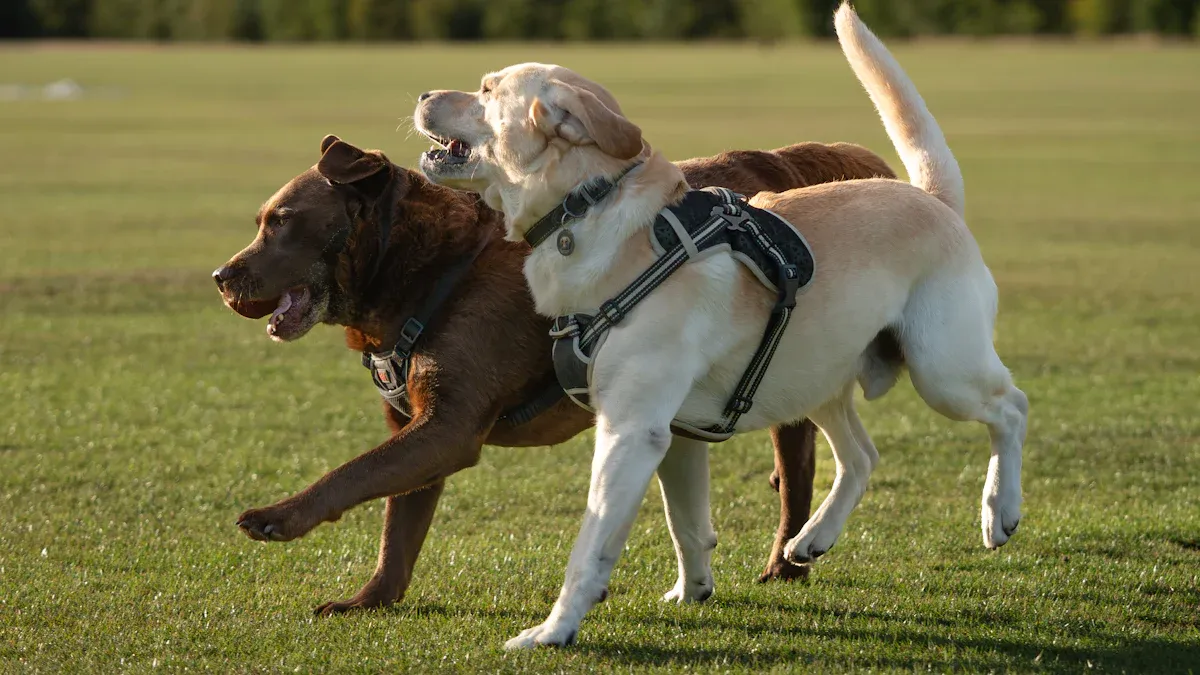
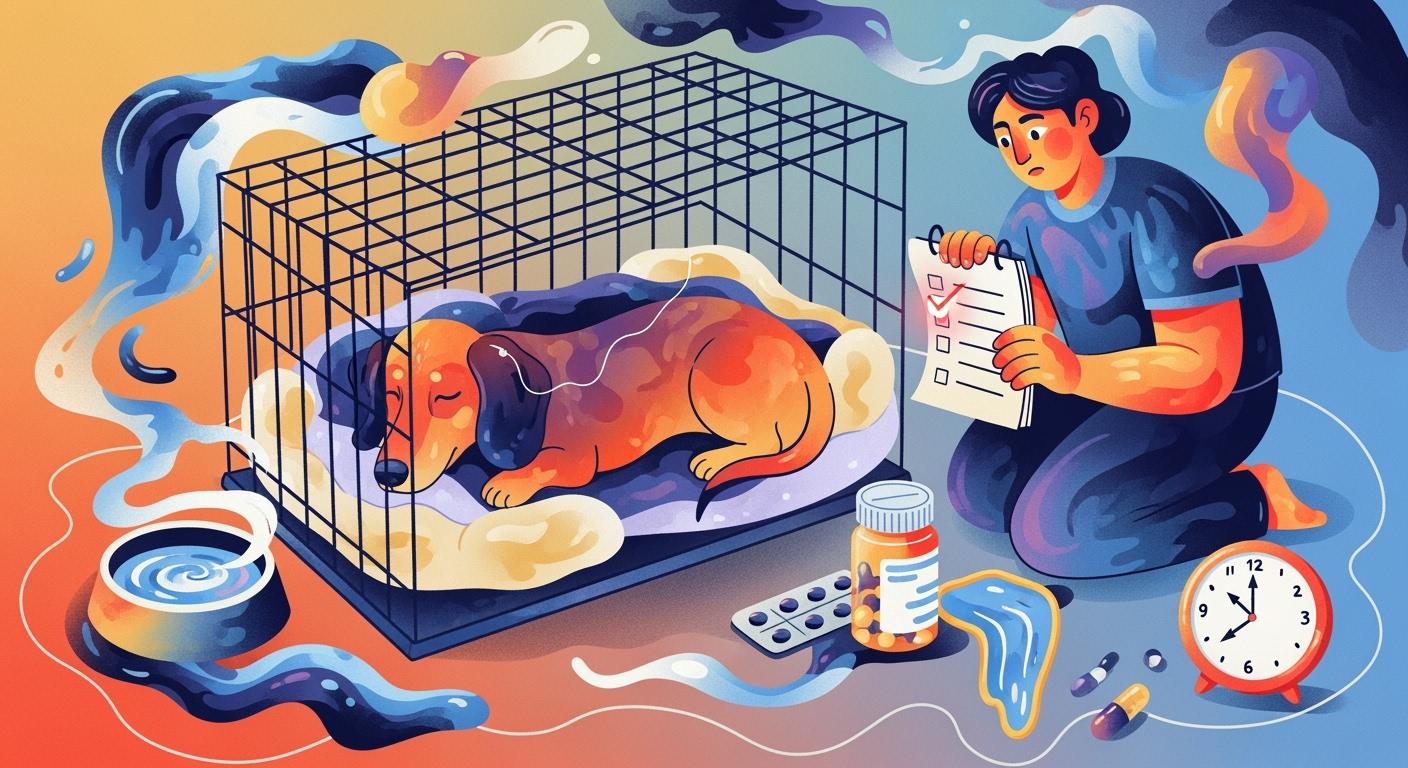
If your dog has intervertebral disc disease, stop movement right away. Do not let your dog use stairs or jump. Keep your dog off couches and slippery floors. IVDD hurts the spinal cord and always needs a vet’s help. Dog ivdd home care means strict rest and safe handling. You must look for warning signs. Follow your vet’s plan and stick to the schedule. Watch for urgent signs like not walking, dragging back legs, or bad pain. Look for loss of bladder control, sudden paralysis, shaking, or crying out. Stay alert and call your vet if you see any sudden changes.
Key Takeaways
Strict crate rest is essential for 4 to 8 weeks. Follow your vet’s instructions to help your dog recover safely.
Monitor your dog’s behavior closely. Look for changes like trouble walking or urinating, and contact your vet if you see urgent signs.
Use a harness instead of a collar for safe movement. A harness reduces pressure on your dog’s neck and supports their spine.
Keep a daily log of your dog’s symptoms and behaviors. This information helps your vet make better decisions about care.
Create a calm environment for your dog. Reduce noise and excitement to help them relax and heal during crate rest.
Quick Reference Card for dog IVDD home care
Timelines for crate rest and rehab
You must keep your dog in the crate for a set time. The length depends on the treatment and your dog’s signs. Always look at your vet’s discharge plan first. Check this table for usual crate rest times:
Treatment Type | Crate Rest Duration |
|---|---|
Conservative (no neurological involvement) | 4–6 weeks (or longer) |
Conservative (with neurological involvement) | At least 8 weeks |
Surgical | 4–6 weeks (based on healing) |
Rehab starts after crate rest if your vet says it is okay. Most dogs start gentle rehab after about 4 weeks. Do not hurry this step.
Baseline behaviors to monitor
Watch your dog’s daily actions very closely. Changes can mean trouble. Here are important things to check:
Can your dog walk or stand?
Does your dog control bladder and bowels?
Is your dog eating and drinking?
Does your dog seem comfortable or show pain? (whining, shaking, hiding)
Does your dog want to move or play?
If you see sudden changes, like not walking or peeing, this is urgent. Call your vet right away.
Note: Your vet’s discharge plan is always most important. Follow their rules for crate rest, rehab, and watching your dog.
Bladder Care Tracker Example
If your vet tells you to empty your dog’s bladder 4 times each day, you will do this 28 times in one week (4 x 7 = 28). Use a checklist to help you remember:
Monday (4 sessions)
Tuesday (4 sessions)
Wednesday (4 sessions)
Thursday (4 sessions)
Friday (4 sessions)
Saturday (4 sessions)
Sunday (4 sessions)
Dog ivdd home care means you must pay close attention and keep track of these steps. Always ask your vet if you notice changes in your dog.
What IVDD home care means during rest
Dog ivdd home care is mostly about movement restriction, safe handling, and watching for red flags. These three pillars help you protect your dog’s spine and give the best chance for recovery. You must follow your veterinarian’s instructions at every step. Your actions at home can make a big difference in your dog’s outcome.
“Feels better” vs. “healed”
You may notice your dog seems to feel better after a few days or weeks of rest. Your dog might want to move more, play, or act like their old self. This does not mean your dog is healed. The healing process for ivdd takes time. The spine and nerves need weeks to recover, even if pain seems less.
Some signs show your dog is not yet healed:
Weakness or trouble standing
Wobbly walking or dragging legs
Loss of bladder or bowel control
Signs of pain, such as whining or shaking
Veterinarians use tests to check for deep pain perception and nerve function. These tests help them know if your dog’s spinal cord is healing. Imaging, like MRI, can show the extent of injury. If your dog still has neurological problems, healing is not complete. Always wait for your vet to say it is safe to start rehab or allow more movement.
Tip: Do not let your dog move more just because they seem better. Stick to the full rest period your vet recommends.
Protecting the spine and preventing setbacks
You play a key role in protecting your dog’s spine during home care. Preventing setbacks means you must control every movement and handle your dog with care. Here are important strategies:
Keep your dog in a crate or small pen for 4 to 8 weeks, as your vet directs. This limits movement and reduces pressure on the spine.
Use a harness instead of a collar, especially for neck ivdd. A harness supports the body and avoids stress on the neck.
Always lift your dog with both hands. Support the chest and hindquarters. Keep the spine straight and avoid twisting.
Create a calm environment. Reduce excitement and loud noises. Calm surroundings help your dog rest and heal.
Give mental stimulation with safe toys or gentle petting. This helps your dog’s emotional health during crate rest.
Schedule regular check-ups with your vet. Your vet will monitor progress and adjust care as needed.
Strict crate rest forms the foundation of recovery. You must eliminate all movement that could bend, twist, or compress the spine.
Use proper lifting techniques every time you move your dog. Approach calmly, support both ends, and lift steadily.
Supportive harnesses help prevent neck strain and provide total body support.
If you notice any sudden changes, such as loss of walking ability or bladder control, treat this as urgent. Contact your veterinarian right away. Home care works best when you stay alert and follow your vet’s plan closely.
Red flags and when to call the vet
Spotting urgent warning signs is a big part of dog ivdd home care. You need to know when to act fast and when to just watch your dog. Some symptoms mean you must call your veterinarian right away. Other signs mean you should keep watching and tell your vet soon.
Sudden worsening or collapse
Watch your dog for sudden changes in movement. If your dog cannot stand, loses balance, or falls down, this is an emergency. Your dog might drag their legs, walk wobbly, or not want to move. If your dog cries out or seems in a lot of pain, get help now.
Here are signs that need you to act right away:
Your dog cannot stand up or get up
Your dog suddenly walks wobbly or crosses their back legs
Your dog has sharp pain, cries out, or will not move
Other urgent signs are:
Sudden paralysis or weak legs
Pupils that look big or do not react to light
Gums that look pale, blue, or yellow
Gums that stay pale after you press on them
Vomiting a lot or trying to vomit but nothing comes out
You might also see your dog get grumpy, stop eating, hide, or bark a lot. These changes can mean your dog is in pain or upset.
Alert: If your dog shows any of these signs, call your veterinarian right away. Do not wait or try to fix it at home.
Urination changes needing urgent help
Changes in peeing can be a big emergency for dogs with intervertebral disc disease. Watch for these signs:
Your dog cannot control when they pee
Your dog cannot finish peeing and leaks or drips
Your dog strains or cries when trying to pee
Urinary problems often happen after ivdd, especially if your dog cannot move well. If your dog cannot pee or leaks pee without control, call your veterinarian right away.
Tip: Write down how your dog pees each day. Show this to your vet if you see changes.
Traffic-Light Decision Table: When to Monitor, Call, or Seek Urgent Help
Use this table to help you know what to do based on your dog’s signs. Always listen to your veterinarian.
Symptom/Change | Green: Monitor & Log | Yellow: Call Clinic Today | Red: Urgent Evaluation Now |
|---|---|---|---|
Ability to Walk | Normal walking | Wobbly, mild weakness | Cannot stand, sudden collapse |
Speed of Change | Stable, no change | Gradual decline | Sudden loss of function |
Pain Behaviors | Comfortable, resting | Whining, mild discomfort | Sharp cry, severe pain, refusal to move |
Urination Changes | Normal urination | Occasional accidents | Cannot urinate, loss of bladder control |
If you see any Red signs, get help from your vet right away. Yellow signs mean you should call your clinic today for advice. Green signs mean you can just watch and write down what you see, but keep checking for changes.
Dog ivdd home care means you must always pay close attention. You keep your dog safe by acting fast when you see red flags. Always call your veterinarian if you are not sure or see new signs. Acting early can really help your dog feel better and heal.
Crate rest setup and comfort
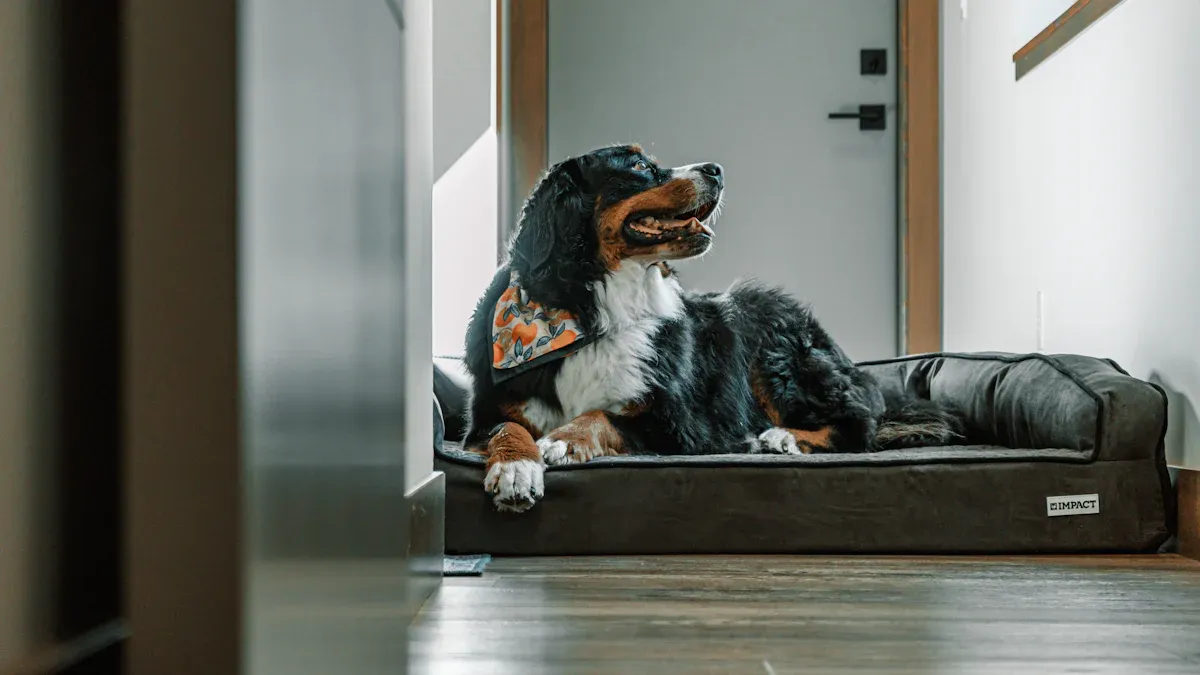
Crate Rest Setup Checklist
A safe crate setup helps your dog recover from ivdd. Use this checklist to make sure you cover all the basics:
Place the crate on a non-slip mat or carpet for traction.
Use a high-quality memory foam bed with a washable, waterproof cover.
Add a soft blanket or vet fleece for extra comfort.
Make sure the bedding covers the whole crate floor to prevent pressure sores.
Keep food and water bowls within easy reach, but secure them to avoid spills.
Block off stairs and couches with gates or barriers.
Put a “Do not knock or ring the doorbell” sign on your door to reduce excitement.
Set a calm daily schedule for feeding, potty breaks, and quiet time.
Monitor your dog’s weight and appetite each day.
Check the surgery site or injury for changes.
Top mistakes to avoid:
Letting your dog roam free
Allowing couch or bed time
Testing your dog’s movement before the vet says it is safe
Preventing slips and safe resting positions
You can help your dog stay safe and comfortable during crate rest. Choose a supportive orthopedic bed to keep your dog’s spine straight. Change your dog’s position every two to three hours if they cannot move on their own. Move your dog slowly and gently. Use rolled towels to support your dog’s body and prevent rolling. For dogs with ivdd, a flat bed without raised edges works best. This setup lowers the risk of pressure sores and keeps your dog steady.
Calm routines and boredom solutions
A calm routine helps your dog relax during at-home care. Keep noise low and stick to a regular schedule. Give your dog safe toys, like food-dispensing puzzles or cardboard boxes with treats inside. Teach simple games that do not require much movement, such as “head down” or “touch the toy.” You can guide your dog to bob their head or stretch their neck with a treat. These activities keep your dog’s mind busy without risking their spine.
If your dog seems stressed or bored, talk to your veterinarian for more ideas. Always check with your vet before adding new activities during ivdd recovery.
Handling and safe transfers
Moving your dog safely is one of the most important parts of ivdd home care. You must protect your dog’s spine every time you lift or transfer them. Careful handling helps prevent new injuries and supports healing.
Safe Lifting and Transfers step list
Follow these steps each time you move your dog:
Calm your dog before you begin. Speak softly and move slowly.
Slide one hand under your dog’s chest and the other under their hindquarters.
Keep your dog’s back straight and level. Do not let the body bend or twist.
Lift your dog gently, holding them close to your body for extra support.
Set your dog down slowly, making sure all four feet touch the ground at the same time.
Tip: Always use slow, gentle motions. Never let your dog jump out of your arms or off furniture.
Lifting basics for all sizes
Small dogs are easier to lift, but you still need to support both ends. For larger dogs, ask for help from another person. You can use a lift harness if your vet recommends it. The goal is to keep the spine straight and avoid twisting. Hold your dog close to your chest for stability and comfort.
Here is a quick Do/Don’t table for safe handling:
Do | Don’t |
|---|---|
Support both chest and hips | Grab by legs or underarms |
Keep spine level and straight | Let the body twist or sag |
Use a harness for support | Use a neck collar for walking |
Move slowly and calmly | Rush or allow jumping |
Note: If you feel unsure about lifting your dog, ask your veterinary team for a demonstration.
Car transfers and stairs
When you need to take your dog to the car, carry them using the same safe lifting steps. Place your dog on a flat surface in the car, such as a crate or a padded bed. Never let your dog jump into or out of the car. Block access to stairs at home. If you must use stairs, carry your dog or use a ramp with supervision.
Clinic or Retail Counter Script:
“For dogs with ivdd, always support both the chest and hindquarters when lifting — keep the spine straight and level. Avoid twisting or letting your dog jump. Use a harness, not a collar, for any movement. If you have questions, call your veterinarian for help.”
If you notice any sudden changes in your dog’s movement or comfort, contact your vet right away. Safe handling protects your dog’s spine and gives them the best chance for recovery.
Potty breaks and harness use
Harness vs Collar mini table
Choosing the right gear for your dog during ivdd recovery is important. You want to protect the spine and avoid extra pressure. Here is a quick comparison:
Feature | Harness | Collar |
|---|---|---|
Pressure on Neck | None or very low | High, especially if dog pulls |
Support for Spine | Good, supports chest and body | Poor, can strain neck |
Safety for IVDD | Preferred, especially for neck | Not recommended |
Control During Walks | Better control, less risk | Less control, more risk |
Use for ID Tags | Can attach, but less common | Common use |
Harnesses help reduce pressure on the neck and back, which is beneficial for dogs with ivdd. Collars are more convenient for holding ID tags but may not be safe for dogs with ivdd.
Why harnesses are safer for neck IVDD
A harness fits around your dog’s chest and shoulders. This design spreads your dog’s weight and keeps pressure off the neck. If your dog has cervical ivdd, you must avoid any pulling or twisting of the neck. The harness gives you better control and support, especially if your dog tries to move quickly or loses balance. You lower the risk of hurting the windpipe or spinal cord. Long-bodied breeds like dachshunds benefit most from harnesses because they are prone to ivdd and need extra protection.
In a survey, dogs over the age of 3 that were exercised wearing harnesses were 2.3 times more likely to have suffered an ivdd incident than those exercised in collars. This suggests that while harnesses are often recommended for dogs with ivdd, there may be a correlation with their use and previous ivdd incidents.
Potty logistics and minimizing steps
You must keep potty breaks short and safe. Always use a harness for support. Carry your dog to the potty area if possible. Choose a spot close to the crate to limit walking. Keep the path clear and use non-slip mats. Support your dog’s chest and hindquarters when lifting. Never grab by the legs or underarms.
When moving your dog, always use proper support to keep their chest and hindquarters straight and their back level. Never lift them by their armpits or hind legs, as this can twist the spine.
Follow these steps for safe potty breaks:
Prepare the area before you bring your dog out.
Use a harness and keep your dog close to your body.
Let your dog stand only as long as needed.
Return your dog to the crate right after.
If your dog struggles to pee or shows new signs of pain, contact your veterinarian. Always watch for changes and keep your dog’s safety first.
Comfort, medication, and common mistakes
What to track and report
Watch your dog closely during ivdd home care. Tracking symptoms helps you find problems early. It also gives your veterinarian helpful details. Use a notebook or phone app to write down changes each day. Share these notes with your clinic at every check-up.
Symptoms/Behaviors | Description |
|---|---|
Pain | Signs like not wanting to move or making noise when touched. |
Abnormal gait | Walking wobbly, stumbling, or weak legs. |
Loss of coordination | Trouble jumping, climbing stairs, or keeping balance. |
Paralysis | Some or all limbs cannot move, or loss of bladder and bowel control. |
Changes in appetite | Eating more or less can mean health issues. |
Weight changes | Losing or gaining weight can be a problem, especially with ivdd. |
Overall behavior | Watch for any changes in how your dog acts or feels. |
Tip: Write down new symptoms or changes. Show your notes to your vet at each visit.
Medication safety tips
Giving medication the right way is very important for ivdd home care. Many owners make mistakes, so you must pay attention. Always ask your vet about each medication, the dose, and how often to give it. Make sure the instructions match what is on the label. Know why your dog needs each medication and if it should be given with food.
Not getting clear instructions from the vet or staff.
Reading the label wrong or missing small numbers.
Mixing up abbreviations in directions.
Using the wrong method, which can cause missed doses or too much medicine.
Alert: If you feel unsure about any medication, call your veterinarian before giving it.
Mistakes to avoid
Mistakes during ivdd home care can slow recovery or cause problems. You must avoid these common errors:
Treating your dog as too fragile, which can cause stress.
Missing doses or giving medicine at the wrong time.
Ignoring signs of future problems, like stiffness or changes in movement.
Forgetting that recovery is not always steady. Some days will be harder.
Stay steady with your routine. Watch for changes and tell your clinic. Your actions help keep your dog safe and comfortable.
🐾 Always follow your vet’s advice. If you see new problems or have questions, contact your clinic right away.
Bladder, skin, and mobility support
Bladder Care: get hands-on vet teaching first
If your dog cannot urinate on their own, you need to learn bladder care from your veterinarian. Ask your vet team to show you how to express your dog’s bladder safely. They should watch you do it and answer your questions. Most dogs with ivdd need bladder checks every 6 hours, or about 3–4 times a day. This routine helps prevent urine retention and infection.
Here is a quick table for bladder care timing:
How Often? | Why? |
|---|---|
Every 6–8 hours | Prevents bladder overstretch and infection |
3–4 times per day | Keeps your dog comfortable and healthy |
Ask your vet these questions:
How do I know the bladder is empty?
What signs mean I should call the clinic?
When should we recheck bladder function?
If you notice your dog cannot urinate or leaks urine, contact your veterinarian right away.
Preventing urine scald and pressure sores
Dogs with limited movement can develop skin problems. You can protect your dog’s skin by following these steps:
Change your dog’s position every two to three hours.
Use soft, orthopedic bedding for even support.
Place foam wedges or rolled towels under your dog to relieve pressure.
Check and clean your dog’s skin often to keep it dry.
Work with your vet to improve your dog’s mobility.
Feed a balanced diet to support healing.
Keeping your dog’s skin clean and dry helps prevent sores and urine scald.
Mobility Support Options comparison table
Mobility aids can help your dog move safely during ivdd recovery. Always ask your vet which option is best for your dog. Make sure each device fits well and use it as directed.
Mobility Aid | Best For | Risk if Misused |
|---|---|---|
Ramps | Dogs who need help with stairs or cars | Falls or injury if not used correctly |
Support Harnesses | Dogs needing extra body support | Discomfort or strain if misfitted |
Wheelchairs | Dogs with weak or paralyzed back legs | Injury if not fitted properly |
Dogs needing spine stabilization | Poor support if not used as directed |
Always check with your veterinarian before starting any new mobility aid. Watch for changes in your dog’s comfort or movement.
If you follow these steps, you can help your dog stay safe and comfortable during ivdd recovery.
You can help your dog recover by following these steps for dog ivdd home care:
Keep your dog on strict crate rest for 6–8 weeks.
Give medication as prescribed by your veterinarian.
Check your dog’s progress every day and report changes.
Watch for urgent warning signs like trouble walking or urinating.
If you notice any red flags, contact your vet right away. Early action can prevent serious problems. Resources like Dodgerslist and The IVDD Handbook offer extra support. Stay proactive and ask for help when you need it.
FAQ
How long should my dog stay on crate rest for IVDD?
You should follow your veterinarian’s instructions. Most dogs need crate rest for 4 to 8 weeks. The exact time depends on your dog’s condition and treatment plan. Always ask your vet before changing the rest period.
What signs mean I should call my veterinarian right away?
Watch for sudden loss of walking, inability to urinate, severe pain, or collapse. If you see any of these, contact your veterinarian immediately. Quick action helps keep your dog safe.
Can I use a collar instead of a harness during recovery?
You should use a harness, especially for neck IVDD. A harness protects your dog’s spine and reduces pressure on the neck. Collars can cause strain and are not recommended during recovery.
How do I keep my dog comfortable during crate rest?
Provide a soft bed, keep the crate in a quiet area, and use gentle toys for mental stimulation. Change your dog’s position every few hours if needed. Calm routines help your dog relax.
What should I do if my dog cannot urinate or leaks urine?
Contact your veterinarian right away. Urinary problems can be serious for dogs with IVDD. Your vet will guide you on bladder care and check for complications.