
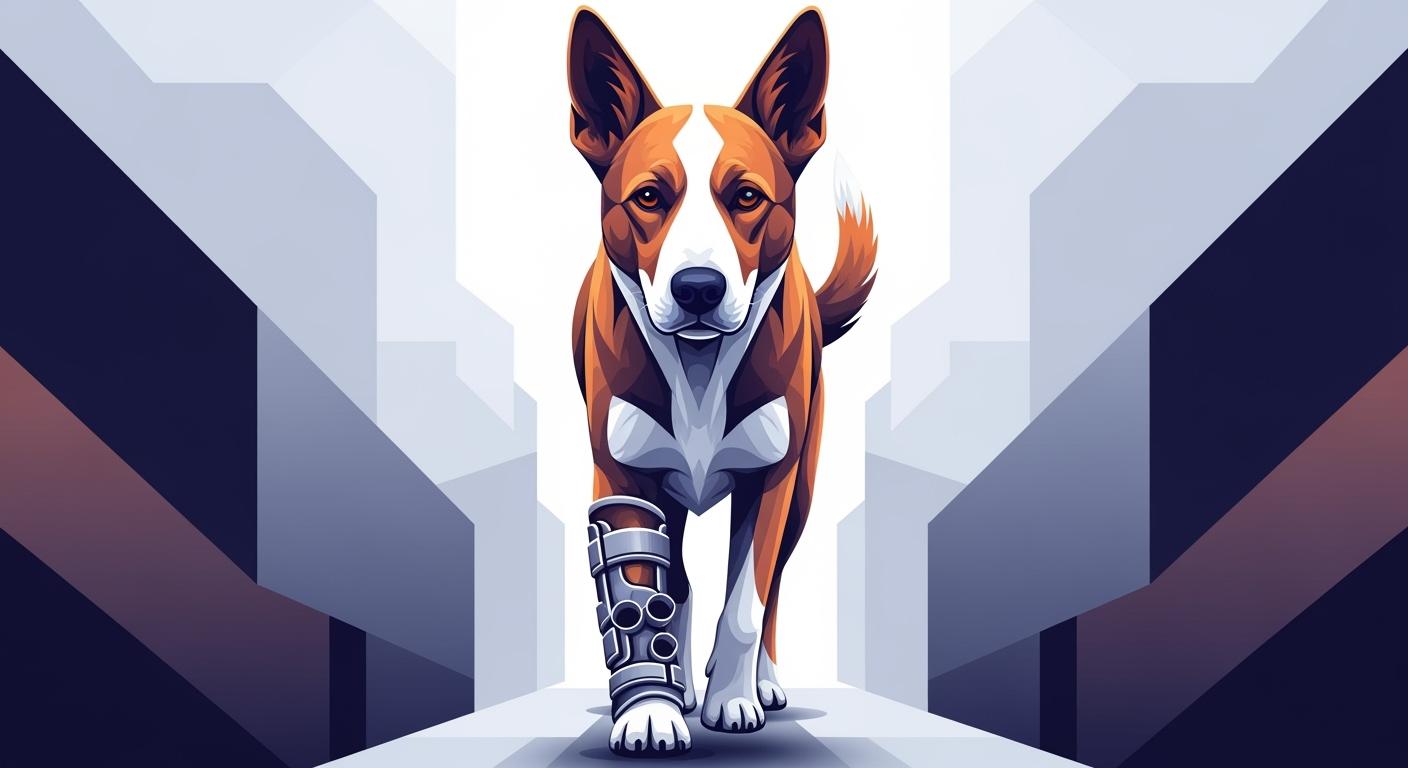
Dog knuckling happens when a dog drags its paw or walks on the top of the toes instead of the paw pads. Over time, this abnormal gait makes walking difficult and increases the risk of trips, falls, and paw injuries. Many dogs, especially older ones, face problems like osteoarthritis or nerve issues that cause knuckling and affect how they move and feel. Using a dog knuckling brace and protective gear can support your dog, help prevent paw injuries, and improve daily life. Always talk to your veterinarian before starting any new support.
Key Takeaways
Dog knuckling can cause injuries. It can make your dog feel uncomfortable. Look for signs like dragging paws or tripping.
A dog knuckling brace can help your dog move better. It can also keep its paws safe from harm. Always talk to your veterinarian before using a brace.
Finding knuckling early is very important. Get help from a veterinarian to find health problems and make a plan.
Regular check-ups and the right brace fit are important. Watch your dog’s skin and change the brace if it hurts.
Help your dog get better with a knuckling brace, physical therapy, and balanced nutrition and appropriate body weight.
What Is Dog Knuckling?
Dog knuckling happens when your pet walks with the top of its paw touching the ground instead of the pad. You may notice your dog dragging its paw or stumbling more often. This problem can affect dogs of any age, but older dogs and those with nerve or joint issues face a higher risk. Knuckling makes walking difficult and can lead to injuries if you do not address it quickly.
Signs and Symptoms
You can spot knuckling by watching how your dog moves. Look for changes in walking or standing. The most common signs of knuckling include:
Clinical Sign/Symptom | Description |
|---|---|
Paw curling under | The paw curls under, which may show a nerve problem. |
Dragging paws on the ground | Your dog drags its paws while walking. |
Weakness or incoordination in the legs | Your dog may seem weak or unsteady. |
Frequent stumbling or difficulty standing | Your dog may stumble or have trouble getting up. |
Less active or reluctant to go on walks | Your dog may not want to walk or play as much. |
You may notice your dog curling its paw under or dragging it on the ground. These signs of knuckling often appear with weakness or trouble standing. Some dogs become less active because walking feels hard or painful. If you see these signs of knuckling, you should watch your dog closely and consider talking to your veterinarian.
Veterinarians use simple steps to check for knuckling:
Watch your dog for unsteady walking or an uneven gait.
Lift each paw and place it down with the knuckle under.
See if your dog corrects the paw position right away.
If the knuckle stays tucked under, call your veterinarian for an exam.
Why It Matters
Knuckling affects your dog’s safety and comfort. When your dog drags its paw, the skin can scrape against the ground. This may cause cuts, sores, or infections. Dogs with knuckling often trip or fall, which increases the risk of injury. You may notice your dog avoiding walks or playtime because moving feels hard.
Knuckling can signal a deeper health problem. Nerve damage, joint pain, or muscle weakness may cause these changes. Early detection helps you protect your dog from further harm. You can improve your dog’s quality of life by spotting knuckling early and seeking help.
If you notice any signs of knuckling, reach out to your veterinarian. A professional can find the cause and suggest ways to support your dog. Solutions like dog knuckling braces and protective gear help manage symptoms and keep your dog safe. Always work with your veterinarian to choose the best plan for your dog’s needs.
Causes of Knuckling in Dogs

Knuckling can start for many reasons. You might see your dog having trouble walking or dragging its paw. This part explains some common causes, but only a veterinarian can tell you the real reason. Knowing these causes helps you care for your dog and ask good questions at the vet.
Neurological Factors
Problems with nerves or the spinal cord often cause knuckling. Nerves carry messages from the brain to the legs and paws. If these messages get blocked or hurt, your dog may not move its paw right. Some neurological conditions that lead to knuckling are:
Neurological Condition |
|---|
Intervertebral disc disease (IVDD) |
Degenerative myelopathy |
Spinal injuries |
Degenerative myelopathy usually affects older dogs. This disease slowly harms the spinal cord. Intervertebral disc disease, called IVDD, happens when discs in the spine press on nerves. Spinal injuries can also cause knuckling by hurting nerve paths.
Orthopedic Issues
Joint and bone problems can make walking hard for your dog. Arthritis, especially osteoarthritis, causes pain and swelling in the joints. This pain can change how your dog walks and cause knuckling. Dog knee pain is another reason for dragging paws. Some orthopedic problems that may cause knuckling are:
Intervertebral disc disease (IVDD)
Degenerative myelopathy
Spinal stroke
Fibrocartilaginous embolism (FCE)
Nerve damage
Cervical spondylomyelopathy (Wobblers)
Cauda equina syndrome
Cancer of the spinal cord
Arthritis and joint problems are common in older dogs. Osteoarthritis wears down the cartilage in joints, which makes moving hurt. Dog knee pain can come from an injury or from getting older. Managing arthritis in dogs helps lower pain and helps them move better.
Aging and Other Causes
Getting older changes a dog’s body and raises the risk of knuckling. Older dogs may get diseases that damage joints or cause pain. Puppies, especially big breeds, sometimes knuckle because their bones and soft tissues grow at different speeds. Other causes are:
Genetics
Poor nutrition
Injury or trauma
Neoplasia (cancer)
Obesity
Knuckling is often the first sign in young puppies. When puppies grow unevenly, their legs can get weak. Not enough nutrients and missing micro-minerals can make knuckling worse. Always talk to your veterinarian if you see knuckling. Your vet can find out why and help you pick the best plan for your dog.
Tip: Finding and treating arthritis, joint problems, and diseases early can help your dog stay active and safe. Regular check-ups and good nutrition keep joints and knees healthy.
Knuckling: Mobility & Safety
Risks of Paw Dragging
When your dog starts knuckling, you may notice it drags its paw on the ground. This can happen with conditions like degenerative myelopathy, sciatic nerve injury, or spinal cord injury. Some dogs with brachial plexus or radial nerve injuries drag their front paws, while a fibrocartilaginous embolism can affect both front and hind legs. Paw dragging puts your dog at risk for several problems:
Scraped or raw paws from constant contact with rough surfaces
Open wounds that can become infected
Difficulty moving, which may lead to less exercise
Knuckling often signals a deeper health issue, such as a neurological problem. These issues can make it harder for your dog to walk safely and comfortably.
Falls and Injuries
Knuckling increases the chance of falls and injuries. When your dog cannot place its paw correctly, it may trip or stumble. This can lead to:
Sprains or strains in the knee or joint
Cuts or bruises from falling
Worsening of existing joint or knee pain
If your dog has trouble with its knee or joint, even a small fall can cause more damage. You should watch for signs of limping or sudden changes in how your dog moves.
Quality of Life Impact
Knuckling affects more than just walking. Your dog may avoid playtime or walks because moving feels hard or painful. Over time, this can lead to:
Less muscle strength in the legs and knee
Stiffness in the joint
Lower energy and mood
Note: Early support, such as a dog knuckling brace, can help protect the paw and joint, making daily life safer and more comfortable. Always talk to your veterinarian before starting any new support for your dog.
Dog Knuckling Brace: How It Works
A dog knuckling brace is designed to help dogs walk more safely. It supports the paw in a more normal position, reduces dragging, and protects the skin from scraping on rough ground. For best results, a knuckling brace should be used alongside other treatments such as physical therapy, weight management, and regular veterinary check-ups. Always ask your veterinarian before introducing a new brace or changing your dog’s current plan.
Design and Function
A dog knuckling brace is made to help your dog move better. The brace wraps around the leg and paw. It holds the paw in the right spot. This stops the toes from curling under. It also keeps the paw from dragging. Braces are made from soft, strong materials. These materials protect the skin and stop rubbing.
Most braces have straps you can adjust. You can change the fit for your dog’s leg. Some braces use silicone toe straps to lift the toes. Others have wide straps for comfort and to stop sliding. The brace covers the paw and sometimes the knee. This gives extra support where your dog needs it.
Tip: Pick a brace with a soft lining and straps you can adjust. This helps stop skin problems and keeps your dog comfy on walks.
The table below shows how dog knuckling braces help dogs move and feel better:
Study Focus | Findings |
|---|---|
Custom orthotics for CCL injuries | Dogs walked better after 12 weeks; joints were stable; many dogs did not need surgery and could play again. |
Comparison of single vs. double braces | Double braces helped balance weight; less stress on the other leg; fewer new injuries; less pain and more activity. |
Bracing with weight management and therapy | Less pain and better life; small and medium dogs did best; big dogs did well with a good fit. |
Mechanism: Paw Lifting & Support
The dog knuckling brace has features to help your dog walk. The brace lifts the paw and keeps it in place. This stops the paw from dragging and lowers the chance of sores. The brace also supports the joint and knee. This makes moving easier.
Here is how the brace helps:
Orthotic devices hold the paw in the right spot when your dog stands or walks.
They stop the paw from dragging, which can cause sores.
The brace lets the joint move naturally but still gives strong support.
When you use a dog knuckling brace, your dog can control its paw better. The brace helps your dog know where its paw is. This makes walking easier and less painful.
Note: The brace does not fix knuckling or replace vet care. It helps the paw and joint, protects the skin, and makes moving easier as part of a full plan.
Types of Braces
There are different types of dog knuckling braces. Each type helps with special needs. Some braces lift the paw. Others support the knee or joint. Your veterinarian can help you choose the best brace.
The table below explains the main types and features of dog knuckling braces:
Feature | Description |
|---|---|
Function and Purpose | Helps with problems from nerve issues in the paw, stops joint damage from short tendons. Good for nerve damage, arthritis, DM, CVI, FCE, IVDD. |
Structural Design | Used with the Hock Brace for support from hock to paw, lifts the toe, helps with dropped foot or arthritis. |
Adjustable and Custom Fit | Has two sizes of silicone toe straps, wide adjustments, and a double leash cord for strong support. |
Prevent Further Injuries | Flat toe strap gives more contact, is softer, more comfy, and stops sliding. |
Vet Approved and Preferred | Helps with hock and carpus joints, stops paw joint bending. Tips for getting used to the brace are included. |
Some braces are best for dogs with nerve problems, like degenerative myelopathy. Others help with joint issues, like arthritis or knee pain. Some braces cover the knee and joint for more support. Adjustable braces let you change the fit as your dog grows or changes.
Callout: Always ask your veterinarian or rehab expert before picking a dog knuckling brace. The right brace can help your dog feel better and stay safe.
A dog knuckling brace helps your dog walk better. It protects the paw and joint and helps your dog heal. Use the brace with therapy, weight control, and vet visits. With good support, your dog can have more fun and feel more comfortable.
When to Use a Dog Knuckling Brace
A dog knuckling brace can help your pet walk better and protect its paw, joint, and knee. You should use this brace as part of a full management plan. It does not cure disease, but it supports your dog and helps prevent injuries.
Who Benefits
You may wonder which dogs benefit most from a knuckling brace. Dogs with certain conditions often need extra support for their joint and knee. These conditions include:
Degenerative myelopathy (a disease that affects the spinal cord)
Sciatic nerve injury (damage to the nerve that controls the leg)
Disc disease (problems with the discs in the spine)
Spinal cord injury
Nerve injuries
If your dog shows signs of knuckling, such as dragging its paw or walking on the top of its toes, a brace can help keep the joint and knee safe. Dogs of all breeds and ages may need this support, but older dogs and those with nerve or joint problems benefit most.
Rehab and Long-Term Use
You can use a dog knuckling brace during rehabilitation after injury or surgery. The brace helps your dog relearn how to walk and keeps the joint and knee in the right position. Physical therapy often works with bracing to build strength and improve movement. Some dogs need the brace for a short time, while others use it long-term to protect the joint and knee.
Tip: Always follow your veterinarian’s advice for how long your dog should wear the brace. Regular check-ups help you track progress and adjust the plan as needed.
Contraindications
Not every dog should use a knuckling brace. You must choose the right device and use it safely. Here are important points to consider:
Pick a lightweight brace so your dog does not feel extra burden.
Make sure the brace helps your dog walk properly and supports the joint and knee.
Use a harness for support. Collars may not give enough help.
Supervise your dog to prevent tangling or tripping.
Choose a brace that matches the severity of your dog’s knuckling.
Some dogs may need more than one device, depending on their energy levels.
A dog knuckling brace works best when you use it as part of a full care plan. Always talk to your veterinarian before starting or changing any treatment. The right support can help your dog stay active and safe.
Choosing the Right Dog Knuckling Brace and Protective Gear
Veterinary Evaluation
You need a veterinary evaluation before choosing a dog knuckling brace. A veterinarian checks your dog’s walking, joint movement, and knee stability. The vet looks for signs of weakness or changes in how your dog supports its weight. The table below shows the main criteria veterinarians use:
Criteria for Evaluation | Description |
|---|---|
Severity of Condition | The vet checks how much knuckling affects your dog’s movement and ability to walk. |
Ability to Support Weight | If your dog’s toes curl or deform, a brace may help support weight and protect the joint. |
Diet and Nutrition | The vet may suggest changes in food to help improve joint and knee health. |
Exercise | The amount of exercise your dog gets helps decide if a brace is needed for knee support. |
A thorough evaluation helps you and your vet choose the right brace and gear for your dog’s needs.
Treatment Planning
You and your veterinarian work together to create a treatment plan. The plan includes selecting the best brace and protective gear for your dog‘s joint and knee support. Here are important steps:
Assess your dog’s current ability and function.
Decide if the condition will get better or worse over time.
Pick a device that gives the right support for your dog’s knee and joint.
Change your home to help your dog move safely, like adding ramps or steps.
You may use different devices depending on your dog’s needs. For example, the Forelimb Dorsi-Flex Assist uses a cuff and elastic straps to prevent knuckling. Some dogs need a hard splint for extra knee support. The Hindlimb Dorsi-Flex Assist helps dogs who knuckle often by supporting the ankle and joint. Training socks and mobility devices can also help your dog walk better.
Tip: Always ask your veterinarian which brace or gear fits your dog’s joint and knee needs best.
Home Care Tips
You can make your home safer for dogs using a knuckling brace. Try these tips:
Place carpet treads on stairs to help your dog grip and protect the knee.
Use a harness or sling to help your dog move up and down stairs without hurting the joint.
Install pet gates to keep your dog away from stairs and prevent knee injuries.
Regular checks of the brace and your dog’s joint health help you spot problems early. Clean the brace often and watch for signs of rubbing or discomfort near the knee. Support your dog with gentle exercise to keep the joint and knee strong.
Note: Always talk to your veterinarian if you see changes in your dog’s walking, joint movement, or knee stability.
Professional Assessment & Integrating Dog Knuckling Braces
Measuring and Fit for a Dog Knuckling Brace
You need a professional assessment before choosing a brace for your dog. Veterinarians and rehab experts look at how your dog walks and stands. They check your dog’s current ability and level of function. They also think about whether your dog’s condition will get better or worse. Sometimes, they make rough replicas of devices in the clinic to find the best fit for your dog’s knee and joint. This careful process helps you get the right support for your dog and protects the knee from further injury.
Comfort, Adjustability, and Skin Protection
Comfort matters when you use a brace. You want your dog to feel good while wearing it. Adjustable straps let you change the fit as your dog’s knee or joint changes. Soft materials help protect your dog’s skin from rubbing or sores. GaitGuard’s dog protective gear uses gentle fabrics and adjustable designs. This keeps your dog comfortable and helps the knee heal. The anti-licking feature stops your dog from biting or licking wounds, which helps the skin recover faster.
When to Add Boots or Other Protective Gear as a Complement
Sometimes, you need more than a brace. Boots or extra protective gear can help if your dog drags its paw or has sensitive skin. You can use boots to shield the paw and knee from rough surfaces. GaitGuard offers gear that works with braces to give full protection. You can use these tools together to keep your dog’s joint and knee safe during walks or play.
Why Clinics, Rehab Centers, and Pet Stores Benefit from Offering Dog Knuckling Braces
Clinics, rehab centers, and pet stores help dogs by offering braces like GaitGuard. These braces support the knee and joint after injuries or surgeries. They stabilize joints, which reduces pain and discomfort. Many dogs avoid surgery when using a brace. Braces help dogs return to normal activities and play. GaitGuard’s innovative design and quality materials make their gear a smart choice for professionals. You can trust these products to help your dog heal and stay active.
Fitting & Using a Dog Knuckling Brace
Step-by-Step Guide
You want your dog to feel comfortable and safe when using a dog knuckling brace. Start with a visit to your veterinarian. The vet checks your dog’s knee and joint health and confirms if a brace is right. Measure your dog’s leg carefully to choose the correct size. During the first fitting, align the brace with the knee joint and adjust the straps for a snug fit. Begin with short periods of wear so your dog can get used to the brace. Increase the time slowly, watching for signs of discomfort. Use the brace during active times, such as walks or play, and remove it when your dog rests. Combine the brace with physical therapy and weight management for the best results.
Daily Care and Monitoring
You help your dog by checking the brace and skin every day. Let your dog wear the brace for up to 12 hours, but take it off at night. Watch for chewing or licking, especially in the first week. Adjust the straps and neoprene cuffs several times a day to keep the brace secure around the knee and joint. Inspect the skin under the brace twice daily for redness, rubbing, or sores. Keep the fur clean and trim any hair that bunches under the straps. Wash the brace weekly with mild soap and let it air-dry. Replace worn padding as needed. If you see increased limping, swelling, or knuckling, remove the brace and call your veterinarian.
Tips for Owners and Clinics
You can help dogs adapt to a new brace by using positive reinforcement. Give treats and praise when your dog wears the brace calmly. Clinics should teach owners how to fit and adjust the brace for the knee and joint. Always check for signs of discomfort or skin changes. Keep a record of your dog’s progress and share updates with your vet. Regular care and monitoring help your dog stay active and protect the knee and joint.
Case Example: Dog Knuckling Brace Success Story
Before and After
Many owners ask what a dog knuckling brace can realistically achieve. The following example shows how a well-fitted brace, combined with appropriate protective gear and veterinary care, can change daily life for a dog living with hind-limb weakness and knuckling.
Meet Max, a senior dog who started dragging his paw and stumbling during walks. His owner noticed he avoided stairs and seemed less eager to play. The veterinarian found weakness in Max’s knee and joint, which caused him to knuckle. The vet recommended a dog knuckling brace and GaitGuard Dog Protective Gear to support his knee and joint.
Before using the brace:
Max struggled to walk across hard floors.
He developed small sores on his paw from dragging.
His knee felt unstable, and he lost confidence in daily activities.
After starting the brace and GaitGuard gear:
Max walked with better balance and placed his paw correctly.
The brace supported his hind limb and kept his paw from scraping, so he stopped developing new sores.
He became more active and started enjoying walks again.
“Even though he looks clumsy they did seem to offer a fantastic amount of support. We were all quite surprised with the results. He was able to take supported, more confident steps right away.” – Deirdre Duggan, Pet Paws Physio
Many owners report similar results. About 88% say their dogs show little or no lameness after using a brace. Studies also show a 5.1% improvement in weight-bearing on the affected limb, which means the knee and joint get more support.
You can see how a dog knuckling brace, paired with the right gear, helps dogs regain confidence and move safely. Always talk to your veterinarian before starting a new brace or protective gear for your dog’s knee or joint.
FAQ: Common Questions About Dog Knuckling Braces
Can a dog knuckling brace cure my dog’s condition?
You may wonder if a brace can cure your dog’s knuckling. A brace does not cure disease or fix nerve damage. It supports your dog’s knee and joint, helps protect the paw, and improves walking. You should use a brace as part of a management plan. Always talk to your veterinarian before starting any new support.
How long can my dog wear a knuckling brace each day?
Most dogs can wear a brace for up to 12 hours each day. You should remove the brace at night to let the skin breathe and check for any signs of rubbing. Start with short periods and slowly increase the time as your dog gets used to the brace. Your veterinarian can help you decide the best schedule for your dog’s knee and joint health.
Is a dog knuckling brace safe for senior dogs?
A brace is safe for senior dogs when you use it correctly. Older dogs often have weak knees and joints, so extra support helps them walk and play. You should check the skin under the brace often and adjust the straps for comfort. If you see redness or sores, remove the brace and call your veterinarian.
Can my dog run or play while wearing the brace?
Your dog can walk and play gently while wearing the brace. The brace supports the knee and joint, making movement safer. Avoid rough play or running on hard surfaces. Supervise your dog during activity to prevent falls or injury.
What should I do if I see redness or rubbing?
If you notice redness or rubbing under the brace, take it off right away. Clean the area and let your dog’s skin rest. Check the fit of the brace and adjust the straps around the knee and joint. Contact your veterinarian if the redness does not go away.
How long does it usually take to see improvement?
You may see improvement in your dog’s walking and knee stability within a few weeks. Some dogs show changes sooner, while others need more time. Regular use of the brace, along with gentle exercise and joint care, helps your dog move better. Always follow your veterinarian’s advice for the best results.
How do I know if my dog needs a knuckling brace?
You should watch for signs like paw dragging, stumbling, or walking on the top of the paw. If you see these changes, schedule a visit with your veterinarian. A professional can help decide if a brace will support your dog’s mobility.
Can dogs wear a knuckling brace all day?
Most dogs can wear a knuckling brace for several hours during active times. Remove the brace at night or when your dog rests. Always check the skin for redness or irritation. Ask your veterinarian for a safe wearing schedule.
Will a knuckling brace stop my dog from licking wounds?
A knuckling brace may help protect the paw, but some dogs still try to lick. You can use protective gear with anti-lick features for extra support. This keeps wounds clean and helps healing. Always monitor your dog for any chewing or licking.
What should I do if my dog seems uncomfortable in the brace?
If your dog shows discomfort, remove the brace and check for rubbing or tightness. Adjust the straps for a better fit. If problems continue, contact your veterinarian for advice. Comfort and safety come first.
How do I clean and care for a knuckling brace?
Wash the brace weekly with mild soap and water. Let it air-dry before putting it back on your dog. Inspect the brace for wear and replace padding as needed. Clean gear helps prevent skin problems and keeps your dog comfortable.
Veterinary professionals often hear these questions:
What could cause my dog’s back legs to drag?
Are there any immediate actions I should take?
Can a knuckling brace hurt my dog if used incorrectly?
Use this FAQ to guide your decisions and keep your dog’s knee and joint healthy. Always consult your veterinarian for advice tailored to your dog’s needs.
Limitations & Expectations of Dog Knuckling Braces
What Braces Can Do
You can use a dog knuckling brace to help your dog walk more safely. The brace lifts the paw and supports the knee. This support helps prevent falls and protects the skin from scrapes. You may notice your dog walking with better balance and less stumbling. The brace does not cure disease or fix nerve damage. It works as part of a management plan to improve mobility and comfort. You should always combine the brace with regular knee checks and advice from your veterinarian.
Risks and Side Effects
You need to watch for some risks when your dog uses a brace. Clinical studies show that dogs may develop skin problems such as abrasions, hair loss, or sores around the knee. Sometimes, the brace may not fit well or may break during use. Some dogs do not accept the device, which can make treatment harder. You should check your dog’s knee and skin every day. If you see redness or sores, remove the brace and let the skin rest.
Tip: Always make sure the brace fits snugly but does not rub against the knee. Clean the brace often and trim any hair that gets caught under the straps.
When to Seek Help
You should seek help from your veterinarian if you notice sudden changes. If your dog starts knuckling without any history of weakness or aging, this may be urgent. Loss of ability to stand or walk, even for a short time, means your dog’s knee and mobility are getting worse. If your dog cries out in pain, refuses to eat, or cannot use its hind legs, you need to call your veterinarian right away. These signs may point to serious knee or nerve problems.
Note: Early action helps protect your dog’s knee and keeps your dog safe. Always ask your veterinarian before starting or changing any brace or treatment.
Picking the right brace helps your dog walk better and feel good. Many dogs use protective gear when healing or every day. Here are some main benefits and limits:
Benefits | Limitations |
|---|---|
Non-invasive, surgery-free support | Need proper fitting and monitoring |
Adjustable for many injuries | Not always a full substitute for surgery |
Useful for rehab and prevention | Some dogs need time to adjust |
Often more affordable than surgery |
You should ask your veterinarian for advice that fits your dog. If you want to learn about GaitGuard products or get samples, contact them today. Making smart choices helps your dog stay active and healthy.
