
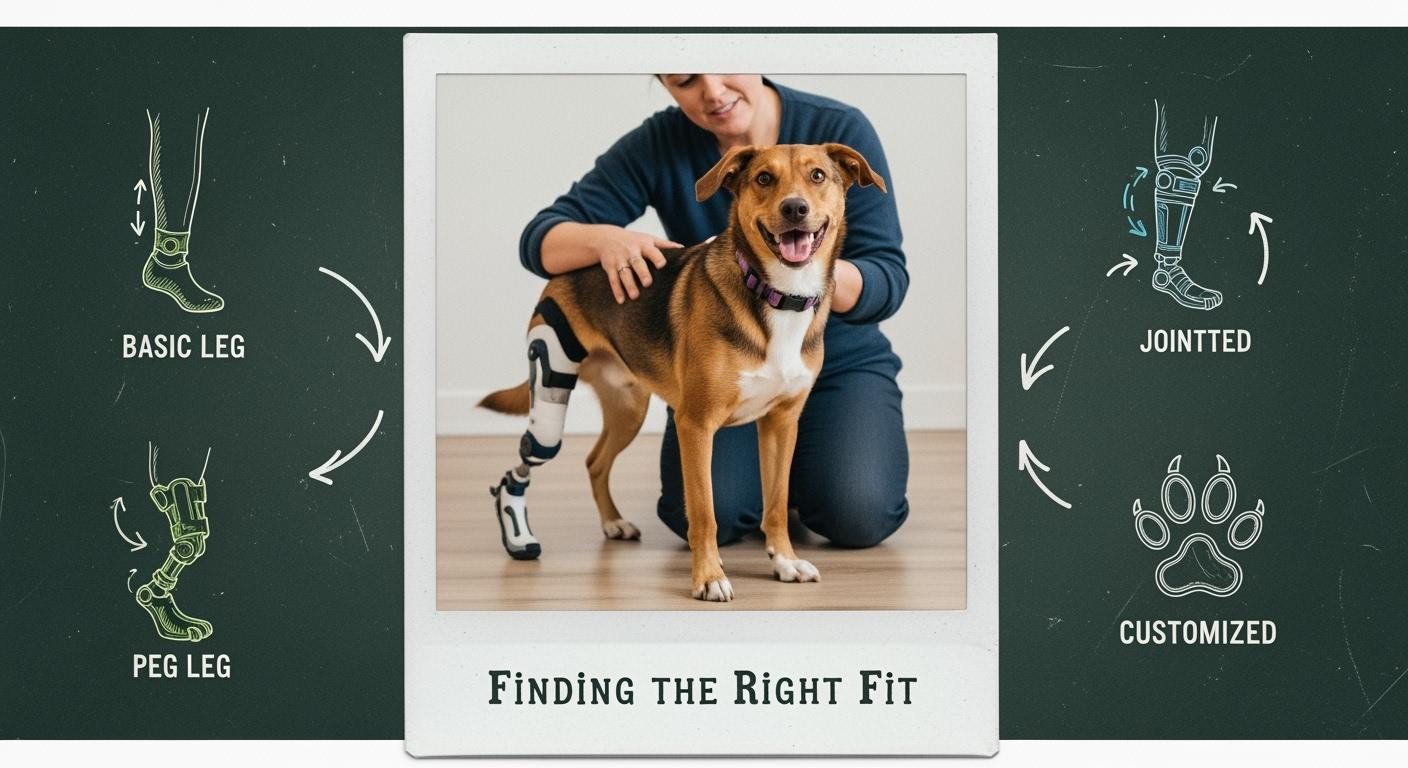
Choosing the right dog leg prosthetics starts with a vet visit. Your dog’s needs are most important. Think about their age and health. Also, look at what your dog does each day. Many dogs with dog leg prosthetics can walk again. They can trot and play fetch too. Recent studies show this is true.
Supportive devices help your dog heal well. Expert advice helps you get a good fit. This makes recovery easier for your dog. You can find trusted brands like GaitGuard. These brands help your dog heal and feel better.
Key Takeaways
Begin with a vet visit to check your dog’s needs. The vet looks at your dog’s age, health, and how active they are.
Custom prosthetics fit your dog best and feel comfortable. They stop rubbing and sores, so your dog can move better.
Regular checkups and care help the prosthetic last longer. This keeps it working well and feeling good for your dog.
Training and patience help your dog get used to a prosthetic. Give treats and praise to help your dog adjust.
Think about your dog’s lifestyle when picking a prosthetic. Active dogs need strong designs for their energy and play.
Understanding Dog Leg Prosthetics
What Are Dog Leg Prosthetics?
Dog leg prosthetics are devices that replace a missing or hurt part of your dog’s leg. They help your dog walk, run, and play after an injury or surgery. These devices go over your dog’s limb and work like a new leg. They hold your dog’s weight and help them move in a normal way.
Veterinary orthopedic groups say these devices have many uses. Here is a table that lists the main benefits:
Benefit | Description |
|---|---|
Weight Bearing | Prosthetics hold weight and let pets walk in a normal way. |
Support and Stability | They give support and help dogs stay steady. |
Weight Distribution | They help pets spread their weight and keep balance. |
Improved Mobility | They help pets move better after losing a limb. |
Injury Prevention | They stop injuries from bad balance or uneven weight. |
They are strong and made to fit your dog’s stump. |
Your vet may call these devices a canine prosthetic. Each one is made for your dog’s special needs. Some are made just for your dog, and some come in regular sizes.
When Are They Needed?
Your dog might need a prosthetic if they lose a leg or have a bad injury. Vets often suggest dog leg prosthetics in these cases:
Scenario/Criteria | Description |
|---|---|
Amputation of a leg | Prosthetics are used when a dog loses a leg from injury or sickness. |
Severe limb injury | Dogs with bad injuries that cannot heal may need prosthetics. |
Rehabilitation needs | Dogs that need help after surgery may use prosthetics to move again. |
Age and personality | How well prosthetics work can depend on your dog’s age and personality. |
You should always ask your vet before picking a prosthetic. Your vet will look at your dog’s health, age, and how active they are. This helps you know if a prosthetic is the right choice. Many dogs get used to them and have a happier life with good support.
Tip: If your vet checks your dog early, your dog can heal better and stay active and happy.
Types of Dog Leg Prosthetics
There are different kinds of dog leg prosthetics. Each kind helps dogs in its own way. The best type depends on your dog’s needs. Your vet can help you choose.
Front Limb Prosthetics
Front limb prosthetics help dogs missing a front leg. These devices help dogs move and stay balanced. Your dog needs some bone and muscle left for a good fit. Recovery can be harder for front legs. This is true for big dogs because front legs hold more weight.
Feature | Front Limb Prosthetics | Hind Limb Prosthetics |
|---|---|---|
Purpose | Made for dogs missing a front leg. They help with movement and balance. | Made for dogs missing a back leg. They help with movement and balance. |
Candidate Requirements | Needs some radius and ulna, a working elbow, and muscles. | Needs some tibia and fibula, a working hip, and muscles. |
Recovery Perception | Recovery is often harder for big dogs. Their front legs carry more weight. | Recovery is usually easier for big or broad-shouldered dogs. |
Long-term Considerations | Helps take stress off the other front leg and spine. This is good for three-legged dogs. | Helps take pressure off the other back leg. This helps dogs with arthritis or hip problems. |
Hind Limb Prosthetics
Hind limb prosthetics help dogs missing a back leg. These devices help dogs move and stay balanced. Many dogs recover faster with a hind limb prosthetic. This is true for big dogs or those with wide shoulders. Your dog needs some bone and a working hip for the best fit.
Custom vs. Off-the-Shelf
You can pick custom or off-the-shelf pet prosthetics. Custom ones fit your dog’s body perfectly. They can have knee, back, or hip braces for special needs.
Custom braces are better because they fit well. They are more comfortable for your pet. They give better support. They are less likely to slip or twist. They also help stop rubbing and sores from a bad fit.
A good prosthetic can help a lot. It can make your dog’s legs look even. It helps your dog walk better. It lowers stress on other legs and the spine. It helps your dog move more naturally, especially with rehab.
Off-the-shelf prosthetics cost less and are ready to use. But they may not fit as well. A bad fit can cause rubbing or slipping.
Materials & Design
Most pet prosthetics use strong and light materials. Makers use thermoplastics and metal. These materials help the device last longer. They also keep it light for your dog.
The usual way is to make a plaster cast. Then, they design the prosthetic using photos and videos. Next, they build it with tough thermoplastics and metal.
Always ask your vet which prosthetic is best for your dog.
The Canine Prosthetic Fitting Process
Veterinary Assessment
You start the journey to a new limb for your dog with a full veterinary assessment. Your veterinarian uses advanced tools like CT scans and MRIs to check your dog’s bones, muscles, and joints. These tests help your vet understand your dog’s needs and decide if a canine prosthetic is the right choice. The vet will also look at your dog’s weight, age, and health. Keeping your dog at a healthy weight helps the prosthetic fit better and lowers the risk of problems. Your vet will then prescribe the best device for your dog.
Measuring & Customization
Next, your vet and the prosthetic team measure your dog’s limb. They may create a mold of the amputation site and measure the other legs for balance. Some clinics use 3D design and printing to make the prosthetic. This step ensures the device matches your dog’s size and shape. Customization is key in veterinary orthotics and prosthetics. A good fit helps your dog move comfortably and safely.
Fitting & Adjustments
After the prosthetic is made, your dog tries it on. The team checks for comfort and makes small changes if needed. You may need to visit the clinic several times in the first year for adjustments. Common issues include skin irritation, slippage, or changes in how your dog walks. Yearly check-ins help keep the prosthetic working well as your dog grows or changes.
Training & Adaptation
Pet prosthetic training helps your dog learn to use the new limb. Most dogs start to improve within a few weeks, but some need more time. You should give your dog a safe space with non-slip flooring. Use a harness or towel sling to help with balance. Keep the surgery site clean and dry. Avoid stairs and slippery floors at first. Rehabilitation therapy can help your dog gain strength and confidence with dog leg prosthetics.
Choosing Dog Leg Prosthetics
Selecting the right prosthetic for your dog is a big decision. You want to make sure your dog gets the best support for their health and happiness. This section will help you understand what to look for when choosing pet prosthetics.
Health & Medical History
Your dog’s health and medical history play a big role in choosing the right prosthetic. Dogs with certain health problems may need special care. Age, weight, and past injuries can affect how well your dog adapts to a new limb. If your dog has arthritis, diabetes, or heart issues, talk to your vet before making a choice. Keeping your dog at a healthy weight helps the prosthetic fit better and lowers the risk of sores or discomfort.
Tip: Regular checkups with your vet help you spot any problems early. This keeps your dog safe and comfortable with their new device.
Activity & Lifestyle
Think about your dog’s daily routine. Does your dog love to run, hike, or play fetch? Or do they prefer short walks and naps? Active dogs need pet prosthetics that can handle lots of movement and rough play. Less active dogs may do well with simpler designs. Your dog’s environment matters too. Dogs that walk on grass, sand, or pavement need different features in their prosthetic. Tell your vet about your dog’s favorite activities. This helps you pick a device that matches their lifestyle.
Comfort & Mobility
Comfort is key for your dog’s success with a prosthetic. A good fit prevents rubbing, slipping, and sores. Custom pet prosthetics often provide the best comfort because they match your dog’s shape. Your dog should be able to walk, sit, and lie down without pain. Watch for signs of discomfort, like limping or licking the device. If you see these signs, ask your vet for help.
Most dogs need time to adjust to their new limb. Some dogs learn to walk in a few weeks. Others may take a few months. Be patient and give your dog lots of praise. Use treats and gentle encouragement during training. Your vet or a pet rehabilitation specialist can show you exercises to help your dog build strength and confidence.
Note: Every dog is different. Some dogs adapt quickly, while others need more time. Stay positive and support your dog through the adjustment period.
Durability & Maintenance
Pet prosthetics need to stand up to daily use. Look for strong materials like thermoplastics and metal. These materials last longer and keep the device light. Check the prosthetic often for signs of wear, like cracks or loose parts. Clean the device as your vet recommends. This keeps your dog’s skin healthy and the prosthetic working well.
If your dog grows or gains weight, you may need to adjust or replace the device. Regular maintenance helps prevent problems and keeps your dog moving comfortably. Ask your vet how often you should bring your dog in for checkups.
Cost & Insurance
The cost of pet prosthetics can vary. Here are some things to keep in mind:
The average cost for dog leg prosthetics is about $1,200.
You may need to pay around $100 each year for maintenance.
Most insurance plans cover surgery for illness or injury, but not preexisting conditions.
Some families need help paying for pet prosthetics. Several organizations offer financial support. Here is a table with a few options:
Organization Name | Description | Contact Link |
|---|---|---|
Joey’s Paw | Provides custom wheelchairs and prosthetics for special-needs dogs to enhance their mobility. | |
Handicapped Pets Foundation | A non-profit that donates wheelchairs to pets in need, focusing on improving their quality of life. |
Remember: Always ask your vet about costs and payment options. Some clinics offer payment plans or can help you find financial aid.
Choosing the right pet prosthetic design takes time and care. Talk with your vet and other professionals to find the best fit for your dog. Your dog’s comfort, health, and happiness come first. With the right support, your dog can enjoy a full and active life.
Prosthetic Challenges & Alternatives
Common Challenges
When your dog starts using pet prosthetics, you may see some problems. Every dog is different. Some dogs need more time to get used to the device. You help your dog adjust to the new prosthetic. Here are some common problems you might notice:
Your dog needs pet prosthetic training to learn to walk and get stronger.
Your dog’s personality can change how fast they get used to it. Friendly dogs often learn faster.
Your patience and help make a big difference for your dog.
It is important to spot problems early. Watch for signs that your dog does not like the device or has trouble. The table below shows some things to look for:
Complication Type | Description |
|---|---|
Skin complications | Scrapes, hair loss, and sores |
Mechanical device problems | Trouble with how the prosthetic works |
Patient non-acceptance | Your dog may not want to wear or use the device |
If you see any of these signs, call your veterinarian right away.
Orthoses & Supportive Gear
Sometimes, pet prosthetics are not the best choice for your dog. Your vet may suggest other options. Orthoses, like braces, help weak joints or legs. Wheelchairs help dogs who have a hard time moving. Pet prosthetic rehabilitation therapy can help your dog get stronger and feel better. These choices help your dog stay active and happy.
GaitGuard Dog Protective Gear
GaitGuard Dog Protective Gear gives extra help while your dog heals. You can use anti-licking gear to stop your dog from biting or licking wounds. Rehabilitation nursing gear helps keep your dog steady after surgery or neck injuries. The lifting strap lets you help your dog move safely. GaitGuard uses strong medical materials and adjustable designs for all dogs. Many vets and rehab centers trust GaitGuard for comfort and quality.
Questions for Your Vet
You should always talk to your vet before picking pet prosthetics or other options. Ask these questions:
Is my dog a good fit for pet prosthetics?
What signs should I watch for as my dog gets used to it?
Are orthoses, wheelchairs, or other gear better for my dog?
How can pet prosthetic rehabilitation therapy help my dog get better?
Your vet can help you find the best choice for your dog’s health and happiness.
Pet Prosthetics: Broader Options
Other Types of Pet Prosthetics
Pet prosthetics are not only for dogs. Many animals can use these devices. You may be surprised by how many animals get help from prosthetics. Here are some examples:
Beauty the bald eagle got a new beak made of nylon.
Winter the dolphin used a tail made of plastic and silicone.
Chhouk the Asian elephant got a new foot after losing part of his leg.
Sea turtles have worn flippers, and box turtles have gotten new feet.
You can find pet prosthetics for lots of animals, like:
Cats
Goats
Horses
Dolphins
Birds
Turtles
Kangaroos
Tigers
Penguins
Giraffes
Alligators
These examples show pet prosthetics help many animals live better lives. Each device is made to fit the animal’s special needs.
Custom Solutions for Recovery
Custom solutions help pets heal from injuries or limb differences. When you pick a custom device, your pet gets the best chance to move and play again. Custom pet prosthetics have many good points:
Each device matches your pet’s body and lifestyle, so they move better.
A custom fit helps your pet move alone and feel more comfortable.
Custom prosthetics help with balance and lower strain on other legs.
These devices lower the chance of skin problems and pressure sores.
Your pet can walk, run, and play with less pain and more confidence.
Custom solutions include braces, prosthetics, and special tools for moving. Your veterinarian can help you choose the best option for your pet’s recovery. With the right help, your pet can have a happier and more active life.
Choosing and fitting dog leg prosthetics takes many steps. You must measure your dog’s leg very carefully. The fit needs to be just right. You should check often to make sure your dog feels good. The table below shows what vets say is important:
Key Consideration | Description |
|---|---|
Proper Measurements | Good measurements help the prosthetic work well. |
Fitting | A good fit stops pain and skin problems. |
Rehabilitation | Therapy helps your dog learn to use the new limb. |
Monitoring for Comfort | Regular checks keep your dog happy and moving. |
Supportive products like GaitGuard help your dog heal. Pet prosthetic rehabilitation therapy helps your dog move again. Many dogs, like Casey and Ava, play and run with the right help. If you choose carefully and ask experts, your dog can have a happy life.
FAQ
Do dog leg prosthetics really work?
Yes, dog leg prosthetics can help many dogs walk, run, and play again. Most dogs adjust well with training and support. Studies show that many dogs enjoy better mobility and comfort. Always ask your veterinarian if prosthetics are right for your dog.
How long does a dog leg prosthetic last?
Most dog leg prosthetics last one to three years. The lifespan depends on your dog’s activity level, growth, and how well you care for the device. Regular checkups and maintenance help keep the prosthetic working well.
Can all dogs use a prosthetic?
Not every dog can use a prosthetic. Your dog needs enough healthy limb for a good fit. Age, health, and personality also matter. Your veterinarian will help you decide if a prosthetic is the best choice for your dog.
How do I help my dog get used to a prosthetic?
Start with short, positive sessions. Use treats and praise. Give your dog time to adjust. Keep the area clean and check for any skin problems. Your veterinarian or a rehab specialist can show you helpful exercises.
What should I do if my dog has problems with the prosthetic?
Watch for signs like limping, licking, or sores. If you see any problems, remove the prosthetic and call your veterinarian. Early help can prevent bigger issues and keep your dog comfortable.
