
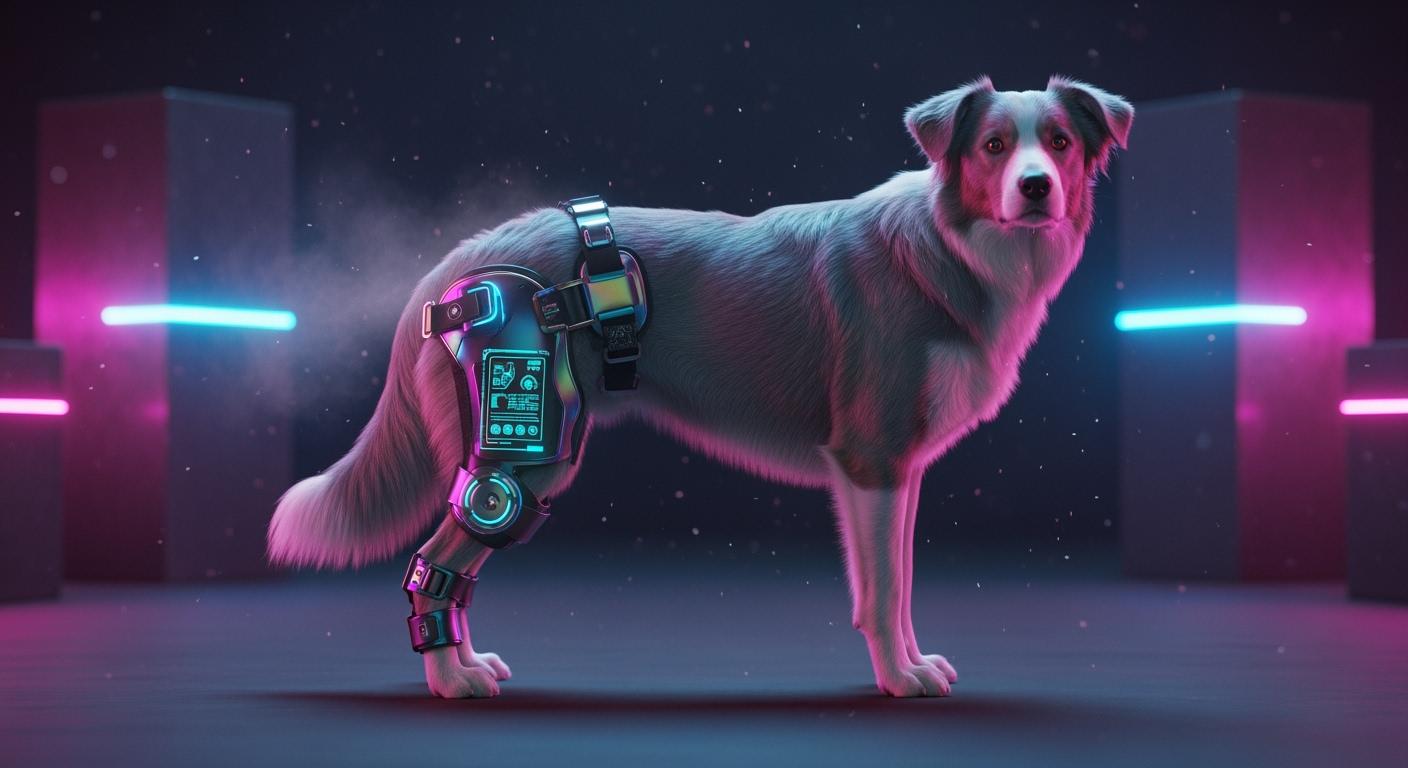
Imagine your dog limping after a long walk. Your dog has trouble putting weight on a back leg. A dog hock brace is a helpful device. It supports the lower part of your dog’s back leg. It works like an ankle brace for people. Veterinarians often suggest a hock brace for problems like:
Hock dislocation
Sprained hock
Canine Osteochondritis Dissecans (OCD)
Osteoarthritis of the hock joint
The right support helps your dog move better. It also helps your dog heal safely.
Key Takeaways
A dog hock brace helps the lower part of your dog’s back leg. It is useful for injuries like sprains and arthritis.
You must measure your dog the right way. The brace needs to fit well to work and not hurt your dog.
A hock brace can help lower pain. It can help your dog move better. It can also help your dog heal faster from leg injuries.
Ask your vet if a hock brace is good for your dog. Your vet can help you pick the right kind.
Check your dog’s skin often when it wears the brace. Make sure the brace fits and does not bother your dog.
Dog Hock Brace Basics: What It Is and How It Works
What Is a Dog Hock Brace?
A dog hock brace is a device that helps your dog’s back leg. You put it on the lower part of the leg, over the hock joint. The hock joint works like a human ankle. If your dog hurts this area or it is weak, the brace keeps the joint steady. It can also help lower pain. Many vets call this brace a tarsal orthosis.
High-quality dog hock braces are designed to fit well and provide firm support. Their braces fit well and give good support for your pet.
How a Hock Brace Supports the Rear Leg
A hock brace keeps the hock joint stable. It stops too much movement. This helps your dog walk better. It also protects the hurt area. The brace uses a 3-Point Force System. This system balances your dog’s weight and the force from the ground. It stops the joint from folding. Your dog can stand and move with more confidence.
Here is a table that shows how a hock brace helps:
Function | Description |
|---|---|
Joint Stabilization | Keeps the hock joint steady and prevents too much movement |
Pain Reduction | Reduces discomfort by supporting weak or injured areas |
3-Point Force System | Balances forces to stop the joint from collapsing |
Post-Surgery or Conservative Use | Helps recovery after surgery or as a non-surgical option |
Braces help your dog move better. They let your dog put weight on the sore leg. Your dog can walk more easily. Many owners see less limping and more play when their dogs wear a hock brace. Many clinical reports and owner stories suggest that hinged braces can help some dogs walk more evenly and put more weight on the injured leg.
Evidence Type | Description |
|---|---|
Mechanisms of Action | Braces keep the joint steady, help your dog sense movement, and lower pain. This helps your dog move better. |
Objective Gait Gains | Dogs can put more weight on the sore leg after using a brace. |
Owner-Reported Benefits | Owners see less limping and more activity. |
Recent Trials | Hinged braces can help some dogs walk better. |
Basic Anatomy of the Dog Hock Joint
The hock joint, or tarsus, is a complex part of your dog’s back leg. It connects the tibia and fibula to the paw bones. The hock joint helps absorb shock. It also helps your dog push off the ground when walking or running.
The hock joint sits higher and at an angle. This means it gets a lot of stress when your dog runs, jumps, or turns fast.
Some things make the hock joint easy to hurt:
The hock joint has many bones, ligaments, and tendons.
It links the tibia and fibula to the paw. It absorbs shock and helps push off.
Its raised and angled spot puts extra pressure on the joint, especially during hard activities.
If the hock joint is weak or hurt, your dog may limp or not use the leg. A dog hock brace gives the joint support to heal. It also helps stop more injury.
Medical Terminology Related to Dog Hock Braces
Knowing a few key terms makes it easier to follow your vet’s advice and understand brace descriptions.
Key Anatomy Terms
Here are some important parts of your dog’s back leg:
Hock Joint (Tarsus): The joint that connects the tibia and fibula to the paw bones. It works like an ankle and lets your dog bend the rear leg and push off the ground.
Tibia: The main weight-bearing bone of the lower back leg that meets the hock joint.
Fibula: The slender bone next to the tibia that helps support the lower leg.
Tarsal Bones: The small bones that form the hock joint and allow smooth motion.
Calcaneus: The “heel” bone that creates the point of the hock and attaches to the Achilles tendon.
Achilles Tendon: The thick tendon that connects the calf muscles to the calcaneus and helps your dog jump, run, and push off.
The Achilles tendon is essential for walking, running, and keeping balance.
If the Achilles tendon is injured, you may see a dropped hock, limping, or trouble jumping.
Common Disease and Injury Terms
You may hear these words from your vet:
Hock Hyperextension: The hock bends too far, making the joint painful and unstable.
Sprain / Ligament Injury: The ligaments that hold the joint together are stretched or torn, so the hock can wobble.
Osteoarthritis: Long-term wear and tear of the joint that causes pain and stiffness.
Degenerative Joint Disease: A slow loss of normal joint function, often seen in older or highly active dogs.
Osteochondritis dissecans (OCD): A cartilage and bone problem inside the joint that can cause lameness.
Treatment Terms
How your vet treats hock injuries depends on the problem. Your vet might suggest:
Conservative management, like rest, medicine for swelling, or orthopedic bracing.
Post-operative care after surgery for broken bones or torn ligaments.
Rehab, which can mean gentle exercise, chiropractic care, or acupuncture.
Using a dog hock brace can help the joint and protect the achilles tendon while healing.
GaitGuard’s anti-licking gear stops your dog from biting or licking wounds. This helps the achilles heal faster.
Rehabilitation gear and lifting straps from GaitGuard give extra help and control during walks or training.
Note: Always ask your vet about the best way to treat your dog’s achilles or hock injury.
Term | What It Means |
|---|---|
Conservative Care | Non-surgical treatment, like bracing |
Post-Operative Care | Care after surgery |
Rehab | Exercises and support for healing |
You can help your dog get better by learning these words and picking the right treatment.
Product and Design Terms for Dog Hock Braces
Support and Stabilization Terms (orthosis / orthotic brace, compression, range of motion / ROM)
When you shop for a brace, you may see words like orthosis and orthotic brace. These mean a device that helps keep a joint steady and supported. Compression is another word you will notice. It means gentle pressure that lowers swelling and keeps the hock joint firm. Range of motion, or ROM, tells how much your dog can move the joint with the brace on. Some braces limit movement to protect the hock. Others let your dog move more easily.
Tip: Pick a brace that controls movement and gives good compression if your dog needs extra help.
Types of Hock Braces (soft vs rigid / semi-rigid, unilateral vs bilateral, paw-covering vs paw-free designs)
There are different kinds of hock braces. Each kind gives a certain amount of support and works best for some injuries. The table below shows the main types:
Type of Brace | Support Level | Application |
|---|---|---|
Soft Braces | Mild support | Minor injuries or arthritis |
Semi-Rigid Braces | Moderate support | Moderate injuries or conditions |
Rigid Braces | Maximum support | Severe injuries or post-surgical recovery |
You can pick unilateral braces for one leg or bilateral braces for both legs. Some braces cover the paw for extra safety. Others leave the paw open so your dog can move better.
Materials and Features (neoprene, rigid frame, padding, breathable fabric, anti-slip and adjustable straps)
Materials are important when you choose a dog hock brace. Neoprene is a strong and comfy material for long use. Premium polyester blends are also tough and gentle on skin. Many braces have padding to make them soft and protect the hock joint. Breathable fabric helps keep your dog cool and stops skin problems. Anti-slip straps keep the brace in place. Adjustable straps help you fit the brace to your dog’s leg.
Neoprene: Strong and comfy for long wear.
Polyester blends: Tough fabrics that are still gentle on the skin.
Padding: Cushions the hock and reduces rubbing.
Breathable fabric:Helps prevent overheating and skin issues.
Anti-slip straps: Hold the brace steady during walks.
Adjustable straps: Make it easier to get a secure, comfortable fit.
If your dog needs a dog hock brace, look for these features. They help your dog stay safe and comfortable while healing.
Main Functions and Indications of Dog Hock Braces

Conditions and Injuries That May Benefit
You might wonder when a dog hock brace helps. This device supports your dog’s back leg. It helps with many common problems. Some conditions and injuries that benefit include:
Ligament injuries in the hock joint
Torn tendons near the back leg
Dislocations or unstable hock joints
Sprains and strains in the hock area
Arthritis and joint disease
Hyperextension injuries that bend the joint too far
Weak hock joints from genes or old age
Recovery after surgery on the hock joint
A dog hock brace keeps the joint steady. It stops harmful movement. This helps prevent more injury. It gives your dog a better chance to heal. If your dog has hock problems, a brace can help. It makes daily life safer and more comfortable.
Tip: Always ask your vet before using a new support device. Your vet can help you choose if a hock brace is right for your dog.
Benefits for Recovery and Mobility
Using a dog hock brace helps your dog heal faster. It lets your dog move with less pain. The brace gives support and keeps the joint steady. These things are important for healing. Here are ways a brace helps your dog’s life:
Support and stability for weak or hurt joints
Less pain by stopping painful movements
Faster healing with good joint position
Stops more injury for dogs with hock problems
Better movement so your dog can walk, run, and play
Many owners see less limping and more activity with a brace. Gentle pressure and touch from the brace may help with pain. It can lower pain signals. This means your dog feels better each day.
Benefit | How It Helps Your Dog |
|---|---|
Joint Stabilization | Keeps the hock steady and stops too much movement |
Pain Relief | Stops painful moves and lowers swelling |
Faster Recovery | Helps healing and lets your dog get stronger |
Mobility Improvement | Lets your dog move easier and with more confidence |
Well-designed rehab gear helps pets stay mobile during healing. The adjustable fit and strong materials keep your dog comfy during recovery.
When Vets Commonly Recommend a Hock Brace
Vets often suggest a hock brace for many reasons. Your vet may recommend one if your dog has:
Hock sprains or strains
Arthritis causing pain and swelling
Hyperextension injuries from jumping or running
Tendon tears near the hock
Weak hock joints that make walking hard
Support after surgery on the hock
If your dog limps, swells, or has trouble standing, ask your vet. Your vet may say to use a brace. Watch for these signs and talk to your vet about the best support.
Note: Start with 30 minutes of wear each day. Slowly add more time as your dog gets used to it, up to 12 hours. Most dogs need two weeks to adjust to the brace.
A dog hock brace can help dogs with hock problems. It gives support and lowers pain. This helps your dog heal and enjoy life again.
Safe Use and Choosing the Right Dog Hock Brace
Measuring Your Dog and Reading Size Charts
Getting the right fit starts with careful measurement. Always measure your dog while it is standing with weight evenly on all four legs. Use a soft tape measure and keep it snug but not tight.
Above the hock: measure the circumference of the leg a few inches above the hock joint.
Below the hock: measure around the narrowest part of the lower leg just below the hock.
Leg length: measure from a point above the hock down the back of the leg toward the paw, following the curve of the leg.
Compare these numbers with the manufacturer’s size chart. Weight ranges can give a rough idea, but leg measurements are the best way to choose the correct size.
A brace that fits well supports the hock joint without slipping, rubbing, or cutting off circulation.
Choosing the Right Hock Brace (support level, soft vs rigid, single vs double, etc.)
Selecting the right brace depends on your dog’s needs. Consider the injury type, activity level, and your veterinarian’s advice. The table below shows important factors:
Factor | Description |
|---|---|
Specific Conditions Treated | Braces help with Achilles tendon injuries, hock dislocation, and arthritis. |
Importance of Proper Fit | A good fit stabilizes the joint and prevents further injury. |
Custom vs. Off-the-Shelf | Custom braces fit better but cost more. Off-the-shelf options are affordable. |
Soft braces offer mild support for minor injuries. Rigid or semi-rigid braces provide more stability for severe cases. Some braces support one leg, while others support both.
How to Fit and Adjust Safely
Follow these steps to fit and adjust the brace:
Adjust the padding if needed. Loosen the screws, slide the padding, and tighten them again.
Adjust the hinges with a small tool if the brace has them.
Open all straps and align the central hinge with the hock joint.
Secure the Velcro straps, starting from the bottom.
Check the fit each time. Avoid choosing a brace that is too tight or too loose. A poor fit can cause discomfort or fail to support the joint.
Monitoring Comfort, Skin Condition and Healing
Watch your dog closely after fitting the brace. Remove the brace during sleep or long rest periods. Check the skin daily for redness, swelling, or chafing. Look for signs like licking, chewing, or reluctance to walk. If you see limping or the brace sliding out of place, adjust it or consult your vet. GaitGuard uses medical-grade, adjustable materials to help keep your pet comfortable and safe.
Regular checks help prevent skin problems and ensure your dog heals well.
Dog hock braces support injured rear legs so dogs can walk more comfortably. With the right fit and guidance from your vet, a brace can protect the joint and help your dog enjoy daily life again.
FAQ
Should you choose surgery or a hock brace for your dog?
You should ask your veterinarian. Surgery may fix severe injuries. A hock brace helps mild cases or supports recovery. Your vet will explain which option fits your dog’s needs.
How long can your dog wear a hock brace each day?
Start with 30 minutes. Slowly increase the time. Most dogs can wear a brace for up to 12 hours. Always check your dog’s skin and comfort.
Can you use hock braces on both rear legs at the same time?
Yes, you can use braces on both rear legs. This helps if both joints need support. Make sure each brace fits well and does not cause discomfort.
What should you do if you do not understand some English terms about hock braces?
Ask your veterinarian for help. You can also look for guides with pictures or simple explanations. Many brands offer customer support to answer your questions.
What signs show your dog needs a hock brace?
Watch for limping, swelling, or trouble standing. If your dog avoids using one leg, a brace may help. Always talk to your vet before starting any support.
