
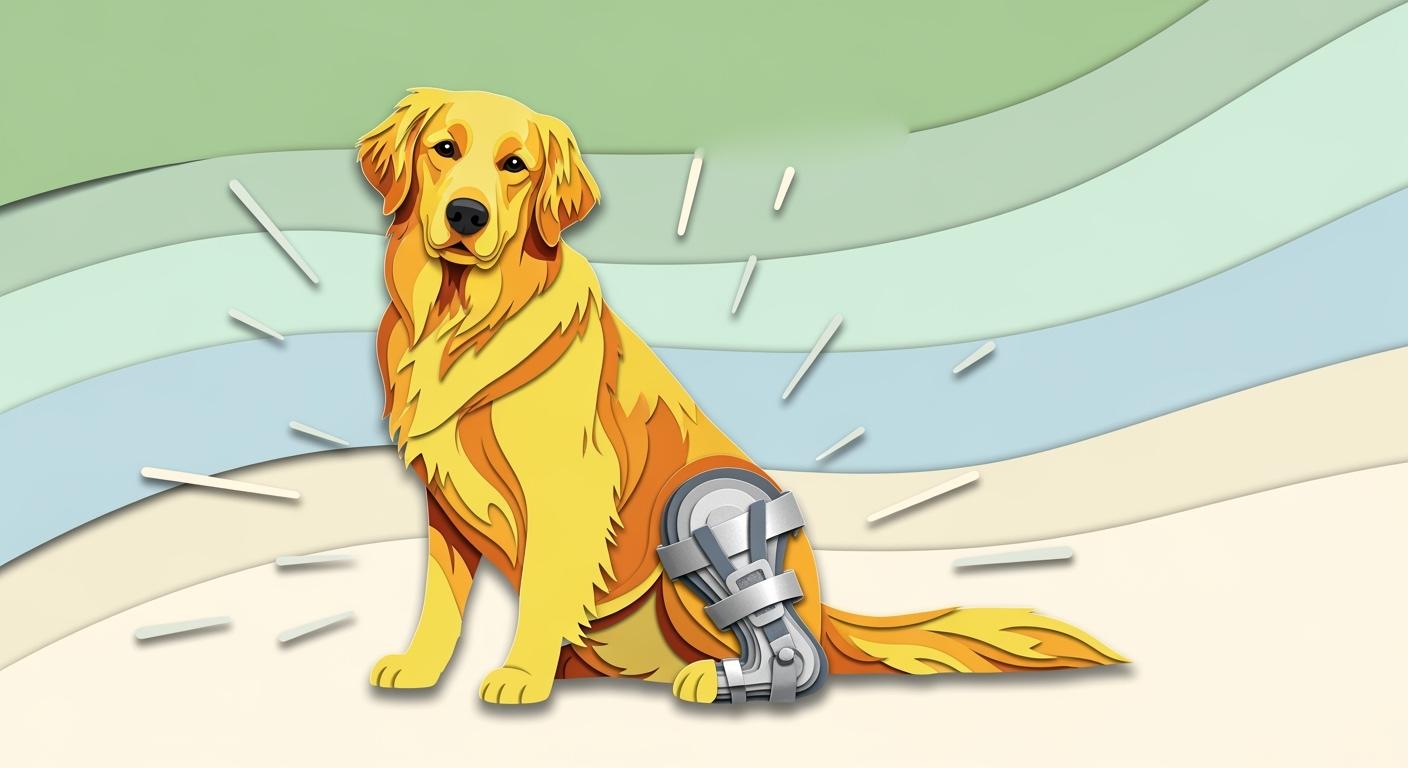
You see your dog limping or not wanting to walk. You feel worried about your dog’s comfort. A dog rear leg brace is a special support for your dog’s back leg. This brace helps protect and support dogs with injuries or joint problems. Studies from vets show that dog leg braces help dogs move better and heal faster. Some good things are less pain, more support, and better healing. If you think your dog needs help, talk to your vet first.
Helps lower pain and stops more injury
Helps your dog heal faster and move better
Key Takeaways
A dog rear leg brace helps weak or hurt legs. It lets your dog walk easier and feel less pain.
You should talk to your vet before using a brace. This makes sure the brace fits right and helps your dog.
Pick braces with straps you can change and soft padding. These help your dog feel good and stop skin problems.
Watch for limping or not wanting to play. These signs may mean your dog needs a brace for help.
Check the brace often to make sure it fits well. Make sure your dog feels okay to help healing and stop more injury.
What Is a Dog Rear Leg Brace?
Simple Definition
A dog rear leg brace is a special device that helps your dog’s back leg when it feels weak, sore, or injured. You use a brace to give extra support to the leg so your dog can walk, stand, and play with less pain. Many pet owners choose a dog rear leg brace when their dog limps or struggles to move. This brace wraps around the leg and holds it steady, making daily life easier for your dog.
How It Supports the Leg
You want your dog to feel comfortable and safe. A brace helps by keeping the leg stable and reducing pain. It protects the joints and muscles, so your dog can move without hurting more. Dog leg braces work in several ways:
Function/Benefit | Description |
|---|---|
Support and Stabilization | Holds the leg steady and helps joints heal. |
Pain Relief | Lessens pain from sprains, strains, or ligament tears. |
Weight Bearing | Lets your dog put weight on the injured leg and walk better. |
Prevent Knuckling/Dragging | Keeps the paw in the right position and stops dragging. |
Promote Healing | Helps the leg heal by keeping it stable. |
Rehabilitative Use | Can be used with therapy instead of surgery. |
Post-Surgical Support | Protects the leg after surgery and helps recovery. |
Joint Support for Injuries | Targets specific joints for extra support. |
Many pet owners notice that dog leg braces help their dogs feel less pain, stand up straighter, and move with more energy. You may see your dog become more playful and rest better after using a brace.
Tip: Always check with your vet before using a brace. Your vet can help you choose the right type and make sure it fits well.
Common Joints Supported
Dog rear leg braces are designed to help the main joints in your dog’s rear legs. These joints often need extra support when your dog gets hurt or grows older. The most common joints supported by a brace include:
Hip joint
Knee joint (also called the stifle)
Hock joint (the ankle area)
You may hear the word “orthotics” when talking about braces. Orthotics are devices that help support and protect joints. Some braces use custom orthotics made from strong materials for extra stability and pain relief. Others use softer wraps for minor injuries. Your vet can help you decide which type is best for your dog.
Dog Rear Leg Brace Terms
Key Medical Terms
When you learn about dog rear leg braces, you see many medical words. Knowing these terms helps you talk with your vet and understand your dog’s needs. Here is a simple glossary to guide you:
Stifle/Knee: The main joint in your dog’s back leg. It bends and helps your dog walk and run.
Hock Joint: The ankle area of the rear leg. It gives support and helps with movement.
Ligament: Strong bands that hold bones together at the joint. They keep the leg stable.
Tendon: Connects muscle to bone. It helps your dog move the leg.
Cranial Cruciate Ligament (CCL): A key ligament in the knee. It often gets injured and may need a dog rear leg brace.
Sprain: Stretch or tear of a ligament. It causes pain and makes walking hard.
Hyperextension: The joint bends too far, leading to pain and instability.
Arthritis: Swelling and pain in the joint. Older dogs often get arthritis in the rear legs.
Conservative Management: Non-surgical care, like using a brace, rest, and medication.
Post-Operative Care: Care after surgery. A dog rear leg brace can help protect the leg during healing.
Rehabilitation: Exercises and support to help your dog recover strength and movement.
Here is a table with more terms you might hear:
Term | Definition |
|---|---|
Hock Hyperextension | The hock bends too far, making the joint painful and unstable. |
Osteoarthritis | Long-term wear and tear of the joint that causes pain and stiffness. |
Degenerative Joint Disease | Slow loss of normal joint function, often in older or active dogs. |
Osteochondritis Dissecans (OCD) | A cartilage and bone problem inside the joint that can cause lameness. |
Tip: If your vet mentions any of these terms, ask what they mean for your dog’s health and how a dog rear leg brace can help.
Why These Terms Matter
You want the best care for your dog. Understanding these words helps you know what your vet is talking about. When your vet says your dog has a ligament injury or arthritis, you know why a dog rear leg brace might help. These terms also show which part of the leg needs support and what kind of brace works best.
Medical terms like “hock splint,” “knee brace,” and “custom orthotic” tell you the exact type of brace your dog may need. If your dog limps, drags a foot, or has trouble getting up, knowing these words helps you spot problems early. You can talk with your vet and choose the right dog rear leg brace for your pet’s comfort and healing.
Product and Design Terms
When you shop for a dog rear leg brace, you see many options. Some brands, like GaitGuard, make new gear to protect dogs. You can find products for anti-licking, rehab, and recovery. This section talks about rear leg braces.
Types and Materials
Dog rear leg braces come in many styles and materials. Each style has its own benefits for your dog. Here is a table with popular choices:
Brace Name | Key Features | Intended Use |
|---|---|---|
AeeGee Dog Knee Brace | Adjustable fit, veterinary approved, pain relief | Recovery from torn ACL injuries |
Kruuse Rehab Dog Knee Brace | Light material, adjustable Velcro straps, user feedback on durability | Knee support and recovery |
Balto Jump Knee Brace | Dynamic support, breathable material, versatile for recovery and daily use | Active dogs with knee injuries |
You want your dog to feel good wearing the brace. Most braces use spacer mesh for air flow and flexibility. Soft padding stops rubbing and keeps skin safe. These materials help your dog wear the brace longer.
Fit and Comfort
Fit and comfort are very important for a dog rear leg brace. The brace should match your dog’s size and shape. Adjustable straps and anti-slip features keep the brace in place. Soft padding and breathable fabric stop skin problems. Check your dog for discomfort and change the brace if needed. A good fit helps your dog move better and heal faster.
Custom vs. Off-the-Shelf
You can choose custom wraps and braces or buy off-the-shelf ones. Custom braces fit your dog perfectly and give more comfort. Off-the-shelf braces cost less but may not fit every dog well. Here is a table that compares both types:
Feature | Custom Braces | Off-the-Shelf Braces |
|---|---|---|
Fit | Tailored to dog’s anatomy, ensuring snug fit | Pre-made, may not fit every dog perfectly |
Comfort | Enhanced comfort, reduces skin irritation | Risk of discomfort due to improper fit |
Support | Provides targeted support for specific needs | Less effective support, especially for severe cases |
Stability | Better stability, as shown in a Veterinary Evidence study | May slide down, leading to potential injuries |
Skin Issues | Minimizes risk of pressure sores | Improper fit can lead to skin complications |
Custom braces use better materials and cost more. They work best for dogs with special needs.
Tip: Anti-licking devices and rehab supports work well with rear leg braces. They stop your dog from licking wounds and help build strength during recovery.
Glossary of Product and Design Terms
Orthotic brace: Device that supports and stabilizes joints.
Support: Helps keep the leg steady.
Stabilization: Prevents unwanted movement.
Compression: Reduces swelling and improves circulation.
Range of motion (ROM): Amount the joint can move.
Soft brace: Flexible, comfortable, good for mild injuries.
Rigid brace: Firm, strong, best for serious injuries.
Unilateral brace: Supports one leg.
Bilateral brace: Supports both legs.
Neoprene: Soft, stretchy material for comfort.
Padding: Extra layer to prevent rubbing.
Breathable fabric: Keeps skin cool and dry.
Anti-slip straps: Hold the brace in place.
Adjustable straps: Allow you to change the fit.
These features help you pick a brace that fits well, feels good, and helps your dog recover.
Signs Your Dog May Need a Brace

When your dog starts limping or avoids playtime, you may wonder if a dog rear leg brace could help. This device gives the right amount of support to your dog’s leg, helping with movement and comfort. You want to know the signs a dog may need a leg brace, so you can act early and keep your pet happy.
Common Conditions
Many dogs need extra support for their rear legs due to health problems or injuries. You may notice your dog struggles with walking or standing. Here are some common conditions where a brace can help:
Arthritis in the knee (stifle) or hock joint
Sprains, strains, or soft tissue injury
Joint deviation or deformity
Hock joint instability or hyperextension
ACL tears (knee ligament injury)
Weakness after nerve injury
Support for the remaining limb after leg amputation
Protection against injury during recovery or activity
Varus (outward bowing) or valgus (inward bowing) of the joint
A dog rear leg brace can provide protection and stability for these problems. Your vet may suggest a brace for joint support in the hip, knee, or hock joint. You want your dog to have the right amount of support, so they can heal and move with less pain.
Symptoms to Watch For
You know your dog best. Watch for changes in how your dog moves or acts. These symptoms may mean your dog needs a brace:
Limping or favoring one leg
Dragging a paw or knuckling under
Reluctance to walk, run, or climb stairs
Signs of distress, such as whining or licking the leg
Decreased mobility or stiffness
Swelling or visible pain in the leg
If you see these signs, talk to your veterinarian or a canine rehab specialist. They can help you decide if a dog leg brace is the right choice. Getting the right amount of support early can make a big difference in your dog’s recovery.
Tip: Always check with your vet before using a brace. A professional can assess your dog’s condition and recommend the best treatment.
When a Brace May Not Be Suitable
Sometimes, a brace is not the best solution for your dog. You need to know when other treatments may work better. Here are some cases where a brace may not be suitable:
Situation | Why a Brace May Not Help |
|---|---|
Severe fractures | Surgery or casting may be needed |
Deep wounds or open sores | Braces can slow healing or cause pain |
Advanced nerve damage | May need other therapies |
Allergies to brace materials | Can cause skin problems |
Poor fit or discomfort | May lead to more injury |
If your dog shows more pain or discomfort after using a brace, stop and talk to your vet. Sometimes, rest, medication, or surgery works better. Your vet can guide you to the safest and most effective care.
Note: A dog rear leg brace helps many dogs, but it is not a cure for every problem. Always seek professional advice before starting any new treatment.
Safe Use and Fitting for Dog Rear Leg Braces
Measuring and Sizing
Accurate measurements help your dog get the best protection and support from a rear leg brace. Always measure while your dog is standing on all four legs. Use a soft tape measure and keep it snug but not tight.
Measure around the upper rear leg a few inches above the knee (stifle).
Measure around the lower rear leg just below the knee or hock, above the paw.
Measure the length from a point above the knee or hock down the back of the leg toward the paw, following the curve of the limb.
Compare these numbers with the manufacturer’s size chart. A good fit should be snug without slipping or pinching, and your dog should be able to walk without obvious discomfort.
Fitting Tips
You want your dog to feel comfortable and safe. Here are some tips for fitting the brace:
Start with short wear times. Let your dog get used to the brace.
Check the skin and fur for redness, swelling, or irritation.
Make sure the brace does not slide or pinch. Adjust straps for a snug fit.
Watch your dog walk and move. The brace should help, not hinder.
Combine brace use with gentle exercises to keep muscles strong.
Common mistakes include ignoring professional advice, buying a one-size-fits-all brace, and forgetting to check skin health. Avoid using the brace indoors all the time. Remember, the brace is a tool, not a cure-all for every injury.
When to Consult Your Vet
You should always seek veterinary guidance before using a dog rear leg brace. Your vet will help diagnose the injury, recommend the right brace, and monitor progress. Consult your vet if:
Your dog’s symptoms worsen.
You notice pain, lameness, or discomfort.
You have concerns about fit or mobility.
Improper use or poor fit can cause harm, delay treatment, or lead to further injury. Stop using the brace and contact your vet if you see any problems. Regular check-ins keep your dog safe and help recovery.
Tip: A well-fitted brace gives your dog comfort, support, and protection. Your vet is your best partner for healthy healing.
A dog rear leg brace helps your dog move better and feel less pain. You can use dog leg braces for injuries, joint problems, or recovery. Always measure your dog for a proper fit and choose strong, breathable materials. Remember these tips:
Ask your veterinarian before using any brace.
Make sure the brace supports the leg without causing discomfort.
Watch for signs of improved comfort and activity.
Your vet can guide you to the best treatment and help your dog stay active and happy.
FAQ
How do you know if your dog needs a rear leg brace?
You notice limping, trouble walking, or pain in your dog’s leg. Your dog may avoid stairs or play less. If you see these signs, ask your vet about a brace to support your dog’s leg and improve comfort.
What should you look for when buying a dog leg brace?
Check the fit, comfort, and materials. Make sure the brace matches your dog’s leg size. Look for adjustable straps and soft padding. Ask your vet for advice before buying a dog leg brace to ensure proper support.
Can a brace help with all leg injuries?
A brace supports many leg problems, like sprains or arthritis. Some injuries, such as severe fractures, need surgery. Always talk to your vet before choosing a dog leg brace for your dog’s leg injury.
How do you care for a brace?
Clean the brace with mild soap and water. Check for wear or damage often. Make sure the brace stays snug on your dog’s leg. Remove the brace if you see redness or swelling. Ask your vet for cleaning tips.
Is a custom brace better than an off-the-shelf brace?
Custom braces fit your dog’s leg perfectly and offer more comfort. Off-the-shelf braces cost less but may not fit as well. Your vet can help you with choosing a dog leg brace that gives the best support for your dog’s needs.
