
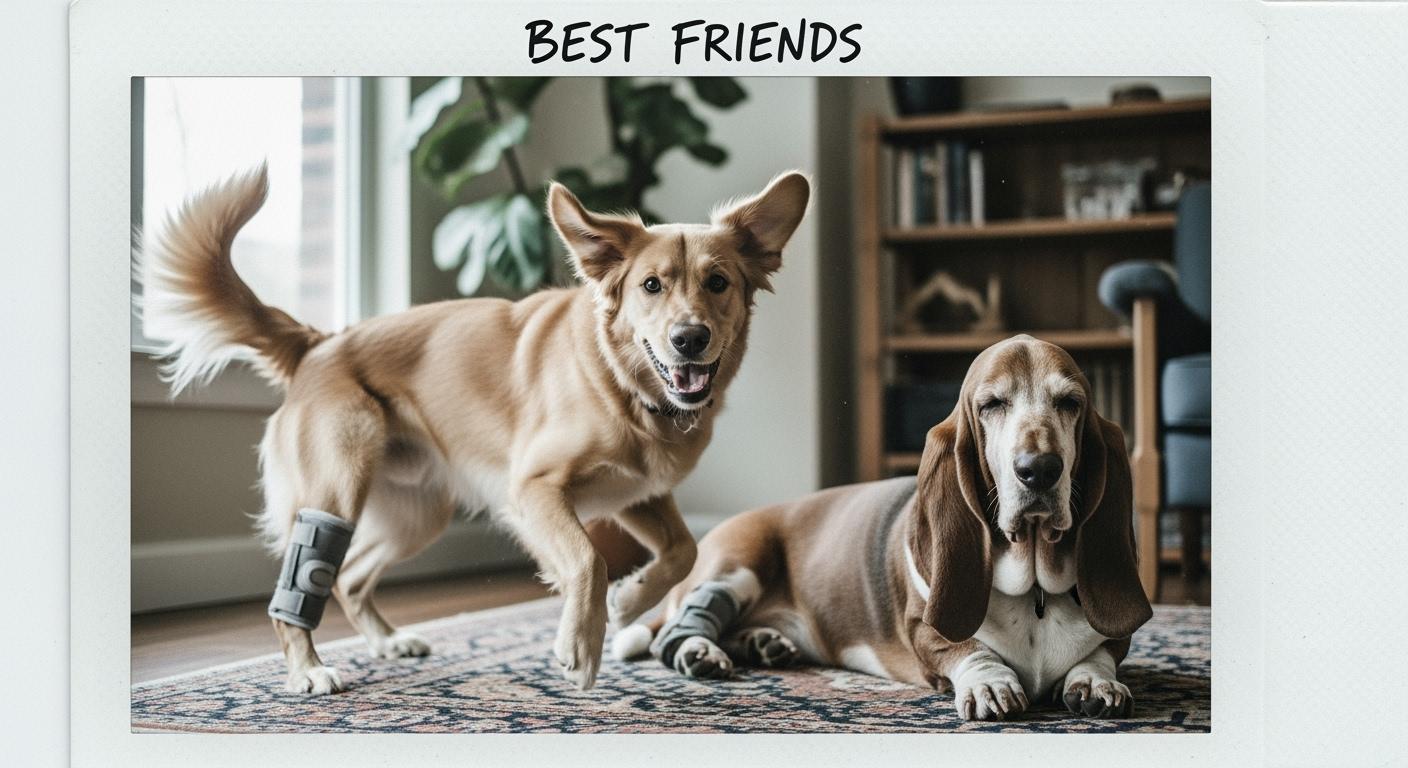
Active dogs love to run, jump, and play, while senior dogs often face joint changes with age. Both groups can experience knee stress from everyday movement or health issues. You may notice signs like stiffness or limping, especially in older or overweight pets.
Common knee problems include:
Cruciate ligament injuries
Arthritis from age or mild injuries
Instability and weakness
Dog knee support for active and senior dogs helps improve comfort and mobility. You should view knee braces as supportive tools, not cures, and always use them under veterinary guidance.
Key Takeaways
Dog knee support helps improve comfort and mobility for both active and senior dogs. It stabilizes the knee joint and reduces pain during movement.
Active dogs face risks of knee injuries from high-impact activities. Early support can prevent long-term damage and keep them safe while playing.
Senior dogs often experience joint pain and stiffness. Knee braces provide gentle compression, helping them move more comfortably and maintain their quality of life.
Consult your veterinarian before using a knee brace. Proper fitting and guidance ensure the best outcome for your dog’s recovery and comfort.
Knee braces are not a cure but a supportive tool. They work best as part of a complete care plan that includes rest, exercise, and weight management.
Why Dog Knees Need Support in Active and Senior Dogs
The dog’s knee, also called the stifle, connects the thigh bone to the lower leg. This joint allows your dog to walk, run, and jump. The stifle contains ligaments, cartilage, and muscles that work together to stabilize movement. When these structures face too much stress, injuries and pain can occur. Both active and senior dogs need extra support for their knees because of the unique challenges they face.
Stress Factors in Active Dogs (sports, running, jumping)
Active dogs love to move. You may see your dog sprinting across the yard, leaping for a ball, or weaving through agility courses. These activities put repeated pressure on the stifle joint. Over time, this stress can lead to ligament injuries, strains, and instability.
Common stress factors for active dogs include:
Hyperextension and internal rotation of the stifle, which strains the cruciate ligament.
Jumping, especially during takeoff and landing, increases force on the knee.
Repetitive activities, such as running or training, can wear down ligaments.
Existing injuries that have not healed fully may worsen with activity.
Structural issues like luxating patella or hip dysplasia raise the risk of knee problems.
Compensation for lameness in one leg can overload the other knee.
Sharp turns at speed place extra weight and stress on the joint.
Tip: If your dog enjoys sports or high-energy play, watch for signs of limping or stiffness after activity. Early support can help prevent long-term damage.
Scientific studies show that dog knee support for active and senior dogs can make a real difference. For example, a 2020 study in Veterinary Surgery found that dogs with cruciate ligament injuries who wore hinged braces showed better limb function and joint stability. Many dogs avoided surgery thanks to these supports. The University of Tennessee’s clinical trial in 2018 reported that double braces reduced strain on the healthy leg and lowered pain, allowing dogs to stay active. These findings highlight the value of knee brace for active dogs.
Study | Findings |
|---|---|
2020 Study in Veterinary Surgery | Dogs with CCL injuries wearing hinged braces showed significant improvement in limb function and joint stabilization, allowing many to avoid surgery. |
University of Tennessee Clinical Trial (2018) | Double braces reduced strain on the non-injured leg and decreased pain indicators, leading to increased activity levels. |
Meta-Analysis on Conservative Management (2021) | Bracing combined with weight management improved quality of life and reduced pain, especially in small to medium dogs. |
GaitGuard’s mission is to help pets stay safe and healthy during recovery and daily life. Their dog protective gear and rehabilitation equipment provide reliable support for active dogs, reducing the risk of injury and helping them enjoy their favorite activities.
Age-Related Knee Issues in Senior Dogs (arthritis, muscle loss)
Senior dogs face different challenges. As dogs age, their joints lose flexibility and cartilage wears down. Muscle loss makes it harder for the stifle to stay stable. Arthritis is common and causes pain, swelling, and stiffness.
Arthritis affects 1 in 5 dogs.
By age 7, up to 80% of senior dogs show signs of joint problems.
Over 80% of dogs have joint issues by age 8.
You may notice your older dog moving slowly, hesitating to climb stairs, or “bunny hopping” instead of walking normally. These signs point to knee discomfort and weakness. Knee support for senior dogs helps relieve pain and provides stability, making daily movement easier.
Note: Early intervention with dog knee support for active and senior dogs can slow the progression of arthritis and muscle loss. Supportive gear like GaitGuard’s adjustable braces and auxiliary lifting straps can improve comfort and mobility for aging pets.
GaitGuard’s commitment to pet well-being means you have access to innovative solutions for your dog’s changing needs. Their products offer gentle, adjustable support that adapts as your dog ages, helping maintain quality of life.
Common Knee Problems and CCL Injuries
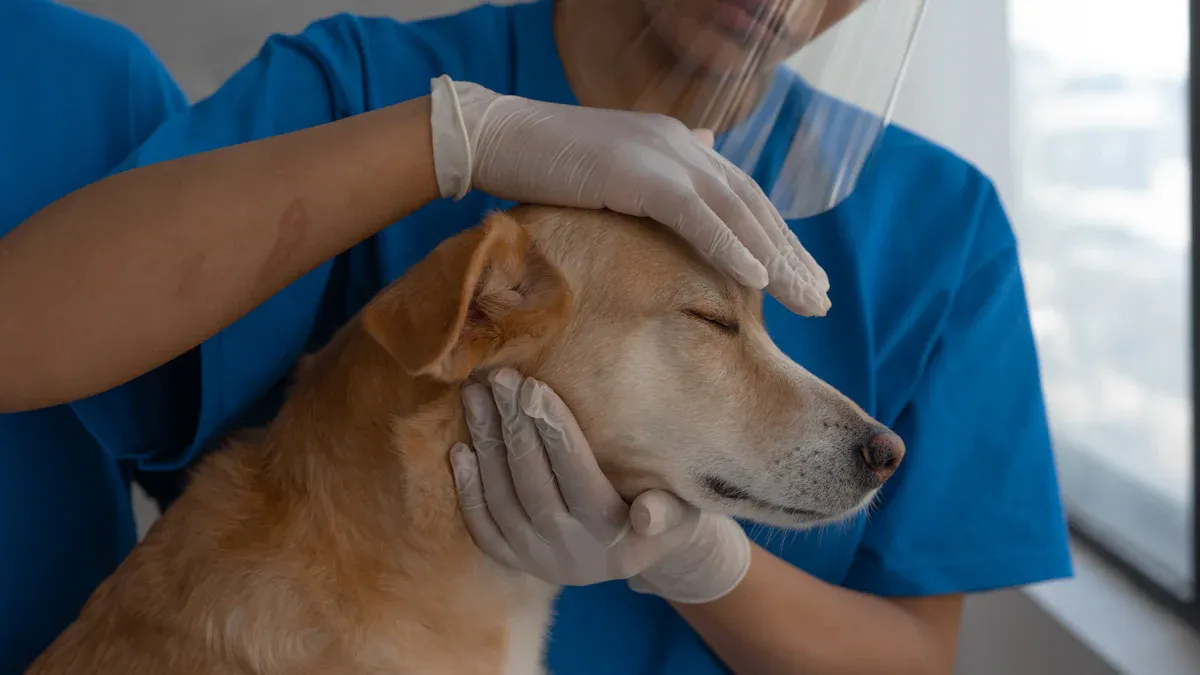
Dogs of all ages can develop knee problems that affect their comfort and mobility. You may notice your dog limping, struggling to rise, or avoiding play. These signs often point to issues in the knee joint, especially the cranial cruciate ligament (CCL), which is crucial for stability.
Sprains and Ligament Strain or Tears
Active dogs face sprains and ligament injuries from running, jumping, or sudden turns. A torn CCL is the most common knee injury in dogs. This injury can develop gradually, especially in large breeds like Labrador Retrievers and German Shepherds. You might see limping, swelling, or your dog sitting with a leg extended. Sprains and partial tears also cause soreness after intense exercise.
Age Group | Mean Age | Median Age | Age Range |
|---|---|---|---|
Small Breed Dogs | 8.0 y | 7 y | 9 mo to 15 y |
Large Breed Dogs | 7.0 y | 7 y | 9 mo to 15 y |
Overall | 7.3 y | 7 y | 9 mo to 15 y |
Canine knee braces help stabilize the joint and support recovery from ccl injuries, reducing pain and improving movement.
Arthritis and Meniscus Injury
Senior dogs often develop arthritis, which leads to joint stiffness and pain. By age eight, most dogs show signs of arthritis. Meniscus injuries can occur alongside ligament tears, causing swelling and decreased activity. You may notice your dog licking the knee or hesitating to exercise. Dog knee arthritis makes daily movement difficult, but supportive gear can ease discomfort.
Signs of arthritis and meniscus injury:
Trouble rising from sitting or lying
Decreased activity
Swelling or thickening of the knee
Instability, Weakness, and “Bunny Hopping”
Instability and muscle loss in older dogs can cause weakness in the back legs. Dogs with patellar luxation or chronic ccl injuries may “bunny hop” or skip steps. You might see your dog running on three legs or lifting a hind leg briefly. These movements signal instability and discomfort.
Common signs:
Jerky or skipping leg movements
Favoring one leg
Stiff or shaky appearance
Protective gear and canine knee braces provide gentle support, helping your dog walk more comfortably and reducing the risk of further injury.
How Canine Knee Braces Work
Joint Stabilization and Controlled Movement
You want your dog to move with confidence and comfort. Canine knee braces help by stabilizing the knee joint and controlling movement. These braces limit excessive motion that can cause pain or further injury. They support the knee during walking, running, or resting.
When your dog wears a knee brace, the device shares the load across the joint. This reduces stress on injured ligaments and helps prevent abnormal movement. Dogs with CCL injuries or instability benefit from this extra support. You may notice your dog walking more evenly and showing less hesitation.
Research shows that knee braces improve weight-bearing and joint stability. The table below highlights key findings:
Evidence Type | Findings |
|---|---|
Weight-bearing improvement | TPI% improved significantly by 5.1% in the affected limb (p = 0.0020) |
Biomechanics evaluation | Stifle joint biomechanics were improved following orthosis implementation |
Treatment preference | 85% of respondents would choose the selected treatment again |
Tip: Stabilization helps your dog regain trust in their movement. You may see your pet return to favorite activities with less fear of pain.
Pain Relief and Recovery Support
Pain can limit your dog’s quality of life. Canine knee braces provide gentle compression and support, which helps reduce pain and swelling. By controlling joint movement, these braces prevent further strain on injured tissues. This support allows healing to begin and helps your dog stay active during recovery.
You may notice your dog limping less or showing more interest in play. Braces also help prevent overuse of the healthy leg, which lowers the risk of new injuries. For dogs recovering from surgery or managing chronic conditions like arthritis, knee braces offer ongoing comfort.
GaitGuard’s rehabilitation gear stands out for its focus on comfort and fit. The table below shows how specific features contribute to your dog’s well-being:
Feature | Contribution to Comfort and Fit |
|---|---|
Custom-fit options | Improves comfort and reduces slippage |
Adjustable straps | Allows for a snug fit without being overly tight |
Soft padding | Provides cushioning to prevent excessive rubbing |
Medical-grade materials | Ensures durability and stability while maintaining comfort |
Note: A well-fitted brace can make daily walks, rest, and even playtime more enjoyable for your dog.
Non-Surgical Support Options for the Knee
Surgery is not always the best choice for every dog. Many pet owners look for a non-surgical option to help their dogs recover from knee injuries or manage chronic pain. Knee braces offer effective support for mild to moderate injuries and can delay or even prevent the need for surgery in some cases.
You may wonder how braces compare to surgery. The table below outlines the main differences:
Aspect | Surgery | Dog Knee Braces |
|---|---|---|
Effectiveness | Permanent solution with immediate results | Effective support and pain relief for mild to moderate injuries |
Cost | Expensive, often thousands of dollars | More affordable, high-quality options available |
Recovery | Lengthy recovery with restricted activity | Quicker return to normal activities with minimal downtime |
Risks | Infection, anesthesia complications | Minimal risks with proper fitting and use |
Knee braces give your dog a chance to stay active with less pain and risk. You can use them as part of a complete care plan, especially if your dog is not a good candidate for surgery due to age or other health concerns.
Callout: Always consult your veterinarian before starting any new support device. Professional guidance ensures the best outcome for your pet.
Canine knee braces, like those from GaitGuard, combine advanced design with comfort. You can adjust the fit for your dog’s size and needs. This flexibility makes braces a practical choice for many families seeking safe, effective support.
Benefits for Active and Senior Dogs
Helping Reduce Injury Risk for Active Dogs
You want your dog to stay active and safe during play, training, or sports. Dog knee support for active and senior dogs provides stability to the knee joint, which helps prevent injuries during high-impact activities. Braces support the joint, allowing your dog to run, jump, and turn with less risk of strain or tears. If your dog has a mild injury or is recovering, knee support can help them return to activity with confidence.
Stabilizes the knee during movement
Reduces risk of ligament strain or tears
Supports dogs prone to knee injuries
Enables safe participation in sports and play
GaitGuard’s auxiliary lifting strap gives you extra control and safety when guiding your dog through busy areas or uneven terrain.
Mobility and Comfort for Senior Dogs
Older dogs often struggle with joint pain and weakness. You may notice your dog hesitating to stand or walk. Knee braces offer gentle compression and support, which can relieve pain and swelling. This support helps your dog move more naturally and comfortably.
Pain relief through joint stabilization
Enhanced mobility for daily activities
Reduced swelling and improved healing
Custom fit for comfort and extended wear
A senior dog named Luna regained her ability to climb stairs and move around the house after using a full-body brace system. The brace provided front and rear support, improving her balance and confidence.
Post-Activity and Recovery Support
After exercise or surgery, your dog needs extra care to heal properly. Dog knee support for active and senior dogs helps restrict overexertion and manage pain. Rehabilitation gear, like GaitGuard’s adjustable braces, supports recovery by promoting strength and flexibility.
Limits activity to prevent further injury
Manages pain during recovery
Supports physical therapy and rehabilitation
Aids in restoring range of motion
Tip: Always consult your veterinarian before starting new support gear. Professional advice ensures the best outcome for your dog.
Limitations and Safety Considerations
What Knee Braces Cannot Do (No Instant Cure)
Dog knee braces offer valuable support, but you should understand their limits. Braces do not repair torn ligaments or cure severe injuries. You may see improvement in comfort and mobility, but braces cannot replace surgery for major ACL tears. If your dog has severe lameness, cannot bear weight, or shows neurological signs, a brace alone may not be enough.
Braces work best as part of a complete care plan. You should always consult your veterinarian to decide if a brace is right for your dog.
Here are important points to remember:
You need a veterinarian’s assessment to determine if a brace is appropriate.
A proper fit is crucial. Ill-fitted braces may cause harm or fail to support the knee.
Braces should complement other treatments, such as rest, physical therapy, or medication.
When Knee Support Is Not Enough and Surgery May Be Needed
Sometimes, a non-surgical option is not enough for your dog’s recovery. Surgery is often recommended for dogs with a torn CCL ligament. Your veterinarian will consider your dog’s age, size, weight, lifestyle, and energy level before suggesting surgery. Dogs with recent injuries, especially within the last year, tend to benefit more from surgical intervention than those with chronic problems.
Surgery is preferred for complete ligament tears.
Dogs without severe arthritis or major joint disease respond better to surgery.
Your vet will help you weigh bracing over surgery for your dog’s specific needs.
If your dog’s pain worsens or mobility declines, surgery may offer the best chance for long-term recovery.
Safety Tips: Fit, Wear Time, and Skin Checks
You want your dog to stay safe and comfortable while using a knee brace. Follow these safety guidelines:
Proper Fitment: Make sure the brace is snug but not tight. Leave 1–2 finger widths of space to prevent rubbing.
Gradual Wear Time: Start with 30 minutes on the first day. Increase by 30 minutes each day for two weeks.
Skin Health Monitoring: Check your dog’s skin after each use for irritation or hair loss.
Remove the brace at night to let the skin breathe.
Most dogs should wear the brace during activity only, building up to 6–12 hours per day if needed.
Tip: Always monitor your dog for signs of discomfort. Adjust the brace as needed and consult your veterinarian if you notice any problems.
Choosing and Using Dog Knee Support
Selecting the Right Brace or Support (size, type, activity level)
You want the best support for your dog’s knees. Start by choosing a brace that matches your dog’s injury, size, and activity level. Look for medical-grade materials that offer durability and comfort. Soft padding and adjustable straps help prevent rubbing and ensure a snug fit. GaitGuard’s adjustable and custom-fit options make it easier to find the right brace for your pet.
Consider the type of injury: ACL tear, arthritis, or joint instability.
Match the brace to your dog’s size and breed.
Assess your dog’s activity level—active dogs need sturdy support.
Look for features like padding, adjustability, and comfort.
Measure your dog’s thigh, knee, and leg length for a proper fit.
Feature | Benefit |
|---|---|
Proper fitting | Helps your dog move and lowers pain |
Custom-made options | Special support for certain injuries |
Stabilization and support | Helps your dog get better faster |
Non-invasive management | Delays surgery and helps after surgery |
Fitting, Monitoring, and Adjusting Over Time
Introduce the brace slowly to help your dog adjust. Follow a break-in schedule, starting with short wear times and increasing gradually. Check the fit daily and adjust straps as needed. Watch for signs of rubbing, skin irritation, or changes in gait. Clean the brace weekly to keep it comfortable and effective.
Start with 30 minutes, 2–3 times a day.
Increase wear time each day, up to 12 hours.
Remove the brace at night.
Monitor skin and fur for any issues.
Adjust the fit as your dog’s limb size changes.
Tip: Combine knee support with weight control, pain management, strengthening exercises, and rest for the best results.
Working With Your Veterinarian or Rehab Professional
Your veterinarian plays a key role in choosing and fitting a brace. Ask for help with measurements and fitting to prevent slipping or sores. A rehab professional can guide you through the break-in process and monitor your dog’s progress. Always contact your vet if you notice swelling, sores, or worsening lameness.
Your vet will help ensure the brace fits correctly and matches your dog’s diagnosis. Custom braces often require a professional impression of your dog’s leg for the best support. Discuss all non-surgical option choices with your vet before starting.
Dog knee support helps your active and senior dogs stay comfortable and mobile. You can use braces to stabilize joints, reduce pain, and support recovery. Many pet owners report improved activity and comfort in their dogs.
Bracing, combined with exercise and weight control, enhances healing and reduces swelling.
GaitGuard protective gear offers adjustable, high-quality support for every stage of life.
“A properly fitted knee brace can stabilize the joint, reduce inflammation, and help your dog bear weight evenly—supporting both healing and comfort,” says Dr. Emily Carter, DVM.
You should always discuss knee support options with your veterinarian to create the best care plan.
FAQ
How do I know if my dog needs knee support?
Watch for signs like limping, stiffness, or reluctance to play. If your dog struggles to stand or shows pain after activity, knee support may help. Always ask your veterinarian for advice before starting any new gear.
Can my dog wear a knee brace all day?
You should let your dog wear the brace during activity or walks. Remove it at night and check the skin for irritation. Start with short periods and increase wear time as your dog adjusts.
Will a knee brace cure my dog’s injury?
A knee brace supports healing and reduces pain, but it does not cure injuries. You should use it as part of a complete care plan with your veterinarian’s guidance.
How do I choose the right size knee brace?
Measure your dog’s thigh, knee, and leg length. Select a brace with adjustable straps and soft padding for comfort. Ask your veterinarian or rehab professional for help with fitting.
Is knee support safe for senior dogs?
Yes, knee support can help senior dogs move more comfortably. It provides gentle compression and stability. Always monitor your dog for skin changes and consult your veterinarian for the best results.
