
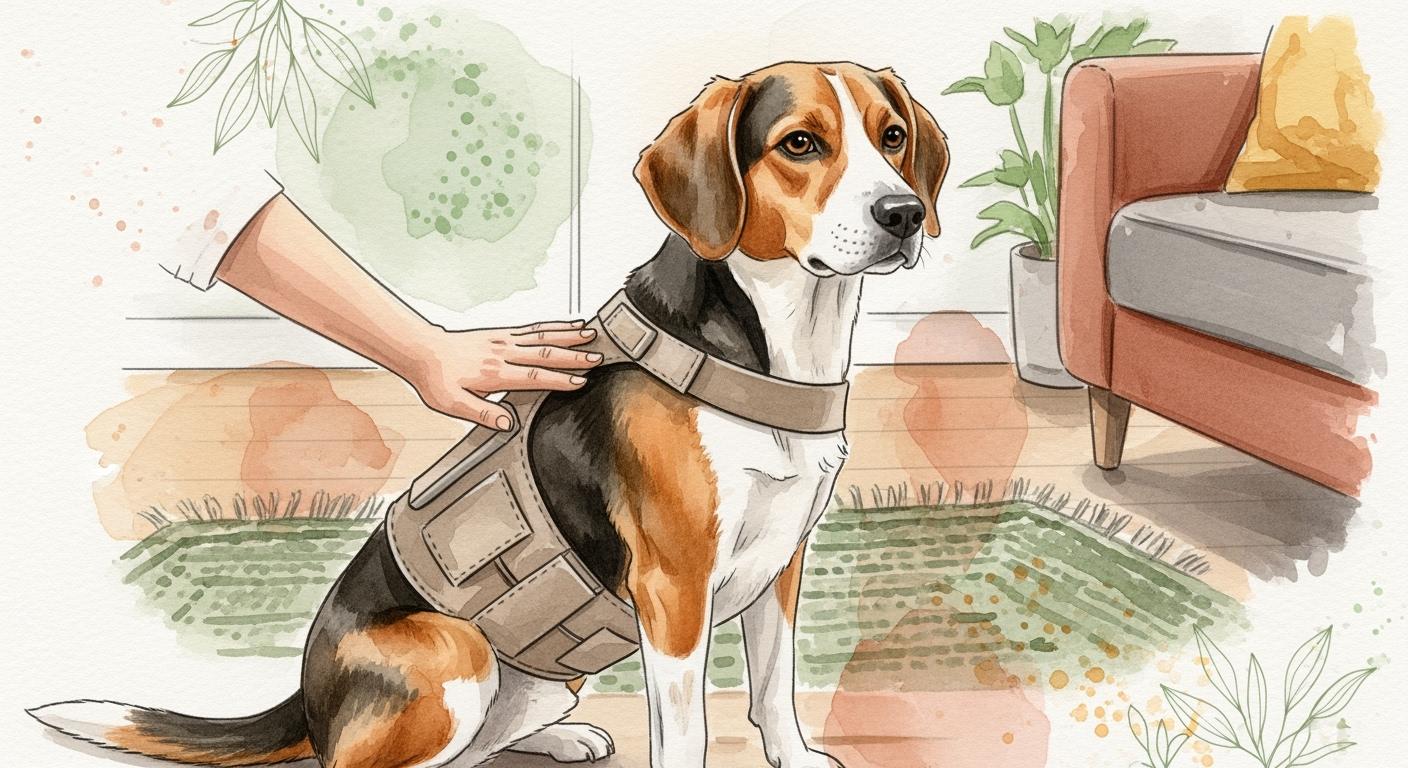
You want your dog to feel safe and comfortable, especially when facing back pain or ivdd. A dog back brace can offer gentle support and stability during recovery.
Many owners choose a back brace to help their dog move more easily and rest with less discomfort.
Always use a back brace as a support tool, not a cure, and follow your veterinarian’s advice. Innovative products like GaitGuard Dog Protective Gear provide extra care and protection for dogs needing back support.
Key Takeaways
A dog back brace provides essential support for dogs recovering from IVDD and back injuries, helping them move comfortably.
Always consult your veterinarian before using a back brace to ensure proper fit and effectiveness in your dog’s recovery plan.
Look for signs your dog may need extra back support, such as reluctance to jump or abnormal posture, and act quickly to improve their comfort.
Choose a back brace with adjustable straps and breathable materials to ensure a snug fit and prevent skin irritation.
Combine the use of a back brace with rest, medication, and physical therapy for the best recovery outcomes for your dog.
Common Dog Back Problems
IVDD and Disc Disease in Dogs
Some dogs are more likely to develop back problems due to their breed, age, or body shape. Long-backed breeds like Dachshunds and Corgis face a much higher risk of ivdd and disc disease. In fact, about 25% of Dachshunds will develop ivdd during their lifetime, with most cases appearing between ages 3 and 7. The risk for ivdd in Dachshunds is 10–12 times higher than in other breeds. You may also see ivdd in other breeds, but it is most common in those with long backs and short legs.
Other types of back problems can affect dogs as well. Here is a table showing some common spinal issues:
Type of Back Problem | Description |
|---|---|
Fibrocartilaginous embolism (FCE) | A blockage in a blood vessel feeding the spinal cord, leading to temporary paralysis and weakness. |
Acute non-progressive nucleus pulposus extrusion | Sudden collision of intervertebral disc material with the spinal cord, causing bruising and weakness. |
Muscle Strain, Arthritis, and General Back Pain
As your dog ages, you may notice signs of arthritis or muscle weakness. Arthritis affects up to 80% of dogs over eight years old. This condition often leads to muscle strain and general back pain because older dogs move less and lose muscle strength. Muscle atrophy and weakness can make your dog more likely to strain their back or feel discomfort during daily activities.
Why Extra Back Support Is Sometimes Needed
You should watch for signs that your dog needs extra back support. These signs can include:
Arched back or abnormal posture
Reluctance to jump, climb stairs, or go for walks
Weakness, wobbliness, or dragging the rear legs
Yelping, whining, or shivering when touched
Difficulty standing up, lying down, or moving normally
Loss of bladder or bowel control
If you notice these symptoms, your dog may benefit from added support and a visit to your veterinarian. Early action can help manage ivdd, disc disease, or other back problems and improve your dog’s comfort and mobility.
How Dog Back Braces Work
A dog back brace is a supportive device that helps your dog’s spine stay stable during recovery from IVDD or other back injuries. You use it to limit twisting and bending, which can make your dog more comfortable and help prevent further injury. The brace wraps around your dog’s body, supporting the spine and muscles so your dog can rest and move with less pain.
Spinal Support and Stability
You want your dog’s spine to stay as stable as possible when dealing with back problems. Research shows that a back brace can help dogs with IVDD and mild spinal cord injuries by reducing pain and improving mobility. The brace holds the spine in a safe position, which helps your dog control limb movement and reduces fatigue. This stability lets your dog walk and stand more easily, even when muscles feel weak.
Ergonomic and orthopedic designs play a big role in comfort and effectiveness. These designs:
Provide gentle support to the spine and muscles.
Help your dog feel more secure during movement.
Encourage regular activity, which can prevent muscle loss.
Reduce pain and discomfort by stabilizing the spinal column.
GaitGuard Dog Protective Gear uses these principles to offer adjustable, comfortable support for dogs in recovery. You can adjust the fit to match your dog’s body shape, making sure the brace stays in place and provides the right level of support.
Tip: Always check with your veterinarian before using a back brace. Proper fit and guidance are key to getting the best results for your dog.
Limiting Motion and Supporting Pain Relief
A back brace limits your dog’s range of motion, which helps protect the spine from twisting or bending too much. This restriction is important for dogs with IVDD or slipped discs because sudden movements can cause more pain or injury. The brace supports the spine above and below the injured area, easing pressure and helping your dog feel less pain.
You may notice these benefits when your dog wears a back brace:
Spinal support that keeps the back steady.
Safe restriction of movement to prevent further injury.
Relief from pain caused by unstable or weak muscles.
Less pressure on the spine during daily activities.
GaitGuard Dog Protective Gear is designed to stabilize your dog’s back while allowing safe, controlled movement. You can use it during walks, rest, or gentle play, giving your dog comfort and protection throughout the day.
Posture and Recovery Aid During Rest and Controlled Activity
Maintaining good posture is essential for your dog’s recovery. A back brace helps your dog keep the spine in a natural position, which reduces the risk of further injury. The brace prevents uncontrolled movements, especially when your dog is resting or doing light activity. This support encourages proper posture and helps your dog build strength over time.
Here’s how a back brace aids recovery:
Stabilizes the spine to support healthy posture.
Prevents sudden or unsafe movements during rest.
Encourages correct movement patterns, which can improve nerve function.
Helps your dog feel more confident during gentle activity.
GaitGuard Dog Protective Gear offers a secure fit that supports your dog’s back during rest and controlled exercise. You can use it as part of a complete recovery plan, along with rest, medication, and physical therapy recommended by your veterinarian.
Note: Using a back brace is just one part of your dog’s recovery. Combine it with other treatments for the best results.
Dog Back Brace Benefits
Pain Relief and Comfort for Some Dogs
You want your dog to feel as comfortable as possible when facing back pain or ivdd. A dog back brace can help relieve pain by stabilizing the spine and reducing pressure on sore areas. This support helps your dog rest more easily and move with less discomfort. Many braces use ergonomic designs that fit your dog’s body, which can make daily activities less painful.
Some braces include features like gentle compression or soft padding. These features can help reduce inflammation and provide extra comfort. When your dog feels less pain, you may notice a calmer mood and better sleep. Always check with your veterinarian to make sure the brace fits well and does not cause skin irritation.
Tip: Combine a back brace with vet-prescribed pain relief and gentle handling for the best results.
Mobility and Quality of Life Support
A back brace can make a big difference in your dog’s ability to move. Dogs with chronic back conditions, such as ivdd or arthritis, often struggle with walking, running, or climbing stairs. A brace helps by stabilizing the spine and redistributing weight, which can improve your dog’s balance and confidence.
You may see your dog:
Walk more steadily on different surfaces
Climb stairs with less hesitation
Enjoy short walks or gentle play again
Dog back braces support mobility by making movement safer and less painful. Some braces even include heat therapy or magnetic inserts to further ease pain and stiffness. These features can help your dog stay active and enjoy a better quality of life, especially as they age.
Helping Reduce Strain and Support Recovery
When your dog has a back injury or is recovering from ivdd, reducing strain on the spine is very important. A back brace provides extra support during crate rest or controlled walks. This support helps prevent sudden movements that could make the injury worse.
You can help your dog recover by using a brace as part of a complete care plan. Here are some ways a brace supports recovery:
Provides spinal stability and relieves back pain
Helps manage spinal conditions when combined with rehab exercises
Improves mobility during recovery from ivdd or other injuries
Note: Always follow your veterinarian’s advice about rest, weight management, and rehab exercises. A back brace works best when used with other treatments.
Post-Surgery Support When Recommended by a Vet
After back surgery, your dog needs extra protection and support. Veterinarians often recommend a back brace for dogs recovering from spinal surgeries, especially those related to ivdd. The brace helps support the surgical site, reduces pain, and promotes healing.
You may use a back brace to:
Protect the spine during the early healing phase
Limit movement that could harm the surgical area
Provide comfort and confidence as your dog returns to gentle activity
A back brace can also serve as a conservative option for dogs who are not ready for more surgery. Always work closely with your veterinarian to decide when and how to use a brace after surgery.
Callout: For the best recovery, combine a back brace with rest, safe handling, and any rehab exercises your vet suggests.
Limitations and Risks
What Back Braces Cannot Fix (Disc Damage, Nerve Injury)
A dog back brace can provide support and comfort, but it cannot repair damaged discs or nerves. If your dog has severe disc disease or nerve injury, you need to know that a brace will not reverse these problems. The brace helps stabilize the spine and may ease pain, but it does not heal the underlying cause. Some dogs respond well to extra support, while others may not see much improvement. Always remember that results can vary from dog to dog.
A back brace is a supportive tool, not a cure for serious spinal injuries.
When Surgery or Emergency Veterinary Care Is Needed
You must recognize when your dog needs urgent veterinary care instead of relying on a brace. Some signs mean you should seek emergency help right away. Watch for:
Inability to walk
Loss of control over urination or bowel movements
Severe pain or distress
Weakness or sudden worsening of symptoms
Knuckling or dragging limbs
Wobbly or unsteady walk
Reluctance to move or signs of back pain
Progression from pain to paralysis
If you see any of these signs, contact your veterinarian immediately. Surgery or advanced medical care may be the best option for your dog’s recovery.
Importance of Proper Fit, Wear Time, and Skin Checks
Proper fit and careful monitoring are essential when you use a dog back brace. Ill-fitting braces or long wear times can cause skin problems, such as abrasions or open sores. Most skin complications happen within the first two to three months of use. You should check your dog’s skin daily, especially during this period. Regular veterinary checkups help catch problems early and ensure the brace fits well.
Adjust the brace as your dog’s needs change.
Remove the brace daily to inspect the skin.
Schedule follow-up visits with your veterinarian in the first three months.
A well-fitted brace and regular care help your dog stay comfortable and safe during recovery.
Which Dogs Need a Back Brace
Signs Your Dog May Benefit From Extra Back Support
You may notice certain changes in your dog’s behavior or movement that suggest a need for extra back support. Dogs often show discomfort in subtle ways. Watch for these signs:
Sign Type | Description |
|---|---|
Changes in Posture | A hunched back, stiffness through the spine, or dragging back legs suggest discomfort. |
Reluctance to Jump | Hesitation or refusal to jump onto furniture or climb stairs indicates potential pain. |
Vocalizations | Dogs may vocalize when touched along the spine or avoid being petted on the back, signaling discomfort. |
If you see these signs, your dog may benefit from a dog back brace. Mild or moderate IVDD, chronic back weakness, or recovery from a slipped disc often call for extra support. Senior dogs who are not good surgical candidates may also need a brace as part of their care plan. Always consult your veterinarian before starting any new support device.
Breeds at Higher Risk: Dachshunds and Other Long-Back Dogs
Some breeds face a much higher risk for back problems. Dachshunds top the list due to their long backs and short legs. You should also watch for issues in these breeds:
Dachshunds
French Bulldog
Corgi
Basset Hound
Shih Tzu
Pekingese
Beagle
Dachshunds often develop IVDD at a young age. Their unique body shape puts extra strain on the spine. If you own dachshunds, stay alert for early signs of back pain. Early support can make a big difference in their comfort and mobility.
Working With Your Vet to Decide on a Brace
Your veterinarian plays a key role in deciding if a dog back brace is right for your pet. You should discuss your dog’s symptoms, breed risks, and lifestyle. A brace may help if your dog has mild or moderate IVDD, chronic back weakness, or needs extra support during rehabilitation. Dachshunds, in particular, benefit from early intervention and a tailored support plan.
Tip: Always follow your vet’s advice for fitting, wear time, and monitoring. Proper use of a dog back brace can help dachshunds and other at-risk breeds enjoy a more active, comfortable life.
Choosing a Back Brace
Fit, Material, Coverage, and Adjustability
When you choose a dog back brace, focus on fit and comfort. A proper fit keeps your dog safe and helps the brace work as intended. Look for these features:
Adjustable straps for a snug fit around your dog’s body.
Breathable materials for all-day comfort.
Padding to prevent rubbing and skin irritation.
Coverage that supports the spine without restricting movement.
Some braces, like GaitGuard Dog Protective Gear, use medical-grade materials and padded designs. These features help your dog stay comfortable during recovery. Six fish scale support strips can stabilize the spine and relieve back pain. You want a brace designed by professionals to support your dog without causing muscle weakness.
Tip: Always measure your dog before buying a brace. Make sure the brace covers the right area and does not pinch or rub.
Vet and Rehab Professional Recommendations
Veterinarians and rehab professionals help you choose the best dog back brace. They recommend braces with adjustable straps and high-quality materials. These features ensure a personalized fit and healthy posture for your dog.
Feature | Description |
|---|---|
Personalized Fit | Adjustable straps keep the brace snug and comfortable. |
Health Posture | Supports your dog’s back posture, tailored to their shape and size. |
Fully Adjustable | Ideal for dogs with back pain and instability. |
Easy to Care | Designed for convenience, making cleaning and maintenance simple. |
Ask your vet about GaitGuard’s Rehabilitation Care Series. These braces are padded, adjustable, and easy to clean, which helps keep your dog safe and comfortable.
Monitoring Use and Adjusting the Plan Over Time
You need to monitor your dog’s behavior while using a back brace. Watch for signs of discomfort, such as reluctance to play or changes in posture. Check your dog’s skin and fur daily for rubbing or irritation. Gradually introduce wear time, starting with short periods and increasing as your dog adjusts.
Consult your veterinarian for diagnosis and treatment adjustments.
Follow your vet’s instructions for wear schedule and crate rest.
Adjust the brace as your dog’s condition changes.
Note: Regular checkups and daily skin inspections help prevent problems. Always follow your vet’s advice for the best results.
A dog back brace can give your dog stability and comfort during recovery from ivdd or back injuries. You should always combine a high-quality back brace with rest, careful handling, weight management, and vet-prescribed pain control. Consult your veterinarian before choosing any brace. Many dogs with ivdd show better mobility and less pain when you use a brace as part of a complete plan. GaitGuard Dog Protective Gear offers support that helps your dog heal and return to daily activities.
Characteristic/Benefit | Description |
|---|---|
Comfort | Designed to fit naturally on the dog |
Support | Stabilizes the spine and muscles |
Prevention/Treatment | Helps prevent and manage back issues |
Pressure | Relieves pain with gentle, constant support |
With prompt care and the right tools, your dog can enjoy a more active, comfortable life.
FAQ
How long should my dog wear a back brace each day?
You should follow your veterinarian’s advice. Most dogs start with short periods, such as 30–60 minutes, then increase wear time as your dog adjusts. Always remove the brace at night and check your dog’s skin daily.
Can my dog walk and play while wearing a back brace?
Yes, your dog can walk and do gentle activities while wearing a dog back brace. The brace supports the spine and helps prevent sudden movements. Avoid rough play or jumping. Always supervise your dog during activity.
Will a dog back brace cure IVDD or a slipped disc?
A dog back brace does not cure IVDD or slipped discs. The brace provides support and comfort. It helps manage symptoms and aids recovery when used with rest, medication, and your veterinarian’s treatment plan.
How do I know if the back brace fits my dog correctly?
Check for a snug, comfortable fit. The brace should not pinch, rub, or slip. You should see even pressure along the back. If you notice redness or sores, adjust the fit or ask your veterinarian for help.
