
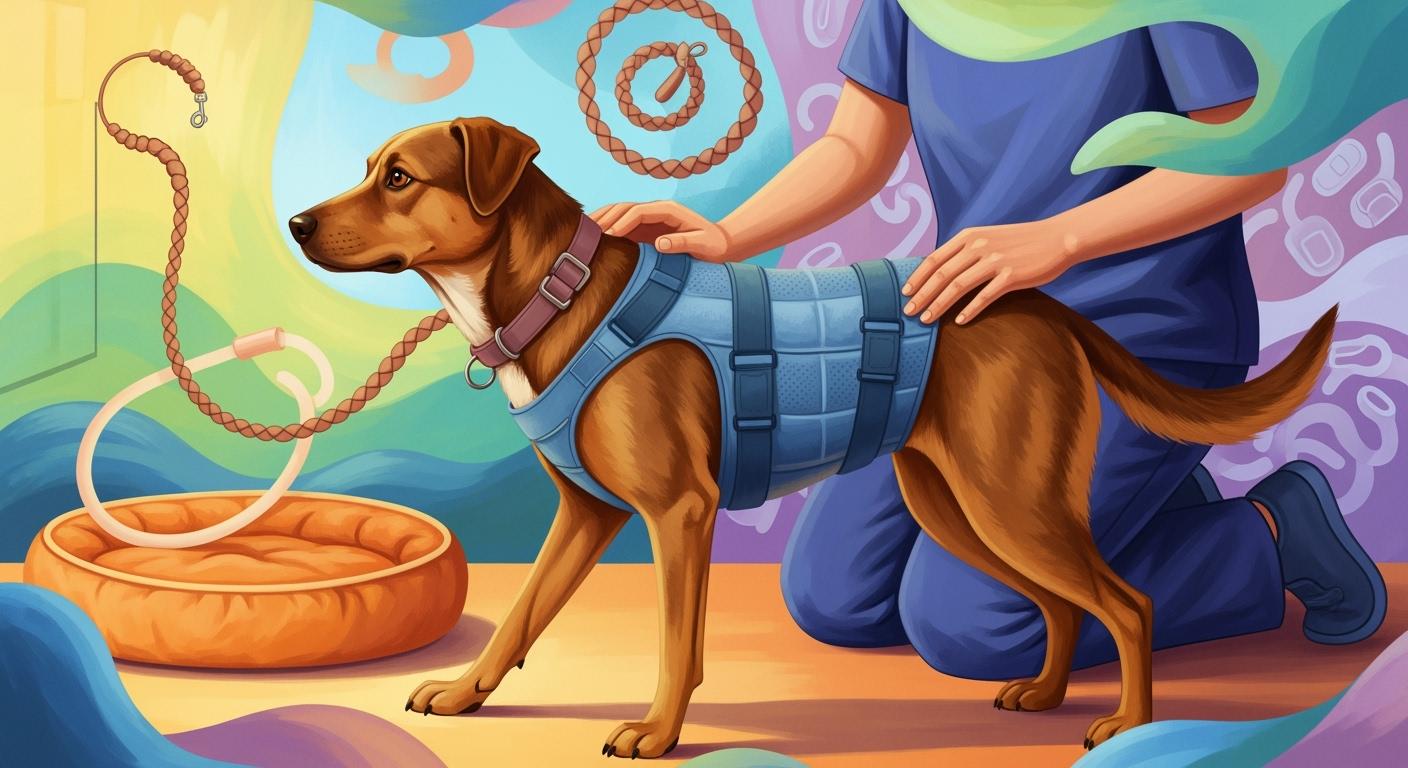
If you wonder whether a dog back brace for spinal support and recovery can help your pet, you are not alone. Many pet owners look for ways to manage pain and restore mobility in dogs with back problems. A dog back brace can provide extra spinal support and ease discomfort, but it is not a replacement for medical treatment. You should always seek veterinary advice before using any brace. Setting realistic goals helps you understand what dog back braces can and cannot do for your dog.
Key Takeaways
Dog back braces provide additional spinal support and can help manage pain, but they do not replace veterinary care. Always consult your vet before use.
Look for signs that your dog may need a back brace, such as difficulty walking, back pain, or reluctance to play. Early intervention can improve comfort and mobility.
A well-fitted brace stabilizes the spine and limits harmful movements, promoting healing and reducing pain. Regular monitoring for comfort is essential.
Combine the use of a back brace with rehabilitation exercises, appropriate rest, and regular veterinary checkups for the best recovery outcomes. A comprehensive care plan is key.
Do Dog Back Braces Work?
Pain Management and Mobility
You want your dog to feel comfortable and move freely. Dog back braces can help you work toward these goals. These devices support your dog’s spine and core muscles, adding stability and helping to ease pain. Many veterinarians recommend braces as part of a multimodal care plan for dogs with spinal conditions. While a dog back brace for spinal support and recovery does not cure diseases like IVDD, it can provide comfort and protection during the healing process.
Veterinary research shows that dog back braces can improve pain and mobility outcomes. The following table highlights reported results from clinical studies:
Evidence Description | Outcome |
|---|---|
Minor complications were common but manageable (reported in 91% of participants) | Minor issues like skin irritation, mechanical failures, or brace slippage were reported, but resolved with adjustments. |
Significant improvement in weight distribution after 90 days | Indicates functional recovery and potential pain reduction. |
Reports of improved mobility and reduced lameness | Most respondents noted greater comfort in their pets post-brace fitting. |
Consistent message from studies | Dog braces can improve function and comfort, dependent on fit, compliance, and follow-up care. |
Dog back braces stabilize the spine and allow safer, more controlled movement. You may notice your dog walking with less pain and standing with better posture. The brace limits twisting and bending, which protects the spine from further injury. It also encourages proper movement patterns and reduces fatigue. Many dogs with IVDD or mild spinal cord injuries show improved mobility and less pain when using a brace. You help your dog regain confidence and enjoy daily activities.
Tip: Always monitor your dog’s comfort and check for signs of skin irritation or brace slippage. Adjust the brace as needed for the best results.
When to Use a Back Brace
You may wonder when your dog needs a back brace. Veterinarians use several criteria to decide if a brace is right for your pet. The brace must provide proper support, fit comfortably, and match your dog’s breed and body shape. The table below outlines key criteria:
Criteria | Description |
|---|---|
Proper Support | The brace keeps your dog’s spine steady and stops too much movement, aiding in healing. |
Consideration of Breed | Different breeds have unique body shapes, affecting the type of support needed. |
Comfort and Fit | The brace must fit well without causing pain, allowing for easy movement while providing support. |
You should consider a back brace if your dog shows any of these signs:
Back pain
Paralysis
Difficulty walking or jumping
Neck stiffness
Intervertebral disc disease (IVDD)
Recovery from injuries
Arched back
Difficulty urinating
Reluctance to play, run, or jump
Shivering
Constant crying when picked up
Dog back braces are also useful during outdoor activities, such as walking or light hiking, especially if your dog has a history of spinal problems. You help your dog stay active and safe while supporting their recovery.
Note: Always consult your veterinarian before using a back brace. Professional guidance ensures the brace fits well and meets your dog’s specific needs.
How a Dog Back Brace for Spinal Support and Recovery Works
Spinal Stabilization
A dog back brace provides crucial stabilization for your pet’s spine during recovery. When your dog suffers from a spinal injury or condition, the vertebrae can become unstable. A well-designed brace, such as those from GaitGuard, uses medical-grade materials and adjustable straps to help keep the back straight and aligned. This extra support helps reduce the risk of further injury and allows the spine to recover in a more neutral position.
Polyaxial screw-rod fixation studies show that stabilizing the spine reduces abnormal movement and helps maintain proper posture.
Surgical stabilization often improves outcomes for dogs with traumatic vertebral injuries, especially when performed early.
Dogs recovering from spinal surgery or injury benefit from external support, which can improve gait and comfort.
Correct sizing is essential. A brace that fits well keeps your dog’s back straight, which is vital for spinal neutrality and healing.
Limiting Movement and Compression
A back brace limits excessive movement and vertical compression, which protects healing tissues. By restricting twisting and bending, the brace acts as a bridge between strict crate rest and a return to normal activity. This transition period is critical for safe rehabilitation.
Benefit | Description |
|---|---|
Stabilization of the spine | Reduces movement and prevents further damage during healing. |
Maintenance of proper posture | Supports correct alignment, which is crucial for recovery. |
Prevention of ataxic movements | Stops uncontrolled motions that could harm the spine and soft tissues. |
Strengthening neurological pathways | Encourages proper walking patterns, helping your dog relearn safe movement. |
You help your dog regain confidence and mobility while reducing the risk of setbacks.
The “Hug” Effect
The “hug” effect describes the gentle, even pressure a back brace provides around your dog’s torso. This sensation offers comfort and stability, much like a reassuring embrace. The brace reduces pressure on damaged discs and supports the spine, making daily activities less painful for dogs with conditions like IVDD. Many dogs feel more secure and move with greater ease when wearing a properly fitted brace.
Tip: Choose a brace with breathable, medical-grade materials for comfort during extended wear. GaitGuard’s adjustable designs help create a more customized fit for each dog, supporting both healing and daily life.
Conditions That Benefit from Dog Back Braces
Dog back braces play a vital role in managing several spinal and musculoskeletal conditions. You can use these braces to support your dog’s recovery and improve their comfort during daily activities. Below, you will find how specific conditions benefit from spinal support.
IVDD (Intervertebral Disc Disease)
IVDD is one of the most common spinal problems in dogs. If your dog has IVDD, you may notice pain, weakness, or trouble walking. Dog back braces help stabilize the spine, reduce pain, and support recovery. By limiting movement, these braces decrease discomfort and help your dog heal safely.
IVDD often leads to spinal instability.
Dog back braces keep the spine steady and aligned.
Limiting movement helps reduce pain and supports healing.
Spondylosis and Arthritis
Dogs with spondylosis or arthritis often struggle with stiffness and pain. You can use a back brace to provide extra support and relieve discomfort. The brace stabilizes the spine and surrounding muscles, which can improve your dog’s mobility and quality of life.
Braces offer support for the spine and muscles.
They help relieve pain and improve comfort.
Extended wear is possible due to comfortable, easy-to-use designs.
Muscle Spasms and Injuries
Muscle spasms and soft tissue injuries can cause sudden pain and limit movement. Dog back braces provide gentle compression and support, which can help reduce spasms and protect healing tissues. You give your dog a better chance to recover by preventing further strain.
Post-Surgical Recovery
After surgery, your dog needs extra support to heal properly. Dog back braces stabilize the affected area, reduce pain, and prevent further injury. These braces promote faster healing and make post-surgery recovery safer and more comfortable.
Braces stabilize limbs and the spine after surgery.
They help manage pain and protect healing tissues.
Faster recovery is possible with proper support.
Note: Always work with your veterinarian to create a comprehensive recovery plan. Dog back braces are most effective when used as part of multimodal care.
Condition vs. Benefit Table
Condition | Benefit of Dog Back Brace |
|---|---|
IVDD | Spinal stabilization, pain relief |
Spondylosis/Arthritis | Support, improved mobility, comfort |
Muscle Spasms/Injuries | Compression, protection, healing |
Post-Surgical Recovery | Stabilization, pain management |
Signs Your Dog May Need a Back Brace
Mobility and Pain Symptoms
You may notice changes in your dog’s movement or behavior that signal a need for extra spinal support. Dogs often show subtle signs before their condition worsens. Watch for these common symptoms:
Difficulty getting in the car
Falling down with hind legs splayed
Taking smaller steps with hind paws
Separation or splaying of the toes when walking
Pain or discomfort when you touch their back
Reluctance to move or play
Trouble walking or climbing stairs
Back or front legs giving out or shaking
Stumbling or tripping
Dragging back feet
Decreased jumping or slower stair climbing
Difficulty getting up from lying down
Muscle atrophy in the hind legs
Splaying of legs on slick surfaces
If your dog shows any of these signs, you should consider whether spinal support could help. Early intervention with dog back braces can make a difference in comfort and mobility. 🐾
Tip: Keep a daily log of your dog’s symptoms. This record helps your veterinarian track changes and make informed decisions.
Veterinary Assessment
Your veterinarian plays a key role in deciding if a back brace is right for your dog. The assessment process includes several steps to ensure the best outcome:
Step | Description |
|---|---|
1 | Observe your dog’s stance, gait, and weight distribution. |
2 | Identify any painful or unstable joints. |
3 | Take precise measurements for brace fitting. |
4 | Select the appropriate brace type and support level based on clinical presentation. |
Your vet may also recommend diagnostic tests such as X-rays, neurological exams, myelography, or advanced imaging like MRI or CT scans. These tests help pinpoint the cause of mobility issues and guide treatment.
Dog back braces work best when you combine them with veterinary care and rehabilitation. You give your dog the greatest chance for recovery by following a comprehensive plan.
Types of Dog Back Braces

Rigid vs. Flexible Designs
When you choose a dog back brace, you will find two main types: rigid and flexible designs. Each type offers unique benefits for spinal support and recovery.
Rigid braces increase trunk stiffness and limit motion more effectively than flexible braces. These braces reduce trunk displacement by about 14% and increase trunk stiffness by the same amount. You get better control over your dog’s movement, which helps protect healing tissues.
Flexible braces allow more movement and provide gentle support. They work well for mild conditions or as a transition during rehabilitation. Flexible braces do not change trunk stiffness as much as rigid ones, so they may not offer enough support for severe injuries.
The design and fit of the brace matter more than just adding extra panels. A well-fitted brace gives your dog the best chance for recovery.
Tip: Ask your veterinarian which type of brace matches your dog’s condition and activity level.
Key Features and Fit
You want a brace that fits well and supports your dog’s recovery. Key features can make a big difference in comfort and effectiveness. The table below shows how important features impact performance:
Feature | Impact on Performance |
|---|---|
Adjustability | Ensures a proper fit for dogs of various sizes, enhancing comfort and effectiveness. |
Material Quality | Affects support, breathability, and durability, crucial for recovery and overall health. |
Splints | Provide additional support and allow for gradual recovery, reducing the risk of complications. |
GaitGuard braces use medical-grade, breathable mesh to help keep your dog cool and comfortable. Adjustable straps allow you to fine-tune the fit, which helps reduce slipping and skin irritation. The ergonomic cut allows male dogs to urinate without soiling the brace, solving a common problem for pet owners. Convenient D-ring placements make it easier to attach a leash or lifting strap, supporting safe movement during walks or therapy sessions.
Note: Always check the brace for proper fit and comfort. A well-chosen brace, combined with veterinary care and rehabilitation, gives your dog the best support for spinal recovery.
Choosing and Using a Dog Back Brace
Vet Consultation
You should always consult your veterinarian before choosing a back brace for your dog. A veterinary assessment ensures the brace matches your dog’s specific condition and needs. Your vet will examine your dog’s spine, gait, and overall health. They can recommend the most suitable type of brace and guide you on how to put it on and take it off gently. This step helps prevent complications and maximizes the benefits of spinal support.
Vet Tip: Prescribe the brace for walks and potty breaks to prevent sudden twisting movements. This targeted use protects your dog’s spine during the most vulnerable activities.
Proper Fit and Comfort
A well-fitted brace is essential for your dog’s comfort and recovery. You want a brace that is easy to put on and take off, comes in various sizes, and allows your dog to perform physical necessities. Look for these features:
Comfort for your dog
Special design for spinal support
Adequate pressure for pain relief
Easy application and removal
Proper fit for your dog’s size and shape
Introduce the brace gradually. Make sure it fits snugly but does not restrict movement. Your dog should move freely and perform daily activities without discomfort. Check the brace often to ensure it does not cause irritation or slip out of place.
Integrating with Rehab and Daily Life
You can help your dog recover faster by combining the back brace with rehabilitation exercises. Braces stabilize the spine and reduce unwanted movement, which is crucial during rehab. Use the brace during walks to prevent uncontrolled motions that may harm the spine. Practicing walking with correct posture strengthens your dog’s neurological pathways, making safe movement second nature. After recovery, the brace can support your dog during strenuous exercise or if IVDD recurs.
Remember: The best results come from a comprehensive plan. Combine the brace with physio exercises like weight shifting, regular vet checkups, and a supportive home environment for optimal spinal health. 🐶
Benefits and Limitations
Pain Relief and Support
You want your dog to feel comfortable and safe during recovery. Dog back braces help support and stabilize your dog’s spine, which relieves pressure in injured areas. This support is crucial for pain relief. When you use a brace, it fits naturally and supports your dog’s back at key points. The brace maintains column stability, supporting both the spine and muscles. Many veterinarians recommend braces for prevention and treatment of spinal conditions like IVDD. Constant gentle pressure from the brace can help reduce pain and improve your dog’s quality of life.
A brace can make daily movement easier for your dog, boosting confidence and happiness.
Here is a table showing how different conditions benefit from a back brace:
Condition | Benefit of Dog Back Brace |
|---|---|
Post-surgery recovery | Protects surgical site, aids healing |
Chronic arthritis | Reduces pain, supports movement |
IVDD or spinal issues | Stabilizes spine, prevents injury |
Aging and weakness | Improves mobility, boosts confidence |
Preventing Further Injury
You can help prevent further injury by using a back brace. The brace stabilizes your dog’s body and stops harmful movements that could damage the spine or soft tissues. When your dog walks with a brace, it encourages correct posture and healthy movement patterns. The brace increases your dog’s awareness of body position, promoting straighter walking. With regular use, correct posture becomes second nature, lowering the risk of future injuries.
Stabilizes the core and prevents ataxic movements.
Reinforces healthy walking habits.
Maintains proper body awareness.
Limitations and Expectations
Dog back braces offer valuable support, but you should set realistic expectations. A brace does not cure spinal disease or replace veterinary care. You must use the brace as part of a comprehensive recovery plan, including rehabilitation exercises and regular checkups. Some dogs may need time to adjust to wearing a brace. Always monitor your dog for comfort and fit. Work closely with your veterinarian to get the best results.
Remember, a back brace is a management tool that helps your dog live more comfortably and safely.
Care and Monitoring
Application and Removal
You need to apply and remove your dog’s back brace correctly to ensure safety and comfort. Start by checking the brace for any damage or loose straps. Place your dog in a calm environment. Gently guide the brace over your dog’s back, making sure it aligns with the spine. Fasten the straps securely but avoid overtightening. Your dog should move freely without pinching or rubbing.
When removing the brace, unfasten the straps slowly. Lift the brace away from your dog’s body with care. Watch your dog’s reaction during both application and removal. If your dog shows signs of discomfort, pause and check the fit.
Tip: Practice putting the brace on and taking it off a few times before regular use. This helps your dog feel more comfortable and reduces stress.
Cleaning and Maintenance
Regular cleaning keeps the brace hygienic and extends its life. Most braces, like those from GaitGuard, use medical-grade, breathable materials that are easy to clean. Follow these steps:
Remove the brace from your dog.
Check the care label for washing instructions.
Use mild soap and lukewarm water to clean the brace by hand.
Rinse thoroughly and air dry before the next use.
Avoid harsh chemicals or machine washing unless the manufacturer recommends it. Inspect the brace for wear and tear after each cleaning.
Cleaning Step | Purpose |
|---|---|
Hand wash | Removes dirt and bacteria |
Air dry | Maintains material integrity |
Inspect regularly | Ensures safety and function |
Monitoring for Issues
You must monitor your dog for any problems while using a back brace. Check your dog’s skin daily for redness, sores, or hair loss under the brace. Watch for signs of discomfort, such as licking, biting, or reluctance to move. Adjust the fit if you notice any issues.
Contact your veterinarian if you see swelling, persistent irritation, or changes in your dog’s movement. Early detection of problems helps prevent complications and supports a smooth recovery.
Note: Keep a log of your dog’s behavior and any changes you observe. This record helps your veterinary team adjust the care plan as needed.
You want your dog to move comfortably and recover safely. A dog back brace for spinal support and recovery helps manage pain, stabilize the spine, and restrict harmful movement. You can expect long-term benefits such as:
Spinal support above and below the injury
Relief from back pain
Safe restriction of motion
Pressure reduction on the spine
Unlike a hard cast, a dog back brace for spinal support and recovery allows your pet to stay more active while still being protected. This helps muscles remain stronger as your dog enjoys daily life. Dog back braces work best as part of a comprehensive care plan that includes veterinary treatment and rehabilitation. Always consult your veterinarian and monitor progress. With the right support, you give your dog a better chance at long-term comfort and mobility.
FAQ
How long should my dog wear a back brace each day?
You should follow your veterinarian’s advice. Most dogs wear the brace during active times, such as walks or therapy sessions. Remove the brace during rest. Monitor your dog’s comfort and adjust the schedule as needed.
Can my dog sleep with the back brace on?
Most veterinarians recommend removing the brace at night. This allows your dog’s skin to breathe and prevents pressure sores. Always check with your vet for specific guidance based on your dog’s condition.
Will a back brace cure my dog’s spinal problem?
A back brace does not cure spinal disease. It supports your dog’s spine, can help reduce pain, and may help prevent further injury when used correctly. Use the brace as part of a complete recovery plan that includes veterinary care and rehabilitation.
How do I know if the brace fits correctly?
Check for a snug fit without pinching or slipping. Your dog should move comfortably and show no signs of irritation. If you notice redness, sores, or discomfort, adjust the brace or consult your veterinarian.
What activities can my dog do while wearing a back brace?
Walks on a leash
Gentle rehabilitation exercises
Supervised play
Avoid jumping, running, or rough play. Always follow your veterinarian’s recommendations for safe activities.
