
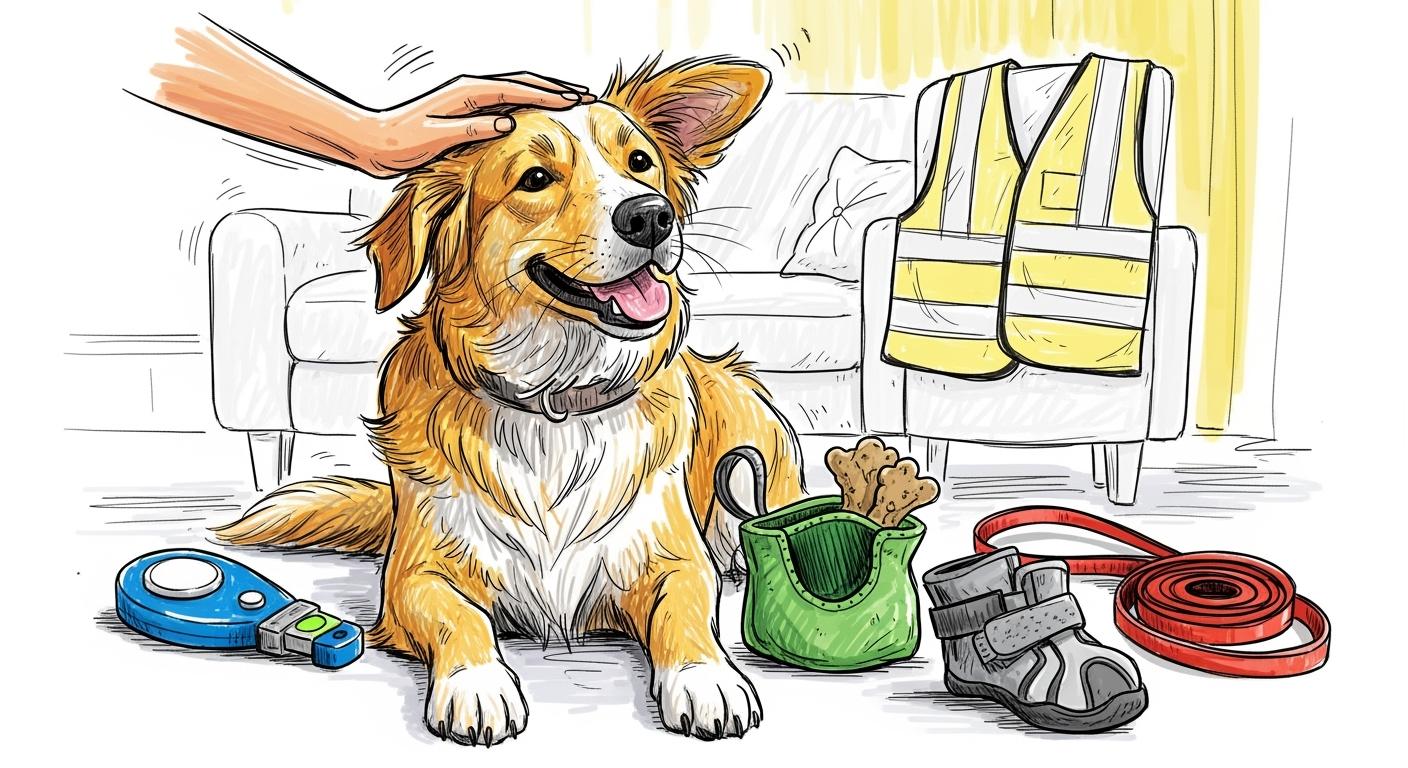
Recent lawsuits and news stories have raised concerns about shock dog collars, including reports of injuries linked to electronic products such as PetSafe e-collars. This highlights the need for safe alternatives to shock dog collars & injury prevention gear. Pet owners are seeking gentle options that avoid causing harm, prioritizing positive reinforcement and equipment designed to keep dogs happy and healthy. These safe alternatives to shock dog collars & injury prevention gear help dogs move around safely and comfortably. Innovative brands like GaitGuard offer effective solutions, focusing on long-term comfort and support for dogs.
Key Takeaways
Pick kind options instead of shock collars to protect your dog and make them happy.
Training with rewards helps dogs trust you and learn well without being scared.
Use harnesses and gentle leaders to stop injuries and keep walks comfy.
Gear that prevents injuries keeps your dog healthy and helps them heal if hurt.
Learn and teach others about safe ways to train dogs for better behavior.
Risks of Punitive Collars
Physical Harm to Dogs (Skin, Neck, and Spine)
Using punitive collars can really hurt dogs. These collars might burn or cut the skin. They can leave painful sores. Studies show remote electronic collars can cause pain and stress. Some research says shock collars can hurt the neck and throat. If a dog has eye problems like glaucoma, collars can make it worse. Small dogs can get tracheal collapse from collars. Harnesses are safer for dogs with thin necks or health problems. You want to keep your dog safe. Picking safe alternatives to shock dog collars and injury prevention gear is important.
Skin burns and cuts
Breathing problems for small breeds
Psychological Impact: Fear, Stress, and Fallout Behaviors
Punitive collars do not just hurt the body. They also hurt your dog’s feelings. Dogs feel shocks like people do. Dr. Overall says shock should never be used for training. It causes fear and worry. Using these collars can hurt your bond with your dog. Dogs may get scared of places or people. They might act mean or not want to go outside. Some dogs stop acting normal and seem sad. This is called learned helplessness.
Dogs that get shocked may feel stress and trauma for a long time.
Positive reinforcement training is easier on dogs and better for them.
Why Humane Alternatives Matter
You want your dog to feel safe and happy. Humane alternatives help you avoid hurting your dog. Research shows positive training leads to fewer injuries and less stress. Dogs trust you more and like learning. When you pick safe alternatives to shock dog collars and injury prevention gear, you protect your dog’s body and mind. You make your bond stronger and help your dog do well.
Humane tools stop harm and help good behavior.
Positive training builds trust and confidence.
Injury prevention gear keeps dogs safe on walks and during play.
Humane Alternatives to Shock Collars
Positive Reinforcement Training
You can teach your dog new things with positive reinforcement training. This way uses rewards like treats, praise, or play. Rewards help your dog learn good behavior. When your dog sits or comes, you give a treat. Dogs like getting rewards and want to earn more. Experts say positive reinforcement works better than shock collars. Dogs trained this way feel less stress and worry. You build trust and respect with your dog. This method helps your dog learn faster and brings you closer together.
Tip: Give your dog a reward right after they do something good. This helps your dog know what action earned the treat.
Benefit | Description |
|---|---|
Reduces Stress and Anxiety | Dogs trained with rewards feel less stress. |
Promotes Stronger Bonds | Using rewards builds trust and friendly behavior. |
Leads to Faster Learning | Dogs learn new things quickly and remember them longer. |
Clicker and Treat-Based Methods
Clicker training is a popular way to teach dogs. You use a small clicker that makes a sound. When your dog does the right thing, you click and give a treat. This helps your dog know what you want. Clicker training and reward-based training are kind ways to teach dogs. You can use treats, toys, or praise as rewards. Training with treats makes learning fun for dogs. Force-free training helps dogs feel safe and confident. Humane dog training means you use gentle methods and do not punish.
Clicker training is simple to learn.
Dogs like getting rewards.
You can use force-free training for puppies and older dogs.
Vibration, Tone, and Citronella Collars: Limits and Concerns
Some people use vibration, tone, or citronella collars instead of shock collars. These collars do not shock, but they still use signals dogs may not like. Dogs can get used to the scent or sound, so the collar stops working well. Some dogs get skin irritation from citronella. The collar might go off at the wrong time and confuse your dog. Humane alternatives to shock collars use rewards, not punishment. Experts say these collars can still cause stress and worry. You should pick gentle training methods for the best results.
Dogs can get used to citronella.
Skin irritation may happen with long use.
Collars may go off for other sounds.
Humane dog training does not use harsh tools.
Safe Alternatives to Shock Dog Collars & Injury Prevention Gear
Choosing safe alternatives to shock dog collars and using injury prevention gear helps keep your dog healthier and happier. You can guide your dog in a gentle way. Harnesses, no-pull leashes, gentle leaders, and double-ended leads help you do this. These tools give you more control. They do not hurt or scare your dog. You help your dog feel good and make walks safer for everyone.
No-Pull and Full-Body Harnesses
No-pull harnesses and full-body harnesses are good choices. They are safe alternatives to shock dog collars & injury prevention gear. These harnesses go around your dog’s chest and shoulders. They do not wrap around the neck. This stops pressure on the throat. It lowers the chance of injuries. Front-clip and Y-shaped harnesses, like easy walk harnesses, help you steer your dog. You do not have to jerk or choke your dog.
Here is a table that shows how harnesses help:
Health Risk | Description |
|---|---|
Tracheal Collapse | Pulling on the trachea can make breathing hard for a long time. |
Neck and Spine Injuries | Collars can hurt the neck and spine and cause pain. |
Thyroid Gland Damage | Collars can press on the thyroid gland and hurt it. |
Harnesses and no-pull leashes help you avoid these problems. Your dog can move freely and stay safe. Many brands make harnesses with special features. Some easy walk harnesses have front clips to stop pulling. Some harnesses have shiny stitching for night walks. Others have handles for extra help.
Pick a harness that fits your dog’s size and what they do. Easy walk harnesses work for puppies, grown dogs, and older dogs. You help your dog stay comfy and safe during walks, training, or play.
Studies show harnesses spread force over the body. This means less strain on the neck and spine. Here is a table that compares collars and harnesses:
Measurement | Collar Condition | Harness Condition |
|---|---|---|
Median Maximal Tension | 0.71 kg-force / 6.97 N | 1.72 kg-force / 16.87 N |
Mean Tension | 0.32 kg-force / 3.14 N | 0.54 kg-force / 5.3 N |
Proportion of Pulling Time | 0.35 | 0.67 |
Harnesses let dogs pull longer, but the force is spread out. This means less chance of sudden injuries. You keep your dog safe and make walks more fun.
Note: There are not many studies about injuries from restraint devices in dogs. This may be because people do not report them or there is not enough checking, not because there is no harm.
Headcollars and Gentle Leaders Used Humanely
Headcollars and gentle leaders are also safe alternatives to shock dog collars & injury prevention gear. These tools go around your dog’s nose and behind the ears. You guide your dog’s head gently. This helps you control where your dog goes and how fast. Gentle leaders are good for strong dogs that pull or jump.
The gentle leader lets you control your dog’s head. It helps stop pulling. Regular collars press on the neck and do not help you steer. Gentle leaders are safer and less likely to hurt the neck.
You need to use gentle leaders with care. Do not yank or pull hard. Let your dog get used to it slowly. Give treats and praise for calm walking. Using gentle leaders the right way builds trust. It keeps your dog relaxed. You avoid hurting the neck and spine. You help your dog learn to walk nicely.
Gentle leaders come in many sizes. Pick one that fits your dog’s breed and age. Adjust the straps so it feels good. Use short training times to help your dog like the gentle leader. You make walks safer and better for you and your dog.
Double-Ended Leads and Better Handling Skills
Double-ended leads are smart safe alternatives to shock dog collars & injury prevention gear. You clip one end to the front of the harness. The other end goes on the back. You guide your dog with two points. This gives you more control and keeps your dog steady.
Double-ended leads help keep your dog steady.
They lower pressure on joints for both you and your dog.
Use double-ended leads with harnesses and no-pull leashes. You steer your dog gently. You stop sudden jerks. You lower the chance of hurting joints and muscles. You keep your dog safe during walks, training, or trips.
You can get better at handling by practicing with double-ended leads. Learn to guide your dog with soft moves. Give treats and praise for good behavior. You build a strong bond and make walks fun.
Easy walk harnesses, gentle leaders, and double-ended leads are all kind tools. Use them to stop injuries and help your dog’s health. You avoid pain, fear, and stress. You help your dog move safely and feel confident.
Tip: Always check the fit of your harness or gentle leader before walks. You want your dog to feel good and safe.
Safe alternatives to shock dog collars & injury prevention gear help you feel calm. You know you are keeping your dog safe. You make every walk a happy time.
Canine Injury Prevention Gear
Support and Lift-Aid Devices
Support and lift-aid devices help your dog move safely. These tools give your dog more balance and control. They are good for dogs with trouble walking or after surgery. Harnesses spread your dog’s weight so walks are easier. Slings help you lift your dog’s back or front legs. This stops your dog from slipping or falling. Braces and orthotics help hold joints steadier and may reduce discomfort when used as part of a veterinary treatment plan. They can support your dog’s natural healing by keeping movement more controlled.GaitGuard makes lift-aid devices and anti-licking braces with durable, dog-safe materials. These products are designed to be adjustable so they can fit a wide range of dogs. This makes your dog feel better and keeps walks safe.
Types of support and lift-aid devices:
Harnesses help your dog stay steady and move well.
Slings help you lift your dog and keep it balanced.
Braces and orthotics hold joints in place.
Carts help dogs with weak or paralyzed back legs.
Joint Braces and Protective Sleeves
Joint braces and protective sleeves are important for injury prevention gear. You can use knee, hip, or back braces to keep joints steady. These braces protect healing parts of your dog’s body. Studies suggest that hinged braces can help some dogs walk more comfortably and with better alignment. Using a brace on both knees may also reduce overload on the opposite leg in suitable cases. Protective sleeves cover wounds and stop your dog from licking or biting them. This helps your dog heal faster. GaitGuard’s braces use sturdy, skin-friendly materials with adjustable straps. This design aims to keep dogs as comfortable and secure as possible while they heal.
Type of Brace | Benefit |
|---|---|
Knee Brace | Holds the joint steady and lowers pain |
Hip Brace | Supports the hip and helps your dog move |
Protects the spine and stops slips | |
Protective Sleeve | Covers wounds and stops licking |
Senior and Rehab Dog Mobility Solutions
Older dogs and dogs in rehab need extra help to stay healthy. Mobility tools like harnesses, slings, and carts help dogs with weak legs or balance problems. These tools take pressure off sore joints and make moving easier. Rehab helps your dog get stronger and feel better. This makes life better for your dog. GaitGuard’s braces and lift-aid devices can be adjusted for each dog. They help older dogs walk, play, and train without pain. When your dog has less pain and more support, it can walk calmly and enjoy time with you.
Tip: Pick gear made with strong, safe materials and straps you can adjust. This keeps your dog safe, comfy, and active.
B2B: Humane Gear for Pet Professionals
Building a Humane Product Assortment
You should pick gear that keeps dogs safe and comfy. When you choose products for your store or clinic, look for items with soft edges. These items should spread pressure across the body. Find harnesses that fit well and do not rub. Make sure they do not pinch the dog’s skin. Joint braces and lifting harnesses from GaitGuard use strong medical materials. They have designs you can adjust. These features help dogs move with less pain. Dogs get more support when using these tools. Reflective leads and winter gear protect dogs outside. Always check that gear fits each dog’s size and needs.
Key things to think about for your gear are:
Safety and comfort for dogs
Good quality materials
Fit for special needs, like rehab or older dogs
Tools that help with positive reinforcement
Educating Owners on Safe, Non-Shock Choices
You help owners learn about safe choices instead of shock dog collars. Share resources that teach gentle training and humane gear. The Train Without Pain Resource Library has guides for kind methods. The Equipment Recommendation page lists safe collars and harnesses. When you show owners how to use these tools, you help them trust their dogs. You help them avoid stress and injury.
Resource Name | Description |
|---|---|
Train Without Pain Resource Library | Guides for gentle training and gear |
Equipment Recommendation page | Lists safe collars and harnesses |
GaitGuard OEM/ODM Solutions for Support Braces and Harnesses
You can make your product line special with GaitGuard’s OEM/ODM services. GaitGuard uses strong medical materials and checks quality closely. You get sizes that fit many dogs and special packaging. Free packaging design templates help new shops stand out. GaitGuard focuses on high safety standards and flexible options to support different product lines.
Feature | GaitGuard | Competitors |
|---|---|---|
Quality Control Standards | AQL 2.5 | Varies |
Material Quality | Medical-grade materials | Standard materials |
Customization Options | Flexible and tailored | Limited options |
When you sell humane gear, follow honest rules. Do not promise cures or results you cannot guarantee. Teach owners how gear helps dogs feel safe and comfy. Always give true information and help clients switch to gentle methods.
Tip: Pick gear that helps dogs feel safe and sure. Your help makes every dog’s life better.
Picking safe alternatives to shock dog collars and injury prevention gear helps dogs feel better and stay healthy. You give dogs more comfort and choices. This makes their behavior and health better. Vets say positive training is good because it builds trust and keeps dogs safe. Many experts think humane gear protects dogs’ bodies and minds.
Dogs act happier when you use positive training.
Humane gear helps lower stress and stops injuries.
Trainers and vets can help you pick the best gear.
Organization | Recommendation |
|---|---|
AAHA | Use rewards to help dogs trust people |
NZVA | Do not use e-collars for dogs |
ESVCE | Teach owners about positive training |
When you use gentle and safe tools, you help dogs do well.
FAQ
What are safe alternatives to shock dog collars?
You can use harnesses, gentle leaders, and double-ended leads. These tools help you guide dogs without causing pain. Positive reinforcement training works well with these options. You keep dogs safe and build trust.
How do injury prevention gear help dogs?
Injury prevention gear supports joints and muscles. Braces, sleeves, and lift-aid devices help dogs recover from injuries. You protect dogs from falls and slips. These tools make movement easier and safer.
Can older dogs benefit from humane gear?
Older dogs need extra support. Mobility harnesses and braces help them walk and play. You improve their comfort and keep them active. Safe gear helps dogs enjoy life as they age.
Why should I avoid shock collars for dogs?
Shock collars can cause pain and fear. You risk harming dogs’ bodies and minds. Humane alternatives teach good behavior without stress. You help dogs feel safe and confident.
How do I choose the right gear for my dog?
You should look for gear that fits well and feels comfortable. Adjustable straps and medical-grade materials work best. Ask trainers or vets for advice. You keep dogs safe by picking the right tools.
