
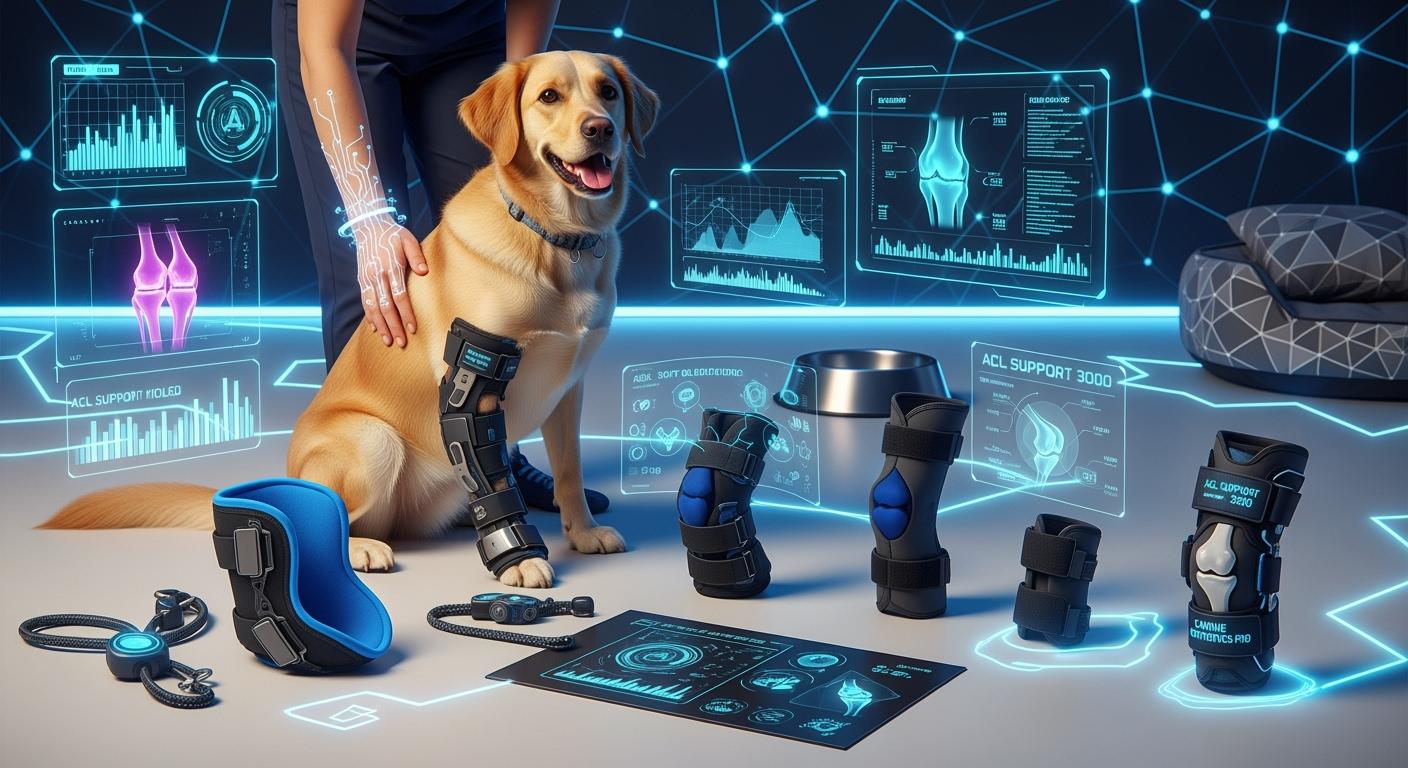
A non-surgical dog ACL brace may provide added knee stability during controlled daily movement, but it is not the right solution for every CCL injury. Whether brace support is appropriate depends on the severity of the tear, the dog’s size and activity level, brace fit, skin tolerance, and the wider rehabilitation plan.
This guide explains when a dog ACL brace may be considered as part of conservative management, when it is more likely to serve only as temporary support, and which warning signs require veterinary reassessment rather than continued reliance on a brace.
Common reasons for choosing non-surgical care:
Weight management
Pain relief
Physical therapy
Use of a leg brace
Key Takeaways
Non-surgical options like braces can effectively support dogs with ACL injuries, offering pain relief and improved mobility without the need for surgery.
A proper diagnosis from a veterinarian is crucial. It helps determine the best treatment plan and ensures the right brace is chosen for your dog’s specific needs.
Braces come in various types, including soft, semi-rigid, and full-leg support systems. Each type serves different injury levels, so choose based on your dog’s condition.
Combining braces with rehabilitation tools, like physical therapy and weight management, enhances recovery and promotes joint health.
Regular vet check-ups and monitoring for skin irritation are essential to ensure the brace fits well and supports your dog’s healing process.
Understanding Dog ACL/CCL Tears
Causes of ACL Injuries
You may wonder why dog acl injuries happen so often. The cranial cruciate ligament (CCL) in your dog connects the tibia to the femur. This ligament always bears weight because your dog stands with bent knees. Constant stress on the CCL increases the risk of gradual degeneration, especially in larger breeds.
Common causes of dog acl injuries include:
Bad breeding practices, which can lead to joint problems and overcompensation.
The natural load on the knee, since your dog’s knee stays bent even at rest.
Excess weight, as obesity puts more strain on the ligament.
Sudden bursts of activity after long periods of rest, sometimes called “weekend warrior syndrome.”
Missing early warning signs of joint issues.
Studies suggest that overweight dogs are roughly two to four times more likely to tear their ACL than dogs at a healthy weight.
Signs and Symptoms
Recognizing the signs of a torn ligament helps you act quickly. Watch for these symptoms in your dog:
Limping on one hind leg
Pain when you touch the knee
Hyperextension of the leg
Clicking noise in the knee during movement
Difficulty sitting squarely
Muscle loss in the affected leg
Swelling or a firm bump on the inside of the knee
Reduced range of motion
If you notice any of these, your dog may benefit from conservative management for dog ACL tear, such as a non-surgical dog ACL brace or other dog CCL injury brace options.
Importance of Diagnosis
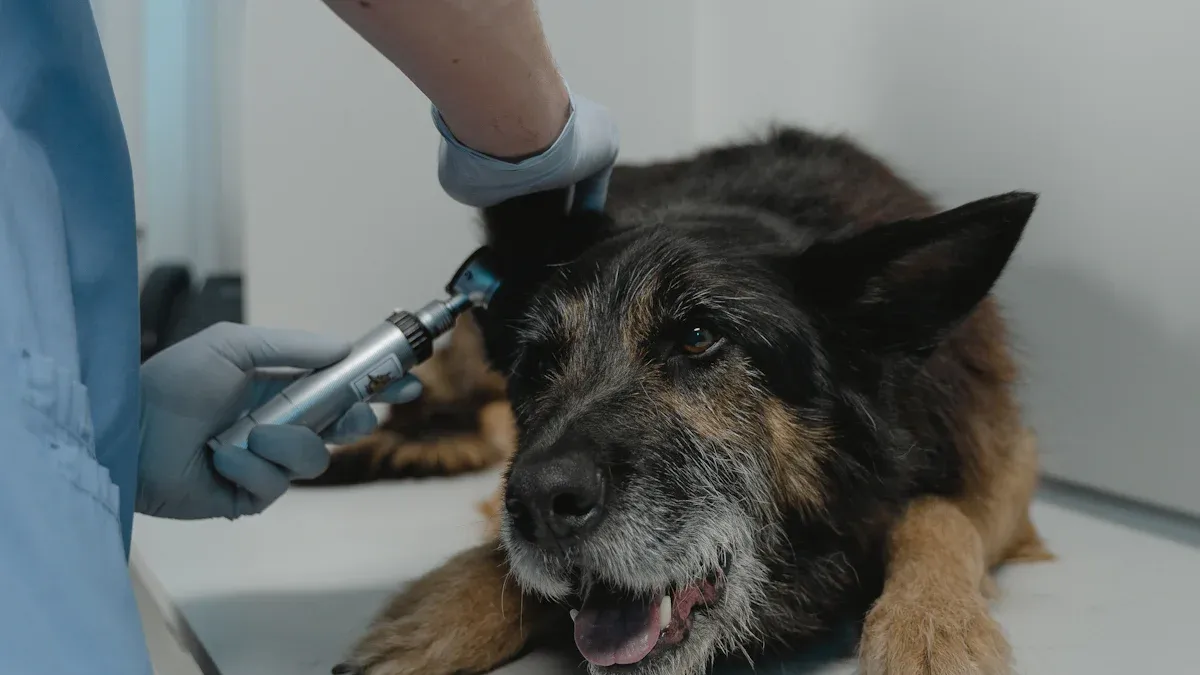
A proper diagnosis from your veterinarian is essential. Your vet will examine your dog’s knee, check for instability, and may use imaging to confirm the injury. This step ensures you choose the right treatment, whether you consider a dog knee brace instead of surgery or other ACL recovery support braces. Early diagnosis leads to better outcomes and helps you avoid further injury.
When to Consider Non-Surgical Options
Poor Surgical Candidates
You may find that some dogs are not ideal candidates for ACL surgery. Age, underlying health conditions, and overall mobility play a big role. For example, older dogs or those with chronic illnesses often face higher surgical risks. The table below shows a common health condition that can impact surgical decisions:
Health Condition | Impact on ACL Surgery |
|---|---|
Canine Hip Dysplasia | Alters biomechanics and increases pressure on ACL. |
Dogs with hip dysplasia or other joint problems may struggle to recover from surgery. In these cases, conservative management for dog ACL tear, such as a non-surgical dog ACL brace, becomes a practical choice.
Budget and Lifestyle Factors
Financial considerations matter when you decide on treatment for dog knee pain. Surgery costs can range from $1,500 to $7,000 or more, depending on the procedure and location. Many owners choose non-surgical care because it fits their budget and lifestyle. If you have a busy schedule or your dog prefers a calm routine, bracing and rehabilitation may offer a better solution than surgery.
The goal of non-surgical management is to control pain, strengthen muscles, support joint health, and help your dog maintain a good quality of life.
Mild or Partial Tears
Braces work well for mild or partial ACL injuries. They help reduce abnormal motion in the joint, which eases dog knee pain and improves limb function. Studies show that about 88% of dogs using a dog CCL injury brace experience mild to no lameness. If your dog has a partial tear, a dog knee brace instead of surgery may stabilize the joint and reduce swelling, making daily activities easier.
What Braces Can and Cannot Do
ACL recovery support braces provide stability and comfort for your dog. However, braces do not heal the ligament itself. They act as supportive tools, helping your dog manage pain and move more comfortably. You must monitor for skin irritation or brace slippage, and work closely with your veterinarian to ensure the best outcome.
Non-Surgical Dog ACL Brace Options December 2025
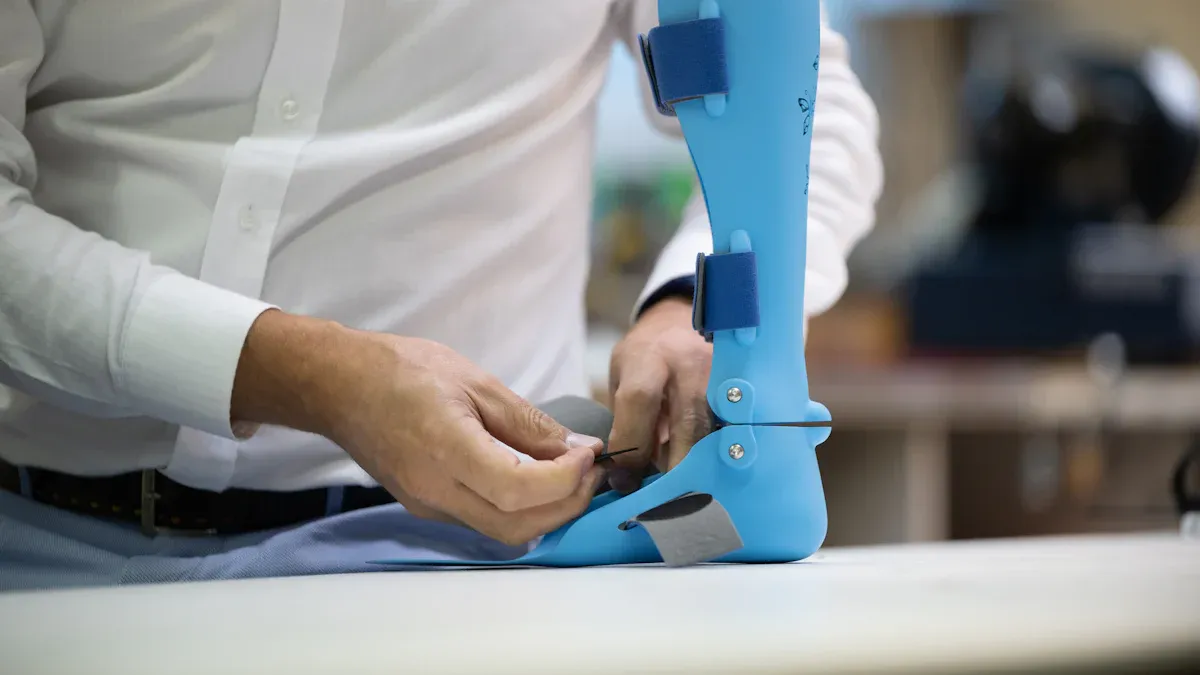
Choosing the right knee braces for your dog can make a significant difference in their comfort and recovery. December 2025 brings new non-surgical dog ACL brace options December 2025, offering advanced support and innovative features. You have access to a wide range of dog braces designed for different levels of injury, activity, and rehabilitation needs. Let’s explore the latest options available for your dog’s ACL recovery.
Soft Braces and Wraps
Soft braces and wraps provide gentle support for dogs with mild knee injuries or early-stage ligament tears. These knee braces use flexible, breathable materials that conform to your dog’s leg, offering comfort without restricting movement. You can use soft braces for conservative management for dog ACL tear, especially if your dog shows mild lameness or swelling.
Soft braces help stabilize the joint during daily activities.
They reduce minor inflammation and offer light compression.
You can easily adjust these wraps for a snug fit.
Soft padding protects your dog’s skin from irritation.
Soft braces work best for dogs who need ACL recovery support braces but do not require rigid stabilization. You may find these options ideal for older dogs or those with arthritis, as they allow for natural movement while providing gentle support.
Tip: Soft braces are easy to put on and take off, making them a practical choice for short-term use or mild injuries.
Semi-Rigid and Hinged Braces
Semi-rigid and hinged knee braces offer enhanced stability for dogs with moderate to severe ACL injuries. These braces combine flexible materials with supportive frames, giving your dog the structure needed for proper joint alignment. Hinged braces stand out because they allow controlled mobility, which is crucial during recovery.
Semi-rigid and hinged braces provide superior support and stability for serious injuries compared to soft braces.
Hinged braces reduce strain on injured ligaments and promote better weight distribution across the leg.
These braces offer flexibility, making them ideal for active dogs that require both movement and support.
You can adjust the fit as your dog heals, ensuring ongoing comfort.
Semi-rigid and hinged braces are excellent dog CCL injury brace options for dogs recovering from surgery or managing partial tears. You may notice improved gait and reduced pain when your dog uses these knee braces instead of surgery.
Note: Hinged braces help maintain joint alignment and prevent further injury during rehabilitation.
Rear Support Harnesses
Rear support harnesses play a vital role in the rehabilitation of dogs with ACL injuries. These harnesses support your dog’s hindquarters, allowing them to stand and walk with less pressure on the healing leg. You can use rear support harnesses during daily activities and rehabilitation exercises.
Rear support harnesses provide essential support during rehabilitation exercises and daily activities for dogs recovering from ACL injuries.
They help dogs with temporary mobility loss by allowing them to stand and walk with reduced pressure on their healing leg.
Harnesses are beneficial during rehabilitation sessions, including underwater treadmill exercises, to keep dogs upright and assist in lifting or reducing pressure on limbs that cannot bear full weight.
You may find rear support harnesses especially useful for older dogs or those with severe injuries. These knee braces work well in combination with other dog braces, offering comprehensive support for conservative management for dog ACL tear.
Tip: Rear support harnesses can help your dog regain confidence and independence during recovery.
Full-Leg Support Systems
Full-leg support systems provide maximum stabilization for dogs with severe ACL injuries. These knee braces cover the entire leg, controlling inflammation and supporting healing. You can use full-leg support systems when your dog needs extensive support to avoid surgery or manage chronic pain.
Full-leg support systems stabilize the joint and control inflammation.
They support healing and reduce pain, helping your dog avoid surgery.
These braces distribute weight evenly, reducing stress on the injured ligament.
Full-leg support systems are adjustable, allowing you to modify the fit as your dog’s condition improves.
Many pet owners have seen remarkable improvements in their dogs’ mobility after using full-leg support systems. For example, an elderly Saint Bernard named Luna regained her confidence and mobility around the house after using a full-body brace system. These knee braces offer hope for dogs with severe injuries who may not be candidates for surgery.
Note: Full-leg support systems are ideal for dogs with chronic knee pain or multiple joint issues.
GaitGuard and Other Quality Options
You now have access to a wide variety of high-quality dog braces as part of today’s non-surgical ACL treatment options. GaitGuard stands out for its commitment to quality, comfort, and innovation. The brand uses medical-grade materials such as carbon fiber and advanced composites, making their knee braces lightweight and durable. Soft padding protects your dog’s skin and prevents discomfort, while adjustable straps allow you to modify the fit as your dog heals.
GaitGuard offers both standard and custom-fit braces, ensuring tailored solutions for every dog. You can choose from rehabilitation braces, anti-licking devices, and auxiliary lifting straps. These products support your dog’s recovery and daily activities, providing ergonomic stability and soft edging for maximum comfort.
GaitGuard’s vertically integrated business model ensures fast delivery and consistent quality, making it a trusted choice for pet owners, veterinarians, and rehabilitation centers.
You’ll also find many other non-surgical dog ACL brace options on the market. Instead of focusing on brand names, look closely at factors like joint support, padding, adjustability, and how easy the brace is to keep clean. Compare these features with your vet’s advice to choose a brace that truly fits your dog’s lifestyle.
You can select from a wide range of dog braces, each designed to meet specific needs. Whether your dog requires a soft wrap, a semi-rigid brace, a rear support harness, or a full-leg support system, you have access to advanced options that promote healing and comfort.
Tip: Consult your veterinarian to determine which knee braces best suit your dog’s injury, size, and activity level.
Table: Comparing Non-Surgical Dog ACL Brace Options December 2025
Brace Type | Best For | Key Features | Comfort Level | Adjustability |
|---|---|---|---|---|
Soft Braces & Wraps | Mild injuries, arthritis | Flexible, breathable, easy to use | High | Moderate |
Semi-Rigid & Hinged Braces | Moderate/severe injuries, recovery | Superior support, joint alignment, flexibility | High | High |
Rear Support Harnesses | Rehabilitation, mobility loss | Lifting aid, pressure reduction, stability | High | High |
Full-Leg Support Systems | Severe injuries, chronic pain | Full-leg coverage, inflammation control | Moderate | High |
GaitGuard Braces | All injury levels, custom needs | Medical-grade materials, soft padding, custom fit | High | High |
You can use this table to compare the non-surgical dog ACL brace options December 2025 and choose the best solution for your dog.
Reminder: Always monitor your dog for skin irritation or brace slippage, and follow your veterinarian’s guidance for optimal results.
How to Choose the Right Brace for Your Dog
Fit and Measurement
Selecting the right brace starts with accurate measurement. You want a secure fit that supports your dog’s knee without causing discomfort. Begin by watching a tutorial video for guidance. Use a cloth measuring tape and have a camera ready to document measurements. Create a calm space where your dog can lay comfortably. Having two people helps keep your dog relaxed and steady.
Follow these steps for fitting:
Slide your dog’s leg into the brace.
Tighten the bottom strap first, then check for wrinkles.
Secure the middle strap, followed by the top strap.
Make sure there is 1–2 finger widths of space between the brace and the groin fold.
Position the brace just above the hock for optimal support.
Comfort and Adjustability
Comfort and adjustability play a major role in your dog’s willingness to wear an ACL recovery support brace. Look for adjustable straps that allow you to fine-tune the fit. Choose breathable materials to keep your dog cool and comfortable. Select a brace designed for the specific type of ACL injury your dog has. Features like soft padding and ergonomic design help reduce pain and promote healing.
Tip: A well-fitted, adjustable brace encourages your dog to move naturally and supports recovery.
Wear Time and Care
Proper wear time and care ensure the brace works effectively and keeps your dog safe. Start with short periods and gradually increase wear time. Monitor your dog’s skin for signs of rubbing or sores. Allow breaks to promote circulation.
Activity Level | Recommended Wear Time | Notes |
|---|---|---|
Initial Use | 30 minutes (first day) | Increase by 30 minutes daily |
Active Use | During walks and play | Remove during rest or sleep |
Supervised Use | 2–3 hours | Gradually increase time |
Rest Period | Remove during naps | Monitor behavior during use |
Combining Braces with Rehab and Support
You can maximize recovery by combining a non-surgical dog ACL brace with rehabilitation and support tools. Bracing provides joint stabilization and safer mobility. Pair the brace with ramps to reduce strain, traction mats to prevent slipping, and harnesses for extra support. Weight control and controlled exercise help maintain joint health. Physical therapy, such as underwater treadmill sessions or tailored exercise plans, improves outcomes for dogs using conservative management for ACL tears.
Note: Custom bracing works best when combined with a full conservative program, including restricted activity and physiotherapy.
Professional Insights and Owner Education
Vet and Rehab Guidance
Veterinary professionals play a key role in helping you select the right non-surgical dog ACL brace. You should follow these steps when working with your vet or rehab therapist:
Get a thorough diagnosis using X-rays and a physical orthopedic exam. Avoid guessing about your dog’s injury.
Discuss your goals, such as pain relief, avoiding surgery, or returning your dog to high activity.
Review all options, including surgery, conservative management with a brace and rehab, or a staged plan.
Ensure expert fitting and schedule regular check-ups to monitor progress.
Commit to a controlled exercise program and physiotherapy for best results.
Monitor your dog closely. If pain worsens, revisit your plan quickly.
Tip: Braces like GaitGuard and other quality brands work best when paired with a full rehabilitation program.
Educating Owners
You need clear information to make informed decisions about conservative management for dog ACL tear. Educational resources help you understand the pros and cons of ACL recovery support braces. The table below summarizes key points:
Pros of Dog ACL Braces | Cons of Dog ACL Braces |
|---|---|
Cheaper than surgery | Doesn’t relieve pain if a meniscal tear is present |
No anesthesia required | Must be worn long term, sometimes for life |
Provides joint support for dogs not having surgery | May require replacement if worn long term |
Less invasive than surgery | Can increase stress on the opposite hind leg |
You can find custom brace options from several reputable orthopedic labs and manufacturers. Ask your veterinarian or rehabilitation therapist which suppliers they trust, and compare their designs, materials, and support policies before you decide.
Setting Realistic Expectations
You should set realistic goals for your dog’s recovery with a non-surgical dog ACL brace. Clinical studies show that braces can reduce lameness and improve function, especially in smaller or less active dogs. However, bracing is not a guaranteed fix and may be less effective for larger, more active dogs compared to surgery. Proper fit and usage are critical; poor fit can lead to skin sores or reduced effectiveness.
Custom knee bracing is a newer option in canine orthopedics and can help selected patients.
Bracing works best when combined with restricted activity and physical therapy.
Rehabilitation predicts success, whether you choose surgery or conservative management.
A recent study found that about 88% of dogs wearing stifle orthoses for CCL disease experienced mild to no lameness by the end of the study. While many dogs benefit from conservative management, some may need surgery for optimal function, especially if they are large or very active.
Note: Work closely with your veterinary team to build a toolkit that includes quality braces like GaitGuard, rehab support, and ongoing education for the best outcomes.
You may find non-surgical dog ACL brace options December 2025 most appropriate for dogs with torn or strained CCLs, canine osteoarthritis, or general knee instability. Braces work well for pets who cannot have surgery due to age or health conditions and for owners seeking less invasive solutions.
Braces support natural healing and stability.
Veterinary studies show 86% of dogs using braces report good outcomes.
Treatment Type | Mild or No Lameness | Good Outcomes |
|---|---|---|
Non-surgical (Braces) | 88% | 86% |
Surgical (TPLO) | 98% | 98% |
These numbers are only general examples from clinical reports. They don’t replace a full orthopedic exam, so always work with your veterinarian to decide whether surgery, bracing, or a combination makes the most sense for your dog.
Regular vet check-ups, joint supplements, and low-impact exercise help you maximize your dog’s recovery. Consult your veterinarian before choosing a brace. Advances in brace technology make December 2025 a great time to support your dog’s mobility and comfort.
FAQ
What is a non-surgical dog ACL brace?
A non-surgical dog ACL brace supports your dog’s knee after a ligament injury. You use it for conservative management for dog ACL tear. The brace helps stabilize the joint, reduce pain, and improve mobility without surgery.
How do I know if my dog needs an ACL recovery support brace?
You notice limping, swelling, or difficulty standing. Your veterinarian diagnoses a CCL injury. If your dog cannot have surgery or has a mild tear, a dog knee brace instead of surgery may help manage symptoms and support healing.
Can my dog wear a brace all day?
You should follow your veterinarian’s advice. Most dogs wear ACL recovery support braces during activity and rest periods. Remove the brace for sleep and monitor for skin irritation. Gradually increase wear time as your dog adjusts.
Are custom braces better than standard options?
Custom braces fit your dog’s leg shape and injury. They offer better comfort and stability. Standard dog CCL injury brace options work well for mild injuries. Your veterinarian can help you choose the best option for your dog.
What improvements can I expect with conservative management for dog ACL tear?
You may see reduced pain, improved walking, and better joint stability. Most dogs show progress within weeks. Results depend on injury severity, brace fit, and rehabilitation. Work with your veterinarian for the best outcome.
