Imagine stepping outside with your dog on a very hot day. You want to enjoy the walk, but extreme heat can become dangerous in just a few minutes. Most heat-related pet deaths involve dogs, so it is essential to protect them whenever temperatures rise. Always think about your dog’s age, breed, and health before you walk or travel in hot weather. Preparing for extreme heat means having the right emergency safety gear for dogs, such as cooling harnesses and support gear from GaitGuard, to keep them safe and comfortable.
Key Takeaways
Make sure your dog drinks water when it is hot. Bring water bottles and bowls that fold up. Give your dog water every 15 to 30 minutes.
Look for signs that your dog is too hot, like heavy panting or feeling weak. If you see these signs, help your dog cool down fast.
Buy cooling gear such as vests and mats. These things help keep your dog’s body cooler. They stop your dog from getting sick from the heat.
Keep your dog’s paws safe from hot ground. Use boots or paw wax to stop burns when walking on pavement.
Put together an emergency kit for your dog. Include water, food, ID tags, and cooling gear. Check the kit often and update it so it is always ready.
Why Extreme Heat Is Dangerous for Dogs
How Dogs Handle Heat Differently from Humans
You may think your dog can handle hot weather like you do, but dogs cool themselves in a different way. Unlike humans, dogs cannot sweat over most of their bodies. They rely on panting to release heat. Panting works less well when the air is humid or when your dog is overweight. This makes hot weather especially dangerous for pets. Some breeds, like Labrador retrievers and dogs with short noses, have an even harder time cooling down.
Risk Factors: Age, Breed, Weight, and Health Conditions
Some dogs face a higher risk of heat-related illness. Older dogs and puppies cannot control their body temperature as well as healthy adults. Dogs that are overweight or have health problems also struggle more in hot weather. Certain breeds are much more likely to get sick from heat:
Chow chow
Bulldog
French bulldog
Dogue de Bordeaux
Greyhound
Cavalier King Charles spaniel
Pug
Golden retriever
English springer spaniel
If your dog is on this list, you need to be extra careful during hot weather.
Environmental Hazards: Hot Pavement, Cars, and Indoor Overheating
Hot pavement and cars can quickly become dangerous for pets. Even when the air feels warm, surfaces can burn your dog’s paws in seconds.
Air Temperature (°F) | Pavement Temperature (°F) | Effect on Dogs |
|---|---|---|
77 | 125 | Burns possible |
87 | 143 | Severe burns possible |
A hot car can reach over 115°F in just 30 minutes, even if you park in the shade. Always keep your dog in a shady place with fresh water. Never leave your dog in a hot car, even for a short time.
Why Prevention Matters More Than Treatment
Heat-related illness can cause long-term damage, such as kidney failure or brain problems. Once your dog gets too hot, it may be too late to reverse the harm. Prevention is the best way to keep your dog safe. Give your dog water, shade, and avoid walks during the hottest part of the day. Extreme heat is dangerous for pets, so always plan ahead and use safety gear for dogs in hot weather.
Tip: Always check the pavement with your hand before walking your dog. If it feels too hot for you, it is too hot for your dog.
Signs of Heat Stress and Heatstroke in Dogs
Early Warning Signs of Overheating
Watch your dog closely when it is hot outside. Heat stress can show up fast. If you see any of these signs, help your dog right away:
Panting a lot
Drooling
Breathing quickly
Acting restless
Feeling tired
Feeling weak
Throwing up
Having diarrhea
Walking unsteady
Not wanting to move
These signs mean your dog is having trouble with heat exhaustion or hyperthermia. Move your dog to shade and give it fresh water.
Advanced Symptoms of Heatstroke
Heatstroke can happen quickly if you do not act soon. Advanced signs mean your dog needs emergency help. Watch for these signs:
Throwing up or diarrhea, sometimes with blood
Falling down or not able to stand
Shaking or having seizures
Acting confused or lost
Eyes look glassy or not responding
Body temperature over 103°F
Gums look pale or very red
Breathing is loud or hard
Dogs with heatstroke may walk funny, seem slow, or fall down. Their heart may beat faster, and they may not respond to you.
Which Dogs Are Most Vulnerable in Extreme Heat
Some dogs have a higher risk during heatwaves. The table below shows which breeds and groups are most at risk:
Dog Category | Description |
|---|---|
Brachycephalic dogs | These dogs have trouble cooling off because of their faces. |
Dogs with thick fur coats | Their fur keeps heat in, so they get hot faster. |
Overweight dogs | Extra fat makes it harder to cool down. |
Senior dogs | Older dogs feel heat more and may be sick. |
Puppies | Young dogs have lots of energy and cannot control body heat well. |
If your dog is in one of these groups, you need to be extra careful in hot weather.
Immediate Actions to Take When You Suspect Heatstroke
If you think your dog has heatstroke, act fast. Do these things to help your dog cool down:
Move your dog to shade or a cool place.
Use cool wet towels and fans to lower body heat.
Give your dog small sips of water.
Check your dog’s temperature so it does not drop too fast.
Call your vet right away.
Tip: Do not use ice or very cold water. Cooling too quickly can be dangerous. Always cool your dog gently and use safety gear for dogs in hot weather.
Heatstroke is very serious. Acting quickly can save your dog’s life.
Essential Safety Gear for Dogs in Extreme Heat
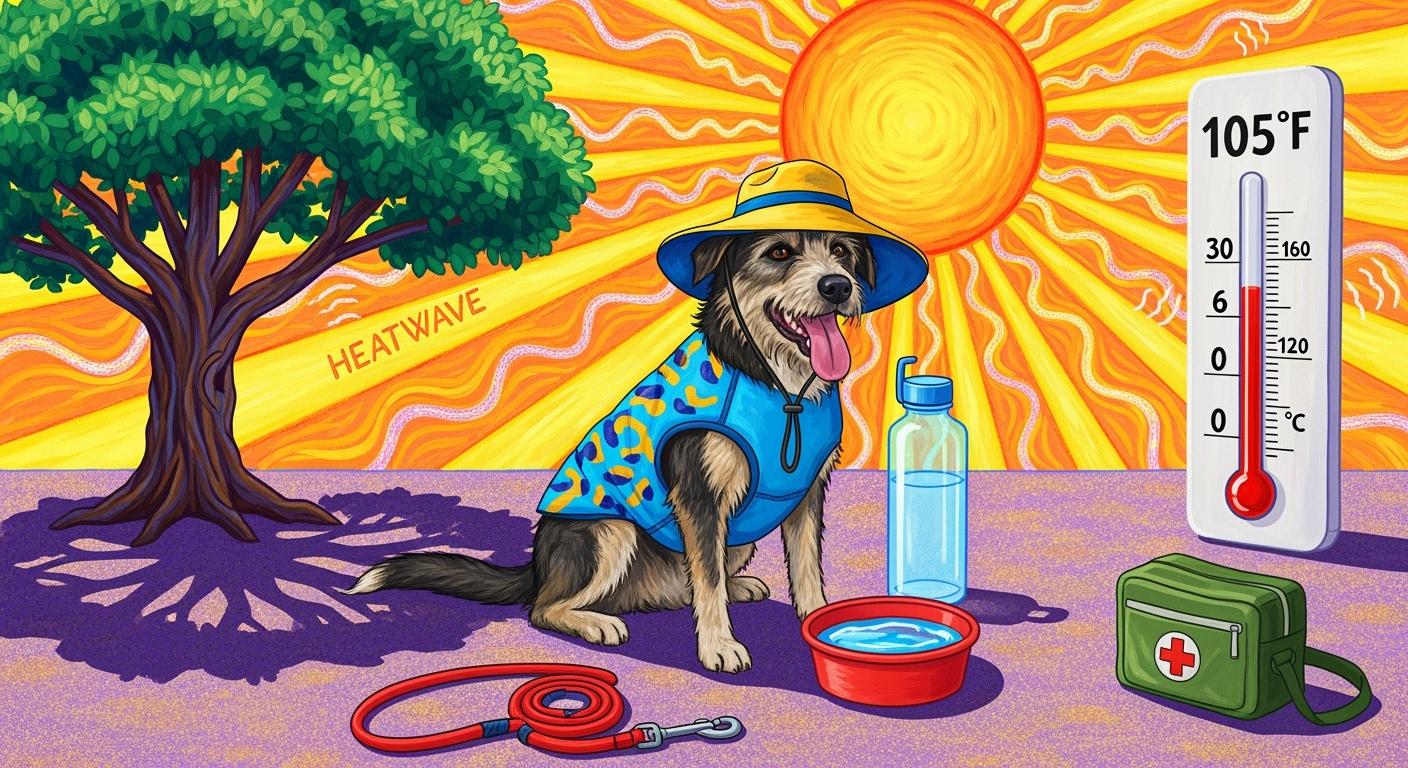
Extreme heat emergency preparedness and the right safety gear for dogs can save lives. Cooling equipment and other tools help during heatwaves, power outages, and evacuations. You need the right gear to keep your dog safe from heatstroke. Good pet cooling items and summer safety tools help you act fast when it gets hot.
Dog Cooling Gear: Vests, Cooling Harnesses, Mats, and Bandanas
Dog cooling gear keeps your dog cool in hot weather. Cooling vests, harnesses, mats, and bandanas use evaporative technology. You soak them in water, wring them out, and put them on your dog. The water dries and pulls heat away from your dog’s body.
Cooling vests lower body temperature and help prevent heatstroke.
Evaporative vests stop hyperthermia during activity in hot places.
Cooling vests help dogs cool down faster after exercise.
Dogs wearing cooling vests recover their core temperature quickly in summer.
Pick light-colored mesh cooling vests for better airflow. Reflective gear helps you see your dog in the early morning or late evening. Cooling mats and bandanas give extra comfort inside or in cars. Always check the fit so your dog can move easily.
Tip: Use evaporative vests for walks, travel, or play outside. Change the water often to keep your dog cool.
Hydration Gear: Portable Bottles, Collapsible Bowls, and Vet-Approved Electrolytes
Water is the most important part of any extreme heat emergency plan for dogs. You must keep your dog hydrated all the time. Portable water bottles and collapsible bowls make it easy to give water during outings, evacuations, or power outages.
Portable water bottles let you give your dog water anywhere.
Collapsible bowls are light and easy to carry in a heatwave emergency kit for dogs.
Frozen treats, like broth cubes or fruit, help your dog stay cool and drink more.
Vet-approved electrolytes help dogs recover from heatstroke or dehydration.
Give water every 15-30 minutes during walks or travel. Carry extra water in your summer safety kit. If your dog will not drink, try frozen treats or flavored water. Always keep water clean and fresh.
Note: Never force your dog to drink a lot at once. Small sips help stop stomach upset.
Paw and Skin Protection: Boots, Paw Wax, and UV-Protective Clothing
Hot pavement can burn your dog’s paws very quickly. Paw and skin protection is an important part of extreme heat emergency preparedness for dogs. Dog boots and paw wax make a barrier between paws and hot ground.
Dog booties protect paws from burns and injuries on hot pavement.
Paw wax makes a shield on paw pads for dogs who do not like boots.
Good boots use breathable materials for comfort and heat safety.
UV-protective clothing keeps your dog’s skin safe from sunburn and overheating.
Check the fit of boots before each walk. Put on paw wax often, especially after swimming or walking on rough ground. Use UV-protective shirts or vests for dogs with thin fur or light skin.
Protection Type | Benefits | When to Use |
|---|---|---|
Dog Boots | Stop burns, scrapes, and injuries | Walks on hot pavement |
Paw Wax | Easy to use, shields paw pads | Short trips, sensitive dogs |
UV Clothing | Blocks sun, keeps skin cool | Outdoor play, travel |
Alert: Always try boots indoors first. Some dogs need time to get used to new gear.
Safety Harnesses and Leashes for Secure Control During Emergencies
Safety harnesses and leashes help you control your dog in heat emergencies, evacuations, or crowded places. Extreme heat emergency preparedness safety gear for dogs should be strong, secure, and easy to see.
Strong harnesses last through emergencies and rough use.
Secure hardware, like locking clips, stops escapes.
Reflective stitching or LED lights help you see your dog in low light.
A good fit gives comfort and control, which is important in heat emergencies.
Pick harnesses made from breathable mesh to keep your dog cool. Reflective leashes and collars add extra summer heat safety. For dogs who need help moving, GaitGuard braces and lift-aid devices give support and stability. These products help you help your dog during walks, travel, or evacuations.
Tip: Practice using safety gear for dogs in hot weather before an emergency. Make sure your dog feels safe and comfortable.
Extreme heat emergency preparedness safety gear for dogs helps you worry less. You can protect your dog from heatstroke, burns, and dehydration. Always keep your heatwave emergency kit for dogs ready and check your gear before each trip. Keeping your dog cool and safe lets you enjoy summer together.
Identification and Travel Gear for Heat Emergencies
When you get ready for extreme heat, think about your dog’s safety. You may need to leave home fast. The right identification and travel gear helps you be ready for evacuations or sudden weather changes.
Up-to-Date ID Tags and Microchips
Always keep your dog’s ID tags up to date. The tag should have your phone number and address. Microchips give extra safety if your dog gets lost in a heatwave or evacuation. Shelters and vets can scan microchips to find your dog. This helps your dog get home faster. Check your contact details with the microchip company every year.
Tip: If you leave home, add a tag with your new address.
Crates, Carriers, and Travel Crates with Ventilation
A strong crate or carrier keeps your dog safe when you travel. Good airflow is very important in hot weather. Try these tips to keep the crate cool:
Keep the crate out of direct sunlight to stop heat.
Put the crate near vents or fans for better air.
Make sure air can move through both sides.
Do not put the crate near ovens or electronics.
Pick a cool place, like a basement or north room.
Leave space around the crate for air to move.
Use battery fans outside for more airflow.
Lift the crate up so air can go underneath.
Use shade that blocks sun but lets air pass.
A crate with good airflow helps stop overheating. It keeps your dog comfortable during travel.
Transport Tips for Moving Dogs Safely in Extreme Heat
Safe travel is very important in extreme heat. Use these ways to protect your dog:
Use a car with air-conditioning and watch the temperature.
Pick a car with space for water and cooling items.
Bring a dog first aid kit in your car.
Plan your trip to skip traffic and long stops.
Never leave your dog alone in a parked car.
Note: Always bring extra water and cooling gear when you travel with your dog in hot weather.
With the right identification and travel gear, your dog can stay safe and comfortable in any heat emergency.
How to Build a Dog Emergency Kit for Extreme Heat
Getting ready for extreme heat means making a good emergency kit for your dog. You should get the kit ready before a heatwave, power outage, or if you need to leave home fast. A good kit helps you act quickly and keeps your dog safe when it gets hot.
What to Pack in a Heatwave Emergency Kit for Dogs
Your kit should have everything your dog needs. Pack things for water, health, ID, and comfort. Use this checklist to help you remember what to bring:
Copies of vet records and rabies certificate
Vaccination papers and a health summary
Medicine and enough for two weeks
Two weeks of food for each dog
Two weeks of water for each dog
Dishes that do not spill
One month of flea, tick, and heartworm medicine
Leash, collar with ID, and harness
Pet first aid book and kit (gauze, bandages, pet-safe spray)
Recent photos of each dog
Microchip details
Printed feeding and medicine instructions
Emergency contact info
Add safety gear for dogs in hot weather, like cooling vests, water bottles, bowls, and UV-protective clothes. If your dog has trouble moving, pack GaitGuard braces and lift-aid tools. These items help your dog stay safe and comfortable during emergencies.
Tip: Keep extra paw wax and dog boots in your kit. They protect paws from hot ground if you need to leave home.
How Much Water to Store and How to Carry It
Water is the most important thing in your kit. You need water for drinking, cooling, and cleaning. Store one ounce of water per pound of your dog’s weight each day. For a 60-pound dog, you need at least half a gallon daily. Dogs may need more water if they are stressed or hurt.
For a medium dog, carry at least one gallon of water or more. Use bottles and bowls that are easy to carry for walks or trips. Plan to stop often for water, especially when it is hot or if you must leave home. Always keep water fresh and clean.
Note: Dogs drink more during heatwaves. Give small amounts often to stop dehydration.
Where to Keep the Kit for Fast Access
Keep your dog’s emergency kit where you can grab it fast. Store it in a plastic bin or strong bag. Put it next to your family emergency kit so you can find it easily.
Keep the kit in a cool, dry spot away from the sun. If you need to leave home, you can take the kit quickly. If the power goes out, you will know where it is. This helps you act fast and keeps your dog safe.
Tip: Check where your kit is every season. Move it if you change your plan or move to a new place.
Checking Dates and Replacing Supplies Regularly
You need to keep your dog’s emergency kit up to date. Some things can expire or run out. Use this table to help you remember when to check and replace things:
Maintenance Task | Frequency | What to Check |
|---|---|---|
Expiration dates | Every 6 months | Saline solution, ointments, medications |
Supply levels | After each use | Gauze, bandages, gloves |
Equipment function | Quarterly | Thermometer battery, scissors sharpness |
Contact information | Annually | Vet numbers, emergency clinic hours |
Check food and water often. Replace old medicine and first aid items. Update your emergency contacts and vet records every year. Make sure cooling gear, harnesses, and GaitGuard products work and fit your dog.
Alert: Always try safety gear for dogs in hot weather before a heatwave. Make sure your dog is okay with new gear.
A heatwave emergency kit for dogs helps you feel calm. You can keep your dog safe during heat, power outages, or if you need to leave home. Get your kit ready, check it often, and be prepared for anything.
Safe Use of Dog Cooling Gear
Fitting Cooling Vests, Harnesses, and Other Gear Correctly
You want your dog cooling gear to work well and feel comfortable. Measure your dog around the chest and from collar to tail before you buy a vest or harness. Make sure the gear fits snug but not tight. Adjust straps and fasteners so air can move freely. Always check that your dog can walk and breathe easily. Rinse the harness with cold water after each use and let it air dry. Hand wash every few weeks with mild detergent to keep it fresh. Store the gear in a cool, dry place away from sunlight.
How Long to Use Cooling Products and When to Take Breaks
Cooling vests and mats help cool your pet during walks or play. Use cooling gear for short periods, usually 30 to 60 minutes at a time. Take breaks in the shade and let your dog rest. If the vest dries out or your dog seems tired, remove the gear and offer fresh, cool water. Never use ice or very cold water to cool your dog. Cooling too quickly can be risky. Use cool water instead for safe results.
Mistakes to Avoid
Some mistakes can make cooling gear less effective or even unsafe. Avoid these common errors:
Do not use gear that is too small or too large for your dog.
Never rely only on cooling gear; always provide water and shade.
Avoid using cooling gear in direct sunlight without shade.
Keep your dog indoors during peak heat hours.
Watch for signs of overheating, such as heavy panting or weakness.
Always consider your dog’s age, breed, and health when choosing safety gear for dogs in hot weather.
Cleaning and Caring for Heat Safety Equipment
Clean your dog’s cooling gear often to prevent odor and bacteria. often to prevent odor and bacteria. Rinse with cold water after each use. Hand wash with mild soap every few weeks. Check for wear and tear and replace damaged gear. Store all items in a cool, dry place. Proper care helps your heatwave emergency kit for dogs last longer and keeps your dog safe during extreme heat events.
Task | How Often | Why It Matters |
|---|---|---|
Rinse after use | Every time | Removes sweat and dirt |
Hand wash | Every few weeks | Prevents odor and germs |
Check for damage | Monthly | Ensures safety |
Store properly | Always | Keeps gear ready |
Special Care for Vulnerable Dogs in Extreme Heat
Extra Protection for Senior Dogs and Puppies
Older dogs and puppies need more help in hot weather. Their bodies do not cool down as well as adult dogs. You can keep them safe by doing these things: keep them inside in cool rooms, give them cold water with ice cubes, make shady spots outside, walk them early or late, use cooling vests or bandanas, and watch for signs of overheating. Do not leave them outside long when it is hotter than 70°F. If you see heat stress, cool them down fast and call your vet.
Short-Nosed (Brachycephalic) Breeds and Breathing Challenges
Dogs like Bulldogs, Pugs, and Boxers have short noses and flat faces. They cannot pant well, so they get hot faster. You should limit their time outside during the hottest hours, keep them inside when it is hot, give them water often, use pet cooling products, and protect their paws from hot pavement. These breeds need extra care during extreme heat emergency preparedness for dogs.
Dogs with Heart, Lung, or Endocrine Conditions
Dogs with heart, lung, or endocrine problems have a harder time in hot weather. You should not let them do hard exercise, keep them in air-conditioned rooms, watch for breathing or heart problems, and use safety gear for dogs in hot weather like cooling harnesses. If your dog has trouble moving or is healing from surgery, GaitGuard braces and lift-aid devices can help you support them safely during heatwaves.
Adjusting Exercise and Daily Plans for High-Risk Dogs
High-risk dogs need changes to their daily routine when it is hot. Try these tips:
Time of Day | Activity Suggestions |
|---|---|
Early Morning | Take short, gentle walks |
Midday | Play inside, rest, and take cool breaks |
Evening | Do light exercise in shaded areas |
Always look for signs of overheating. Keep your heatwave emergency kit for dogs ready and use cooling gear when needed. With good care and support, your dog can stay safe and comfortable all summer.
When to Call the Vet During a Heat Emergency
Extreme heat emergency preparedness for dogs means knowing when you need professional help. Some signs show your dog needs a vet right away. Acting fast can save your pet’s life.
Emergency Signs That Require Immediate Veterinary Care
Watch for these warning signs during a heatwave. If you see any, call your vet or go to an emergency clinic:
Vomiting or diarrhea
Weakness or collapse
Seizures
Blue or gray gums (shows lack of oxygen)
Heavy panting that does not stop
Alert: Flat-faced breeds, very young or old pets, and dogs with thick coats or heart problems face higher risks. Do not wait if you notice these symptoms.
First Aid Steps You Can Take on the Way to the Clinic
You can help your dog before you reach the vet. Follow these steps:
Move your pet to a cooler place, away from sunlight.
Wet your dog’s body with cool water, focusing on paws, belly, and neck.
Use wet towels or a fan to keep air moving and help cooling.
Offer small sips of cool water if your dog is alert. Never force water.
Keep watching for changes and get to the vet quickly.
Tip: Always keep safety gear for dogs in hot weather and a heatwave emergency kit for dogs ready. These tools help you act fast.
How to Find Emergency Help When Your Regular Vet Is Closed
Sometimes your regular vet is not open. You need to know where to go. Search for 24-hour animal hospitals in your area. Save their phone numbers in your phone. Ask your local vet for a list of emergency clinics. Many cities have animal poison control hotlines and pet emergency services.
Resource Type | How to Find It |
|---|---|
24-hour clinics | Online search, vet referral |
Animal hotlines | Local government websites |
Emergency contacts | Pet insurance, rescue groups |
Keeping Emergency Contacts and Clinic Numbers Ready
Prepare before a heatwave. Write down your vet’s number, emergency clinics, and animal hotlines. Keep this list in your heatwave emergency kit for dogs and on your phone. Update it every year. Share it with family members so everyone knows what to do.
Note: Quick action and good planning help keep your dog safe during extreme heat emergencies.
You can keep your dog safe from heat by planning ahead and using the right safety gear for dogs in hot weather. Check your heatwave emergency kit for dogs regularly and make sure your plans are up to date. Watch your dog closely during every heatwave, especially if they are older, a short-nosed breed, or have health problems. Try reliable products like GaitGuard braces and cooling gear to support dogs who need extra help. Start now so your dog can stay safe, comfortable, and happy all summer long.
FAQ
What is the most important item in a heatwave emergency kit for dogs?
Water is the most important item. You should pack enough clean water for your dog to drink and cool down. Portable bottles and collapsible bowls help you give water anywhere.
How often should you check your dog’s safety gear for dogs in hot weather?
Check your dog’s safety gear every month. Look for damage, dirt, or poor fit. Clean and replace items as needed to keep your dog safe during extreme heat emergency preparedness for dogs.
Can you use cooling vests indoors?
Yes, you can use cooling vests indoors. They help your dog stay cool in rooms without air conditioning. Always watch your dog and remove the vest if it dries out or your dog seems uncomfortable.
What should you do if your dog refuses to drink water during a heatwave?
Try offering ice cubes, frozen treats, or flavored water. Use a collapsible bowl from your heatwave emergency kit for dogs. If your dog still refuses, contact your vet for advice.
Are GaitGuard braces safe for dogs with injuries during hot weather?
GaitGuard braces use medical-grade materials and adjustable designs. You can use them safely as part of your safety gear for dogs in hot weather. Always follow your vet’s instructions for best results.