
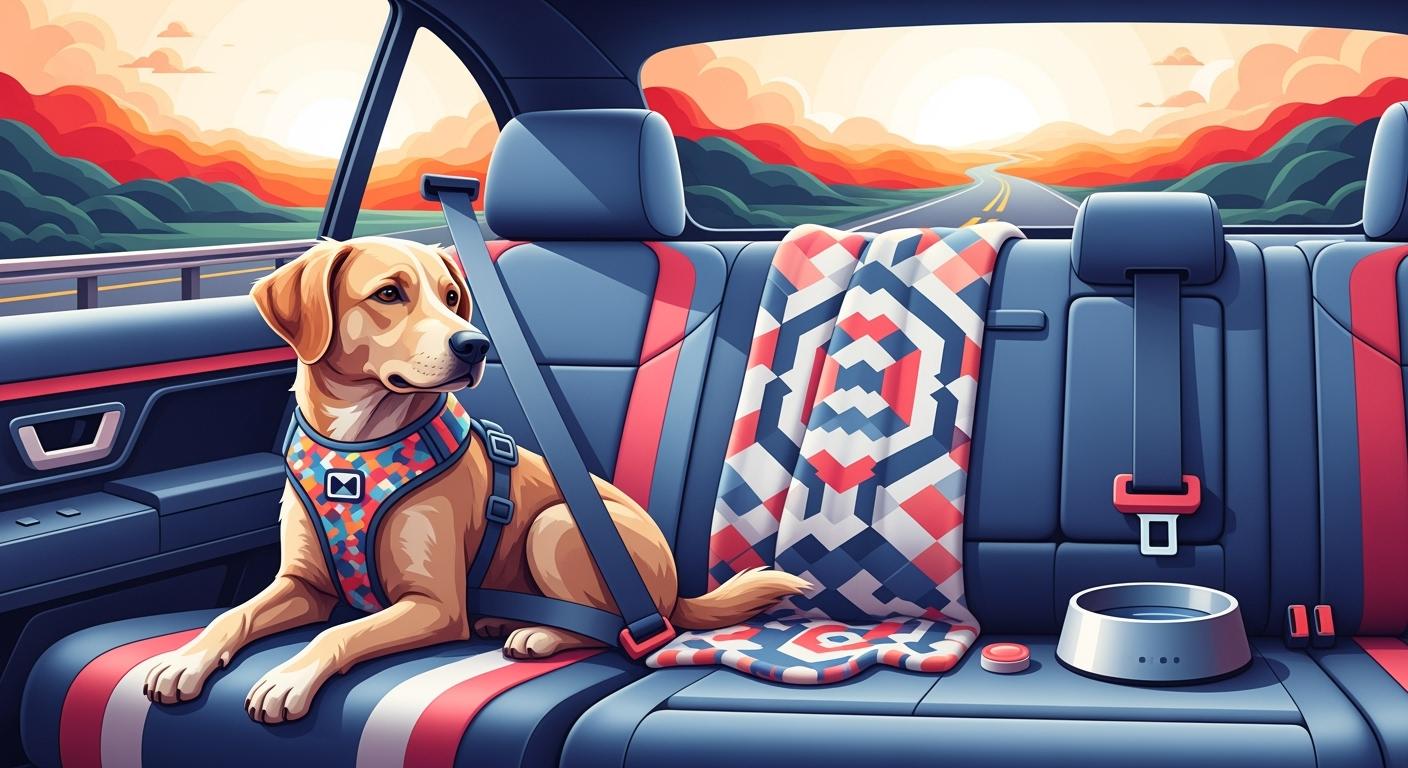
When you travel with your dog, you want every trip to feel safe and stress-free. Good canine travel safety & stability gear keeps your pet secure in the car and more comfortable wherever you go. It reduces the risk of injury during sudden stops and helps prevent slips or falls around the vehicle.
Dog car seat covers keep seats clean and can add extra grip.</p></li>
Dog car seat belts (tethers) hold your dog in place and reduce movement.
Well-fitted harnesses protect your dog if you need to brake hard.
Brands like GaitGuard design gear that supports your dog’s health as well as their safety. These products can help dogs recovering from injury, senior dogs, and anxious travelers feel more stable on the road. In this guide, you’ll find simple tips for choosing gear that fits your dog and learn how to use it correctly on every journey.
Key Takeaways
Always use canine travel safety gear to keep your dog safe in the car. This helps stop injuries if you stop fast or have a crash.
Pick the right gear for your dog’s size, age, and health. Good fitting gear keeps your dog comfy and safe when you travel.
Let your dog get used to new travel gear slowly. Give treats and praise so your dog feels good about it.
Check and change old gear often to keep your dog safe. Look at harnesses and leads before each trip.
Buy good quality gear for better safety. Custom gear can make your dog even safer and more comfortable.
Why Canine Travel Safety Matters
Risks of Unrestrained Dogs in Cars
When you travel with your dog, safety should come first. An unrestrained dog can suffer serious harm in a crash. Sudden stops can send your pet flying inside the car. Unrestrained pets can become projectiles, and their bodies may hit the windshield or side of the vehicle. This can cause injury to both your dog and the people in the car. Even a small dog can create a huge force during a collision. For example:
Dog Weight | Speed (mph) | Force Exerted (lbs) |
|---|---|---|
10 lbs | 50 | 500 |
80 lbs | 30 | 2400 |
“A pet that weighs 50 pounds, in a 35 mph collision, is projected forward like a cannonball with 1,500 pounds of force… can cause critical injuries to the folks in the front seat.” – Katherine Miller, American Society for the Prevention of Cruelty to Animals
Using canine travel safety & stability gear, such as a crash-tested harness or crate, helps keep your dog secure and prevents distractions while you drive.
Extra Challenges for Senior, Disabled, or Anxious Dogs
Senior, disabled, or anxious dogs face extra risks during dog transport. These dogs are more likely to get motion sickness. They may feel scared or stressed by car rides. You can help by taking short trips to get your dog used to the car. Calming music or gentle scents can make travel easier. Some dogs do better if you feed them a small ginger snack before the trip. Never leave your dog alone in a parked car, as temperatures can rise quickly and become dangerous.
Legal and Insurance Considerations (General Overview)
Many places have laws about restraining pets in vehicles. For example, some regions require dogs to ride in the back seat with a restraint. Not following these rules can lead to fines or points on your license. If you have an accident and your dog is not secured, your insurance company might deny your claim. This can lead to big costs and more stress. Using proper dog transport gear protects your pet and helps you follow the law.
Common Dog Transport Risks
Sudden Stops, Sharp Turns, and Collisions
Traveling with your pet can be risky if you do not use proper canine travel safety gear. Many pet owners drive with their dogs at least once a month, but a large number do not use restraints. When you stop suddenly or turn sharply, your pet can slide, fall, or even be thrown forward. This can cause serious injuries. Always use a car safety harness for dogs, a crate, or a booster seat to keep your pet secure. Safety should be your top priority every time you travel.
Jumping or Falling from Seats or Cargo Areas
Dogs can jump or fall from seats or cargo areas during a trip. This risk increases if you do not use stability gear for dogs. The following table shows some of the most effective ways to prevent these accidents:
Method | Description |
|---|---|
Dog Car Seat | Best for small breeds, especially with a crash-tested harness. |
Dog Car Hammock | Protects seats and stops pets from falling during sudden stops. |
Car Divider | Creates a safe space and prevents distractions. |
Dog Ramp | Helps pets get in and out of the car safely. |
Doggie Seat Belt | Clips onto the harness and locks into the seat belt latch. |
Traveling Crates | Secure with a seat belt to prevent movement. |
Cargo Barriers | Stops pets from jumping into the front seat. |
Slipping on Smooth Surfaces When Entering or Exiting
Many pets slip on smooth car floors or garage surfaces when getting in or out. This can lead to sprains or even broken bones. You can use non-slip mats or portable ramps as mobility aids for senior dogs or pets with weak joints. Support harnesses for travel also help you guide your pet safely over tricky spots.
Stress, Noise Sensitivity, and Motion Sickness
Travel can cause stress, especially for puppies or dogs not used to car rides. Loud noises and new smells may make your pet anxious. Stress can weaken the immune system, making puppies more likely to get sick. To help, bring familiar bedding or toys, and take short practice trips. If your pet gets motion sickness, try feeding a small meal a few hours before travel and keep the car well-ventilated.
Tip: Always check that your dog is comfortable and secure before starting your trip. Canine travel safety gear and stability gear for dogs can make every journey safer and less stressful.
Car Safety Harnesses and Seat Belt Systems
Harness vs. Collar Safety in the Car
You want your dog safe every time you drive. Harnesses protect dogs better than collars do. Collars can hurt your dog’s neck if you stop fast. Harnesses spread force over the chest and shoulders. This lowers the chance of injury. Crash-tested harnesses are best for car rides.
“A crash-tested harness with anchor points is the only way proven to keep dogs safe in a crash.”
Harnesses spread force and help prevent neck injuries.
Collars can cause bad neck injuries and are not good for car rides.
Crash-tested harnesses keep dogs safe if you stop quickly.
Seat Belt Tethers and Restraint Systems for Different Vehicles
There are many seat belt systems for dogs. Each one fits different cars and needs.
Type of Seatbelt | Description |
|---|---|
3-Point Safety Belt | Makes a Y-shape, buckles in the middle, spreads crash force. |
Belt-in-Seat | Connects to the seat, not the support bar. |
5-Point Seatbelt | Used for kids, has shoulder, lap, and leg belts. |
Automatic Seatbelt | Holds people when the door shuts or car starts. |
Locking Retractors | Tightens in a crash to stop movement. |
Lap belts, shoulder belts, and three-point belts are common. Automatic seat belts and locking retractors give extra safety. Pick a system that fits your car and your dog’s size.
Fitting and Adjusting a Car Safety Harness Correctly
You must fit your dog’s harness the right way. Measure your dog’s chest and neck before buying. Make sure the harness is snug but not too tight.
Use a carabiner to clip the harness to the seat belt.
Make sure the chest plate is wide and soft for comfort.
Check buckles and metal parts for strength.
Wash the harness often to keep it clean.
Feature | Description |
|---|---|
Crash Tested | For dogs up to 75lbs |
Buckles | All steel nested style |
Chest Plate | Wide, padded for comfort |
Seatbelt Tether | 10″ tether with steel carabiner |
Compatibility | Works with any seat belt system |
When to Choose Crash-Tested or Medical-Grade Products
Crash-tested and medical-grade gear gives the most safety. Look for certifications from groups like the Center for Pet Safety (CPS).
Crash-tested harnesses use child seat rules.
CPS certification means the gear passed hard tests.
Not all harnesses are crash certified, so check before buying.
Certified dog safety gear protects your pet and family. Good canine travel safety & stability gear helps you feel calm on every trip.
Travel Crates, Carriers & Barriers
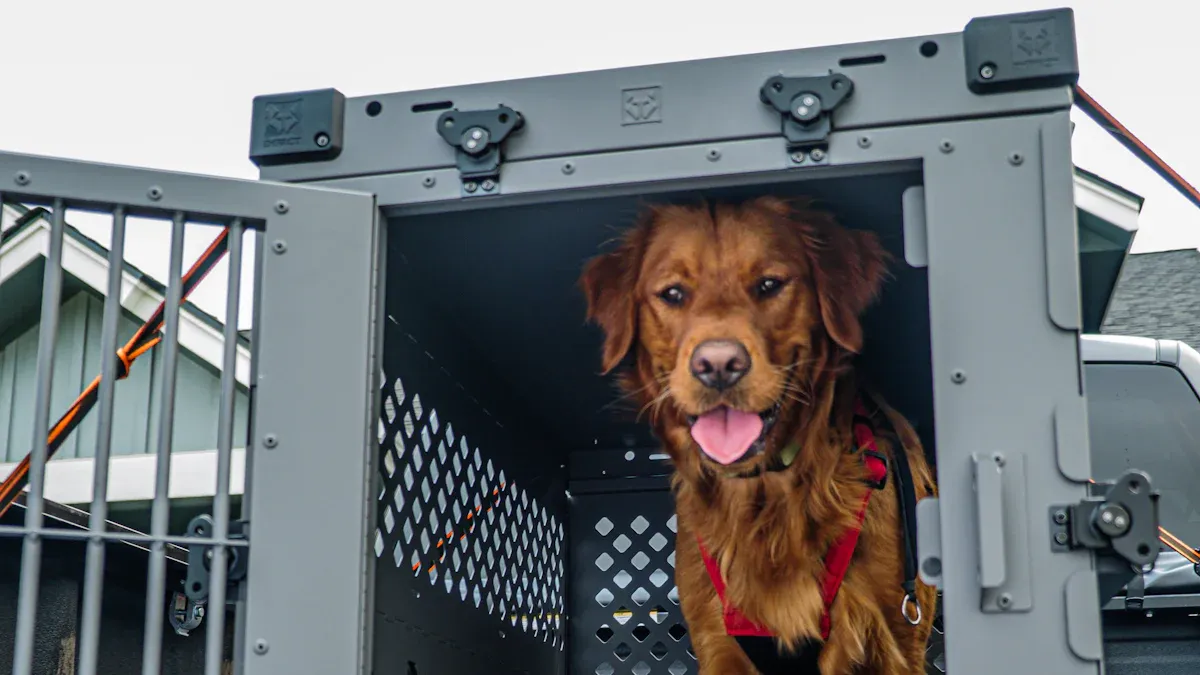
Pros and Cons of Travel Crates and Carriers for Dogs
Travel crates and carriers keep your dog safe while you travel. They have good and bad sides, shown in the table below:
Advantages | Disadvantages |
|---|---|
Gives the safest way to move your dog | Needs enough space in the car |
Easy to clean with a waterproof bottom | Costs more than some other choices |
Made for comfort and safety |
Crates made for travel are best for safety. Pick a crate that lets your dog stand, turn, and lie down. Add padding to help stop injuries. Crates and carriers are great for dogs with back or neck problems.
Where to Place and How to Secure Crates in the Car
You must keep the crate from sliding when you drive. Put the crate in the back seat or cargo area. Keep it away from airbags. Use seat belts or straps to hold the crate tight. Make sure you can still see out the windows. Big dogs need crates in the cargo area. Small or busy dogs do best in carriers.
Vehicle Barriers for SUVs and Hatchbacks
Barriers keep pets safe in SUVs and hatchbacks. You can put up barriers on headrests without tools. Steel barriers are strong and last a long time. They work well for big dogs. Many barriers look nice and do not block your view. You can move light barriers between cars. Adjustable barriers fit many types of vehicles.
Comfort Tips: Bedding, Ventilation, and Familiar Scents
Comfort is important when you travel. Use bedding that soaks up messes in crates. Washable bedding stops bunching and keeps pets safe. Memory foam or orthopedic bedding helps older dogs with sore joints.
Bedding Type | Description |
|---|---|
Washable bedding | Stops bunching and keeps pets safe. |
Memory foam/orthopedic | Good for older dogs with joint pain. |
Absorbent bedding | Needed by airlines, lines the crate with soft material. |
Put a worn t-shirt with your smell in the crate. This helps your pet feel calm. Play soft music or white noise to relax nervous pets. Good airflow keeps your pet cool and safe. Canine travel safety gear and stability gear for dogs make trips easier.
Stability Gear for Getting In and Out of the Car
Ramps and Portable Stairs for Senior or Heavy Dogs
Getting in and out of the car is one of the riskiest moments for many dogs, especially seniors, large breeds, or pets with mobility issues. Ramps, portable stairs, non-slip mats, and support harnesses are simple stability tools that turn this tricky step into a safer routine. With the right setup, you protect your dog’s joints and your own back at the same time.
Feature | Description |
|---|---|
Low angle of ascent/descent | Helps dogs feel less scared when getting in or out. |
Wide decks | Makes it easier for older or heavy dogs to stay steady. |
Lightweight and portable | Simple to move and fits many cars. |
Supports up to 250 lbs | MAX model holds up to 300 lbs for big dogs. |
Ideal for SUVs, trucks, trailers | Works with many types of vehicles. |
Washable carpeting | Gives dogs strong grip so they do not slip. |
Endorsed by professionals | Vets, groomers, and trainers suggest ramps for safety. |
Non-Slip Mats and Traction Solutions for Car Floors and Garages
Smooth car floors and garage surfaces can be dangerous for dogs. Dogs can slip and get hurt on these surfaces. Non-slip mats and pads help dogs stand and walk safely. These mats are important for older dogs or those with weak joints. Mats lower the chance of falling and getting hurt. You can put mats on car floors, steps, or in the garage. They are easy to clean and move around.
How Support Harnesses Help on Steps, Curbs, and Slippery Surfaces
Support harnesses help you guide your dog over steps and curbs. They also help on slippery spots. GaitGuard’s lifting straps and braces give extra help to dogs that have trouble moving. You can use these tools to keep your dog safe and stop falls. Stability gear for dogs makes trips safer for older or healing pets. Using the right canine travel safety gear helps your dog feel safe and happy every time you travel.
Braces & Support Harnesses for Travel
Joint Braces for Dogs with Weak Knees, Hips, or Backs
You want your dog to move safely when you travel. Joint braces help dogs with weak knees, hips, or backs. These braces make walking and riding in the car easier. There are different types of joint braces. Each one helps a certain part of your dog’s body.
Type of Brace | Function |
|---|---|
Knee Brace | Gives support to the knee and helps your dog walk better. |
Hip Brace | Holds the hip steady, lowers pain, and helps your dog move. |
Back Brace | Supports the back, eases pressure, and helps your dog heal. |
Braces work best if you pick the right size and fit. Good, adjustable gear helps your dog heal and stay comfy.
Lift and Support Harnesses for Frail or Recovering Dogs
Support harnesses help you control your dog and keep them safe. These harnesses help dogs get in and out of cars. They also help dogs walk up stairs and move after surgery or injury. You can use harnesses for quick potty breaks. They help your dog balance. Some harnesses, like the CareLift™ Support Harness, spread your dog’s weight. This makes lifting easier for you. Others, like the Max & Neo Dog Lift Support, help older or disabled dogs get past obstacles.
Help dogs keep balance and stay active with full support
Help with stairs, getting in cars, and short walks
Give gentle support without hurting joints
Give full-body support for lifting and moving
How Brands Like GaitGuard Design Gear for Stability on the Road
GaitGuard makes stability gear with special features for travel safety. Their products have reflective strips and strong buckles. These keep your dog safe and easy to see. Soft padding protects your dog’s skin and stops rubbing. Adjustable straps help you get the best fit. Lift-assist handles make it easier to help your dog in tough spots. Breathable materials keep your dog cool and comfy. These features make GaitGuard gear simple to use and good for trips.
Feature | Importance |
|---|---|
Safety Features | Reflective strips and strong buckles keep your dog safe and easy to see. |
Comfort and Padding | Soft padding stops rubbing and protects your dog’s skin. |
Easy to Put On and Take Off | Simple designs make it easy to help your dog, even if they have trouble moving. |
Adjustable Straps | Adjustable straps help you get the best fit for your dog. |
Handle Placement and Support | Lift-assist handles help you support your dog in tough spots. |
Breathable Materials | Lightweight, breathable materials keep your dog cool and comfortable. |
GaitGuard’s anti-licking dog braces and rehab gear help dogs recover after injury or surgery. You can use these products as mobility aids for older dogs or pets with special needs.
When to Ask Your Veterinarian About Using Braces or Harnesses for Travel
Always talk to your vet before using medical-grade braces or harnesses. This is important if your dog has health problems. Your vet can help you pick the right canine travel safety gear and stability gear for dogs. They can show you how to fit and use the gear the right way. This keeps your dog safe and helps them heal.
Tip: Pick good, adjustable gear for comfort and support. Ask your vet for help if you are not sure.
Choosing the Right Canine Travel Safety & Stability Gear
Matching Gear to Your Dog’s Size, Age, and Health
You want your dog safe and comfy when you travel. Start by thinking about your dog’s size, age, and health. Puppies, older dogs, and dogs with special needs need extra care. Measure your dog before you buy a carrier or harness. The kennel should let your dog sit up and turn around easily. Do not pick a kennel that is too big, because it can be unsafe.
Measure your dog so the carrier fits well.
Pick a kennel that lets your dog move easily.
Do not use kennels that are too large.
Think about your dog’s comfort and travel needs.
If your dog is old or has trouble moving, stability gear for dogs like ramps or support harnesses for travel can help. These tools make getting in and out of the car safer. Always choose gear that matches your dog’s health and how active they are.
Fit, Materials, Adjustability, and Ease of Use
The fit of canine travel safety & stability gear is important for safety and comfort. A harness should be snug but not too tight. Use the ‘two-finger rule’ to check if it fits right. Strong materials like ballistic nylon and steel hardware make gear last longer. Adjustable straps help you fit the gear to your dog’s body. This keeps your dog safe and comfy while you travel.
Feature | Benefit |
|---|---|
Secure Fit | Lowers the chance of injury |
Durable Material | Stays strong and lasts longer |
Adjustability | Fits many body shapes |
Easy to Use | Simple to put on and take off |
Look for gear that is easy to clean and simple to use. Breathable fabrics help keep your dog cool. Soft padding protects your dog’s skin. These things make travel safer and more fun.
When to Invest in High-Quality or Custom Solutions
You might wonder when to buy high-quality or custom gear. Most people think of their pets as family. Good gear helps you feel calm and keeps your dog safe. More families travel with pets now, so safe gear matters.
“Your dog is more than a pet. They’re family. Choosing the best dog transport company ensures your dog receives the care, safety, and attention they deserve during travel.”
Think about high-quality or custom gear if your dog has special needs, travels a lot, or if you want the best protection. Custom gear can fit better and have extra comfort and safety features. Buying top canine travel safety & stability gear shows you care about your dog’s health.
Checking for Wear, Damage, and When to Replace Gear
Check your gear often to keep your dog safe. Look at leads, harnesses, and collars for damage or wear. Replace leads and harnesses every 6 to 18 months, depending on how much you use them and what they are made of.
Get new leads if you see fraying, weak spots, or broken clips.
Change harnesses if buckles wear out or straps fray. Use the ‘two-finger rule’ to check fit.
Replace collars if buckles break or tags are hard to read.
Check your gear before every trip. Broken gear can put your dog in danger. Keeping gear in good shape makes every trip safe and comfy.
Tip: Good gear keeps your pet safe and helps you feel confident when you travel.
Training Dogs to Use Travel Gear
Slow Introduction to Harnesses, Crates, and Ramps
You help your dog feel safe by introducing new gear slowly. Place the harness, crate, or ramp near your dog’s favorite spot. Let your dog sniff and explore the gear without pressure. You can use treats and gentle praise when your dog shows interest. This step-by-step approach helps your dog build confidence. If you use ramps or steps, make sure they are sturdy and easy to climb. This prevents strain and keeps both you and your dog safe.
Place gear in familiar areas.
Allow exploration at your dog’s pace.
Reward curiosity with treats or praise.
Use ramps and steps for easy entry and exit.
Positive Reinforcement and Short Practice Trips
Reward-based training makes learning fun for your dog. Give treats or affection when your dog uses canine travel safety gear or stability gear for dogs. Short practice trips in the car help your dog get used to the new routine. You can start with a few minutes and slowly increase the time. This method boosts learning and memory, strengthens trust, and builds a strong bond between you and your dog.
Benefit of Positive Reinforcement | How It Helps Your Dog |
|---|---|
Faster learning | Accepts gear quickly |
Builds trust | Feels secure |
Strengthens bond | Enjoys travel |
Reducing Travel Anxiety with Routines and Calm Handling
You can lower travel anxiety by keeping a steady routine. Prepare your dog’s travel gear before each trip. Speak in a calm voice and move slowly when handling support harnesses for travel or mobility aids for senior dogs. Familiar bedding or toys can comfort your dog. You help your dog feel relaxed by staying patient and positive. Over time, your dog will see travel as a safe and enjoyable experience.
Tip: Consistency and gentle encouragement make every journey easier for you and your dog.
Dog Hiking & Camping Gear for Travel
Outdoor Safety Accessories for Trails and Campsites
You want your dog safe when hiking with dogs. Outdoor safety accessories help you protect your pet on trails and at campsites. You can use a dog hiking harness for better control. Attach a sturdy leash to keep your dog close. Bring a dog water bottle to prevent dehydration. Clip-on lights and reflective tags help you see your dog in low light. Tick removers and paw protectors keep your dog healthy on rough ground.
Tip: Always check your dog’s paws after a hike. Look for cuts or thorns.
Portable Bowls, Pads, and Rest Areas
You need dog camping gear that makes travel easy. A collapsible bowl lets you give water or food anywhere. You can pack a second collapsible bowl for snacks. A dog water bottle is handy for quick drinks. Use a portable pad to create a soft rest area. This helps your dog relax after a long walk. You can set up a shaded spot with a lightweight tarp. These dog camping essentials keep your pet comfortable.
Item | Use |
|---|---|
Collapsible bowl | Water and food on the go |
Dog water bottle | Hydration during hikes |
Portable pad | Soft place to rest |
Shade tarp | Protection from sun |
Sleeping Bags, Blankets, and Pillows for Dogs
Your dog needs a cozy place to sleep outdoors. Dog camping gear includes sleeping bags, blankets, and pillows made for pets. Choose a dog bed that fits your dog’s size. Sleeping bags keep your dog warm at night. Blankets add extra comfort. Pillows support your dog’s head and neck. You can use stability gear for dogs if your pet has joint pain. These items help your dog rest well after a busy day.
Reflective, Rugged Gear for Low-Light or Rough Terrain
You want your dog visible and safe in all conditions. Reflective gear helps you spot your dog in the dark. Rugged dog hiking accessories protect your pet on rocky trails. Use a reflective vest or collar for night walks. Durable boots shield your dog’s paws from sharp rocks. A dog water bottle is useful for breaks. The best dog hiking gear combines safety and comfort. You can enjoy hiking with dogs when you prepare with the right gear.
Note: Pack extra dog camping gear for long trips. Check all items before you leave.
Travel Scenarios & Practical Safety Tips
Daily Car Rides: Vet Visits, Daycare, and Errands
You take your dog on many short trips. These include visits to the vet, daycare, or quick errands. Always use a car safety harness for dogs or a secured crate. This keeps your pet safe if you stop suddenly. Place a non-slip mat on the seat or floor. Bring a leash and waste bags. For anxious dogs, pack a favorite toy or blanket. Check that your canine travel safety gear fits well before every ride.
Long Road Trips and Family Vacations
Long trips need extra planning. Give your dog breaks every two to three hours. Let your pet stretch, drink water, and go potty. Use stability gear for dogs, like ramps or support harnesses for travel, if your dog has trouble moving. Pack enough food and water for the whole trip. Bring your dog’s medical records and ID tags. Use window shades to block sunlight. Secure your dog with a harness or crate at all times.
Tip: Try short practice drives before a long trip. This helps your dog get used to the car.
Hot- and Cold-Weather Travel Precautions
Weather can change fast. In hot weather, never leave your dog in a parked car. Use sunshades and keep water handy. In cold weather, bring a blanket and check that your dog stays warm. Watch for signs of heatstroke or shivering. Always keep your dog hydrated. Use portable fans or cooling mats in summer. In winter, use a jacket or booties if needed.
What to Pack in a Dog Travel Safety Kit
A good travel kit helps you handle emergencies. Here are items you should pack for any dog transport:
Item | Purpose |
|---|---|
Dog first aid kit | Treats cuts, scrapes, or insect bites |
Water bottle & bowl | Keeps your dog hydrated |
Food & treats | Maintains energy and comfort |
Seat cover | Protects your car and adds comfort |
Leash & tie-out | Keeps your dog safe at stops |
Waste bags | Cleans up after your dog |
Blanket or pad | Provides a soft rest area |
Dog hiking gear | Useful for outdoor adventures |
Check your kit before each trip. Replace used or expired items. With the right gear, you can keep your dog safe and happy on every journey.
You want every journey with your dog to be as safe and comfortable as possible. Investing in the right canine travel safety & stability gear protects your pet and gives you peace of mind. Take a few minutes to review your current setup and look for simple upgrades, from car harnesses and ramps to non-slip mats and support harnesses. Quality brands like GaitGuard offer solutions that support your dog’s mobility and joint health during travel. For the best results, talk to your veterinarian or a pet gear specialist about which products match your dog’s size, age, and health needs.
FAQ
How do you choose the best car safety harness for dogs?
You should measure your dog’s chest and neck. Look for crash-tested harnesses with adjustable straps. Check that the harness fits snugly but does not pinch. Ask your veterinarian for recommendations if your dog has special needs.
What is the safest way to help senior dogs get in and out of vehicles?
You can use ramps or portable stairs with non-slip surfaces. Support harnesses for travel give extra stability. Always guide your dog slowly and offer praise. Place non-slip mats on car floors for added safety.
How often should you check or replace canine travel safety gear?
Inspect gear before every trip. Look for frayed straps, broken buckles, or loose stitching. Replace harnesses and leads every 6 to 18 months, depending on wear. Clean gear regularly to keep it in good condition.
Can stability gear for dogs help with travel anxiety?
Stability gear for dogs, like support harnesses and familiar bedding, can make your dog feel secure. You can introduce gear slowly and use treats to build positive associations. Calm routines help reduce stress during travel.
What should you pack in a basic dog travel safety kit?
You should pack a first aid kit, water bottle, collapsible bowl, leash, waste bags, blanket, and your dog’s ID tags. Add any medications your dog needs. Check your kit before each trip.
