
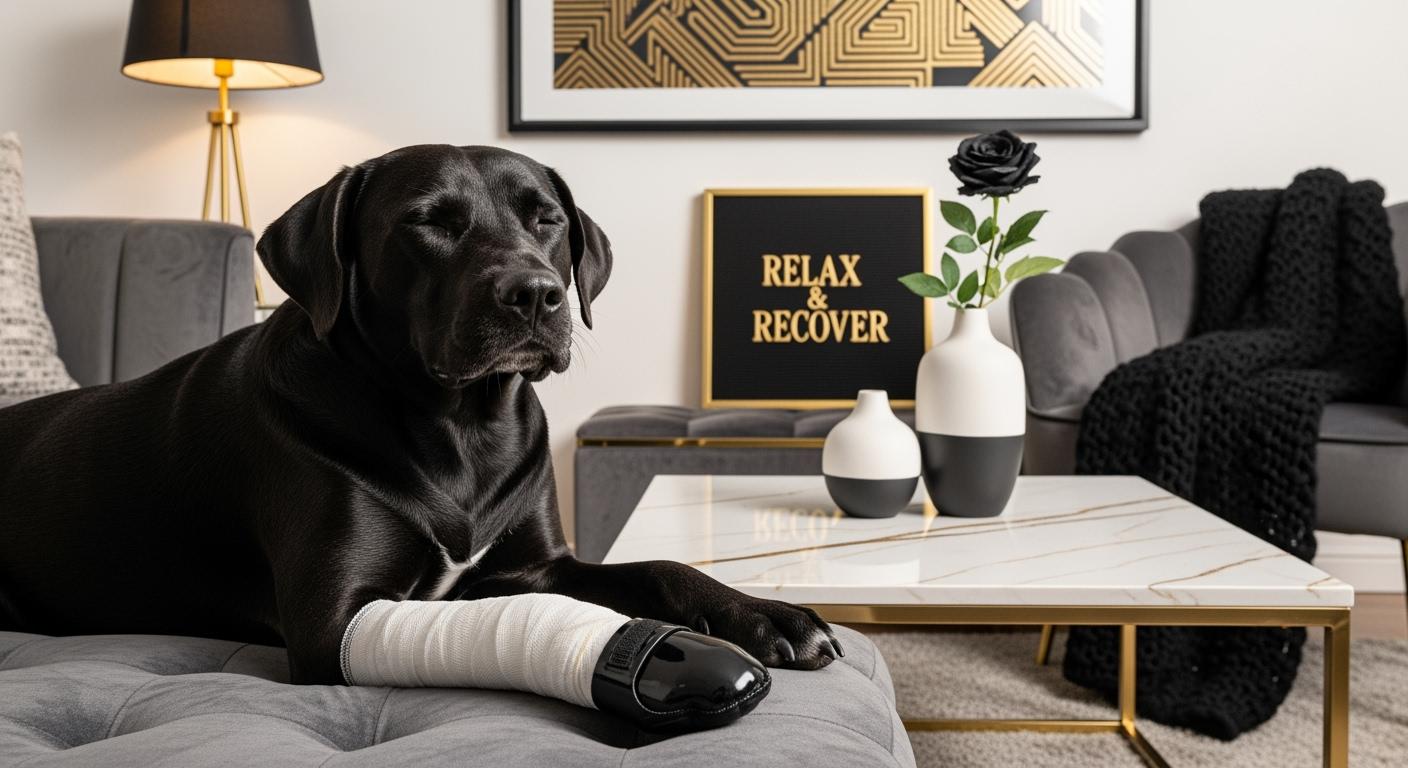
Your vet’s instructions are more important than general advice. Picking the right dog paw cover to stop licking helps keep the bandage clean and dry at home. Dog boots, medical booties, socks, and cones all help in different ways. You need a good fit and should check the cover two times each day for safety. Take off the dog paw cover to stop licking when your dog is inside to avoid wetness. Many dogs try to lick their bandages, which can lead to skin problems, pain, or infections.
Small problems may only need you to fix the bandage.
Big problems, like nerve damage or infection, can take longer to heal.
Choose the dog paw cover to stop licking based on your dog’s actions and the wound. If your dog keeps licking or you see swelling, bad smell, or discharge, call your vet. Always remember, your vet’s instructions are more important than general advice.
Key Takeaways
Pick the right paw cover for your dog. Think about how your dog acts and what kind of wound it has. Dog boots work best outside. Socks are good for inside the house.
Look at the paw cover two times each day. Make sure it fits well. A secure fit helps prevent slipping and rubbing, which can reduce irritation and help protect the bandage.
Remove only the waterproof outer cover indoors to prevent moisture buildup. If your dog tries to lick or chew the bandage indoors (especially at night), use a breathable anti-lick barrier (recovery sleeve/suit) or an E-collar as your primary protection.
Watch your dog carefully. If your dog still licks or chews the cover, you may need an E-collar to keep it safe.
Check the bandage and paw cover every day for 14 days. Doing this often helps you find problems early. Regular checks help you catch problems early and reduce the risk of complications.
Purpose and Limits of Paw Covers
Protecting Bandages from Moisture and Licking
You want to keep your dog’s bandage clean and dry for the best healing. Paw protection helps you block dirt, water, and licking. Dog boots offer strong wound protection and waterproofing, especially during outdoor walks. Socks feel comfortable and work well indoors, but they slip off easily and do not give full wound protection. Waterproofing matters most when you take your dog outside. Some owners report fewer wet/dirty bandage incidents when they use a properly fitted waterproof boot for short outdoor trips. Avoid loose plastic bags, which can slip, trap moisture, and create safety issues. You can use paw protection to reduce licking and keep the wound safe, but you must check the cover often.
Tip: Always remove the paw protection indoors to prevent moisture buildup.
Paw Type | Advantages | Limitations |
|---|---|---|
Dog boots | Durable, strong paw protection, waterproofing | Dogs need time to adjust, sizing is important |
Socks | Lightweight, comfortable, good for indoors | Less durable, slips off, limited wound protection |
Breathable medical booties | Light, breathable, good for supervised indoor use | Not waterproof, may slip, not enough for strong lickers |
Why Paws Are Harder to Cover Than Other Areas
Dog paws have thick pads and claws that help with traction and shock absorption. These features make it hard to fit covers that stay on and still allow normal movement. The pads cushion the bones and joints, so your dog needs paw protection that does not block movement or cause rubbing. You must choose dog boots or covers that fit well and do not squeeze the toes. The metacarpal and digital pads help your dog balance, so poor fit can lead to slipping or discomfort. You need to check the fit every morning and night to keep the wound safe.
Success Depends on Coverage and Dog Behavior
You play a big role in wound protection. If your dog tries to chew or lick through the paw protection, you may need extra barriers. Calm dogs often accept dog boots and keep the wound safe. Persistent lickers may need more than one layer of wound protection. You should watch your dog closely and check the cover two times each day. If the cover slips or your dog chews it, switch to stronger paw protection or use an E-collar. Good coverage and regular checks help you protect the wound and support healing.
When to Use a Dog Paw Cover to Stop Licking
Outdoor Breaks and Wet Conditions
You should use dog boots when you take your dog outside, especially if the ground is wet or muddy. Wet outdoor conditions can make your dog lick its paws more often. This can lead to hot spots and increase the risk of infection. Moisture trapped under a paw cover creates a perfect place for bacteria to grow. Always dry your dog’s paws after outdoor walks. Dog boots help keep the bandage clean and dry, blocking water and dirt from reaching the wound. You protect your dog’s healing process by using dog boots during outdoor breaks. Remove the cover as soon as you come inside to prevent moisture from building up.
Wet conditions can cause:
More licking and chewing
Bacterial growth under the cover
Higher risk of infection
Tip: Always check the paw cover after outdoor walks. Make sure the bandage stays dry and the toes look normal.
Keeping Dressings Clean During Transitions
Dog boots work best when you use them during short transitions, like going from indoors to outdoors. You should put the cover on before your dog steps outside and take it off right after you return. This routine keeps the wound clean and dry. If you leave the cover on indoors, moisture can build up and slow healing. You need to check the fit every morning and night. Dog boots help you keep the dressing safe during these transitions. You lower the risk of dirt and germs getting into the wound.
Situation | Use Dog Boots? | Remove Indoors? |
|---|---|---|
Outdoor walks | Yes | Yes |
Wet weather | Yes | Yes |
Indoor rest | No | Yes |
Calm Dogs vs Persistent Lickers
You must match the paw cover to your dog’s behavior. Calm dogs often accept dog boots and leave the wound alone. Persistent lickers may try to chew or remove the cover. If your dog keeps licking or chewing, you may need extra protection like an E-collar. Dog boots help most dogs, but you must watch for signs of slipping or chewing. Check the cover two times each day. If you see problems, switch to a stronger barrier.
Note: Your veterinarian’s protocol overrides general timelines.
When Dog Boots or Covers Are Not Enough
Signs You Need an E-Collar
You may notice your dog keeps licking or chewing the bandage, even with dog boots or other paw protection. If your dog can reach the wound or remove the cover, you need to act quickly. An E-collar, also called a cone, blocks your dog from reaching the paw. You should use an E-collar if you see any of these signs:
The dog boots slip off more than once.
Your dog chews through the paw protection.
The wound looks wet, smells bad, or shows swelling.
Your dog seems obsessed with licking the area.
Tip: An E-collar should fit snugly with a two-finger space at the neck and extend past your dog’s nose.
Risks of Slipping or Chewed Covers
Loose dog boots or chewed paw protection can expose the wound to dirt and moisture. This increases the risk of infection and slows healing. You need to check the fit every morning and night. If you see the cover slipping or notice bite marks, switch to stronger paw protection or add an E-collar. Dogs with high energy or strong jaws may remove covers faster. You protect your dog best by staying alert and acting fast.
Risk Factor | What Can Happen | What You Should Do |
|---|---|---|
Slipping boots | Bandage gets exposed | Refit or change boots |
Chewed covers | Wound access returns | Add E-collar |
Wet bandage | Infection risk rises | Replace bandage, call vet |
Multi-Pet and Nighttime Challenges
If you have more than one pet, other animals may try to lick or chew the dog boots or paw protection. Nighttime can be tricky because you may not see problems right away. You should keep your dog close and check the wound before bed and in the morning. Some owners use baby monitors or keep their dog in a crate overnight. You lower risks by using secure paw protection and checking often.
Note: Always match your paw protection plan to your dog’s behavior and home environment.
Fit and Safety Checks for Dog Boots and Covers
Slip Test and Indoor Walks
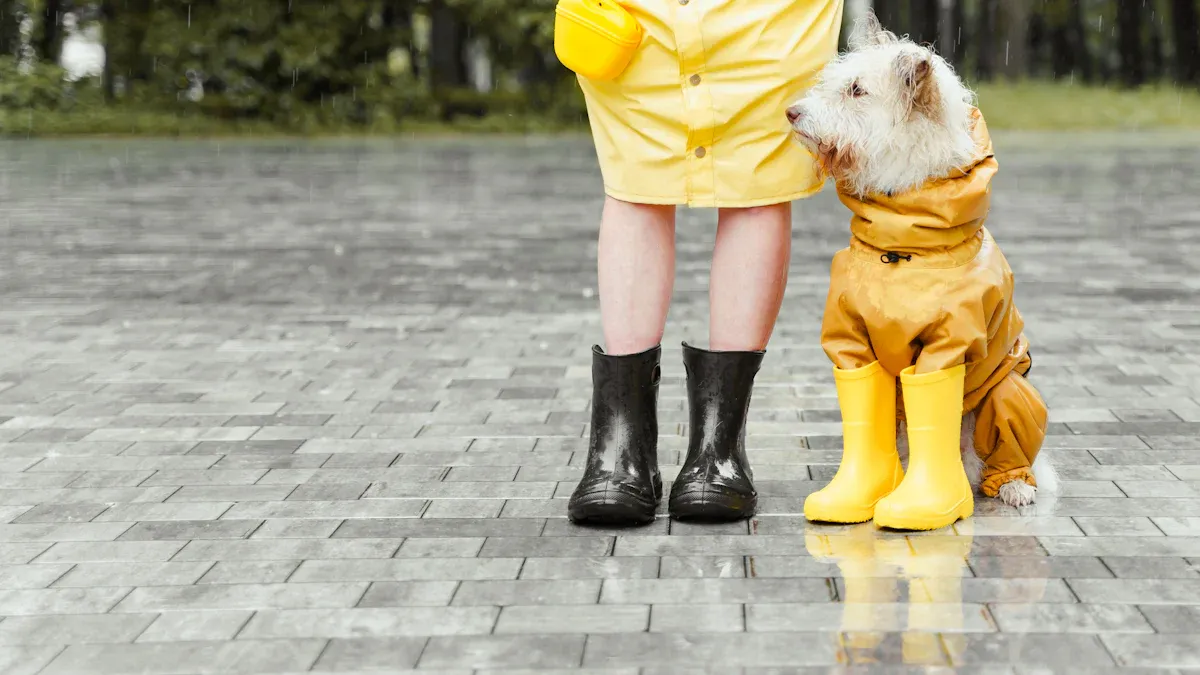
You need to check the fit of dog boots before each use. Start by measuring your dog’s paw while they stand on a flat surface. Measure the widest part and the length from the tip of the longest toe to the back of the paw pad. Try the boots on and make sure they fit snugly. You should be able to slide one finger between the boot and your dog’s leg. This helps ensure comfort and prevents rubbing. Walk your dog indoors for a few minutes. Watch for slipping or dragging. Dog boots with non-slip soles help prevent falls and give better traction. If the boots slip off or twist, adjust the fit or try a different size.
Tip: Always check the fit after your dog walks around indoors. A good fit keeps the wound safe and supports healing.
Toe and Circulation Checks
You must check your dog’s toes every morning and night. Look for swelling, redness, or changes in temperature. Gently press the toes to see if they feel normal. If you notice any pain or limping, remove the boots and inspect the paw. Dog boots should never squeeze the toes or block blood flow. A proper fit allows your dog to move comfortably and keeps the wound protected. Durable materials like neoprene and Cordura nylon offer flexibility and durability without causing discomfort.
Check Type | What to Look For | Action Needed |
|---|---|---|
Toe swelling | Redness, puffiness | Remove boots, check |
Circulation | Cold or hot toes | Adjust fit |
Comfort | Limping or pain | Inspect paw, refit |
Moisture and Odor Monitoring
Moisture can build up inside dog boots, especially after outdoor walks. You need to check for signs of moisture and odor every time you remove the boots. Look for excessive licking, redness, or swelling. Smell the paw for any musty or “corn chip” odor. This can signal yeast growth or infection. Watch for reddish brown stains on the fur or brown discharge at the base of the nails. Durable, breathable materials help reduce moisture buildup and keep the wound dry. If you notice any problems, replace the bandage and contact your veterinarian.
Signs of moisture or odor problems:
Excessive licking or chewing
Red or inflamed skin
Foul or musty smell
Painful feet or limping
Note: Regular checks help you catch problems early and keep your dog comfortable.
14-Day Paw Protection Routine
Days 1–3: Building the Habit
You start the paw protection routine by focusing on consistency. For the first three days, check your dog’s paw in the morning and evening. Look for dryness, slipping, toe swelling, temperature changes, and odor. You help your dog adjust to dog boots and dog paw protection by making these checks part of your daily schedule. If you use paw balm, apply it once or twice a day for general care. For cracked paw pads, use balm three times daily and massage it gently into the cracks. Cover the treated paw with a sock for 30 minutes to prevent licking and improve absorption. Most minor cracks heal in about a week with regular care.
Tip: Use a simple checklist to track your AM/PM checks. Two checks per day for 14 days equals 28 total checks.
Calculation: 2 checks/day × 14 days = 28 checks.
Days 4–14: Consistent AM/PM Checks
You continue the routine by keeping up with morning and evening checks. Watch for any changes in the wound, such as redness, swelling, or discharge. Make sure the dog boots fit well and do not slip. If you notice moisture or odor, remove the cover and inspect the paw. You support healing by keeping the bandage clean and dry. Deeper fissures may take up to three weeks to heal, but most wounds improve with steady paw protection.
Day | AM Check | PM Check | Dryness | Slipping | Toe Swelling/Temp | Odor |
|---|---|---|---|---|---|---|
1 | [ ] | [ ] | [ ] | [ ] | [ ] | [ ] |
… | … | … | … | … | … | … |
14 | [ ] | [ ] | [ ] | [ ] | [ ] | [ ] |
Calculation: Standard protection window is 14 days. Use a tracker to mark each day and check for compliance.
Outdoor-In/Indoor-Out Cover Removal
You protect your dog’s wound best by using paw protection outdoors and removing it indoors. Dog boots keep the bandage dry during walks, but moisture can build up if you leave them on inside. Always take off the cover when you come inside. Check for swelling or wetness each time. This habit helps you avoid problems like infection or delayed healing.
Note: Your veterinarian’s protocol overrides general timelines.
Printable Quick Reference Card
🐾 14-Day Paw Protection Quick Reference 🐾

- Protection window: 14 days
- Checks: AM + PM (2/day = 28 total)
- What to check:
  - Bandage dry and clean
  - No slipping or loose fit
  - Toes: no swelling, normal temperature
  - No foul odor or discharge
- Paw balm: 1-2x/day (general), 3x/day (cracks)
- Cover removal: Remove the waterproof outer cover indoors. If licking risk is high, keep an anti-lick barrier on (recovery sleeve/suit) or use an E-collar during rest/sleep
- Escalate: If licking persists, bandage gets wet, or swelling/odor appears
You improve healing by following this routine and keeping your dog’s paw protection on track.
Decision and Comparison Tables for Best Dog Boots and Covers
Traffic-Light Table: Is a Paw Cover Safe Today?
You need to know if your dog’s paw cover is safe each day. Use this traffic-light table to help you decide. Look at your dog’s actions, the wound and bandage, the toes, and how often you can check. This table helps you find problems early and keep your dog safe.
Criteria | 🟢 Green: Safe to Use Paw Cover | 🟡 Yellow: Caution, Monitor Closely | 🔴 Red: Not Safe, Escalate Now |
|---|---|---|---|
Dog behavior | Calm, ignores cover | Licks or paws at cover sometimes | Chews, removes, or fixates on cover |
Wound/dressing status | Clean, dry, secure | Slightly damp or loose | Wet, dirty, slipped, or exposed |
Toe appearance | Normal color, no swelling | Slight redness or coolness | Swollen, red, hot/cold, or foul odor |
Supervision capacity | Home, can check AM/PM | Away for part of day, checks possible | Absent, cannot check, overnight risk |
If you see any red signs, use an E-collar or stronger protection right away. Call your veterinarian if you notice swelling, bad smell, or a wet bandage.
Comparison Table: Dog Boots vs Bandage-Only vs E-Collar vs Recovery Suit
Picking the best dog boots or paw cover depends on your dog’s needs and your home routine. This table shows the main choices for paw protection. You can see which one works best for your dog.
Option | Best for | Not ideal when | Key usage tip |
|---|---|---|---|
Dog boots / paw cover | Outdoor walks, wet conditions, keeping bandage clean and dry | Persistent lickers, chewers, or dogs left unsupervised | Use only outdoors, remove indoors, check fit and toes twice daily |
Bandage-only | Calm dogs, short-term use, dry indoor rest | Outdoor use, wet weather, multi-pet homes | Keep bandage clean and dry, check toes for swelling or odor |
Hard E-collar | Dogs who chew or lick covers, overnight or when unsupervised | Dogs with neck injuries, very anxious pets | Fit snugly (two-finger rule), cone extends past nose |
Soft/inflatable collar | Mild lickers, dogs who dislike hard cones | Flexible dogs, determined chewers, paw wounds | Use with supervision, may not block paw access fully |
Recovery suit/sleeve | Dogs who dislike cones, mild wounds, indoor rest | Large wounds, persistent lickers, hot weather | Ensure snug fit, check for rubbing or overheating |
The best dog boots keep the bandage cleaner and drier during outdoor walks. E-collars give the most safety for dogs who keep licking. Always pick the option that matches your dog’s actions and wound.
Clinic Script for Discharge Notes
You can use this script to help pet owners after a paw injury or surgery. It covers the most important steps for home care and safety.
A bandage is in place to protect the wound, keep it clean, and help manage swelling.
Check your dog’s toes every day for coolness or swelling.
Cover the end of the bandage with a plastic bag, glove, or dog boots when you take your pet outside.
Keep the bandage clean and dry all the time.
Use an E-collar if your dog tries to lick or chew the bandage.
Your veterinarian’s instructions are more important than general advice.
You help your dog heal faster by following these steps and picking the best dog boots or paw cover for your situation. Always check the fit, watch for problems, and call your clinic if you have questions.
Top Mistakes with Dog Paw Covers
Dog paw covers protect wounds, but mistakes can happen. If you use them wrong, your dog may not heal well. Watch for these common mistakes to keep your dog safe.
Moisture Traps and Rubbing
If you leave a paw cover on inside, moisture can build up. Wet bandages slow healing and might cause infection. Covers that do not fit right can rub and make sore spots. Sometimes, they even cause blisters. Always take the cover off when your dog comes inside. Check if the cover is wet or rubbing the skin.
Tip: Pick covers that let air in. Check for rubbing after every walk.
Skipping Toe Checks
You need to check your dog’s toes every morning and night. Tight covers or bandages can squeeze toes and stop blood flow. Swelling, redness, or hot and cold toes mean something is wrong.
“Swelling of the toes from a tightly wrapped bandage.”
If you skip toe checks, you might miss early signs of trouble. Always look for swelling, color changes, or pain.
Changing Gear Without Testing Reach
Switching to a new cover can change how much your dog can reach the wound. Some covers slip or stretch and let your dog lick or chew the bandage. Test each new cover by watching your dog walk and rest. Make sure your dog cannot reach the wound.
🐾 Top 12 Mistakes and Prevention Tips
Mistake | Prevention Tip |
|---|---|
Using paw cover as only barrier for licker | Add E-collar if licking does not stop |
Leaving cover on indoors | Take cover off inside to stop moisture |
Skipping toe checks | Check toes morning and night for swelling and color |
Ignoring odor or discharge | Smell and check bandage for wetness every time |
Improper fit (too tight/loose) | Measure paw and fix fit before each use |
Allowing chewing on cover | Watch dog and use stronger cover if needed |
Unsupervised nighttime | Use crate or watch dog at night |
Multi-pet interference | Keep pets apart or watch them together |
Delayed vet calls for problems | Call vet fast for swelling or wet bandage |
Not checking after outdoor walks | Look at paw and cover after every walk |
Using non-breathable materials | Pick covers that let air in and bend easily |
Changing gear without testing reach | Watch dog with new cover before leaving alone |
Tip: Avoid these mistakes to keep the bandage clean and dry. This can reduce irritation and make it easier to prevent licking.
Choosing the Best Dog Boots or Paw Cover
Sizing and Fit Tips
You want your dog boots to fit well so your dog stays comfortable and safe. Start by measuring your dog’s paw while they stand on a piece of paper. Mark the widest part and the length from the tip of the longest toe to the back of the paw pad. This helps you pick the right size. Loose boots can slide off and frustrate your dog. Tight boots may squeeze the paw and cause pain. A well-fitted boot lets your dog walk naturally and keeps the bandage secure.
Proper fit should be snug but not restrictive. Your dog should walk naturally without the boots rotating or slipping off.
Try the boots on and watch your dog walk indoors. Make sure the boots do not twist or fall off. Gradually introduce dog boots and use treats to help your dog feel comfortable. Always check for comfort after walks to prevent rubbing or chafing.
Breathability and Traction
Dog boots need to let air in and keep moisture out. Breathable materials help prevent sweat and keep the bandage dry. If your dog walks on hot pavement or rough terrain, choose boots with good traction. Non-slip soles help your dog grip surfaces and avoid falls. For cold weather, pick boots with insulation. For warm weather, look for lightweight and airy fabrics.
Feature | Why It Matters | What to Look For |
|---|---|---|
Breathability | Prevents moisture buildup | Mesh or ventilated fabric |
Traction | Reduces slipping and injury | Rubber or textured soles |
Weight | Increases comfort | Lightweight design |
Water Resistance | Keeps bandage dry outdoors | Waterproof outer layer |
When to Choose Medical Booties or Socks
Medical booties work best for dogs with sensitive paws or minor wounds. They offer soft padding and flexibility. Socks are good for short indoor use and help keep paw balm in place. If your dog has a small wound and stays calm, socks or medical booties may be enough. For outdoor walks or wet conditions, dog boots provide stronger protection and keep the bandage cleaner and drier.
Choose medical booties or socks when:
Your dog stays indoors most of the time.
The wound is minor and does not need heavy protection.
You want extra comfort for sensitive paws.
Dog boots work better for outdoor use, rough terrain, or when you need to keep the bandage dry. Always match the cover to your dog’s needs and check the fit every day.
FAQs About Dog Paw Covers and Boots
Tip: Always follow your veterinarian’s instructions for wound care and paw protection.
You help your dog heal by picking the right paw cover. Use dog boots when you go outside with your dog. Follow the 14-day routine and check the bandage two times each day. If your dog keeps licking, use an E-collar and call your vet. Your vet’s instructions are more important than general advice. Always take off covers when your dog is inside. Watch for swelling or bad smells. Checking often and using covers the right way helps your dog heal better. Your vet’s instructions are always the most important.
Can my dog wear a paw cover all day?
You should remove the paw cover indoors. Covers can trap moisture and cause rubbing. Use the cover only for outdoor walks or wet conditions. Always check the paw for swelling or odor after each use.
How do I know if the paw cover fits right?
A good fit feels snug but not tight. You should slide one finger between the cover and your dog’s leg. Watch your dog walk indoors. If the cover slips or twists, adjust the size.
What should I do if my dog keeps licking the bandage?
Try a stronger barrier like an E-collar. Watch your dog closely. If licking continues, call your veterinarian for advice. Persistent licking can slow healing and increase infection risk.
Are human socks or baby booties safe for paw protection?
You can use human socks or baby booties for short indoor periods. They do not protect well outdoors or in wet weather. Dog boots offer better coverage and durability for most situations.
How often should I check the bandage and paw cover?
Check the bandage and paw cover two times each day—morning and evening. Look for dryness, slipping, swelling, and odor. Regular checks help you catch problems early and keep the wound clean.
