
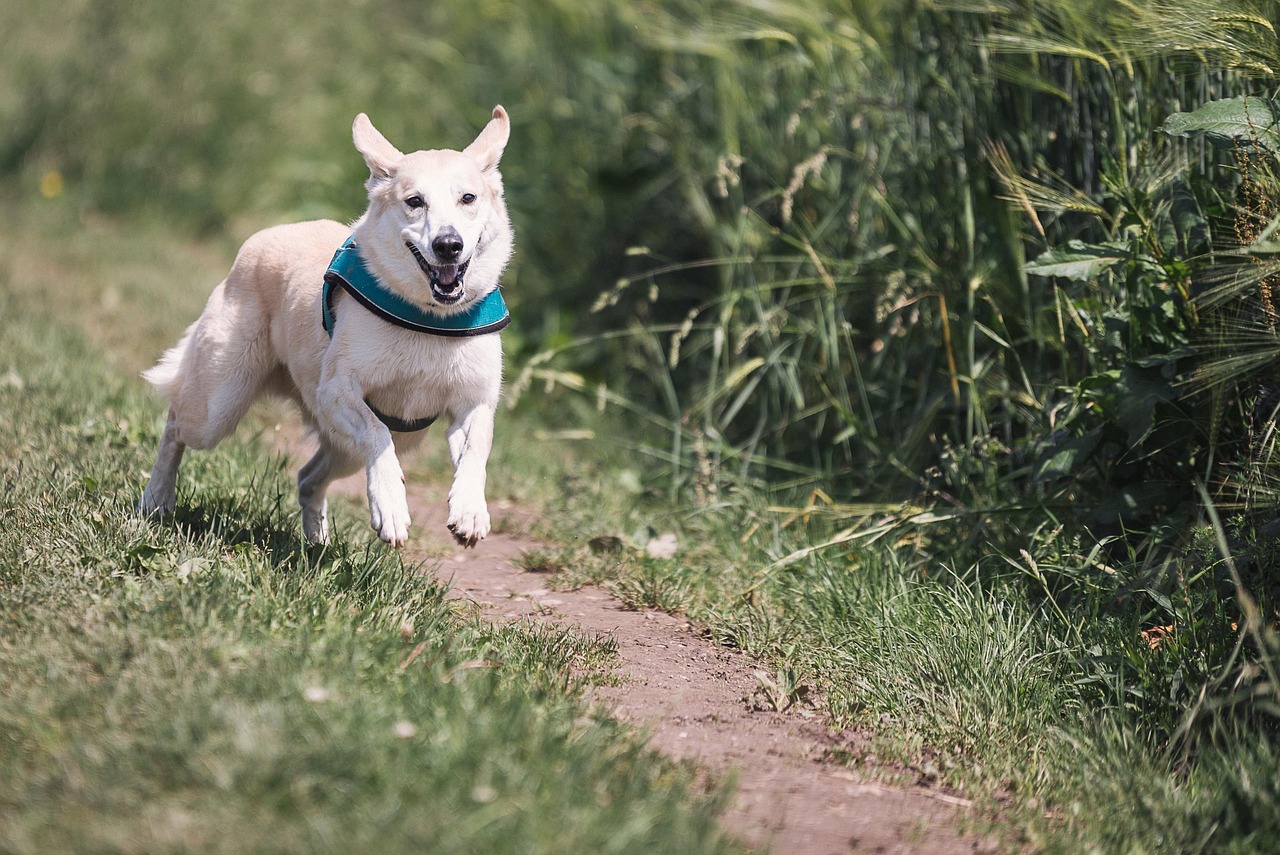
You want your pet to feel safe and comfy in their brace. The rehab clinic patient handouts template for dog braces gives you easy steps for fit, skin safety, and a wear plan. Use this checklist to help your dog move better, protect a limb, and get the support needed for rehab and therapy. Owners often pick braces for dogs to stop wounds, help with moving, and avoid surgery risks. Always check the fit every day, follow the rehab clinic patient handouts template for dog braces, and ask for help if you have any worries. Please remember this handout does not take the place of advice from a vet.
Fit
Skin Safety
Wear Plan
If you see any problems with fit or skin, call the clinic right away.
Key Takeaways
Check your dog’s brace fit daily. A proper fit prevents discomfort and skin issues.
Inspect your dog’s skin under the brace at least twice a day. Look for redness, swelling, or sores.
Follow a gradual wear plan. Start with short sessions and increase time as your dog adjusts.
Limit your dog’s activity while wearing the brace. Avoid jumping and rough play to ensure safety.
Contact your vet immediately if you notice any signs of pain or discomfort. Quick action can prevent serious issues.
Who Needs Dog Braces?
Common Conditions in Dogs
Sometimes, your dog may have trouble moving after getting hurt or having surgery. Many dogs need a brace if their joints are not stable, or if they hurt a ligament, or have pain that does not go away. Rehab for dogs often begins when the vet sees your dog is not moving well or is not steady. Some reasons for custom braces are small tears in the cruciate ligament, weak carpal or tarsal joints, and help after surgery. Your vet might suggest a custom brace if your dog is too old or sick for surgery. Custom orthotic braces help dogs with arthritis, nerve injuries, or weak muscles. These braces help dogs heal and stay steady while they get better. If you see your dog limping, swelling, or acting different, ask your vet.
Here are some things your vet may look at to see if your dog should get an orthotic device:
Criteria Description |
|---|
Small CCL tears or early joint problems, not full breaks. |
Not able to have surgery because of age, health, or owner choice. |
Need extra support before or after surgery. |
Note: Always listen to your vet for care and rehab. This handout does not replace your vet’s advice.
Types of Orthotic Devices for Dogs
Your vet may pick different custom braces depending on your dog’s injury and treatment plan. Some common braces are for knees with cruciate ligament injuries, carpal and tarsal joints that are weak, and hocks for Achilles tendon injuries. Some dogs need a special brace for paw drop or nerve injuries. Each custom brace helps your dog stay steady and move better while healing. Custom braces can also stop new injuries and help your dog do daily things. Your vet team will help you with fitting and changing the brace. Rehab for dogs often uses custom orthosis to help dogs move normally again. Always read your handout for steps and call your vet if you have questions about your dog’s care or healing.
[Learn more about canine rehabilitation and custom bracing in our clinic’s resource center.]
Clinic Preparation Before Handout Delivery
Sizing and Fit Assessment
You want your dog’s brace to work well and feel comfortable. Before you get the handout, the clinic team checks your dog’s measurements. You see them use a soft tape to measure your dog’s limb at key points. They record the length, width, and joint size. This step helps with fitting and keeps the brace from being too tight or loose. You can ask the team to show you how they measure. If you have questions about fitting, ask before you leave the clinic.
Here is a simple table showing what the clinic checks for fitting:
Measurement Point | What to Check |
|---|---|
Limb Length | From joint to paw |
Joint Circumference | Around the joint |
Width | Across the limb |
Tip: Always keep your dog still during measuring. This helps with accurate fitting.
[See our sizing guide for more details on measurement points.]
Risk Screening for Dogs
You want your dog to stay safe while using a brace. The clinic screens for risks before giving you the handout. They look for skin problems, allergies, or wounds. You tell the team if your dog has sensitive skin or past issues with braces. The team checks for swelling, redness, or sores. If your dog has any of these, they may change the fitting plan or suggest extra padding.
You get advice on what to watch for at home. If you see new skin changes or your dog acts uncomfortable, call the clinic. The handout includes a medical disclaimer. Always follow your vet’s advice and reach out if you notice problems.
[Learn more about skin safety routines for dog braces in our clinic’s resource center.]
Measuring and Sizing Guide
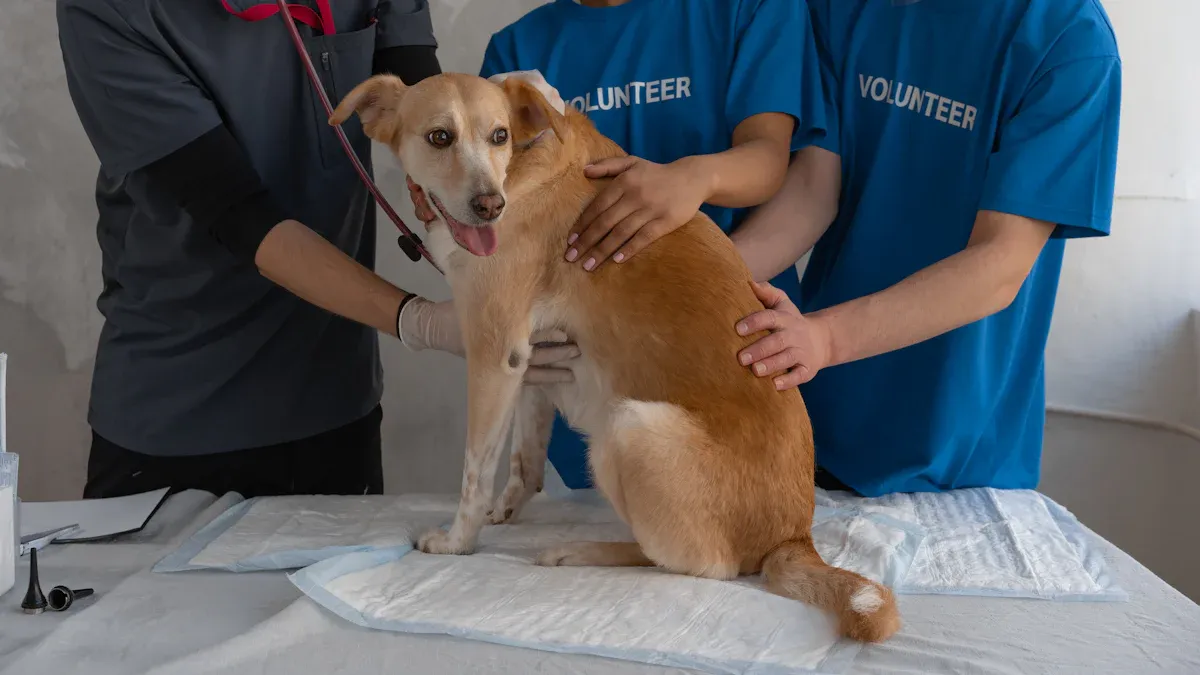
Key Measurement Points
You want your dog’s brace to fit perfectly. Accurate measurements help you get the right size and keep your dog comfortable. Follow these steps to measure your dog for a brace:
Gather your tools. Use a flexible soft tape measure, a phone camera, and treats. Choose a well-lit area with a non-slip mat.
Position your dog. Ask your dog to stand with weight on all four feet. Keep your dog’s head in a neutral position. A helper can keep your dog calm.
Measure the thigh circumference. Wrap the tape around the upper thigh, about one inch below where the leg meets the body. Keep the tape snug, not tight.
Measure the knee circumference. Find the center of the knee joint and wrap the tape around this spot.
Measure the hock to knee length. Place the tape at the knee and measure down to the hock joint.
Measure the lower leg circumference. Find the spot halfway between the hock and the paw, then measure around the leg.
Write down your dog’s weight and breed. Some braces use this information for sizing.
Tip: If your dog has swelling or wears a bandage, note this and measure again after swelling changes.
For a visual guide, see How to Measure a Dog for a Brace.
Recording and Verification
You need to record each measurement as you go. Do not guess or round up. Double-check every number for accuracy. Use this template to keep your notes organized:
Dog Name: ____________
Breed: _______________
Weight: ______________

Thigh Circumference: __________ cm/in
Knee Circumference: __________ cm/in
Hock to Knee Length: __________ cm/in
Lower Leg Circumference: __________ cm/in
Swelling/Bandages: _______________
Date Measured: _______________
Check your numbers against the product’s size chart. If your measurements fall between sizes, ask your vet for advice. Always keep your notes for future reference.
Medical Disclaimer: This guide does not replace advice from your veterinarian. Contact your clinic if you have questions or concerns about sizing or fit.
Use this checklist every time you measure your dog for a brace. Accurate measurements help your clinic team choose the best brace and prevent skin or fit problems.
Fit Check and Adjustment
A proper fit keeps your pet safe and comfortable. You need to check the brace every day to make sure it works well and does not cause problems. Use this section to learn how to check fit, spot signs of poor fit, and make simple adjustments at home.
How to Check Fit
You want your dog’s brace to sit snugly without pinching or slipping. Start by looking at how the brace lines up with your dog’s limb. The brace should cover the area your vet marked, with no gaps or twists. The straps should feel secure but not tight. You should fit one finger between the strap and your pet’s skin.
Here is a checklist to help you test fit and alignment:
Check that the brace sits straight and does not rotate.
Make sure the brace covers the joint or limb as shown in your clinic handout.
Test the tension by sliding one finger under each strap.
Look for even pressure across the brace, not just in one spot.
Watch your dog walk for a few steps. The brace should not slip or twist.
Tip: If you notice the brace slipping, review our guide on Dog Bandage Slipping What to Do.
You can use this table to see key indicators of a properly fitted brace:
Key Indicator | Description |
|---|---|
Custom Fit | Made from a custom cast or 3D scan to ensure even pressure distribution. |
Gradual Introduction | Start with short daily sessions, increasing wear time as the dog adapts. |
Regular Veterinary Oversight | Check for skin irritation, swelling, or slippage regularly. |
Integration into Rehabilitation Plan | Includes controlled exercise, hydrotherapy, and weight management. |
Owner Compliance | Daily wear and monitoring by the owner are crucial for success. |
Meaningful Improvements | Research indicates improvements in mobility and comfort without surgery. |
Signs of Poor Fit
You need to watch for warning signs that show the brace does not fit well. Many dogs experience fit-related complications. Studies show that 91% of dogs with orthotic devices have at least one issue. You can prevent problems by checking your pet’s skin and movement every day.
Look for these signs:
Redness, swelling, or sores under the brace
Hair loss or bald spots near the straps
Limping or changes in how your dog walks
Whining, licking, or biting at the brace
Brace slipping, rotating, or leaving deep marks
If you see any of these, stop using the brace and contact your clinic. You can read more about Pressure Sores from Dog Brace for extra tips.
Medical Disclaimer: Always call your vet if you notice skin changes, pain, or discomfort. This guide does not replace professional advice.
At-Home Adjustments
You can make small changes to improve the fit of your dog’s brace at home. Adjust the straps and neoprene cuffs several times a day. This helps with changes in fit from hair coat compression, swelling, or stretching of materials. Watch for hair loss or discomfort. Report any issues right away to prevent sores.
Follow these steps for safe at-home adjustments:
Loosen or tighten straps as needed. Check tension with the finger test.
Smooth out any wrinkles in the brace liner.
Reposition the brace if it shifts during movement.
Use extra padding if your pet has sensitive skin.
If you see fit problems, consult your clinic’s instructional videos or send photos for a free fit check.
Note: If you notice hair loss, skin breakdown, or any signs of discomfort, discontinue use and contact your clinic immediately.
You help your dog heal and stay comfortable by checking the brace every day. Your clinic team can guide you through adjustments and answer questions. Always follow your clinic’s handout template for dog braces and keep your pet’s safety first.
[Learn more about daily skin inspection routines in our clinic’s resource center.]
Skin Safety Routine
Keeping your pet’s skin healthy under a brace is important for comfort and healing. You can follow these steps every day to help prevent problems like chafing or pressure sores. Use this routine as part of your clinic handout template.
Daily Skin Inspection
You should check your dog’s skin at least twice a day. Look under the brace for any redness, swelling, or sores. Use your fingers to gently feel for warm spots or bumps. Watch for hair loss or changes in color. If you see your pet licking or scratching, this may mean the brace is causing discomfort. You can find more tips in our guide on [Prevent Chafing from Dog Harness].
Here is a simple checklist for your daily inspection:
Remove the brace and look at the skin.
Check for redness, swelling, or open spots.
Feel for heat or bumps.
Watch your dog walk and move.
Note any changes or signs of pain.
Medical Disclaimer: Always call your clinic if you see sores, bleeding, or if your pet seems in pain. This handout does not replace veterinary advice.
Cleaning and Drying
You need to keep the area under the brace clean and dry. Use a mild antiseptic solution or saline to wipe away dirt. Pat the skin dry with a soft towel. Make sure no moisture stays under the brace. You can use a 50/50 mix of apple cider vinegar and water to help with itchy skin or mild irritation. Change your pet’s bedding often to keep everything clean. If your vet suggests, apply a thin layer of ointment to any irritated spots.
Clean the brace and skin after walks or play.
Use diluted apple cider vinegar for mild skin care.
Wash bedding and toys to remove odors and germs.
Warning Signs
You should watch for warning signs that mean you need to call your clinic. These include:
Red or raw skin under the brace
Swelling, bleeding, or open wounds
Hair loss or bald patches
Bad smell from the skin or brace
Your pet biting, licking, or refusing to walk
If you notice any of these, stop using the brace and contact your clinic. Read more about [Pressure Sores from Dog Brace] for extra guidance.
Template Block:
Daily Skin Safety Log
Date: ___________
Time: ___________
Skin Condition: ____________________
Cleaning Done: Yes / No
Notes: _____________________________
You help your dog heal by checking the skin and keeping the brace area clean. Always follow your clinic’s instructions for the best results.
Wear Plan and Activity Guidelines
Acclimatization Steps
You help your pet adjust to a new brace by following a simple plan. Start slow and let your dog get used to the feeling. Use this step-by-step guide:
Days 1–2: Put the brace on your dog for 15–30 minutes, two or three times each day. Stay indoors and watch your pet closely.
Days 3–7: Increase the time to 1–2 hours. Take short walks with your dog on a leash. Watch for any signs of discomfort.
After week 1: Use the brace during active times, such as walks or play. Remove the brace when your pet rests or sleeps.
Tip: If your dog struggles with slippery floors, check out [Dog Slippery Floor Traction Tips] for extra help.
Daily Wear Schedule
Veterinary research shows that dogs need a gradual introduction to braces. Begin with short sessions and slowly increase the wear time. Always check your pet’s skin and comfort after each use. Most dogs wear the brace during active hours and take it off for naps or bedtime. You should follow your clinic’s instructions for the best results.
Copy-Ready Daily Wear Schedule:
Morning: Put the brace on after your pet wakes up. Check the fit and skin.
Afternoon: Remove the brace for a short break. Inspect the skin and clean the brace if needed.
Evening: Use the brace for walks or play. Take it off before your pet goes to sleep.
Medical Disclaimer: Always follow your veterinarian’s advice. If you notice pain, swelling, or skin changes, stop using the brace and contact your clinic.
Activity Restrictions
You keep your dog safe by following activity guidelines. Limit jumping, running, and rough play while your pet wears the brace. Use a leash for walks and avoid stairs unless your clinic approves. Help your dog get in and out of the car with support. Learn more at [Help Dog Get in Car After Surgery]. If you need to lift your pet, see [How to Lift a Large Dog Safely].
Activity Restriction Checklist:
No jumping or running
No rough play with other dogs
Use a leash for all walks
Avoid stairs and slippery surfaces
Support your pet when getting in the car
You protect your dog’s joints and skin by following these steps. Always use your clinic’s handout template for dog braces and reach out if you have questions.
Troubleshooting Common Issues
You may notice some common problems when your pet starts using a brace. Clinics often see these issues in dogs with braces. The table below shows how often these problems happen:
Issue | Prevalence |
|---|---|
Skin problems | Almost 50% |
Device adjustments | Commonly reported |
Initial rejection by dogs | Frequently observed |
Brace Slipping or Rotating
A brace that slips or rotates can cause discomfort or even injury. You should check the fit every day. Use this checklist to help you:
Make sure the brace sits straight on your dog’s limb.
Check that all straps are snug but not too tight.
Look for any twisting or sliding during walks.
Watch your pet move for a few steps.
If you notice the brace slipping, stop using it and review the guide at [Dog Bandage Slipping What to Do]. Adjust the straps or padding as needed. If the problem continues, contact your clinic for help.
Medical Disclaimer: Always call your clinic if you see pain, swelling, or sores.
Skin Irritation or Fur Loss
Skin irritation is one of the most common problems with a brace. You can help your dog by following these steps:
Use flea and tick control to prevent bites.
Wash your pet with oatmeal shampoo for itchy skin.
Try medicated shampoos if your vet suggests them.
Give fish oil supplements to support healthy skin.
Apply topical treatments for quick relief.
Check your pet’s skin every day. If you see redness, swelling, or bald spots, remove the brace and call your clinic.
Dog Resistance
Some dogs may resist wearing a brace at first. You can help your pet adjust by using treats and praise. Start with short wear times and slowly increase them. Let your dog sniff and explore the brace before putting it on. Stay calm and patient. If your pet continues to resist, ask your clinic for more tips or a fit check.
Medical Disclaimer: This handout does not replace advice from your veterinarian. Always reach out to your clinic with concerns.
When to Contact the Clinic
You want your pet to stay safe and heal well with a brace. Knowing when to call your clinic helps you stop serious problems. Watch your dog closely every day and act fast if you see warning signs.
Red Flag Symptoms
Call your clinic right away if you notice any of these symptoms while your dog wears a brace:
Bleeding, open wounds, or sores under the brace
Swelling or redness that does not go away
Bad smell from the skin or brace area
Sudden limping or refusal to walk
Whining, biting, or licking at the brace
Deep marks or bruises where the brace touches the skin
Fever or signs your pet feels very sick
Alert: These symptoms mean your dog may need urgent care. Take off the brace and call your clinic right away.
Medical Disclaimer: This content does not replace a vet’s diagnosis; call your vet if you see red flag symptoms.
You can find more tips on [Pressure Sores from Dog Brace] and [Daily Skin Inspection Routines] in our resource center.
Post-Surgical Concerns
After surgery, your dog may need extra help with a brace. Watch for these problems:
Skin abrasions where the brace touches the limb
Swelling or signs of skin allergies
Muscle shrinking or weakness in the affected leg
Anxiety or stress in your pet
Weight gain that puts more pressure on joints
Trouble doing rehab exercises or walking
Use this table to help you track post-surgical concerns:
Concern | What to Watch For |
|---|---|
Skin Abrasions | Redness, sores, or irritation |
Swelling/Allergies | Puffiness, itching, or rash |
Muscle Atrophy | Thinner leg, less muscle |
Anxiety | Panting, hiding, or shaking |
Weight Management | Sudden weight gain |
Rehab Exercise Issues | Refusal to move or walk |
If you see any of these problems, call your clinic for advice. Your team can help you adjust the brace or change your pet’s care plan. Always follow your clinic’s handout template for dog braces and keep your pet’s safety first.
Medical Disclaimer: This content does not replace a vet’s diagnosis; call your vet if you see red flag symptoms.
Rehab Clinic Patient Handouts Template for Dog Braces
Copy-and-Use Template Block
You can use this template to guide your daily routine with your pet’s custom brace. This block covers measurement, fit, skin safety, wear plan, and troubleshooting. Copy and share it with your rehab clinic team or keep it for your own records.
Element | Description |
|---|---|
Conditions for Bracing | Dogs with carpal hypertension, ACL disease, or post-surgical needs benefit from custom braces. |
Measure your dog, work with a rehabilitation therapist, and check fit daily. | |
Care Instructions | Clean the custom brace, inspect skin, and monitor comfort and movement. |
Medical Disclaimer: This template does not replace advice from your veterinarian. Always contact your clinic if you notice problems.
Daily Checklist
Follow this checklist every day to keep your dog safe and comfortable in their custom brace:
Confirm your rehab goal and get approval from your veterinary team.
Measure your dog and line up the custom brace. Secure straps.
Start the first session on leash. Watch how your pet walks.
Use the custom brace for 30–60 minutes, 3–5 times a day.
Check skin after each use. Redness should fade in 15 minutes.
Use non-slip floors and control activity.
Refit the custom brace if muscles change, it slips, or you see new rubbing.
Tip: Never leave the custom brace on all night. Clean the brace and skin often. Ask your rehabilitation therapist for help if needed.
Wear Plan Steps
You help your pet adjust to their custom brace by following these steps:
Begin with short sessions indoors.
Increase wear time as your dog gets comfortable.
Remove the custom brace for naps and bedtime.
Avoid jumping, running, or rough play.
Support your pet when using stairs or getting in the car.
If you see pain, limping, or skin changes, stop using the custom brace and contact your rehab clinic. For more details, visit our [Daily Skin Inspection Routines] and [Dog Bandage Slipping What to Do] pages.
Communication and Follow-Up
Handout Delivery Script
You want pet owners to feel sure about using a custom brace. Try this simple script when you give out the handout:
“Thank you for letting us care for your dog. This custom brace helps your pet heal and feel better. Please check the fit and skin every day. Follow the wear plan and activity rules in your handout. If you see redness, swelling, or your dog looks uncomfortable, take off the brace and call us right away. We are here to help and answer your questions. Your dog’s safety matters most to us.”
Add this script to your clinic’s handout template. It helps owners remember what to do and reminds them to ask for help. For more tips, look at our [Daily Skin Inspection Routines] and [Dog Bandage Slipping What to Do] pages.
Follow-Up and Support
Regular check-ups help your dog heal well with a custom brace. You should make appointments with your rehab vet every one or two weeks. These visits let the clinic change the brace and check for skin or fit problems. Without these visits, your pet might heal wrong or get hurt again.
Here is a follow-up schedule you can use:
First check-up: 1 week after you get the custom brace
Second check-up: 2 weeks after the first visit
After that: Every 1–2 weeks until your rehab team says your dog is healed
Contact Information | Details |
|---|---|
Clinic Phone | (555) 123-4567 |
Resource Center | [Dog Braces and Rehab Care] |
Medical Disclaimer: This handout does not replace your vet’s advice. Always call your clinic if you see pain, swelling, or changes in your pet’s behavior.
You help your pet heal by following the schedule and asking for help. Your clinic team is ready to answer questions and guide you with custom brace care.
You help your dog heal by following the fit, skin safety, and wear plan steps every day. The clinic’s brace handout template and daily checklists keep your pet safe and comfortable.
A brace helps when you follow the wearing and activity plan.
Braces can help your dog walk better and feel less pain. This works best with rehab and weight control.
Bracing works best with pain management and rehabilitation.
Pick the right brace or support for your dog’s needs. You might need a knee, tarsal, or carpal brace, a mobility harness, a rear lift sling, or a recovery suit. Always use the sizing and skin checklists every day. For more details, visit our orthotic devices for dogs resource page and sizing guide.
Factor | Description |
|---|---|
Custom Fit | Good casting or scanning helps the brace fit well. |
Owner Compliance | Daily use and checking help your dog heal better. |
Veterinary Oversight | Regular vet visits keep your pet safe and healing. |
Integration with Rehab | Using bracing with rehab helps your dog get better. |
Medical Disclaimer: This handout does not replace your vet’s advice. Always call your clinic if you have questions or worries. Your clinic team is here to help you and your pet.
FAQ
How long should my dog wear the brace each day?
You should follow your clinic’s wear plan. Start with short sessions and increase time as your pet gets used to the brace. Most dogs wear the brace during active hours. Remove the brace at night. For details, see our Daily Wear Schedule.
What should I do if the brace causes skin irritation?
Take off the brace right away if you see redness or sores. Clean your dog’s skin and let it dry. Contact your clinic for advice. You can find more tips in our Skin Safety Routine section.
Can my dog play or run while wearing the brace?
Limit running, jumping, and rough play when your pet wears the brace. Use a leash for walks. This keeps your dog safe and helps the brace work well. Check our Activity Restrictions for more guidance.
How do I clean the brace?
Wipe the brace with a damp cloth and mild soap. Dry it before putting it back on your pet. Clean the brace after walks or play. For more cleaning tips, visit our Skin Safety Routine.
When should I contact the clinic about the brace?
Call your clinic if you see swelling, bleeding, or if your dog refuses to walk. Remove the brace if your pet seems in pain. Always follow your rehab team’s advice. Read our Red Flag Symptoms for more information.
Medical Disclaimer: This FAQ does not replace advice from your veterinarian. Always contact your clinic if you have questions or concerns.
