
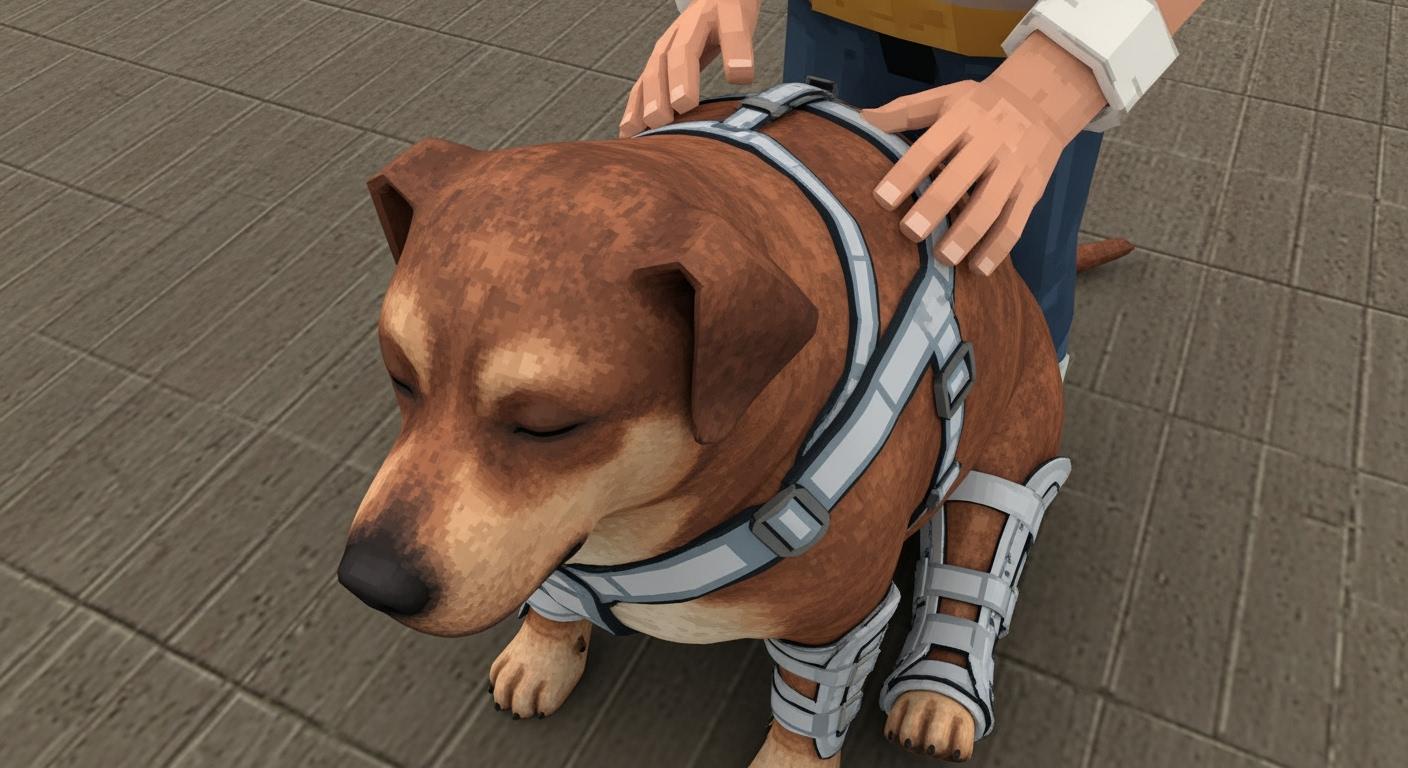
Braces and harnesses play a key role in overweight dog joint support by promoting joint health and stability. They provide essential support, reduce pain, and aid in joint recovery for overweight dogs. Because overweight dogs are more likely to develop joint issues earlier and more frequently than dogs at a healthy weight, it’s important to address these concerns promptly. Always consult your veterinarian before beginning any overweight dog joint support regimen.
Key Takeaways
Braces and harnesses help overweight dogs move better. They can lower joint pain and make walking easier.
Pick the right brace or harness for your dog’s needs. Your dog’s joint problems and daily habits matter. Ask your vet for advice.
Keeping your dog at a healthy weight is very important. Good food and easy exercise help joints stay strong. This also makes braces and harnesses work better.
Why Overweight Dogs Need Joint Support
Common Joint Problems in Overweight Dogs
You might see your dog moving slower. Your dog may have trouble standing up. Overweight dogs often have joint pain. They can also have problems walking. The most common joint problems are:
Osteoarthritis
Torn cruciate ligaments
Dysplasia, like hip dysplasia
About 20% of dogs get osteoarthritis. This risk goes up as dogs get older. It also rises when they gain weight. Obesity causes more swelling in the joints. This swelling can hurt joint tissues. It makes stopping arthritis harder.
How Extra Weight Affects Joint Health
Extra weight puts more stress on joints. Each kilogram adds more pressure to the spine and hips. Dachshunds feel even more strain because of their long backs. More weight can make joints wear out faster. It also raises the chance of disc disease. Obesity makes core muscles weaker. Weak muscles make moving harder for your dog. Keeping your dog at a healthy weight helps stop joint problems. It also keeps joints working well.
Tip: Helping your dog lose weight gently can lower joint pain. It also helps your dog stay active.
When to Consider Braces and Harnesses
Think about braces or harnesses if your dog seems uncomfortable. Vets suggest braces for mild joint problems. These include medial patellar luxation grades 1-2. Early support can slow down joint damage. It can help your dog feel better. If your dog has hip dysplasia, braces and harnesses help. They also help after surgery. These tools give extra support. They help overweight dogs avoid arthritis.
Choosing Braces for Overweight Dog Joint Support
Braces can make a big difference for overweight dogs with joint pain. The right brace gives your dog extra support, helps with joint mobility, and can make daily life easier. You need to know which type of brace fits your dog’s needs best.
Types of Braces: Knee, Hip, and Elbow
You can find three main types of braces for overweight dog joint support. Each type helps with different joints and problems:
Knee Braces: These braces help dogs with torn ligaments, arthritis, or patellar luxation. Knee braces give stability when your dog stands up, walks, or uses stairs. They work well for dogs who have trouble getting up or going for short walks. Learn more about knee braces for dogs.
Hip Braces: Hip braces support dogs with hip dysplasia or arthritis in the hips. They help your dog move better and reduce pain during activities like getting in and out of cars or climbing stairs. Hip braces are a good choice if your dog struggles with hip weakness. See our hip support options.
Elbow Braces: Elbow braces help dogs with elbow dysplasia or arthritis in the front legs. These braces give support when your dog stands up or walks on hard floors. Elbow braces are best for dogs who slip or show pain in the front legs. Explore elbow support harnesses.
Tip: Choose a brace based on where your dog feels the most discomfort or weakness.
Joint Position | Best For | Common Scenarios | Example Use Cases |
|---|---|---|---|
Knee | Torn ligaments, arthritis | Getting up, short walks, stairs | After surgery, daily support |
Hip | Hip dysplasia, hip arthritis | Car entry/exit, stairs, toileting | Weakness in back legs |
Elbow | Elbow dysplasia, front leg pain | Standing, walking, hard floors | Slipping, front leg instability |
How to Select the Right Brace
You want to pick a brace that matches your dog’s needs. Here is a checklist to help you choose:
Identify the Problem Area
Watch your dog move. Notice if your dog limps, struggles with stairs, or avoids certain activities. Focus on the joint that seems weak or painful.Check Your Dog’s Diagnosis
Ask your vet if your dog has arthritis, hip dysplasia, or another joint issue. This helps you pick the right brace.Consider Your Dog’s Daily Activities
Think about what your dog does each day. Does your dog need help getting up, going for short walks, or using the bathroom? Choose a brace that supports these actions.Look for Adjustable and Padded Designs
Overweight dogs need braces that fit well and do not cause skin problems. Pick a brace with soft padding and adjustable straps.Review Product Guides and Sizing Charts
Always check the product’s sizing chart before you buy. Some brands offer special guides for measuring overweight dogs.
Note: If your dog shows new swelling, redness, or pain, stop using the brace and call your vet.
Measuring for a Proper Fit
A good fit keeps your dog comfortable and safe. Follow these steps to measure your dog:
Gather a Soft Tape Measure
Use a flexible tape to measure around your dog’s joint.Measure the Affected Joint
For knee braces, measure above and below the knee. For hip braces, measure around the widest part of the hips. For elbow braces, measure above and below the elbow.Record Your Dog’s Weight and Breed
Some braces use weight and breed to suggest the best size.Check the Manufacturer’s Sizing Guide
Compare your measurements to the sizing chart. If your dog is between sizes, choose the larger size for comfort.Double-Check the Fit After Arrival
When the brace arrives, put it on your dog. Make sure it fits snugly but does not pinch or rub. Watch for any signs of chafing.
Checklist for Measuring and Fitting:
Soft tape measure ready
Measure joint circumference
Record weight and breed
Compare to sizing chart
Test fit and adjust straps
🐾 Ready to find the perfect fit?
Visit our Measuring Guide or Shop Braces Now to get started.
Using Harnesses to Support Joint Health
Harness Types for Mobility and Support
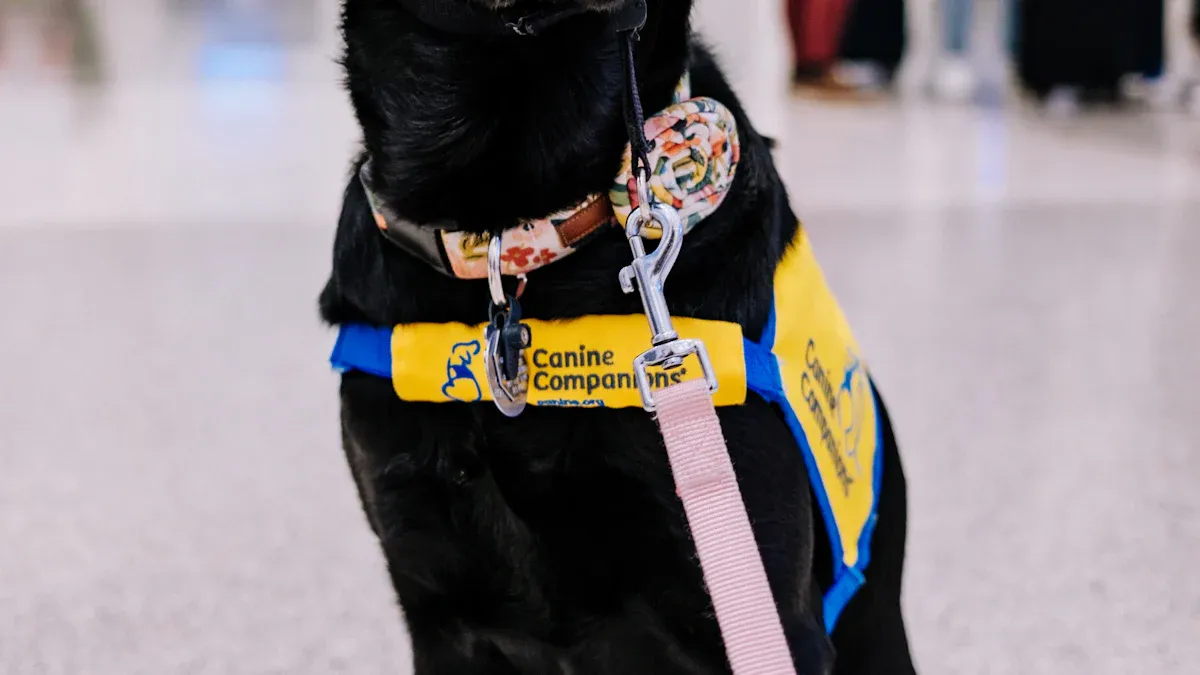
There are different harnesses to help your dog move. Each harness helps with a certain problem. A full body harness supports dogs with weakness or arthritis. It also helps dogs who cannot move well. A hind leg harness helps dogs after surgery. It is good for dogs with weak back legs. An everyday vest harness helps dogs with weak front legs. It is also good for dogs who need light support on walks. The table below shows which harness works best for each problem:
Harness Type | Use Case |
|---|---|
Full Body Harness | Overall weakness, paralysis, or multi-joint arthritis |
Hind Leg Harness | Recovery from ACL/TPLO surgery, back leg struggles |
Everyday Vest Harness | Front-leg weakness, mild support during walks |
Fitting and Adjusting a Harness
The harness should fit your dog well. It should not be too tight. Measure your dog’s chest and belly before buying. Adjust the straps so the harness does not rub. Make sure it does not pinch your dog’s skin. Watch for chafing, especially if your dog has hip dysplasia. A good fit keeps your dog comfortable. It also helps stop skin problems. If you need help, check our measuring guide or anti-chafing tips.
Integrating Harness Use into Daily Routines
You can use a harness every day. It helps your dog stay safe and move better. Harnesses help dogs with joint pain stay active. They make gentle exercise easier. This helps your dog lose weight and keep joints healthy. Using a harness is like wearing a knee brace. It gives support while your dog heals. It also helps stop more joint problems. Try using the harness for short walks. Use it for bathroom breaks or stairs. This can help your dog feel less pain. It can also make life better for your dog. If you see new pain or swelling, stop using the harness. Talk to your vet if you notice problems.
Helps dogs with trouble moving stay steady
Makes exercise safer for dogs who cannot move well
Stops dogs from losing movement, which can make health worse
For more help, visit our support harnesses category.
Safe Use and Skin Care with Braces and Harnesses
Checking for Chafing and Pressure Points
You want to keep your dog comfortable and safe while using braces or harnesses for overweight dog joint support. High-friction areas like the armpits, behind the knees, and around the hips need special attention. Pressure sores, friction, and moisture can cause joint discomfort and even pain-relief issues. Nearly half of dogs with orthopedic braces develop skin problems. Look for hair loss, exposed skin, excessive licking, or skin discoloration.
Skin Check SOP:
Remove the brace or harness daily.
Inspect all contact points for redness, swelling, or broken skin.
Gently touch the skin to check for warmth or pain.
If you see red marks or open sores, stop using the device.
Clean the area and let the skin heal before resuming use.
Contact your vet if you notice significant pain relief is not achieved or if joint discomfort worsens.
For more tips, visit our anti-chafing and skin care guide.
Cleaning and Maintenance Tips
Clean braces and harnesses regularly to reduce inflammation and prevent skin issues. Handwash with mild detergent and lukewarm water. If you use a washing machine, place the device in a laundry bag and select a gentle cycle. Always air-dry away from direct sunlight. Store devices in a dry, clean space. Inspect for loose threads or worn parts. Clean hardware to keep everything working well.
Signs to Stop Use and Contact Your Vet
Stop using the brace or harness if you see swelling, bleeding, or if your dog shows new joint discomfort. Excessive licking, hair loss, or skin changes mean you should pause use. Dogs with hip dysplasia or dysplasia may need extra care. Braces and harnesses do not replace veterinary care. If your dog joint pain increases or you see no pain-relief, call your vet. Devices help with pain-relief and joint discomfort, but always seek professional advice for anti-inflammatory care or weight loss plans.
Learn more about post-surgery support and short walks in our mobility support guide.
Combining Devices with Other Joint Health Strategies
Braces and harnesses help your dog move better. You get the best results when you use other joint health strategies too. This helps lower swelling, makes your dog more comfortable, and supports daily movement.
Weight Management and Diet Tips
Keeping your dog at a healthy weight is very important. Feed your dog measured meals. Pick foods with lots of protein and fiber. These foods help your dog feel full and lose weight. Do not leave food out all day. Track how many calories your dog eats. Give low-calorie treats. A good diet plan helps joints and makes braces or harnesses work better.
Keeping your dog at a healthy weight can lower pain from arthritis. It also helps your dog move more easily.
Exercise for Joint Health
Exercise keeps your dog’s joints flexible and muscles strong. Start with short, easy walks. Make walks longer as your dog gets stronger. Swimming is a good choice because it is gentle on joints. You can also try slow games of fetch or interval walking. Always watch for signs your dog is tired or in pain.
Exercise Type | Description |
|---|---|
Walking | Begin with short walks. Make them longer over time. |
Swimming | Gentle and fun. Most dogs can do this exercise. |
Hiking | Start with short hikes. Add more time as your dog gets better. |
Fetch | Play gentle games. Make them harder as your dog gets fitter. |
Supplements and Veterinary Guidance
Some people use joint supplements like glucosamine, chondroitin, and omega-3 fatty acids. These may help joints move better and lower pain. Results are different for each dog. Always ask your vet before giving any supplement. Your vet can tell you if supplements or anti-inflammatory medicine are right for your dog. If you see swelling, limping, or your dog stops using a leg, call your vet.
The main goal is to lower pain and help your dog feel better each day. It is not to make your dog an athlete again.
Strategy | Description |
|---|---|
Braces Plus Weight Control | Using hip braces and weight control lowers stress on joints. It also helps keep joints steady. |
Exercise with Therapy | Gentle exercise and therapy make muscles stronger. They help weak joints. |
Medications with Supplements | NSAIDs and joint supplements give extra pain relief and support. |
Advanced Therapies as Add-Ons | Stem cell or PRP shots may help your dog move better when used with therapy. |
Setting Expectations | These methods help most dogs feel better and move more easily. |
How to Manage Arthritis in Overweight Dogs
Recognizing Arthritis Symptoms
You can notice arthritis in overweight dogs by watching them move. Look for signs like stiffness after your dog rests. Your dog may not want to walk or play. Some dogs refuse to climb stairs. Limping or lameness can happen. Your dog might lose energy or seem less active. Changes in behavior, like being grumpy, are common. Getting up after lying down may be hard. Your dog might not want to jump on furniture. If you see these signs, your dog may need joint support. Braces and harnesses can help your dog move safely.
Adapting Home and Routines for Comfort
You can make your home easier for a dog with arthritis. Try giving your dog an orthopedic bed for joint support. Put rugs or mats on slippery floors for better grip. Use ramps or pet stairs to help your dog reach furniture. Raise food and water bowls so eating is easier. Keep your dog away from stairs or pools to stop injuries. Dog boots can help your dog walk with better grip. These changes lower swelling and make daily life easier. Keep your dog active with gentle exercise. Help your dog lose weight with a healthy diet.
When to Seek Professional Help
Call your vet if your dog’s pain gets worse. Also call if you see swelling, bleeding, or sudden movement changes. Extra weight puts more pressure on joints. This can make arthritis hurt more. Your vet can help with a weight loss plan. They may suggest joint supplements or anti-inflammatory care. Your vet will help you pick the best support devices. Always ask your vet before trying new treatments or changing your dog’s care.
Brace Selection Comparison Table
Quick Reference for Brace and Harness Choices
Picking the right support for your dog can be hard. You want your dog to move safely and feel good. The table below helps you compare braces and harnesses. It shows which device works for each joint and problem. Use this quick guide to find what your dog needs most.
Joint Position | Device Type | Best For | Effectiveness & Comfort | Usage Scenario | Internal Link |
|---|---|---|---|---|---|
Knee | Brace | Mild ligament injury, arthritis | Provides stability, reduces joint movement, aids recovery | Getting up, short walks, stairs | |
Hip | Brace | Hip dysplasia, arthritis | Supports muscle recovery, improves mobility | Car entry, stairs, toileting | |
Elbow | Brace | Elbow dysplasia, front leg pain | Targets specific joint, decreases pain | Standing, walking, hard floors | |
Full Body | Harness | Overall weakness, arthritis | Assists with mobility, reduces joint strain | Multi-joint support, daily movement | |
Hind Leg | Harness | Post-surgery, weak back legs | Helps with movement, easy to adjust | Bathroom breaks, stairs, short walks | |
Front Leg | Harness | Mild front leg weakness | General support, comfortable for daily use | Gentle walks, light activity |
Tip: Make sure the device fits your dog well. Check your dog’s skin for any red spots. Give your dog time to get used to new gear.
Braces are good for helping hurt joints stay steady. Harnesses are best for dogs who need help moving every day. Both can help lower pain and make walking easier. You help your dog’s joints by using the right device and gentle exercise. Weight loss also helps your dog feel better.
If your dog’s skin gets red or swollen, call your vet. If your dog will not move, ask your vet for help. For more help with sizing and skin care, see our measuring guide and anti-chafing tips.
Braces and harnesses help dogs move easier. They make life more comfortable for dogs with joint problems. You can help your dog’s joints by picking the right device. Always check if the brace or harness fits well. Use sizing guides to find the best fit. For the best results, help your dog keep a healthy weight. Make sure your dog gets gentle exercise. Take your dog to the vet often. Look at our brace solutions and guides for more help.
FAQ
How do you know if your dog needs a brace or harness?
You should watch for limping, trouble standing, or pain. Ask your vet for advice. See our knee braces category for more details.
How often should you check your dog’s skin under a brace or harness?
Check your dog’s skin every day. Look for redness or sores. Visit our anti-chafing guide for tips.
What should you do if your dog seems uncomfortable in a new brace?
Remove the brace right away. Check for rubbing or swelling. Contact your vet if pain continues. Review our measuring guide for proper fit.
