
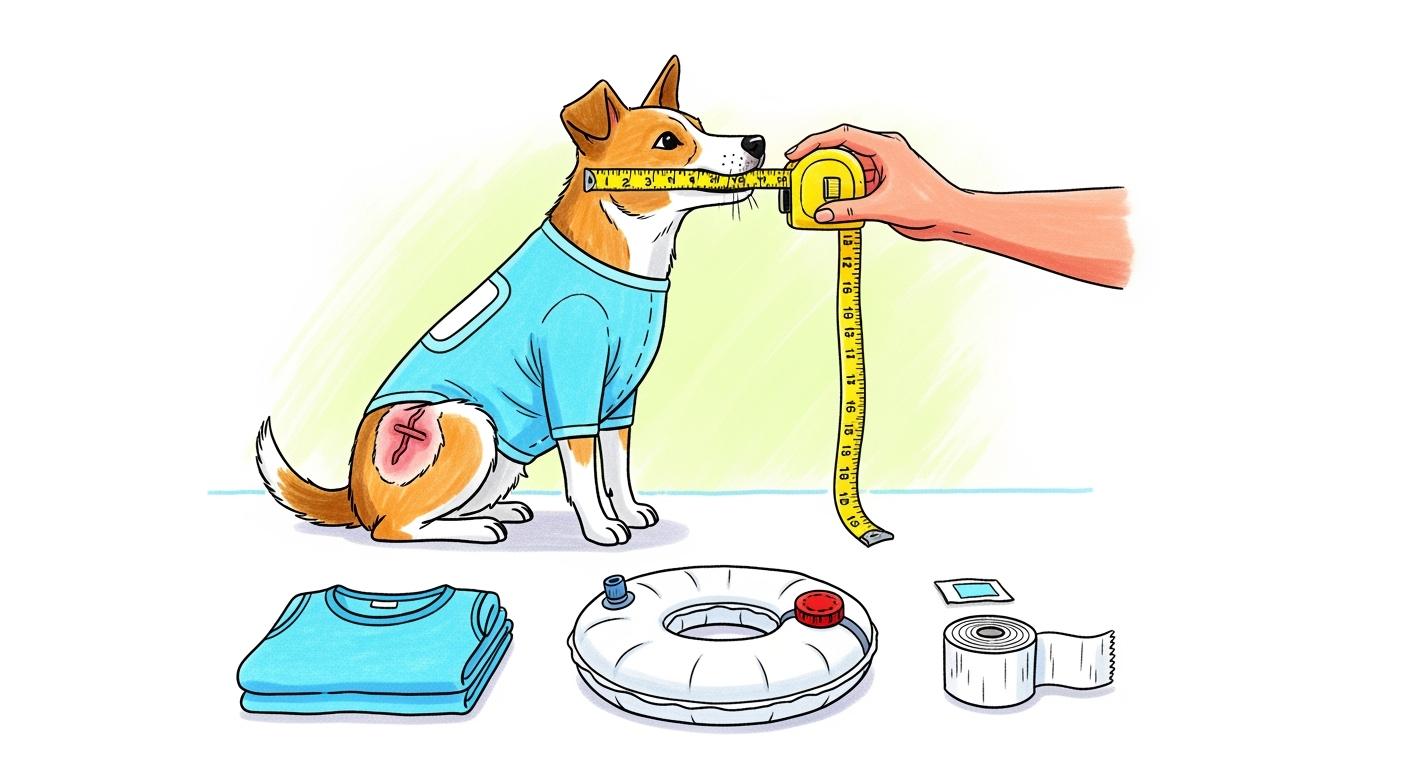
You want to stop dog licking incision without cone after surgery. The reach test helps you select gear that prevents your dog from reaching the wound, ensuring your pet remains comfortable during the healing process. Most dogs require protection for 10 to 14 days, and stitches are typically removed within this timeframe. It’s important to check the incision two times each day to catch any licking or potential issues early. Always prioritize your veterinarian’s instructions over general advice. Recovery suits, sleeves, and other protective gear can effectively stop your dog from licking, while also keeping wounds safe.
Key Takeaways
Use the reach test to ensure your dog’s protective gear blocks access to the incision. If your dog can reach the wound, try a different option.
Check your dog’s incision twice a day for 14 days. This helps catch any issues early and ensures proper healing.
Choose comfortable gear like recovery suits or sleeves. These options reduce stress for your dog and improve compliance with post-surgical care.
Why access control stops dog licking incision without cone
How licking harms stitches and skin
You need to keep your dog from licking stitches because licking wounds can cause serious problems. When a dog licks or chews at an incision, you may see:
Infection and delayed healing
Swelling around the stitches
Discharge that looks cloudy or smells bad
Tissue sticking out from the wound, which can lead to more infection
You want to avoid these issues during the [14 days] after surgery. Check the incision at least [2 times/day]. This means you will do [2 times/day] x [14 days] = [28 checks] to make sure your dog is not licking wounds.
Comfort and compliance for recovery
Dogs heal best when they feel comfortable and safe. If you choose gear that fits well and does not bother your dog, you will have better results. Recovery suits and sleeves are often softer and less stressful than hard cones. Dogs usually accept these options more easily, which helps you keep your dog from licking stitches. When your dog feels less anxious, you will see better compliance with post-surgical care.
The reach test explained
The reach test helps you decide if your chosen gear truly blocks your dog’s access to the wound. Physical barriers work better than training or distraction because they do not rely on your constant attention. Here is how physical access control compares to behavioral training:
Protective gear like suits, sleeves, or collars physically blocks your dog from licking wounds.
Training methods, such as using treats or redirection, need your active involvement and may not work when you are not watching.
You should always check if your dog can reach the incision with the gear on. If your dog cannot reach the wound, you have chosen the right gear. If your dog can still reach, try a different option. This simple test keeps your dog safe and helps the incision heal.
Gear choices to keep dogs from licking stitches
Choosing the right gear helps you prevent dogs from licking wounds and supports a smooth recovery. You can follow these steps to make the best decision for your dog.
Step-by-step gear decision guide
Identify the wound location. Look at where the incision is—trunk, leg, paw, or another area.
Perform a calm reach test. Put the gear on your dog and watch closely. If your dog can reach the incision, do not rely on that gear alone.
Check the fit. For recovery suits, make sure the suit covers the wound and fits snugly but does not restrict movement. For sleeves and booties, check that they stay in place and cover the wound fully. For collars, use the [2 fingers] neck fit check and [2 inches] past the nose coverage rule.
Recovery suits for trunk wounds
Surgical recovery suits act as a shield for wounds on the chest, belly, or back. These suits cover the area, block licking, and reduce the risk of infection. You can use them instead of a cone for most trunk wounds. Recovery suits allow your dog to move naturally and feel more comfortable. They also help keep the skin healthy by reducing irritation. Always check that the suit fits well and stays dry.
Sleeves and booties for legs and paws
You can use sleeves for wounds on the front or back legs. Sleeves protect the incision and stop your dog from licking. Booties work well for paw injuries. They create a barrier and keep the wound clean. Choose breathable booties that fit the paw snugly. Make sure the sleeve or bootie does not slip off. Both options help keep dogs from licking stitches on their legs and paws.
Booties provide a protective barrier for wounds.
Breathable boots protect injured paws and prevent licking.
Sleeves cover wounds and stop licking.
Boots are designed to keep dogs from licking wounds.
Soft cones and inflatable collars
Soft cones and inflatable collars offer more comfort than hard plastic cones. Soft cones are gentle, less intimidating, and allow better movement. Inflatable collars give your dog better visibility and mobility. These options work best for calm dogs or for wounds on the body, not the face or ears.
Type | Advantages | Disadvantages |
|---|---|---|
Soft Cones | Increased comfort, reduced intimidation, better mobility, adjustable sizes | Less durable, less effective for persistent pets, requires more maintenance, variable protection |
Inflatable Collars | Comfort, better visibility, adjustable firmness, mobility | Limited protection, can be chewed or punctured, not suitable for face/ear injuries, size issues |
Bandages, muzzles, and no-lick sprays
Sterile bandages protect wounds and keep them clean. You can use a muzzle during first aid to keep your dog from biting. Bandages and wound dressings help prevent dogs from licking the surgical site, which lowers the risk of infection. No-lick sprays may help in some cases, but you should always check with your veterinarian before using them.
Makeshift covers (T-shirts, leggings)
You can use a clean T-shirt or leggings as a temporary cover for some wounds. These items are soft, comfortable, and easy to find at home. They work best for trunk wounds or upper legs. You need to check often to make sure your dog does not remove or chew the cover. Keep the cover clean and dry, and adjust it as needed.
Item | Pros | Cons |
|---|---|---|
Bandage Wraps | Targeted protection, comfort, adjustable, affordable | Needs proper application, risk of removal, limited use, maintenance |
T-Shirt | Soft, comfortable, cost-effective, allows movement | Limited protection, risk of removal, needs monitoring |
DIY Options | Inexpensive, customizable, non-restrictive | May not be as effective, needs supervision, frequent adjustments |
Limited protection for head, neck, or lower leg wounds.
Some dogs may remove or chew the cover.
You must monitor and adjust the cover often.
Decision table: wound location + reach test = best gear
Use this table to match your dog’s wound location and reach test results to the best gear choice.
Wound Location | First-Choice Gear | Backup Gear | Common Failure Point | Next Steps if Failure |
|---|---|---|---|---|
Trunk | Recovery Suit | T-shirt, Soft Cone | Suit too loose, dog chews | Tighten fit, switch to cone |
Leg | Sleeve | Bootie, Bandage | Sleeve slips, dog removes | Add bootie, check fit |
Paw | Bootie | Bandage, Sleeve | Bootie falls off, chewed | Use tape, try sleeve |
Face/Ear | Soft Cone | Inflatable Collar | Collar too short, slips | Upgrade to longer cone |
Any (temp) | T-shirt/Leggings | Bandage, Suit | Cover shifts, chewed | Adjust, switch to suit |
Gear comparison table
This table helps you compare gear types by use, limits, comfort, and when to upgrade.
Gear Type | Best For | Limits | Comfort Notes | When to Upgrade |
|---|---|---|---|---|
Recovery Suit | Trunk wounds | Not for legs, face, or paws | High comfort | If dog removes or chews suit |
Sleeve | Leg wounds | May slip, not for trunk | Good if fitted | If sleeve slips, add bootie |
Bootie | Paw wounds | Not for trunk or upper leg | Breathable, soft | If bootie falls off, use tape |
Soft Cone | Face, ears, body | Not for paws, may slip | Soft, less stress | If dog reaches wound, use longer cone |
Inflatable Collar | Body wounds | Not for face, ears, paws | Very comfortable | If dog reaches wound, switch gear |
Bandage | Small wounds | Needs frequent checks | Varies | If removed, add sleeve or bootie |
T-shirt/Leggings | Trunk, upper leg | Not for lower leg, face | Very soft | If removed, switch to suit |
Tip: Always check gear fit and coverage. Use the [2 fingers] neck fit check for collars and [2 inches] past the nose for cones. For suits, sleeves, and booties, make sure the wound is fully covered and the gear stays in place.
You can keep dogs from licking wounds by choosing the right gear and checking fit every day. Your veterinarian’s discharge instructions override general advice.
Daily routine to stop a dog licking a wound

Protection window: 14 days after surgery
You need to protect your dog’s incision for 14 days. This time helps the wound heal and stops licking. Keep your dog calm and quiet. Do not let your dog run or jump. Use a crate or small room if you cannot watch your dog.
Incision checks: 2 times/day x 14 days = 28 checks
Check the incision two times every day. Look for swelling, redness, or discharge. Remember this math: 2 checks each day for 14 days equals 28 checks. Check in the morning and at night to find problems early and stop licking.
Keeping gear clean and dry
Keep all gear clean and dry for 14 days. Wet or dirty gear can slow healing and cause infection. Do not bathe your dog or let the incision get wet. Change dirty covers right away.
Traffic-light table: is licking risk controlled?
Checkpoint | Green (Safe) | Yellow (Caution) | Red (Action Needed) |
|---|---|---|---|
Access to incision | Fully blocked | Sometimes tries | Dog reaches wound |
Licking attempts | None | Tries but fails | Licks or chews wound |
Gear slipping | Stays in place | Moves a little | Falls off or loose |
Skin irritation | Skin healthy | Mild redness | Sores or swelling |
Moisture/soiling | Dry and clean | Damp or dirty | Wet, soiled, or smelly |
Eat/drink/rest | Normal | Some trouble | Cannot eat/drink/rest |
Printable daily protection checklist
Morning: Look at incision for swelling, redness, or discharge
Make sure gear blocks the wound (reach test)
Keep gear clean and dry (for 14 days)
Walks should be short, only 5–10 minutes on leash
Do not bathe or wet incision (for 14 days)
Evening: Check incision again
Total checks: 2 times/day for 14 days equals 28 checks
Top mistakes: gear failures and fixes
Common Mistake | How to Fix |
|---|---|
Gear slips off | Adjust fit or use backup gear |
Gaps in coverage | Use better-fitting gear |
Overheating | Pick breathable gear and check often |
Moisture buildup | Change gear and keep area dry |
Rubbing/irritation | Check fit and add soft padding if needed |
You can stop dogs from licking by following these steps. Doing this helps wounds heal after surgery. Always listen to your veterinarian’s advice to stop a dog licking a wound.
You can keep your dog from licking a wound by using the reach test. Pick gear that covers the wound and stops your dog from touching it. Make sure the gear does not bother your dog’s skin. Look at the incision every day and change the gear if needed. If your dog keeps licking, use a stronger barrier and call your vet clinic. Always follow your veterinarian’s instructions instead of general tips.
FAQ
What should you do if your dog starts excessive licking after surgery?
You should check the incision right away. Replace or adjust protective gear. Contact your veterinarian if you see redness, swelling, or signs of infection.
Can you use a recovery suit for post-op licking instead of a cone?
You can use a recovery suit for trunk wounds. Always perform the reach test to confirm your dog cannot access the incision.
How often should you check protective gear during the healing period?
You should check gear two times each day for 14 days. Make sure the gear stays clean, dry, and blocks access to the wound.
