
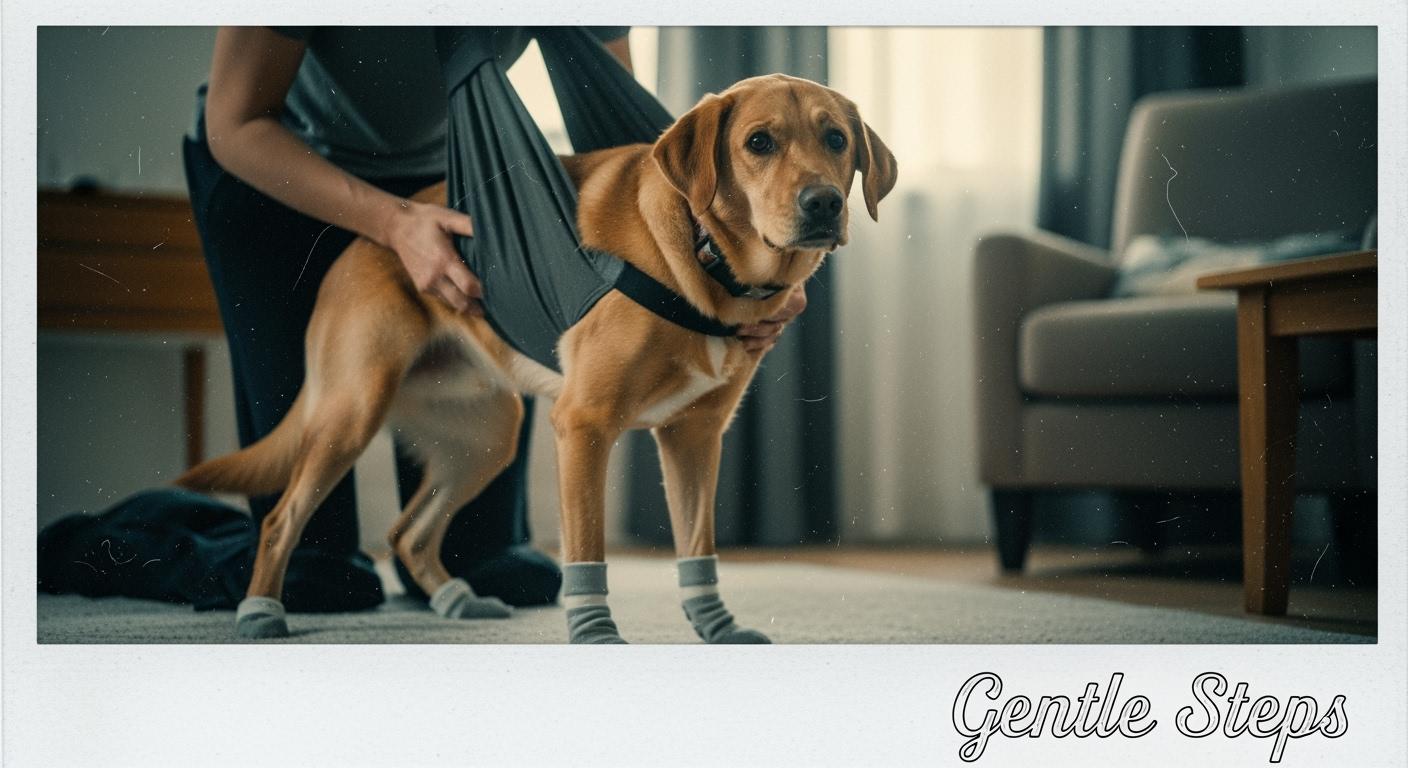
Traction socks and support slings give you practical ways to help your dog at home. These aids can reduce slips and protect paws from injury while you seek answers from your veterinarian. Dog knuckling signals paw weakness or nerve trouble, so your main goal is safety and comfort. Use gear to support—not replace—professional care.
Key Takeaways
Put traction socks on your dog to help them walk safely. These socks stop your dog from slipping on smooth floors. They also keep your dog’s paws safe from getting hurt.
Look at your dog’s skin and comfort every day. Check for red spots or swelling under the gear. Change the gear if you see any problems.
Make a daily plan for your dog. Include easy exercise and vet visits often. This helps your dog stay healthy and move well.
Dog knuckling: signs and quick home checks
Limping vs knuckling: what to look for
You may notice your dog limping, but knuckling in dogs looks different. Limping often means your dog avoids putting weight on a sore leg. Dog knuckling means the paw folds under, so your dog walks or stands on the top of their paw or toes. You might see dragging toes, hear toenails scraping the ground, or spot a wobbly gait. Dogs with knuckling sometimes cross their legs or show muscle loss in one limb. Common causes of knuckling include nerve injury, arthritis, or spinal problems. If you see these signs, check for frayed toenails, sores on the top of the paw, or difficulty gaining traction on hard floors.
Paw placing check for screening
You can do a simple paw placing check at home to help tell if your dog is knuckling. Gently flip one paw so the top touches the ground while your dog stands. A healthy dog quickly returns the paw to its normal position. If your dog delays or leaves the paw flipped, this may signal a problem. This test helps you learn how to tell if your dog is knuckling, but it does not replace a vet’s diagnosis. Common causes of rear paw knuckling include weakness from aging or nerve issues. Common causes of front paw knuckling may involve injury or joint disease.
Observations to share with your vet
Keep notes or short videos of your dog’s walking, standing, and paw placement. Share these with your veterinarian. Important details include changes in stride length, stumbling, clicking sounds, or difficulty rising. Document any sores, scuffed nails, or trouble with slippery floors. Your vet will use this information to find the causes of knuckling and recommend the best care.
How to treat your dog’s knuckling: gear and daily routines
Dog knuckling can make daily life challenging for both you and your pet. Learning how to treat your dog’s knuckling at home starts with the right gear and routines. You can use traction socks and a support sling to improve safety, comfort, and mobility. Follow these steps to help your dog stay active and protected while you work with your veterinarian.
Step-by-Step Body Plan
Step One: Assess Your Dog’s Needs
Watch your dog walk and stand. Notice if the paw folds under or drags. Check for sore spots or worn nails. Write down what you see. Share these notes with your vet.
Step Two: Choose the Right Gear
Use the gear map below to match your dog’s symptoms with the best support:
Symptom | Recommended Gear |
|---|---|
Mild scuffing, occasional drag | Traction socks, grippy paw covers |
Frequent toe-drag, worn nails | Protective boots with reinforced toe |
True knuckling (paw flips under) | Anti-knuckling training sock, support |
Weak rear end, falls | Rear lift harness or padded sling |
Whole-body instability, stairs | Full-body lift harness |
Step Three: Fit and Acclimate the Gear
Start with short acclimation sessions. Let your dog wear traction socks or boots indoors for 5–10 minutes. Check the fit and skin every 10–15 minutes. Make sure the gear is snug but not tight. Straps should not pinch or twist.
Step Four: Support Mobility and Transfers
Use a support sling for potty breaks or moving your dog. Hold the sling under the pelvis. Move slowly and keep your dog’s spine straight. This reduces strain and helps prevent falls.
Step Five: Monitor Skin and Comfort
Check the skin under socks, boots, and slings. Look for redness, swelling, or hair loss. If you see any problems, adjust the gear or take it off. Change your dog’s position every 2–3 hours if they cannot move well.
Step Six: Build a Daily Routine
Create a schedule that includes gentle exercise, rehabilitation exercises, and regular gear checks. Add ramps or mats to slippery areas. Feed a balanced diet to support nerve health. Visit your vet for check-ups and advice.
Traction socks for grip and safety
Traction socks help your dog walk safely on smooth floors. They protect paws from scrapes and prevent slips. Most traction socks use rubber dots, dual-side prints, or all-around coatings. Each style works best on different surfaces:
Traction Pattern | Pros | Cons | Best For |
|---|---|---|---|
Rubber Dots | Stable; lightweight paws rarely twist | May rotate | Textured tile, laminate |
Dual-Side Prints | Extra insurance if socks twist | May slip under heavy dogs | Laminate, hardwood |
All-Around Coatings | Strong and reliable indoors | Can feel stiff | Hardwood, glossy tile |
Choose socks made of breathable cotton blend. These allow the paw to breathe and can be layered for comfort. Most dogs tolerate traction socks well. Match the sock type to your dog’s size and your home’s flooring.
Tip: Start with short sessions. Let your dog wear traction socks for 5–10 minutes at first. Increase time as your dog gets used to them.
Support sling for mobility and transfers
A support sling helps your dog move safely during potty breaks or transfers. You hold the sling under your dog’s hind end. This keeps your dog balanced and reduces the risk of falls. The sling also helps keep the spine straight and relieves pressure on weak limbs.
When fitting a support sling, follow these steps:
Choose a sling that fits your dog’s size and weight.
Make sure the sling is snug but not too tight.
Use the sling to lift and support your dog gently.
Move slowly to keep your dog comfortable.
Ask your vet for specific instructions if needed.
Note: Always check for groin rub or discomfort when using a sling. Adjust the fit if you see redness or swelling.
Fit and skin safety checklist
Use this checklist every day to keep your dog safe and comfortable:
Start with short durations for gear use. Increase time slowly.
Check your dog’s skin under socks, boots, and slings for irritation or injury.
Make sure gear fits snugly but does not pinch.
Use traction socks to prevent slipping on smooth surfaces.
Match sock type to your dog’s size and flooring.
Change your dog’s position every 2–3 hours if they cannot move well.
Stop and adjust gear if you see redness, swelling, or limping.
You can print this checklist and keep it near your dog’s gear station.
Daily Routines for Dogs with Knuckling
Here are daily routines that support your dog’s health and comfort:
Schedule regular veterinary visits to monitor progress.
Practice rehabilitation exercises and gentle physical therapy.
Use proper footwear like traction socks or protective boots.
Add ramps or mats to make your home safer.
Feed a balanced diet to support nerve health.
Maintain a gentle exercise routine for joint and muscle strength.
Decision Table: What Gear Should You Use?
Problem Sign | Gear Adjustment | When to Call the Vet |
|---|---|---|
Redness or swelling | Loosen or remove gear | If redness worsens or spreads |
Limping gets worse | Check fit, reduce wear time | If limping persists |
Sudden refusal to bear weight | Remove gear, rest dog | Call vet immediately |
Scraping or sores | Add protective boot overlay | If sores do not heal |
Mini-Scenarios: Real-Life Gear Use
Scenario A:
Your senior dog drags toes on hardwood floors. You put on traction socks with rubber dots. Your dog walks more steadily and avoids slipping.
Scenario B:
Your dog struggles to stand after naps. You use a padded support sling for potty breaks. You lift gently and keep the spine straight. Your dog moves safely outside.
Scenario C:
You notice redness between your dog’s toes after wearing socks. You remove the socks, check the skin, and switch to shorter sessions. The redness fades, and your dog stays comfortable.
Printable Gear Checklist for Owners
Traction socks (matched to flooring)
Protective boots (if toe-drag or abrasion occurs)
Support sling (correct size and padding)
Mats or runners for slippery areas
Nail and coat trimmers
Printable daily safety checklist
Vet contact information
Safety Reminder: Gear supports your dog’s mobility and comfort. Always seek veterinary diagnosis for new or worsening knuckling. Use gear as a support, not a cure.
Treatment options: gear comparison and troubleshooting

Comparing traction socks, boots, and support slings
Picking the right gear helps you care for dog knuckling. It also keeps your dog’s paws safe. Each device works best for different problems. Use this table to help you choose:
Device | Best For | Watch-outs |
|---|---|---|
Traction socks | Slippery floors | Can twist; check nail length |
Protective boots | Dragging + abrasion | Heat/moisture; frequent fit checks |
Anti-knuckling support | Paw flips under | Must be sized and tensioned correctly |
Rear lift harness/sling | Potty breaks, transfers | Groin rub; keep lifts smooth |
Full-body lift harness | Stairs/transfers | Ensure chest + abdomen support balance |
You can try special gear too. No-knuckling socks and toe-up slings help with knuckling. They let the toes move freely. Hindlimb dorsi-flex assist boots give ankle support. They also protect the paw for longer times.
Here is a quick look at traction socks and boots:
Type | Pros | Cons |
|---|---|---|
Traction Socks | Easy to put on, keeps paws warm, adjustable straps | Some dogs dislike them, can twist or fall off, not for outside use |
Boots | Covers whole paw, good for outdoors | Harder to put on, may bother some dogs |
Troubleshooting common problems at home
You might have problems when using gear for dog knuckling. Try these steps to fix common issues:
Use support gear with traction socks or booties for long walks.
Check your sling or harness before each use. Make sure it does not rub or pinch.
Adjust straps so they fit but are not tight. Look for redness or hair loss after every session.
If traction socks or booties do not help enough, try a harness or mobility aid.
Tip: Watch your dog’s comfort and skin. Stop and change gear if you see irritation or limping.
Use this table to help you solve problems:
Problem Sign | Gear Adjustment | When to Call the Vet |
|---|---|---|
Redness or swelling | Loosen or take off gear | If redness gets worse or spreads |
Limping gets worse | Check fit, use gear less | If limping does not get better |
Sudden refusal to bear weight | Remove gear, let dog rest | Call vet right away |
Scraping or sores | Add protective boot overlay | If sores do not heal |
When to call the vet for urgent help
Some signs mean you should call your vet right away. If knuckling starts suddenly, it is urgent. If your dog cannot stand or walk, even for a short time, it is serious. Crying in pain, not eating, or not using hind legs may mean nerve problems.
Waiting too long can cause skin wounds or joint damage. It can also make nerve health worse. Some causes of dog knuckling are very serious. Early treatment and physical therapy can help your dog feel better.
Safety Reminder: Gear helps your dog move and feel better. Always ask your vet about new or worse knuckling. Use gear to help, not to cure.
Notice knuckling as soon as you can. Pick traction socks or a support sling to keep your dog safe.
Check the fit and your dog’s skin every day. Watch how your dog does and try gentle exercises.
Make a routine with short walks and use mats that do not slip.
Be happy about small improvements, like standing longer or wagging the tail.
Always talk to your veterinarian for help. Gear helps your dog feel better and move more easily.
FAQ
How long should my dog wear traction socks each day?
Start with 5–10 minutes. Increase time slowly. Check your dog’s skin every 10–15 minutes. Remove socks if you see redness or swelling.
Can I use a support sling for walks outside?
You can use a support sling for short walks and potty breaks. Always lift gently. Watch for groin rub or discomfort. Ask your vet for advice.
What signs mean I should call my veterinarian?
Call your vet if you see sudden knuckling, refusal to bear weight, sores that do not heal, or pain. Gear supports your dog, but vet care is essential.
