
Dog Brace Solutions by Condition
If you know your dog’s diagnosis—or you have a strong suspicion (for example, ACL/CCL injury, luxating patella, arthritis, or knuckling)—start here.
Each condition page explains common signs, what supportive bracing may help with, key selection points, and safety notes.
Important: This content is educational and does not replace veterinary diagnosis or treatment.
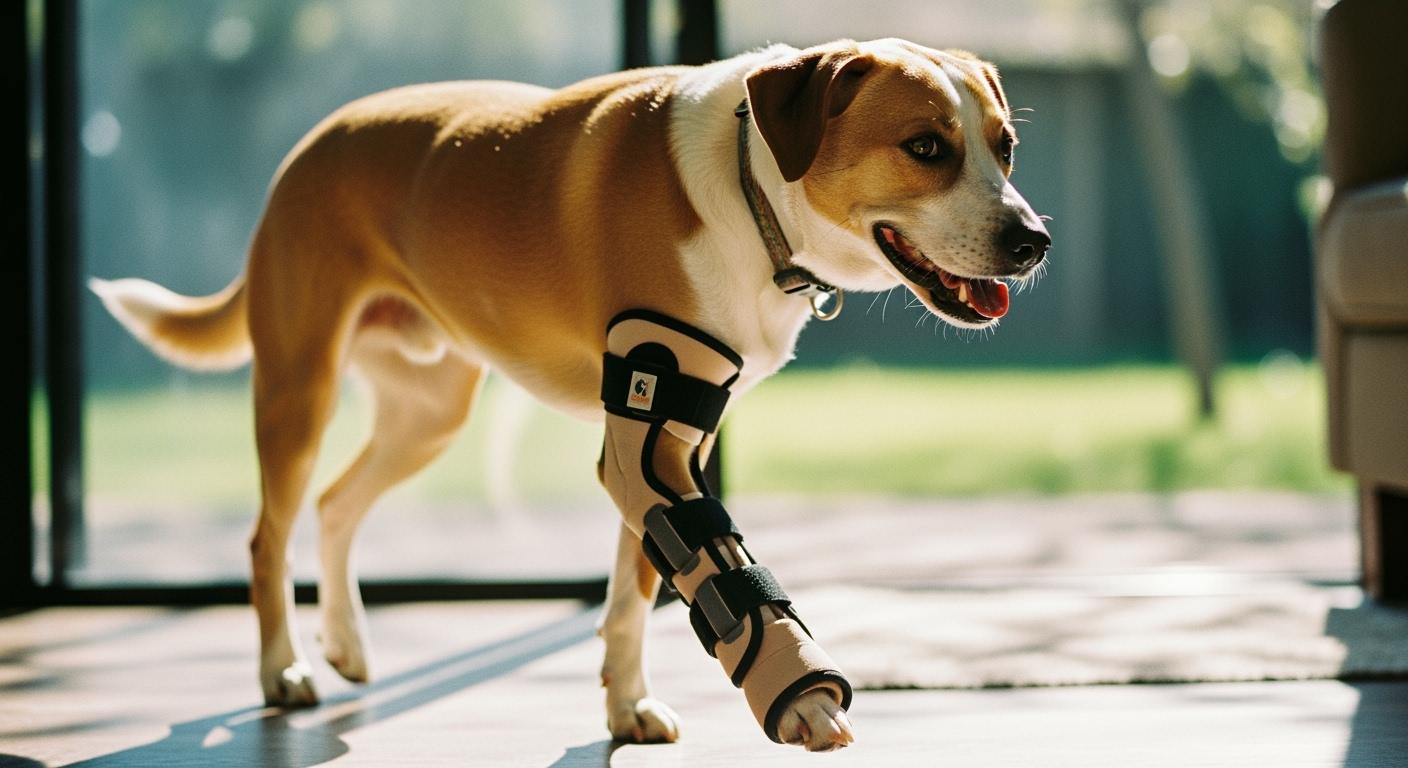
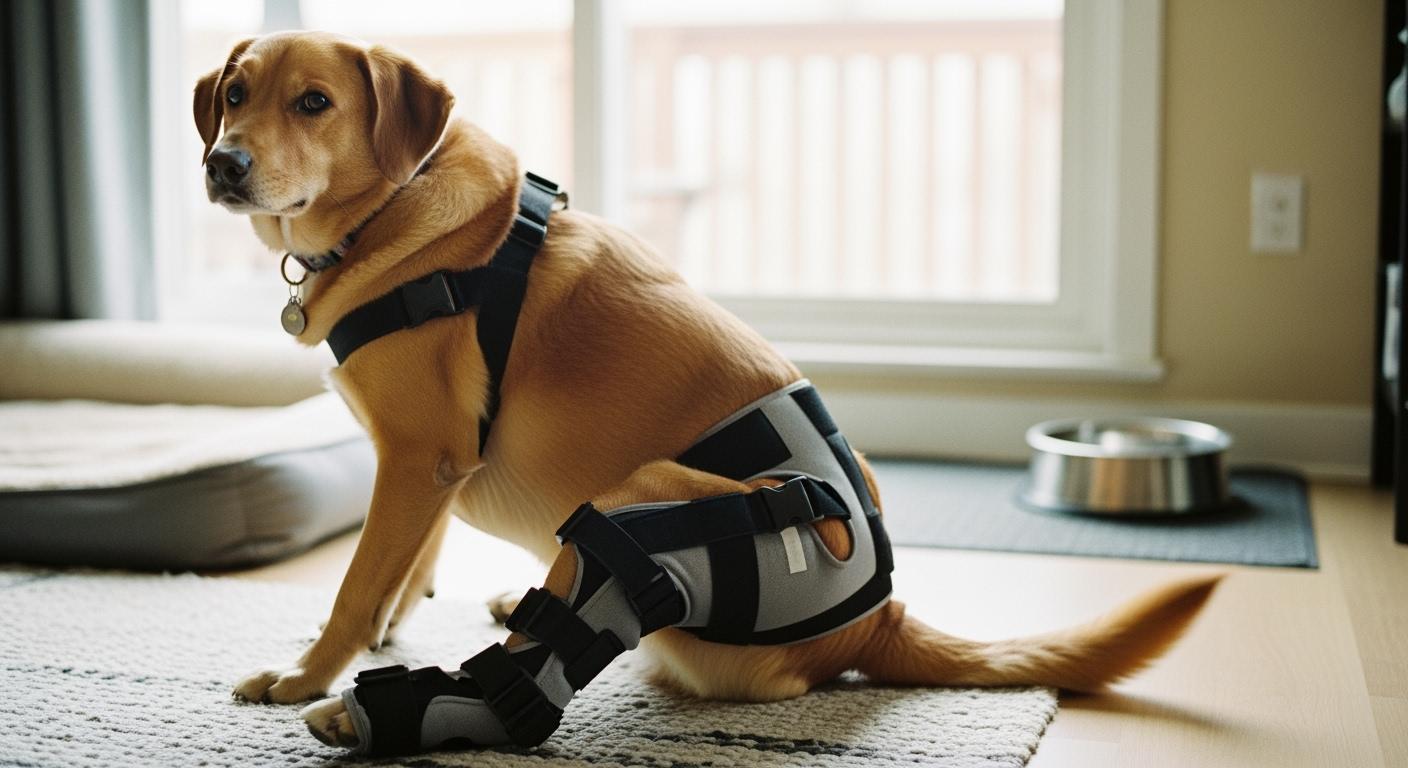
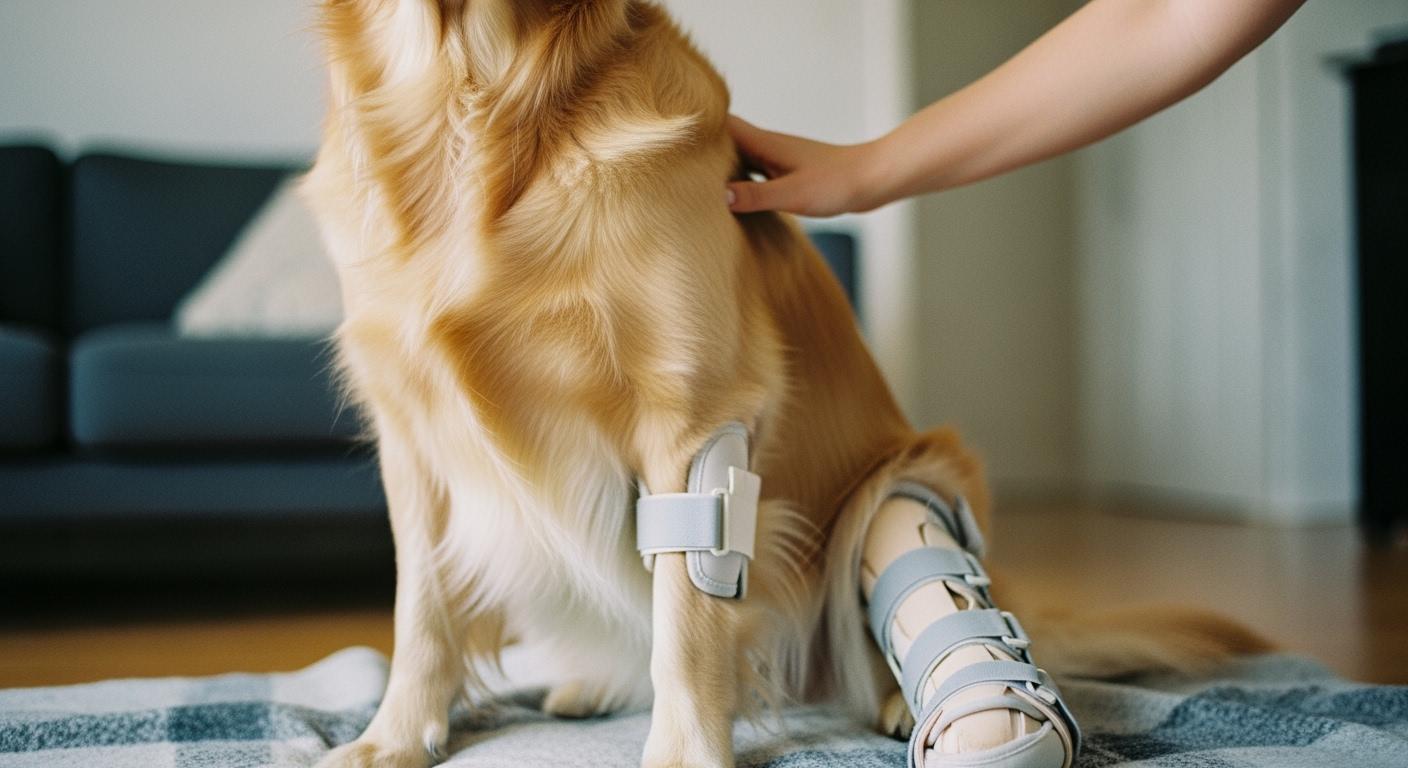
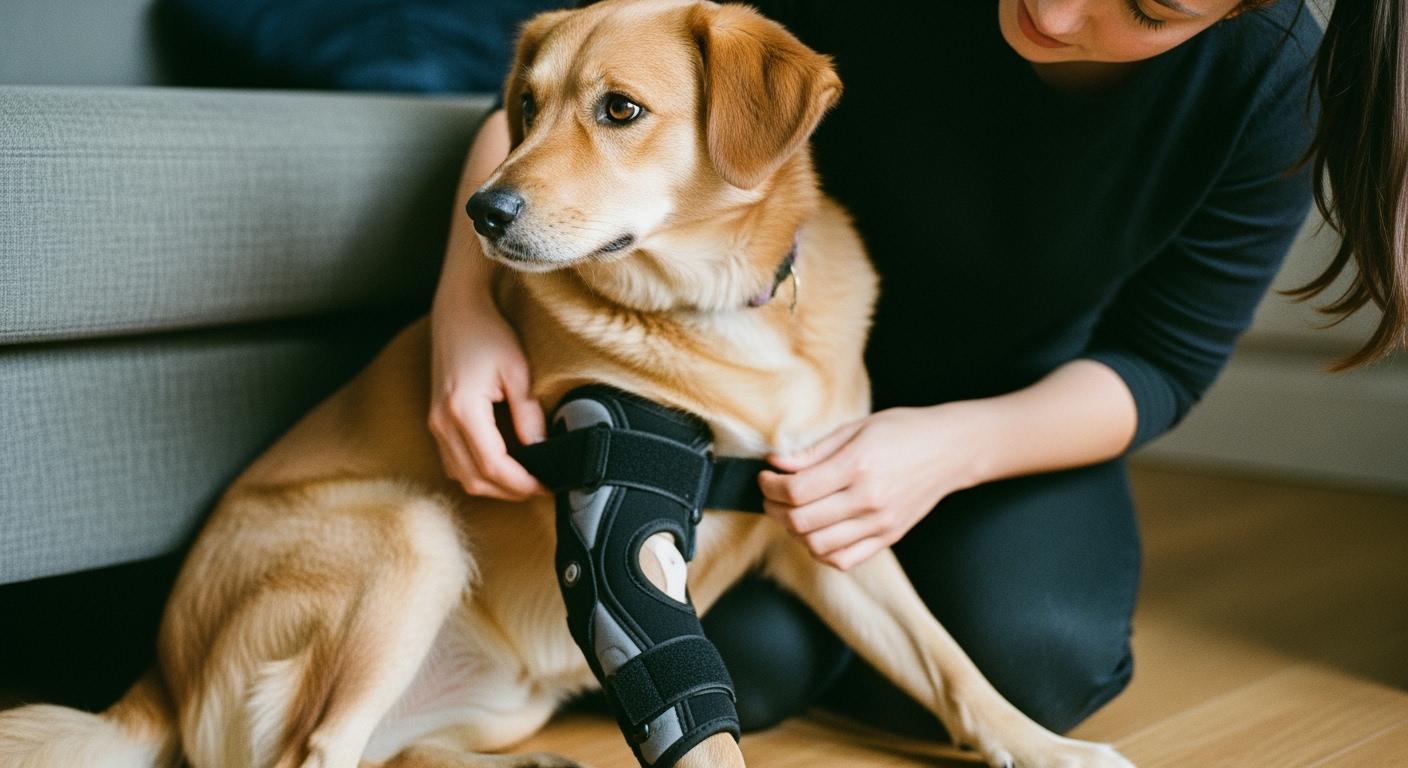
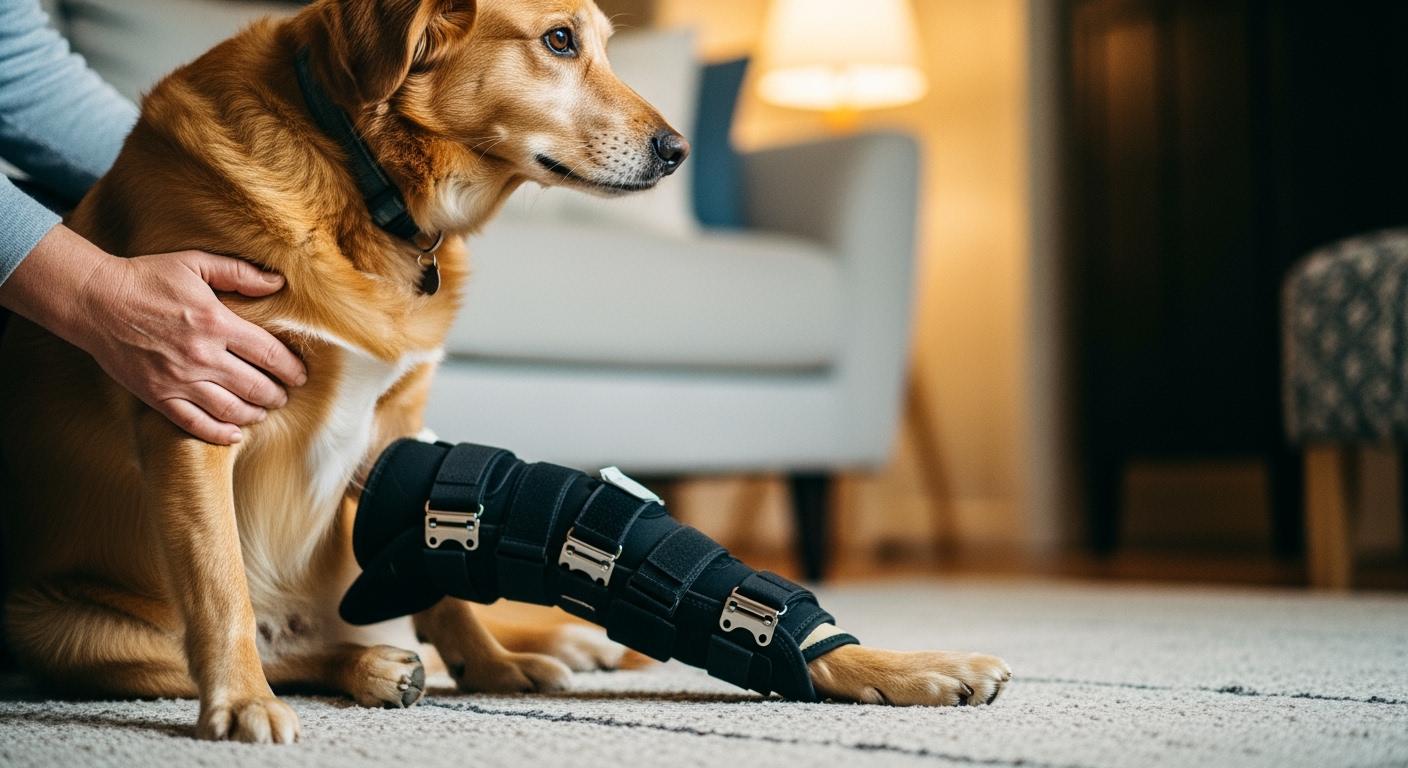
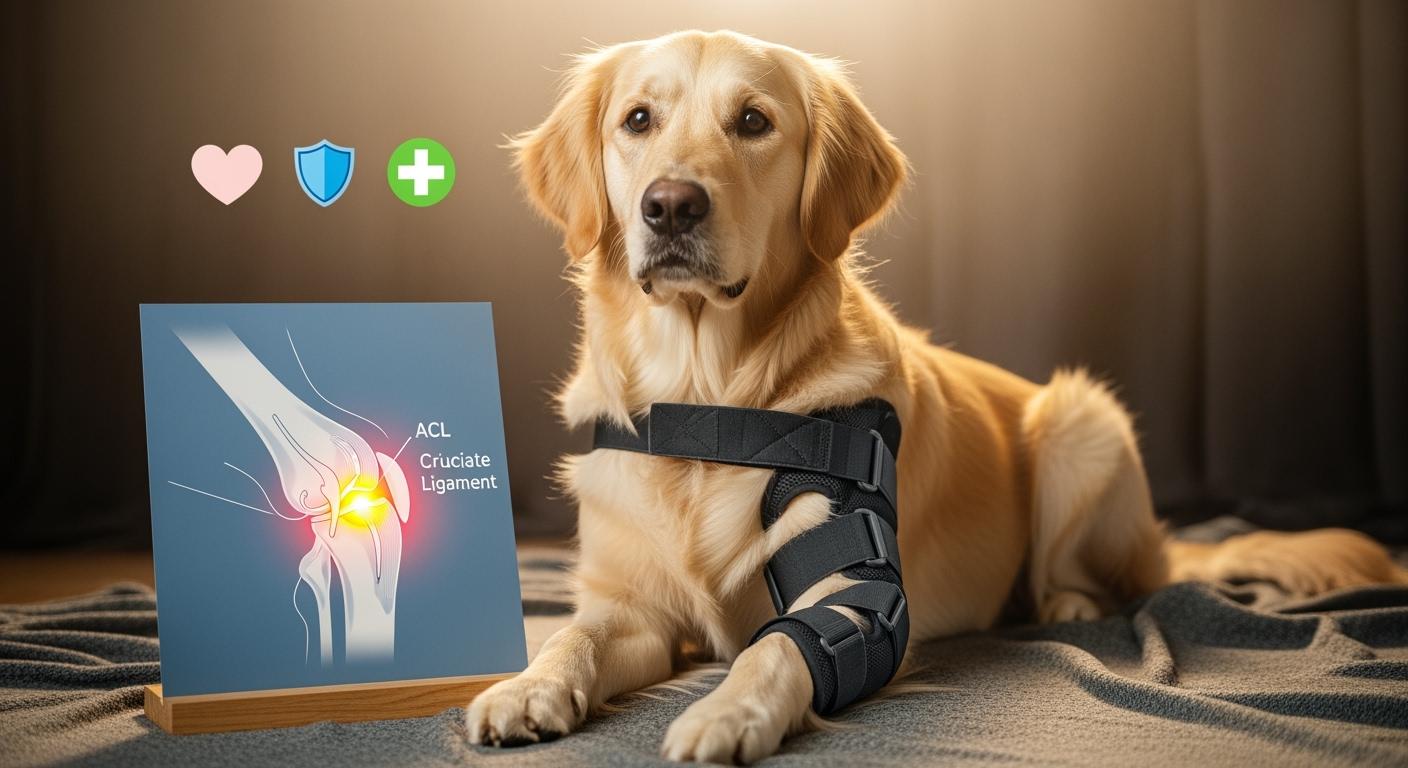
Dog Knee Braces
Gait Training & Walk Plan Support
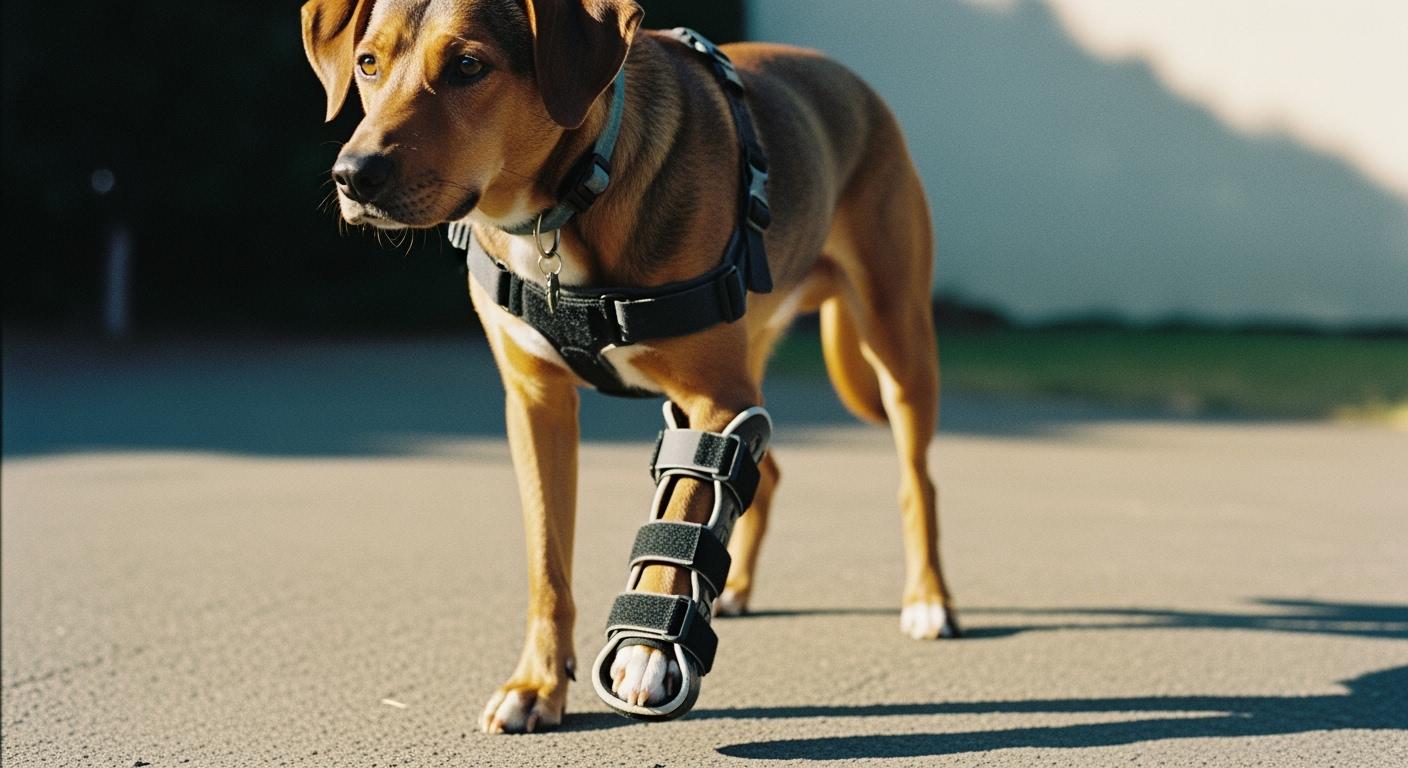
Toe-Up / No-Knuckling Support
Need help choosing the right support setup?
Share your dog’s main issue (knee instability, paw drag, senior weakness), size/breed, and activity level—we’ll point you to the best starting resources and fit steps.
How do I choose between “By Condition” and “By Body Part”?
If you know the diagnosis (e.g., ACL/CCL injury or luxating patella), start with By Condition. If you only know where the issue appears (knee/hip/hock/paw), start with By Body Part.
How long can my dog wear a brace each day?
Start with short, supervised sessions and increase gradually using a break-in schedule. Daily wear time depends on fit, comfort, skin response, and your veterinarian’s guidance.
What are signs the brace doesn’t fit correctly?
Watch for slipping, rubbing, swelling, persistent redness, hair loss, or a gait that worsens. If you see these, stop use and reassess fit before continuing.
Can a brace replace surgery for ACL/CCL injuries?
Treatment depends on severity and your veterinarian’s assessment. A brace may support conservative management in some cases, but it is not a substitute for professional diagnosis or treatment planning.
For toe-up/no-knuckling support, what should I monitor at home?
Check skin contact points, nail wear, paw scuffing, and overall gait quality. Make small adjustments and stop if irritation or worsening movement occurs.
When should I consult a veterinarian urgently?
Seek veterinary care if your dog cannot bear weight, shows severe pain, symptoms worsen rapidly, or you suspect neurological issues.
