
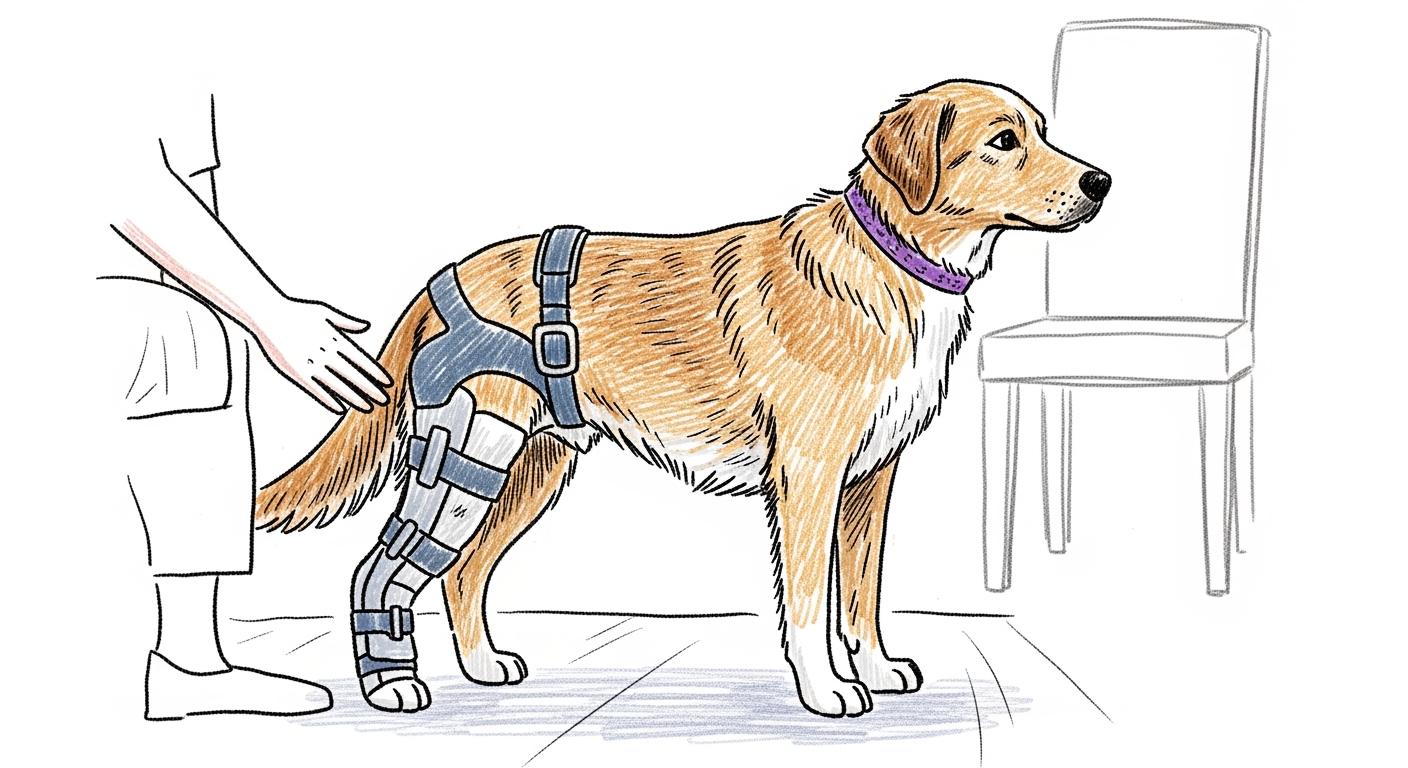
Choosing the right dog rear leg brace can help your pet move with less pain and more confidence. This term covers support for the knee, hock, hip, or even general hind-leg weakness. You will find several types on the market, including:
Standard knee braces for basic injury support
Hinged braces for flexible movement
Custom-fit models for a tailored fit
Single and double knee braces for one or both legs
Over 1 million dogs each year face knee injuries, so understanding your dog’s needs matters. Some dogs may also need lift-assist or other mobility support.
Key Takeaways
Find out which part of your dog’s leg needs help, like the knee, hock, or hip. This will help you pick the right brace.
Talk to your veterinarian before you choose a brace. This makes sure the brace is good for your dog. Your vet can also check for any serious problems.
Measure your dog’s leg carefully so the brace fits well. A good fit gives your dog more support and comfort.
Watch your dog often when it wears a brace. Look for any pain or skin problems. Change the brace if you need to.
Think about other mobility aids if your dog is very weak. Some dogs need more than just a brace if their condition is bad.
What Is a Dog Rear Leg Brace?
A dog rear leg brace is a device that helps support your dog’s back leg. People use this term for braces that help the knee, hock, hip, or whole hind leg. Each part of the leg needs different support. Knowing the difference helps you pick the right one.
Common Support Areas: Knee, Hock, Hip, Hind-Leg
Dogs need a dog rear leg brace for many reasons. The most common places needing help are:
Knee (Stifle): Knee braces keep the stifle joint steady. They help dogs heal from injuries like ACL tears or a moving kneecap.
Hock (Ankle): Hock braces stop painful stretching and keep the tarsal joint steady. They help with soft tissue injuries or arthritis in the lower leg.
Hip: Hip braces give support and gentle pressure for dogs with hip dysplasia or weak muscles.
General Hind-Leg: Some dogs need more support for weak hind legs. This often happens with older dogs or those with long-term problems.
Tip: The best brace depends on where your dog feels weak or hurts. Always talk to your veterinarian before picking a brace.
Here is a table that lists common problems that might need a dog rear leg brace:
Condition Description | Details |
|---|---|
ACL Tears or Ruptures | Active or heavy dogs often get this injury. It makes the knee less steady and harder to move. |
Luxating Patella | Small dogs like Chihuahuas and Poodles can have kneecaps that slip. A brace can help keep it in place. |
Arthritis in Joints | Big dogs like Great Danes and Bulldogs often get arthritis because of their size. Older dogs of any breed can get it too. |
Purpose and Benefits
A dog rear leg brace helps your dog walk with less pain. It can make your dog feel steadier and help healing. Braces for the knee, hock, or hip each do something special:
Hock braces stop too much stretching and keep the ankle steady.
Knee braces help the stifle joint and support ACL injuries.
Hip braces lower pain and help your dog move by supporting muscles and ligaments.
Studies show that custom stifle braces help dogs put weight on their legs and walk better. For example, research found that dogs with stifle braces had better balance and moved better after a few weeks. Not all dogs get the same results, but many feel better and move easier with the right brace.
A dog rear leg brace does not take the place of a vet. But it can help your dog recover and feel better every day.
When Does Your Dog Need a Rear Leg Brace?
Signs and Symptoms to Watch
You may notice changes in your dog’s movement or behavior before you realize they need extra support. Dogs often hide pain, so small signs matter. Watch for these common symptoms:
Limping that comes and goes or stays constant
Reluctance to move, jump, or climb stairs
Unusual walking patterns, like skipping or jerky steps
Protective behavior, such as pulling away when you touch the leg
Fatigue or resting more than usual after short walks
Aggressive licking or chewing at a specific spot on the leg
Clicking sounds from the knee or joint
Visible swelling or tenderness around the joint
Holding up the leg or showing pain when standing
Changes in mood, such as grumpiness or less interest in play
Tip: Early signs can be subtle. If you see any of these changes, keep a close eye on your dog and note when the symptoms appear.
Consulting Your Veterinarian
You should always talk to your veterinarian before choosing a dog rear leg brace. A vet can find the real cause of your dog’s pain or weakness. They use special tests to check the joints and muscles. Here are some common methods your vet may use:
Diagnostic Method | Description |
|---|---|
Cranial Drawer Test | Checks the stability of the knee joint by feeling for forward movement of the tibia. |
Tibial Compression Test | Looks for ACL damage by observing how the tibia moves when the hock is flexed. |
Radiographs (X-rays) | Shows the bones and joints to rule out arthritis, fractures, or other problems. |
Arthroscopy | Uses a small camera to look inside the joint and see the degree of damage. |
Your vet will help you decide if a brace is right for your dog. They may also suggest other treatments or support options. This step ensures you choose the best path for your dog’s comfort and recovery.
Types of Dog Rear Leg Braces
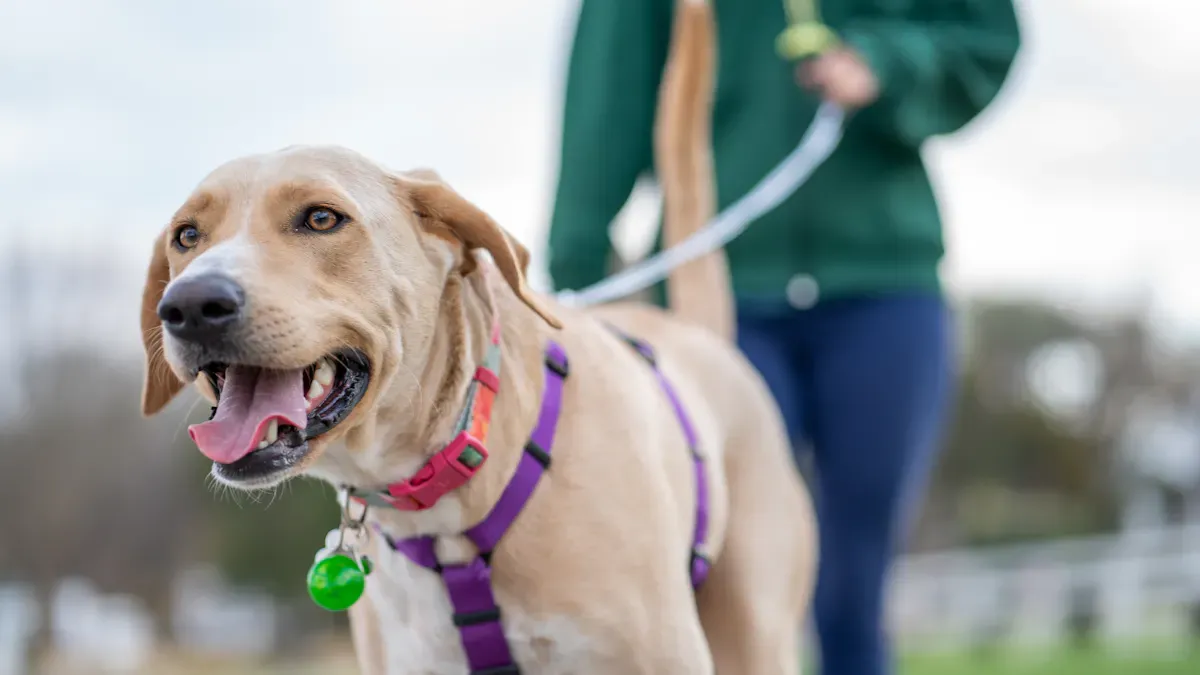
Different dog rear leg braces help certain parts of the hind leg. You need to pick a brace based on where your dog needs help. Our brace guide explains more about each type and what they do.
Category | Description |
|---|---|
Hyperextension Injuries | Braces stop joints from moving too much after injury. |
Sprains and Strains | Braces help muscles and ligaments after bad movement. |
Arthritis | Braces lower pain and help stiff joints move better. |
Growth Deformities | Braces help growing dogs keep their legs straight. |
Limited Range of Motion | Braces let dogs walk normally but block wrong movements. |
Stability During Healing | Braces keep joints still so they heal faster. |
Support for Weak Structures | Braces give extra help to weak legs. |
Pain Reduction | Braces squeeze and stop painful moves. |
Knee Braces
Knee braces help the stifle joint. Your dog may need one for ACL injuries, luxating patella, or arthritis. These braces keep the knee steady and lower pain. The material matters for how long the brace lasts and how it feels. Fabric knee braces are light and let air through. Plastic knee braces are strong and last longer, but they bend less.
Material Type | Advantages | Disadvantages |
|---|---|---|
Fabric | Light, flexible, lets air in | May break sooner if used a lot |
Plastic | Strong, waterproof, steady | Not as bendy, may feel stiff |
Our brace fitting guide has more tips about knee brace fitting.
Hock Braces
Hock braces help the ankle. Your dog may need a hock brace for:
Hock dislocation
Sprained hock
Canine Osteochondritis Dissecans (OCD)
Osteoarthritis
These braces help your dog walk with less pain and stop more injury. Our hind-leg weakness page has more info about hock injuries.
General Hind-Leg and Mobility Aids
Some dogs need help for both legs or weak hind legs. General mobility aids include lift-assist harnesses and braces for many joints. These products help older dogs or dogs with long-term problems move safely. You should look at these if your dog has trouble balancing or needs help with daily tasks.
Note: Always pick the brace that fits your dog’s needs. Ask your vet for advice before you choose a dog rear leg brace.
How to Choose the Right Dog Rear Leg Brace
Identifying the Support Area
You must know where your dog needs help before picking a dog rear leg brace. The most common spots are the knee, hock, hip, or the whole hind leg. Each spot needs a different brace. If you are not sure, your veterinarian can help you find the problem.
Here are the main things to think about when finding the right support area:
Factor | Description |
|---|---|
Makes sure the brace gives good support and comfort. It helps stop more injury. | |
Accurate Measurements | Needed to pick the right size and type of brace for your dog’s needs. |
Veterinary Consultation | Very important for finding the problem and picking the best brace. |
A brace that fits well keeps the hurt area steady and lowers pain. A brace that does not fit can hurt and block blood flow. Talking to your veterinarian is very important for finding out what is wrong and picking the best brace. They can check how bad the injury is and give you advice.
Key Features: Fit, Adjustability, Comfort
When you pick a dog rear leg brace, look for features that make it easy to use every day. The most important things are:
Measuring the leg right for a good fit
Straps you can adjust for a better fit
Materials that let air in for more comfort
A custom fit makes the brace more comfy and helps your dog get used to it. Adjustable straps let you change the fit as your dog moves or if swelling goes up or down. Materials that breathe keep your dog’s skin healthy and help stop rashes.
Factor | Impact on Comfort and Adjustability |
|---|---|
Custom Fit | Makes the brace more comfortable |
Owner Compliance | Needed for wearing the brace every day |
Veterinary Oversight | Helps with changes and checking progress |
Physiotherapy Integration | Makes the brace work better |
Long-term Monitoring | Helps stop problems like skin rashes |
Tip: The brace should help the joint but not stop your dog from moving normally. Comfort and being able to adjust the brace help your dog wear it longer each day.
Measuring and Fitting Tips
Measuring right is the first step for a good fit. Follow these steps to measure your dog for a rear leg brace:
Measure the Length:
For knee braces: Measure from the top of the thigh to just under the knee.
For hock braces: Measure from the middle of the hock joint to the paw.
Repeat Measurements: Measure twice to make sure you are right.
Record Measurements: Write down your numbers and check them with the size chart from the brace maker.
Measure your dog’s leg while they are standing up. Keep the tape close but not too tight. Always check your numbers again. For more tips, see our brace fitting guide.
Note: If you are not sure how to measure, ask your veterinarian or a brace expert for help.
Common Mistakes to Avoid
Many people make easy mistakes when putting on a dog rear leg brace. You can stop these problems by doing a few simple things:
Check the fit every 2-3 hours at first to make sure it is not too tight or loose.
Look for swelling, especially in the first days. Give your dog breaks for 15-20 minutes every 2-3 hours.
Do not use a brace instead of seeing a veterinarian or getting surgery.
Check your dog’s skin every day for red spots, sores, or missing hair.
Clean the brace often and look for damage.
Using a brace without help from a vet can make the fit wrong, not give enough support, or even cause more harm. A vet makes sure the brace works right and helps your dog heal safely.
Alert: Always talk to your veterinarian. A dog rear leg brace is just a tool, not a cure. Your vet will help you get the right treatment and watch your dog’s healing.
If you want to learn more about different braces or help for certain problems, visit our brace guide or hind-leg weakness page.
When a Brace Isn’t Enough
Sometimes, your dog needs more help than a dog rear leg brace can give. Dogs with severe weakness, advanced arthritis, or nerve problems may need extra support. You might see your dog struggle to stand, walk, or keep balance. In these cases, you should look at other mobility aids or condition-based solutions.
Broader Mobility Support Options
You have several options if your dog needs more than a brace. These tools can help your dog move, stay active, and feel safe. Here is a table that shows common mobility aids and their main uses:
Mobility Aid | Purpose |
|---|---|
Rear support harnesses | Walking assistance |
Dog wheelchairs | Advanced mobility support |
Orthopedic braces or wraps | Stabilize joints |
Hip brace | Provides joint stability |
A rear support harness can help you lift your dog during walks or bathroom breaks. A dog wheelchair gives full support if your dog cannot use their back legs. Orthopedic wraps or hip braces add stability for weak joints. You may need to use more than one aid, depending on your dog’s needs.
Tip: Talk to your veterinarian about which mobility aid fits your dog’s condition best. Each tool works for different problems and activity levels.
When to Seek Professional Help
You should watch for signs that show your dog needs more than home care. Some problems need a vet or rehab expert right away. Here are important signs and facts to guide you:
Indicator | What It Means |
|---|---|
Complications | Skin irritation or brace slipping can happen. Check your dog’s skin and brace fit often. |
Importance of fitting | Good results depend on the right fit and regular check-ups with your vet. |
Professional fitting necessity | Poor fit or not wearing the brace enough can cause more problems. Get help from a specialist. |
Bracing helps in mild or moderate cases. It does not cure severe injuries.
You need regular vet visits to adjust the brace and check your dog’s progress.
If your dog gets sores, swelling, or cannot walk, call your vet right away.
Alert: Never use a brace as a replacement for surgery or expert care. Your vet can help you choose the safest and most effective plan for your dog.
If you want to learn more about mobility aids or condition-based support, visit our main brace guide or hind-leg weakness resource pages.
To pick the right dog rear leg brace, do these things: Make sure the brace fits your dog well so it feels good and is safe. Ask your veterinarian to check your dog and help you pick a brace. Find out about the different kinds of braces so you know which one your dog needs. Your veterinarian will help you measure your dog’s leg and watch how your dog does with the brace. They can also change the plan if your dog needs something different. If you want more help, look at guides about leg injuries, arthritis, or tools like ramps and harnesses.
FAQ
How do I know if my dog needs a rear leg brace?
You may notice limping, trouble standing, or changes in how your dog walks. If your dog avoids stairs or licks one leg often, a brace might help. Always ask your veterinarian before you buy a brace.
Can my dog wear a rear leg brace all day?
Most dogs should not wear a brace all day at first. Start with short periods. Watch for skin changes or discomfort. Your veterinarian can tell you how long your dog should wear the brace each day.
How do I measure my dog for a rear leg brace?
Use a soft tape measure. Measure the length and width of your dog’s leg while your dog stands. Check the brace maker’s size chart. Measure twice to make sure you get the right fit.
Will a brace cure my dog’s injury?
A brace supports healing and helps with comfort. It does not cure injuries or replace surgery. Always follow your veterinarian’s advice for the best results.
What if my dog’s brace does not fit well?
Stop using the brace if it causes pain or sores. Check the fit and adjust the straps. If problems continue, contact your veterinarian or the brace provider for help.
