
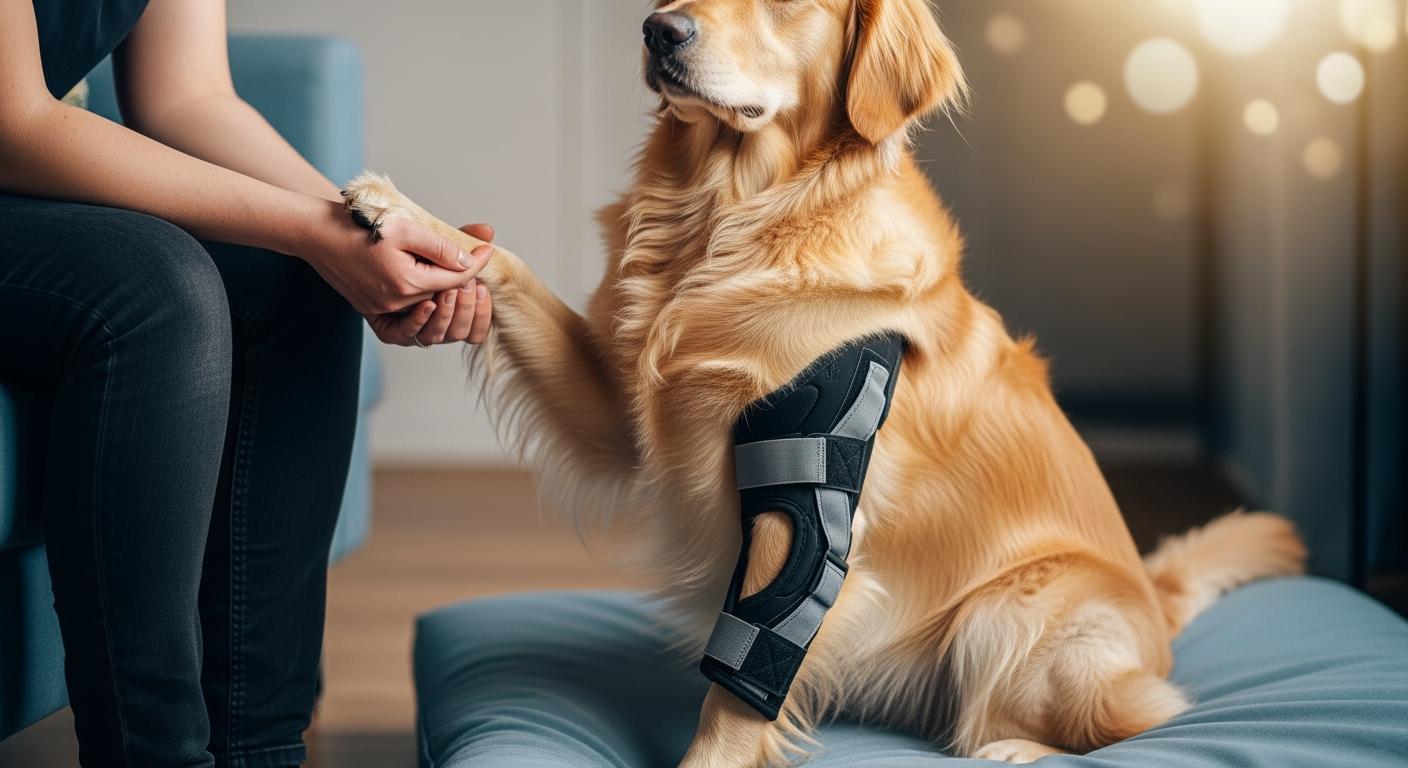
You want to get the best dog acl leg brace for your dog’s recovery after an ACL or CCL injury. Picking the right brace helps your dog walk safely and feel better during healing. You need a brace made for knee stability, not just any leg brace. The brace must fit well. If it is too loose or too tight, your dog may feel pain and not heal well. The brace should be snug but still let your dog move. This helps your dog stay comfortable. The material should let air in and feel soft so your dog’s skin does not get sore. Always ask your veterinarian for help with dog knee pain, care after surgery, and choosing the right brace.
Key Takeaways
Pick a dog knee brace for torn ACL made for knee support, not just any leg brace. This helps your dog stay steadier and feel more comfortable during recovery.
The brace must fit well. Measure your dog’s leg carefully. Ask your veterinarian for help. This reduces rubbing and helps your dog heal more safely.
Find a brace with straps you can adjust and material that lets air in. These things make the brace more comfortable. They also let you change the fit as your dog gets better.
Watch your dog after you put on the brace. Check if your dog feels good and moves more. If your dog limps less and wants to play, that is a good sign.
Always talk to your veterinarian before you pick a brace. Your veterinarian can help you choose the best one for your dog’s injury and needs.
Dog ACL Leg Brace vs. Generic Leg Brace
What Is a Dog ACL Leg Brace?
A dog ACL leg brace is a special type of dog knee brace. You use it when your dog has a torn ACL or CCL. These braces support the knee joint and help your dog move with less pain. Many people think any leg brace will work, but that is not true. A generic leg brace does not give the right support for torn ligaments. You need a brace that fits your dog’s knee and helps with stability.
Here is a table to show the main differences:
Feature | Dog ACL Leg Brace | Generic Leg Brace |
|---|---|---|
Fit | Custom-sized for the dog | Often one-size-fits-all |
Function | Designed for specific injuries (e.g., knee) | General compression only |
Comfort | Better fit and padding | May cause rubbing and pressure sores |
Biomechanics | Guides movement and improves limb use | Poor-quality may not change gait |
The best dog knee braces focus on the stifle (knee) joint. They stabilize the knee from front-to-back movement. They also limit too much rotation and give steady compression. This helps your dog heal after a torn ligament.
Note: For condition-led support planning, review our solutions by condition. For product-side comparison, review our dog knee brace options.
Why Dogs Need Targeted Knee Support
You want your dog to recover from a torn ACL or CCL. Targeted knee support from a dog knee brace keeps the knee in the right position. This helps the joint stay aligned and reduces pressure on the torn ligament. Proper alignment is important for healing. It lowers the risk of more dog knee injuries and stops unwanted movement.
A generic brace does not give this level of support. It may not fit well or may not stop the knee from moving the wrong way. The best dog knee braces give the right amount of compression and support. They help your dog walk better and feel less pain. You should always choose a brace based on your dog’s injury and activity level. A good fit is key for stability and comfort.
If your dog has a torn ligament, do not use a general rear-leg brace. Use a dog knee brace made for ACL or CCL support. This choice helps your dog heal and stay active.
When to Use a Knee Brace for a Dog
Common ACL and CCL Injuries
Your dog might limp or not use a back leg. These signs can mean your dog has a knee injury like a torn ACL or CCL. These are very common bone and joint problems in dogs. A dog knee brace can help keep the knee steadier during controlled recovery and daily activity. It also helps your dog heal. Studies show many dogs get better with care that does not need surgery. This is true if surgery is not possible. Bracing keeps the knee from moving too much. It lowers pain and stops more harm. Dogs with small tears, loose knees, or arthritis can get help from a brace. A knee brace for a dog can also help after surgery. It gives extra support while your dog gets better.
Signs Your Dog May Benefit from a Brace
Look for signs that your dog needs more knee support. These signs are:
Limping or using one back leg less
Swelling near the knee
Hard time standing up or jumping
Stiffness after resting
Not wanting to play or exercise
A dog knee brace may help if your dog has a small tear, knee looseness, or is healing from surgery. For conservative-use context, review our non-surgical dog ACL brace options article. Older dogs with arthritis or dogs not having surgery can also use a brace. Sometimes, surgery is not safe because of age, health, or money. In these times, a knee brace for a dog is a good way to help your dog move and feel better. Studies say custom braces help dogs walk and balance better. The right support lets your dog stay active and hurt less while healing.
Tip: Always ask your vet before you start any new plan to help your dog’s knee.
Key Features of an ACL Leg Brace for Dogs
Proper Fit and Accurate Measurement
You want your dog’s acl leg brace for dogs to work well. The most important thing is that the brace fits right. If the brace is snug, it will not cut off blood flow. It also helps your dog walk steady. You need to measure your dog’s leg carefully. Use a soft tape to measure the thigh, knee, and lower leg. Write down the sizes you find. Many braces have guides to help you measure. If you pick the wrong size, your dog might hurt or the brace could slip. A good fit keeps the brace in place and helps your dog heal.
Tip: Ask your vet to help you measure. A vet can check the fit and make sure the brace helps your dog’s knee.
Adjustability and Comfort
Being able to adjust the acl leg brace for dogs is helpful. Straps that adjust let you change the brace as your dog’s leg gets better. You can make the brace tighter or looser for comfort. Many braces use Velcro® straps so you can adjust them easily. This helps keep the brace snug but not too tight. Dogs of all sizes need braces that adjust. Comfort is important if your dog wears the brace every day. Materials like neoprene and bamboo fiber let air in and feel soft. This helps your dog wear the brace longer. Most dogs get used to the brace after a while. You can help your dog by starting with short times wearing the brace.
Adjustable straps help you get the right fit.
Breathable materials stop skin problems.
Firm support helps your dog walk steady.
Materials and Durability
The materials in an acl leg brace for dogs matter for how long it lasts and how it feels. You want a brace that is strong and feels good on your dog’s skin. Neoprene gives support and keeps the leg warm. Bamboo fiber keeps the leg dry and stops bad smells. Elastic cloth lets your dog move and stretch. Plastic splints give strong support to the joint. Velcro® straps make the brace easy to put on and take off. Each material does something special.
Material | Function | Impact on Durability and Comfort |
|---|---|---|
Neoprene | Compression, thermal regulation | Elastic, fits the leg, may feel warm |
Bamboo Fiber | Moisture management, odor control | Fights germs, keeps skin dry, feels soft |
Elastic Cloth | Flexibility, support, movement | Stays in place, feels good when moving |
Plastic Splints | Rigid support, joint stabilization | Light, can be shaped, keeps joint steady |
Velcro® Straps | Adjustability, secure fit, easy to use | Lets you change fit, important for comfort |
Use our canine rehabilitation brace fit, comfort, and safety guide to compare material comfort, rubbing risk, and daily wear checks before you choose. Dogs with sensitive skin may need bamboo fiber. Dogs that move a lot may need elastic cloth to help them run and play.
Hinged vs. Non-Hinged Braces
You need to choose between hinged and non-hinged braces. Hinged braces give strong support and let your dog move in a safe way. They are good for active dogs with ACL injuries. Non-hinged braces give less support and limit movement. These are good for dogs with small injuries or who do not need much support.
Type of Brace | Support Level | Mobility Control | Ideal For |
|---|---|---|---|
Hinged Braces | High | Controlled | Active dogs with ACL injuries |
Non-Hinged Braces | Moderate | Limited | Dogs needing less support |
Hinged braces help your dog walk better and keep the knee steady. They stop too much movement and lower the chance of getting hurt again. Non-hinged braces are simple to use and work for mild injuries. You should pick the brace that matches your dog’s needs and how much they move.
Note: Comfort matters if you want your dog to wear the brace. Soft, airy designs help your dog like the brace and move better.
An acl leg brace for dogs that fits well, adjusts, uses strong materials, and has the right hinge helps your dog heal. You help your dog walk steady and feel more confident.
How to Choose the Right Dog Knee Brace
Consulting Your Veterinarian
You should always start by talking to your vet when choosing the right knee brace for your dog. Your vet can check your dog’s injury and decide if a dog ACL leg brace is the best option. They know how to spot the difference between a mild sprain and a serious ligament tear. Your vet can also recommend the right level of support for your dog’s needs.
For product-side browsing across current knee-support designs, review our dog knee brace options category.
Tip: Bring notes about your dog’s limp, changes in walking, or any swelling you notice. This helps your vet give the best advice.
Your vet will guide you through the fitting process. They can show you how to put the brace on and check if it fits well. Ongoing support from your vet is important for your dog’s recovery. If you have questions about comfort or see any skin problems, consult your vet right away.
Measuring for Proper Fit
Getting the right size is one of the most important steps in choosing the right knee brace. A brace that fits well gives better support and helps your dog heal faster. You need to measure your dog’s leg carefully. Use a soft tape measure and follow these steps:
Measure above the knee. Wrap the tape around the thigh, just above the knee joint.
Measure below the knee. Find the circumference just below the knee.
Measure the leg length. Start at the top of the thigh and measure down to just above the paw.
Double-check your measurements. Make sure you write down the numbers and check them again.
A well-fitted brace will not slip or cause rubbing. It should feel snug but not tight. If you are unsure, ask your vet to help with measuring. This step can prevent many problems later.
Custom vs. Off-the-Shelf Options
You can choose between custom braces and off-the-shelf braces when choosing the right knee brace. Each type has its own benefits and limits. The table below shows the main differences:
Feature | Custom Braces | Off-the-Shelf Braces |
|---|---|---|
Fit | Precision-made for your dog | General sizes (S, M, L, XL) |
Comfort | Moves naturally, less rubbing | May slip or cause skin issues |
Biomechanics | Controls joint movement, reduces pain | Basic support, less control |
Support | High, for severe injuries | Mild to moderate |
Effectiveness | Improves weight-bearing and gait | May not help all dogs |
Cost | $1,000 – $1,800 | Under $100 to over $1,000 |
Accessibility | Takes time, needs a vet | Buy and use right away |
Owner Involvement | High, with vet guidance | Low to moderate |
Complications | Fewer if fitted well | More common (skin sores, slippage) |
Custom braces give the best fit and support, especially for dogs with severe injuries. They take more time and cost more. Off-the-shelf braces are easier to get and work well for mild to moderate injuries. Always check the size chart and measure your dog before buying.
Common Mistakes to Avoid
Many dog owners make mistakes when choosing the right knee brace. Avoid these common problems to help your dog heal:
Measuring too loosely. This can make the brace slip and not give enough support.
Using a stiff tape. A soft tape gives more accurate measurements.
Not double-checking measurements. One small mistake can lead to the wrong size.
Skipping a vet visit. Your vet knows what level of support your dog needs.
Picking a brace based only on price or looks. Focus on fit, comfort, and support.
Note: Bracing outcomes depend on the design and fit of the device. Poor fit can cause skin sores or make the brace less effective.
Choose a brace that is easy to put on and take off. Look for materials that are strong and comfortable. Make sure you can clean the brace easily. If you see any redness or sores, stop using the brace and consult your vet.
Choosing the right knee brace takes time and care. Focus on fit, comfort, and support. Always consult your vet for the best results.
Fitting and Using a Dog ACL Leg Brace
Step-by-Step Fitting Guide
You want your dog to get the best support from a brace. Use our adjustable dog knee brace fit guide for measurement, break-in, and activity-limit basics before you begin:
Watch the tutorial video before you start.
Slide your dog’s leg into the brace.
Tighten the bottom strap first. Make sure it is snug but not too tight.
Check for wrinkles or pinching in the skin.
Tighten the middle strap to remove any gaps at the knee.
Secure the top strap around the thigh. Keep it snug, but not as tight as the lower straps.
Check the fit. There should be 1–2 finger widths between the brace and the groin fold.
The brace should sit just above the hock and allow your dog to move freely.
Tip: A well-fitted brace helps reduce knee pain and keeps your dog comfortable.
Helping Your Dog Adjust
Dogs need time to get used to wearing a brace. Use gradual acclimatization to help your dog adjust. Start with short wear times of 20 to 30 minutes. Increase the time each day. Monitor your dog’s skin for irritation. Adjust the straps as your dog recovers. Make sure the brace aligns with the knee. This process helps your dog feel less knee pain and improves daily comfort.
Key Considerations | Description |
|---|---|
Gradual Acclimatization | Start with short wear times and increase daily |
Monitoring Comfort | Check skin for irritation and ensure proper fit |
Regular Adjustments | Adjust straps as needed for a snug fit and correct knee alignment |
Monitoring Comfort and Effectiveness
You need to watch for signs that the brace is working. Look for these indicators:
Your dog stops limping or favoring one leg.
Swelling around the knee joint decreases.
Your dog rises from sitting or lying with less knee pain.
Activity level increases and your dog wants to play more.
Whining or signs of discomfort lessen.
Muscle atrophy in the affected leg slows down.
Note: If you notice ongoing knee pain or discomfort, consult your veterinarian.
Cleaning and Maintenance
Keep the brace clean and in good shape to help your dog avoid knee pain. Follow these routines:
Clean regularly with mild soap and water.
Dry the brace completely before putting it back on your dog.
Check often for wear and tear, like frayed straps or broken buckles.
Repair minor issues quickly or replace the brace if needed.
Store the brace in a cool, dry place away from sharp objects.
Cleaning and maintenance help prevent skin problems and keep knee pain under control.
You should think about fit, comfort, and your vet’s advice when picking a dog ACL leg brace. Getting the right size and putting it on right helps your dog heal safely. Ask your vet to check your dog and help you pick a brace. The brace is part of a rehab plan. It does not replace surgery or care from a pro.
Perspective | Key Takeaway |
|---|---|
Veterinary Surgeon | Surgery is best for CCL tears. Braces do not heal as well. |
Rehab Practitioner | Rehab works better than just using a brace. Using both is best. |
General Vet | Braces can help if surgery is not an option. Custom fit is most important. |
The right size stops pain and keeps your dog safe.
Custom braces help your dog’s knee more than regular ones.
Check our dog knee brace for torn ACL article and our solutions by condition page for more help.
Always talk to your vet before you try a new brace or recovery plan.
FAQ
How do I know if my dog has a torn acl?
You may see your dog limp, avoid using one leg, or show swelling near the knee. Your dog may struggle to stand or jump. Always ask your veterinarian to check for a torn acl.
Can a dog acl leg brace help with a torn acl?
A dog acl leg brace gives knee support for a torn acl. The brace helps your dog walk better and reduces pain. It does not replace surgery or professional care. Use the brace as part of a recovery plan.
What features should I look for in a brace for a torn acl?
Choose a brace with a snug fit, adjustable straps, and soft materials. The brace should support the knee joint and help your dog move safely. Comfort and durability matter for dogs with a torn acl.
How long should my dog wear a brace after a torn acl?
Your dog may need to wear the brace daily for several weeks or months. Follow your veterinarian’s advice. Monitor your dog’s comfort and check for skin issues. The brace helps your dog recover from a torn acl.
Is a brace a substitute for surgery for a torn acl?
A brace supports your dog’s knee after a torn acl. It may help if surgery is not possible. Surgery often gives the best results. Always consult your veterinarian before choosing a brace for a torn acl.
