
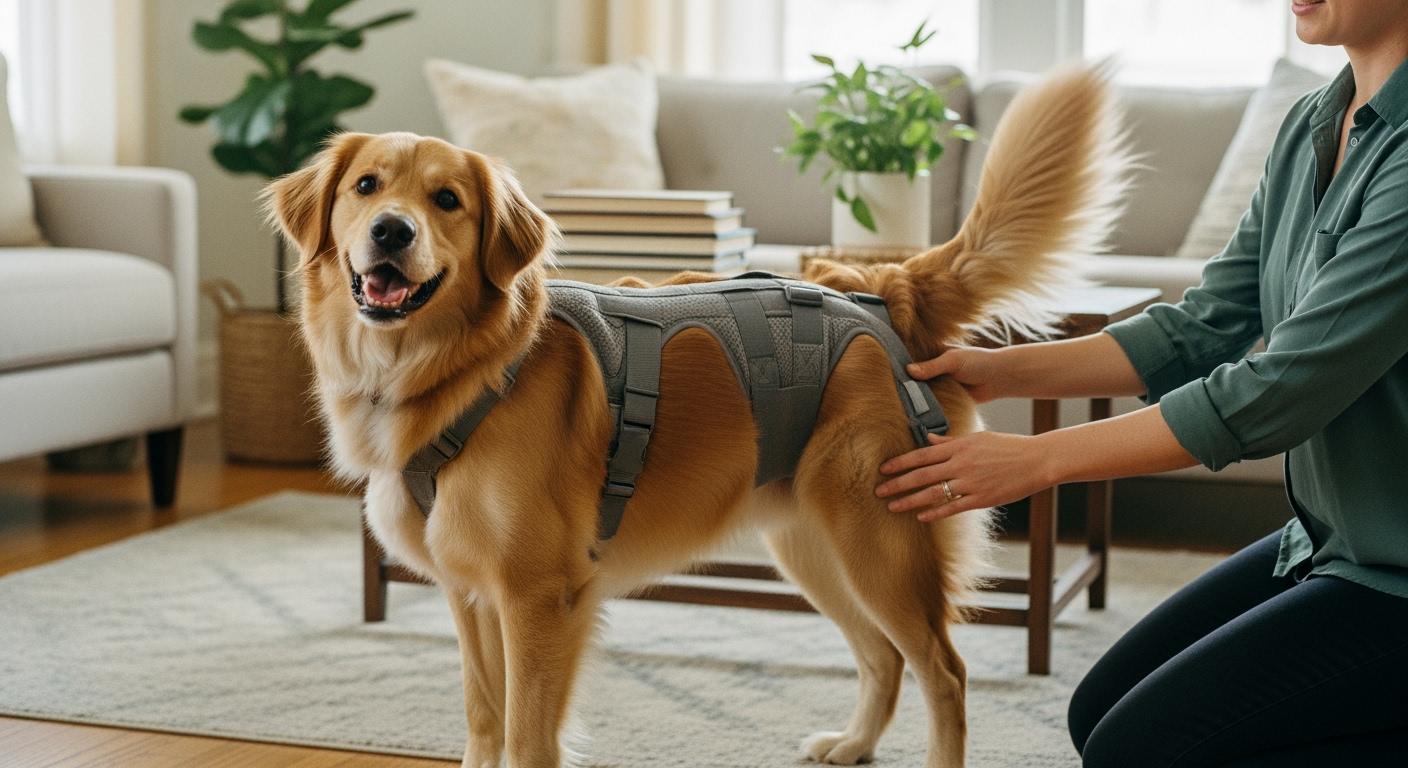
You want your dog to move easily and have fun every day. Dog back support solutions can help your dog feel steady, move better, and feel more comfortable. These are helpful if your dog has a weak back or core. There are several support options that can be used as part of a veterinary-guided mobility plan. For example, a back brace can help dogs with IVDD. It can lower pain and help your dog move better. The table below shows how these solutions help dogs:
Application Area | Benefits | Additional Notes |
|---|---|---|
Arthritis Management | Lessens pain, helps dogs move better | Often used with other treatments |
If you see your dog having trouble walking, standing, or keeping balance, picking the right support can really help. Stay alert and sure as you help your dog live more comfortably.
Key Takeaways
Dog back support solutions help your dog move easier and feel better, especially if they have back problems. – Watch for signs like stiffness or trouble walking; early support can help your dog walk and feel more sure of themselves. – Pick the right kind of support, like braces or harnesses, based on what your dog needs and how active they are. – A good fit is very important; measure your dog and pick products that give comfort and keep them steady without making their skin sore. – Talk to your veterinarian before using back support. For a broader comparison of support types, fit, and daily mobility needs, see our IVDD dog brace guide.
What Is Dog Back Support
Back, Spine, And Core Support
Dog back support helps your dog stay steady and comfortable when moving. For product-side options focused on spinal stabilization, review our dog back brace options. These solutions give extra help to the back, spine, and core. Many owners see their dogs struggle to keep their backs stable. This happens after resting or while walking. Dog back support devices focus on the middle and lower back, spine, and sometimes the back legs. These tools help your dog keep their back straight when you lift or carry them. This stops extra pressure on sore spots, like IVDD discs. You can also use wraps or braces to make the spine stronger and help with posture.
Product Type | Anatomical Target | Purpose |
|---|---|---|
Dog Back Braces | Mid-to-lower back (thoracolumbar region) | Stabilization and posture improvement |
Rear Leg Braces | Knee (stifle) or hock (rear ankle) | Reduce strain on hind limbs |
Full Body Wraps | Back, neck, and limbs | Multi-area compression and support |
Surgical Corsets | Spine | Spinal immobilization for recovery |
You can pick a support that matches your dog’s needs. Some dogs need help for their back and spine. Others need support for their back legs or core.
Why Dogs Need Back Support
You might see your dog having trouble walking or standing. Your dog may also have a hard time keeping balance. These signs often mean your dog needs more support for the spine. For condition-led guidance on bracing and movement support, see our IVDD dog brace guide. Dogs need back support for many reasons. Getting older can make the back or core weak. Problems like IVDD, spondylosis, or arthritis can make it hard to move. Injuries from falls or accidents can cause pain and less movement. Some dogs need extra help after surgery or while healing.
Tip: Look for signs like stiffness, weak back legs, or not wanting to move. Giving support early can help your dog stay active and feel better.
Dog back support lets your dog move with more confidence. You help your dog enjoy daily life and keep the spine strong. You can find easy solutions that fit your dog’s body and needs.
Signs Your Dog Needs Back Support
Stiffness And Reduced Mobility
Your dog might move slowly or seem stiff after resting. Older dogs often have back problems like spondylosis. This can make them less flexible and more stiff. About 70% of dogs over nine years old show these signs. Your dog may stretch in a strange way or hesitate to get up. It might not want to rise from bed. These changes can cause trouble with moving every day. If your dog stops jumping or running, it may be avoiding pain.
Tip: Look for stiffness after naps or slow steps. Giving support early can help your dog move better and feel good.
Difficulty Walking Or Standing
If your dog has trouble walking or standing, it may need extra help. You might see your dog struggle to stand up after lying down. It could limp during walks. Some dogs get tired faster or stop doing things they liked before. Changes in walking, like staggering or dragging back feet, show mobility problems. Dogs with weak backs or cores may find it hard to get in and out of the car or climb stairs.
Common signs include:
Trouble or not wanting to stand or walk
Struggling to get up from lying or sitting
Limping or favoring one leg
Getting tired fast and moving less
Hind Leg Weakness And Balance Issues
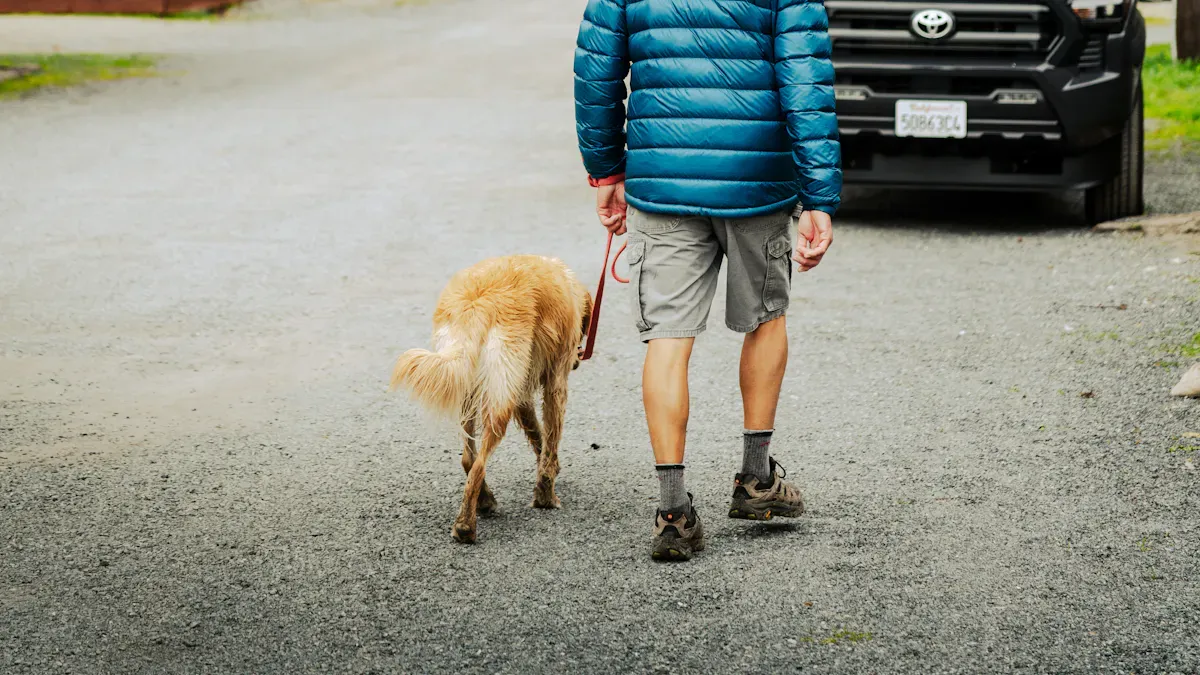
Hind leg weakness and balance problems can happen as dogs get older or have back issues. You may see your dog’s back legs slip or notice less muscle. Some dogs have a hunched back or drag their back legs. Balance problems can cause stumbling or falls, especially on slippery floors.
Sign Type | Description |
|---|---|
Changes in Posture | A hunched back, stiff spine, or dragging back legs |
Reluctance to Jump | Hesitating or refusing to jump or climb stairs |
Loss of Coordination | Unsteady moves, stumbling, or falling down |
If you see these signs, targeted back support can help your dog move better and feel more comfortable. For safer crate-rest transfers, supported walking, and spine-protective handling, see our IVDD dog lift harness guide.
Benefits Of Dog Back Support For Stability And Mobility
Improving Stability
You want your dog to feel steady and safe during daily activities. Dog back support helps your dog keep better balance when walking, standing, or moving around the house. A well-fitted dog back brace can add spinal stability during daily routines. These solutions give gentle support to the back and core, which helps your dog stay upright and reduces the risk of falls. When you use a support device, you help your dog distribute weight more evenly. This makes it easier for your dog to stand up from rest or hold a steady posture while eating or greeting family members.
Note: A stable back helps your dog feel more confident and less afraid of slipping or stumbling.
Enhancing Mobility
Dog back support can make a big difference in how your dog moves each day. Many dogs with weak backs or hind legs struggle to walk, climb stairs, or go outside for bathroom breaks. Support devices, such as back braces or wraps, help your dog move with less effort. For back-brace-specific use cases, pain relief expectations, and when a brace is commonly considered, see our dog back brace for IVDD article. These tools give extra help to the spine and core, making each step smoother and more controlled.
You may notice your dog walking with a more even gait or showing less hesitation when moving.
These results mean your dog can enjoy walks, playtime, and family time with more freedom. You help your dog stay active and engaged in daily life.
Increasing Daily Comfort
Comfort matters for your dog’s happiness. Dog back support solutions reduce strain on sore muscles and joints. When you use a support product, you help your dog rest more easily and move with less pain. Many dogs show more energy and a brighter mood when they feel supported.
You may see your dog sleeping better or getting up with less stiffness. Support devices can also make car rides, grooming, and simple routines more pleasant for your dog. Your dog feels less stress and more comfort throughout the day.
Tip: Choose a support that fits well and feels soft against your dog’s body. This helps your dog enjoy every moment, from morning walks to bedtime.
Dog back support gives your dog the help needed for stability, mobility, and comfort. You can make daily life safer and happier for your best friend.
Types Of Dog Back Support Solutions
You can pick from different dog back support options. Each one helps your dog stay steady, move better, and feel good. Choose the best type for your dog’s needs and how it moves.
Back Braces And Wraps
Braces and wraps give extra help to your dog’s back and spine. You use a brace if your dog has IVDD or just had surgery. A brace keeps the spine steady and stops bad movement. This helps your dog heal and keeps injuries from getting worse. Your dog might have a curved back, strange posture, or trouble standing. A brace can fix these problems and help your dog stand right. Wraps gently squeeze and support the whole body. They make your dog feel safe during daily things.
Tip: Use a brace if your dog does not want to jump, has weak back legs, or cries when touched.
Dog Support Harness And Lifting Aids
A dog support harness is useful for dogs with weak back legs, sore joints, or reduced rear-end control. For product-side options used on stairs, car entry, and assisted walking, review our dog lift harness options. You use a harness to help your dog get in cars, move inside, or climb stairs. Harnesses let you lift your dog if it cannot stand up. Many harnesses support the whole body. This makes walking and moving easier for your dog. You can use a harness to stop problems or help with known issues. Some harnesses clip to other gear for more back leg support and comfort.
Solution Type | Description |
|---|---|
Support Harnesses | Stop neck or back injuries and help dogs with moving, giving comfort and support. |
Help ‘Em Up Harness | Gives full body support for front and back legs, comes in many sizes. |
GingerLead Dog Sling | Clips to harnesses for more back leg support, made for steadiness and comfort. |
Note: Harnesses help your dog move safely in small spaces and support daily habits.
Mobility Aids For IVDD And Recovery
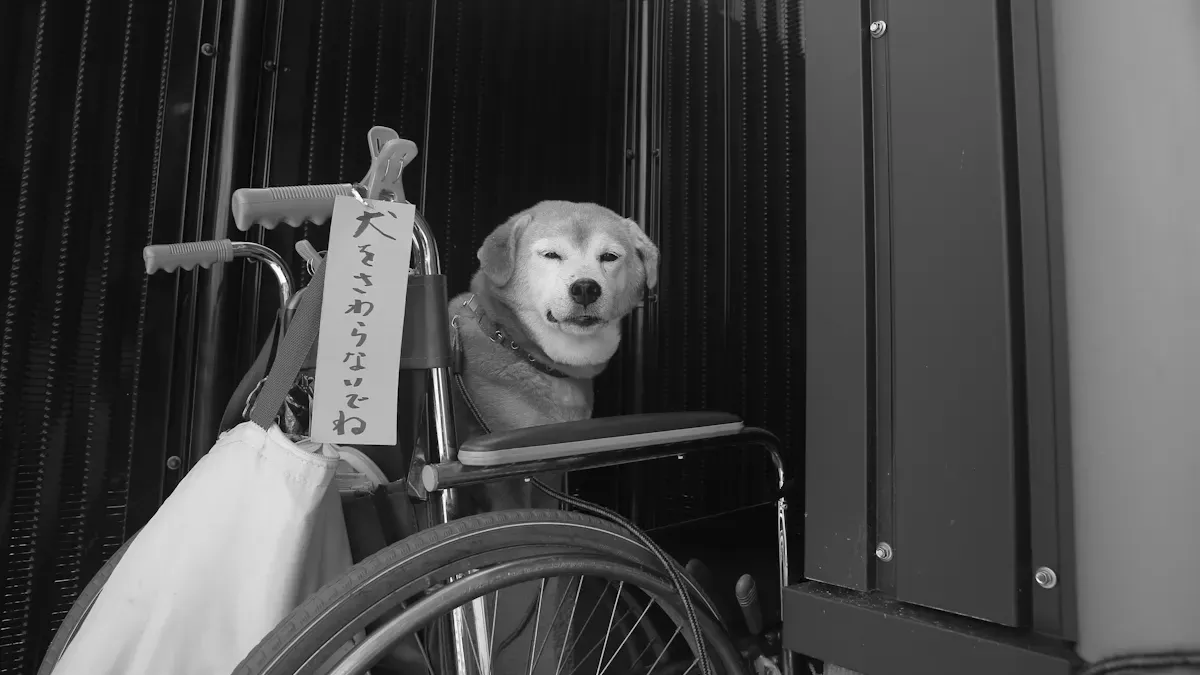
Mobility aids are important for dogs healing from IVDD or dealing with weak back legs. For crate-rest handling, short walks, and transfer support, see our IVDD dog lift harness guide. You can use a neoprene sling to help your dog stand up straight. Using mobility aids early, like dog wheelchairs, lowers pain and slows joint problems. These tools stop muscles from getting weak and help your dog’s mind feel better. You help your dog move gently, which helps with eating and bathroom needs. Experts say to start using mobility support early for better health later.
Solution Type | Description |
|---|---|
Dog Wheelchairs | Hold dogs up from underneath, take pressure off the back, and help them stay active while healing. |
Lifting Harnesses | Support the middle and back legs, making walks and daily things easier. |
Belly Support | Give extra help under the belly for good posture and comfort. |
Tip: Mobility aids bring back movement and help your dog stay active every day.
Dog back support solutions like braces, wraps, harnesses, and mobility aids give your dog the help it needs for steadiness, movement, and comfort. You can pick the right tool for your dog’s needs and make its life better.
When To Use Dog Back Support
Post-Surgery Recovery
You want your dog to get better after surgery. Using back support helps your dog stand and walk again. Many post-surgical dogs benefit from controlled support and handling after spinal procedures. A dog back brace may be considered as part of a veterinary-guided recovery plan.
Veterinarians often tell owners to use a back brace after spinal surgeries, especially for ivdd. The brace supports the surgery spot, lowers pain, and helps healing.
Dog back support helps your pet stand, walk, or rest with less trouble. This support lets your dog feel more free and helps you with daily things like bathroom breaks or short walks. You help your dog avoid quick moves that can slow healing. Using support early can make your dog feel better and more sure.
Age-Related Mobility Decline
Older dogs move slower as they age. You may see your dog walk slowly, stop at stairs, or have trouble getting up. Back support helps your dog stay active and do daily things. Many owners use support to help older dogs walk, stand, or get in the car. You can use back support every day to help your dog stay steady and not fall. This keeps your dog moving and happy, even as it gets older.
IVDD And Rear-End Instability
Dogs with IVDD or weak back legs need extra help to move safely. You might see your dog trip, shake, or not want to move. Some dogs shake their back legs after exercise or when standing still. Others rest in odd ways, like tucking their back legs or arching the spine. You may also see your dog pull one or both back legs under the body when standing or sitting.
Tripping, shaking, or not wanting to move.
Shaking back legs, especially after exercise or when standing still.
Odd resting, like tucking back legs or arching the spine.
Pulling one or both back legs under the body when standing or sitting.
Dog back support helps your pet move and feel more free. You can use support tools as part of a bigger plan to keep your dog safe and comfy every day. These tools help your dog enjoy life, even with hard problems.
Tip: Pick support that fits your dog’s needs and daily life. The right support helps your dog stay active and brave.
Choosing Dog Back Support
Fit And Comfort
You want your dog to feel good and move with ease. The right fit makes all the difference. Start by measuring your dog around the chest, waist, and underbelly. Use these numbers to check the sizing chart from the product maker. A good fit means the back support stays in place and does not rub or slip. You help your dog avoid chafing and skin problems.
Look for these features when you choose a back support:
Padding that protects your dog’s skin and adds comfort.
Breathable fabrics like mesh or nylon that keep your dog cool.
A design that supports the back legs and abdomen without blocking movement.
Quick-release buckles for easy on and off.
Handles or D-rings for extra help during walks or lifting.
A well-fitted back support lets your dog walk, stand, and rest with less effort. You give your dog the comfort it needs for daily life.
Adjustability And Support Level
Every dog has a unique shape and size. You need a back support that adjusts to your dog’s body. Adjustable straps let you change the tightness for a snug fit. This helps you avoid pressure points and keeps your dog comfortable all day.
Think about the level of support your dog needs. Some dogs need gentle support for daily walks. Others need more firm support after surgery or during recovery. Choose a product that matches your dog’s activity level and needs.
Tip: Try the back support on your dog and check for gaps or tight spots. Adjust the straps until the fit feels just right.
A good back support should move with your dog. It should not slip or twist during play or rest. You want your dog to feel secure and free.
Materials And Daily Use
The materials in a back support matter for comfort and durability. Look for high-quality fabrics that last through daily use. Many top products use breathable and antimicrobial neoprene. This keeps your dog cool and helps prevent odors. Padding reduces stress on your dog’s joints and adds comfort.
Check for these material features:
Moisture-wicking fabrics that keep your dog dry.
Strong stitching and sturdy buckles for long-lasting use.
Soft linings that prevent rubbing and add comfort.
A good back support should be easy to clean. You want to wash it often to keep your dog healthy. Choose a product that fits your routine and stands up to daily wear.
Feature | Why It Matters |
|---|---|
Breathable fabric | Keeps your dog cool and comfortable |
Padded support | Reduces stress on joints and adds comfort |
Durable construction | Lasts through daily walks and activities |
Easy to clean | Helps you keep your dog healthy |
You help your dog enjoy every day with the right back support. The best choice gives your dog comfort, support, and freedom to move. You can feel confident knowing your dog has the help it needs for a happy, active life.
Safe Use And Expectations
Setting Realistic Goals
Dog back support can help your dog move with more confidence. You may see your dog walk better and feel more comfortable. This is true if your dog has trouble moving. Many owners see their dogs climb stairs with less effort. Dogs also enjoy daily things again. Back support helps after surgery by letting your dog move safely. It also protects healing spots. If your dog has arthritis or joint pain, you may see less stress when walking or getting up.
Set goals that fit your dog’s needs and what it can do. Some dogs get stronger and balance better over time. Other dogs need help to stay active. You might see your dog do more things alone and feel happier. You also do not have to lift your dog as much when it stands, walks, or gets in the car.
Tip: Be happy about small changes. Every little step means your dog feels safer and more comfortable.
Monitoring And Veterinary Advice
You are important for your dog’s safety and health. Always check if the back support fits your dog well. A good fit makes sure the device works and keeps your dog safe. The table below shows key safety rules:
Safety Guideline | Description |
|---|---|
Precision Engineering | Safety requires precise fitting of the back brace to ensure it functions correctly for the dog. |
Consult a Veterinarian | Always seek professional advice before using a back brace to ensure it is appropriate for your dog’s specific needs. |
Make sure the back brace is the right size for your dog.
Ask your veterinarian before you buy or use any back support.
Watch your dog for changes in how it moves, feels, or looks. If you see red skin, swelling, or pain, take off the device and call your veterinarian. Checking often helps you change the support as your dog’s needs change.
Note: Your veterinarian can tell you the best way to use dog back support and keep your dog safe.
Dog back support helps your dog stay steady and move better each day. You can make your dog’s life happier by noticing changes and helping early. The table below shows how these tools help your dog’s life:
Benefit | Description |
|---|---|
Stability | Mobility support tools help dogs keep their balance and stay steady. |
Mobility | These tools let dogs walk, stand, and rest with more comfort. |
Comfort | Orthopedic beds and support tools lower pain and make dogs feel better. |
Safety | Ramps and steps help stop injuries for dogs who have trouble moving. |
You can make your dog’s life better by doing these things: – Give your dog healthy food and make sure it gets exercise. – Take your dog to the vet often and keep your home safe. – Work on training and let your dog meet other dogs and people.
Pick dog back support that fits your dog well and talk to your veterinarian for advice. With the right support, your dog can feel braver and enjoy life every day.
FAQ
How do I know if my dog needs back support?
You may notice your dog moving slowly, struggling to stand, or showing weakness in the back legs. If your dog avoids stairs or seems unsteady, dog back support can help improve stability and comfort.
Can my dog wear back support all day?
You can use dog back support during active times, like walks or play. Remove it during rest or sleep. Always check your dog’s skin and comfort. If you see redness or irritation, give your dog a break.
What size dog back support should I choose?
Measure your dog’s chest, waist, and underbelly. Use the sizing chart from the product maker. A good fit keeps the support in place and helps your dog move comfortably.
Will dog back support help with daily activities?
Yes! Dog back support can make walking, standing, and climbing stairs easier. Your dog may feel more confident and enjoy daily routines with less effort.
Do I need to talk to my veterinarian before using dog back support?
You should always ask your veterinarian before starting any new support. Your vet can help you choose the right solution for your dog’s needs.
Give your dog the comfort and support it deserves. Explore practical dog back support solutions to help your best friend stay active and happy every day.
