
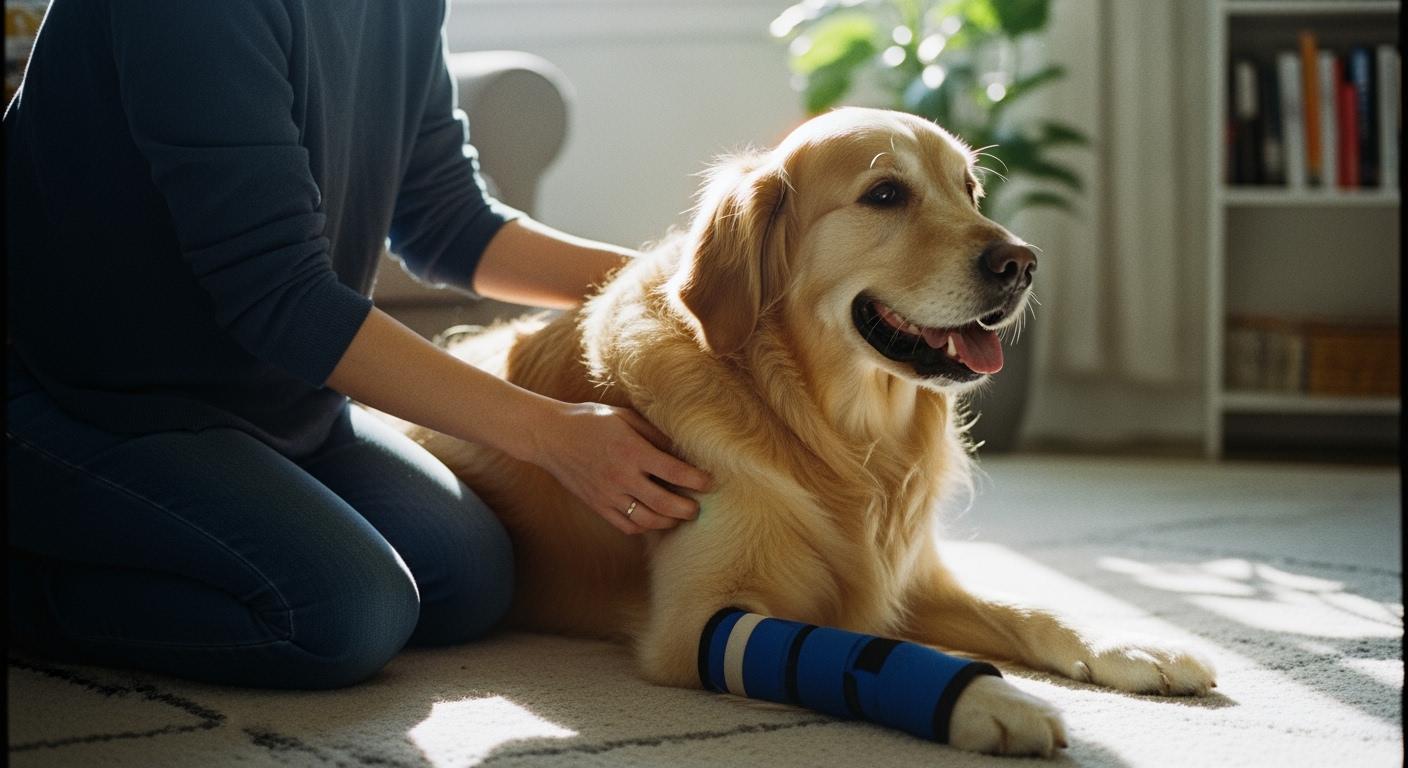
You want your dog to feel safe and happy each day. A dog leg sleeve keeps the leg safe from licking or scratching. It also stops other things that can bother the skin. This sleeve goes over the spot and helps wounds heal. It is good for hot spots or after surgery too. Many owners use a sleeve if their dog keeps touching a sore area. Some dogs need more protection. You can use a sleeve for comfort every day or for special support. Always ask your veterinarian for the best help for your dog.
Key Takeaways
A dog leg sleeve covers wounds and sensitive skin. It helps your dog heal faster. It also makes your dog feel better.
Using a sleeve stops too much licking and scratching. This can stop more injury or infection from happening.
Pick a sleeve that fits your dog well. For broader fit, coverage, and buying logic, review our Guides. Make sure the sleeve uses breathable materials so your dog stays comfortable while healing.
Ask your veterinarian for help choosing the right sleeve. For home-use setup and daily checks, see our dog anti-lick sleeve guide.
Check the sleeve often to make sure it fits right and is clean. This helps your dog heal and feel good every day.
Dog Leg Sleeve Basics
What Is a Dog Leg Sleeve?
A dog leg sleeve is a cover that goes on your dog’s leg. For step-by-step fitting, wound-site coverage, and daily checks, see our dog anti-lick sleeve guide. You use it to keep the skin safe and help your dog get better. The sleeve covers wounds, hot spots, or places your dog licks a lot. It gives soft support and keeps dirt away from sore spots. Most sleeves are made from soft, stretchy stuff so your dog can move. Some sleeves have padding to make them more comfy. Others have linings that pull sweat away to keep the skin dry and cool.
Here is a table that lists common materials and what they do:
Material | Properties |
|---|---|
Elastic Blends | Give gentle squeeze to help blood flow and lower swelling. |
Neoprene | Keeps joints warm and helps them bend easily. |
Reinforced Padding | Protects sore spots with foam or gel inside. |
Moisture-Wicking Linings | Uses special cloth to stop skin from getting irritated. |
You can pick a sleeve that fits what your dog needs. The right sleeve helps your dog feel good and safe when healing or just doing normal things.
Why Dogs Need Leg Protection
Dogs need their legs for running, jumping, and playing. Sometimes, a dog gets hurt or has a sore spot. You might see your dog lick or scratch the same place a lot. This can make healing take longer and cause more trouble. A sleeve helps stop this from happening. It covers the leg and keeps your dog from licking or scratching the sore skin.
Many things can hurt a dog’s leg or cause problems:
Sprains and strains from moving too fast
Broken bones from accidents
Cruciate ligament tears, mostly in big dogs
Luxating patella, which small dogs get a lot
Joint dislocations from getting hurt
Paw pad injuries from sharp things or hot ground
A sleeve gives your dog a shield from licking, scratching, and dirt. It also helps the leg while it heals. You can use a dog leg sleeve to protect wounds, after surgery, or to help your dog feel better if their skin is sensitive.
Tip: Always make sure the sleeve fits well and feels good. A good sleeve helps your dog heal and stay active.
Common Leg Issues in Dogs
Excessive Licking and Scratching
You may notice your dog licking or scratching its leg over and over. This behavior can cause problems for the skin. When a dog keeps licking, the skin can break down and form a wound. Scratching can make the area red and sore. Dogs often do this when they feel itchy or have a small injury. If you see your dog focusing on one spot, you should check for signs of a wound or irritation.
A dog leg sleeve can help in these cases. If licking is creating or worsening moist skin lesions, see our hotspot dog from licking guide. The sleeve covers the area and keeps your dog from reaching the spot. This helps the skin rest and heal. Many sleeves stay in place and do not bother the dog. You can use a sleeve for wound protection and to stop licking before it causes more damage.
Tip: Watch your dog closely if you notice licking or scratching. Early use of a sleeve can prevent a small problem from becoming a bigger wound.
Wounds, Hot Spots, and Irritation
Dogs get wounds from many things. Running outside, playing with other dogs, or even scratching too hard can break the skin. Hot spots are red, moist areas that form when a dog licks or chews one spot too much. These spots can get worse quickly if not protected.
A dog leg sleeve gives a barrier over the wound. It keeps dirt and germs away. The sleeve also stops your dog from licking or biting the area. Many sleeves use soft, stretchy fabric that does not chafe or pull. This means your dog can wear the sleeve without feeling uncomfortable. Some sleeves use moisture-wicking linings to keep the skin dry and cool. You can use a sleeve to cover a wound, protect a hot spot, or shield irritated skin.
If the main problem is recurrent moist irritation from licking, review our hotspot dog from licking guide for cleaning, barrier use, and recurrence prevention.
Common Causes of Leg Wounds in Dogs | How a Dog Leg Sleeve Helps |
|---|---|
Scratches from bushes or fences | Covers and protects the wound |
Bites from other dogs | Blocks licking and chewing |
Allergic reactions | Reduces scratching and irritation |
Hot pavement burns | Shields sensitive skin |
Post-Surgery and Injury Recovery
After surgery or an injury, your dog needs extra care. For leg-incision coverage and daily home checks, review our dog anti-lick sleeve guide. The leg may have stitches, bandages, or a healing wound. Dogs often try to lick or chew these areas, which can slow down healing. A dog leg sleeve can make recovery easier for both you and your dog.
You can use a sleeve to cover the leg after surgery. The sleeve supports the leg and helps reduce swelling. Many veterinary clinics use sleeves made from special fabrics that keep the area clean and dry. These sleeves stay on well and do not slip off easily. Some dogs find sleeves more comfortable than wearing a cone. The sleeve lets your dog move around at home while keeping the wound safe.
Note: Always check the sleeve each day to make sure it fits well and the wound looks healthy. Ask your vet if you have questions about using a sleeve for your dog’s recovery.
Dog Leg Sleeve Benefits
Protection for Healing Skin
You want your dog’s skin to heal without new problems. A dog anti lick product gives a gentle shield over wounds, hot spots, or irritated areas. This sleeve blocks dirt, dust, and bacteria from reaching the skin. You help your dog avoid licking or scratching, which can slow healing. Many sleeves use soft, breathable fabric that keeps the area dry and cool. You can use a sleeve with bandages to add another layer of protection. Some products, like the K9 Top Coat, cover the whole area from neck to tail. This design helps you protect large wounds or surgical sites. You keep your dog’s healing skin safe and clean every day.
Covers wounds and hot spots to block dirt and germs
Stops your dog from licking or scratching healing skin
Works with bandages for extra support
Keeps the area dry with moisture-wicking fabric
Tip: Check the sleeve often to make sure it stays clean and fits well.
Recovery Support and Comfort
You want your dog to feel good during recovery. A sleeve gives gentle support to the leg and helps reduce swelling. Many dogs move better with a sleeve than with a cone. The sleeve lets your dog walk, rest, and play with less stress. Studies show that sleeves like the Lick Sleeve improve comfort for most dogs after surgery. Owners report that their dogs feel happier and more relaxed with a sleeve. You can use a sleeve as part of your dog’s recovery gear to help them heal faster and stay active.
Gives gentle support to sore or healing legs
Reduces swelling and helps your dog move
Increases comfort compared to cones
Helps your dog stay active during recovery
Note: Always ask your veterinarian how long your dog should wear the sleeve for the best recovery support.
Anti-Lick and Anti-Scratch Management
You may see your dog lick or scratch the same spot over and over. This can cause wounds or make healing take longer. A dog leg sleeve gives anti-lick support by covering the area and making it hard for your dog to reach. Behavioral studies show that sleeves like the Lick Sleeve help reduce licking and scratching. Dogs often accept sleeves better than cones, which means they wear them longer. You help your dog break the habit of licking or scratching, which protects the skin and helps healing.
Blocks your dog from licking or scratching wounds
Helps stop new wounds from forming
More comfortable for your dog than a cone
Easy to use for daily recovery support
Tip: Make sure the sleeve fits well and check for signs of chewing or slipping.
Daily Wear for Sensitive Legs
Some dogs have sensitive skin or legs that need extra care every day. You can use a sleeve for daily comfort and support. The soft, stretchy fabric lets your dog move and play without pain. Veterinary recommendations say that sleeves help keep wounds clean and lower the risk of infection. You give your dog a sense of security and reduce stress by using a sleeve instead of a cone. The sleeve works well for dogs with allergies, hot spots, or minor injuries. You can use it as part of your dog’s daily routine for ongoing support.
Covers sensitive skin to prevent licking and scratching
Keeps wounds clean and dry for better healing
Lets your dog move freely and stay active
Reduces stress and helps your dog feel safe
Note: Choose a sleeve that fits your dog’s size and activity level for the best comfort and support.
You can use a dog leg sleeve as a practical solution for protection, recovery, anti-lick management, and daily comfort. This recovery gear helps your dog heal, stay active, and feel secure every day.
Types of Dog Leg Sleeves
Dog Recovery Sleeve for Front Legs
You can use a dog recovery sleeve for your dog’s front legs when you need targeted protection. This sleeve covers the leg from the shoulder to the paw. You help your dog avoid licking or scratching wounds, hot spots, or surgical sites. Many sleeves for the front legs use stretchy fabric for easy movement. You choose this option when your dog needs support for healing or daily comfort.
Tip: Check the fit around the shoulder and paw to make sure the sleeve stays in place.
Dog Recovery Sleeve for Back Legs
A dog recovery sleeve for back legs gives your dog support and protection for injuries or sensitive skin. You place this sleeve from the hip down to the paw. Dogs often need this sleeve after surgery or when they have joint pain. You help your dog move and play while keeping the area safe. Many sleeves for back legs use adjustable straps for secure coverage.
Sleeve Type | Coverage Area | Best Use |
|---|---|---|
Front Leg Sleeve | Shoulder to paw | Wounds, hot spots |
Back Leg Sleeve | Hip to paw | Surgery, joint support |
Full-Leg Coverage Sleeves
You choose full-leg coverage sleeves when your dog needs protection for the entire leg. This sleeve covers from the top of the leg to the paw. You use it for large wounds, post-surgery recovery, or when your dog has sensitive skin. Full-leg coverage gives your dog a barrier against licking, scratching, and dirt. Many dogs feel comfortable with this sleeve because it allows normal movement.
Partial Leg and Joint Sleeves
Partial leg and joint sleeves focus on smaller areas. You use these sleeves for your dog’s knee, ankle, or elbow. You help your dog with minor injuries or joint pain. These sleeves give targeted coverage without restricting movement. You can use them for daily support or short-term recovery.
DIY and Custom Options
You may want a custom dog recovery sleeve for your dog’s unique needs. You can make a sleeve at home using soft, breathable fabric. Some owners choose custom sleeves for special coverage or fit. You help your dog by adjusting the sleeve for comfort and support. Always check with your veterinarian before using a homemade sleeve.
Note: Custom sleeves let you match your dog’s size and activity level for the best coverage.
When to Use a Dog Leg Sleeve
After Surgery or Injury
You should use a dog recovery sleeve after surgery or injury. For body wounds versus leg wounds, compare our dog recovery suit vs e-collar guide. Veterinarians say sleeves help keep wounds safe from licking. The sleeve protects stitches and bandages. This makes recovery easier for your dog. It acts as a shield against dirt and germs. The sleeve lowers the risk of infection. Your dog feels more comfortable than wearing a cone. Many clinics use sleeves to help dogs recover and feel less stressed. You can wash these sleeves often. This keeps your dog clean while healing.
Stops your dog from touching wounds after surgery
Keeps bandages in place for better healing
Gives comfort and helps your dog move
If the wound is on the torso or belly rather than the leg, compare management choices in our dog recovery suit vs e-collar article.
For Wound and Hot Spot Protection
You need a dog recovery sleeve if your dog has a wound or hot spot. The sleeve covers the area and stops licking or scratching. This helps the skin heal faster and keeps the wound clean. Dog recovery sleeves protect from dirt and keep bandages safe. You make daily care easier and lower the chance of infection. Many sleeves use soft fabric for comfort and support.
Protects wounds and hot spots from dirt and germs
Keeps wounds safe and clean
Helps with daily healing routines
For Chronic Licking or Scratching
If your dog licks or scratches the same spot a lot, you should use a dog recovery sleeve. Licking can cause wounds and slow healing. The sleeve blocks your dog from reaching the area. This helps your dog stop the habit. You protect sensitive skin and help healing. Dog recovery sleeves are comfy and stay in place with straps. You can use them for daily support and long-term healing.
Stops your dog from licking or scratching wounds
Gives comfort for sensitive skin
Helps protect and heal over time
For Daily Comfort and Support
Some dogs need a dog recovery sleeve every day for comfort and support. Dogs with sensitive skin, allergies, or small injuries wear sleeves daily. You pick sleeves with soft fabric, straps, and strong material. These features keep your dog comfy and active. You can wash the sleeve easily to keep your dog clean. Vets help you choose sleeves that are safe and work well.
Feature | Description |
|---|---|
Breathable Fabric | Lets air in for comfort during daily wear |
Adjustable Straps | Makes sure the sleeve fits and does not stop movement |
Machine Washability | Makes cleaning easy for daily healing |
Durable Construction | Gives strong protection for daily use |
Veterinary Recommendations | Shows the sleeve is safe and works for your dog |
Tip: Always check the sleeve to make sure it fits and feels good. You help your dog feel safe and supported every day.
Choosing the Right Dog Leg Sleeve
Selecting the best dog leg sleeve can make a big difference in your dog’s comfort and recovery. For broader fit and product-planning logic, review our Guides. You want to find a sleeve that fits well, covers the right area, and feels good for your dog. Each dog has unique needs, so you should look at several factors before making your choice.
Fit and Coverage Area
You need to measure your dog’s leg before you buy a sleeve. A good fit keeps the sleeve in place and gives the right amount of coverage. If the sleeve is too tight, your dog may feel uncomfortable. If it is too loose, your dog might pull it off or it may slip down. You want the sleeve to cover the area that needs protection, whether it is a wound, a hot spot, or a joint.
Here is a table to help you choose the right size and coverage for your dog:
Sizing Recommendation | Description |
|---|---|
Size Quiz | Use the Size Quiz to find the correct size in under 2 minutes. |
In Between Sizes | If your dog is between sizes, go up a size for better comfort. |
Thick Legged Dogs | For dogs with thick legs, like Corgis, contact support for specific measurements. |
Daily vs Occasional Wear | Think about how often your dog will wear the sleeve to pick the right style. |
You should check the sleeve’s length and width. Make sure it covers the spot your dog needs to protect. Some sleeves give full-leg coverage, while others only cover the joint or a small area. You can ask your veterinarian for help if you are not sure about the size or coverage.
Breathable Materials and Comfort
Your dog will wear the sleeve for hours, so comfort matters. You want a sleeve made from breathable, moisture-wicking fabrics. These materials keep your dog’s skin dry and cool. Mesh, spandex blends, and ventilated neoprene are good choices. They let air flow and help prevent irritation. If your dog lives in a hot or humid place, look for sleeves with ventilation panels or perforated sections.
Many modern dog leg sleeves use performance fabrics. Neoprene gives warmth and gentle compression, which is good for joint support in cold weather. Spandex blends stretch and fit snugly without stopping movement. Nylon and mesh add extra breathability. You should avoid thick, non-porous materials unless your dog needs warmth for a short time.
Tip: Check the inside of the sleeve for soft seams and smooth linings. This helps your dog avoid rubbing or chafing.
Flexibility and Secure Fastening
Dogs move a lot during the day. You want a sleeve that bends and stretches with your dog’s leg. Flexible materials like spandex or mesh let your dog walk, run, and play without feeling stiff. The sleeve should not limit your dog’s movement.
Secure fastening is also important. Look for sleeves with adjustable straps, Velcro, or elastic bands. These features keep the sleeve in place, even if your dog is active. A good fastening system stops the sleeve from slipping or twisting. You should check the fit each day to make sure your dog stays comfortable.
Flexible fabrics allow natural movement.
Adjustable straps or Velcro keep the sleeve secure.
Elastic bands help the sleeve stay up on the leg.
Ease of Daily Use
You want a dog leg sleeve that is easy to put on and take off. Simple designs save you time and reduce stress for your dog. Machine-washable sleeves make cleaning easy. If your dog wears the sleeve every day, you may want to buy two sleeves so you can wash one while your dog wears the other.
Choose a sleeve that matches your dog’s activity level. Some sleeves are best for rest and recovery, while others work well for active dogs. You should look for sleeves that do not bunch up or twist during play. A good sleeve helps your dog feel safe and lets you keep up with daily routines.
Note: Always check the sleeve for signs of wear. Replace it if you see holes or stretched-out areas.
Vet Consultation
Before you buy a dog leg sleeve, you should talk to your veterinarian. For daily fit checks and safe home use, see our dog anti-lick sleeve guide. A veterinarian can help you pick the right size, style, and coverage for your dog. They know your dog’s health history and can give advice on what will work best. If your dog has a special condition or needs extra support, your veterinarian may suggest a custom sleeve or a special material.
Veterinarians recommend that you consult with professionals, such as orthopedic veterinarians or rehabilitation therapists, before using a sleeve. This helps you avoid problems from a poor fit or the wrong type of coverage. Your veterinarian can also show you how to put the sleeve on and check for comfort.
Tip: Bring your dog to the veterinarian for a fitting if you are not sure about the size or style.
Choosing the right dog leg sleeve helps your dog heal, stay active, and feel comfortable every day. You support your dog’s recovery and daily comfort by picking a sleeve that fits well, covers the right area, and uses breathable, flexible materials.
Using and Caring for Dog Leg Sleeves
Safe Application and Adjustment
You want your dog to feel comfortable and safe when using a dog recovery sleeve. Start by letting your dog wear the sleeve for short sessions. Give treats and praise to help your dog accept the new gear. Always check the fit before each use. Make sure the sleeve does not pinch or slip. Do not leave the sleeve on your dog overnight or when you are not home unless your veterinarian says it is safe. Follow these steps for best results:
Begin with short sessions and reward your dog for calm behavior.
Check the sleeve for damage before and after each use.
Adjust the sleeve so it covers the right area without being too tight.
Watch for signs of discomfort or chewing.
Ask your veterinarian for advice if your dog has a special recovery need.
Cleaning and Maintenance
Keeping your dog recovery sleeve clean helps your dog heal and stay healthy. Wash the sleeve after several uses or right away if it gets dirty. Use a mild detergent and let the sleeve air dry. Check the sleeve for loose threads or worn spots. Fix small tears with a needle and thread. Replace the sleeve if you see major damage. Store the sleeve in a cool, dry place. Here is a quick guide for cleaning and care:
Component | Recommended Care Instructions | Lifespan |
|---|---|---|
Silicone Cleaning Sleeve | Rinse after use; deep clean weekly. Soak in vinegar-water solution once a week for deep cleaning. | 12–24 months |
Microfiber Insert/Wipe | Replace monthly with heavy use; machine-washable. | 3–12 months |
Manual Brush/Mop | Wash weekly; inspect for damage. | 6–12 months |
Monitoring Recovery Progress
You play a key role in your dog’s recovery. Watch your dog each day for changes in the healing area. Look for redness, swelling, or signs of chewing. Schedule regular visits with your veterinarian to check your dog’s progress. These visits help you know when your dog can walk, run, or play again. Your veterinarian may adjust the recovery plan based on how your dog is healing. Keep notes about your dog’s activity and comfort while using the sleeve.
Comfort and Safety Tips
Choose a dog recovery sleeve made from breathable, hypoallergenic fabric. This helps your dog heal and stay comfortable. If the sleeve is too long, cut the bottom so it does not hang over the paw. You can roll the end into a cuff for a better fit. Some dogs need two sleeves for both legs. Most dogs do not need an e-collar with a sleeve, but watch for chewing, especially if your dog feels anxious. Use an e-collar at night if your dog tries to chew the sleeve. The right dog leg sleeve lets your dog recover without stress and keeps daily routines easy.
Tip: Always check the sleeve for fit and comfort. Good care and attention help your dog recover faster and stay happy.
Troubleshooting Dog Leg Sleeve Issues
Sleeve Slipping or Discomfort
You may notice your dog recovery sleeve slipping down the leg or causing discomfort. Check size, strap tension, and movement pattern before using the sleeve again. This can happen if the sleeve does not fit well or if your dog moves a lot during the day. Always check the size before you put the sleeve on your dog. A snug fit helps the sleeve stay in place. Adjustable straps or Velcro can give extra support. If your dog keeps pulling at the sleeve, try a different style or material. You want your dog to feel comfortable and safe while wearing the dog recovery sleeve.
Tip: Check the sleeve every few hours. Make sure it covers the right spot and does not bunch up or twist.
Skin Irritation or Allergies
Some dogs may get skin irritation or allergies from wearing a dog recovery sleeve. You might see redness, bumps, or your dog scratching under the sleeve. Many things can cause skin problems, such as:
Skin allergies
Skin trauma like bites, lesions, or bruises
Fungal or bacterial infections
Skin mites
Stress or anxiety
Lack of physical activity
To prevent these issues, choose a dog recovery sleeve made from soft, breathable fabric. Wash the sleeve often to keep it clean. Remove the sleeve for short breaks during the day. If you see signs of irritation, stop using the sleeve and talk to your veterinarian.
Resistance to Wearing the Sleeve
Your dog may resist wearing a dog recovery sleeve at first. Some dogs feel unsure about new things on their body. You can help your dog by letting them sniff and explore the sleeve before putting it on. Give treats and praise when your dog wears the sleeve calmly. Start with short sessions and slowly increase the time. If your dog tries to chew or remove the sleeve, use a distraction like a favorite toy. Patience helps your dog get used to the dog recovery sleeve.
When to Seek Veterinary Help
You should watch your dog closely while using a dog recovery sleeve. If you see swelling, bleeding, or a bad smell from under the sleeve, call your veterinarian. You also need help if your dog acts very tired or stops eating. Some problems need quick care. Your veterinarian can check the fit and give advice on the best dog recovery sleeve for your dog. Always ask for help if you feel unsure about your dog’s recovery.
Note: A dog recovery sleeve supports healing, but it does not replace professional care. Your veterinarian is your best resource for your dog’s health.
You want your dog to get better, play, and feel safe each day. A dog leg sleeve keeps wounds, surgery spots, or sensitive skin safe and comfy. Using a dog recovery sleeve helps your dog heal and feel supported. It gives gentle help for small hurts and keeps joints warm. Your dog can feel movement better and stay steady. The sleeve also lowers swelling and gives extra support. Pick a sleeve that matches your dog’s needs and ask your vet for help. Look at the sleeve often and follow your vet’s care advice. The right dog recovery sleeve makes healing and daily comfort simple for your dog. Try adding a dog recovery sleeve to your dog’s daily care for more comfort and safety.
Helps your dog heal after surgery or injury
Protects wounds and sensitive skin from harm
Supports your dog’s comfort and daily fun
Simple to use and clean with your vet’s help
Your dog should always get great care. A dog recovery sleeve is a smart choice for your dog’s healing and comfort plan.
FAQ
How do you measure your dog for a dog leg sleeve?
You measure your dog’s leg with a soft tape. Start at the top of the leg and go down to the paw. Check the width at the thickest part. Use these numbers to pick the right size.
Can your dog wear a dog leg sleeve all day?
You can let your dog wear a dog leg sleeve during the day. Take breaks to check the skin and let the leg breathe. Always follow your veterinarian’s advice for safe use.
What material works best for a dog leg sleeve?
You want a sleeve made from breathable, stretchy fabric. Materials like neoprene, mesh, or spandex blends keep your dog comfortable. These fabrics help prevent rubbing and let air flow.
How do you clean a dog leg sleeve?
You wash most dog leg sleeves in cold water with mild soap. Let the sleeve air dry. Check the care label for special instructions. Clean sleeves help your dog heal and stay comfortable.
Will a dog leg sleeve stop licking and scratching?
A dog leg sleeve covers the area and makes it hard for your dog to lick or scratch. You help protect wounds or sensitive skin. Always watch your dog and ask your veterinarian for extra tips.
