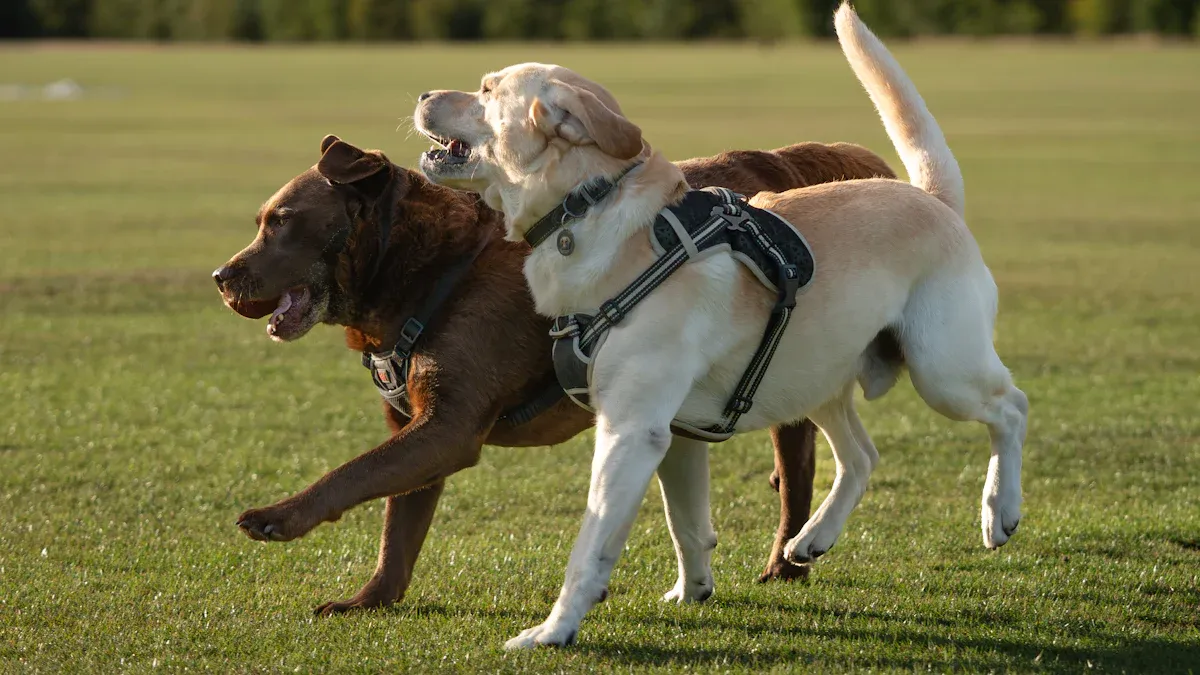
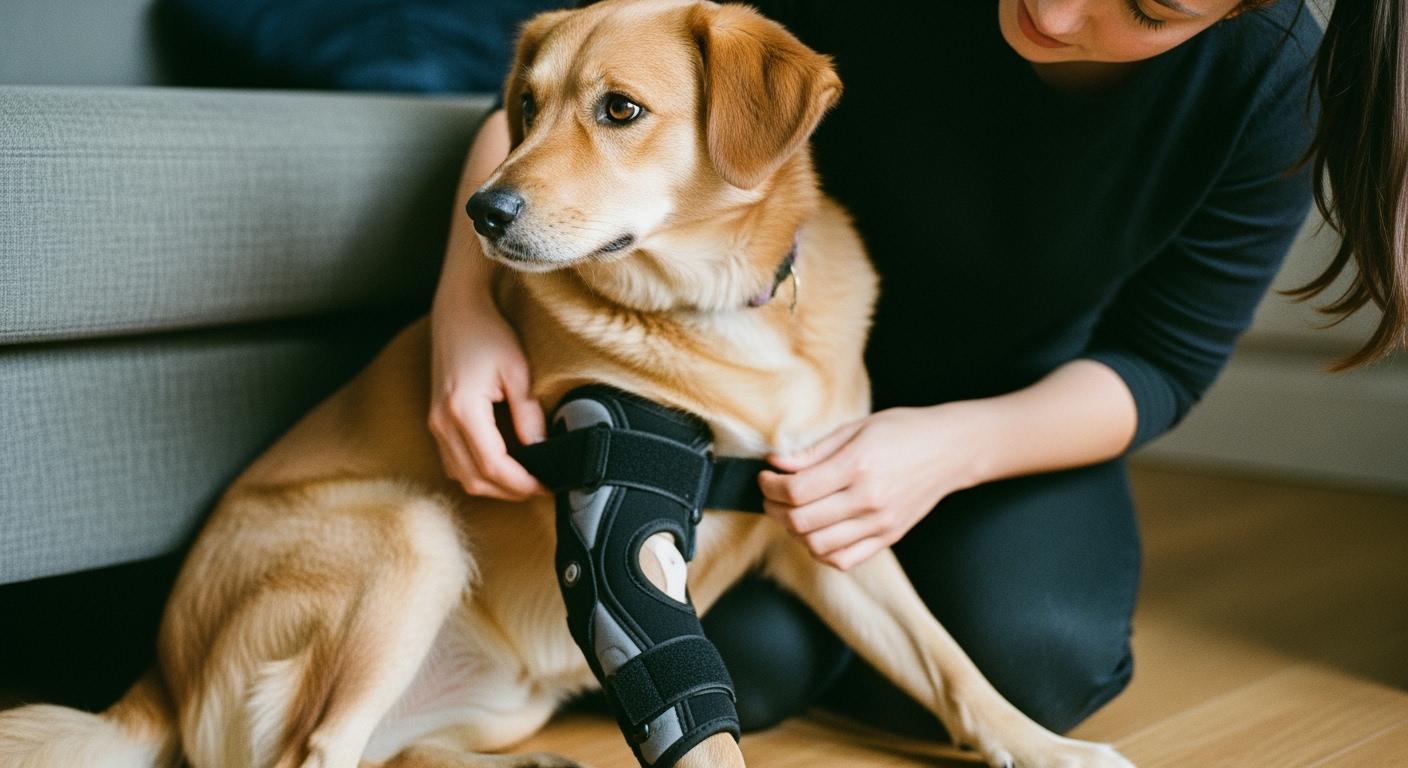
You might see your dog limping or skipping steps. Your dog may also show weakness in the back legs. These signs mean your dog needs more knee support. A dog patella luxation brace can help your dog move better. The brace gives stability to the knee. It helps your dog walk every day. Each year, about 1.3% of dogs get patella luxation. You are not alone if your dog has this problem. Owners often notice sudden limb lifting or a strange way of walking. Some dogs look bow-legged. You can explore supportive options as part of a veterinary-guided mobility plan. Always talk to your veterinarian before picking a dog patella luxation brace.
Key Takeaways
A dog patella luxation brace helps your dog’s knee. It lets your dog walk and play with more confidence.
Signs of patella luxation are limping and skipping steps. Your dog may move with less confidence. Talk to your veterinarian if you see these signs.
Braces do not cure patella luxation. They can help with pain and make moving easier. Always ask your vet about options before picking a brace.
Pick the right brace for your dog’s needs. For broader brace types, fit priorities, and buying logic, review our knee brace for dog guide.
Check your dog’s progress often. Look at the brace to make sure it is comfortable and works well.
What Is Medial Patellar Luxation in Dogs
Simple Explanation of Patella Luxation
Your veterinarian may say your dog has medial patellar luxation. This means the kneecap slips out of place. It moves toward the inside of your dog’s leg. The knee is also called the stifle joint. When the kneecap moves, your dog feels pain. The knee loses stability. You might see your dog limp or skip steps. Sometimes your dog lifts a back leg. Medial patellar luxation is also called kneecap instability or luxating patella. Many owners look for ways to help their dogs. A dog patella luxation brace can help your dog walk better.
Medial patellar luxation happens a lot in small breeds. Pomeranians, Chihuahuas, Poodles, Yorkshire Terriers, and French Bulldogs get it often. Big breeds like Labradors, Akitas, and Newfoundlands can get it too. Most dogs show signs between 5 months and 4 years old. Both knees can be affected at the same time. You may notice signs early if your dog is young.
Medial patellar luxation is a disease that develops as your dog grows. It makes the kneecap move out of place. This causes changes in the knee joint and how it moves.
Why Knee Stability Matters
Knee stability helps your dog feel comfortable and move every day. Medial patellar luxation changes how the knee works. The quadriceps muscle, patella, and other knee parts can get out of line. This makes the knee unstable. Your dog may find it hard to run or jump. Over time, medial patellar luxation can hurt soft tissues. It can wear down cartilage. It can raise the chance of arthritis or ligament injuries.
If your dog has medial patellar luxation, you may see less confidence in movement. Your dog may avoid stairs or not want to jump. A dog patella luxation brace can support the knee and help your dog stay stable during daily activities. A brace does not cure medial patellar luxation or replace surgery, but it can provide useful daily support. For mild-case use, fit reminders, and when to ask a vet about surgery, see our luxating patella knee brace guide. Always ask your veterinarian before picking a brace.
Common Signs in Dogs With Patella Luxation
Skipping Steps and Limping
You might see your dog limp or skip steps. Medial patellar luxation can cause limping that comes and goes. Your dog may lift a back leg or hop for a few steps. Sometimes, your dog kicks the leg to fix the knee. These signs happen when the kneecap slips out of place. Medial patellar luxation makes your dog move differently to avoid pain.
Common signs include:
Limping or skipping steps sometimes
Sudden yelps or not wanting to walk
Walking strangely or legs not lined up right
Kicking the leg to fix the knee
Medial patellar luxation can make your dog walk on three legs. You may see your dog hold up the hurt leg after playing or walking.
Hind Leg Weakness and Unstable Knee
Medial patellar luxation affects how strong your dog’s back legs are. The knee joint gets unstable. Your dog may show weakness in the back legs. Sometimes, the back leg cannot stretch all the way. Medial patellar luxation causes limping, hopping, or lifting a leg suddenly. Your dog may feel pain when the kneecap moves out of place.
Medial patellar luxation is a common bone problem. It makes it hard for your dog to move normally. The unstable joint and pain make daily life harder.
If medial patellar luxation is not treated, it can cause lasting limping and joint damage like osteoarthritis.
Reduced Confidence in Movement
Medial patellar luxation makes your dog less confident when moving. Your dog may not want to use stairs or jump. Your dog may play or exercise less. Pain and an unstable joint change how your dog walks and stands. If not treated, medial patellar luxation causes more slipping, joint damage, and muscle loss.
Signs of less confidence:
Not wanting to move or play
Avoiding stairs or jumping
Walking and standing differently
Early care from a veterinarian helps with pain and keeps your dog moving. For practical walk plans, safety checks, and movement monitoring, see our dog gait training support guide.
Why Consider a Dog Patella Luxation Brace
Support for Daily Mobility
You want your dog to walk and play every day. Medial patellar luxation makes these things harder. When the kneecap slips, your dog may limp or stop moving. A dog patella luxation brace gives extra help to the knee joint. This help lets your dog stand and walk with more confidence. Many owners look for dog leg braces when their dog lifts a back leg or has trouble with stairs. You might see your dog has less energy or avoids jumping. Dog leg braces can help your dog move with less pain and more steadiness.
Braces keep the knee steady and lower discomfort. They help your dog walk and stand more easily. Braces reduce swelling and protect healing ligaments. They can slow arthritis and help your dog move better. You may see your dog enjoy favorite things again, like gentle walks or playing outside. Dog leg braces do not fix medial patellar luxation, but they give support and comfort for daily life.
Veterinarians often suggest braces for medial patellar luxation because they give support and steadiness to the hurt leg. Braces help stop the kneecap from slipping out of place. They also lower pain and swelling, which makes your dog’s life better. You may pick a brace as part of a plan for support and pain control, especially if your dog cannot have surgery.
Tip: Always talk to your veterinarian before using a dog patella luxation brace. Your vet can help you pick the right brace and make sure it fits well.
Activity Management and Recovery
Medial patellar luxation changes how your dog runs, jumps, and plays. You may worry about your dog’s safety during activity. Dog leg braces help control activity by stopping harmful knee movement. This help protects the joint during walks, play, or rest. Braces vs. surgery is a common question for owners. Braces are often used for mild or moderate medial patellar luxation, older dogs, or when surgery is not possible. Braces help your dog put weight on the leg and build strong scar tissue over time.
Dog leg braces are also good during recovery. If your dog had surgery, a brace can help healing and stop more injury. Braces vs. surgery is important to think about. Braces do not fix torn ligaments or undo joint damage, but they are a less risky choice with a longer, easier recovery. You may see your dog move better in a few weeks for mild injuries. Moderate injuries may take 6-8 weeks, and severe injuries may need months. Braces vs. surgery is a choice you make with your veterinarian, based on your dog’s needs.
Dog leg braces are part of a bigger plan to help healing and long-term movement. You may use a brace with physical therapy, weight control, and activity changes. Braces vs. surgery is not always one or the other. Sometimes, braces help after surgery or help dogs who cannot have surgery. Braces vs. surgery is something you should talk about with your veterinarian to find the best plan for your dog.
Braces can give short-term help for dogs with mild or moderate medial patellar luxation. They do not fix the main bone problem, but they give relief and help your dog stay active. You should watch your dog’s comfort and muscle strength while using a brace. Using braces too long can cause weak muscles, so regular check-ins with your veterinarian are important.
Dog leg braces give you a simple way to help your dog with medial patellar luxation. They give support and comfort, help control activity, and help healing and long-term movement. Braces vs. surgery is a talk you should have with your veterinarian to make the best choice for your dog’s health and happiness.
If your dog needs help on stairs, during short lifts, or with supported walking, compare our dog lift harness options.
Main Benefits of Dog Patella Luxation Braces
Keep the knee joint steady and lower pain
Help dogs walk and stand more easily
Reduce swelling and protect healing ligaments
Slow arthritis
Help your dog move better
Give steadiness and support to the knee joint, stopping more dislocations
Ease discomfort by keeping the kneecap steady
Help dogs move more freely and do daily things with less pain
Note: Dog leg braces are for support and comfort. They do not take the place of surgery or care from your veterinarian. Always follow your veterinarian’s advice for the best results.
Types of Braces for Dogs
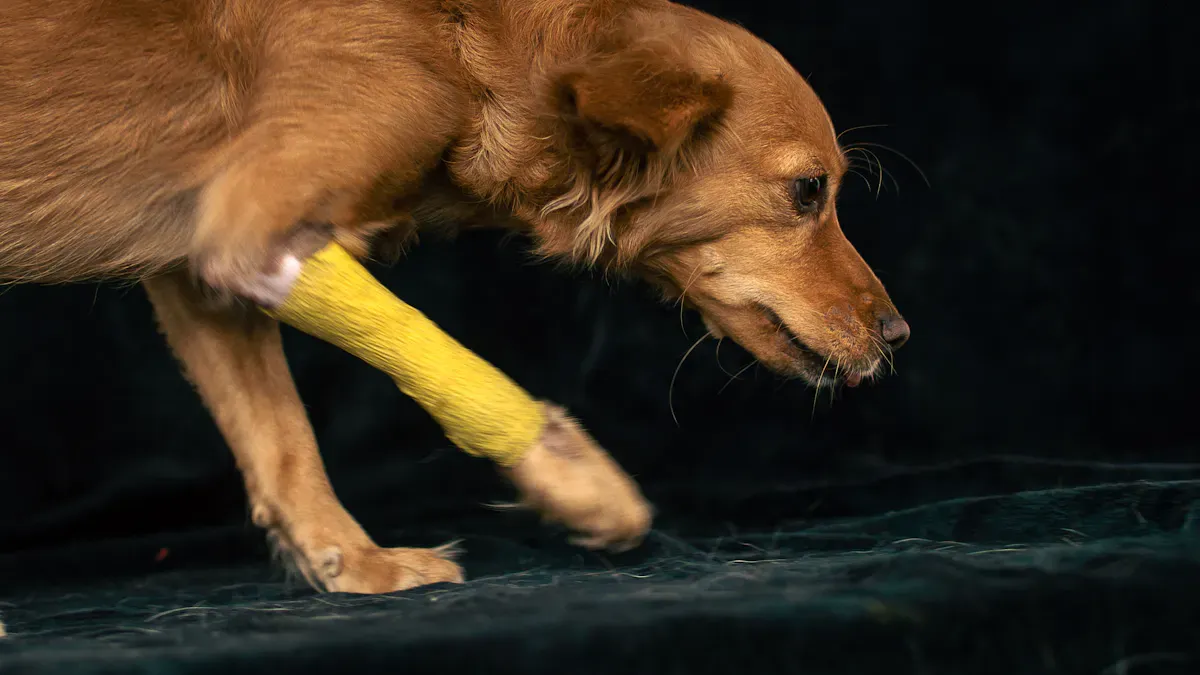
When you search for a dog patella luxation brace, you will see many choices. Each brace helps with medial patellar luxation in its own way. Some braces give strong support. Others are made for comfort. You should pick the brace that fits your dog’s needs and daily life.
Rigid vs. Flexible Braces
Braces for medial patellar luxation come in two main types: rigid and flexible. Rigid braces use hard materials to keep the knee steady. Flexible braces use soft materials so your dog can move more. The table below shows how these braces are different:
Feature | Rigid Dog Knee Braces | Flexible Dog Knee Braces |
|---|---|---|
Support | Provides structural support and stability for severe injuries | Offers comfort and flexibility for mild injuries |
Comfort | May be less comfortable due to rigidity | Generally more comfortable due to soft materials |
Best Use | Suitable for more severe injuries | Better for mild injuries |
You might pick a rigid brace if your dog has a serious injury. Flexible braces are good for mild cases or everyday support. Both types help keep the knee steady and help your dog move.
Custom and Off-the-Shelf Options
You can pick custom braces or off-the-shelf braces for medial patellar luxation. Custom braces are made to fit your dog exactly. Off-the-shelf braces come in regular sizes. The table below helps you compare these choices:
Feature | Custom Braces | Off-the-Shelf Braces |
|---|---|---|
Fit | Tailored to your dog | One size fits all |
Cost | Higher ($900-$1200) | Lower (usually cheaper) |
Material Quality | Durable and long-lasting | Less durable, wears out faster |
Longevity | Longer lifespan | May break sooner |
Waterproof | Yes | No |
Hydrotherapy Use | Yes | Not specified |
Custom braces fit best and last longer. Off-the-shelf braces are easier to buy and cost less money. You may want a custom brace if your dog needs it for a long time or has special needs. Off-the-shelf braces are good for short-term use or mild medial patellar luxation.
Here are some well-known braces for medial patellar luxation:
Kruuse Rehab Knee Protector For Dogs – Comes in many sizes for left or right knee.
Ortocanis Original Knee Immobilizer for Dogs – Has a side aluminum splint for extra support.
Labra Left Leg Dog Knee Brace – Attaches to a chest harness to stop slipping.
Labra Extra Supportive Dog Hock Brace – Uses neoprene for compression and stability.
Agon Rear Leg Dog Brace – Supports the hock joint and eases knee pressure.
Tip: Always ask your veterinarian before picking a brace for medial patellar luxation. The right brace can help your dog move with more comfort and confidence.
Choosing the Right Dog Knee Brace
Fit, Comfort, and Adjustability
You want your dog to feel safe and comfy in a brace. Fit is the most important thing. Measure your dog’s leg with care. Follow the size chart from the maker. A good brace gives support but does not hurt. Adjustable straps help you get the best fit. They keep the brace in place when your dog moves. If the brace is too tight, it can block blood flow. If it is too loose, it will not help enough. Comfort matters because dogs wear the brace for a long time. Pick a brace with soft padding and materials that let air through. This stops skin from getting sore. Check and adjust the brace often so your dog stays happy and active.
Support Level and Materials
Braces for medial patellar luxation have different levels of support. Some braces give light support for small problems. Others give strong support for big injuries or after surgery. The materials used in the brace are very important. Soft neoprene wraps give gentle pressure and comfort for mild injuries. Rigid braces made from strong plastic give more support and last longer. Some braces have hinges to help control movement. Foam, fabric, plastic, and metal all help keep the knee steady. Custom braces from trusted companies fit better and last longer. Custom orthosis or prosthesis options are there for dogs with special needs. Pick a brace that matches how active your dog is and how bad the injury is.
Tip: Always ask your veterinarian before picking a brace. Your vet can help you find the right fit and support for your dog’s medial patellar luxation.
Secure Straps and Daily Use
Strong straps keep the brace in place every day. Look for braces with straps that do not slip or twist. Easy fasteners make it simple to put on and take off. The brace should handle walking, playing, and resting. Tough materials help the brace last longer. You want a brace that is easy to clean. Some braces are waterproof, which is good for dogs who like water or hydrotherapy. Custom braces give the best fit and support for medial patellar luxation. Always check the brace for damage and replace it if needed.
Factor | Description |
|---|---|
Size and Fit | Make sure the brace fits snug and comfy on your dog’s leg. It should give support but not stop movement. |
Type of Brace | Pick a brace made for luxating patella, like a hinged or double dog knee brace. |
Quality and Durability | Choose a strong brace made from tough materials. It should last through your dog’s daily activities. |
Consultation | Talk to your veterinarian to find the best brace for your dog’s needs. |
Picking the right brace for medial patellar luxation helps your dog stay active and comfy. The right fit, support, and materials help your dog heal and enjoy daily life.
Safe Use and Daily Care for Braces
Monitoring Your Dog’s Progress
You want your dog to feel comfortable and safe while using braces for medial patellar luxation. Start with a veterinary diagnosis and choose the right brace for your dog’s knee. Make sure the brace fits well and lines up with the joint. Begin with short periods of wear and slowly increase the time. Use braces mainly during activity, not as a permanent cast. Combine brace use with weight management and gentle rehab exercises. Check your dog’s skin every day for redness or sores. Remove the brace during unsupervised sleep or crating. Watch for any signs of discomfort or changes in movement. Stay in touch with your veterinarian to update your plan as your dog’s needs change.
Inspect the brace for wear and tear, especially straps and hinges.
Measure your dog every few weeks to check the fit.
Adjust how often your dog wears the brace based on your vet’s advice.
Communicate with your vet to update the treatment plan.
Cleaning and Maintenance Tips
Keeping braces clean helps prevent skin problems and keeps the brace working well for medial patellar luxation. Follow these steps for daily care:
Soak the brace in water mixed with laundry detergent for five minutes.
Lay the brace on a towel and scrub all sides with a washrag.
Rinse the brace under running water to remove soap and dirt.
Air-dry the brace or use a hairdryer on a cool setting. Avoid using a dryer unless the instructions say it is safe.
Regular cleaning keeps the brace fresh and comfortable for your dog. Always check for damage before each use.
Helping Dogs Adjust to Braces
Dogs with medial patellar luxation may need time to get used to braces. Start slow by letting your dog wear a brace for a few minutes each day. Use treats and praise to reward calm behavior. Make sure the brace fits well and does not rub or cause irritation. Begin with short sessions indoors and slowly increase the time as your dog gets used to the brace. Use the brace during walks or active times, not all day. Look for braces with adjustable straps and side support for the best fit. If you notice any skin issues, talk to your veterinarian. Most dogs adjust well and can wear a brace throughout recovery, especially when you follow a gradual plan. Some owners use a leg brace for surgical recovery to help with healing and movement.
Tip: Successful use of braces for medial patellar luxation depends on a good fit, regular checks, and ongoing support from your veterinarian.
Picking the right brace for medial patellar luxation helps your dog feel better. Braces give knee support and make daily life easier. Many dogs use braces when surgery is not possible. The table below shows how braces help dogs move and keep the knee steady:
Evidence Type | Description |
|---|---|
Limb Function Improvement | Hinged braces can help dogs move their legs better with medial patellar luxation. |
Reduction of Abnormal Motion | Braces stop the knee from moving in strange ways. |
Non-Surgical Option | Braces work well if surgery cannot be done for health or money reasons. |
Custom Fit Importance | Custom or well-fitted braces with therapy give the best results. |
Keep talking to your veterinarian for the best care. Regular visits help you:
Make sure the brace fits your dog
Give more comfort and support
Stop slipping or sore spots
With good support, your dog can walk with confidence and do daily things. A dog patella luxation brace is a smart way to help the knee and improve life. Your care and help from your veterinarian really matter.
FAQ
How do I know if my dog needs a patella luxation brace?
You may notice limping, skipping steps, or your dog lifting a hind leg. If you see these signs, talk to your veterinarian. A brace can help support the knee and improve daily movement.
Can a dog patella luxation brace be used every day?
Yes, you can use a brace during daily walks, play, or rest. Always follow your veterinarian’s advice for how long your dog should wear the brace each day.
Will my dog get used to wearing a knee brace?
Most dogs adjust to a knee brace with time. Start with short sessions and use treats or praise. Make sure the brace fits well and check for any skin irritation.
How do I clean and care for the brace?
Wash the brace with mild soap and water. Let it air dry before putting it back on your dog. Regular cleaning helps keep the brace comfortable and safe.
Is a brace a replacement for surgery?
A dog patella luxation brace supports the knee and helps with movement. It does not cure luxating patella or replace surgery. Always discuss options with your veterinarian.