
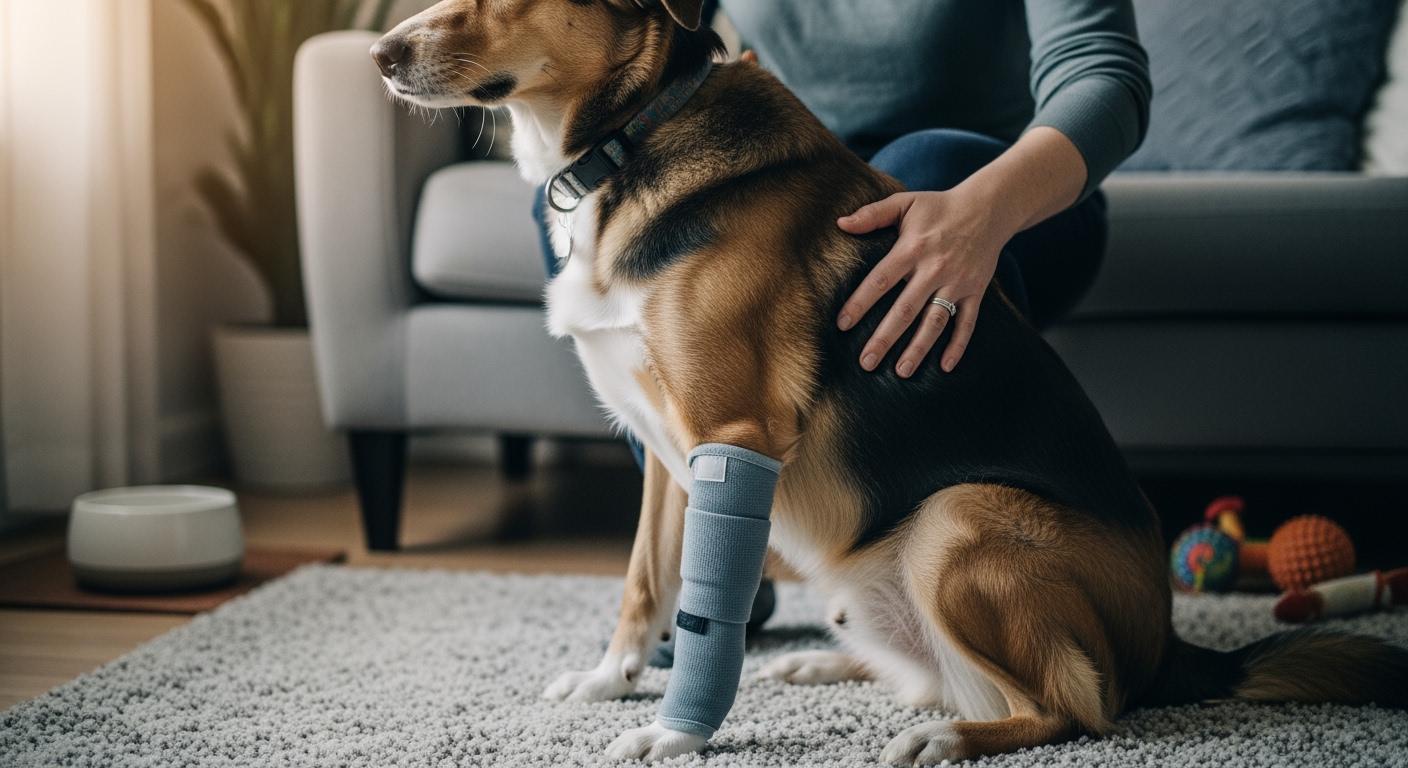
You want your dog to be safe and comfy while healing. A dog recovery sleeve back leg gives special protection for the back leg. It helps when your dog licks, scratches, or heals after surgery. Many owners see their dog bother wounds or hot spots on the back leg. You may need soft coverage after surgery. The sleeve lowers contact and keeps the spot clean. Look at the main worries in this table:
Concern Type | Description |
|---|---|
Risks of Licking | Saliva can bring germs to open wounds. This can cause infection. |
Daily Monitoring | Check often for redness, swelling, or strange discharge. |
Signs of Infection | Swelling that stays, bad-smelling discharge, or fever need a vet. |
Protective Gear | Recovery sleeves stop licking and keep wounds safe from dirt. |
Key Takeaways
A dog recovery sleeve keeps your dog’s back leg safe from licking and scratching. This helps your dog heal faster.
Pick a sleeve that fits your dog well. For broader fit checks, sizing logic, and safe use reminders, review our Guides. This helps your dog feel comfortable and supported while healing.
Check the sleeve often for any irritation or damage. This keeps your dog safe and comfortable.
Clean the recovery sleeve often. This helps stop infections and keeps healing healthy.
Talk to your veterinarian if you see strange behavior or discomfort in your dog.
Dog Recovery Sleeve Back Leg Overview
What Is a Dog Recovery Sleeve?
You want your dog to heal in a safe way. A dog recovery sleeve is a special piece of clothing for your dog’s back leg. For step-by-step fit checks and when to call your vet, see our dog recovery sleeve after surgery guide. The sleeve fits tightly and keeps the area safe from licking or scratching. You can use it on one back leg. You can turn it inside out to fit either leg. The sleeve is made from light, stretchy fabric. It covers cuts or sore skin while your dog heals.
“The Lick Sleeve Recovery Suit is tight and lets air through. It acts like a shield for your dog during healing. The fabric is soft, stretchy, and light. It stops your dog from licking or scratching wounds, surgery spots, hot spots, or sore skin. Your dog can still move around easily.”
You can put the sleeve on or take it off without trouble. This makes it easy to check wounds or give medicine. The sleeve stays in place and is simple to use. It helps you and your dog with daily healing.
How It Supports Back Leg Protection
A dog recovery sleeve gives support to your dog’s back leg. The sleeve covers the hurt or healing spot with strong, bendy fabric. This stops your dog from licking or scratching the area. It helps keep the skin safe while it heals. Your dog feels more comfortable than with a cone. Your dog can eat and drink like normal. The sleeve does not stop your dog from moving.
Dog recovery sleeves cover leg injuries or surgery spots.
The sleeve stays on better than bandages, which can fall off.
It is easier to look at wounds and care for your dog with a sleeve.
The sleeve can look different based on your dog’s needs and the size of the hurt area.
“The suit is easy to put on and take off. This helps when you need to check wounds or give medicine. The good design keeps it in place and makes it easy to use.”
You use a dog recovery sleeve back leg for daily healing, wound safety, and to stop licking. The sleeve helps your dog heal with less pain and more comfort.
Why Dogs Need Back Leg Protection
Common Recovery Needs
You want your dog to heal and feel good. Many dogs need extra help for their back leg. A dog recovery sleeve back leg gives special support while healing. You might use a sleeve after surgery or to cover wounds. It also helps stop licking. Dogs need this gear for many reasons. Check the table below for common cases and how sleeves help:
Scenario | Description | Key Benefits |
|---|---|---|
Post-Surgery Recovery | Used after surgeries like TPLO, FHO, ligament repairs to stabilize and protect the hind leg. | Supports healing, reduces swelling, prevents licking/infection, especially in large breeds. |
Managing Chronic Conditions | For arthritis, DJD, hip dysplasia in senior dogs to improve joint stability and mobility. | Pain relief, improved traction, enhanced mobility indoors and outdoors. |
Injury Prevention for Active Dogs | Protects active breeds prone to musculoskeletal injuries during high-impact activities. | Shock absorption, strain prevention, supports recovery between activities, ideal for sports dogs. |
Support for Disabled/Neurological Dogs | Assists dogs with paralysis, nerve damage, or spinal issues using braces and harnesses. | Weight-bearing aid, improved posture, prevents sores, promotes independence. |
Pregnant or Lactating Dogs | Supports hind legs and joints under increased abdominal weight in late pregnancy, especially large breeds. | Alleviates strain, improves stability during pregnancy and lactation. |
A dog recovery sleeve back leg helps with these needs. The sleeve covers the back leg and keeps wounds clean. For post-op timing, leash-walk progression, and red flags after leg surgery, see our TPLO recovery week by week guide. You can use it after surgery, for pain, or to stop new injuries.
Signs Your Dog Needs a Sleeve
You might see your dog act different if the back leg hurts. Watch for these signs:
Limping or licking a sore spot
Trying to lick or scratch a healing area
Not running or jumping because of pain
Chewing at bandages or wounds
Redness or swelling on the back leg
Trouble getting up or lying down
If you see these things, a dog recovery sleeve back leg can help. The sleeve covers gently and stops your dog from making it worse. You can use the sleeve every day, for wounds, or after surgery. The sleeve fits well, stays on, and lets your dog move. You help your dog heal by picking the right sleeve for the back leg.
Benefits of Dog Recovery Sleeve Back Leg
Wound and Skin Protection
You want your dog’s back leg to stay safe while healing. A dog recovery sleeve back leg is an easy way to cover wounds or sore skin. The sleeve works like a shield. It stops your dog from licking or scratching the spot. This keeps the skin safe and clean. You can use the sleeve after surgery or for any sore area that needs care.
Here is a table that shows how a dog recovery sleeve helps with wound protection and healing:
Feature | Description |
|---|---|
Purpose | Protects back leg wounds after surgery, hot spots, or other skin conditions. |
Functionality | Can secure or replace bandaging, promoting breathability and healthy incision healing. |
Comfort and Convenience | Provides a safe, comfortable, and convenient way to secure and protect the back leg during recovery. |
A dog recovery sleeve back leg covers the hurt area and keeps it safe. The sleeve blocks dirt and germs from getting in. It lets air reach the skin better than thick bandages. Your dog can move around and heal at the same time.
A dog recovery sleeve makes a barrier over wounds. It stops your dog from licking or scratching the spot. The sleeve keeps the area clean and covered. This helps your dog avoid more injury and heal faster. You can use the sleeve every day for wound care and support.
Comfort and Daily Recovery Support
Your dog needs to feel good while healing. A dog recovery sleeve back leg is soft and bends with your dog’s leg. The sleeve lets your dog walk, rest, and play with less worry. You can use the sleeve every day to help your dog feel better.
Many owners say a dog recovery sleeve helps their dogs a lot. One owner made a sleeve for their dog after ACL surgery. The dog could use the leg and walk with support. Another owner thanked others for advice and said the sleeve helped their dog heal. GingerLead is a popular product that many people like for helping dogs recover.
You can see these good things when you use a dog recovery sleeve:
The sleeve lets your dog move around while healing.
Your dog feels less stress than with a cone or thick bandage.
The sleeve fits tight and stays on for daily use.
You can check wounds or give medicine without taking off the sleeve.
The sleeve helps your dog’s back leg heal and feel better.
Tip: Pick a dog recovery sleeve back leg that fits well and uses fabric that lets air through. This helps your dog stay cool and comfy while healing.
A dog recovery sleeve back leg is a smart way to give wound care, comfort, and daily support. You help your dog heal with less worry and more freedom.
Types of Dog Recovery Sleeves for Back Leg
Sleeve Designs and Coverage
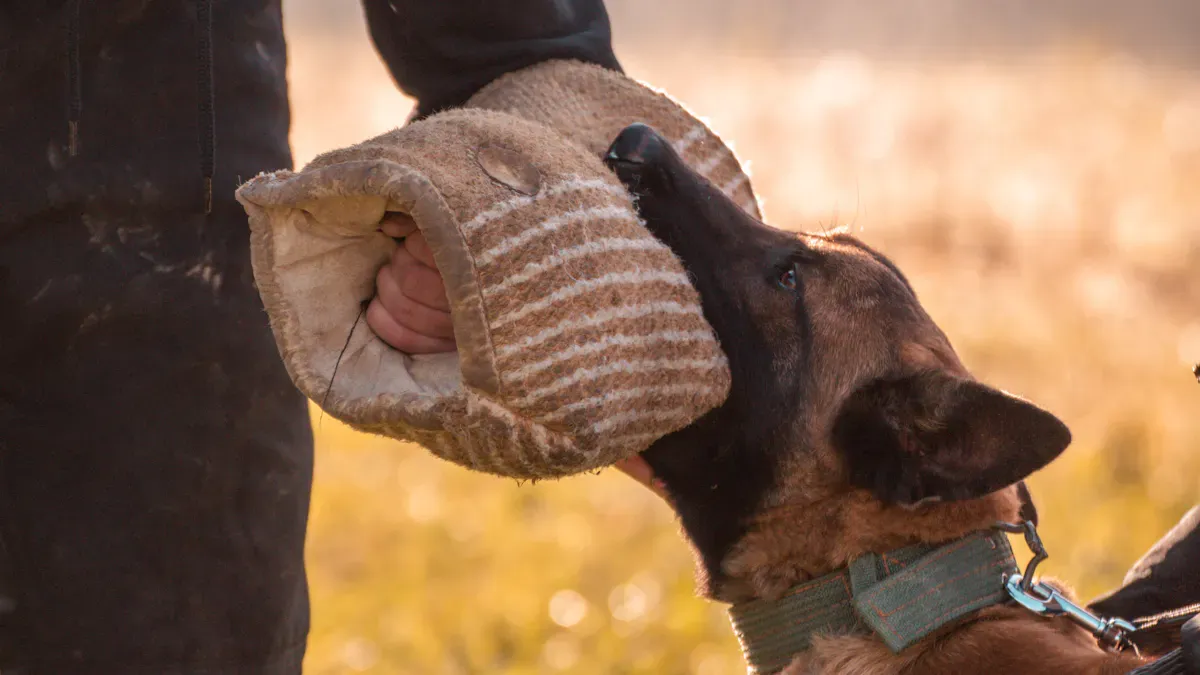
There are different types of dog recovery sleeves for the back leg. Each type gives your dog a special kind of comfort and coverage. Some sleeves cover just one back leg. These give support right where your dog needs it. Other sleeves, like recovery suits, cover both back legs. These suits let your dog walk and move easily. Full-body suits cover the whole body. Body wraps only cover small spots that need help. Some sleeves fit tight and do not slip off during the day.
Here are some common types of dog recovery sleeves:
Recovery suits with sleeves cover more than one area, including the back legs. These suits help your dog heal and feel better every day.
Sleeves for one leg give support to just one spot. You can use these after surgery or for wounds.
Full-body suits protect your dog’s whole body, even the back legs.
Body wraps cover small areas, like hot spots or places that itch.
Some examples are the Lick Sleeve, which covers both back legs and lets your dog go to the bathroom, and the Suitical, which covers one leg and comes in many sizes.
Tip: Pick a dog recovery sleeve that fits your dog’s needs and the size of the hurt spot. The right sleeve helps your dog heal faster and feel good.
Materials and Breathability
The fabric of a dog recovery sleeve is important for comfort and healing. You want your dog to feel good while getting better. Many people like breathable knitted denim. This fabric lets air in and keeps your dog cool on walks or outside. Organic cotton is another good choice. It is soft and safe for dogs with sensitive skin. A mix of lycra and cotton makes a light and stretchy sleeve. This mix helps your dog move and feel comfy every day.
Here is a table with common materials for dog recovery sleeves:
Material | Features |
|---|---|
Knitted Denim | Breathable, comfortable, supports healing, good for outdoor activities |
Organic Cotton | Hypoallergenic, breathable, supports healthy incision healing |
Lycra-Cotton Blend | Lightweight, flexible, machine washable, reusable, daily comfort during recovery |
Most dog recovery sleeves can be washed in a machine. This makes it easy to keep the sleeve clean every day. Breathable fabrics help your dog stay cool and comfy while healing. Picking the right sleeve and fabric helps your dog get better.
Choosing the Right Dog Recovery Sleeve
Fit and Sizing
You want your dog to feel safe and comfortable during recovery. Choosing the right dog recovery sleeve starts with fit and sizing. For torso wounds versus leg wounds, compare our dog recovery suit vs e-collar guide. A sleeve that fits well gives your dog the best support and protection. You need to measure your dog’s back leg before buying a sleeve. Use a soft tape measure to check the leg circumference at the widest point. Measure the length from the paw pad to the top of the leg. These steps help you find the right size for your dog.
Many brands offer different sizes for dog recovery sleeves. You can find sleeves for small, medium, and large dogs. Adjustable closures, like Velcro straps or elastic bands, help you secure the sleeve. These features let you adjust the fit for your dog’s unique shape. A sleeve that fits snugly stays in place and covers the healing area. Your dog can move freely and recover with less interference from licking or scratching.
Feature | Description |
|---|---|
Sizing | Offers different sizes for a proper fit |
Measurement Guidelines | Include leg circumference at the widest point and length from paw pad to top of the leg |
Adjustable Closures | Velcro straps or elastic bands for a secure fit |
Tip: Always check the sizing chart before you buy a dog recovery sleeve. Measure your dog’s back leg carefully. A good fit helps your dog heal and keeps the sleeve from slipping.
Comfort and Secure Fastening
Comfort matters when your dog wears a recovery sleeve every day. You want your dog to feel relaxed and supported. Look for sleeves made from soft, breathable materials. These fabrics keep your dog cool and prevent irritation. A sleeve with flexible fabric lets your dog walk, rest, and play without stress. Your dog needs comfort for daily recovery support.
Secure fastening is important for a dog recovery sleeve. Velcro straps, elastic bands, or snap closures keep the sleeve in place. These fasteners make it easy to put the sleeve on and take it off. You can check wounds or give medicine without trouble. The sleeve stays on during daily activities and protects the healing area.
When choosing the right dog recovery sleeve, consider these points:
Pick a sleeve that covers the affected area and fits your dog’s back leg.
Choose breathable, stretchy fabric for comfort and flexibility.
Look for secure fasteners that keep the sleeve in place.
Make sure the sleeve is easy to use and clean for daily recovery support.
Note: A sleeve that fits well and feels comfortable helps your dog heal faster. Your dog can move freely and enjoy daily life while wearing the sleeve.
You help your dog by choosing the right dog recovery sleeve. The sleeve gives support, comfort, and protection for the back leg. Your dog can heal and feel better every day.
Using and Caring for Dog Recovery Sleeves
Safe Use and Daily Wear
You want your dog to stay comfortable and safe during recovery. Using a dog recovery sleeve helps you protect the back leg and support healing. You should check the sleeve every day to make sure it fits well and does not cause irritation. Many owners use a dog recovery sleeve to cover bandaged legs or joints. This keeps dirt and moisture away from the healing area. You can follow your vet’s advice about activity and movement. Most dogs need a soft surface to rest on, which reduces pressure on the joints. You can use an e-collar if your dog tries to lick or chew the sleeve.
Check the sleeve for signs of rubbing or redness.
Make sure your dog can walk and move without trouble.
Use warm compresses after swelling goes down to soothe muscles.
Let your dog wear the sleeve for the recommended time. Many sleeves, like the Lick Sleeve, are worn for about three weeks to support healing.
Tip: Always watch your dog for changes in behavior or signs of discomfort. If you see swelling, redness, or your dog seems upset, contact your vet.
Cleaning and Maintenance
Keeping the dog recovery sleeve clean helps your dog heal faster. You should wash the sleeve often to remove dirt and germs. Most sleeves are machine washable. Use gentle soap and cold water. Dry the sleeve completely before putting it back on your dog. This prevents moisture from causing skin problems. You can check the sleeve for damage or loose fasteners. Replace the sleeve if it shows signs of wear.
Cleaning Step | Description |
|---|---|
Wash Regularly | Clean the sleeve every few days |
Use Gentle Detergent | Avoid harsh chemicals that irritate the skin |
Dry Thoroughly | Make sure the sleeve is dry before use |
Inspect Fasteners | Check straps and closures for security |
Note: A clean dog recovery sleeve gives your dog better protection and daily support. You help your dog heal by keeping the sleeve in good shape.
When to Consult a Veterinarian
Signs of Sleeve Issues
You should watch your dog when it wears a dog recovery sleeve back leg. Sometimes, problems can show up and you need a veterinarian’s help. Watch for these signs:
Your dog has red skin, swelling, or sores under the sleeve.
The sleeve rubs or makes your dog feel bad.
Your dog tries to bite or pull off the sleeve a lot.
You smell something bad or see fluid on the back leg.
Your dog limps or does not want to use the leg.
If you notice any of these things, call a veterinarian right away. A veterinarian will look for skin problems, infection, or other health issues. Do not ignore changes in how your dog acts. A veterinarian can tell you if the sleeve fits right and how to use it every day. You help your dog heal by listening to a veterinarian’s advice.
Tip: Always check the sleeve for broken parts or loose straps. A veterinarian can show you how to fix the sleeve so it fits better and feels good.
Adjusting Recovery Support
You should visit a veterinarian often while your dog heals. A veterinarian checks how your dog is doing and tells you when to change or stop using the dog recovery sleeve back leg. These visits help your dog get back to walking or running. A veterinarian makes sure the sleeve gives the right support and keeps your dog safe.
Sometimes, your dog may need a new way to heal. If the dog recovery sleeve back leg does not work, a veterinarian can help you pick something else. Here is a table with other ways to help your dog recover:
Alternative Option | Benefits | Drawbacks |
|---|---|---|
Body Suit | Gives full body cover, helps your dog move, lowers stress, and is simple to use. | May not work for all injuries, can get too hot, needs cleaning, and some dogs can get out of it. |
Bandage Wraps | Protects one spot, is soft and easy to use, can be changed, and does not cost much. | Must be put on right, needs cleaning, dogs might chew it off, and it does not work for every problem. |
T-Shirt Method | Feels normal for your dog, is cheap and easy to use, lets your dog move, and you can change it. | Does not protect much, dogs can take it off, you must watch your dog, and you need to fix it often. |
A veterinarian helps you pick the best way for your dog to heal. Always ask a veterinarian before you change your dog’s healing plan. Your dog gets the best care and safety with a veterinarian’s help.
Note: A veterinarian gives you the best advice for your dog’s healing. You keep your dog safe and happy by working with a veterinarian.
For product-side options that focus on limb coverage and anti-lick protection, review our Dog Anti Lick category.
A dog recovery sleeve back leg helps your dog heal every day. It gives comfort and support while your dog recovers. The sleeve stops licking, scratching, and keeps wounds clean. Owners say sleeves work well after surgery, for arthritis, and for injuries. Look at how sleeve types are different:
Type | Support Level | Best For |
|---|---|---|
Elastic Compression | Light | Daily wear, senior dog |
Injury-Specific | Firm | Surgery, trauma healing |
You need to check your dog’s skin and the sleeve each day. Make sure the sleeve fits and is clean. Always ask your veterinarian if you have questions. Pick the right sleeve so your dog can heal and feel good.
Make sure the sleeve fits your dog.
Watch your dog’s skin and wounds.
Clean the sleeve often.
Listen to your vet’s advice.
A dog recovery sleeve back leg can be a helpful part of your dog’s healing routine.
FAQ
How do I measure my dog for a recovery sleeve back leg?
You should use a soft tape measure. Measure the widest part of your dog’s back leg and the length from the paw to the top of the leg. This helps you choose the right size for comfort and mobility.
Can my dog walk and play while wearing a recovery sleeve?
Yes, your dog can walk, rest, and play. The sleeve supports mobility and daily routines. You should check the fit often to make sure your dog stays comfortable and active.
How often should I clean the dog recovery sleeve back leg?
You should wash the sleeve every few days. Use gentle soap and let it dry completely before putting it back on. Clean sleeves help protect healing skin and provide ease of daily wear.
What if my dog keeps trying to remove the sleeve?
You can check the fit and adjust the fasteners. Make sure the sleeve covers the right area and feels comfortable. If your dog still tries to remove it, ask for vet guidance.
Is the sleeve suitable for all types of wounds or surgeries?
The sleeve gives targeted coverage for many back leg needs. You can use it for wounds, hot spots, or after surgery. Always follow your veterinarian’s advice for the best support.
